 English
 Español
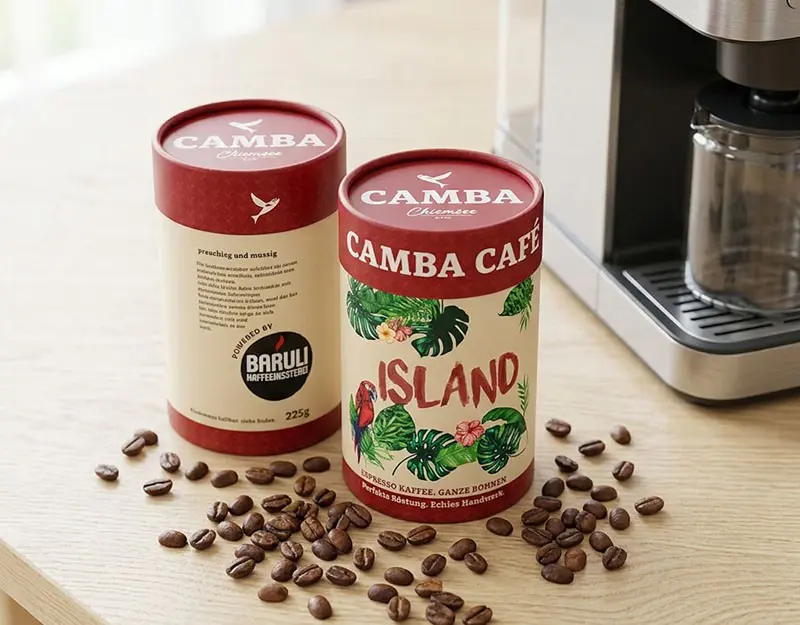


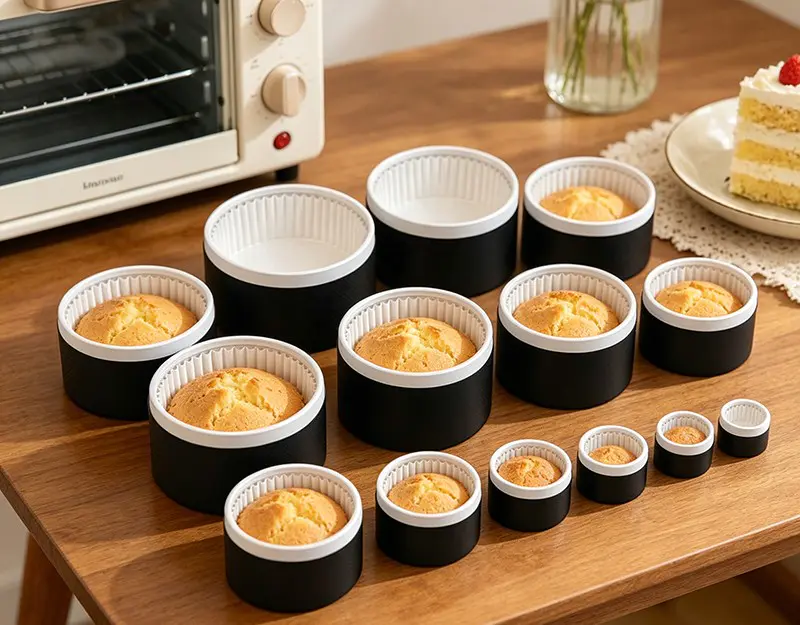

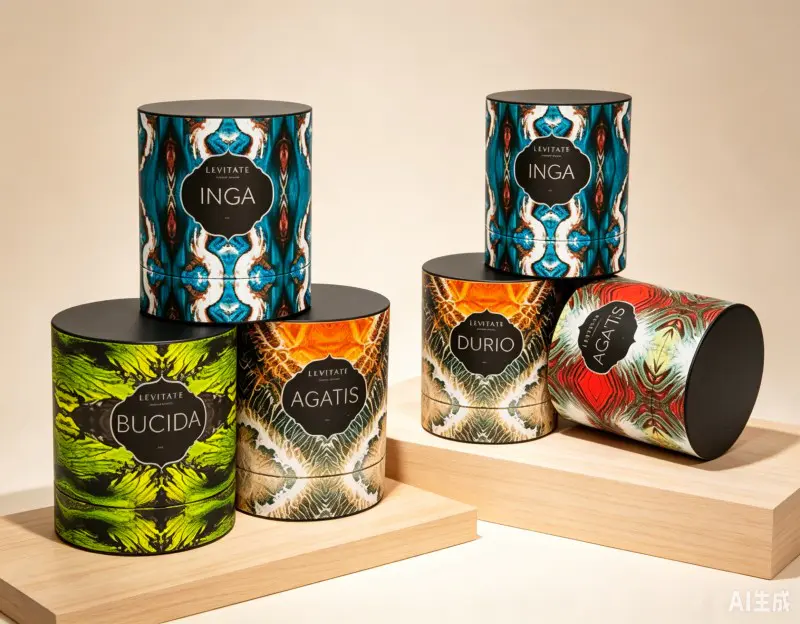
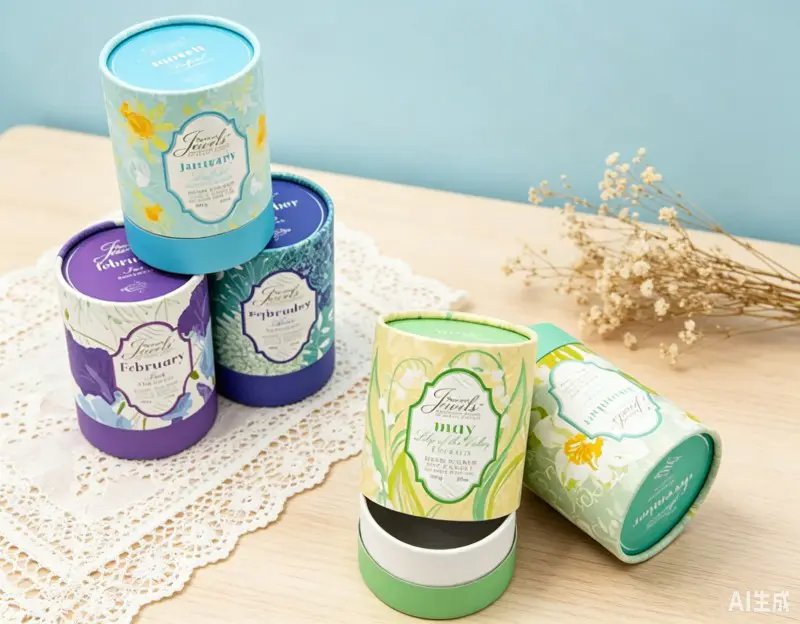
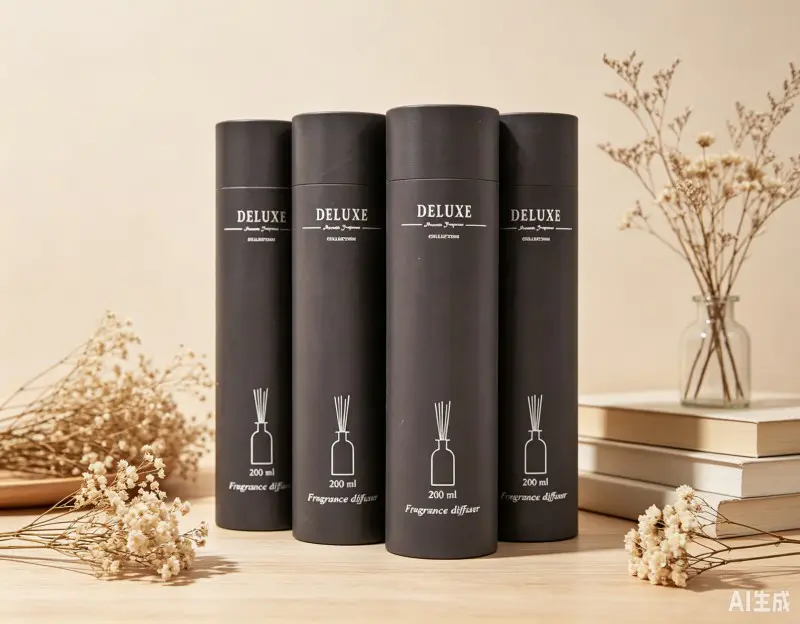
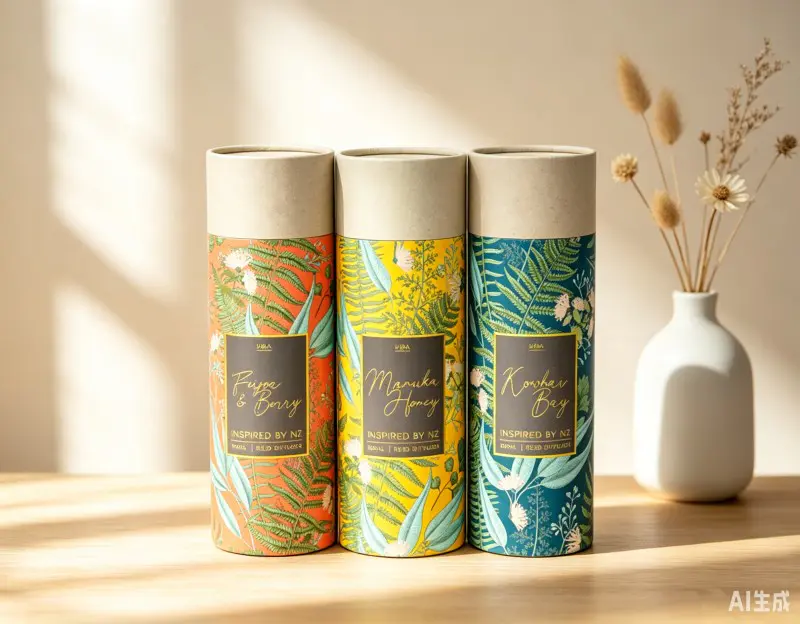

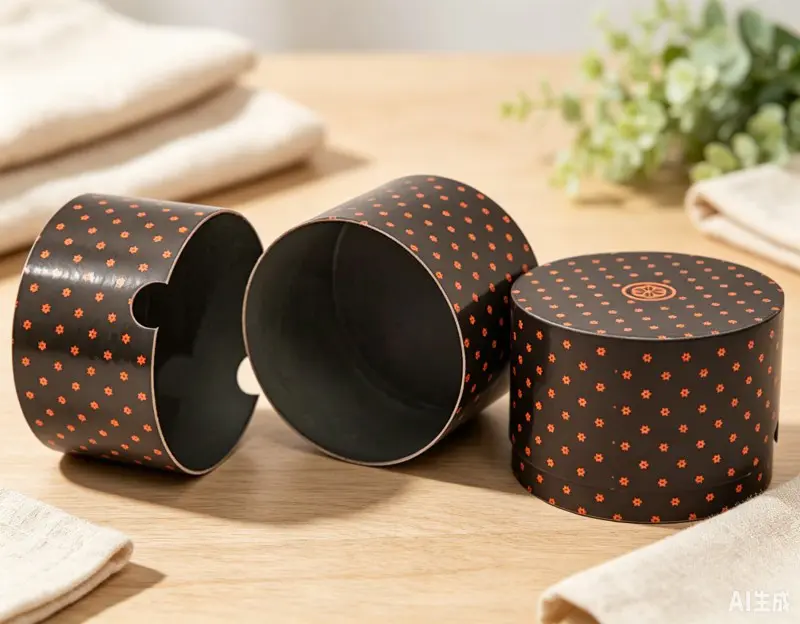


As one of the top China cardboard tube packaging manufacturers and paper tube packaging suppliers, we devote all of our efforts to research and launch more high quality packaging products to global market.
Paper tube packaging has become increasingly popular as businesses and consumers seek sustainable alternatives to plastic containers. These cylindrical packages made from paperboard or cardboard offer an eco-friendly solution that doesn't compromise on durability or visual appeal. Whether you're packaging cosmetics, food products, or retail items, paper tubes provide a versatile and environmentally responsible option that aligns with modern consumer values.
Content
- 1 What Makes Paper Tube Packaging Special
- 2 Common Types of Paper Tube Containers
- 3 Industries That Love Paper Tube Packaging
- 4 Environmental Benefits That Actually Matter
- 5 Customization Options for Your Brand
- 6 Cost Considerations and Value
- 7 How to Choose the Right Paper Tube Supplier
- 8 Design Tips for Maximum Impact
- 9 Storage and Shipping Advantages
- 10 Future Trends in Paper Tube Packaging
- 11 Making the Switch to Paper Tubes
What Makes Paper Tube Packaging Special
Paper tube packaging stands out from traditional packaging methods because of its unique construction and environmental benefits. These tubes are typically made from multiple layers of kraft paper or recycled cardboard that are wound and glued together to form a sturdy cylinder. The result is a packaging solution that's both strong enough to protect your products and gentle enough on the planet to make a real difference.
The beauty of cardboard tube containers lies in their simplicity and effectiveness. Unlike plastic packaging that can take hundreds of years to decompose, paper tubes break down naturally within months when properly disposed of. They're also completely recyclable, meaning they can be turned into new paper products rather than ending up in landfills. This circular lifecycle makes them an ideal choice for brands committed to reducing their environmental footprint.
Beyond sustainability, paper cylinder packaging offers excellent protection for delicate items. The rigid structure prevents crushing during shipping and handling, while the natural cushioning properties of layered paper absorb shocks and vibrations. Many manufacturers also add inner dividers or custom inserts to keep products secure and prevent movement inside the tube.
Common Types of Paper Tube Containers
Not all paper tubes are created equal. Depending on your specific needs, you can choose from several different styles and constructions. Understanding these variations will help you select the perfect packaging for your products.
Spiral Wound Tubes
Spiral wound paper tubes are the most common type you'll encounter. They're created by wrapping multiple layers of paper at an angle around a mandrel, creating a spiral pattern. This construction method produces incredibly strong tubes that can support significant weight and withstand rough handling. You'll find these used for everything from poster shipping tubes to food packaging like potato chips and coffee.
Convolute Tubes
Convolute tubes are made by wrapping paper layers parallel to the tube's length rather than at an angle. This creates a seamless appearance and provides uniform strength throughout the tube. These premium tubes are often used for high-end cosmetics, luxury goods, and products where appearance is just as important as function.
Composite Cans
Composite cans combine paper tube bodies with metal or plastic ends to create completely sealed containers. These are perfect for products that need extra protection from moisture, air, or light. Think of products like powdered supplements, snack foods, or craft supplies that benefit from the barrier properties of the metal ends combined with the eco-friendly paper body.
Industries That Love Paper Tube Packaging
Paper tube packaging has found its way into virtually every industry, proving its versatility and effectiveness across different product categories. Here's where you're most likely to encounter these sustainable containers:
- Cosmetics and beauty products including lipsticks, serums, facial oils, bath salts, and solid perfumes benefit from the premium feel and customizable appearance of paper tubes
- Food and beverage companies use paper canisters for items like tea, coffee, spices, nuts, dried fruits, protein powders, and specialty snacks
- Art supply manufacturers package brushes, pencils, pastels, and other delicate tools in protective cardboard tubes
- Textile and apparel brands use tubes for rolling and protecting clothing, scarves, ties, and fabric samples
- Pharmaceutical companies utilize paper tubes for vitamins, supplements, and over-the-counter medications
- Shipping and logistics providers rely on mailing tubes for documents, posters, blueprints, and photographs
Environmental Benefits That Actually Matter
When people talk about sustainable packaging, paper tubes deserve to be at the top of the conversation. The environmental advantages go far beyond just being recyclable. Let's look at the real impact these containers have on reducing waste and protecting our planet.
First, paper tubes are made from renewable resources. Most manufacturers use kraft paper derived from sustainably managed forests where trees are replanted faster than they're harvested. Many also incorporate recycled paper content, with some tubes containing up to 100% post-consumer recycled materials. This reduces the demand for virgin materials and keeps waste paper out of landfills.
The production process for paper tube packaging also has a smaller carbon footprint compared to plastic alternatives. Manufacturing paper tubes requires less energy and produces fewer greenhouse gas emissions. When you factor in the entire lifecycle from raw material extraction through disposal, paper tubes come out ahead in nearly every environmental metric.
Biodegradability is another crucial advantage. While plastic packaging can persist in the environment for centuries, paper tubes decompose naturally within a few months to a couple of years, depending on conditions. Even if they end up in landfills rather than recycling facilities, they'll break down without releasing harmful microplastics or toxic chemicals into soil and water.
Customization Options for Your Brand
One of the biggest advantages of choosing paper tube packaging is the incredible range of customization possibilities. These containers become blank canvases that can be transformed to perfectly represent your brand and attract customers.
| Customization Feature | Options Available | Best For |
| Printing Methods | Digital, offset, flexographic, screen printing | High-quality graphics and brand messaging |
| Finishes | Matte, glossy, soft-touch, metallic, embossing | Creating premium look and tactile experience |
| End Caps | Paper, metal, plastic, wooden, custom shapes | Sealing and protecting contents |
| Sizes | Diameter from 0.5" to 24"+, custom lengths | Fitting specific product dimensions |
| Paper Types | Kraft, recycled, coated, textured, colored | Different aesthetics and sustainability levels |
| Special Features | Windows, handles, perforations, dividers | Enhanced functionality and product visibility |
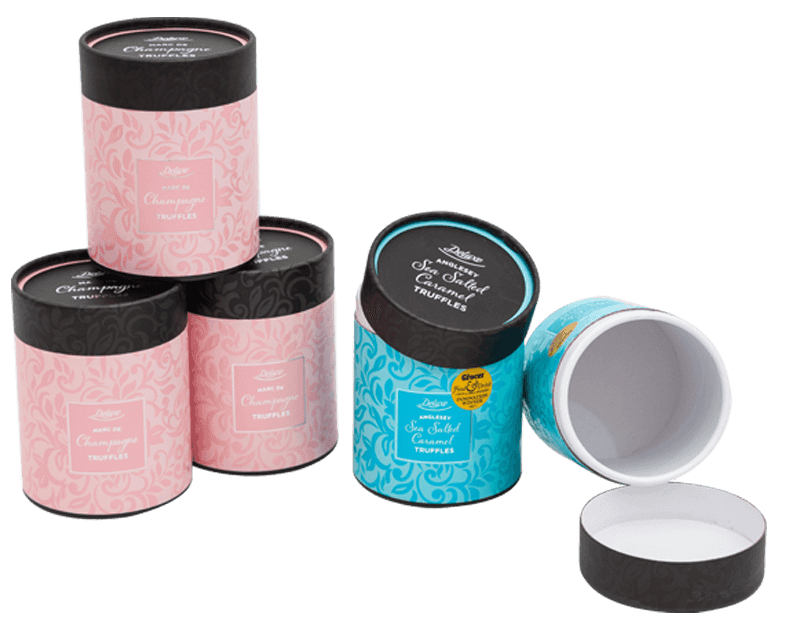
The printing capabilities on paper tubes are particularly impressive. You can achieve full-color photographic quality images, intricate patterns, or simple elegant designs. Many brands choose to wrap the entire tube in their artwork, creating a 360-degree branding experience that catches the eye from every angle on retail shelves.
Cost Considerations and Value
When evaluating paper tube packaging for your business, understanding the cost structure helps you make informed decisions. While pricing varies based on size, customization, and order quantity, paper tubes generally offer excellent value for money.
Initial costs for custom paper tube packaging typically include design fees, printing plates or screens, and the actual production. The good news is that these upfront costs are amortized across your order quantity, meaning larger orders significantly reduce the per-unit price. Many suppliers offer minimum order quantities as low as 500-1000 units, making paper tubes accessible even for small businesses and startups.
Compared to injection-molded plastic containers, paper tubes often cost less to produce, especially for medium to large runs. They're also lighter weight than many alternatives, which translates to savings on shipping costs. This weight advantage can add up to significant savings over time, particularly if you're shipping products nationally or internationally.
Don't forget to factor in the marketing value of attractive, sustainable packaging. Customers are willing to pay premium prices for products that arrive in eco-friendly, beautifully designed packaging. Paper tubes can elevate your brand perception and justify higher price points, potentially offsetting any packaging costs through increased revenue.
How to Choose the Right Paper Tube Supplier
Selecting the right manufacturer or supplier for your paper tube packaging needs can make or break your product launch. Here's what you should look for when evaluating potential partners:
- Certification and sustainability credentials including FSC certification, recycled content verification, and compliance with food safety standards if applicable
- Production capabilities that match your volume needs, whether you're ordering hundreds or hundreds of thousands of units
- Customization flexibility to accommodate your specific design requirements, special finishes, and unique dimensions
- Sample availability so you can physically evaluate quality, durability, and appearance before committing to large orders
- Lead times and reliability, ensuring they can meet your launch dates and maintain consistent supply
- Customer service and communication responsiveness throughout the design, ordering, and production process
- Pricing transparency with clear quotes that include all costs without hidden fees
Design Tips for Maximum Impact
Creating effective packaging design for paper tubes requires a slightly different approach than flat packaging. The cylindrical shape presents unique opportunities and challenges that smart designers know how to leverage.
Think about the viewing angle when customers see your product on shelves. Unlike boxes that have a clear front panel, tubes are often displayed standing upright or lying on their sides. Your design should work from multiple angles, with key branding elements visible regardless of orientation. Many successful designs feature vertical text or patterns that look great when the tube is standing, plus horizontal elements that shine when it's lying down.
The top and bottom of the tube are prime real estate that many brands overlook. Don't just leave the end caps blank or generic. These surfaces are perfect for including your logo, product information, or even interactive elements like QR codes that link to your website or social media.
Color choice matters more than you might think. Natural kraft paper has a warm, organic feel that resonates with eco-conscious consumers, but you're not limited to the brown paper look. White coated tubes provide a clean canvas for vibrant colors, while colored paper stock can create sophisticated effects without heavy ink coverage. Consider how your color choices align with your brand identity and the product inside.
Storage and Shipping Advantages
Beyond their sustainability credentials, paper tubes offer practical benefits for warehousing and distribution that can improve your operational efficiency. These advantages often go unnoticed but can significantly impact your bottom line.
The rigid structure of cardboard tube packaging means products arrive in perfect condition even after long journeys. Unlike flexible packaging that can get crushed or punctured, paper tubes maintain their shape and protect contents from impact. This reduces damage rates during shipping, which means fewer returns, replacements, and unhappy customers.
Paper tubes also stack efficiently for storage. Their uniform cylindrical shape allows them to be organized in multiple configurations, whether standing upright in boxes or nested together to save space. This efficient use of warehouse space can reduce storage costs, especially important for businesses managing large inventories.
The lightweight nature of paper compared to glass, metal, or thick plastic containers reduces shipping weight substantially. In an era where shipping costs continue to rise and carbon emissions from transportation are under scrutiny, every ounce matters. Lighter packages mean lower freight charges and a smaller environmental impact from transportation.
Future Trends in Paper Tube Packaging
The paper tube packaging industry continues to evolve with new technologies and consumer demands shaping its direction. Staying informed about these trends helps you future-proof your packaging strategy.
Barrier coatings are becoming more sophisticated, allowing paper tubes to compete with plastic in protecting moisture-sensitive or oxygen-sensitive products. New plant-based coatings and wax treatments provide excellent protection while maintaining biodegradability and recyclability. These innovations open up new product categories that previously couldn't use paper packaging.
Smart packaging integration is another exciting development. Some manufacturers are incorporating NFC chips, RFID tags, or temperature indicators into paper tubes. These technologies enable supply chain tracking, authenticity verification, and enhanced customer engagement through smartphone interactions.
We're also seeing a rise in mono-material tubes where both the body and end caps are made entirely from paper or cardboard. This simplifies recycling since consumers don't need to separate different materials. While metal and plastic end caps still dominate, the shift toward all-paper construction aligns with circular economy principles and extended producer responsibility regulations.
Personalization and limited edition designs are becoming more accessible thanks to digital printing technology. Brands can now produce smaller runs of custom designs for special occasions, regional markets, or seasonal promotions without prohibitive costs. This flexibility allows for more dynamic, responsive marketing campaigns.
Making the Switch to Paper Tubes
If you're currently using other packaging formats and considering transitioning to paper tube packaging, the process is straightforward with proper planning. Here's a realistic roadmap to guide your switch.
Start by evaluating your current products to determine which items are suitable candidates for tube packaging. Products that are cylindrical, stackable, or need rigid protection work especially well. Reach out to several suppliers with your specifications and request samples to test with actual products. This hands-on evaluation reveals practical considerations you might not anticipate from specifications alone.
Work with your design team or the supplier's design services to create packaging that represents your brand effectively. Request physical mockups or 3D renderings before committing to full production. This visualization step helps catch design issues early and ensures everyone is aligned on the final appearance.
Consider running a pilot program with a limited product line or geographic market before rolling out paper tubes across your entire range. This controlled test lets you gather customer feedback, identify any fulfillment challenges, and refine your approach based on real-world data. Customer response to sustainable packaging is almost always positive, but testing helps you quantify the impact on sales and brand perception.
Finally, don't forget to communicate the change to your customers. The switch to paper tube packaging is a story worth telling. Share your commitment to sustainability through your marketing channels, on-pack messaging, and social media. Customers appreciate brands that make environmentally responsible choices, and your packaging switch can strengthen loyalty and attract new environmentally conscious buyers.
