 English
 Español



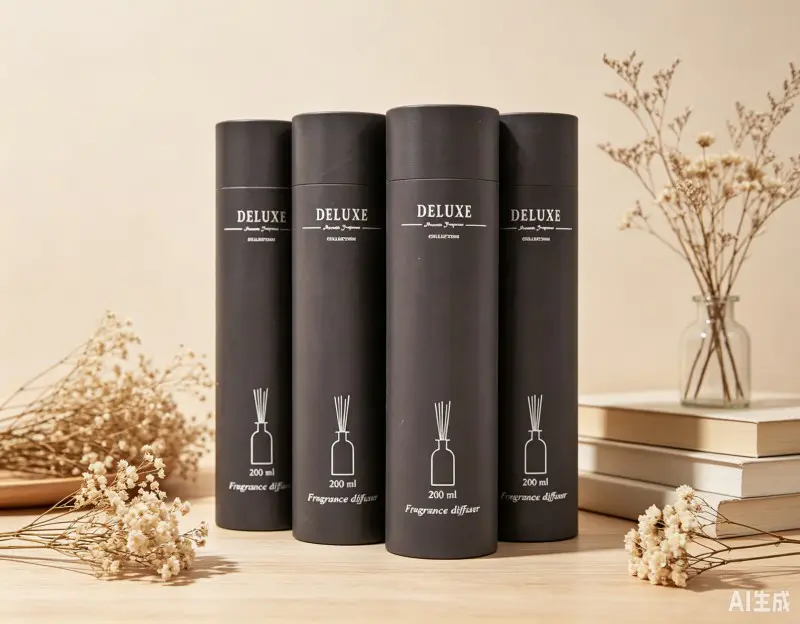
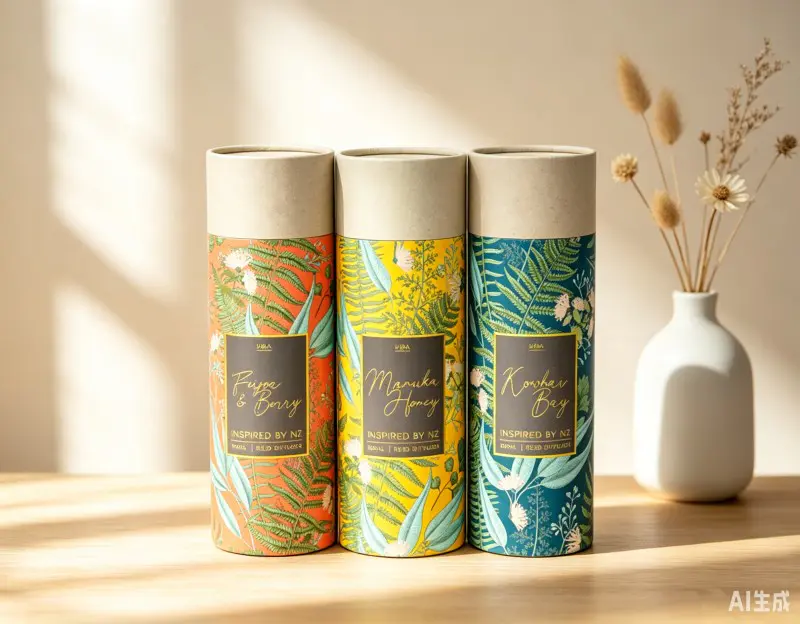

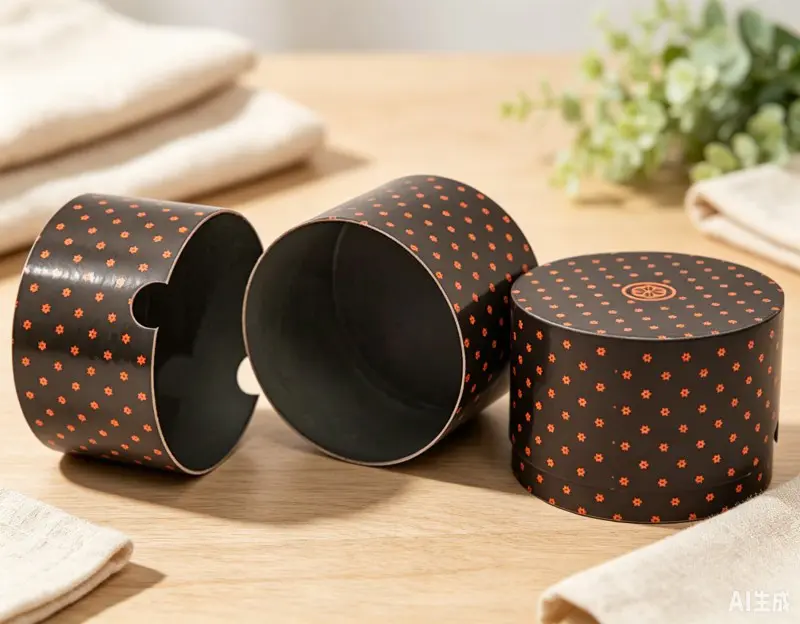


As one of the top China cardboard tube packaging manufacturers and paper tube packaging suppliers, we devote all of our efforts to research and launch more high quality packaging products to global market.
Content
- 1 What Paper Tube Packaging Actually Is
- 2 The Two Main Construction Methods: Spiral Wound vs. Convolute
- 3 Common Paper Materials Used in Tube Packaging
- 4 Industries and Products That Use Paper Tube Packaging
- 5 Customization Options for Paper Tube Packaging
- 6 Ready-Made vs. Fully Custom Paper Tubes: What's the Difference?
- 7 Sustainability Profile of Paper Tube Packaging
- 8 Key Specifications to Confirm Before Ordering
What Paper Tube Packaging Actually Is
Paper tube packaging is a cylindrical container made by winding multiple layers of kraft paper, recycled paperboard, or composite materials around a central mandrel with adhesive. The result is a rigid, hollow tube that can be cut to any length, fitted with caps or closures, printed on, coated, and customized for almost any product category — from luxury cosmetics to industrial shipping.
The global paper tubes market was valued at USD 11.34 billion in 2025 and is on track to nearly double by 2035, driven by a wide shift away from single-use plastics and rising demand from e-commerce, food, and personal care sectors. Paper tube packaging is no longer a niche choice — it has become a mainstream, commercially viable format across dozens of industries.
The Two Main Construction Methods: Spiral Wound vs. Convolute
Before choosing a paper tube for your product, it helps to understand how the tube itself is built. The two dominant manufacturing methods produce tubes with meaningfully different strength profiles and best-use cases.
Spiral Wound Paper Tubes
Spiral winding feeds strips of paper at an angle onto a rotating mandrel, so each layer wraps in a continuous helix. This method creates a seam line that runs diagonally around the tube rather than straight along its length, which distributes stress more evenly. Spiral wound tubes are the standard for most consumer packaging applications — cosmetic containers, food canisters, mailing tubes, and premium gift packaging. The inner cores of adhesive tape rolls, aluminum foil, and label stock are almost all spiral wound. They handle radial (crushing) pressure well and can be produced in very tight diameter tolerances.
Convolute Wound Paper Tubes
Convolute winding wraps paper strips straight around the mandrel, parallel to the tube's axis. This produces a tube with a single continuous seam running lengthwise. Convolute tubes are stiffer along their axis and better suited to applications requiring high axial compression strength — fiber drums, composite cans for bulk solids, and heavy-duty industrial cores. They are the preferred construction for large-format containers that need to support weight stacking in warehouse environments.
| Feature | Spiral Wound | Convolute Wound |
|---|---|---|
| Seam Direction | Diagonal / helical | Straight / longitudinal |
| Strength Profile | Superior radial (crush) strength | Superior axial (compression) strength |
| Best For | Consumer packaging, mailing tubes, cores | Fiber drums, composite cans, heavy cores |
| Diameter Range | Very small to medium | Medium to large |
| Printing / Finishing | Excellent — smooth outer surface | Limited — functional, not decorative |
Common Paper Materials Used in Tube Packaging
The structural performance and sustainability profile of a paper tube depends heavily on the grade of paper used in its wall layers. Most tubes use a combination of materials — a structural core wrapped with a finished outer layer suited to the intended use.
- Kraft paper — the most widely used structural material in paper tube manufacturing. Its long-fiber composition gives it high burst strength and good resistance to crushing under load, making it the default choice for industrial cores, mailing tubes, and heavy-duty packaging.
- Coreboard / chipboard — a dense, recycled-fiber paperboard engineered specifically for tube and core production. Often manufactured from 100% post-consumer recycled fiber, it balances strength with sustainability at a lower cost than virgin kraft.
- Recycled uncoated board (URB) — used in eco-focused applications where sustainability certification is a priority. Widely adopted in e-commerce packaging and zero-plastic brand commitments.
- Coated outer wrap — the outermost layer that gets printed. Can be coated (for vibrant color reproduction), uncoated (for a natural, matte look), or specialty papers such as kraft liner for a premium natural aesthetic.
- Foil or film liners — added to the inner wall of composite paper tubes when moisture barrier, grease resistance, or oxygen barrier properties are required. Common in food canister applications and pharmaceutical packaging.
Industries and Products That Use Paper Tube Packaging
Paper tube packaging is one of the more versatile formats in the packaging industry. The same basic cylinder structure serves vastly different applications by varying wall thickness, inner diameter, closures, and surface treatment.
Cosmetics and Personal Care
Cylindrical paper packaging has become a premium format for cosmetics, replacing plastic tubes for lip balm, solid perfume, deodorant sticks, face creams, and mascara wands. Push-up style paper tubes — where a moving internal disc dispenses the product as the user twists the base — are now commercially available as plastic-free alternatives to traditional twist-up applicators. These paperboard push-up formats are available in sizes from 57 g to 85 g and are designed for oil-based solids including balm, sunscreen, and salve.
Food and Beverage
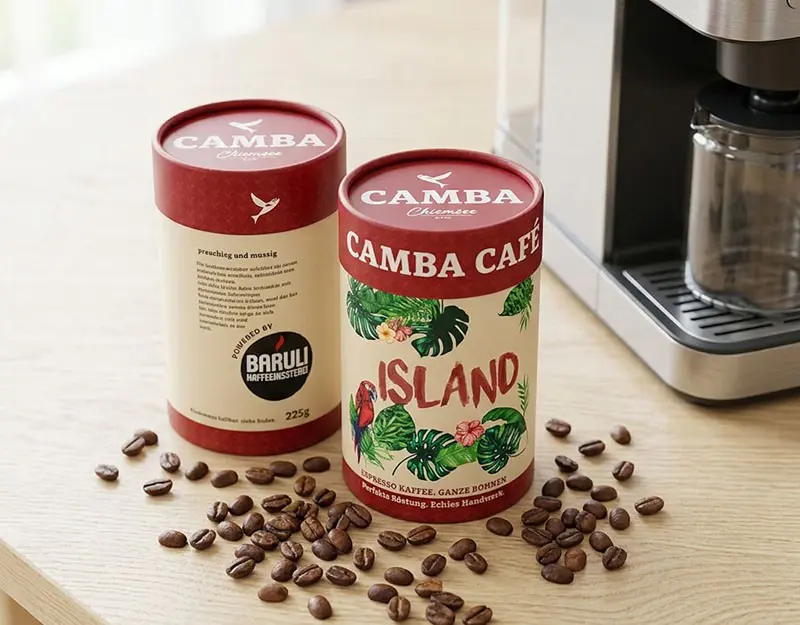
Composite paper canisters — typically spiral wound tubes with a foil or film inner liner and metal or paper end caps — are used for potato chips, coffee, powdered drink mixes, oats, protein powders, and confectionery. The inner liner provides the moisture and oxygen barrier the product needs, while the outer tube body gives structural rigidity and a large printable surface for branding. Food-grade paper tube adoption has accelerated as biodegradable packaging regulations have expanded across more than 38 countries.
Pharmaceuticals and Supplements
Paper tube packaging in pharmaceutical applications must meet food-safety standards for the materials that contact the product. Composite cans with sealed metal ends and tamper-evident closures are used for effervescent tablets, vitamin powders, and medical device components. The material must be FDA-compliant, and suppliers can provide Certificates of Analysis and Certificates of Conformance when documentation is required.
Mailing and Shipping
Spiral wound mailing tubes are the standard format for shipping rolled documents, architectural drawings, artwork, fabric samples, and posters. These are produced in diameters ranging from 1 inch to 12 inches, with wall thickness and length selected based on the item size, required cushioning clearance, and carrier handling conditions. End closures include plastic plugs, metal stops, molded wood plugs, or crimped paper ends — the choice depends on retention strength, reusability, and whether the tube will run through automated packaging lines.
Textiles and Industrial Winding
Paper cores — essentially the same structure as consumer packaging tubes — are used as winding mandrels for yarn, fabric, adhesive film, label stock, aluminum foil, and industrial tape. Automated textile spinning facilities globally use more than 31,000 installations of core-dependent winding equipment. For these applications, the critical specifications are inner diameter tolerance (to match the machine spindle), wall strength (to resist collapse under wound-product tension), and surface smoothness (to prevent damage to the material being wound).
Gift and Retail Packaging
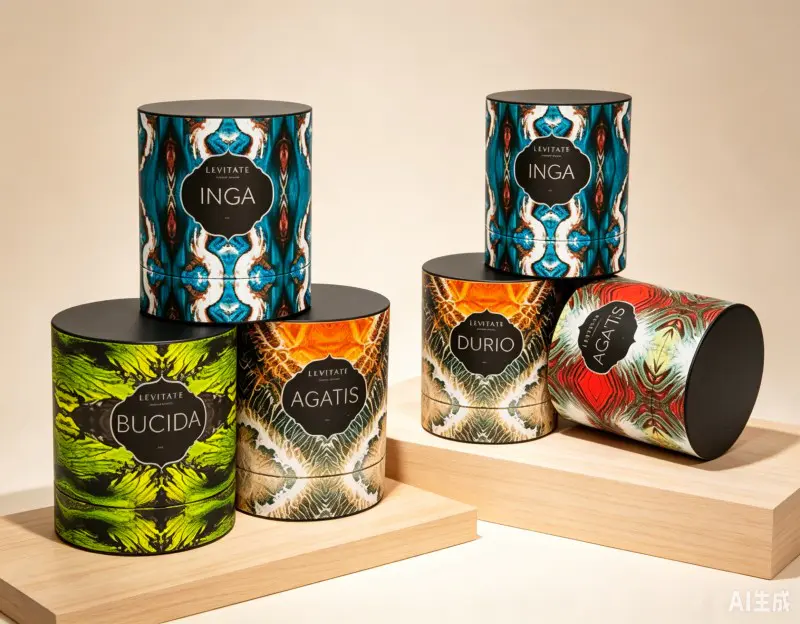
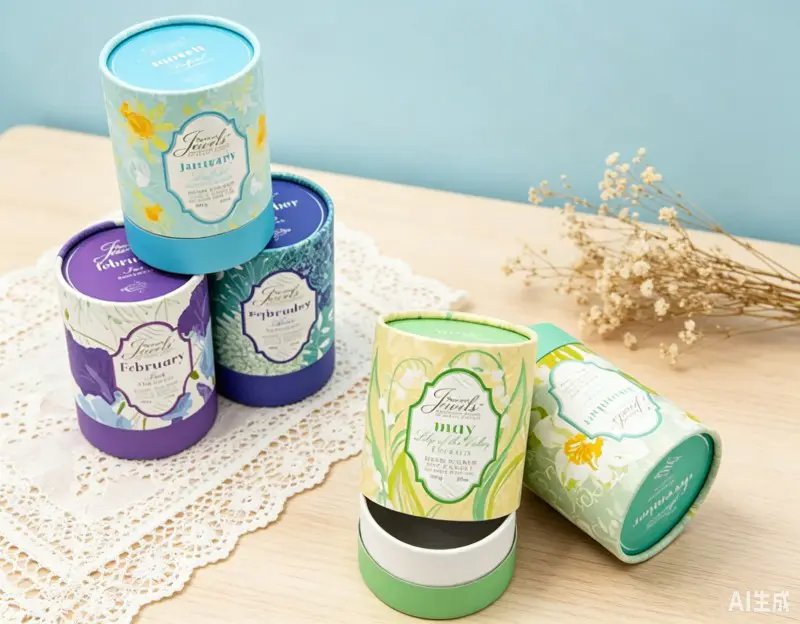
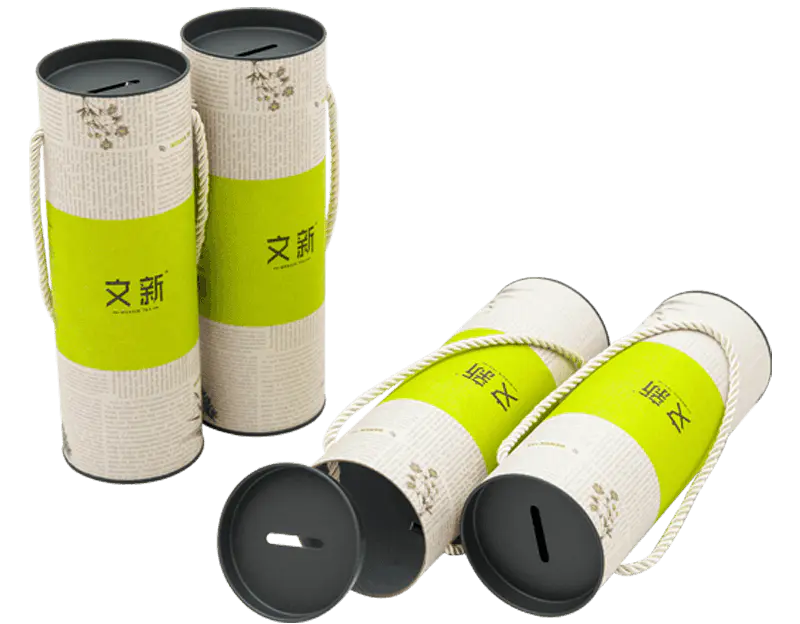
Luxury paper tube packaging has found a strong niche in gift sets, premium spirits, candles, specialty foods, and boutique retail products. Tubes in this category are typically fitted with rigid paper or tin caps, finished with foil stamping, embossing, UV varnish, or matte lamination, and printed in full color. They function as both a protective container and a display piece — the tube itself is part of the brand presentation at the point of sale.
Customization Options for Paper Tube Packaging
One of the strongest arguments for choosing a cylindrical paper packaging format is the breadth of customization available. Size, structure, finish, and closure are all adjustable to match the product and brand requirements.
Dimensions
Inner diameter, outer diameter, wall thickness, and length are all specifiable. Wall thickness directly controls rigidity — thicker walls provide more crush resistance for heavier or fragile products, while thinner walls reduce material cost and weight for lighter goods. Diameter tolerances can be held very tight (down to fractions of a millimeter) for applications that require a precise fit, such as industrial winding cores or push-fit closures.
Closures and End Caps
The closure type significantly affects how a paper tube is used and how it is perceived by the end user. Available options include:
- Metal tin lids — premium, reusable, and common in gift packaging and food canisters
- Paper caps — fully recyclable, lightweight, and available in friction-fit or snap-on configurations
- Plastic plugs — used in mailing and shipping tubes where a secure, pressure-fit seal is needed
- Sealed metal ends — used in food and pharmaceutical composite cans where airtight closure is required
- Tamper-evident closures — for pharmaceutical and supplement products requiring visible seal integrity
Surface Finishing and Printing
The outer wrap of a spiral wound paper tube is where the brand lives. Digital printing integration has now reached 46% among large-scale tube manufacturers, enabling short-run, high-quality print work without the setup cost of traditional lithographic plates. Surface finishing options include gloss or matte lamination, UV spot varnish, hot foil stamping (gold, silver, holographic), soft-touch coating, and embossing or debossing. Each finish changes the tactile and visual character of the tube — matte lamination with embossed text reads as premium and understated; high-gloss foil reads as celebratory.
Inner Liners and Barrier Coatings
When the product requires protection from moisture, oxygen, grease, or contamination, the inner wall of the paper tube can be lined with a compatible barrier material. Common options include aluminum foil laminate, polyethylene film, wax coating, silicone release paper, and food-safe plastic liners. The choice depends on the product's specific sensitivity and the regulatory environment in the target market.
Ready-Made vs. Fully Custom Paper Tubes: What's the Difference?
Buyers new to paper tube packaging often have a choice between off-the-shelf tube formats and fully custom orders. The right option depends on volume, timeline, and how closely the tube needs to match brand specifications.
Ready-made tubes are produced in fixed sizes, colors, and styles. They can typically be ordered in quantities as low as one unit, ship same-day or next-day, and carry no setup fee. They suit startups, sampling programs, and brands that need a functional, presentable tube without investing in custom tooling.
Fully custom tubes offer unlimited choice in size, wall thickness, print, finish, and closure configuration. Because custom orders require tooling setup, print plate production, and sample approval rounds, minimum order quantities are usually around 1,000 units. Lead times are longer — typically two to five weeks depending on complexity and supplier location. For established brands running regular production volumes, the per-unit cost of a custom tube is significantly lower than a ready-made product, and the brand consistency is far higher.
Sustainability Profile of Paper Tube Packaging
Paper tube packaging is one of the more genuinely sustainable formats in consumer and industrial packaging, but the specifics matter. Not all paper tubes have the same environmental footprint.
- Recycled fiber content: Recycled fiber utilization across industrial paper tube production has reached 72% globally. Coreboard used in structural tube layers is often 100% post-consumer recycled content. Verifying the recycled content percentage in your supplier's specific product line is more meaningful than accepting general sustainability claims.
- Recyclability: Plain kraft or paperboard tubes without liners are fully recyclable in standard paper streams. Composite tubes with foil or film liners are more complex — some municipal recycling systems cannot process them. If end-of-life recyclability is a brand priority, confirm that any liner material used is compatible with the recycling infrastructure in your target market.
- Weight reduction: Paper tubes reduce transportation weight compared to metal or glass packaging formats of equivalent volume, which lowers per-unit carbon footprint in the logistics chain. Their stackability also improves space efficiency in freight and storage.
- Regulatory alignment: The EU Packaging and Packaging Waste Regulation (implemented February 2025) mandates recyclability by 2030 and sets minimum recycled-content thresholds. Paper tube packaging, particularly all-fiber designs without non-recyclable liners, is well-positioned to meet these requirements without significant reformulation.
Key Specifications to Confirm Before Ordering
Whether you are ordering 500 units of a premium gift canister or 50,000 industrial cores, the following technical parameters should be confirmed in writing with your supplier before production begins.
- Inner diameter (ID) and outer diameter (OD): These determine fit with closures, machine spindles, or product inserts. Specify the tolerance range, not just the nominal dimension.
- Wall thickness: Directly affects crush resistance and weight. Thicker walls cost more but protect better. For mailing tubes, carrier handling conditions should inform the minimum wall thickness chosen.
- Length and length tolerance: Relevant for both product fit and shelf display. Tubes that are too long or too short relative to the cap fitment can cause loose closures or visible gaps.
- Material grade and recycled content: Get this in writing if it feeds into sustainability reporting or product labeling claims.
- Print specifications: Confirm color mode (CMYK vs. Pantone), minimum line width, and how the design wraps at the tube seam — the seam position can affect how a design registers visually.
- Food-safety compliance: If the tube contacts food or pharmaceuticals directly, request documentation of material compliance (FDA, EU food contact regulations, or equivalent for your market).
- Testing documentation: Reputable suppliers perform compression and flat crush testing at multiple production stages. Ask whether a Certificate of Analysis or Certificate of Conformance is available for your order.
