 English
 Español
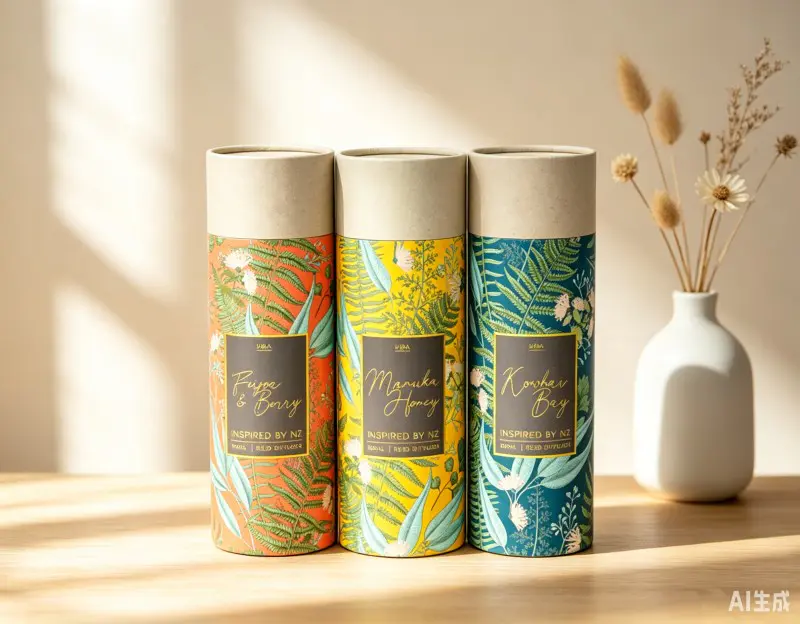
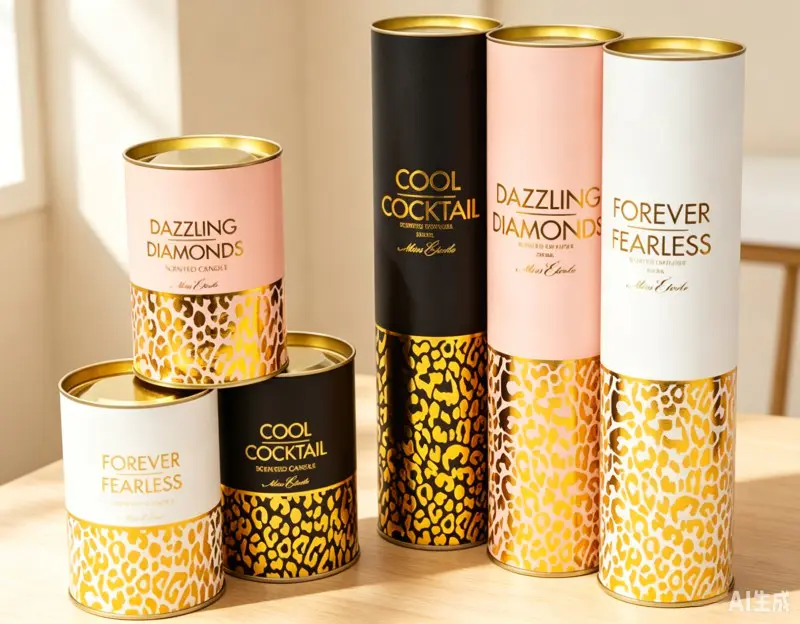
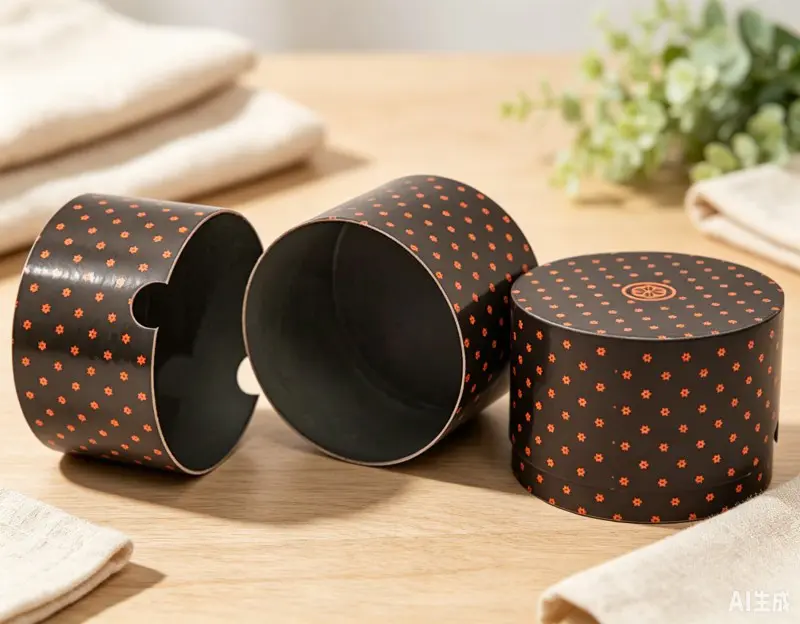


As one of the top China cardboard tube packaging manufacturers and paper tube packaging suppliers, we devote all of our efforts to research and launch more high quality packaging products to global market.
Content
- 1 Why Pet Food Packaging Matters More Than You Think
- 2 Common Pet Food Packaging Formats
- 3 Pet Food Packaging Materials: What's Inside the Walls
- 4 Barrier Properties: The Science Behind Freshness
- 5 Sustainable Pet Food Packaging: What's Actually Working
- 6 Pet Food Packaging Labeling Requirements
- 7 Custom Pet Food Packaging: Design Tips That Drive Sales
- 8 Choosing the Right Pet Food Packaging Supplier
Why Pet Food Packaging Matters More Than You Think
Pet food packaging is far more than just a wrapper around kibble or a can holding wet food. It's the first thing a pet owner sees on the shelf, the primary barrier keeping food fresh and safe, and increasingly, a statement about a brand's values around sustainability and transparency. With the global pet food market growing rapidly — and competition between brands intensifying — packaging has become one of the most strategic decisions a pet food company can make.
Poor packaging choices can lead to spoilage, contamination, or customer complaints. On the flip side, thoughtful packaging design can extend shelf life, reduce waste, build brand loyalty, and even justify a premium price point. Whether you're a pet food manufacturer evaluating your options or a retailer trying to understand what's on your shelves, understanding how pet food packaging works from the inside out gives you a real competitive edge.
This guide breaks down every major format, material, and consideration involved in packaging pet food — with specific details you can actually use to make better decisions.
Common Pet Food Packaging Formats
The format of pet food packaging — meaning its physical shape and structure — determines how the product is stored, displayed, opened, and resealed by consumers. Each format comes with distinct advantages and trade-offs depending on the type of food inside and who the end customer is.
Flat-Bottom Bags (Box Pouches)
Flat-bottom bags, also called box pouches or square-bottom bags, are one of the most popular formats for dry and semi-moist pet food. They stand upright on the shelf, offering a large printable surface area on the front, back, and sides. This makes them excellent for branding. They typically feature a resealable zipper closure and can be produced in a wide range of sizes — from small single-serve packs to 30-pound family bags. Their stable base also makes them easy for consumers to handle, scoop from, and store.
Stand-Up Pouches (SUPs)
Stand-up pouches are flexible bags with a gusset at the bottom that allows them to stand on their own. They're extremely common in wet food, treats, freeze-dried, and raw pet food packaging. Stand-up pouches are lightweight, require less material than rigid containers, and offer excellent barrier properties when made with multi-layer laminates. A tear notch and resealable zipper are standard features. Their lower material cost compared to cans or boxes makes them a popular choice for premium and natural pet food brands trying to keep prices competitive while maintaining a sleek look.
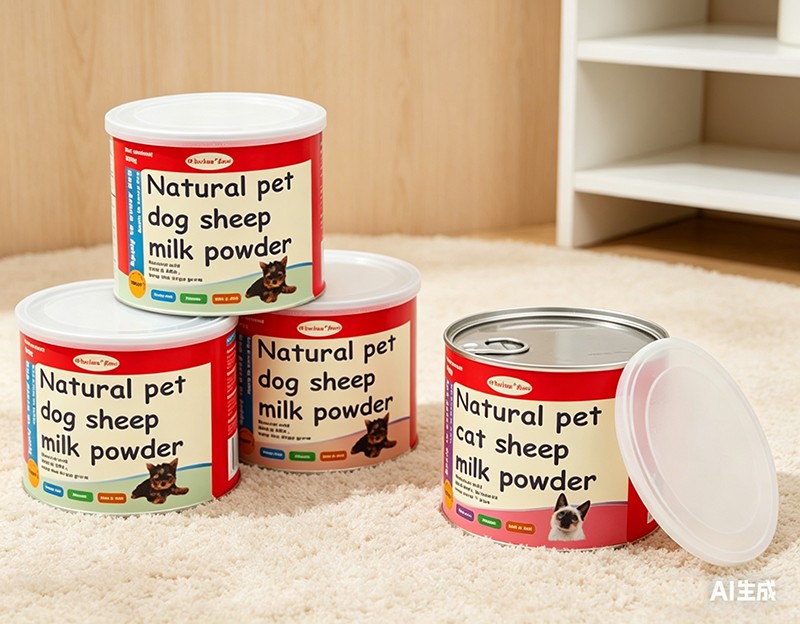
Metal Cans
Metal cans — typically steel or aluminum — are the classic format for wet pet food. They provide superior barrier protection against oxygen, moisture, and light, resulting in shelf lives of two to five years without refrigeration. Cans are fully recyclable, which appeals to environmentally conscious consumers. However, they're heavier and more expensive to produce and ship than flexible packaging. Pull-tab lids have largely replaced the need for can openers, improving convenience. Cans remain dominant in the mass-market wet cat and dog food segment.
Retort Pouches
Retort pouches are a flexible alternative to cans for wet pet food. The food is sealed inside a multi-layer laminate pouch and then heat-sterilized under high pressure — the same process used in canning. The result is a shelf-stable product without refrigeration, but in a lighter, more compact package than a metal can. Retort pouches are especially popular in single-serve formats for cats and small dogs. They typically have a long shelf life of 18 months to three years and are easy to open, portion, and dispose of.
Pillow Bags and Quad-Seal Bags
Pillow bags are the simplest and most cost-effective flexible format — a flat bag heat-sealed at the top and bottom. They're frequently used for budget dry pet food and treat packaging. Quad-seal bags have four sealed side panels that create a more structured, brick-like shape. They offer excellent stacking strength for palletizing and have more display surface than pillow bags. Many premium dry food brands use quad-seal bags for their clean, premium appearance on shelf.
Rigid Tubs and Trays
Rigid plastic or aluminum trays and tubs are common for fresh, refrigerated, or raw pet food products. They're also used for single-serve wet food portions. Tubs often feature heat-sealed foil or plastic lids and can be resealed with a snap-on lid. They communicate a premium, fresh positioning and work well for direct-to-consumer brands in the raw and fresh pet food segment — a category that has grown significantly in recent years.
Pet Food Packaging Materials: What's Inside the Walls
The material a pet food package is made from determines how well it protects the product, how long it lasts, how recyclable it is, and how much it costs to produce. Most flexible pet food packaging isn't a single material — it's a multi-layer laminate engineered for specific performance requirements.
| Material | Common Use | Key Benefit | Drawback |
| Biaxially Oriented Polypropylene (BOPP) | Dry food bags, treat pouches | Excellent clarity, moisture barrier | Low oxygen barrier on its own |
| Polyethylene Terephthalate (PET) | Outer layer of laminates | Stiffness, print quality, durability | Not heat-sealable alone |
| Aluminum Foil | Wet food pouches, retort packs | Superior barrier to O₂, moisture, light | Not recyclable in most programs |
| Polyethylene (PE) | Inner sealant layer | Heat-sealable, food-safe | Weak oxygen barrier |
| Kraft Paper | Outer layer of natural/eco bags | Natural aesthetic, partially renewable | Poor moisture resistance alone |
| EVOH (Ethylene Vinyl Alcohol) | Barrier layer in laminates | Exceptional oxygen barrier | Expensive, moisture-sensitive |
In practice, a typical dry dog food bag might combine an outer layer of printed BOPP or PET for graphics and stiffness, a middle layer of metallized film or foil for oxygen and moisture barrier, and an inner layer of PE for heat sealing and food contact safety. Understanding this layered structure helps you evaluate whether a package will actually protect the product inside through its intended shelf life.
Barrier Properties: The Science Behind Freshness
Freshness in pet food is primarily threatened by three things: oxygen, moisture, and light. Each degrades fats, proteins, and nutrients at different rates. The packaging's job is to minimize the transmission of all three for the duration of the product's shelf life.
Oxygen Transmission Rate (OTR)
Oxygen causes fats to oxidize and go rancid — a major quality issue in high-fat pet foods like those made with salmon, chicken fat, or other animal proteins. OTR is measured in cc/m²/day, and lower is better. Aluminum foil laminates have an OTR near zero. Metallized films have very low OTR but aren't completely impermeable. For dry kibble with a 12-month shelf life, a metallized film is usually sufficient. For raw or freeze-dried food with sensitive fats, foil laminates or vacuum packaging with nitrogen flushing are preferred.
Moisture Vapor Transmission Rate (MVTR)
Moisture can cause dry food to go stale and clump, and can encourage mold growth in semi-moist foods. MVTR (measured in g/m²/day) tells you how much water vapor passes through the packaging film. BOPP and PE layers provide good moisture barriers, and foil provides an almost complete barrier. For treats and jerky-style products with intermediate moisture content, MVTR is especially critical to prevent the product from becoming either too dry or too moist during shelf life.
Light Barrier
UV and visible light accelerate oxidation of fats and degrade vitamins like A, D, and E — nutrients that are critical in complete-and-balanced pet foods. Opaque packaging (foil or metallized layers, pigmented films) blocks nearly all light. Some brands use transparent windows in their bags as a marketing tool to show off the product — but this compromises light barrier and can reduce the effective shelf life, especially for products stored on brightly lit retail shelves.
Sustainable Pet Food Packaging: What's Actually Working
Sustainability has become a major driver of packaging innovation in the pet food industry. Pet owners — particularly younger millennial and Gen Z consumers — actively look for brands that demonstrate environmental responsibility. But greenwashing is rampant, and many "eco-friendly" claims don't hold up under scrutiny. Here's what's genuinely moving the needle:
- Mono-material flexible packaging: Traditional laminates are nearly impossible to recycle because they combine incompatible materials. New all-polyethylene or all-polypropylene laminates maintain strong barrier properties while being recyclable through soft plastic collection programs. Brands like Hill's Science Diet and others have begun transitioning to mono-material structures.
- Post-consumer recycled (PCR) content: Adding PCR plastic to packaging reduces virgin plastic demand. Many brands now offer bags with 30–50% PCR content, though food contact regulations limit how much PCR material can be used in the inner layer that touches the product.
- Paper-based laminates: Kraft paper outer layers combined with thin barrier films are being adopted by natural and organic pet food brands. These aren't fully recyclable in most curbside programs but have a lower carbon footprint per unit than all-plastic laminates.
- Refillable and bulk packaging systems: Some direct-to-consumer brands are exploring subscription models where packaging is returned, refilled, and reused — eliminating single-use packaging entirely from repeat purchases.
- Flexible pouches vs. cans: Flexible pouches — despite not being curbside recyclable — have a significantly lower carbon footprint than metal cans because they weigh less, require less energy to produce, and take up far less space during transport. For brands focused on carbon reduction, switching from cans to retort pouches can be a meaningful step even without improved recyclability.
- TerraCycle drop-off programs: Several pet food brands have partnered with TerraCycle to offer mail-in or in-store drop-off recycling for packaging that can't go in curbside bins. This doesn't solve the systemic problem but provides a responsible end-of-life option for motivated consumers.
Pet Food Packaging Labeling Requirements
Pet food packaging labels are regulated in most markets, and getting labeling wrong can result in product recalls, import rejections, or legal penalties. In the United States, pet food labeling is governed by both the FDA and individual state regulations, with the Association of American Feed Control Officials (AAFCO) providing model regulations that most states follow.
Required Label Elements (US Market)
- Product name and species designation: The label must clearly state what animal the food is for (dog, cat, bird, etc.) and the product name must follow specific rules about what ingredients can be highlighted in the name.
- Net weight: The net quantity of contents must appear on the principal display panel in both US customary and metric units.
- Guaranteed analysis: Minimum percentages of crude protein and crude fat, and maximum percentages of crude fiber and moisture must be declared.
- Ingredient list: All ingredients must be listed in descending order by weight before processing, using AAFCO-defined ingredient names.
- Nutritional adequacy statement: The label must state whether the food is complete and balanced for a specific life stage, or intended only as a supplement or treat.
- Manufacturer information: The name and address of the manufacturer, packer, or distributor must be included.
- Feeding directions: Recommended feeding amounts based on pet size or weight must be provided.
In the European Union, pet food labeling is governed by Regulation (EC) No 767/2009, which has its own set of requirements around analytical constituents, additives, and traceability. Brands selling internationally need to ensure their packaging artwork complies with all target market regulations simultaneously — which often means carefully managing space on the label to fit multiple languages and required elements.
Custom Pet Food Packaging: Design Tips That Drive Sales
For brands bringing new products to market or refreshing existing lines, packaging design is a direct driver of purchase decisions. Research consistently shows that pet owners make significant snap judgments at shelf based purely on packaging appearance. Here's what high-performing pet food packaging designs consistently get right:
Lead With the Pet, Not the Brand
The most effective pet food packaging puts a high-quality, emotional image of the target animal front and center. A beautiful close-up photograph of a healthy dog or cat creates an instant emotional connection with pet owners. This image should feel aspirational — conveying the health and vitality that the product promises. Brand logos and wordmarks matter, but they should support the hero image rather than compete with it.
Use Color to Signal Ingredients and Tier
Color coding helps shoppers navigate a product range at a glance. Many brands use distinct color palettes for different protein sources (blue for fish, red for beef, green for chicken or vegetables) so pet owners can quickly find their preferred variety. Color also signals price tier — earthy, muted tones with kraft textures signal natural/premium, while bright primary colors signal value/mass market.
Make Claims Visible and Credible
Key benefit claims — "grain-free," "high protein," "no artificial preservatives," "made in the USA" — should be prominent but not cluttered. Use icons or badges rather than paragraph text for these claims. Credibility markers like vet-approved seals, AAFCO statements, and certification logos (non-GMO, organic) reassure buyers, especially for premium and health-focused products.
Don't Neglect the Back Panel
The back panel is where engaged shoppers go after the front panel has caught their eye. This is your opportunity to tell the brand story, explain the formulation philosophy, describe ingredient sourcing, and provide clear feeding instructions. A well-written back panel can convert a browser into a buyer, and for DTC brands, it can reinforce the subscription and loyalty proposition.
Choosing the Right Pet Food Packaging Supplier
Finding the right packaging partner is as important as designing the right package. The supplier you choose affects your lead times, minimum order quantities, quality consistency, and ability to innovate over time. Here are the key criteria to evaluate when selecting a pet food packaging supplier:
- Food safety certifications: Look for suppliers with BRC, SQF, or ISO 22000 certification. These indicate rigorous food-grade manufacturing controls and reduce your risk of contamination-related recalls.
- In-house printing capabilities: Suppliers with in-house gravure or flexographic printing offer tighter quality control and faster turnaround on artwork changes than those that outsource printing.
- Barrier testing and validation: The supplier should be able to provide OTR and MVTR data for their laminates and ideally conduct shelf-life testing or partner with a testing lab.
- Minimum order quantities (MOQs): MOQs vary widely — from 5,000 units for digital-printed short runs up to 100,000+ for gravure-printed runs. Match the supplier's MOQs to your production volume to avoid sitting on excess inventory.
- Sustainability roadmap: Ask whether the supplier is actively developing mono-material or recyclable laminates. A supplier invested in sustainable innovation will be a better long-term partner as regulations and consumer expectations tighten.
- Regulatory support: For brands selling internationally, a supplier with experience in multi-market compliance can be invaluable in ensuring your packaging meets the labeling and material regulations in each target country.
