 English
 Español


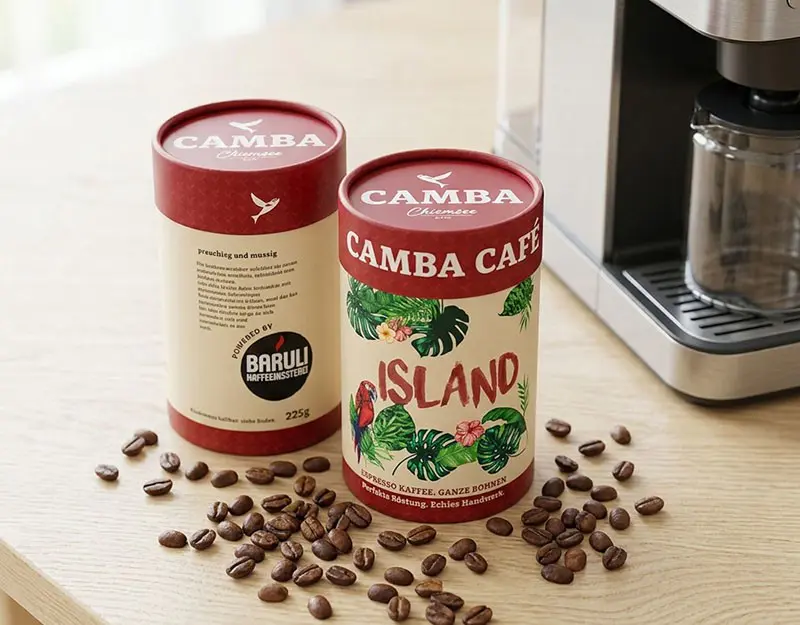
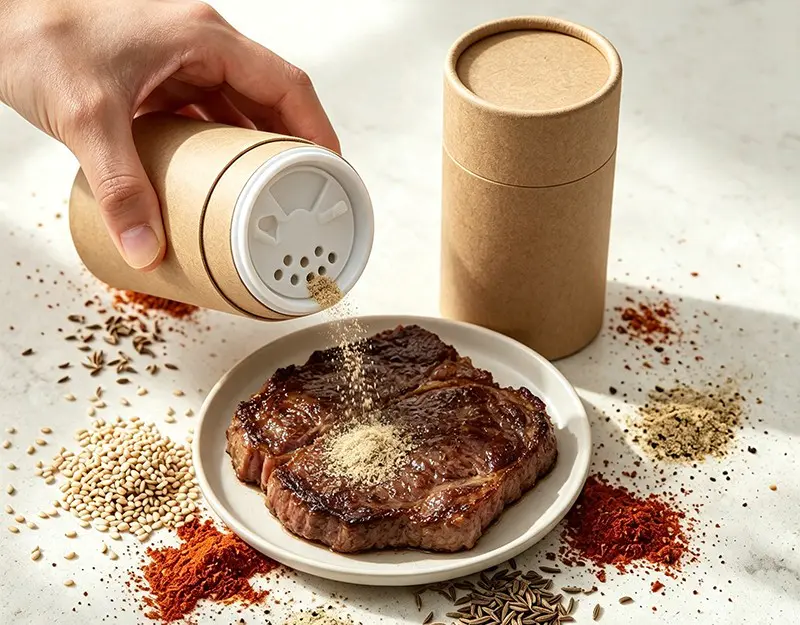
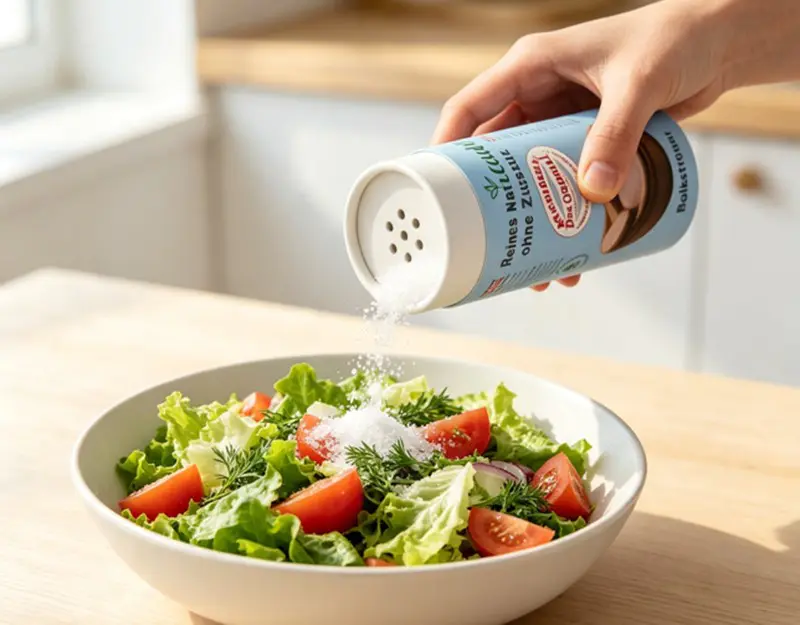
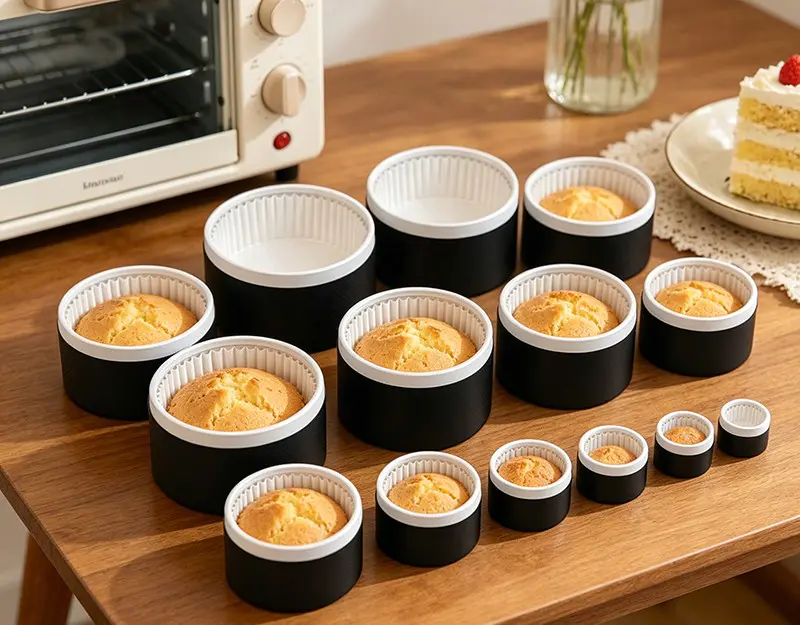

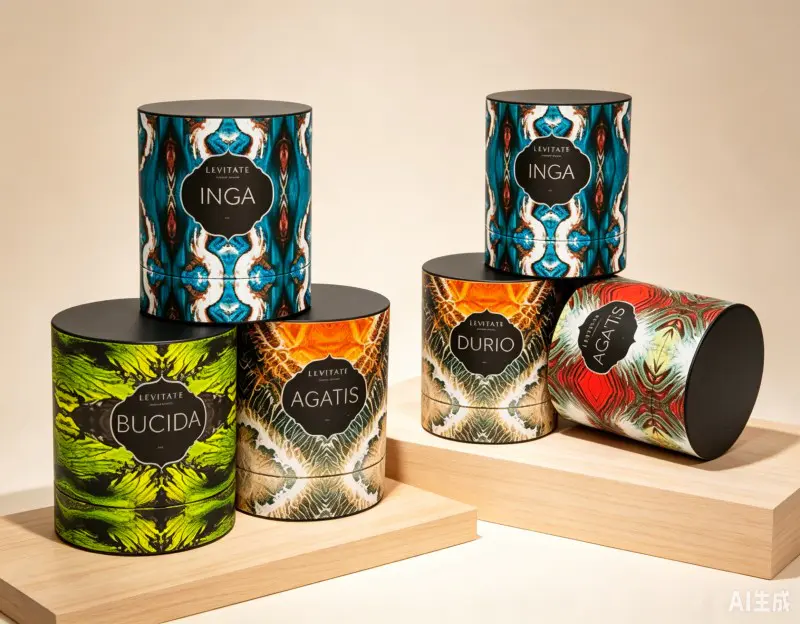
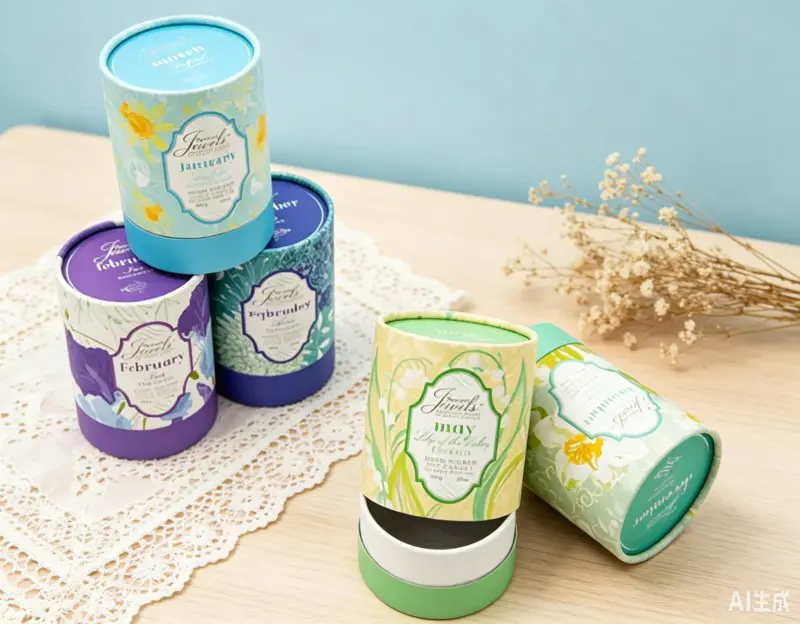
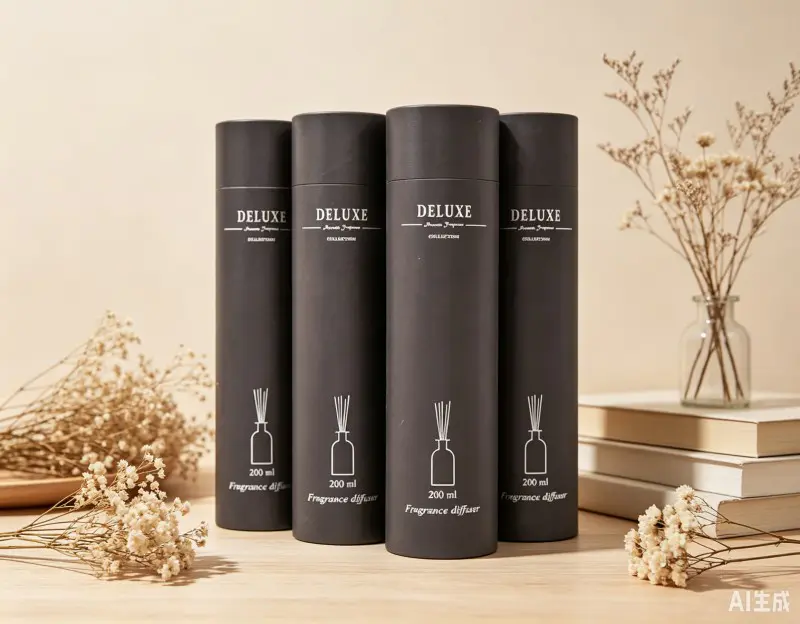
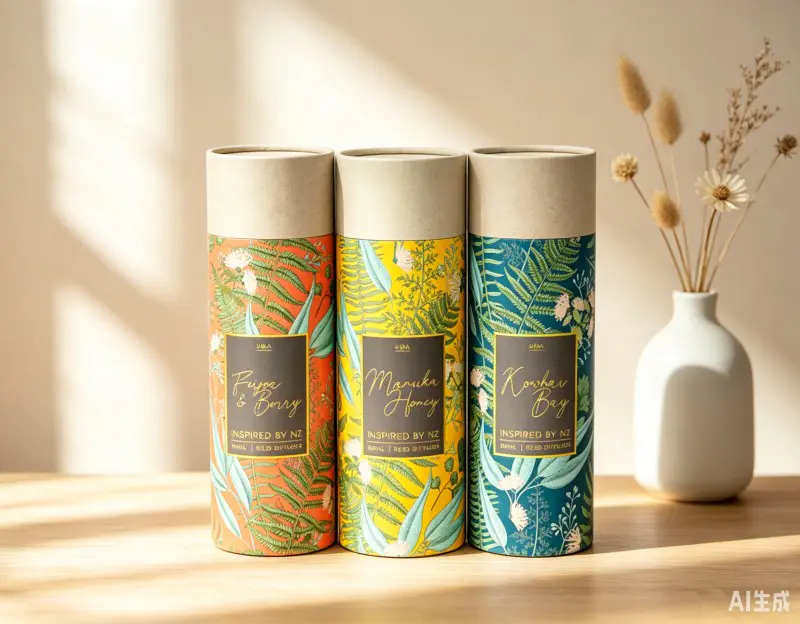


As one of the top China cardboard tube packaging manufacturers and paper tube packaging suppliers, we devote all of our efforts to research and launch more high quality packaging products to global market.
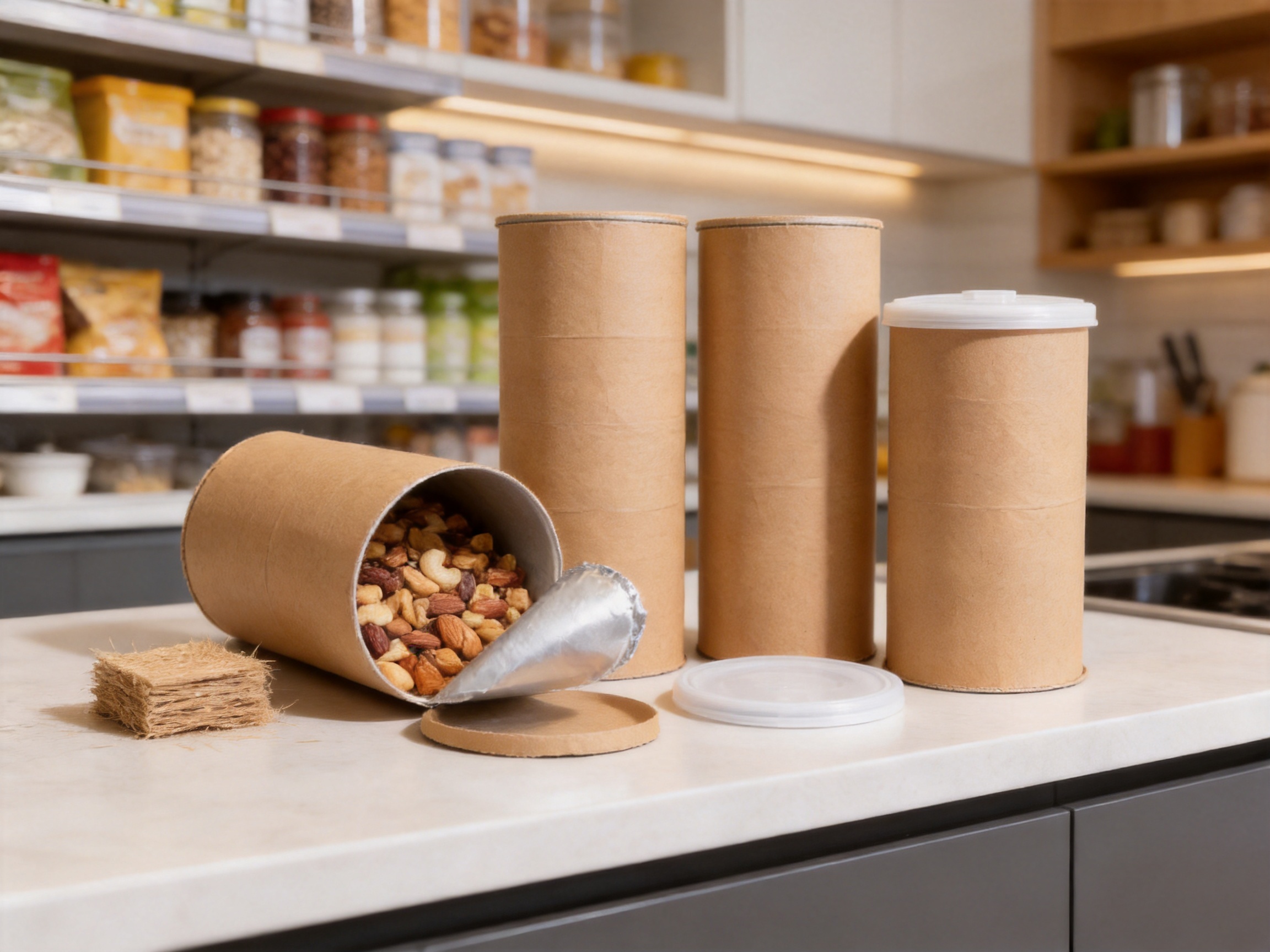
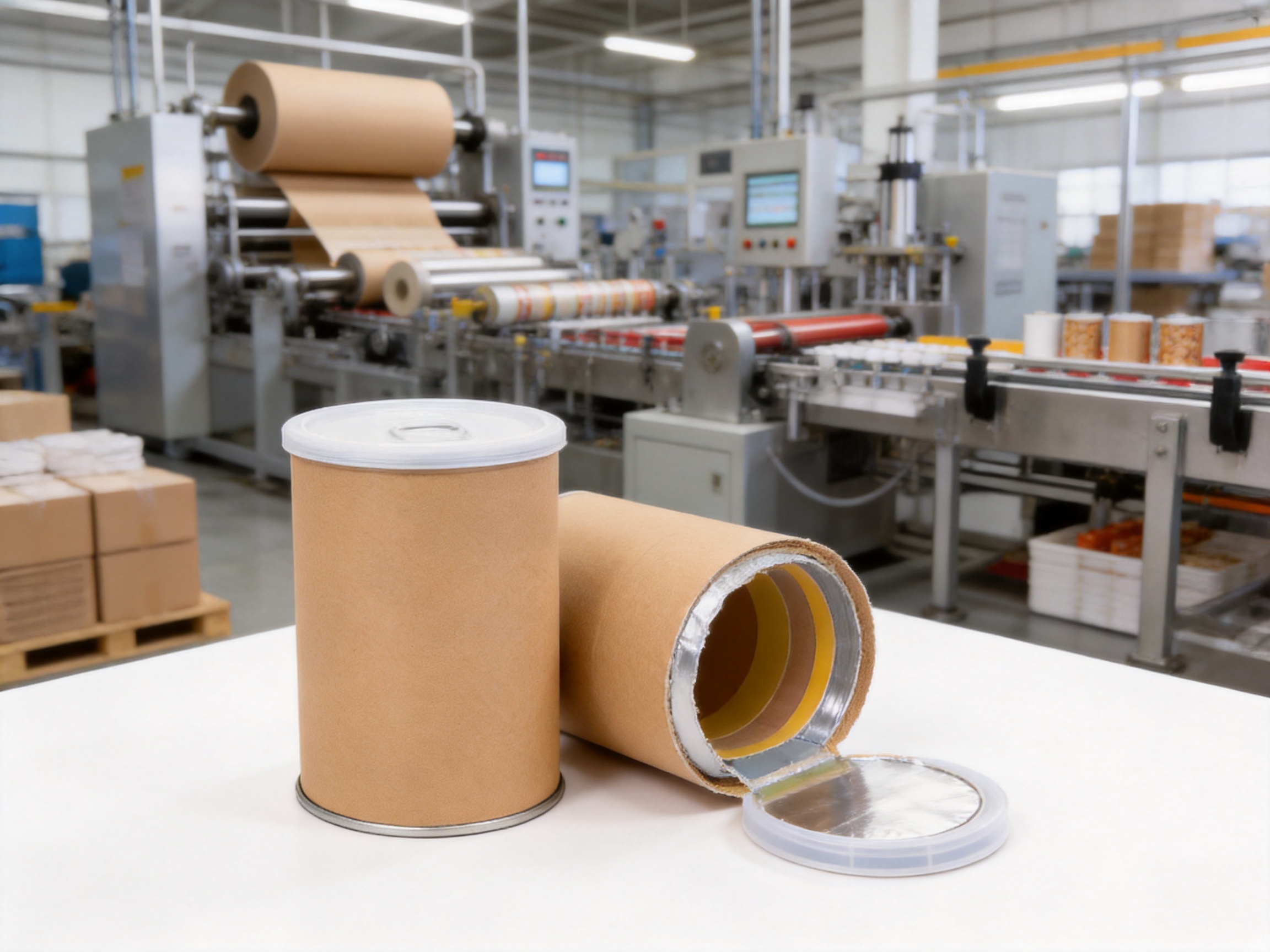
Packaging for dry nuts must do far more than hold a product. It must protect taste, aroma, texture, freshness, and food safety while presenting a dependable brand image on the retail shelf. At the same time, packaging manufacturers and food producers are under increasing pressure to reduce unnecessary plastic, improve recyclability, control material use, and prepare for evolving packaging legislation. The PPWR-compliant Kraft Paper Cylinder Airtight Composite Paper Can for Dry Nuts is designed to address these requirements through a combination of kraft paper construction, composite barrier technology, airtight closure options, and flexible customization.
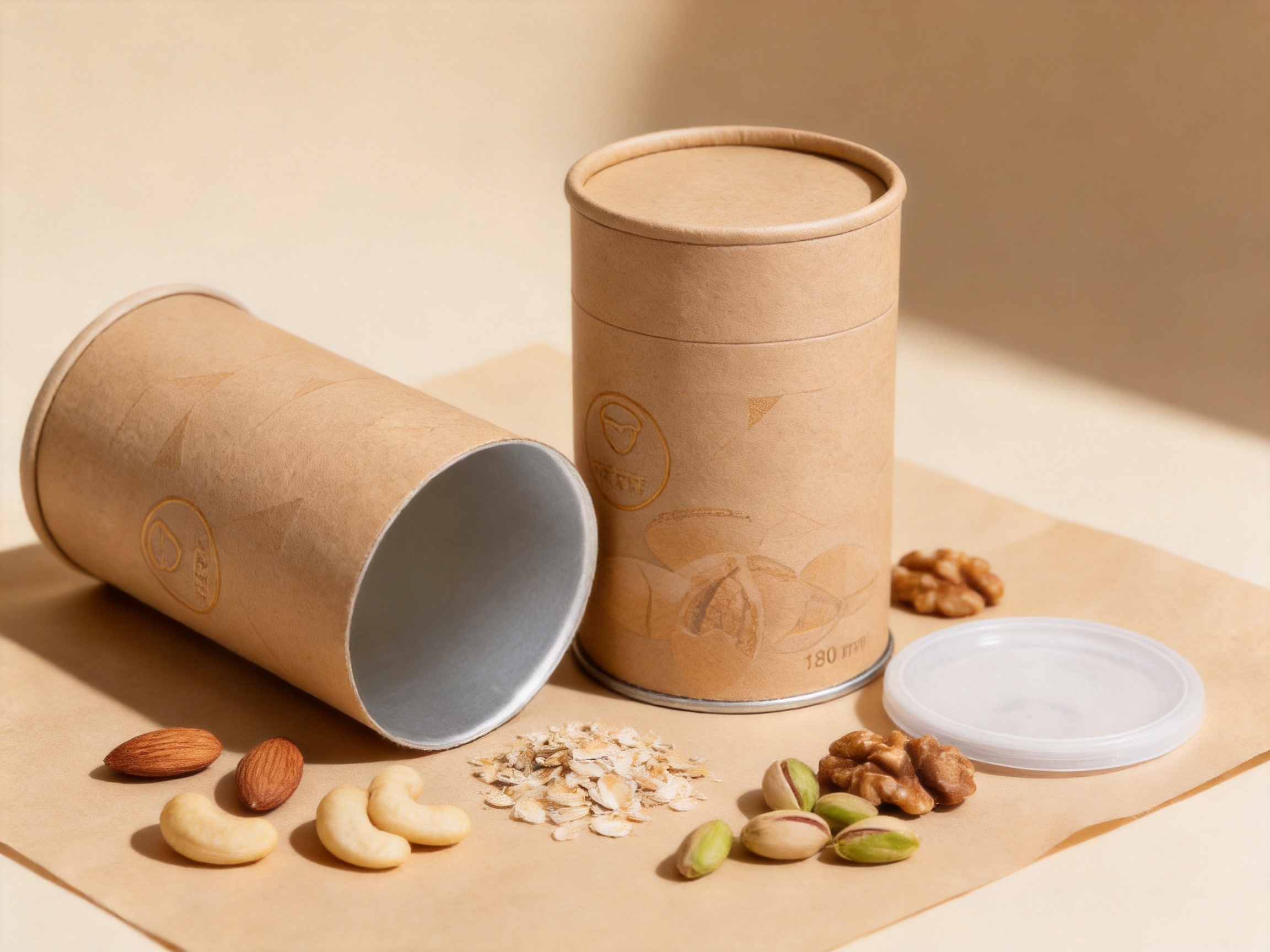
With an internal diameter of approximately 99 millimeters and a height of 180 millimeters, this cylindrical container provides a practical format for dry nuts, powdered foods, muesli, protein powder, and other shelf-stable products. Its upright form uses retail space efficiently, offers a broad printable surface, and creates a premium appearance that differs from ordinary plastic pouches, rigid plastic jars, or conventional folding cartons.
The container is manufactured for food-related industrial use and can be customized according to product requirements. Available features include recycled-material options, varnishing, offset printing, aluminum membrane sealing, plastic cap closures, and custom tube handling. These features allow food brands to balance product protection, convenience, visual quality, and sustainability objectives in one packaging format.
Content
- 1 1. The Product at a Glance
- 2 2. Why Dry Nuts Need High-Performance Packaging
- 3 3. Composite Construction and Airtight Protection
- 4 4. Kraft Paper as a Premium Packaging Surface
- 5 5. PPWR-Oriented Packaging Advantages
- 6 6. Advantages Over Conventional Packaging Formats
- 7 7. Manufacturing Expertise and Production Capability
- 8 8. Quality and Food Packaging Safety
- 9 9. Customization for Different Nut and Snack Brands
- 10 10. Retail, E-Commerce, and Consumer Convenience
- 11 11. Sustainability Considerations Across the Life Cycle
- 12 12. Why the Manufacturer Is a Strong Partner
- 13 13. Recommended Development Process
- 14 14. Practical Benefits for Different Applications
- 15 15. Storage, Transport, and Operational Considerations
- 16 16. Purchasing and Specification Checklist
- 17 17. Q&A
- 17.1 Q1: What products can be packed in this paper can?
- 17.2 Q2: Is the container genuinely airtight?
- 17.3 Q3: Can the container be resealed after opening?
- 17.4 Q4: What is the standard size?
- 17.5 Q5: Can the outside be printed with custom artwork?
- 17.6 Q6: Is recycled paper available?
- 17.7 Q7: Is this package recyclable everywhere?
- 17.8 Q8: How does the package support PPWR objectives?
- 17.9 Q9: Can the can be used for e-commerce?
- 17.10 Q10: What makes the manufacturer qualified to produce this package?
- 17.11 Q11: Can the package be developed as an OEM product?
- 17.12 Q12: What information should a buyer provide for a quotation?
- 18 18. Conclusion
- 19 References
- 20 Product: PPWR-compliant Kraft Paper Cylinder Airtight Composite Paper Can for Dry Nuts
1. The Product at a Glance
This kraft paper cylinder is a composite paper can developed for dry food packaging. Its primary body is formed from paper-based layers, while selected barrier and closure components help protect the contents from environmental exposure. The combination is particularly suitable for products that require protection against moisture, oxygen, light, dust, and handling during storage and distribution.
| Product Attribute | Specification or Option | Packaging Benefit |
|---|---|---|
| Product type | Airtight composite paper can | Supports freshness and controlled product protection |
| Primary material | Kraft paper and composite paper layers | Paper-based appearance with structural stability |
| Approximate size | Internal diameter 99 mm × height 180 mm | Suitable for retail portions and dry-food formats |
| Typical applications | Dry nuts, muesli, protein powder, powdered food | Versatile use across snacks and nutrition categories |
| Printing | Offset printing | Detailed graphics, text, and brand storytelling |
| Surface treatment | Varnishing and customized finishing | Improves visual appeal and surface protection |
| Closure options | Aluminum membrane and plastic cap | Supports tamper evidence, resealing, and airtightness |
| Customization | Custom order and tube handling by request | Adapts the container to product and brand requirements |
| Material feature | Recycled-material options | Helps support resource-efficiency objectives |
The format is especially appropriate for brands that want to move beyond disposable flexible bags without adopting a completely rigid plastic container. It offers the tactile and visual qualities associated with paper packaging while incorporating composite construction for the performance expected from modern food packaging.
2. Why Dry Nuts Need High-Performance Packaging
Dry nuts are naturally rich in oils and are therefore sensitive to oxidation. Almonds, walnuts, cashews, pistachios, peanuts, hazelnuts, and mixed nut products can lose their desirable flavor when exposed to oxygen, heat, light, or humidity for extended periods. A package that appears strong on the outside may still be unsuitable if it permits excessive moisture transfer or fails to protect the product after opening.
Humidity is another important concern. Nuts can absorb moisture from the surrounding atmosphere, particularly in regions with high relative humidity. This may reduce crispness, encourage clumping, alter the eating experience, and shorten the effective shelf life of the product. For seasoned nuts, powdered coatings, granola-style mixes, and snack blends, moisture control can be equally important.
Retail distribution also places physical demands on the package. Containers may be stacked in warehouses, transported across long distances, placed on shelves, or handled repeatedly by consumers. The packaging must retain its shape, protect the contents from crushing, and remain visually presentable throughout the supply chain.
The composite paper can responds to these needs with a multilayer body and a controlled closure system. The kraft paper exterior provides stiffness and a natural appearance, while the internal composite structure can be selected and engineered to provide the required barrier performance. The aluminum membrane can create an initial hermetic seal, and the cap can provide convenient resealing after opening.
Packaging performance should always be validated against the specific product formulation, filling process, storage conditions, and intended shelf life. Nevertheless, the paper-can format provides an effective platform for this validation because it combines structural support, printable surface area, and adaptable barrier construction.

PPWR-compliant Kraft Paper Cylinder Airtight Composite Paper Can for Dry Nuts
3. Composite Construction and Airtight Protection
The central advantage of this product is its composite design. A single paper layer is not normally sufficient to protect oil-rich or moisture-sensitive foods over an extended period. Composite construction allows different layers to perform different functions. The outer paper layer contributes stiffness, appearance, and printability. Inner layers can support food contact requirements and help limit transmission of oxygen, water vapor, aromas, and other external influences.
This functional separation is important because no single material is ideal in every category. Paper is renewable-looking, printable, lightweight, and pleasant to handle, but it may need additional layers to provide reliable barrier performance. Aluminum-based membranes and selected polymeric components can provide sealing and barrier functions, while the paper body reduces the amount of material associated with a fully rigid plastic jar.
The airtight structure also helps prevent the uncontrolled exchange of air between the package interior and the external environment. For nuts and powders, this can support product stability and preserve the intended sensory characteristics. The actual result depends on the seal integrity, filling environment, closure design, product moisture level, and distribution conditions.
The aluminum membrane option has two important purposes. First, it can provide a sealed barrier before the consumer opens the container. Second, it can act as visible evidence of initial package integrity. A properly applied membrane can help communicate that the product has not been opened or exposed during distribution. After the membrane is removed, the plastic cap can be used to close the container again.
Resealability is particularly valuable for large snack portions and nutrition products. Consumers may not finish the contents immediately, and an effective cap can reduce exposure between uses. A resealable package is also more convenient in households, offices, gyms, travel situations, and food-service environments.
Barrier Performance Should Be Matched to the Product
Different dry foods have different protection requirements. Whole almonds may need strong oxygen and moisture protection because of their oil content. Powdered nutrition products may require excellent moisture control to prevent caking. Muesli and granola may need a balance between moisture resistance, aroma protection, and easy dispensing. A composite can can be configured according to these differences rather than forcing every product into one standard package.
During development, manufacturers and brand owners should consider oxygen transmission rate, water vapor transmission rate, light sensitivity, seal strength, closure torque, drop resistance, compression resistance, and shelf-life performance. Testing should be performed with the actual food product whenever possible because product composition can affect packaging behavior.
4. Kraft Paper as a Premium Packaging Surface
Kraft paper gives the container a natural and authentic visual identity. This is valuable in the snacks and nuts category, where consumers often associate paper-based packaging with simplicity, quality, responsible sourcing, and a closer connection to natural ingredients. The cylindrical format adds another layer of distinction because it is more dimensional and substantial than a basic pouch.
The broad, continuous surface of the cylinder provides substantial space for graphics and information. Brands can display product photography, nutritional information, preparation suggestions, origin stories, certifications, recycling guidance, and usage instructions without relying entirely on a small label. A well-designed package can communicate quality before the consumer reads every detail.
Offset printing supports detailed artwork and consistent color reproduction. It is suitable for fine text, illustrations, patterns, logos, and product-specific graphics. Varnishing can be added to protect printed surfaces, improve scuff resistance, or create a selected visual effect. Depending on the design brief, the finish may be glossy, satin-like, or more restrained to maintain the natural character of kraft paper.
Paper also provides a tactile difference from smooth plastic. The surface can feel warmer, more textured, and more premium in the hand. This tactile quality is useful for specialty nuts, organic snack lines, gourmet gift sets, and nutrition products positioned above the mass-market level.
However, a premium appearance should not be confused with unsupported environmental claims. The sustainability profile of any package depends on its complete material composition, coatings, adhesives, closure components, recycling infrastructure, and end-of-life instructions. Responsible packaging communication should be based on verified specifications rather than broad statements such as “completely plastic-free” or “fully recyclable” unless those claims have been substantiated for the intended market.
5. PPWR-Oriented Packaging Advantages
The product is described as PPWR-compliant, but compliance should be understood in relation to the relevant version of the regulation, market date, product category, and testing documentation. The Packaging and Packaging Waste Regulation establishes a direction toward packaging that is more resource-efficient, recyclable, and less wasteful. A paper-based composite can is well positioned for development within this direction because it begins with a largely paper-oriented structure and can be optimized around material efficiency.
Several design principles support PPWR-oriented development:
Material efficiency: The container can be engineered to provide the required strength and barrier performance without using more material than necessary. A correctly designed cylindrical wall can achieve useful rigidity while maintaining a relatively efficient form.
Paper-based primary structure: The main body uses kraft paper and composite paper layers, giving the package a strong fiber-based identity. This can help brands reduce reliance on fully rigid plastic containers where the product and distribution requirements permit.
Recycled-material options: Recycled materials may be incorporated where they meet food-contact, strength, cleanliness, and barrier requirements. The suitability of recycled content must be assessed for each layer and each application.
Design for product protection: Avoiding food waste is an important part of packaging sustainability. If a package fails to protect nuts from oxygen or moisture, discarded food may create a larger environmental burden than the packaging itself. Airtight composite construction therefore supports a balanced approach: reduce packaging impact while preserving the product.
Potentially improved logistics: Rigid cylindrical cans can stack and stand efficiently in certain secondary packaging arrangements. Their shape can help maintain product presentation and reduce damage caused by crushing or collapsing packs.
Clearer component planning: The paper body, membrane, cap, coatings, and adhesives can be documented as part of a complete packaging specification. This supports more accurate recycling guidance and future redesign work.
Actual legal compliance should be confirmed through technical files, supplier declarations, food-contact documentation, migration testing, recyclability assessments, and market-specific review. The product’s design is a strong starting point for PPWR-conscious packaging, but a responsible manufacturer must evaluate the finished structure rather than rely only on the material name.
6. Advantages Over Conventional Packaging Formats
Compared with Flexible Plastic Pouches
Flexible pouches are lightweight and efficient, but they may be less resistant to puncture, crushing, and poor shelf presentation. Once opened, some pouches are difficult to reseal effectively. A cylindrical paper can provides a more stable shape, stronger visual presence, and a closure system that can be designed for repeated use.
The can also stands upright without external support, which can improve merchandising. For premium nuts and gift-oriented snacks, the package may feel more substantial and reusable. The trade-off is that a composite can may require more material than a simple pouch, so the design must be optimized for the intended product and distribution model.
Compared with Rigid Plastic Jars
Rigid plastic jars often provide excellent strength and familiar convenience, but they can communicate a less distinctive or less paper-oriented brand identity. The composite paper can offers a kraft exterior and a more natural visual language while retaining useful rigidity and resealability.
It may also provide a larger printable area relative to its footprint, enabling more integrated decoration. For brands seeking a paper-forward appearance or looking to reduce dependence on an entirely plastic primary body, this is an attractive alternative.
Compared with Folding Cartons
Folding cartons are excellent for secondary packaging and dry goods that do not require high barrier performance. However, a standard carton alone may not provide the airtight protection required by oily nuts, powdered foods, or products with a longer shelf-life target. The composite can combines a paper exterior with internal barrier and sealing functionality, making it more suitable for demanding primary packaging applications.
Compared with Metal Cans
Metal cans can offer high protection and long shelf life, but they may be heavier, more expensive to shape and print for some applications, and less aligned with brands seeking a paper-based appearance. The kraft paper cylinder can provide a lighter-touch visual identity and a more approachable consumer experience while maintaining a strong cylindrical form.
Compared with Glass Containers
Glass offers premium presentation and strong barrier performance, but it is heavy and breakable. Transportation and handling can increase the risk of damage. The paper can is lighter and more forgiving in distribution, making it practical for e-commerce, subscription boxes, retail shelving, and long-distance shipment.
7. Manufacturing Expertise and Production Capability
The company behind this product has more than 20 years of experience in the composite can and paper can industry. Long-term specialization is important because high-quality paper cans require more than basic paper converting. Layer selection, winding control, adhesive application, dimensional accuracy, sealing, printing, and quality inspection must work together to produce a stable and reliable package.
The manufacturer is identified as a member of the international Composite Can and Tube Institute. Participation in an industry organization can support awareness of technical developments, manufacturing practices, and the evolving needs of composite packaging customers. It also reflects a focused commitment to the product category rather than occasional production of paper containers.
The company has introduced a high-speed composite can production line from Europe. Modern high-speed equipment can improve production consistency, support larger orders, and help control dimensional variation. Automated or semi-automated processes may provide more uniform winding tension, adhesive distribution, cutting accuracy, and body formation than less advanced production methods.
Key Manufacturing Stages
Material preparation: Paper, barrier layers, membranes, adhesives, caps, and other components are prepared according to the approved specification. Material inspection at this stage helps prevent variation later in the process.
Printing and surface treatment: Kraft paper can be printed by offset printing before or during the forming process, depending on the production method. Varnishing may be applied to protect the artwork and achieve the desired appearance.
Composite forming: Multiple layers are combined to create the cylindrical body. Controlled alignment and bonding are essential because poor layer positioning can affect strength, roundness, barrier continuity, and appearance.
Cutting and finishing: The formed tube is cut to the required height. Accurate cutting helps ensure that the membrane, cap, and other closure components fit correctly.
Closure assembly: The selected aluminum membrane and plastic cap are matched to the can body. The sealing operation must be controlled to provide reliable closure performance without damaging the product or the container.
Inspection and testing: Finished cans can be checked for dimensions, print quality, surface defects, seal integrity, closure fit, compression performance, and overall appearance. Product-specific testing may include shelf-life studies and transport simulation.
In a customized order, the exact process may vary according to size, layer structure, cap style, filling line, order volume, and performance target. This flexibility is a major strength for brands that need a package developed around a specific product rather than selected from a limited catalog.
8. Quality and Food Packaging Safety
Food packaging must be designed and manufactured under controlled conditions. The manufacturer reports that it was the first enterprise in China to pass the QS certificate for producing food packaging containers. Such experience in food packaging can be valuable when developing containers for nuts, powders, and other edible products.
Quality management should cover both the package itself and the materials used to make it. Paper, inks, varnishes, adhesives, membranes, and caps may all influence food-contact suitability. The package specification should identify which layers contact the food directly and which layers provide indirect or external functions.
For dry nuts, testing priorities may include:
• Seal integrity before and after transport.
• Resistance to oxygen and moisture transmission.
• Compatibility between the inner layer and oily foods.
• Closure fit and resealing performance.
• Dimensional stability under temperature and humidity changes.
• Compression strength during stacking.
• Drop and vibration resistance during distribution.
• Odor and taste neutrality.
• Print adhesion and resistance to scuffing.
• Food-contact and migration compliance for the target market.
A strong supplier should be able to discuss test methods, quality records, production tolerances, and documentation appropriate to the customer’s destination market. Importers and brand owners should also confirm whether the finished package is suitable for direct food contact, whether a liner is required, and which components are included in the compliance assessment.
9. Customization for Different Nut and Snack Brands
Custom order capability allows the container to be adapted to a broad range of commercial requirements. The listed dimensions provide a starting point, but the final package can be developed around filling weight, density, product shape, headspace, shelf-life target, and dispensing behavior.
Whole nuts may need a wide opening for easy access and efficient filling. Powdered products may need a controlled opening to reduce spillage. Muesli or granola can require a balance between a sufficiently wide mouth and a closure that protects the product after multiple uses. The cap specification should therefore be considered together with the product format rather than selected independently.
Brand identity is another important customization area. A premium roasted almond brand may prefer warm natural colors, restrained typography, and a matte varnish. A sports nutrition brand may use bold contrast, high-impact graphics, and technical product information. A children’s snack line may require bright illustrations and clear serving instructions. Offset printing allows these different visual directions to be applied to the same basic packaging platform.
Additional customization may include:
• Different internal barrier structures.
• Alternative cap colors or cap finishes.
• Tamper-evident membrane options.
• Customized external dimensions.
• Special varnishing or surface effects.
• Printed nutritional and regulatory information.
• Private-label or OEM production.
• Coordinated secondary packaging.
• Customized handling requirements for filling and assembly.
The ability to customize also helps companies standardize their packaging family. A snack producer may use related cylinder designs for almonds, mixed nuts, seeds, and trail mixes while changing the height, graphics, or closure details for each product. Consistency across a product range can improve shelf recognition and simplify brand management.
10. Retail, E-Commerce, and Consumer Convenience
The upright cylinder is well suited to retail presentation. It occupies a defined footprint, remains stable on shelves, and can be oriented so that the primary artwork is visible. The vertical format also creates a strong visual block when several flavors or product varieties are displayed together.
For e-commerce, packaging strength is particularly important. Products may encounter repeated handling, sorting equipment, vibration, and compression inside shipping cartons. A rigid paper can can help maintain its shape and reduce the likelihood that the contents will be crushed by neighboring items. It should still be tested in the exact shipping configuration because online distribution can be more demanding than traditional palletized retail delivery.
Consumers may appreciate the can’s easy-to-hold shape. The cylindrical body can be carried in one hand and stored in a pantry, cabinet, desk drawer, or gym bag. A resealable cap can help prevent accidental spills and reduce exposure after opening. The package may also be repurposed for storage, although reuse claims should be made only when the container’s hygiene and durability characteristics support them.
The container’s height and diameter can be balanced to achieve a suitable pack-to-product ratio. Excessive headspace may increase material and logistics inefficiency, while insufficient headspace can create filling and closure problems. A proper filling trial is therefore recommended before mass production.
11. Sustainability Considerations Across the Life Cycle
A responsible assessment of paper packaging should consider the entire life cycle. The first question is whether the package protects the product effectively. The second is whether the structure uses materials efficiently. The third is whether the package can be collected, sorted, and processed in the intended destination market.
The use of kraft paper and recycled-material options can contribute to a more resource-conscious design. Paper fibers may be renewable and can often enter established recycling systems. However, composite structures may contain barrier films, membranes, coatings, adhesives, and plastic caps that influence recyclability. These components should be reviewed carefully rather than overlooked.
The package should include clear disposal guidance where appropriate. Depending on local infrastructure, the paper body may need to be separated from the cap or membrane. In some markets, the complete package may be accepted in a paper stream only if the composite construction meets local criteria. In other markets, special collection or residual-waste instructions may apply.
Reducing food waste is also a sustainability benefit. Nuts are agricultural products that require land, water, energy, processing, and transportation. If airtight packaging prevents rancidity and moisture damage, it can help preserve the value embedded in the food. The most sustainable design is therefore not necessarily the package with the lowest material weight; it is the package that delivers the required protection with the lowest practical total impact.
Brands should request accurate information about recycled content, forestry sourcing, barrier composition, adhesives, cap materials, and end-of-life pathways. They should also avoid environmental language that may be interpreted as universal or absolute. Specific statements supported by documentation are more credible and more useful to consumers.
12. Why the Manufacturer Is a Strong Partner
Supplier experience can substantially affect the success of a packaging project. A company with more than two decades in composite cans understands the practical challenges associated with paper tube formation, barrier performance, closure integration, and large-scale delivery.
The manufacturer’s portfolio covers food, daily chemical products, fast-moving consumer goods, and related packaging applications. This cross-category experience can encourage useful technical exchange. For example, process knowledge from one product category may support improvements in dimensional control, surface treatment, closure design, or distribution performance in another.
The company has developed more than ten patented technologies and has supplied packaging for recognized food, beverage, tea, coffee, and consumer brands. Such experience suggests familiarity with demanding quality expectations, repeat orders, brand consistency, and production coordination. Customer references alone do not replace technical testing, but they can demonstrate practical experience with commercial-scale packaging programs.
The company is located in Hangzhou, Zhejiang Province, an established manufacturing region with access to material suppliers, technical services, logistics networks, and export infrastructure. This can support communication between design, engineering, production, and delivery teams.
For international buyers, a capable supplier should provide more than a product photograph. The development process should include technical consultation, artwork review, sample approval, filling trials, performance testing, production scheduling, inspection, and shipment coordination. A specialized paper-can manufacturer is better positioned to manage these steps than a general trading company with no direct production expertise.
13. Recommended Development Process
A successful project begins with a clear product brief. The food producer should identify the product type, filling weight, bulk density, oil content, moisture sensitivity, intended shelf life, storage temperature, distribution geography, and consumer usage pattern.
The next step is to select the preliminary dimensions. The listed format of ID99 × H180 millimeters may be suitable for a particular retail quantity, but the final volume should be checked using the actual product. Whole nuts occupy space differently from powders, flakes, and mixed snacks.
After the dimensions are confirmed, the barrier and closure requirements can be reviewed. The manufacturer and customer should discuss whether an aluminum membrane is required, how the cap will be applied, whether tamper evidence is needed, and what level of resealing performance is expected.
Artwork development should occur alongside structural development. The printable area, seam position, trim allowance, barcode placement, regulatory text, nutrition panel, and color requirements should be checked before final approval. It is usually more efficient to resolve these details during the sample stage than after tooling or mass production begins.
Prototype samples should be evaluated with the actual product. Visual inspection alone cannot confirm whether a container will perform effectively. Filling trials can reveal issues involving powder dust, nut fragments, cap fit, product clearance, or membrane application.
Performance validation may include accelerated shelf-life tests, seal testing, transport simulation, drop testing, compression testing, and humidity exposure. Results should be compared with the brand’s commercial requirements and the legal obligations of the target market.
Once the sample is approved, the production specification should be frozen. It should identify the paper grade, barrier materials, adhesives, ink system, varnish, dimensions, tolerances, cap, membrane, packing method, inspection requirements, and approved artwork version. Change control is especially important for food packaging because an apparently minor material substitution may affect food-contact status or barrier performance.
14. Practical Benefits for Different Applications
Dry Nuts
The package is naturally suited to almonds, cashews, walnuts, pistachios, peanuts, pecans, hazelnuts, and mixed nuts. Airtight protection supports freshness, while the rigid body reduces crushing during handling. The printed kraft surface can reinforce a natural, premium, or artisanal positioning.
Protein Powder
Protein powder can be sensitive to humidity and may form lumps if exposed to moisture. A suitable membrane and resealable cap can support better protection between uses. The wide cylindrical shape can also provide room for usage instructions, nutritional panels, flavor identification, and preparation guidance.
Muesli and Granola
Muesli and granola require protection from humidity to preserve crispness. The can’s upright format can support easy pantry storage, while the cap allows repeated opening. A large printable surface is useful for communicating ingredient combinations, serving ideas, and lifestyle positioning.
Seasoned Snacks
Seasoned nuts and snack mixes may contain oils, spices, salt, or powdered coatings that increase the need for aroma and moisture control. A composite barrier structure can help reduce flavor transfer and preserve the intended sensory profile when properly matched to the formula.
Gift and Specialty Products
The cylindrical package can be used for premium gifting, seasonal collections, corporate gifts, and limited editions. Custom printing and varnishing allow a brand to create distinctive visual themes without changing the basic packaging platform.
15. Storage, Transport, and Operational Considerations
Packaging performance depends not only on design and manufacturing but also on how the finished cans are stored and handled. The cans should be protected from excessive humidity, direct water exposure, extreme temperatures, and prolonged compression before filling.
Filling equipment should be checked for compatibility with the can diameter, height, opening, and cap application system. Automated lines may require specific tolerances for infeed, alignment, membrane sealing, and capping. The manufacturer should receive information about the intended filling equipment before the final specification is approved.
Powder products can generate dust that affects seal areas. Nut products may contain small fragments or surface oils that influence membrane sealing. Clean filling conditions and appropriate process controls can help prevent contamination of the sealing zone.
Secondary cartons and pallet patterns should be selected to protect the cans without causing excessive pressure on the lids. Transport trials can identify potential problems such as scuffing, denting, cap loosening, seam stress, or movement within the shipping case.
Clear communication among the packaging supplier, filling facility, logistics provider, and brand owner is essential. Many packaging problems occur not because the container is fundamentally unsuitable, but because its operating conditions were not defined at the beginning of the project.
16. Purchasing and Specification Checklist
Before placing a production order, buyers should confirm the following points:
• Product name and intended food application.
• Filling weight and approximate product volume.
• Internal diameter, height, and dimensional tolerances.
• Required oxygen and moisture barrier performance.
• Food-contact materials and compliance documentation.
• Recycled-material content and supporting evidence.
• Aluminum membrane specification and seal method.
• Plastic cap material, color, and closure performance.
• Printing process, color references, and varnish type.
• Minimum order quantity and production lead time.
• Sample approval procedure.
• Inspection standards and acceptable defect limits.
• Packaging for export shipment.
• Recycling or disposal guidance for the destination market.
• PPWR-related documentation and recyclability assessment.
These details reduce ambiguity and help ensure that a visually attractive sample becomes a reliable commercial package. Buyers should also establish a process for approving future changes to materials, suppliers, inks, adhesives, and closures.
17. Q&A
Q1: What products can be packed in this paper can?
The container is designed for dry food applications, including dry nuts, mixed nuts, protein powder, muesli, powdered food, granola, and selected snack products. The final suitability depends on the product’s moisture level, oil content, aroma, filling temperature, and shelf-life requirements.
Q2: Is the container genuinely airtight?
The product is designed as an airtight composite paper can and can use an aluminum membrane together with a plastic cap. Airtight performance depends on the selected structure, sealing process, cap fit, and quality controls. Testing with the actual product is recommended before commercial launch.
Q3: Can the container be resealed after opening?
Yes. The plastic cap option is intended to provide resealing after the initial aluminum membrane is removed. Resealing performance should be evaluated according to the intended number of opening cycles and the product’s sensitivity to oxygen and humidity.
Q4: What is the standard size?
The listed product specification is an internal diameter of approximately 99 millimeters and a height of 180 millimeters. Custom dimensions may be discussed according to the required filling volume, product density, shelf presentation, and filling equipment.
Q5: Can the outside be printed with custom artwork?
Yes. Offset printing is available, and the tube can receive customized graphics, product information, colors, patterns, and brand artwork. Varnishing and other handling options may also be available depending on the production specification.
Q6: Is recycled paper available?
Recycled-material options are listed among the product features. The percentage and location of recycled content should be confirmed for each order because food-contact, barrier, strength, and regulatory requirements may limit where recycled materials can be used.
Q7: Is this package recyclable everywhere?
No universal recycling statement should be made without reviewing the finished package and the collection system in the destination market. The paper body, membrane, cap, coatings, adhesives, and barrier layers can all influence recyclability. Local assessment and clear disposal guidance are recommended.
Q8: How does the package support PPWR objectives?
Its paper-based cylindrical body, potential recycled-material options, material-efficiency opportunities, and product-protection performance make it suitable for PPWR-oriented packaging development. Formal compliance depends on the final material structure, applicable legislation, technical documentation, and market-specific evaluation.
Q9: Can the can be used for e-commerce?
Yes, the rigid cylindrical shape can be suitable for e-commerce distribution. However, the complete shipping system should be tested, including the secondary carton, cushioning, pallet arrangement, vibration exposure, and drop conditions.
Q10: What makes the manufacturer qualified to produce this package?
The manufacturer has more than 20 years of experience in composite cans and paper cans, operates a high-speed composite can production line introduced from Europe, has food-packaging certification experience, participates in the international Composite Can and Tube Institute, and has developed patented technologies for the industry.
Q11: Can the package be developed as an OEM product?
Yes. The specification identifies custom orders and OEM food packaging containers. OEM development should include artwork approval, structural confirmation, material documentation, sample testing, production tolerances, and a formal quality agreement.
Q12: What information should a buyer provide for a quotation?
A buyer should provide the product type, filling weight, target dimensions, annual or initial quantity, artwork requirements, closure preference, barrier expectations, destination market, filling method, and desired delivery schedule. This information allows the manufacturer to recommend a more accurate structure and price.
18. Conclusion
The PPWR-compliant Kraft Paper Cylinder Airtight Composite Paper Can for Dry Nuts combines the visual appeal of kraft paper with the functional advantages of composite construction. Its cylindrical body provides stability, shelf presence, and a large printable area. Its airtight design, aluminum membrane, and plastic cap support freshness protection and convenient resealing. Its customization options make it suitable for dry nuts, protein powders, muesli, granola, seasoned snacks, and other dry-food products.
Compared with ordinary pouches, rigid plastic jars, folding cartons, metal cans, and glass containers, the format offers a distinctive balance of paper-based aesthetics, structural strength, barrier potential, and consumer convenience. It is particularly attractive to brands seeking a premium package that can support sustainability-oriented development without ignoring the practical requirements of food protection.
The manufacturer’s long experience in composite cans, food-packaging background, high-speed European production line, patented technologies, and industry participation provide a strong foundation for customized packaging projects. Nevertheless, every final package should be validated for its specific product, filling process, shelf-life target, distribution conditions, and regulatory market.
For brands selling dry nuts and related products, this paper can is more than a container. It is a platform for product protection, visual differentiation, responsible material planning, and scalable commercial packaging. When supported by accurate testing and transparent documentation, it can help food companies move toward more efficient and more appealing packaging solutions for the modern retail and e-commerce market.
References
1. European Union. Packaging and Packaging Waste Regulation: General principles for packaging prevention, recyclability, resource efficiency, and waste management.
2. International Organization for Standardization. ISO 18601 series: Packaging and the environment.
3. International Organization for Standardization. ISO 18604: Packaging and the environment—Material recycling.
4. International Organization for Standardization. ISO 11607 series: Packaging for terminally sterilized medical devices, referenced for general concepts related to package integrity and testing methodology where applicable.
5. Codex Alimentarius Commission. General principles of food hygiene and guidance relating to food packaging and food-contact materials.
6. European Commission. Guidance and technical principles concerning food-contact materials and materials intended to come into contact with food.
7. Composite Can and Tube Institute. Technical information concerning composite cans, paper tubes, production practices, and industry development.
8. International Organization for Standardization. ISO 22000: Food safety management systems—Requirements for organizations in the food chain.
9. ASTM International. Standards for packaging distribution testing, compression testing, vibration testing, and drop testing.
10. Food and Agriculture Organization of the United Nations. Publications concerning food loss prevention, product protection, and sustainable packaging considerations.
