 English
 Español


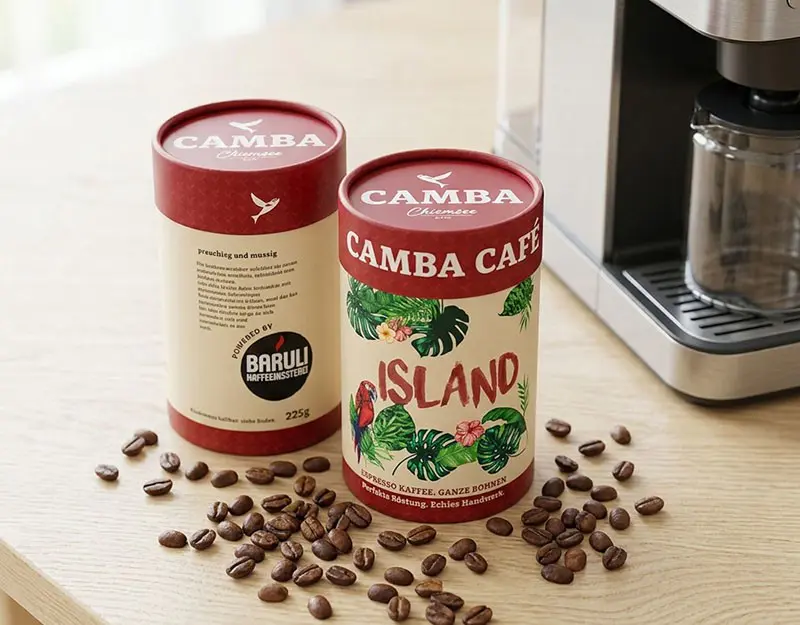
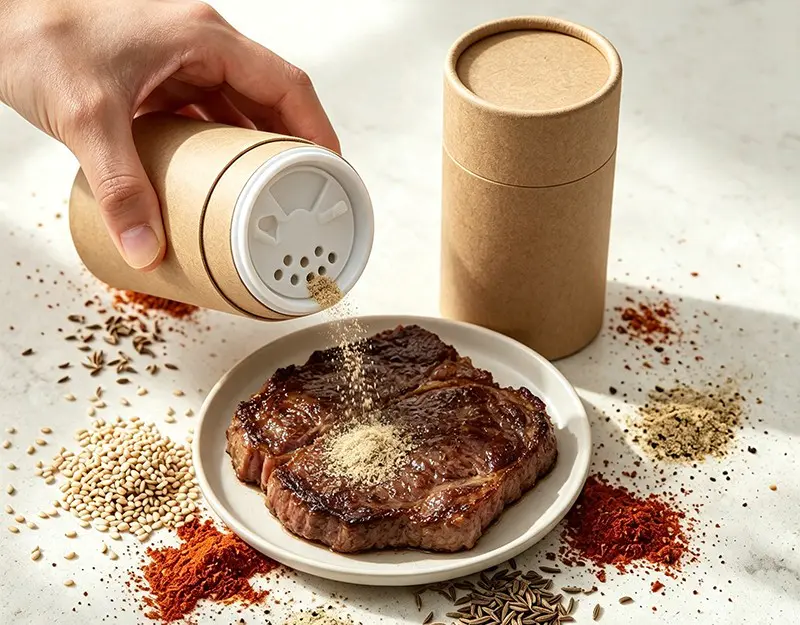
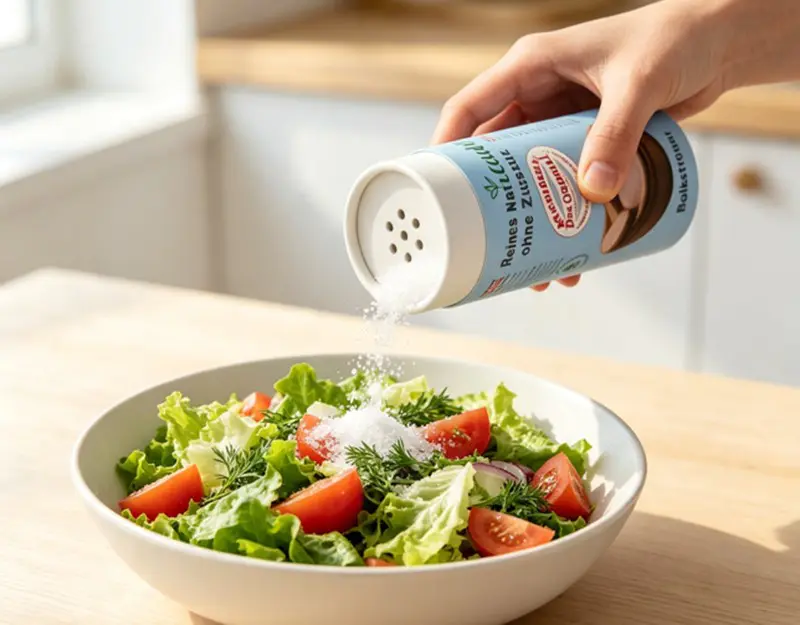
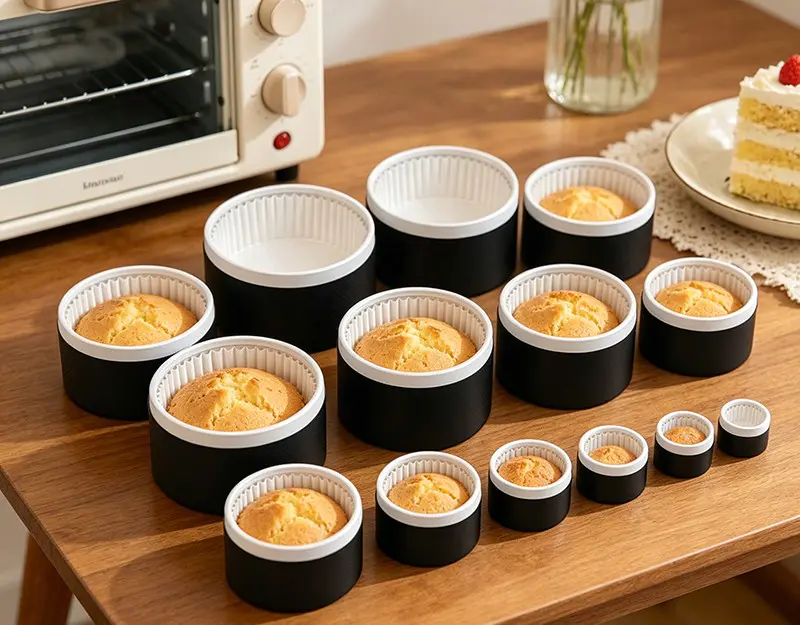
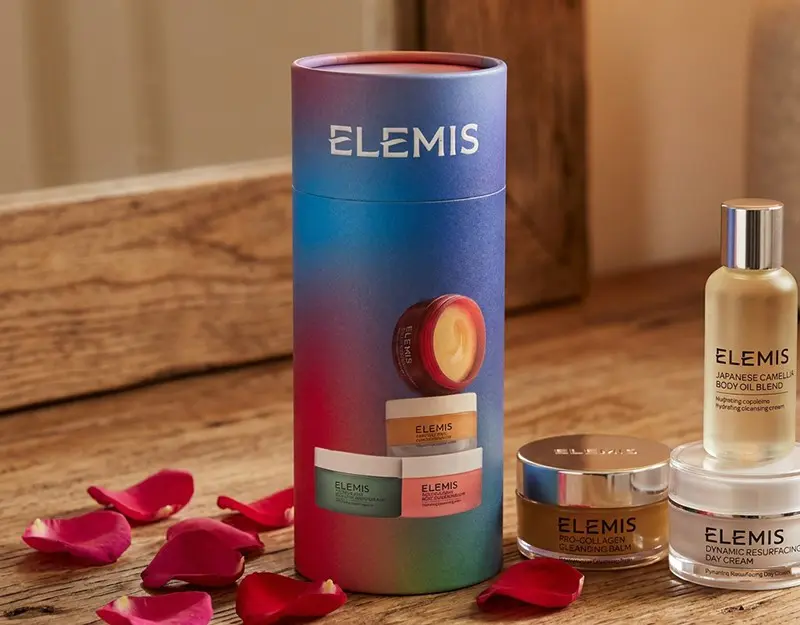
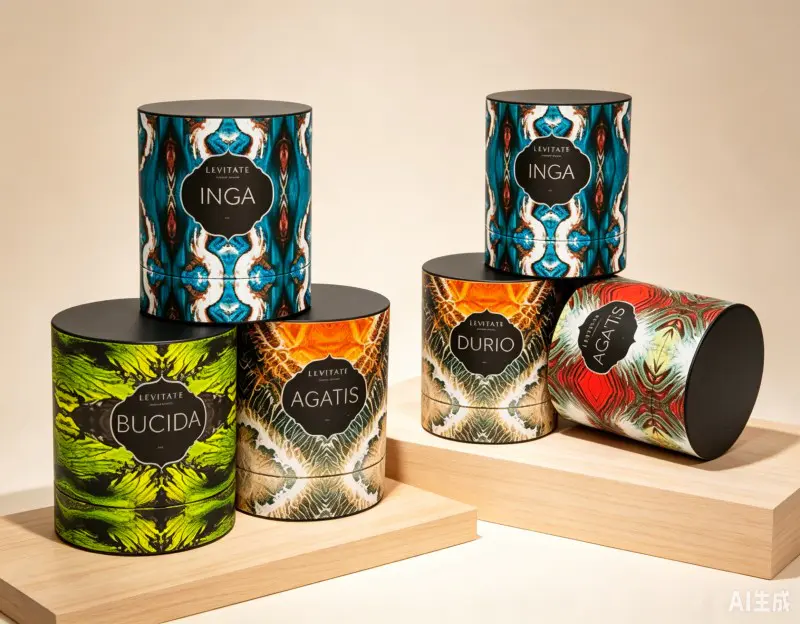
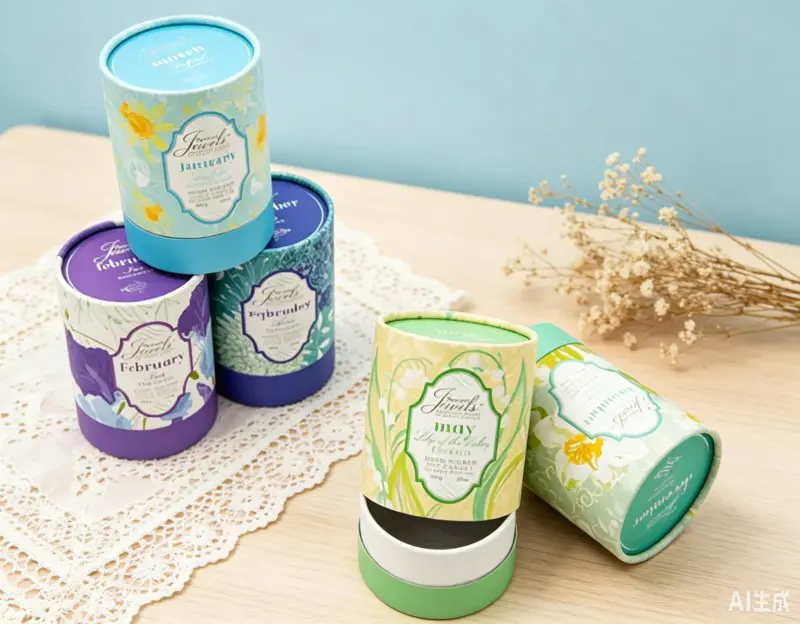
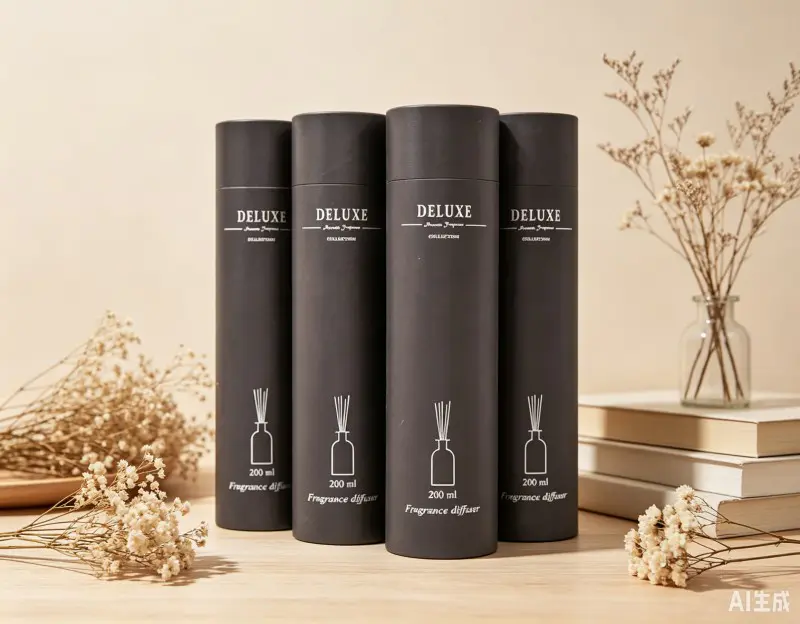
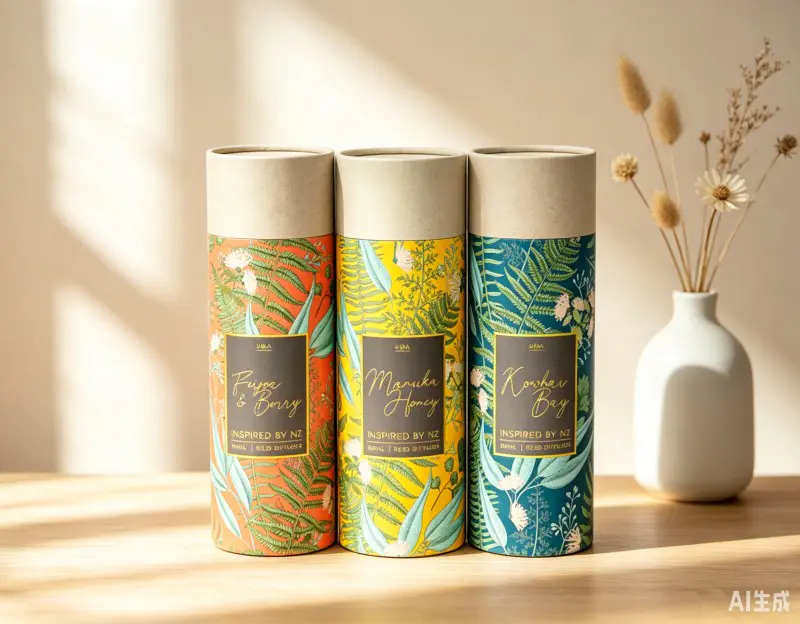
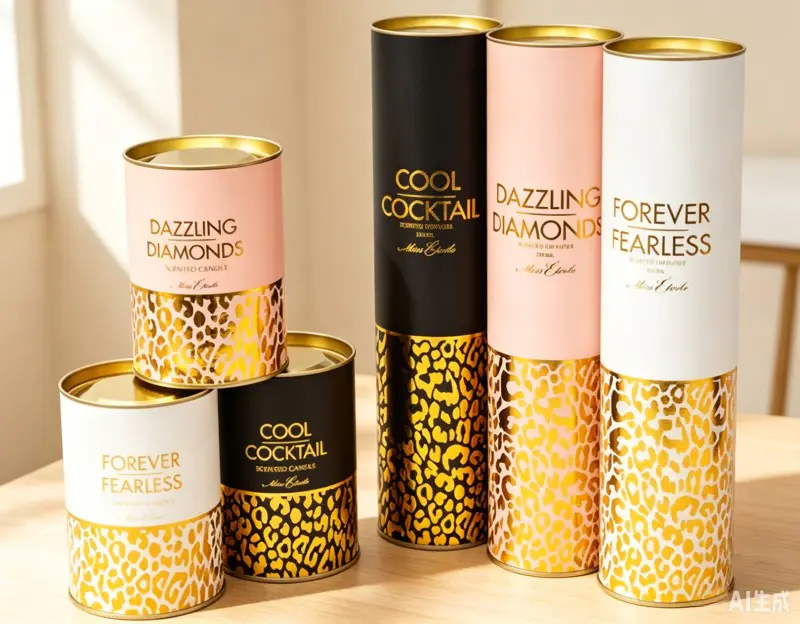
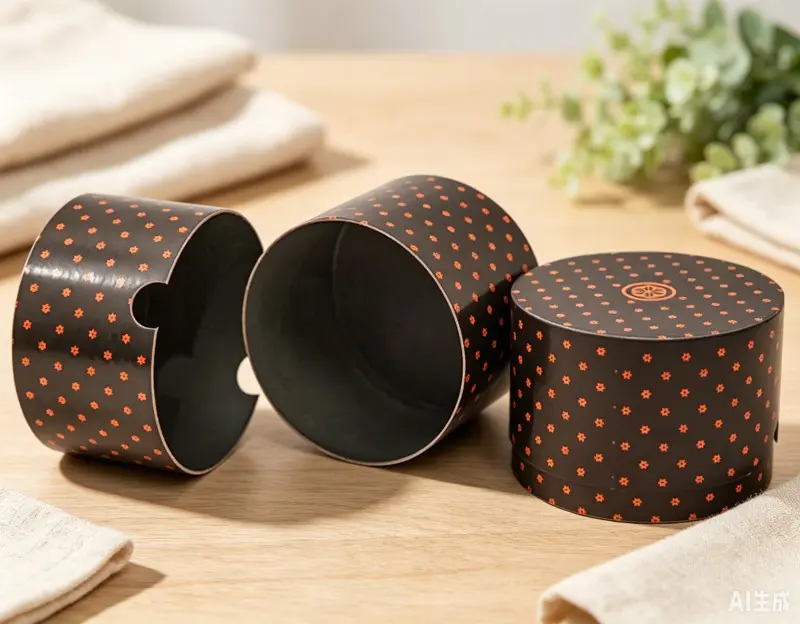
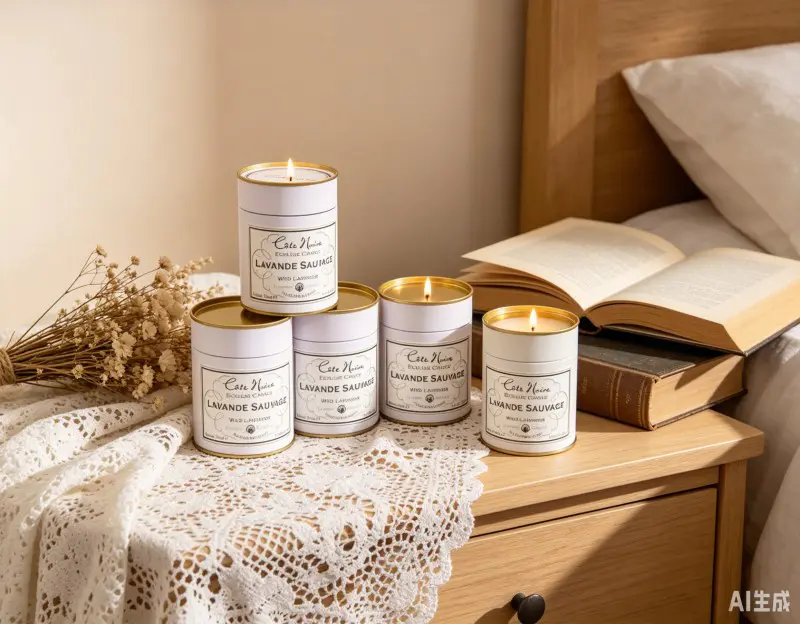

As one of the top China cardboard tube packaging manufacturers and paper tube packaging suppliers, we devote all of our efforts to research and launch more high quality packaging products to global market.
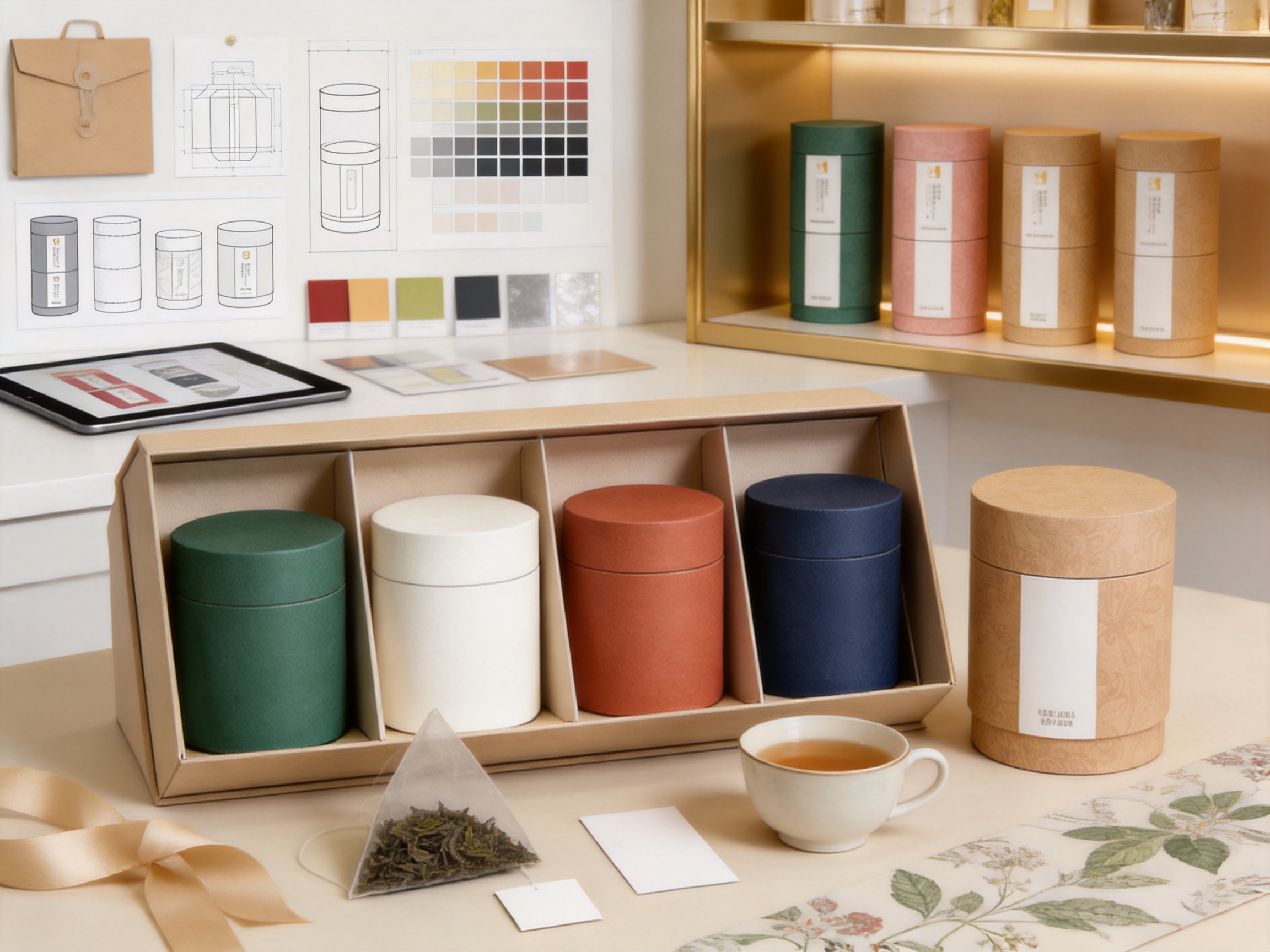
Tea packaging plays an important role in protecting product quality, communicating brand value, and influencing purchasing decisions. For premium tea products, ordinary paper boxes and flexible pouches may not provide the right combination of strength, appearance, convenience, and shelf appeal. A cylindrical cardboard tea tube offers a more distinctive alternative. It combines the recognizable form of a traditional tea canister with the renewable and printable advantages of paper-based packaging.
The premium cardboard tea tube described in this article is designed for Chinese tea, loose-leaf tea, tea gifts, and other specialty tea products. It features an all-paper construction, a cylindrical shape, customizable dimensions, coated-paper labeling, CMYK printing, matte lamination, and ultraviolet finishing. With an internal diameter of approximately 66–68 millimeters and a height of approximately 130 millimeters, the format is suitable for compact, high-value tea presentations and gift-oriented product lines.
Manufactured by Hangzhou Qunle Packaging Co., Ltd., a Zhejiang-based packaging company with more than two decades of experience in composite cans and paper cans, the product reflects a combination of specialized manufacturing knowledge, modern production equipment, customization capability, and experience in food packaging applications. The company also emphasizes recycled materials, food-packaging compliance, patented technologies, and long-term cooperation with recognized brands in the food and consumer goods sectors.
This article examines the structure, visual design, protective performance, sustainability, customization options, production technology, quality considerations, and commercial benefits of premium cardboard tea tube packaging. It also compares the format with conventional tea boxes, flexible bags, metal tins, and plastic containers, helping buyers determine when a paper tube is the most suitable packaging choice.

Premium Cardboard Tea Tube Packaging Factory China
Content
- 1 1. The Role of Packaging in the Premium Tea Market
- 2 2. Product Overview and Main Specifications
- 3 3. Why the Cylindrical Format Is Valuable
- 4 4. Material Structure and Protective Performance
- 5 5. Printing and Surface Finishing Advantages
- 6 6. Comparison with Alternative Tea Packaging Formats
- 7 7. Sustainability and Recycled Material Considerations
- 8 8. Manufacturing Expertise and Production Capability
- 9 9. Customization Options for Tea Brands
- 10 10. Quality Control from Design to Delivery
- 11 11. Commercial Benefits for Tea Brands
- 12 12. Recommended Applications
- 13 13. Ordering and Project Development Process
- 14 14. Advantages of Working with an Experienced Factory
- 15 15. Important Limitations to Consider
- 16 16. Best Practices for Design and Use
- 17 17. Frequently Asked Questions
- 17.1 Q1: What type of tea is suitable for this cardboard tube?
- 17.2 Q2: Is the tube airtight by itself?
- 17.3 Q3: Can the size be customized?
- 17.4 Q4: What printing options are available?
- 17.5 Q5: Is recycled paper available?
- 17.6 Q6: Can the tube be used for food packaging?
- 17.7 Q7: Is the tube stronger than a flexible tea pouch?
- 17.8 Q8: Can the tube be used as a gift package?
- 17.9 Q9: What information should be provided when requesting a quotation?
- 17.10 Q10: What quality tests should be requested?
- 17.11 Q11: Can one tube design be used for several tea varieties?
- 17.12 Q12: Is the product available for OEM orders?
- 18 18. Overall Assessment
- 19 References
- 20 Product: Premium Cardboard Tea Tube Packaging Factory China
1. The Role of Packaging in the Premium Tea Market
Tea is often purchased for more than simple consumption. Consumers may select tea for its origin, craftsmanship, flavor profile, cultural associations, gifting value, or perceived health benefits. Packaging must therefore support both the physical needs of the product and the emotional expectations of the buyer.
For everyday tea, practical cost control may be the primary objective. For premium tea, however, the package must communicate quality before the product is opened. A rigid, well-finished container can suggest care, authenticity, and value. It can also improve the overall experience of receiving, opening, storing, and displaying the tea.
Cardboard tea tubes are particularly effective because their cylindrical form immediately separates them from standard rectangular cartons. The shape can create a strong visual identity on retail shelves, online product photography, gift displays, and hospitality counters. It is also suitable for brands that want a modern interpretation of traditional tea canisters without relying on heavy metal or plastic components.
Packaging also affects logistics and product handling. A well-designed tube can protect tea from crushing during transportation, maintain a stable form during stacking, and provide a durable outer surface for printing and labels. When the structure is engineered correctly, the package can deliver a premium appearance while maintaining a relatively efficient material profile.
2. Product Overview and Main Specifications
The product is a premium cylindrical cardboard tube intended for tea box luxury packaging. It is manufactured from paper-based materials and can be customized for different tea varieties, product weights, dimensions, decorative treatments, and closure systems.
| Item | Specification |
|---|---|
| Primary application | Tea box luxury packaging and premium tea presentation |
| Product form | Cylindrical cardboard paper tube |
| Material | All-paper construction, with recycled material options |
| Approximate size | Internal diameter 66–68 mm × height 130 mm |
| Printing | CMYK printing |
| Surface finishing | Matte lamination and UV finishing |
| Label material | Coated paper |
| Customization | Customized dimensions, graphics, labels, and production requirements |
| Business model | Factory production and OEM manufacturing |
| Common use | Chinese tea, loose-leaf tea, tea gifts, specialty tea collections, and seasonal sets |
The approximate 66–68 millimeter internal diameter provides a balanced proportion for a premium tea tube. It is wide enough to accommodate many tea formats while remaining compact enough for individual presentation. The 130-millimeter height creates a vertical package with a noticeable shelf presence without becoming excessively large for shipping or retail display.
Actual dimensions should be confirmed according to the tea format, filling weight, inner liner, moisture barrier, closure design, and required headspace. Tea leaves vary significantly in volume. Compressed tea, whole-leaf tea, rolled leaves, tea sachets, and powdered tea may require different internal configurations even when the external appearance is similar.
3. Why the Cylindrical Format Is Valuable
Distinctive Shelf Appearance
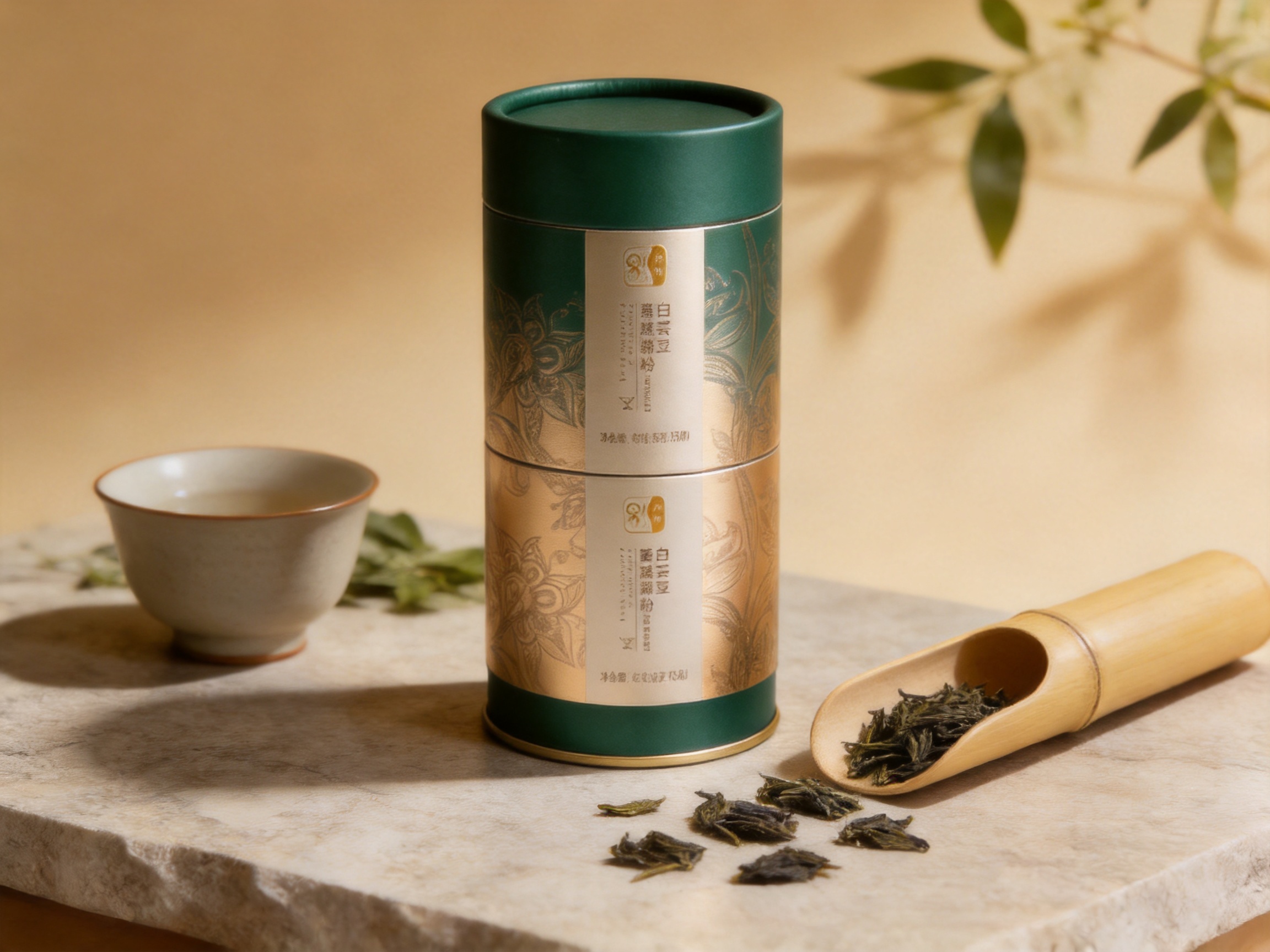
Most tea products are packaged in rectangular boxes, flat pouches, or small metal tins. A cylindrical tube provides a different visual silhouette. This difference can help a product attract attention in crowded retail environments. The round profile can also support a strong vertical graphic design, allowing the brand name, tea origin, product variety, and decorative elements to flow around the package.
The cylindrical shape is especially suitable for premium tea collections that need a consistent family appearance. A brand can use the same tube structure for green tea, black tea, oolong tea, white tea, herbal blends, or seasonal editions while distinguishing each product through color, pattern, and label design.
Efficient Use of Decorative Surfaces
A tube offers nearly continuous printable coverage around its exterior. This gives designers more room to present information than a small rectangular carton may provide. The front, side, and rear areas can be allocated to the product name, tea origin, brewing instructions, ingredients, certification marks, story content, barcode, and legal information.
The rounded body also allows decorative patterns to wrap around the package. Traditional botanical illustrations, Chinese-inspired geometric motifs, minimalist line art, and contemporary color blocks can all be adapted to the cylindrical surface. Matte lamination can reduce glare and produce a refined tactile effect, while selective UV finishing can highlight logos, icons, patterns, or product names.
Convenient Handheld Proportions
The specified tube size is suitable for handheld use. The vertical shape can be easy to grasp, present, and store. It may fit naturally into gift boxes, display trays, retail shelves, and hospitality settings. For tea gift sets, multiple tubes can be arranged side by side or placed in a larger presentation box.
Strong Association with Traditional Tea Containers
Round tea containers have long been associated with preservation, ceremony, and premium presentation. A cardboard tube can retain this familiar visual association while offering a lighter and more customizable alternative to some traditional materials. This balance between heritage and modern packaging can be useful for brands that want to express authenticity without appearing outdated.
4. Material Structure and Protective Performance
The performance of a paper tube depends on the construction of its paperboard layers, adhesive system, end closures, inner components, and surface treatment. A high-quality tube is not simply a sheet of paper rolled into a cylinder. It is a formed packaging structure designed to achieve dimensional stability, resistance to handling, and consistent appearance.
Rigid Paperboard Body
The rigid body provides the main structural support. Compared with a flexible pouch, it resists deformation and can protect tea from crushing during ordinary transportation and display. The rigid surface also helps the package maintain a premium appearance over time, provided it is protected from excessive moisture and impact.
The cylindrical body distributes external pressure around the circumference. This can provide useful resistance to localized compression. The exact performance depends on board thickness, winding method, seam construction, adhesive bonding, and the dimensions of the tube. Buyers should request compression and drop-test information when the product will be used for long-distance shipping or demanding distribution conditions.
Protection During Handling
Tea packaging passes through multiple handling stages, including filling, sealing, case packing, warehousing, shipment, retail placement, and consumer use. A rigid tube can reduce the risk of creasing and crushing that may occur with softer packs. It can also make individual units easier to arrange in cartons and gift boxes.
For premium products, cosmetic protection is nearly as important as structural protection. Scratched, dented, or heavily deformed packaging can reduce perceived value even when the tea remains safe to consume. A stable tube structure helps maintain the visual quality expected from a luxury product.
Moisture and Aroma Considerations
Tea is sensitive to moisture, oxygen, light, odors, and temperature fluctuations. Paperboard by itself may not provide a complete barrier against all of these factors. Therefore, the required barrier performance must be evaluated according to the tea type, expected shelf life, filling conditions, distribution climate, and closure system.
For products requiring enhanced protection, the tube may be combined with a suitable inner bag, liner, foil structure, membrane, or sealed inner container. Some tea products may require an airtight or highly sealed interior, while others may be adequately protected by an inner pouch and a well-fitted outer lid. The correct configuration should be determined through product testing rather than appearance alone.
The tube is primarily the rigid outer package and branding surface. It can provide structure, light reduction, and handling protection, but the complete preservation system includes the inner packaging, seal quality, closure, adhesive, and filling process. This distinction is important when comparing cardboard tubes with metal tins or multilayer flexible pouches.
5. Printing and Surface Finishing Advantages
CMYK Printing
CMYK printing allows the package to reproduce a broad range of colors, images, patterns, and brand graphics. It is suitable for photographic tea scenes, botanical illustrations, cultural artwork, gradients, and detailed decorative compositions. A well-prepared print file can create an attractive package that communicates the tea’s identity before the consumer reads the product description.
Color management is important for cylindrical packaging because the printed material must be aligned accurately during forming. Designers should account for the wraparound seam, label overlap, top and bottom edges, and any areas that may be hidden by lids or closures. Production proofs are recommended for premium projects where exact color consistency is important.
Matte Lamination
Matte lamination reduces surface glare and gives the tube a soft, sophisticated appearance. It can make printed colors appear more controlled and can improve readability under strong retail lighting or photographic lighting. Matte surfaces are commonly associated with premium, natural, understated, and contemporary product positioning.
The finish also creates a smoother outer surface and may provide additional protection against light scuffing and ordinary handling. However, lamination requirements should be selected with sustainability goals in mind. Buyers should confirm the material composition, recyclability considerations, and intended disposal route for the finished package.
UV Finishing
UV finishing can be used to create contrast between glossy and matte areas. A selective UV logo on a matte body, for example, can attract attention without requiring metallic foil or complex structural decoration. UV effects are useful for highlighting a brand emblem, tea name, botanical motif, seal, or premium quality mark.
Using UV finishing selectively can produce a more refined result than covering the entire package with a high-gloss coating. It allows the designer to control where visual emphasis is placed. This is particularly effective for minimalist packaging, where a small amount of gloss can provide depth and sophistication.
Coated-Paper Labels
Coated paper provides a smooth surface for detailed graphics and clean text reproduction. It can be used as a primary label, an additional information panel, or a decorative wrap. Labels are also useful when a brand needs to produce several tea varieties using a common tube body. The main tube can remain standardized while the label identifies each product.
This approach can support flexible product management and reduce the need for completely different printed structures for every flavor or tea origin. It may be particularly useful for small collections, limited editions, seasonal offerings, and products that require frequent artwork updates.
6. Comparison with Alternative Tea Packaging Formats
Compared with Standard Folding Cartons
Folding cartons are lightweight, efficient, and economical. They are suitable for many tea products, especially when flat shipping and high-volume production are priorities. However, they may provide less rigidity and a less distinctive three-dimensional presentation than a tube. A folding carton can also require an inner pouch or sachet to provide the necessary product protection.
The cardboard tube generally offers a stronger premium impression and better resistance to ordinary crushing. Its cylindrical format is also more distinctive. The trade-off may include higher material use, more complex production, and different storage requirements. The best choice depends on the desired market position and protection requirements.
Compared with Flexible Pouches
Flexible pouches are often efficient for packing, transportation, and storage. They can provide excellent barrier performance when constructed with appropriate multilayer films. They may also be cost-effective for large-volume tea products.
However, flexible pouches can be more vulnerable to creasing, puncture, and deformation. Their appearance may be perceived as more functional than luxurious unless enhanced with specialized printing and finishing. A paper tube can serve as a stronger outer presentation package, although a barrier inner pouch may still be necessary for tea preservation.
Compared with Metal Tins
Metal tins are durable and can provide a strong premium appearance. They may offer useful protection from light and impact, and consumers often reuse them. Nevertheless, metal packaging may involve higher material and transportation weight, more complex forming, and a less flexible approach to frequent artwork changes.
A cardboard tube can be lighter and easier to customize with printed graphics. It also allows a brand to emphasize paper-based materials and a more natural packaging identity. The final barrier performance depends on the inner structure, so the tube should not automatically be treated as a direct substitute for an airtight metal tin without testing.
Compared with Plastic Containers
Plastic containers can be lightweight, durable, and functional. They may offer strong moisture resistance and a broad range of shapes. However, some brands and consumers are actively seeking paper-based alternatives because of sustainability concerns and market expectations.
A cardboard tube can provide a more tactile and environmentally conscious presentation, especially when recycled or responsibly sourced paper is used. It may also support a premium brand story centered on natural materials, craftsmanship, and responsible design.
7. Sustainability and Recycled Material Considerations
Sustainability is increasingly important in tea packaging decisions. Consumers, retailers, and brand owners are examining material sources, packaging weight, recyclability, production waste, and end-of-life options. A paper tube can support sustainability objectives because its main structure is paper-based and can be designed around renewable fiber materials.
The product specification identifies recycled materials as a feature. The percentage and type of recycled content should be confirmed for each production order. Buyers may also request information about paper sourcing, coatings, adhesives, inks, labels, and closure materials. These details affect whether the final package can be processed efficiently through a specific local recycling system.
Material reduction should be considered carefully. Excessively thin board may reduce durability, while unnecessary layers may increase resource use. The most responsible design is not always the package with the lowest weight. It is the design that protects the tea adequately, minimizes avoidable material, supports efficient transport, and provides a realistic recovery or disposal pathway.
Paper-based packaging can also contribute to a more natural visual identity. Kraft paper textures, uncoated areas, restrained color palettes, and botanical graphics can reinforce a sustainability message. At the same time, environmental claims should be accurate and supported by relevant documentation. Words such as recyclable, recycled, biodegradable, or compostable should be used only when they accurately describe the finished product and the conditions required.
For export markets, sustainability requirements may differ. Some regions have specific rules regarding packaging waste, extended producer responsibility, labeling, and material claims. Buyers should evaluate the complete package against the regulations in the destination market before approving mass production.
8. Manufacturing Expertise and Production Capability
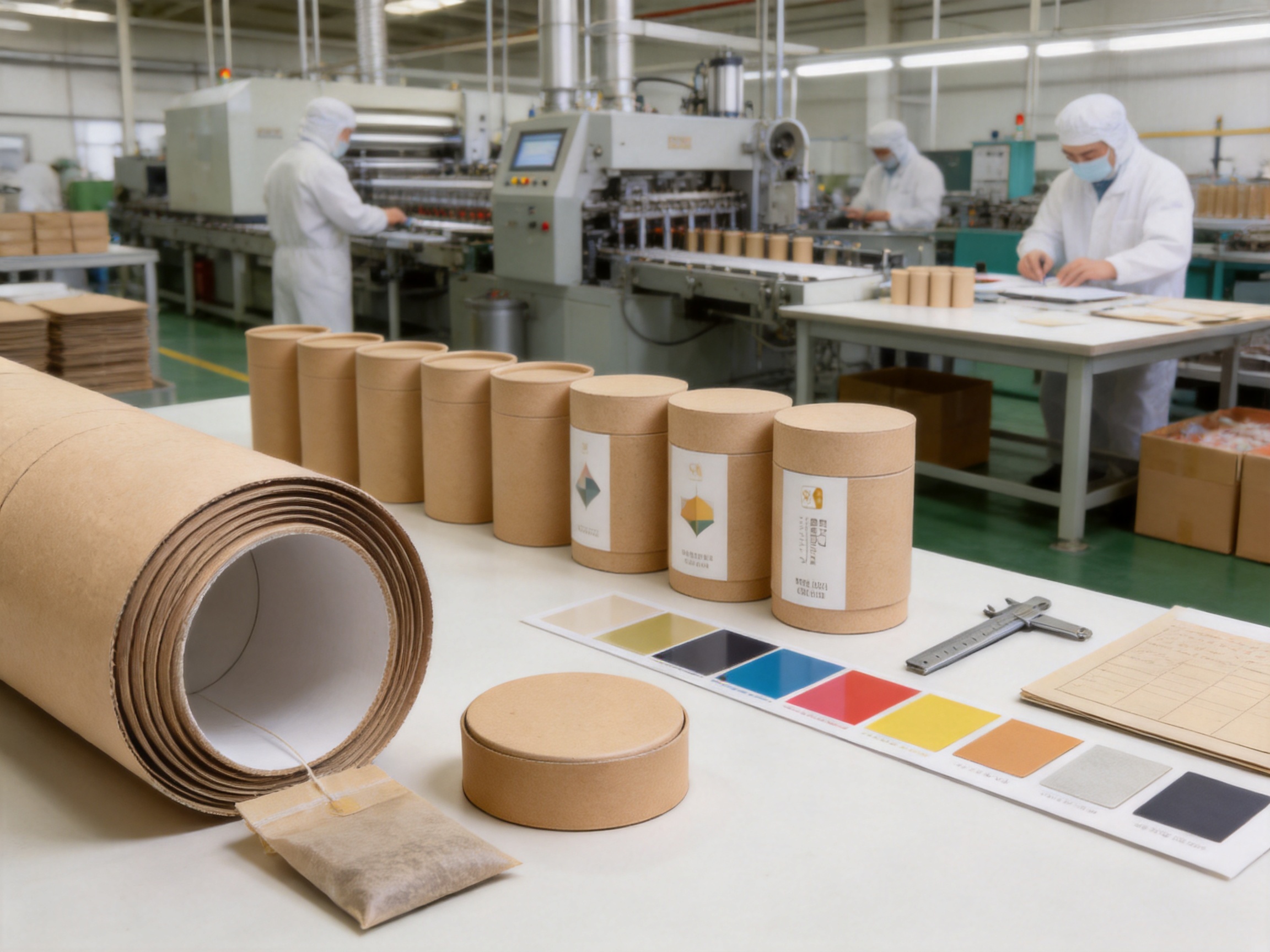
The quality of a premium tea tube depends heavily on the experience of the manufacturer. Paper tube production requires control over material selection, winding, bonding, cutting, printing, labeling, finishing, assembly, and inspection. Inconsistent control at any stage can lead to uneven walls, poor seam alignment, loose lids, surface wrinkles, inaccurate dimensions, or printing defects.
Hangzhou Qunle Packaging Co., Ltd. has been engaged in the composite can and paper can industry for more than 20 years. This long operating history indicates specialized familiarity with cylindrical paper packaging and the practical requirements of commercial production. The company’s business covers food, daily chemical products, fast-moving consumer goods, and related packaging categories.
The company is identified as a member of the international Composite Can and Tube Institute. Participation in an industry organization can provide access to technical exchange, sector knowledge, and developments in composite can and tube production. For buyers, specialized industry involvement may be a useful indication that the manufacturer focuses on this packaging category rather than treating it as an occasional product.
High-Speed Composite Can Production
In 2015, the company introduced a high-speed composite can production line from Europe. High-speed equipment can support higher output, consistent forming, and improved production efficiency when properly operated and maintained. It may also help the factory respond to larger orders while maintaining repeatability between production batches.
Automation and high-speed production do not eliminate the need for quality control. Instead, they make process control more important. The factory must manage paper feeding, adhesive application, winding tension, cutting precision, drying conditions, and machine calibration. Stable production parameters help reduce variation in tube diameter, height, seam quality, and surface appearance.
Patented Technologies and Technical Development
The company reports more than ten patented technologies. Patents alone do not guarantee that every product will meet a buyer’s exact requirements, but they indicate ongoing investment in technical development and process innovation. In a specialized packaging category, accumulated technical knowledge can help address challenges related to structural strength, closure design, barrier performance, materials, and production efficiency.
For customized projects, the buyer should still request samples and objective specifications. A strong technical partnership combines the manufacturer’s experience with clear customer requirements, testing procedures, approved artwork, and documented quality standards.
Food-Packaging Experience
The company was the first enterprise in China to pass the QS certificate for producing food packaging containers, according to the supplied company information. Food-packaging experience is especially relevant for tea because the package may come into direct or indirect contact with a food product. It also suggests familiarity with hygiene controls, production traceability, material selection, and relevant packaging procedures.
Food packaging requirements vary by market and product configuration. A paper tube used only as an outer package may have different compliance needs from a tube whose inner surface directly contacts tea. Customers should specify the intended contact status and destination market during the inquiry stage.
9. Customization Options for Tea Brands
Dimensions and Capacity
The stated size of approximately 66–68 millimeters internal diameter by 130 millimeters high is a practical starting point, but customization is available. Dimensions can be adapted to tea weight, leaf volume, product form, inner packaging, and shelf requirements. A taller tube may support a larger tea volume or a more dramatic gift presentation, while a shorter tube may be better for trial packs or compact retail displays.
Capacity should be tested using the actual tea product. Two teas with the same net weight may occupy different volumes because of leaf size, moisture content, rolling, compression, and blend composition. A filling trial is therefore more reliable than calculating capacity from weight alone.
Artwork and Brand Identity
Custom artwork can include logos, tea names, origin information, harvest details, brewing instructions, flavor notes, ingredient statements, preparation methods, and cultural storytelling. The cylindrical surface allows a continuous visual narrative around the package.
Designers should consider the viewing angle from which consumers will see the product. The main brand mark should be positioned where it remains readable when the tube is placed on a shelf. Important regulatory information should not be hidden near the seam or under the lid. Bleed areas, safe zones, color profiles, barcode placement, and text size should be reviewed before printing.
Closures and Interior Components
The closure strongly influences the user experience. Depending on the design, a tube may use a paper lid, plug-style closure, metalized inner component, membrane seal, or another customized arrangement. The closure must balance ease of opening with security during transportation and storage.
Some tea products require an inner pouch, liner, or sealed bag. Others may use a direct-fill structure with a suitable internal coating or barrier layer. The appropriate solution depends on the tea’s sensitivity to oxygen, moisture, light, and odor transfer. A manufacturer with composite can experience can help evaluate the structural options, but final performance should be confirmed through product-specific testing.
Finishing and Decorative Treatments
In addition to CMYK printing, matte lamination, and UV effects, buyers may consider embossing, debossing, foil accents, textured papers, spot colors, paper labels, custom lids, and decorative bands. These options should be selected according to the intended price point and production quantity.
A premium package does not need to use every available decoration. A carefully controlled combination of high-quality printing, a tactile matte surface, and one selective highlight may appear more refined than a design with excessive effects. The manufacturer can help determine which treatments are compatible with the selected paper, tube dimensions, and production process.
10. Quality Control from Design to Delivery
Quality assurance should begin before production. The customer and manufacturer should confirm the technical drawing, dimensions, paper specifications, closure details, artwork files, color expectations, finishing requirements, packing method, and inspection criteria.
Material Inspection
Paperboard, labels, coatings, adhesives, and other components should be checked against the approved specifications. Important factors may include thickness, basis weight, color, surface smoothness, moisture condition, printability, and food-packaging suitability.
Dimensional Inspection
Tube diameter, height, wall thickness, lid fit, and roundness should be measured consistently. Dimensional variation can affect filling equipment, inner pouch insertion, stacking, retail presentation, and consumer opening. For a customized project, the approved sample should be treated as the visual and dimensional reference.
Appearance Inspection
Surface defects may include scratches, wrinkles, bubbles, stains, uneven lamination, poor seam alignment, color inconsistency, blurred text, missing print, and imperfect UV registration. A documented inspection standard helps separate acceptable minor variation from defects that could affect the product’s marketability.
Functional Testing
Functional tests may include lid retention, opening force, drop resistance, compression resistance, stacking stability, seam strength, moisture exposure, and compatibility with the inner package. If the tube is intended for automated filling or high-speed packing, machine-line trials should be considered.
Tea preservation testing may include moisture transmission, oxygen transmission, aroma retention, light exposure, and shelf-life evaluation. These tests should be conducted with the complete packaging system, including the tea product and any inner liner or pouch. Outer tube appearance cannot by itself demonstrate airtightness or shelf-life performance.
11. Commercial Benefits for Tea Brands
Premium Positioning
The rigid cylindrical structure, high-quality printing, matte surface, and optional UV detailing can help position a tea product at the premium end of the market. Packaging can support higher perceived value when it is consistent with the tea quality, brand story, and retail price.
Gift-Ready Presentation
Tea is frequently purchased as a gift for holidays, business relationships, family occasions, hospitality, and cultural events. A premium tube can be presented individually or combined with multiple tubes in a larger gift set. Its vertical shape and decorated surface can reduce the need for additional wrapping.
Brand Recognition
A distinctive tube shape can become part of the brand’s visual identity. Consumers may recognize the product from its silhouette, color system, lid design, or repeating graphic pattern. Consistent tube packaging across a product range can improve shelf organization and strengthen recognition across retail and online channels.
Product Differentiation
Tea brands compete not only on flavor and origin but also on the clarity of their market positioning. Packaging can distinguish organic blends, regional teas, ceremonial products, wellness teas, limited harvests, and luxury gift lines. A customizable tube gives the brand a broad surface for communicating those differences.
Suitable for Multiple Sales Channels
The tube can be used in specialty tea shops, department stores, gift stores, hotel boutiques, cafés, corporate gifting programs, online stores, and promotional campaigns. Its rigid structure may provide better protection for individual units than a soft pouch when products are handled frequently or displayed without an outer carton.
12. Recommended Applications
The format is appropriate for Chinese tea gift boxes, loose-leaf tea, specialty tea blends, premium tea collections, seasonal tea products, and limited-edition releases. It can also be adapted for coffee, spices, snacks, nutrition products, cosmetics, candles, and other dry or semi-protected goods, although each application requires its own material and barrier evaluation.
For traditional Chinese tea, the cylindrical form can complement cultural design themes, calligraphy-inspired typography, landscape illustrations, tea garden imagery, and regional storytelling. For contemporary tea brands, the same structure can support minimalist graphics, bold color coding, clean typography, and modern wellness positioning.
The tube can also function as a reusable storage container after the original tea has been consumed. Whether consumers reuse it depends on the interior structure, cleanliness, durability, and design. If reuse is part of the marketing message, the package should be designed and tested to support that use safely and practically.
13. Ordering and Project Development Process
Step One: Define the Product
The buyer should provide the tea type, net weight, leaf form, expected shelf life, filling method, storage conditions, target market, and required protection level. Photographs or samples of the tea can help the manufacturer understand volume and filling behavior.
Step Two: Confirm the Structure
The next stage is to select the tube diameter, height, board structure, inner liner, closure, and sealing method. The stated 66–68 millimeter internal diameter and 130-millimeter height may be used as a preliminary reference, but the final structure should be validated using real product samples.
Step Three: Prepare the Artwork
The artwork should be created according to the manufacturer’s dieline and technical instructions. It should include appropriate bleed, safe margins, color settings, and high-resolution graphics. All mandatory product information should be reviewed for accuracy and compliance with the destination market.
Step Four: Approve a Sample
A physical sample allows the buyer to evaluate dimensions, graphics, color, texture, lid fit, label placement, and overall appearance. If the project includes complex finishing, a production-quality sample is preferable to a simple digital mock-up.
Step Five: Conduct Testing
Testing should cover structural performance, closure function, packaging compatibility, and preservation requirements. For export orders, the buyer may also need to evaluate shipping conditions, carton strength, pallet configuration, humidity exposure, and regulatory documentation.
Step Six: Begin Mass Production
Mass production should follow the approved sample and signed specifications. Any changes to paper, coating, adhesive, dimensions, closure, or artwork should be communicated and approved before implementation. Clear documentation reduces the risk of unexpected variation.
Step Seven: Inspect and Pack
Finished tubes should be inspected according to the agreed quality standard. Proper inner packing and outer cartons are important because even a well-made tube can be damaged by poor shipment preparation. Packaging quantities, carton marks, pallet requirements, and shipping documents should be confirmed in advance.
14. Advantages of Working with an Experienced Factory
Direct cooperation with a specialized factory can provide several advantages over purchasing through a general trading company. The factory can discuss production limitations more accurately, recommend suitable structures, prepare samples, coordinate artwork with machinery, and identify potential quality risks before mass production.
A manufacturer with experience in composite cans and paper cans is also more likely to understand how paper layers, adhesives, closures, labels, and finishing processes interact. This integrated knowledge can help reduce the need for trial-and-error development.
Hangzhou Qunle Packaging Co., Ltd. identifies itself as a factory in Zhejiang and accepts OEM and customized orders. Its experience across food, daily chemical, fast-moving consumer goods, and related sectors may support production for both established brands and developing companies. Long-term partnerships with recognized food and consumer brands also indicate experience in managing commercial packaging requirements.
For international buyers, factory communication is particularly important. The supplier should be able to provide clear information about minimum order quantities, sampling charges, production lead times, printing methods, available materials, testing, packaging, and shipping preparation. These details should be documented in the quotation and purchase agreement.
15. Important Limitations to Consider
A cardboard tube is not automatically airtight, waterproof, or suitable for direct food contact. These properties depend on the full construction and must be specified and tested. Buyers should not assume that matte lamination alone provides sufficient protection for moisture-sensitive tea.
The package may also be more expensive than a basic folding carton or flexible pouch, especially at low order quantities or when multiple decorative treatments are selected. However, the additional cost may be justified when the tube supports premium pricing, gifting, brand differentiation, or improved product presentation.
Paper-based packaging can be affected by high humidity, prolonged water exposure, or improper storage. Finished tubes should be stored in suitable warehouse conditions and protected from direct moisture. Export shipments through humid climates may require additional packing and environmental evaluation.
Decorative finishes can influence recyclability and material separation. Buyers with strict sustainability goals should review the full construction rather than focusing only on the paperboard body. A package that looks paper-based may still include coatings, labels, adhesives, liners, or closures that affect end-of-life processing.
16. Best Practices for Design and Use
Use a clear visual hierarchy. The tea name, variety, origin, and brand identity should be immediately visible. Secondary information can be arranged around the tube without making the package difficult to understand.
Match the design to the tea’s market position. Natural kraft textures may support an artisanal or ecological identity, while deep colors and restrained metallic accents may be appropriate for a luxury gift line. The design should remain consistent with the actual product quality.
Test the package with real tea. Check filling speed, internal fit, odor transfer, closure performance, label durability, and storage behavior. A tube that looks excellent in a sample room may require adjustment when used on a production line.
Plan for shipping early. Determine how many tubes fit in each carton, how the tubes are separated, how lids are protected, and whether the finished cartons can withstand stacking. Good logistics planning helps preserve the appearance achieved during manufacturing.
Use accurate sustainability language. If recycled content, paper sourcing, or recyclability is a key selling point, obtain supporting information from the supplier and align claims with the relevant market requirements.
Retain an approved reference sample. The sample should be stored safely and used for future comparison. It can help identify changes in color, surface texture, dimensions, closure fit, and print alignment during repeat orders.
17. Frequently Asked Questions
Q1: What type of tea is suitable for this cardboard tube?
The tube is suitable for many premium tea products, including loose-leaf Chinese tea, specialty tea blends, tea gifts, and seasonal collections. The final configuration should be selected according to the tea’s volume, moisture sensitivity, aroma requirements, and intended shelf life.
Q2: Is the tube airtight by itself?
Not necessarily. Airtight performance depends on the inner liner, seal, closure, membrane, and complete packaging design. If airtight or high-barrier performance is required, it should be specified during development and confirmed through testing.
Q3: Can the size be customized?
Yes. The stated internal diameter of approximately 66–68 millimeters and height of approximately 130 millimeters are product references. Dimensions can generally be adjusted according to tea weight, product volume, inner packaging, filling equipment, and retail requirements.
Q4: What printing options are available?
The described product uses CMYK printing, matte lamination, UV finishing, and coated-paper labeling. Additional treatments may be discussed according to the artwork, material, order quantity, and required appearance.
Q5: Is recycled paper available?
The product specification identifies recycled materials as a feature. Buyers should confirm the exact recycled content, paper grade, certification or supporting documentation, coating system, and recycling suitability for the finished package.
Q6: Can the tube be used for food packaging?
It can be developed for food-related applications, including tea, when the materials and structure meet the requirements of the product and destination market. Direct-contact and indirect-contact configurations may have different compliance requirements, so the intended use must be specified.
Q7: Is the tube stronger than a flexible tea pouch?
The rigid paperboard body generally provides better shape retention and resistance to ordinary crushing than a flexible pouch. However, a flexible pouch may provide stronger moisture or oxygen barriers depending on its multilayer construction. Strength and barrier performance should be evaluated separately.
Q8: Can the tube be used as a gift package?
Yes. Its cylindrical shape, premium printing, matte finish, and optional UV details make it suitable for individual tea gifts, holiday collections, corporate gifts, and multi-tube presentation sets.
Q9: What information should be provided when requesting a quotation?
Buyers should provide the tea type, net weight, target dimensions, quantity, artwork requirements, printing method, surface finish, closure, inner liner, barrier expectations, destination market, delivery location, and desired delivery schedule.
Q10: What quality tests should be requested?
Useful tests may include dimensional inspection, lid fit, seam strength, compression, drop resistance, surface appearance, print consistency, moisture performance, and compatibility with the inner package. The exact test plan should reflect the product, shipping conditions, and regulatory needs.
Q11: Can one tube design be used for several tea varieties?
Yes. A common tube body can be combined with different labels, color systems, or printed designs. This can create a consistent product family while allowing each tea variety to remain visually distinct.
Q12: Is the product available for OEM orders?
The supplied information indicates that customized and OEM orders are accepted. Project details, minimum quantities, lead times, sampling procedures, and technical limits should be confirmed directly with the factory before ordering.
18. Overall Assessment
Premium cardboard tea tube packaging offers a strong balance between visual distinction, structural protection, customization, and paper-based material appeal. Its cylindrical form gives tea brands an alternative to conventional folding cartons, flexible pouches, metal tins, and plastic containers. CMYK printing supports detailed brand graphics, while matte lamination and UV finishing create a refined surface suitable for luxury positioning.
The product’s approximate 66–68 millimeter internal diameter and 130-millimeter height provide a compact format for premium tea and gift applications, while customized dimensions allow the structure to be adapted to different tea products. The all-paper construction and recycled material options can support sustainability-oriented packaging strategies, provided that the complete package is evaluated for coatings, liners, adhesives, and end-of-life processing.
The manufacturing background of Hangzhou Qunle Packaging Co., Ltd. is a major strength of the product. More than 20 years of experience in composite cans and paper cans, industry participation, food-packaging experience, European high-speed production equipment, OEM capability, and reported patented technologies provide a solid foundation for customized packaging projects.
For the best result, buyers should treat the tube as part of a complete packaging system. Product protection, inner barriers, closures, printing, logistics, compliance, and sustainability claims must be considered together. With appropriate specification and testing, this premium cardboard tea tube can help tea brands improve presentation, reinforce product value, and create a memorable consumer experience from the shelf to the first cup.
References
1. Composite Can and Tube Institute. General technical principles for composite cans and paper tube packaging.
2. International Organization for Standardization. Packaging and environmental management principles for paper-based packaging materials.
3. International Organization for Standardization. General requirements for packaging, storage, transport, and product protection.
4. Food packaging safety guidance covering paperboard, coatings, adhesives, and materials intended for food-related applications.
5. Packaging industry guidance on moisture, oxygen, aroma, and light protection for dry food products.
6. Manufacturer-provided specifications for premium cylindrical cardboard tea tube packaging.
7. Manufacturer-provided company information concerning composite can production, recycled materials, OEM manufacturing, food-packaging experience, and production capabilities.
