 English
 Español

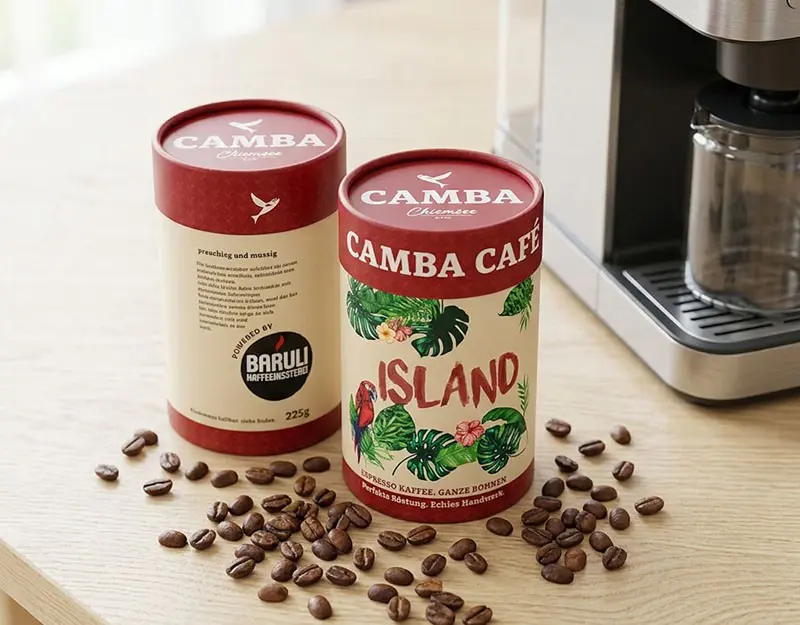
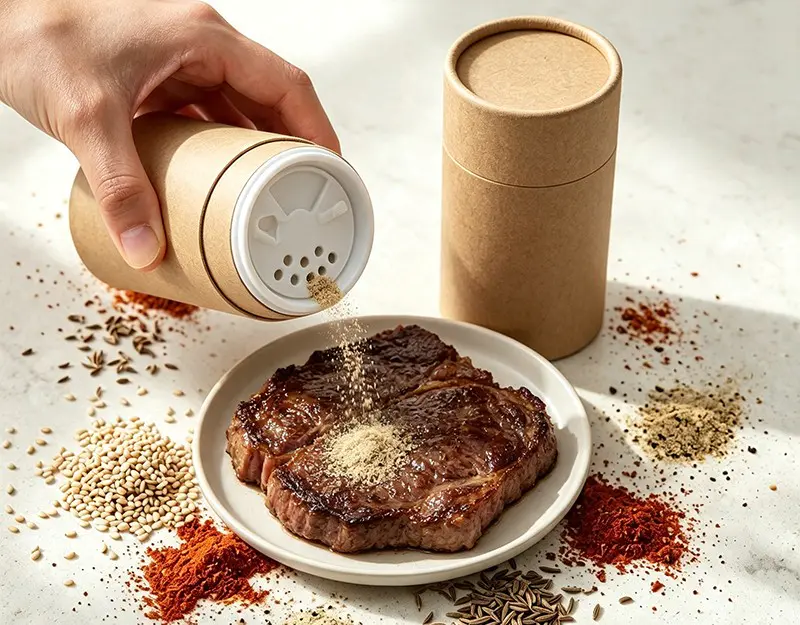

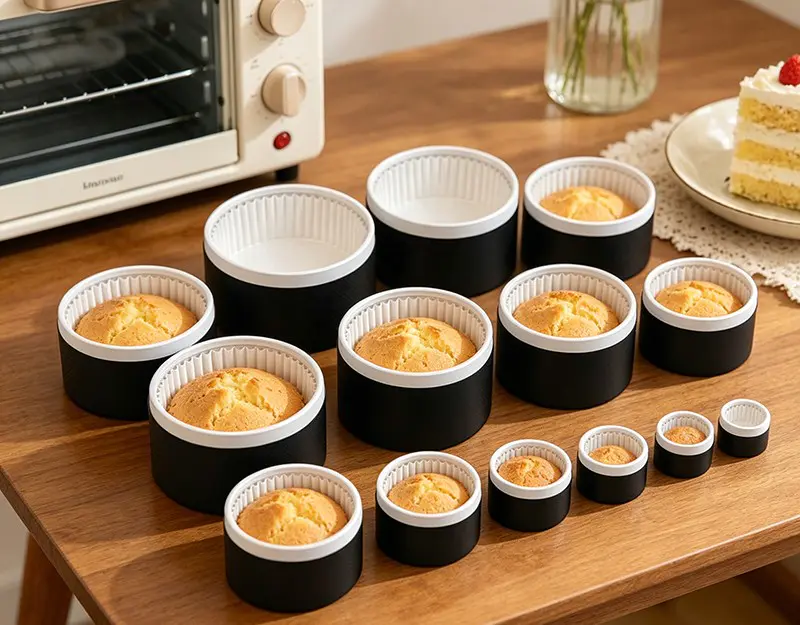
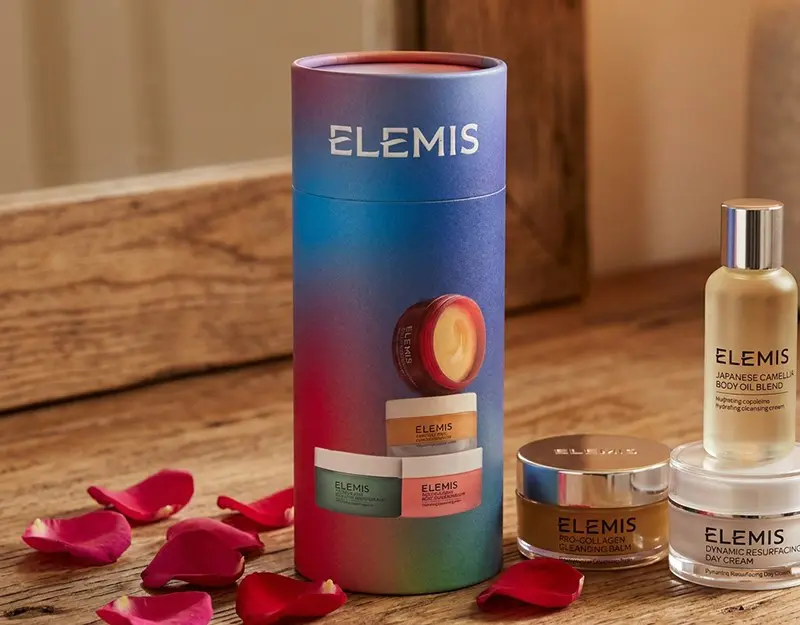
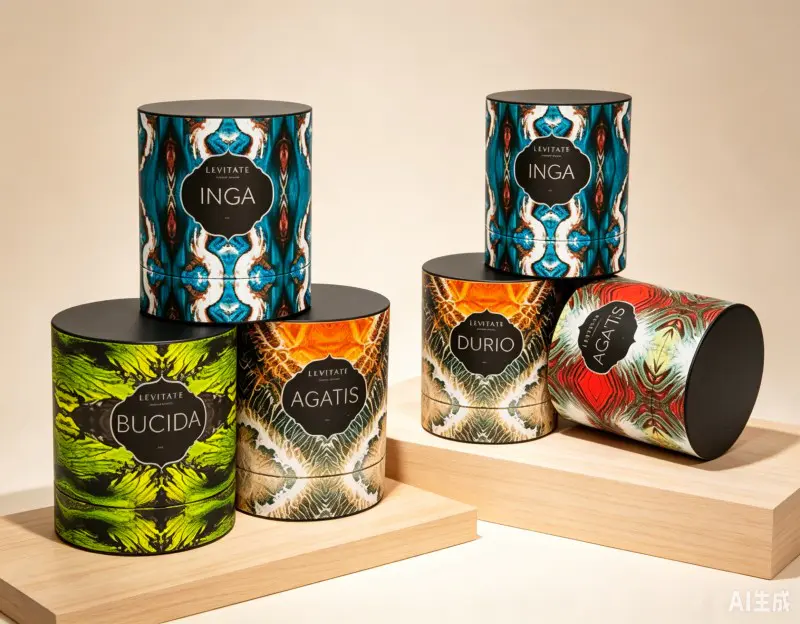
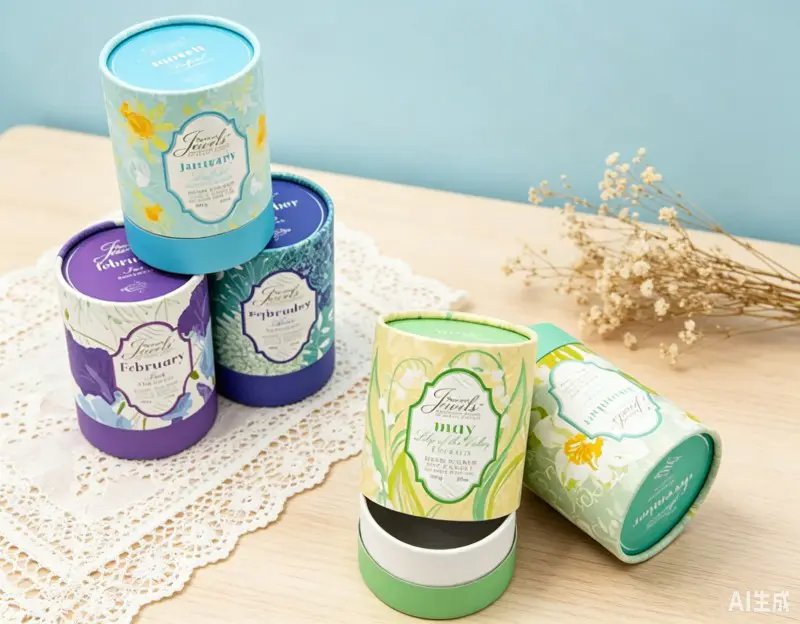
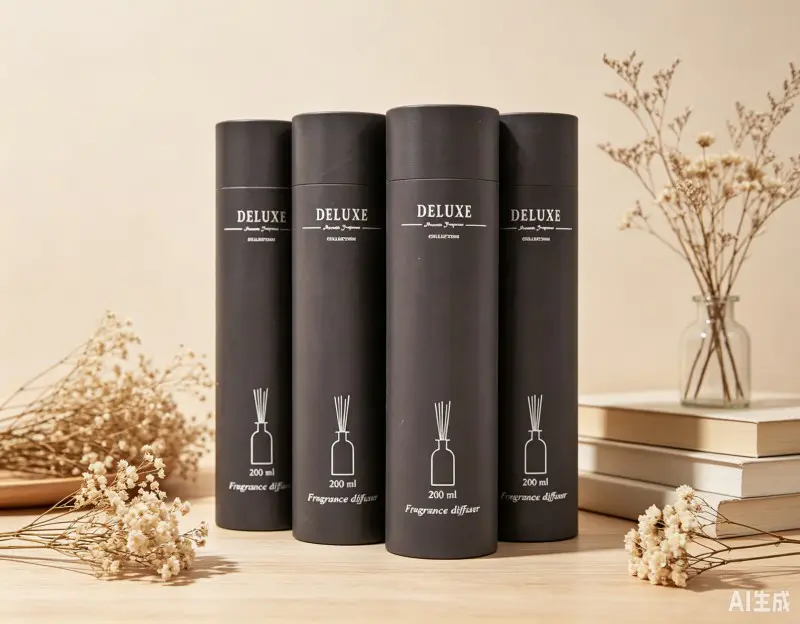
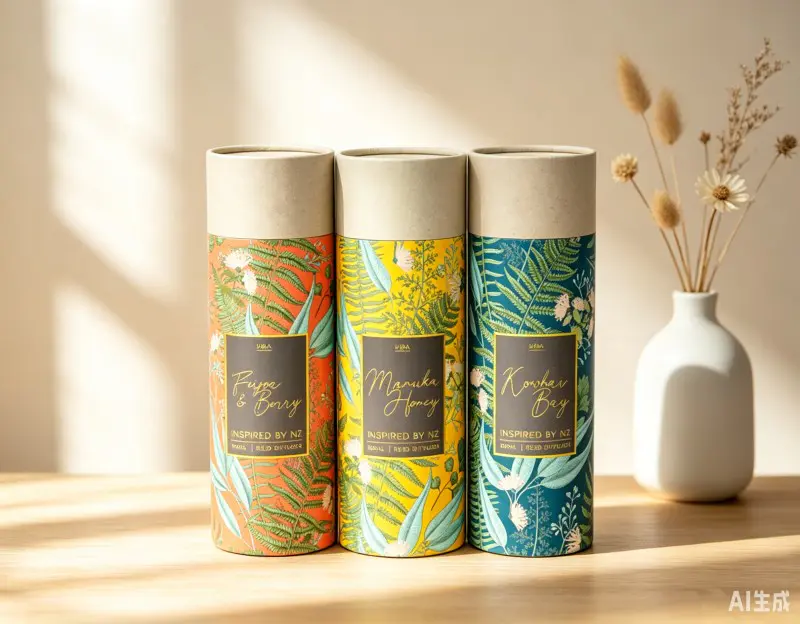
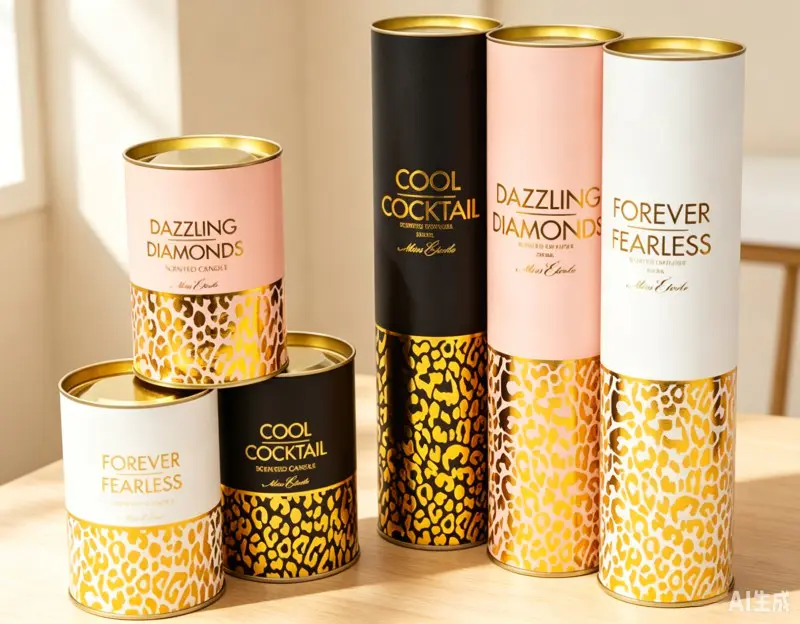
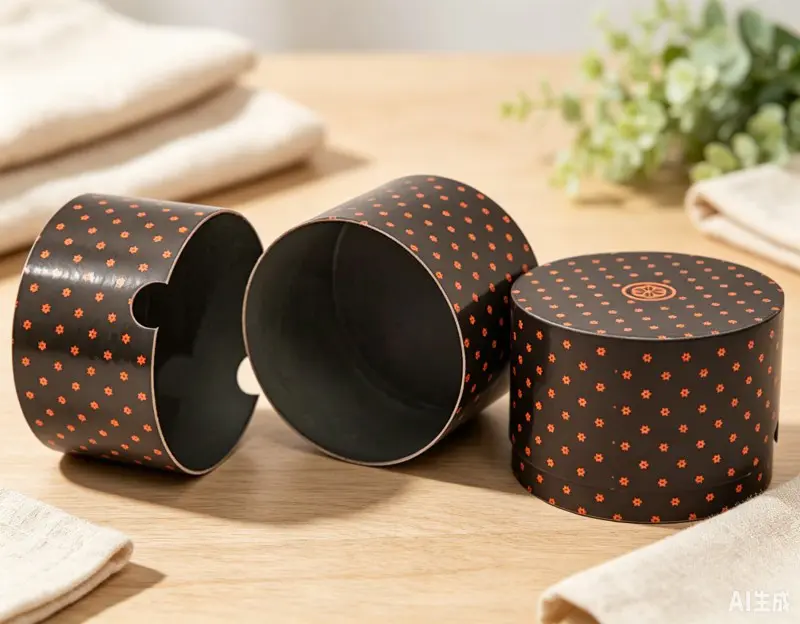
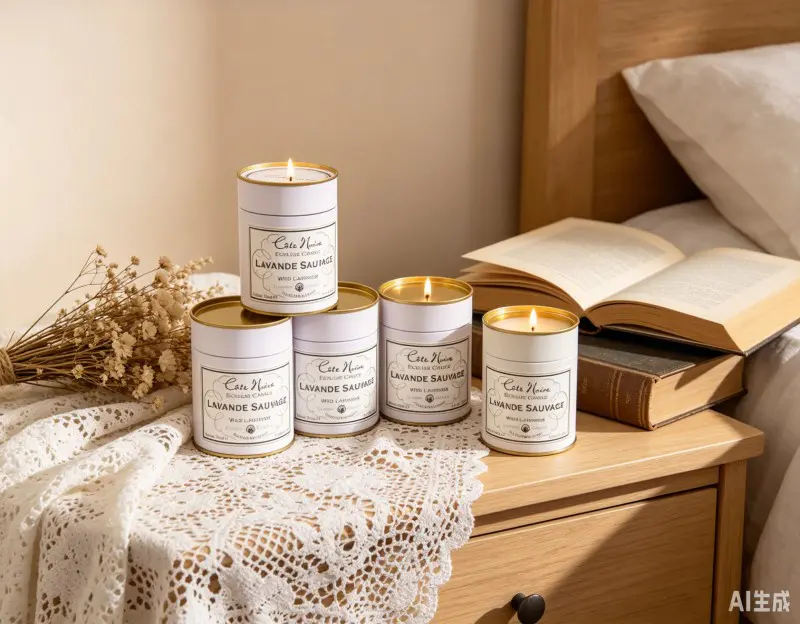

As one of the top China cardboard tube packaging manufacturers and paper tube packaging suppliers, we devote all of our efforts to research and launch more high quality packaging products to global market.
In a crowded gift and craft packaging market, the difference between an ordinary package and a memorable presentation often lies in structure, touch, print quality, and reliability. A premium cylindrical gift box made from paper-based materials offers a refined alternative to conventional square cartons, plastic containers, and thin folding boxes. With a clean round silhouette, sturdy wall construction, recyclable material choices, and highly customizable surface decoration, this cylindrical gift box is designed to help products stand out on shelves, in gift sets, at events, and in e-commerce deliveries.
This article focuses on a customizable cylindrical paper gift box designed for the Gifts and Crafts category. The product is made primarily from paper, with kraft paper options, art paper labels, paper lids, offset printing, varnishing, and matte lamination available according to project requirements. A typical referenced size is ID 99–101 mm by 130 mm, though custom sizes can be accepted. The result is a premium yet practical packaging format suitable for gift items, craft products, candles, confectionery, small food gifts, stationery sets, promotional merchandise, cosmetics, keepsakes, and seasonal retail collections.
Unlike many generic gift boxes that rely only on visual decoration, this cylindrical gift box combines presentation value with manufacturing discipline. It is not merely a container; it is a brand communication tool, a protective shell, and a reusable keepsake package. When produced by an experienced paper tube packaging manufacturer with advanced composite can and paper can production capabilities, the box can achieve better dimensional consistency, stronger seams, more precise printing registration, and a more refined opening and closing experience than many low-cost alternatives.
Gift Box Design Cylindrical Gift Box Michaels Gift Boxes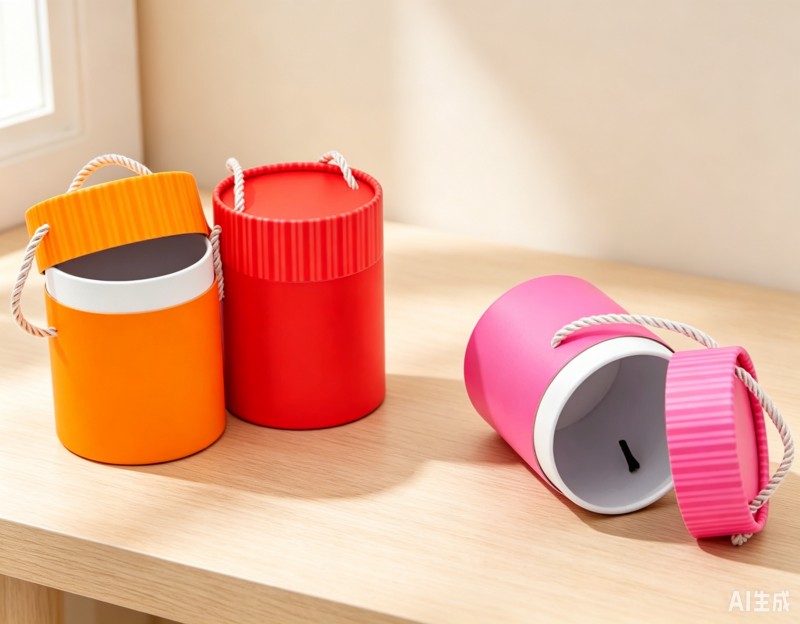
Content
- 1 Why Cylindrical Gift Packaging Creates Stronger Product Appeal
- 2 Core Product Features
- 3 Advantages Over Conventional Competitor Packaging
- 4 Premium Surface Design and Brand Expression
- 5 Structure, Protection, and User Experience
- 6 Advanced Manufacturing Processes Behind a Better Gift Box
- 7 Company Strengths Supporting Product Reliability
- 8 Customization Possibilities for Different Gift and Craft Markets
- 9 Applications Across Gifts, Crafts, Food, and Lifestyle Products
- 10 Environmental Value and Recyclable Packaging Appeal
- 11 Quality Control Considerations
- 12 How the Box Enhances Brand Value
- 13 Manufacturing Expertise as a Competitive Advantage
- 14 Design Recommendations for Buyers
- 15 Q&A Section
- 15.1 What products are best suited for this cylindrical gift box?
- 15.2 Can the size be customized?
- 15.3 What materials are used?
- 15.4 What printing and finishing options are available?
- 15.5 Is the box recyclable?
- 15.6 How does this box compare with a regular square gift box?
- 15.7 Can it be used for food gifts?
- 15.8 Why is the lid fit important?
- 15.9 What makes an experienced manufacturer important for this product?
- 15.10 Can the box help improve brand value?
- 16 Conclusion
- 17 References
- 18 Product: Gift Box Design Cylindrical Gift Box Michaels Gift Boxes
Why Cylindrical Gift Packaging Creates Stronger Product Appeal
Gift packaging is emotional by nature. Consumers often judge the quality of a gift before seeing the item inside, and the package becomes part of the overall experience. A cylindrical box naturally creates a sense of ceremony because it differs from the rectangular cartons shoppers see every day. Its smooth profile feels pleasant in the hand, its round shape photographs well, and its lid-opening motion can make even a small product feel more valuable. For brands selling gifts, crafts, boutique food items, or limited-edition merchandise, this sense of occasion can be a decisive advantage.
The cylindrical form also supports strong shelf visibility. In a retail environment filled with flat panels and rectangular edges, round paper tubes break visual repetition. They can be displayed upright, arranged in sets, stacked in vertical columns, or grouped by color and season. A cylindrical package can show graphics continuously around the body, allowing patterns, illustrations, ribbons, logos, product stories, and decorative motifs to flow without the abrupt panel breaks associated with square boxes. This makes the format particularly suitable for festive collections, craft gifts, wedding favors, tea and coffee gift packs, chocolate assortments, candle packaging, and premium promotional kits.
Another important appeal is perceived durability. A high-quality paper tube gift box feels more substantial than a thin folding carton. The rigid wall helps protect the contents from crushing, while the paper lid gives a neat, coordinated finish. When consumers receive a product in a strong cylindrical package, they often associate the product itself with better quality. This is especially valuable for brands that want to elevate modest items into premium gifts without moving to expensive wooden, metal, or plastic packaging.
Core Product Features
The product is a customizable cylindrical gift box made with paper-based materials. It can be manufactured using kraft paper and finished with offset printing, matte lamination, and varnishing. The box accepts custom orders, enabling brands to adapt size, artwork, surface effect, label material, lid style, and usage requirements to their own market positioning. The reference design includes a paper lid and art paper label, supporting a cohesive look and an environmentally conscious packaging message.
Its recyclable feature is especially important in modern retail. Consumers increasingly prefer packaging that avoids unnecessary plastic and supports responsible disposal. Paper tube packaging aligns with this expectation while still delivering a premium tactile experience. Compared with plastic gift containers, a paper cylindrical box can reduce the impression of waste and better match natural, handmade, organic, artisanal, or eco-friendly brand narratives. Compared with lightweight paperboard folding cartons, it provides a stronger, more dimensional structure.
The design also supports broad industrial and gift applications. Although categorized as Gifts and Crafts, the box can be used for food-related gift products when relevant material and production requirements are met. Potential uses include cookies, candies, tea samples, coffee gifts, chocolates, nuts, scented candles, skincare gift sets, craft supplies, coin banks, small toys, stationery, souvenir items, and seasonal holiday products. Its adaptability makes it useful for both established brands and emerging businesses seeking a distinctive packaging format.
| Feature | Specification or Option | Practical Benefit |
|---|---|---|
| Product Type | Cylindrical paper gift box | Creates a premium, memorable presentation for gifts and crafts |
| Main Material | Paper, including kraft paper options | Supports recyclable packaging and a natural brand image |
| Typical Size Reference | ID 99–101 mm by 130 mm | Suitable for compact gift items and customized product sets |
| Printing Method | Offset printing | Provides detailed graphics, accurate colors, and professional retail appearance |
| Surface Finish | Matte lamination and varnishing | Enhances touch, durability, and visual refinement |
| Label Option | Art paper label | Improves decorative flexibility and brand storytelling |
| Lid Type | Paper lid | Maintains a unified paper-based look and convenient opening experience |
| Customization | Accepted | Allows adaptation to brand identity, season, size, and product category |
| Feature | Recyclable | Meets demand for more responsible packaging choices |
Advantages Over Conventional Competitor Packaging
Many competing gift packages fall into three common categories: lightweight folding cartons, rigid rectangular boxes, and plastic containers. Each has a place in the market, but the cylindrical paper gift box offers a balanced combination of premium appearance, structural performance, customization, and environmental appeal. It can deliver a high-end look without the weight and cost of some luxury rigid boxes, while offering more impact resistance and shelf appeal than many flat cartons.
Compared with a standard folding carton, a cylindrical paper gift box is more rigid and more giftable. Folding cartons are efficient for shipping and mass retail, but they can appear ordinary, especially when used for special occasions. They may crease, deform, or lose their shape when handled repeatedly. A cylindrical paper tube has a stronger body and maintains its form better. This matters when products are sold as gifts, because the package may be handled by warehouse staff, retailers, gift buyers, and final recipients before the item is opened.
Compared with a rigid rectangular gift box, the paper tube format can be more visually distinctive and material-efficient. Rectangular rigid boxes often require multiple paperboard pieces, corner wrapping, and complex assembly. They can be elegant, but they may also consume more material and occupy more storage space. Cylindrical gift boxes provide a premium rigid structure with a simpler, clean silhouette. The round body can also reduce corner damage because there are no sharp corners to crush, scuff, or split during handling.
Compared with plastic gift containers, the paper cylindrical gift box has a stronger sustainability story and a warmer tactile quality. Plastic may be transparent or waterproof, but many consumers now view plastic-heavy packaging as less desirable, especially for gifts associated with natural ingredients, handmade crafts, artisan food, wellness, or premium lifestyle products. Paper packaging communicates care, craft, and responsibility. With matte lamination and varnishing, the surface can still feel refined and durable while avoiding the cold, disposable impression often associated with plastic packaging.
Compared with metal tins, paper tube gift boxes can be lighter, easier to customize, and often more cost-effective for seasonal campaigns. Metal packaging has excellent durability but may not suit every budget or design timeline. Printed paper tubes can support rich seasonal graphics, limited-edition campaigns, and small-batch branding with flexibility. They are also comfortable to hold and may be easier to recycle in paper-focused waste streams depending on local recycling systems and finishing choices.
Premium Surface Design and Brand Expression
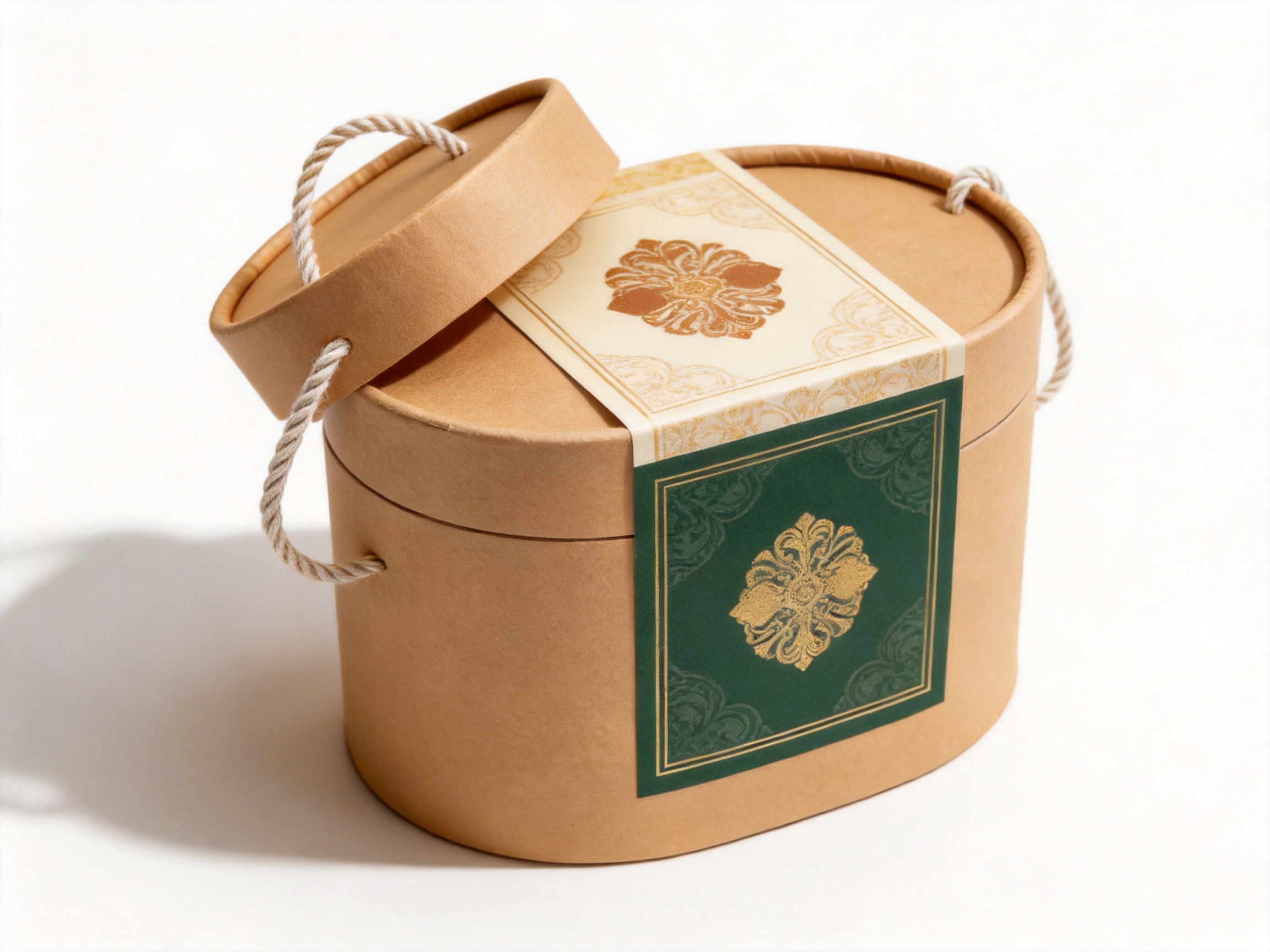
Surface design is one of the strongest advantages of this cylindrical gift box. Offset printing allows clear graphics, fine details, and controlled color reproduction. For gifts and crafts, visual storytelling is critical. Brands may use illustrations, watercolor patterns, minimalist typography, festive icons, botanical designs, cultural motifs, children’s artwork, or luxury color palettes to communicate the meaning of the product. The cylindrical surface offers a continuous canvas that can wrap the design around the entire package.
Matte lamination contributes a smooth, understated finish. Unlike overly glossy packaging that may look inexpensive or show fingerprints easily, matte surfaces create a refined impression and pair well with premium gift products. They also improve the tactile experience. When a customer picks up the box, the soft surface helps reinforce the feeling that the item is carefully packaged. For luxury or boutique positioning, this sensory detail can be as important as the printed design itself.
Varnishing can be used to enhance selected areas or provide overall surface protection. Depending on the design brief, varnish may support richer color, better rub resistance, or subtle contrast between matte and highlighted areas. For example, a gift box may use a matte background with varnished decorative patterns, giving the package a layered look without excessive complexity. This type of finish helps brands differentiate themselves from plain paper tubes or low-grade cartons.
Art paper labels add another dimension to customization. A label can carry brand identity, product details, scent names, flavor names, holiday greetings, personalization messages, or regulatory information. For businesses that release multiple product variants, labels can provide production flexibility. The core tube structure may remain consistent while labels change by season, collection, fragrance, flavor, or event. This approach can help control inventory while still allowing variety at retail.
Structure, Protection, and User Experience
The value of a gift box is not limited to appearance. A package must also protect its contents and provide a satisfying user experience. The cylindrical body of a paper tube gift box helps distribute pressure around the wall. Since the structure has no corner joints like a rectangular box, it can resist certain forms of deformation effectively. For delicate gift items such as glass candles, decorated cookies, craft ornaments, small jars, cosmetics, or collectible objects, the rigid tube format can be paired with inserts, paper cushioning, dividers, or inner bags to improve protection.
The lid is another important detail. A paper lid keeps the overall design consistent and can be made to fit securely. A well-made lid should not feel loose or unstable, but it should also open without frustration. This balance depends on precise dimensional control during manufacturing. When the inner diameter, wall thickness, and lid tolerance are controlled properly, the opening and closing action feels smooth. This tactile experience influences customer perception. A box that opens neatly feels premium; a box that jams or wobbles feels cheap.
The reference size of ID 99–101 mm by 130 mm is practical for many compact gift formats. It offers enough interior space for small product bundles while remaining convenient for shelf display and hand carrying. However, the ability to accept custom orders is more important than any single standard size. Different products require different dimensions, and premium packaging should be engineered around the item rather than forcing the item into an unsuitable container. Custom sizing can reduce movement inside the box, improve presentation, and optimize shipping efficiency.
For e-commerce, the cylindrical box can also add perceived value during unboxing. A consumer who receives a gift in a strong, attractive paper tube is more likely to reuse it for storage, display, or keepsakes. This extends brand exposure beyond the original purchase. A reused gift box may sit on a desk, shelf, vanity, or craft table, keeping the brand design visible and reinforcing the emotional association with the product.
Advanced Manufacturing Processes Behind a Better Gift Box
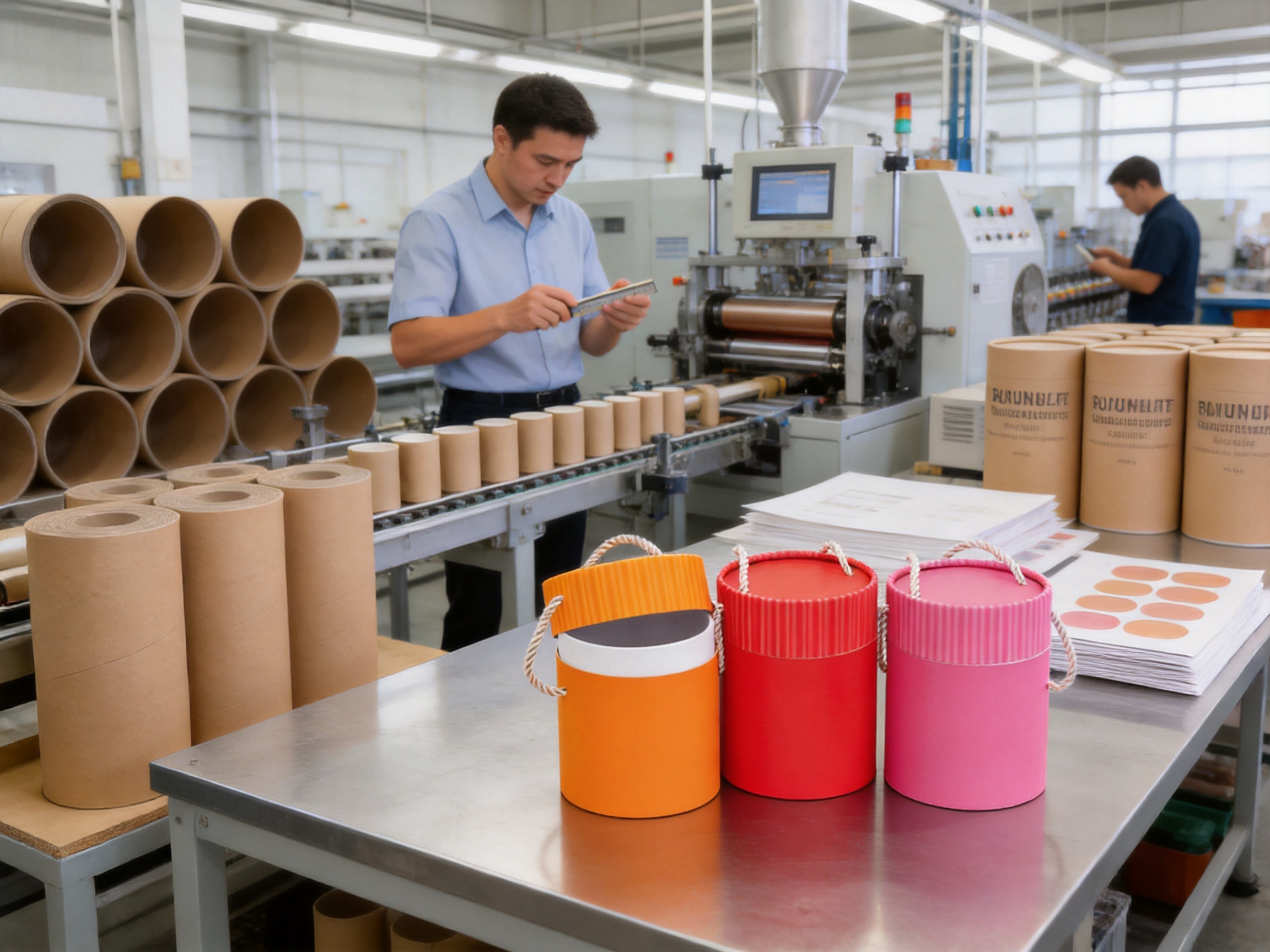
The quality of a cylindrical paper gift box depends heavily on the manufacturer’s production capabilities. Advanced paper tube and composite can manufacturing involves material selection, paper winding, adhesive control, forming, drying, trimming, labeling, printing, finishing, lid fitting, inspection, and packing. Each stage affects the final product. Experienced manufacturers understand that a small variation in diameter, moisture, cutting accuracy, or surface bonding can influence how the box looks and performs.
A company with more than two decades of experience in the composite can and paper can industry brings significant process knowledge to gift box production. Long-term specialization allows engineers and operators to understand how different paper grades behave, how kraft paper responds to forming, how laminated surfaces should be handled, and how to maintain consistent quality across large orders. This experience is especially important for customized packaging because every new artwork, dimension, and finishing requirement introduces technical variables.
High-speed composite can production equipment imported from Europe further strengthens manufacturing capability. Advanced equipment can improve production speed, stability, and dimensional consistency. In packaging, speed alone is not enough; precision matters. A high-speed line must maintain accurate winding tension, clean body formation, proper bonding, and consistent cutting. When these elements are well controlled, the manufacturer can produce large volumes while keeping the appearance and fit of each box consistent.
Offset printing adds another layer of technical demand. Color management, plate preparation, ink selection, drying conditions, and surface compatibility all affect the final look. For gift packaging, inconsistent color can weaken brand identity. A holiday collection, for example, may require the same red, gold, green, or cream tone across thousands of units. Skilled printing management helps reduce color deviation and supports a more professional result.
Matte lamination and varnishing also require controlled processes. Lamination must adhere smoothly without bubbles, wrinkles, or peeling. Varnish must be applied evenly and dried correctly. If finishing is poorly controlled, the box may show scuffs, uneven gloss, odor, or surface defects. A mature manufacturer applies quality checks throughout the process rather than waiting until the final stage. This reduces waste and helps ensure that finished boxes meet customer expectations.
Company Strengths Supporting Product Reliability
Hangzhou Qunle Packaging Co., Ltd. has been engaged in the composite can and paper can industry for over 20 years, giving it a strong foundation for producing premium paper tube packaging. The company’s packaging business covers food, daily chemical products, fast-moving consumer goods, and related sectors, which means it has experience with demanding requirements across multiple industries. This broad background supports the development of gift boxes that are not only attractive but also practical for real commercial use.
The company is recognized as the only member of the international Composite Can and Tube Institute in China’s packaging container industry. This reflects a level of industry participation and technical awareness that can benefit customers seeking dependable packaging partners. Membership and long-term engagement in the sector encourage attention to international trends, packaging performance, material development, and production standards.
The company was also the first enterprise in China to pass the QS certificate for producing food packaging containers. For gift packaging customers, this history is meaningful even when the box is used for non-food products. Food packaging experience requires strict attention to hygiene, material control, process discipline, traceability, and quality management. These capabilities can raise the overall reliability of paper tube packaging and support brands that need packaging for food gifts, confectionery, tea, coffee, supplements, or other sensitive products.
Long-term partnerships with well-known companies and brands in food, beverage, tea, coffee, and consumer products demonstrate the manufacturer’s ability to serve demanding clients. Such partnerships usually require consistent delivery, stable quality, production capacity, and problem-solving ability. For buyers of cylindrical gift boxes, these strengths reduce the risk associated with packaging development. A supplier that can support established brands is better positioned to manage specifications, timelines, artwork requirements, and repeat orders.
The company has obtained more than ten patented technologies and continues to research and launch high-quality packaging products for the global market. Patents indicate ongoing technical development rather than simple imitation. In a market where many paper tubes may look similar at first glance, manufacturing know-how can make a clear difference in fit, finish, structural performance, and production consistency.
Customization Possibilities for Different Gift and Craft Markets
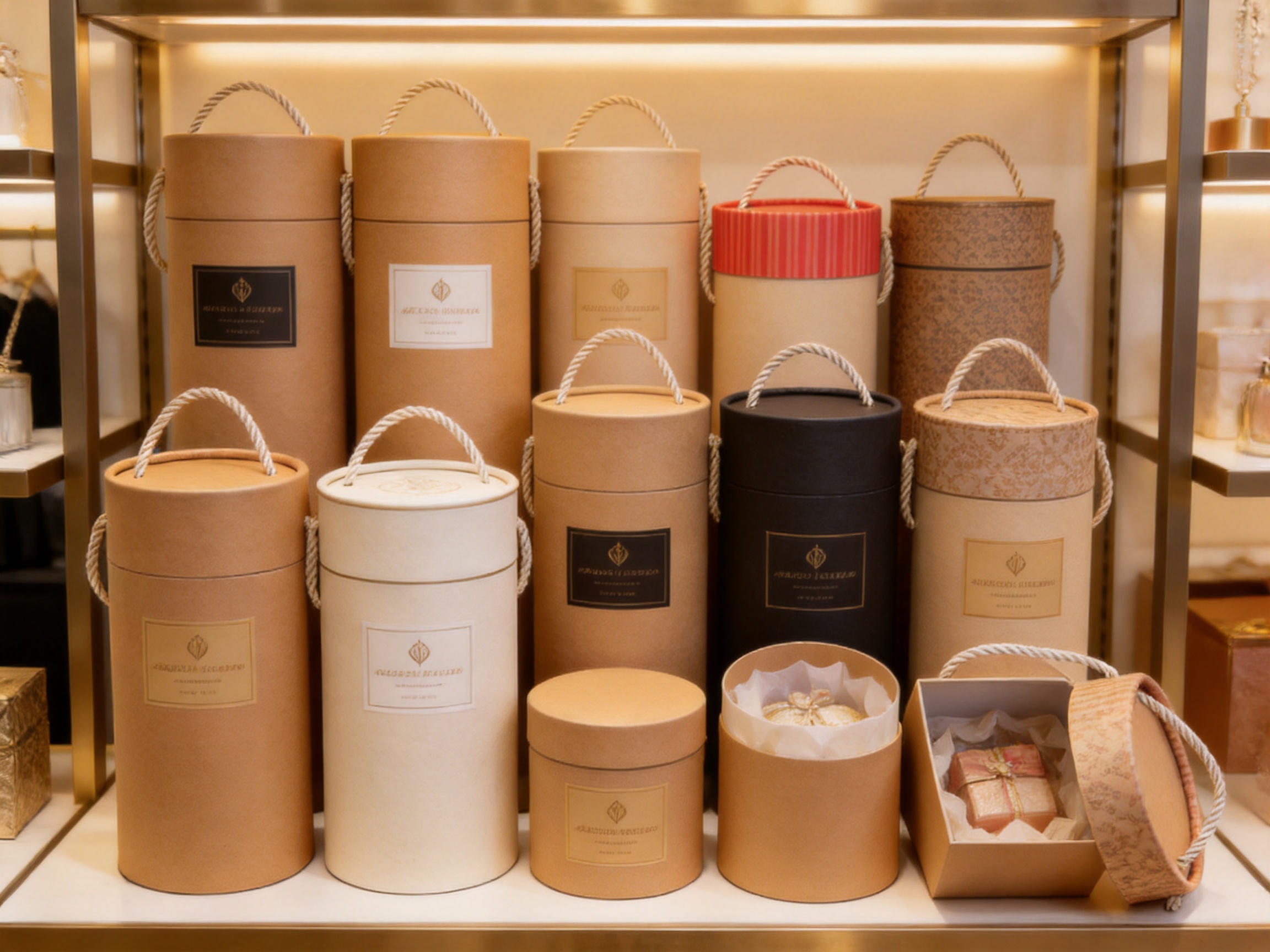
Customization is central to the value of this cylindrical gift box. A gift package must match the emotional tone of the product. A candle brand may need calm colors, soft-touch matte lamination, and elegant typography. A children’s craft kit may require bright illustrations and playful patterns. A wedding favor may need delicate floral artwork and personalized labels. A holiday confectionery collection may use metallic colors, deep seasonal tones, and decorative varnish. The same basic cylindrical structure can support all of these directions when customization is handled professionally.
Size customization allows the package to fit specific products. Too much empty space inside a gift box can make the item feel less valuable and increase the need for filler. Too little space can damage the product or make packing difficult. A custom diameter and height can help create the right balance between protection, appearance, and logistics. For example, a short wide tube may suit cookies or small craft supplies, while a taller tube may be better for rolled textiles, brushes, tea packets, cosmetic bottles, or candle jars.
Material customization can also influence the final impression. Kraft paper gives a natural, handmade, and eco-conscious look. White or coated paper can provide a cleaner base for vivid colors and detailed artwork. Art paper labels can create a premium surface for branding and product information. The lid can be designed to match the body or provide contrast. Depending on project requirements, inserts, inner lining, labels, ribbons, stickers, and other accessories may be added to enhance the presentation.
Printing customization helps brands maintain consistency across product families. A brand may use one tube structure for multiple SKUs and differentiate them by color, label, or printed pattern. This is useful for tea flavors, candle fragrances, chocolate varieties, craft themes, or seasonal gift sets. It also helps smaller brands create a professional product line without designing a completely new package for every item.
Surface customization affects both aesthetics and durability. Matte lamination gives a sophisticated feel, while varnishing can highlight design elements or protect printed surfaces. These treatments can improve resistance to minor scuffs during handling, which is important for retail display. A gift box must look clean and attractive when the consumer finally chooses it. Packaging that becomes scratched or dull before purchase can reduce perceived value.
Applications Across Gifts, Crafts, Food, and Lifestyle Products
The cylindrical gift box is particularly suitable for the Gifts and Crafts category, but its practical applications are much wider. In the craft market, it can package DIY kits, beads, threads, ribbons, painting tools, handmade ornaments, stamps, paper rolls, or seasonal craft collections. The round tube shape reinforces a creative and specialty image, making it more appealing than a generic rectangular carton.
For food gifts, the structure can be used for cookies, candies, chocolates, nuts, tea, coffee, spices, or small festive assortments, subject to appropriate material selection and food packaging requirements. Food gifts often rely on presentation to justify premium pricing. A cylindrical paper canister-style gift box can make a simple product feel curated and gift-ready. It is also convenient for holiday editions, corporate gifts, and souvenir foods.
For candles and fragrances, cylindrical packaging is a natural match because many candle jars and fragrance containers are round. A cylindrical box can reduce wasted interior space and create a harmonious shape relationship between product and package. With matte lamination, soft colors, and refined labeling, the box can communicate calmness, luxury, and warmth. It may also protect glass containers during handling when combined with suitable inserts.
For cosmetics and skincare gift sets, the tube offers a boutique appearance. Small bottles, jars, masks, soaps, bath salts, and travel-size sets can be arranged inside a custom tube. A round package on a vanity or retail shelf looks distinctive and often feels more premium than a flat carton. Paper-based packaging also aligns with the growing preference for more responsible beauty packaging.
For promotional gifts and corporate merchandise, the cylindrical box offers strong branding space. Companies can print campaign artwork, event themes, logos, slogans, and personalized messages around the body. Recipients are more likely to keep a rigid paper tube than a thin paper bag or folding carton, extending the life of the promotional message. For trade shows, product launches, employee gifts, and client appreciation kits, this can increase the impact of the gift.
Environmental Value and Recyclable Packaging Appeal
Recyclability is one of the key features of this paper-based gift box. In today’s packaging environment, brands must balance beauty with responsibility. Consumers increasingly question excessive plastic, mixed materials, and non-recyclable decorative packaging. A paper cylindrical gift box gives brands a way to present products attractively while supporting a more sustainable message. When designed thoughtfully, paper packaging can reduce reliance on plastic and encourage reuse or recycling.
The environmental value is not only about disposal. A reusable gift box can extend the package’s life. Many consumers keep rigid paper tubes for storing pens, craft materials, jewelry, keepsakes, cables, tea bags, or small household items. Reuse delays disposal and keeps the brand visible. A well-designed cylindrical gift box can therefore function as both initial packaging and a secondary storage object.
Kraft paper options strengthen the natural impression of the box. Kraft surfaces communicate simplicity, authenticity, and eco-awareness. For brands selling handmade crafts, organic products, natural candles, artisanal foods, or wellness items, kraft-based packaging can reinforce product values. At the same time, offset printing and finishing options allow kraft packaging to remain refined rather than plain.
Responsible packaging also depends on right-sizing. Custom orders allow buyers to avoid oversized packaging that wastes material and shipping space. A properly sized tube reduces the need for unnecessary filler and can improve carton packing efficiency. When brands consider both material choice and dimensional optimization, they can create packaging that is attractive, protective, and more resource-conscious.
Quality Control Considerations
Quality control is essential for premium cylindrical gift boxes because small defects are easy to notice on gift packaging. A consumer buying a gift expects the package to look clean, symmetrical, and carefully finished. Common quality concerns include uneven lid fit, visible seam issues, color deviation, surface scratches, glue marks, poor trimming, dented edges, and inconsistent diameter. A professional manufacturer addresses these risks through process control and inspection.
Dimensional inspection ensures that the inner diameter, height, and lid fit meet specifications. This is especially important for boxes that must hold jars, candles, bottles, or inserts. If the tube is too tight, packing becomes inefficient or products may be damaged. If it is too loose, the item may move inside the box. Consistent dimensions also support automated or semi-automated filling operations for larger customers.
Print inspection helps maintain brand consistency. Colors should match approved samples as closely as possible, text should be sharp, and artwork should align correctly around the tube. For circular packaging, registration and seam placement are important. A well-planned design can position the seam in a less visible area, while skilled production can keep the final appearance clean.
Surface inspection checks matte lamination, varnishing, and label application. The finish should be smooth, without bubbles, wrinkles, peeling, stains, or obvious scratches. Because gift boxes are often handled by customers before purchase, surface durability matters. A finish that looks good at the factory but scuffs easily during shipping may not meet retail expectations. Proper material selection and testing can help avoid this issue.
Final packing inspection protects the finished boxes during shipment. Even a well-made paper tube can be damaged if packed poorly. Carton strength, internal arrangement, moisture control, and handling instructions all contribute to successful delivery. Experienced manufacturers understand that packaging products themselves also need protection before reaching the customer’s filling line or retail operation.
How the Box Enhances Brand Value
Packaging is often the first physical interaction between a customer and a brand. A premium cylindrical gift box can immediately communicate that the product was designed with care. The round shape suggests specialty, the rigid paper body suggests quality, and the printed surface tells the brand story. Together, these elements help justify premium pricing and improve customer satisfaction.
For small and medium-sized brands, strong packaging can level the playing field against larger competitors. A well-designed cylindrical box can make a boutique product look professional in retail displays, online photographs, and gift sets. This is especially important for e-commerce, where product images must persuade customers before they can touch the item. Cylindrical boxes photograph attractively from multiple angles and can create a strong visual identity on marketplaces, social media, and brand websites.
For established brands, cylindrical gift packaging can support limited editions and seasonal promotions. Instead of changing the core product, a company can create a special gift version through packaging. Holiday patterns, anniversary artwork, co-branded designs, and collector editions can generate excitement and encourage repeat purchases. The package becomes part of the reason to buy.
The unboxing experience also strengthens brand loyalty. A customer who opens a sturdy, beautifully printed cylindrical box feels that the brand has invested in presentation. This can increase the likelihood of positive reviews, gifting recommendations, and social sharing. In categories such as candles, confectionery, tea, cosmetics, and crafts, consumers often purchase not only for themselves but also for friends, family, colleagues, and event guests. Giftable packaging directly supports this behavior.
Manufacturing Expertise as a Competitive Advantage
The cylindrical gift box market includes many suppliers, but not all can deliver the same level of consistency. Some competitors may offer low prices but lack advanced equipment, quality control systems, or experience with demanding packaging applications. This can lead to inconsistent fit, delayed shipments, weak printing, or poor surface finishing. For brands that depend on packaging to protect reputation, these risks can be costly.
A manufacturer with over 20 years of experience in paper cans and composite cans has accumulated practical knowledge that newer or less specialized suppliers may not possess. This knowledge includes how to choose paper layers, control winding tension, manage adhesives, reduce deformation, and handle surface finishing. It also includes the ability to advise customers during design development. Good packaging manufacturers do not simply produce what is requested; they help identify potential issues before production begins.
Advanced production lines support both capacity and precision. For growing brands, scalability matters. A packaging design may begin with a limited order for market testing, then expand into larger production after success. A capable manufacturer can support this growth while keeping quality consistent. This reduces the need to change suppliers, redesign packaging, or requalify materials as sales increase.
Patented technologies and continuous research further differentiate a serious packaging manufacturer from commodity suppliers. Innovation may involve structure, sealing, material combinations, production methods, or quality improvements. Even when a customer orders a simple gift box, the manufacturer’s broader technical foundation contributes to reliable execution. The customer benefits from years of development built into the process.
Design Recommendations for Buyers
Buyers planning a cylindrical gift box should begin with the product dimensions and usage scenario. Measure the product accurately, including any inner protection, bag, insert, or accessory. Decide whether the product should fit snugly or have space for decorative filler. Consider whether the box will be displayed upright, stacked, shipped individually, or included in a larger gift set. These decisions influence diameter, height, wall strength, and lid design.
Artwork should be designed for a curved surface. Graphics that look balanced on a flat rectangle may need adjustment when wrapped around a cylinder. Important text should be positioned where it is easy to read from the front display angle. Repeating patterns, vertical brand marks, and wraparound illustrations often work well. Designers should also consider seam placement and avoid putting critical information directly on areas that may be less visible.
Surface finish should match the brand personality. Matte lamination is excellent for understated premium packaging, natural products, skincare, candles, and elegant gifts. Varnishing can add visual interest or protect high-contact areas. Kraft paper is suitable for natural and handmade themes, while coated paper may be better for vivid color reproduction. A sample review is recommended before mass production to confirm color, touch, lid fit, and overall effect.
Buyers should also consider logistics. Cylindrical boxes can be strong, but they still require proper packing during transport. If the final product will be shipped directly to consumers, outer carton design and cushioning should be tested. If the boxes will be filled on a production line, the lid fit and packing process should be evaluated for efficiency. Packaging should look beautiful but also work smoothly in daily operations.
Q&A Section
What products are best suited for this cylindrical gift box?
This box is ideal for gifts, crafts, candles, confectionery, tea, coffee, small cosmetics, skincare sets, craft supplies, promotional gifts, seasonal products, and compact food gifts. It is especially useful when the product needs a more premium presentation than a standard folding carton can provide.
Can the size be customized?
Yes. Custom orders are accepted. Although a reference size of ID 99–101 mm by 130 mm is available, the diameter and height can be adjusted according to product dimensions, display requirements, and packing needs.
What materials are used?
The box is made primarily from paper-based materials, including kraft paper options. It can include an art paper label and paper lid. The material selection can be adapted to the desired appearance, strength, and application.
What printing and finishing options are available?
Offset printing, matte lamination, and varnishing are available. These processes help create detailed graphics, refined touch, better surface protection, and a more professional retail appearance.
Is the box recyclable?
Yes. The product is designed with recyclable paper-based features. Actual recycling depends on local recycling systems and the specific finishing choices used, but the paper-based structure supports a more responsible packaging direction than many plastic alternatives.
How does this box compare with a regular square gift box?
A cylindrical box offers a more distinctive shape, smoother handling, strong shelf visibility, and fewer vulnerable corners. It also provides a continuous printable surface, which is useful for decorative artwork and premium branding.
Can it be used for food gifts?
Yes, it can be used for food-related gifts when appropriate materials, production conditions, and regulatory requirements are selected. The manufacturer’s experience in food packaging containers supports this type of application.
Why is the lid fit important?
The lid fit affects both protection and user experience. A well-fitted lid feels secure but opens smoothly. Poor lid fit can make the package feel cheap, even if the printed design is attractive.
What makes an experienced manufacturer important for this product?
Cylindrical paper boxes require precise forming, cutting, printing, finishing, and inspection. An experienced manufacturer can better control dimensions, surface quality, color consistency, and production reliability, reducing risk for buyers.
Can the box help improve brand value?
Yes. Premium packaging can elevate customer perception, improve shelf appeal, enhance unboxing, and make products more giftable. A well-designed cylindrical gift box can help brands stand out and support higher perceived value.
Conclusion
The premium cylindrical paper gift box is a strong packaging solution for brands that want to combine visual distinction, structural reliability, customization, and recyclable material appeal. Its round shape creates immediate shelf impact, while its rigid paper construction provides a more substantial feel than ordinary folding cartons. With offset printing, matte lamination, varnishing, art paper labels, and paper lids, the box can be tailored to many product categories and brand styles.
Its advantages over competitor packaging are clear. It offers a more memorable presentation than flat cartons, a more sustainable impression than many plastic containers, a lighter and more flexible alternative to metal tins, and a distinctive shape compared with conventional rigid rectangular boxes. For gifts and crafts, where emotion and presentation matter, these advantages can directly influence consumer preference.
The manufacturing strength behind the product is equally important. A company with more than 20 years of experience in composite can and paper can production, advanced European high-speed production equipment, food packaging certification history, industry institute membership, established brand partnerships, and patented technologies can provide the process control required for reliable premium packaging. This expertise helps ensure that customization does not compromise quality.
For brands developing gift sets, seasonal promotions, craft collections, food gifts, candles, cosmetics, or promotional merchandise, this cylindrical gift box offers a practical and attractive route to stronger presentation. It protects, decorates, communicates, and extends the product experience beyond the moment of purchase. In a marketplace where packaging often shapes the first impression, a well-made cylindrical paper gift box can become a powerful competitive advantage.
References
Packaging Machinery Manufacturers Institute. Fundamentals of Packaging Technology. Industry Education Series.
Soroka, Walter. Fundamentals of Packaging Technology. Institute of Packaging Professionals.
Robertson, Gordon L. Food Packaging: Principles and Practice. CRC Press.
Twede, Diana, and Susan E. M. Selke. Cartons, Crates and Corrugated Board: Handbook of Paper and Wood Packaging Technology.
International Association of Packaging Research Institutes. Packaging Materials and Sustainability Review.
Composite Can and Tube Industry Technical Publications. Paper Tube and Composite Can Manufacturing Guidelines.
