 English
 Español


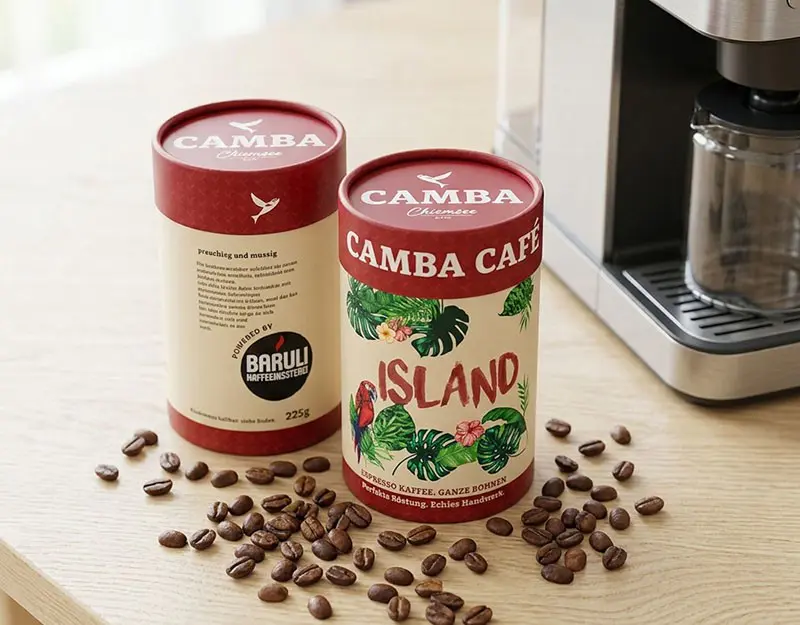
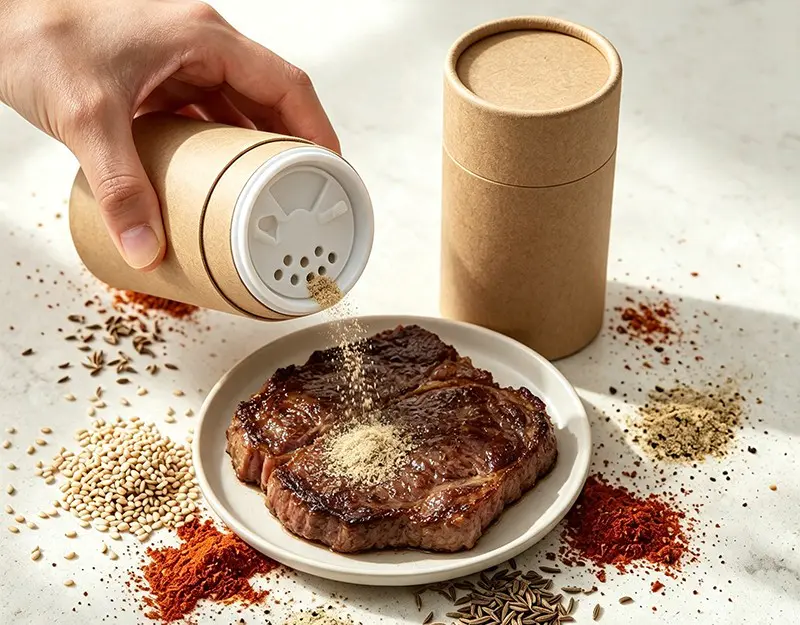


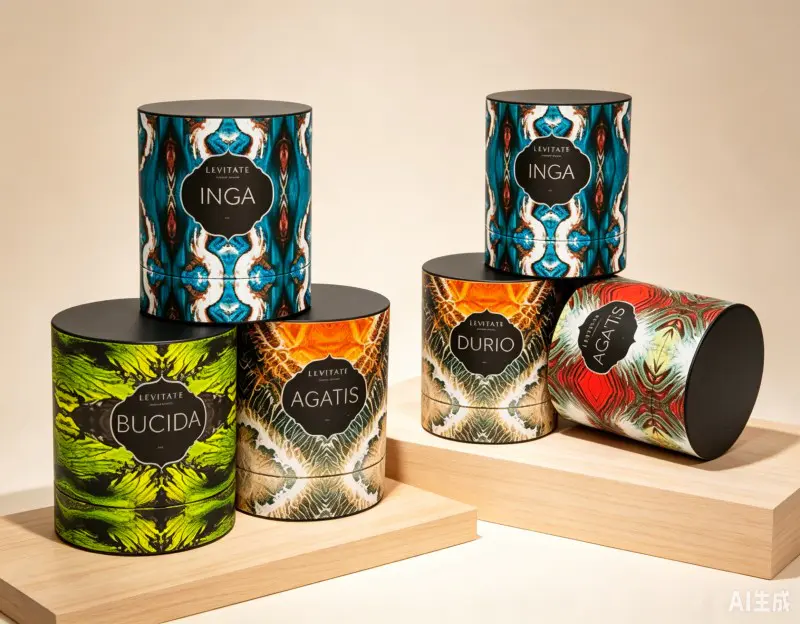
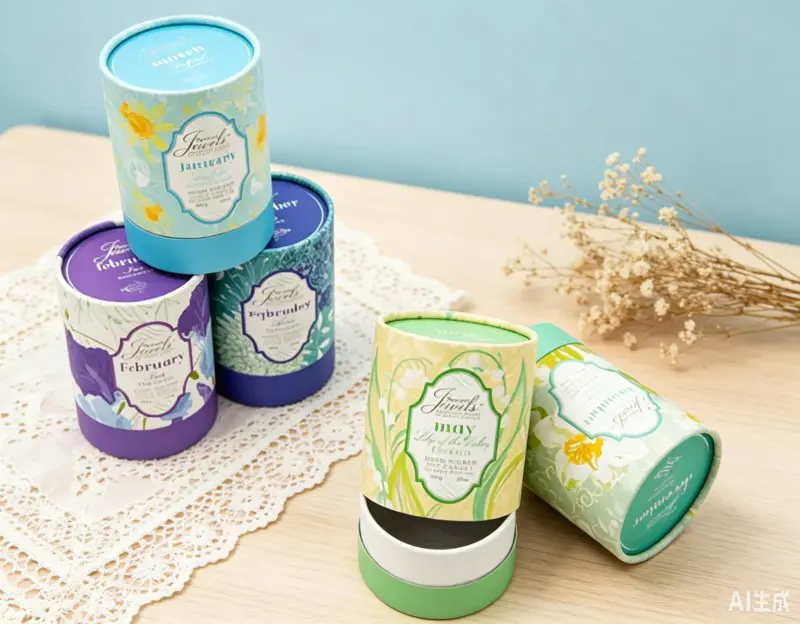
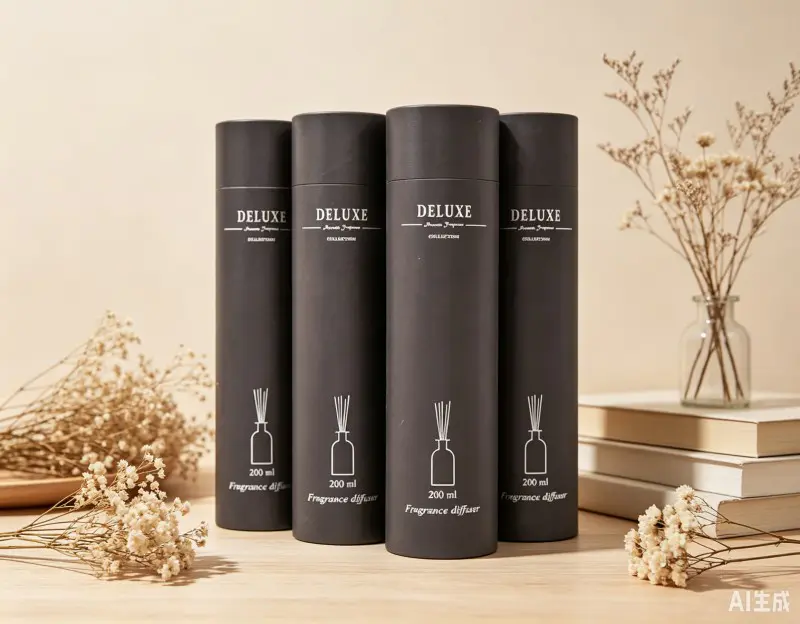
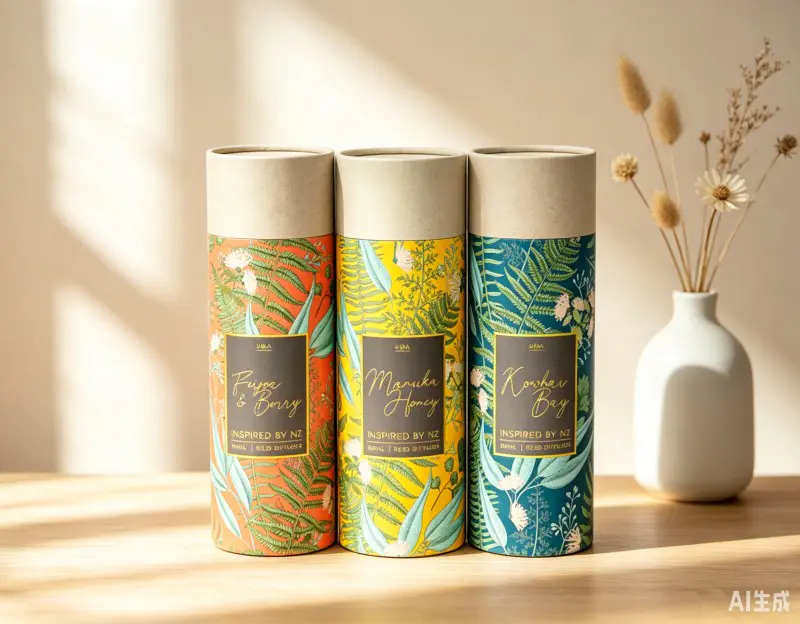
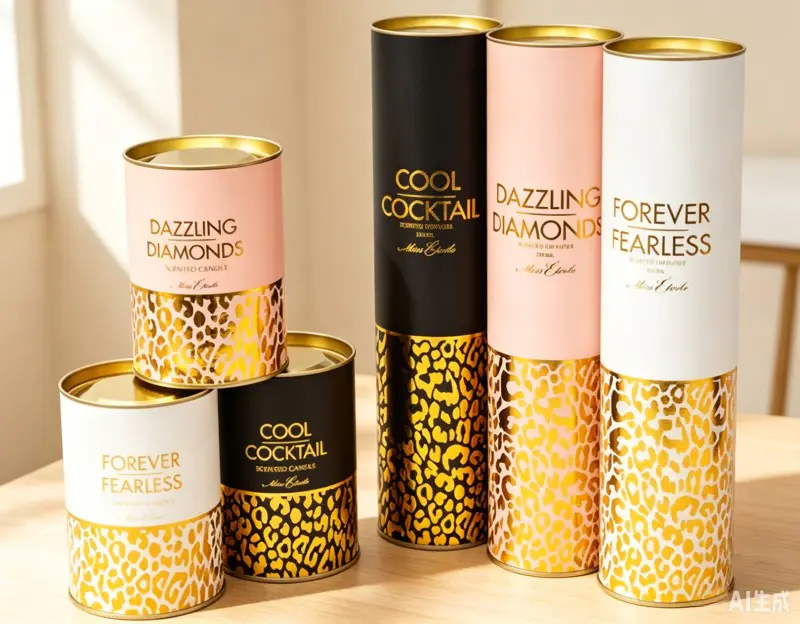
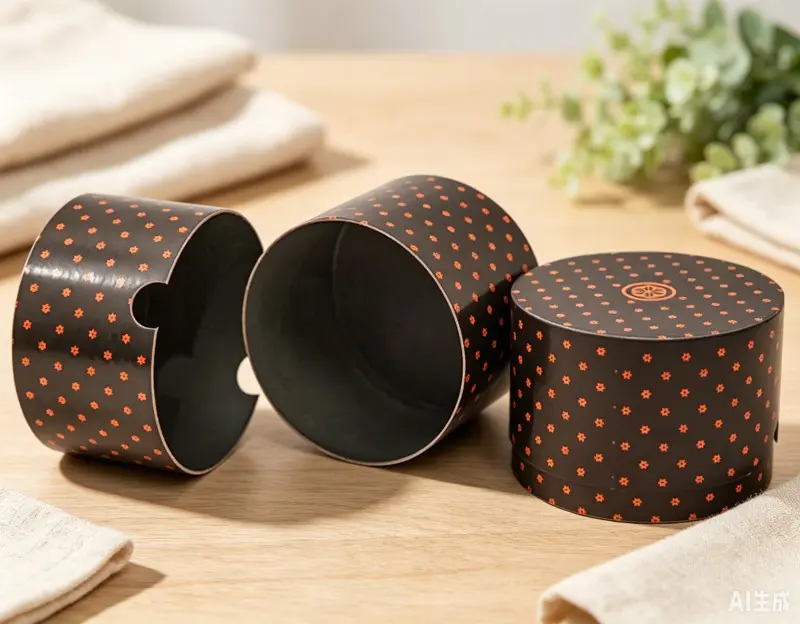
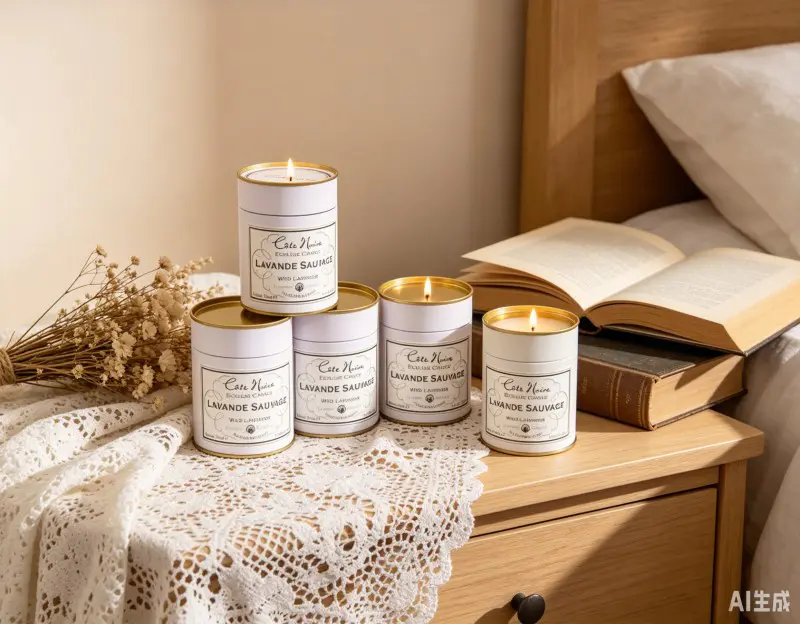

As one of the top China cardboard tube packaging manufacturers and paper tube packaging suppliers, we devote all of our efforts to research and launch more high quality packaging products to global market.
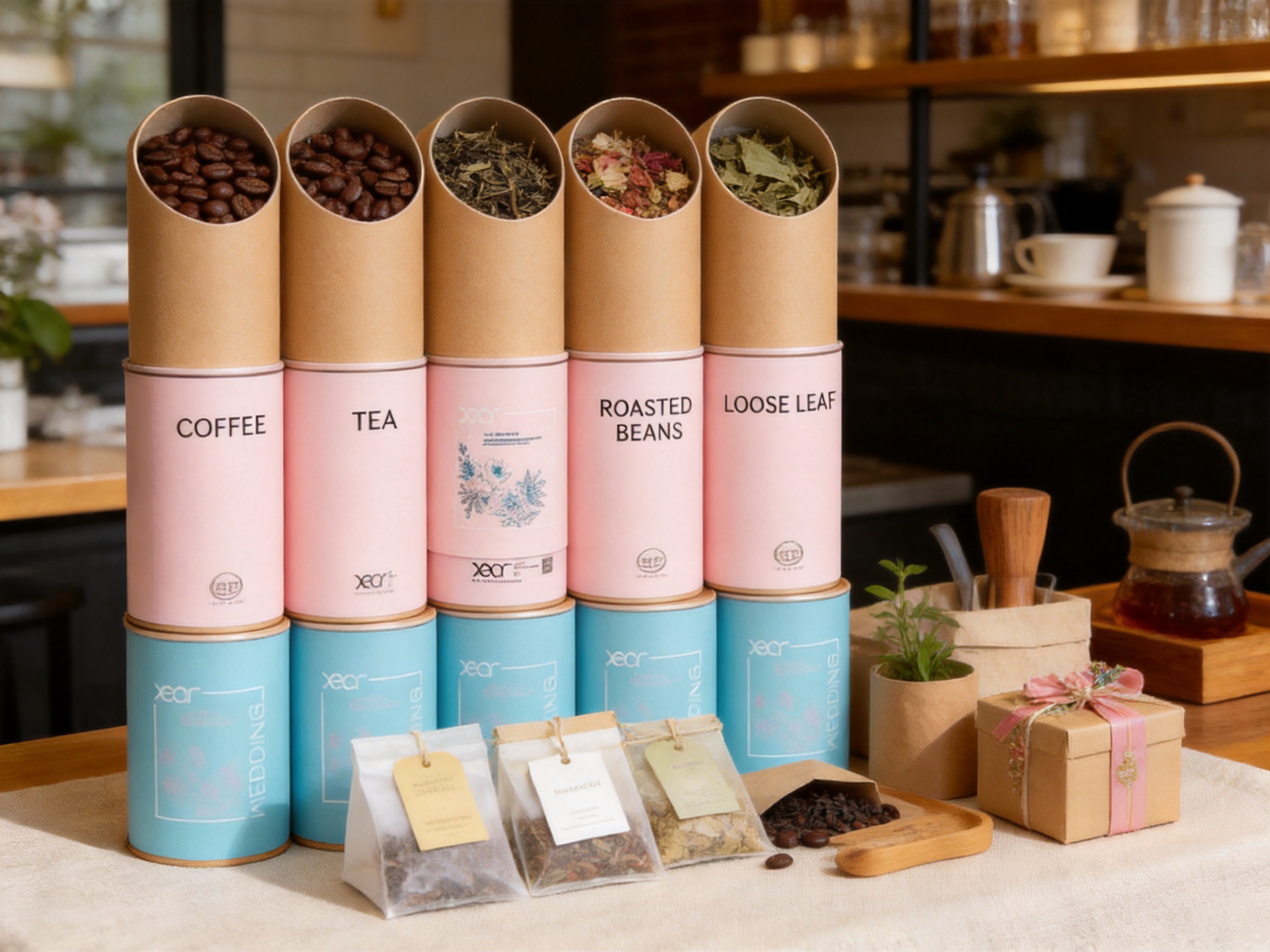
Premium paper tube packaging gives coffee and tea brands a practical way to combine product protection, visual appeal, sustainability, and strong shelf presence. Designed as a cylindrical container with a two-piece construction and flat edges, this format is suitable for coffee beans, loose-leaf tea, tea bags, and other dry products that require a clean, reliable, and customizable package.
The featured packaging solution is manufactured from special paper and kraft paper with a white paper lining. It supports custom logo application, CMYK printing, Pantone printing, and gloss finishing. With an approximate internal size of 71–73 mm in diameter and a height of 120 mm, the tube is a compact format for premium coffee and tea products. Its construction, materials, finishing options, and factory-direct supply model make it suitable for food brands, specialty roasters, tea companies, gift businesses, and private-label product developers.
Unlike ordinary folding cartons or low-cost plastic containers, a rigid paper tube creates a more substantial unboxing experience while preserving the brand’s visual identity. The round shape feels distinctive in a crowded retail environment, and the flat-edged two-piece structure supports stable stacking, neat presentation, and convenient filling. The paper-based construction also helps businesses respond to growing demand for packaging made with recycled materials and more environmentally responsible design principles.
Content
- 1 Product Overview
- 2 Why Paper Tubes Suit Coffee and Tea Products
- 3 Advantages Over Conventional Packaging
- 4 Construction and Material Details
- 5 Manufacturing Expertise and Industrial Strength
- 6 Manufacturing Process for Customized Paper Tube Packaging
- 7 Benefits of Factory-Direct Purchasing
- 8 Branding and Design Opportunities
- 9 Logistics, Storage, and Operational Considerations
- 10 Quality Evaluation Checklist
- 11 Sustainability Considerations
- 12 Comparison with Other Packaging Formats
- 13 How to Prepare a Custom Order
- 14 Company Strengths Supporting This Product
- 15 Q&A
- 15.1 What products can be packed in this paper tube?
- 15.2 What is the standard size?
- 15.3 Is the tube suitable for coffee beans?
- 15.4 Can it be used for tea bags?
- 15.5 What materials are used?
- 15.6 What printing methods are available?
- 15.7 Does the product have a surface finish?
- 15.8 Can the logo and artwork be customized?
- 15.9 What is the minimum order quantity?
- 15.10 What makes the cylindrical shape valuable?
- 15.11 Is the package recyclable?
- 15.12 Can the tube be used as a gift package?
- 15.13 What should buyers request before mass production?
- 15.14 What manufacturing experience supports this product?
- 16 Conclusion
- 17 References
- 18 Product: Coffee Paper Tube Packaging Manufacturer for Coffee Beans
Product Overview
This packaging product is a cylinder-shaped paper container developed for premium tea and coffee applications. It can be used as paper tube packaging for coffee beans, tea bags, loose tea, and selected dry goods. The structure consists of two main pieces with flat edges, generally providing a body and a fitted top or closure component. This construction offers a clean appearance and gives the package a more rigid and premium feel than a conventional flexible pouch.
The standard product specification is approximately ID 71–73 mm by 120 mm. The internal diameter can be discussed with the packaging supplier according to the filling product, required headspace, lining, closure fit, and filling method. Since coffee beans and tea products vary in density and volume, the same external size may hold different net weights depending on the product formulation.
The outside can be decorated with CMYK printing for detailed full-color graphics or Pantone printing for accurate brand colors. A gloss finish can be applied after printing to increase color intensity and create a polished surface. Businesses may also request a custom logo and other artwork elements to match their visual identity.
| Item | Specification | Application Value |
|---|---|---|
| Product type | Premium paper tube packaging | Suitable for coffee, tea, gifts, and selected dry products |
| Construction | Two-piece paper tube with flat edges | Supports rigidity, stable presentation, and a refined appearance |
| Shape | Cylinder | Creates shelf differentiation and a memorable package silhouette |
| Paper materials | Special paper and kraft paper | Allows different visual styles and sustainability-oriented designs |
| Lining | White paper lining | Provides a clean internal surface for the intended packaging structure |
| Approximate size | Internal diameter 71–73 mm; height 120 mm | Compact format for selected coffee and tea products |
| Printing | CMYK and Pantone printing | Supports detailed artwork and controlled brand-color reproduction |
| Surface treatment | Gloss finish | Enhances visual brightness and premium presentation |
| Customization | Custom order and custom logo accepted | Enables private-label and brand-specific packaging programs |
| Minimum order quantity | 5,000 pieces | Appropriate for planned commercial launches and production runs |
Why Paper Tubes Suit Coffee and Tea Products
Coffee and tea are strongly associated with freshness, craftsmanship, origin, and sensory quality. Packaging must communicate these qualities before the consumer opens the product. A paper tube can contribute to that communication through its rigid body, tactile surface, rounded form, and large printable area.
For coffee brands, the cylindrical format can be used for roasted beans, gift selections, seasonal releases, and specialty blends. Its strong external structure helps protect the product from crushing during normal handling and transportation. It also provides enough surface area for roast information, origin details, brewing suggestions, brand storytelling, and visual design.
For tea brands, the tube is appropriate for tea bags, loose-leaf tea, herbal blends, and gift collections, subject to the final internal packaging and product protection requirements. A white paper lining gives the inside a clean appearance and supports a neat presentation when the package is opened. Tea businesses can use the tube for single-flavor products, curated assortments, hospitality packs, or limited-edition collections.
The shape is also useful when a business wants its package to feel like a gift rather than a disposable commodity. The round body creates a different visual rhythm from rectangular boxes and stand-up pouches. When combined with premium artwork, a gloss finish, and carefully selected paper, it can position the product in a higher-value segment.
Advantages Over Conventional Packaging
Distinctive Cylindrical Presentation
Many coffee and tea products are packaged in rectangular cartons, flat pouches, or standard plastic containers. Although these formats can be functional, they often look similar when displayed together. The cylindrical paper tube offers a recognizable alternative. Its vertical profile and rounded surface help a product stand apart on shelves, counters, gift displays, and online product photography.
The round shape can also support a more consistent brand system. A roaster may use different colors for different roast profiles while preserving the same tube dimensions. A tea company may use the same structure for green tea, black tea, herbal tea, and seasonal blends. This creates a cohesive product family while allowing each variety to retain its own identity.
More Substantial Tactile Experience
Packaging quality is judged by more than printed graphics. Consumers also notice how a package feels in the hand. A rigid paper tube has a more substantial feel than a thin flexible pouch and can reinforce perceptions of product quality. The two-piece construction allows the consumer to remove the upper component in a deliberate opening motion, making the package suitable for premium positioning and gifting.
This tactile experience can be especially valuable for specialty coffee, artisan tea, corporate gifts, festive collections, and limited editions. The package becomes part of the product presentation instead of serving only as a protective wrapper.
Broad Printing Capability
CMYK printing is suitable for photographs, illustrations, gradients, detailed patterns, and multicolor artwork. Pantone printing is useful when a brand requires a more controlled reproduction of specific colors. Supporting both printing approaches gives designers greater flexibility when preparing packaging for multiple product lines.
The large curved surface can carry a logo, product name, flavor description, origin information, preparation instructions, and regulatory content. A gloss finish can further increase contrast and color brightness, particularly when used with dark coffee tones, metallic-looking color combinations, or strong tea branding.
Paper-Based Material Direction
The product is made from paper materials and is described as using recycled materials with an eco-friendly feature. This is important for brands seeking to reduce dependence on conventional plastic-heavy packaging formats. Paper-based packaging can support a sustainability message while giving the product an authentic, natural, or handcrafted appearance.
Responsible packaging communication should always reflect the actual material composition and local recycling requirements. Businesses should confirm the final structure, lining, adhesives, coatings, and disposal guidance before making specific environmental claims. Nevertheless, the use of paper and kraft paper provides a strong foundation for brands that want packaging aligned with paper-based design trends.
Efficient Brand Customization
Custom ordering and custom logo support enable businesses to develop packaging around their own product positioning. A company can select artwork, colors, text hierarchy, and finishing details instead of relying on a generic stock container. This is particularly useful for private-label products, independent coffee roasters, boutique tea houses, hotel amenities, promotional sets, and gift packaging.
The 5,000-piece minimum order quantity is suitable for a planned commercial launch or a substantial seasonal campaign. It is larger than a small trial quantity but can remain practical for businesses that need enough packaging to achieve consistent branding across a product release.

Coffee Paper Tube Packaging Manufacturer for Coffee Beans
Construction and Material Details
Two-Piece Flat-Edge Design
The two-piece paper tube construction creates a clear relationship between the main body and its upper section. Flat edges support a tidy transition between components and contribute to an orderly overall appearance. They can also help the package sit in a stable position during storage, display, and photography.
A well-designed two-piece tube should be evaluated for the fit between the body and top. The closure needs to be secure enough for ordinary handling while remaining convenient for the consumer to open. During product development, the supplier and buyer can review the friction, insertion depth, alignment, and visual consistency of the finished parts.
Special Paper and Kraft Paper
Special paper can be selected when a brand needs a particular surface texture, color effect, or premium appearance. Kraft paper is often associated with natural materials, handmade products, and environmentally conscious design. The combination allows packaging programs to serve different market positions, from clean and modern coffee collections to rustic tea gift sets.
Material selection should consider printing performance, surface smoothness, color reproduction, structural strength, storage conditions, and the final product presentation. A coffee brand that uses deep black artwork may prioritize print contrast, while a tea brand focused on natural imagery may prefer a kraft appearance with restrained graphics.
White Paper Lining
The white paper lining provides a clean inner surface and supports the intended appearance of the package. It can also help separate the product-facing area from the printed exterior. For coffee and tea applications, the buyer should confirm the complete internal packaging design, including whether the product is placed directly inside the tube or enclosed in an additional inner bag or pouch.
Food-contact suitability, odor considerations, moisture protection, aroma retention, and applicable regulations should be reviewed for the final commercial configuration. The paper tube is a packaging component, and the total packaging system must be evaluated according to the product’s characteristics and distribution environment.
Manufacturing Expertise and Industrial Strength
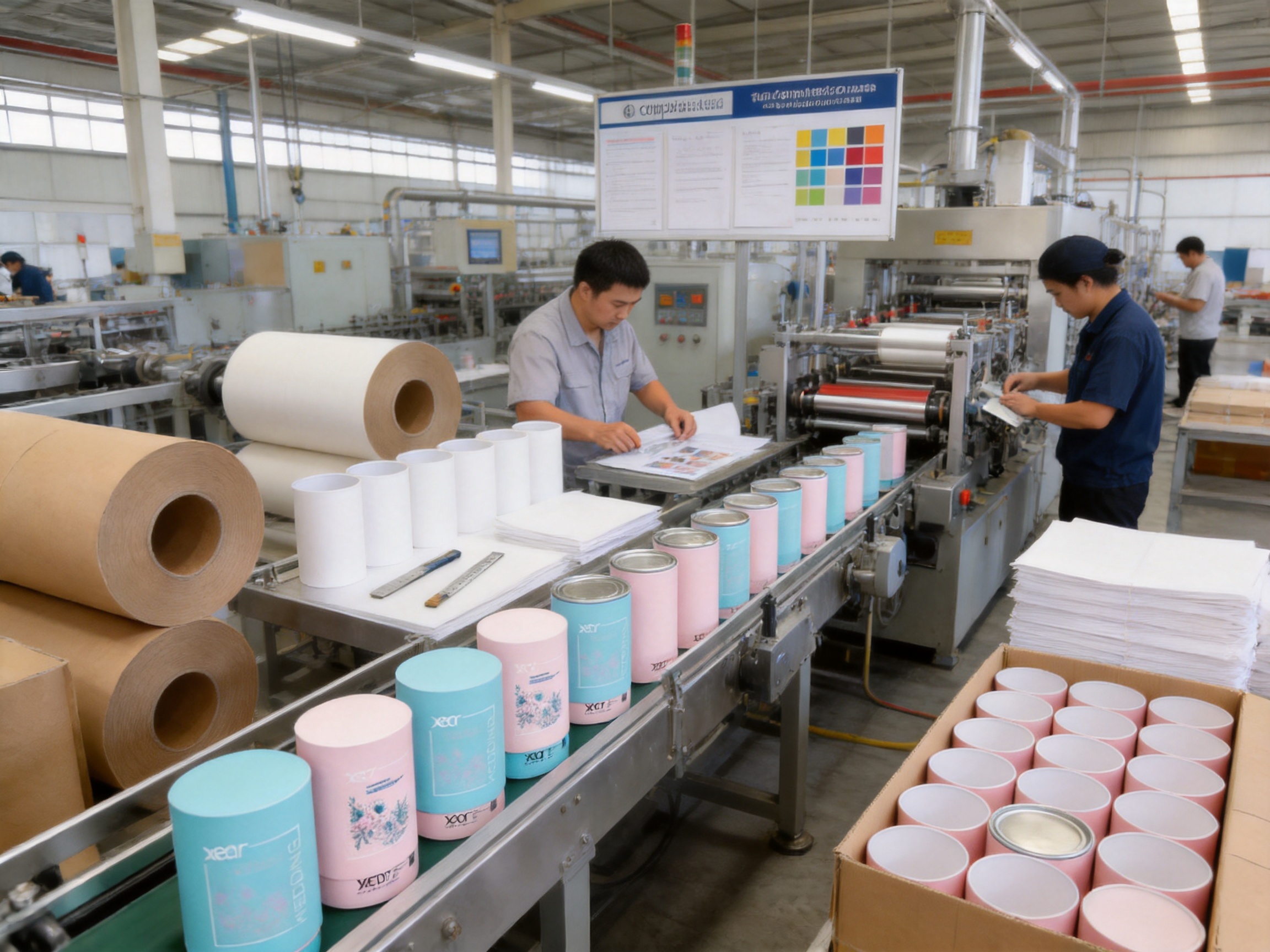
The supplier has been engaged in the composite can and paper can industry for more than 20 years. This long operating history gives the company experience in paper-based container development, production management, material coordination, and commercial packaging requirements.
The company is identified as the only member of the international Composite Can and Tube Institute in China’s packaging container industry. Membership in an industry institute indicates an active connection with the composite can and tube sector and supports the company’s position as a specialized manufacturer rather than a general trading business.
The company’s packaging business serves food, daily chemical products, fast-moving consumer goods, and other categories. Experience across several product sectors can be beneficial when developing coffee and tea packaging because different markets require attention to appearance, structural performance, filling operations, logistics, and retail presentation.
The supplier was also the first enterprise in China to pass the QS certificate for producing food packaging containers, according to the provided company information. This history is relevant to buyers looking for a manufacturer familiar with food-packaging requirements. Buyers should still request current documentation and verify that the selected product and production site meet the requirements of the intended destination market.
European High-Speed Composite Can Production Line
In 2015, the company introduced a high-speed composite can production line from Europe. This investment strengthened its role in the composite can and paper can sector. A high-speed production line can support repeatability, production efficiency, and larger commercial orders when properly managed through quality control, material inspection, process monitoring, and finished-product evaluation.
For a packaging buyer, modern production equipment is valuable because it can help maintain consistency across thousands of units. Consistent tube diameter, edge formation, body shape, print alignment, and component fit are essential when packaging is used for a complete product launch. Production efficiency can also support better planning for scheduled releases and recurring orders.
Patented Technologies and Product Development
The company has obtained more than 10 patented technologies and continues to research and launch paper-based packaging products for the global market. Patented technologies may relate to construction, manufacturing methods, equipment, or other packaging innovations. Buyers can ask for product-specific technical information when a patent or process capability is relevant to their project.
A manufacturer that invests in technical development is better positioned to address packaging requirements beyond a standard catalog item. These requirements may include unusual dimensions, customized graphics, different lining arrangements, special closures, or coordinated packaging for multiple product sizes.
Manufacturing Process for Customized Paper Tube Packaging
Although exact production parameters vary according to the selected paper, dimensions, artwork, and order requirements, a professional manufacturing workflow generally begins with project confirmation. The buyer and supplier review the intended use, product type, target size, artwork, printing method, finish, quantity, and delivery expectations.
1. Application and Specification Review
The first stage is to confirm whether the tube will hold coffee beans, tea bags, loose tea, or another dry product. The supplier can then review the approximate internal diameter of 71–73 mm and height of 120 mm, or develop an adjusted dimension if the filling requirements call for a different format.
At this stage, the buyer should provide information about product weight, bulk density, filling equipment, inner packaging, closure preference, storage conditions, and distribution channels. These details help determine whether the standard size is appropriate and whether additional protection is required.
2. Paper and Lining Selection
The outer paper may be selected from special paper or kraft paper depending on the desired appearance and performance. The white paper lining is reviewed as part of the complete construction. Material selection should consider print quality, surface feel, structural integrity, and the visual relationship between the exterior and interior.
For premium packaging, the paper surface is especially important because it directly affects how colors, text, logos, and finishing effects appear. A suitable surface can help prevent uneven ink appearance and support sharper graphics.
3. Artwork Preparation
Before printing, the design is prepared for the curved surface of the tube. The artwork should account for the wraparound format, seam or joining area, top and bottom boundaries, text readability, barcode placement, and regulatory information. The logo should be positioned so that it remains visible when the package is placed on a shelf or photographed from the front.
CMYK artwork is appropriate for detailed multicolor compositions. Pantone colors can be specified when a brand requires controlled color consistency. The final proofing stage should verify dimensions, text, color references, image resolution, and the relationship between the printed design and the assembled tube.
4. Printing and Surface Finishing
After artwork approval, the exterior paper is printed using the selected process. CMYK printing can reproduce photographs, gradients, illustrations, and complex patterns. Pantone printing can support strong, consistent brand colors. A gloss finish is then used to create a brighter and more polished appearance when specified by the customer.
Finishing should be evaluated not only for appearance but also for handling. The surface needs to remain visually clean through assembly, packing, transportation, and retail display. Sample approval is recommended before full production, particularly for premium coffee and tea brands with strict color standards.
5. Tube Forming and Component Assembly
The printed paper is formed into the cylindrical body, and the two-piece construction is assembled according to the approved dimensions. Flat edges are formed to support the intended appearance and fit. The top and body are checked for alignment, size, and ease of use.
Industrial equipment and controlled production procedures are important at this stage because small dimensional differences can influence closure fit and the overall appearance of a large batch. Consistent forming helps the tubes stand upright and maintain a uniform visual line on shelves or in shipping cartons.
6. Inspection and Packing
Finished tubes should be inspected for print clarity, color consistency, surface defects, shape, edge condition, internal cleanliness, and component fit. Quantity checks and packing inspections are also important before shipment. The specific quality-control checklist should be agreed upon between the buyer and manufacturer during order confirmation.
Professional inspection reduces the risk of receiving packaging that cannot run smoothly on a filling line or that presents inconsistent branding in retail. Buyers may request pre-production samples, production samples, or inspection records according to the scale and importance of the order.
Benefits of Factory-Direct Purchasing
The product is offered directly from a factory, which can simplify communication between the buyer and the production team. Direct contact is especially useful when the project requires custom dimensions, artwork approval, lining discussion, special finishing, or coordinated delivery.
Factory-direct purchasing can also reduce unnecessary communication layers. The buyer can discuss technical details with a supplier that understands the materials, equipment, production sequence, and quality requirements. This can improve the efficiency of quotation, sampling, revision, and order confirmation.
A direct manufacturer relationship is valuable for repeat orders. Once artwork, dimensions, material choices, and inspection standards have been approved, future production can follow an established specification. This helps a brand maintain continuity across multiple batches and product launches.
The company’s more than two decades of experience, specialized industry position, production-line investment, food-packaging history, and patented technologies provide a foundation for long-term cooperation. These strengths are relevant to businesses that need more than a one-time packaging purchase and instead require a dependable packaging development partner.
Branding and Design Opportunities
Premium Coffee Positioning
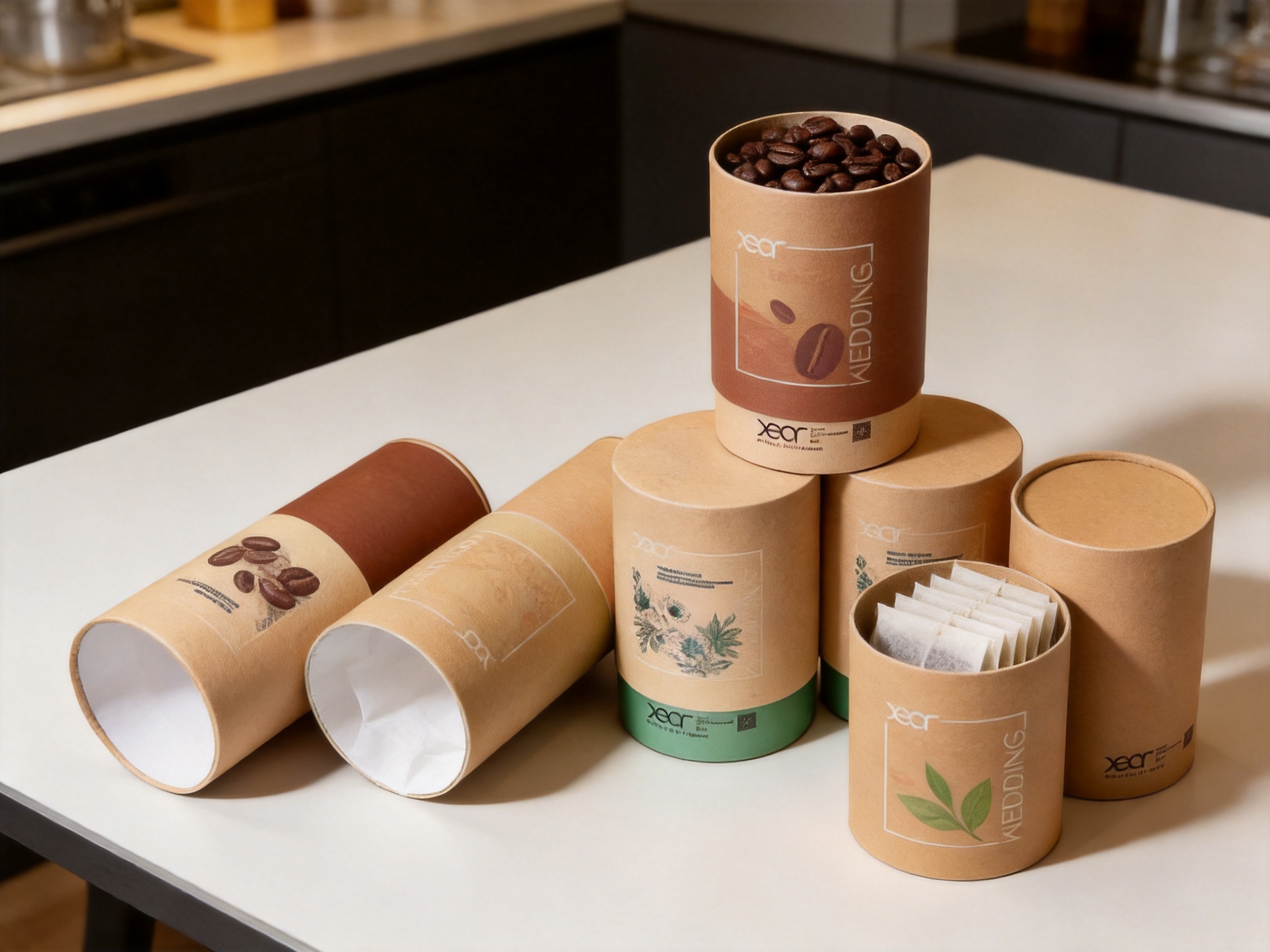
Coffee packaging needs to communicate freshness, origin, roast profile, and quality. A paper tube can support a sophisticated design using dark neutrals, warm kraft tones, origin photography, illustrated maps, or restrained typography. The cylinder can carry a central logo while allowing supporting information to flow around the body.
A coffee brand can use color coding to identify light, medium, and dark roasts. It can also create different tube artwork for single-origin beans, espresso blends, decaffeinated products, and seasonal releases. The same size and structure can unify the range, while graphics distinguish each product.
The format is also suitable for gift sets. Multiple tubes can be packed together as a tasting collection or presented as a premium seasonal assortment. The rigid paper structure can make the collection feel more substantial than products packed only in flexible bags.
Tea Bag and Loose-Leaf Tea Presentation
Tea packaging benefits from a design language that reflects calmness, authenticity, and ritual. The tube can be printed with botanical illustrations, origin information, brewing instructions, or flavor descriptions. Its height and cylindrical shape are appropriate for a refined tea presentation, especially when individual tea bags are arranged inside an inner package.
For tea bags, the packaging may be used as an outer presentation box while the tea bags remain protected in an inner wrapper. For loose tea, the buyer should confirm the required barrier system and filling method. The tube can then serve as the visible branded container while the inner structure supports product protection.
Gifts, Corporate Programs, and Seasonal Collections
The premium appearance of a rigid paper tube makes it suitable for gifts and corporate programs. A business can print a custom message, event identity, or seasonal design while keeping the coffee or tea product central to the presentation. Custom logos make the container suitable for hotels, restaurants, cafés, offices, hospitality suppliers, and promotional campaigns.
Seasonal products can use limited-edition artwork without changing the basic package format. This allows a company to refresh its appearance for holidays, anniversaries, special collaborations, or new product launches. Because the tube is both functional and decorative, consumers may continue using it for storage after the original product has been consumed.
Logistics, Storage, and Operational Considerations
Before placing an order, buyers should consider how the tubes will be transported, stored, filled, labeled, and displayed. The 71–73 mm internal diameter and 120 mm height provide a starting point, but the final suitability depends on product volume, inner packaging, closure fit, and available filling equipment.
Storage areas should be clean, dry, and protected from excessive humidity. Paper packaging can be affected by environmental conditions, so inventory should be kept in suitable cartons and handled according to the supplier’s recommendations. Long-term exposure to moisture may affect the appearance and dimensional stability of paper-based products.
For filling operations, the buyer should test a sample batch or production sample with the intended product. This test can verify whether the tube accepts the inner package smoothly, whether the top fits correctly, and whether the final packed product has the expected appearance.
Shipping cartons should protect the tubes from compression, abrasion, contamination, and moisture. The buyer and supplier can establish carton quantities, pallet arrangements, labeling, and loading requirements before production. These details are especially important for international orders and large commercial launches.
Quality Evaluation Checklist
A structured evaluation helps buyers compare paper tube suppliers and confirm that the finished product matches the approved specification. The following points are particularly relevant for coffee and tea packaging.
| Evaluation Area | What to Review | Why It Matters |
|---|---|---|
| Dimensions | Internal diameter, height, body thickness, and top fit | Ensures compatibility with the product and filling process |
| Shape | Roundness, upright stability, and uniformity | Supports shelf appearance and efficient packing |
| Edges | Flatness, cleanliness, and consistency | Influences assembly, appearance, and handling |
| Printing | Color accuracy, registration, sharpness, and text readability | Protects brand presentation and regulatory communication |
| Surface finish | Gloss consistency and resistance to handling marks | Maintains a premium visual effect |
| Lining | Cleanliness, coverage, and intended product compatibility | Supports the internal presentation and packaging system |
| Closure | Insertion force, alignment, and opening experience | Balances security with consumer convenience |
| Materials | Paper type, recycled content claims, and documentation | Supports accurate sustainability and compliance communication |
| Quantity | Piece count and packing condition | Prevents shortages and protects production planning |
Sustainability Considerations
The use of paper, kraft paper, and recycled materials gives this packaging a sustainability-oriented profile. Many brands are moving toward packaging that communicates a reduced-plastic direction and a closer relationship with renewable or fiber-based materials. A paper tube can support this shift while preserving a premium appearance.
However, sustainability depends on the complete packaging system. The buyer should consider the paper body, lining, printing inks, gloss finish, adhesives, inner bag, closure, shipping materials, and local collection infrastructure. A responsible product description should explain what the package contains and avoid claims that cannot be verified.
The cylindrical container may also have a useful second life. Consumers can reuse it for small household items, craft materials, desk accessories, tea storage, or decorative purposes. Reuse is not a substitute for proper recycling, but it can extend the functional life of the package and increase the perceived value of the purchase.
Brands can reinforce the environmental message through restrained artwork, kraft-paper aesthetics, concise material information, and clear disposal guidance. They should also work with the manufacturer to confirm any recycled-material percentage, food-contact documentation, and relevant market requirements before printing environmental statements.
Comparison with Other Packaging Formats
Paper Tube Versus Folding Carton
A folding carton is lightweight and efficient for many applications, but it generally has less rigidity and a more conventional rectangular format. The paper tube provides a stronger three-dimensional presence and a more distinctive opening experience. It may be better suited to premium products, gift collections, or brands seeking a unique shelf profile.
Paper Tube Versus Flexible Pouch
Flexible pouches can be efficient and convenient, particularly when barrier performance and low shipping volume are priorities. A paper tube, by contrast, emphasizes structural presentation and tactile quality. Coffee brands may use a separate inner bag inside the tube when they need the tube to function primarily as a premium outer package.
Paper Tube Versus Plastic Container
Plastic containers can offer strong moisture resistance and familiar functionality, but a paper tube provides a different material story and visual character. For brands seeking paper-based design, recycled-material positioning, or a natural premium appearance, the tube may offer stronger marketing value.
Paper Tube Versus Metal Tin
Metal tins are durable and reusable, but they may involve higher material, weight, and production considerations. The paper tube offers a lighter paper-based alternative with extensive printability and a warm tactile surface. The appropriate choice depends on product requirements, distribution conditions, barrier needs, and brand positioning.
How to Prepare a Custom Order
A successful custom order begins with a clear project brief. The buyer should identify the product category, product name, target market, intended quantity, packaging dimensions, filling method, artwork requirements, and desired delivery schedule.
The buyer should then confirm whether the standard approximate size of 71–73 mm internal diameter by 120 mm height is suitable. If the product is coffee beans, the net fill weight should be tested because bean size, roast level, and bulk density affect the required volume. If the product is tea bags, the number and arrangement of bags should be evaluated inside the proposed tube.
Artwork should be supplied in the format requested by the manufacturer, with final text, color references, logo files, and layout dimensions clearly identified. The buyer should request a digital proof and, when necessary, a physical sample. Physical sampling is particularly valuable for checking curved-surface printing, gloss appearance, closure fit, and overall proportion.
The order quantity should be planned around the stated minimum order quantity of 5,000 pieces. Buyers should also discuss acceptable tolerances, inspection requirements, packing configuration, shipment terms, and repeat-order procedures. Clear documentation at the beginning helps reduce changes during production.
Company Strengths Supporting This Product
The manufacturer’s experience is closely aligned with the product’s requirements. More than 20 years in the composite can and paper can industry indicates sustained specialization in paper-based containers. The company’s work across food, daily chemical products, and fast-moving consumer goods demonstrates familiarity with different packaging environments and commercial expectations.
Its connection with the international Composite Can and Tube Institute reflects industry participation, while the history of food-packaging certification indicates experience with food-container production. The company’s European high-speed composite can production line, introduced in 2015, supports the ability to manage modern production requirements and larger order volumes.
More than 10 patented technologies demonstrate an ongoing focus on research and technical development. For buyers, this may provide a stronger foundation for customized packaging than a supplier that only resells standard containers. The factory-direct model also supports direct communication, coordinated sampling, and long-term supply planning.
These strengths make the product suitable for brands that want a paper tube with reliable manufacturing support, custom visual development, and a premium market position. The packaging can be adapted to the needs of coffee roasters, tea companies, food brands, gift businesses, and private-label distributors.
Q&A
What products can be packed in this paper tube?
The product is designed for coffee and tea applications, including coffee beans, tea bags, loose tea, and selected dry products. The final suitability depends on the product’s volume, moisture sensitivity, aroma requirements, inner packaging, and local food-packaging regulations.
What is the standard size?
The provided specification is an internal diameter of approximately 71–73 mm and a height of 120 mm. Buyers should confirm the final dimensions with the manufacturer because the suitable size may vary according to product weight, bulk density, lining, closure, and filling method.
Is the tube suitable for coffee beans?
Yes, it is presented as paper tube packaging for coffee beans. A coffee brand should test the tube with its actual bean size, roast profile, net weight, and inner packaging. If aroma, oxygen, or moisture protection is critical, the complete packaging system should be evaluated rather than the outer tube alone.
Can it be used for tea bags?
Yes. The product information identifies luxury handmade tea bag paper packaging as an intended application. Tea bags may be placed inside an additional inner package when product protection, freshness, or individual wrapping is required.
What materials are used?
The listed paper types are special paper and kraft paper, with a white paper lining. The product is also described as using recycled materials and having an eco-friendly feature. Buyers should request the exact material composition and supporting documentation for specific environmental or food-contact claims.
What printing methods are available?
CMYK printing and Pantone printing are supported. CMYK is appropriate for detailed multicolor artwork, while Pantone printing is useful when a brand requires more controlled reproduction of selected colors.
Does the product have a surface finish?
Yes. The listed post-printing treatment is a gloss finish. This finish can create a brighter, more polished appearance and enhance the visual impact of printed graphics.
Can the logo and artwork be customized?
Yes. Custom orders and custom logos are accepted. Buyers can discuss artwork, dimensions, paper selection, printing, finishing, and other project details with the factory before production.
What is the minimum order quantity?
The stated minimum order quantity is 5,000 pieces. This quantity is appropriate for planned product launches, private-label programs, seasonal campaigns, and established brands seeking consistent packaging across a product line.
What makes the cylindrical shape valuable?
The cylinder creates a distinctive shelf profile, provides a substantial tactile experience, and offers a large wraparound printing area. It can help coffee and tea products stand apart from conventional rectangular cartons and flexible pouches.
Is the package recyclable?
The product uses paper-based materials and is described as using recycled materials, but recyclability depends on the complete structure, lining, coating, adhesive, and local recycling systems. The buyer should confirm the final composition and provide disposal information appropriate for the target market.
Can the tube be used as a gift package?
Yes. Its rigid construction, cylinder shape, custom printing, and gloss finish make it suitable for coffee gifts, tea collections, corporate programs, seasonal products, and premium promotional packaging.
What should buyers request before mass production?
Buyers should request a quotation, technical specification, artwork proof, material details, and a physical sample when appropriate. They should also test the package with the intended product and confirm closure fit, filling performance, print appearance, inspection standards, packing, and delivery arrangements.
What manufacturing experience supports this product?
The manufacturer has more than 20 years of experience in the composite can and paper can industry, is associated with the international Composite Can and Tube Institute, introduced a European high-speed composite can production line in 2015, and has obtained more than 10 patented technologies. The company also reports a history of food-packaging certification and factory-direct production.
Conclusion
Premium paper tube packaging offers coffee and tea brands a strong combination of structure, visual differentiation, customization, and paper-based design. The two-piece flat-edge construction creates a stable and refined package, while the cylindrical shape helps products stand out from common rectangular and flexible formats.
The approximate 71–73 mm internal diameter and 120 mm height provide a practical starting point for coffee beans, tea bags, and related dry products. Special paper and kraft paper support different brand styles, while the white paper lining creates a clean internal presentation. CMYK and Pantone printing enable flexible artwork development, and a gloss finish adds a polished final effect.
The manufacturer’s long experience in composite cans and paper cans, food-packaging background, industry participation, European production-line investment, patented technologies, and factory-direct model provide important support for custom packaging programs. With proper specification review, sampling, quality inspection, and product compatibility testing, this paper tube format can become a distinctive and reliable package for premium coffee, tea, gifts, and specialty dry goods.
References
1. Product specification sheet for premium paper tube packaging for coffee beans and tea bags.
2. Manufacturer-provided company profile describing composite can and paper can industry experience.
3. Manufacturer-provided information concerning paper materials, kraft paper, white paper lining, printing, and gloss finishing.
4. Manufacturer-provided history of the European high-speed composite can production line introduced in 2015.
5. Manufacturer-provided information regarding industry membership, food-packaging certification history, and patented technologies.
6. General packaging development principles for paper tubes, rigid paper containers, coffee packaging, tea packaging, and custom printed food packaging.
