 English
 Español

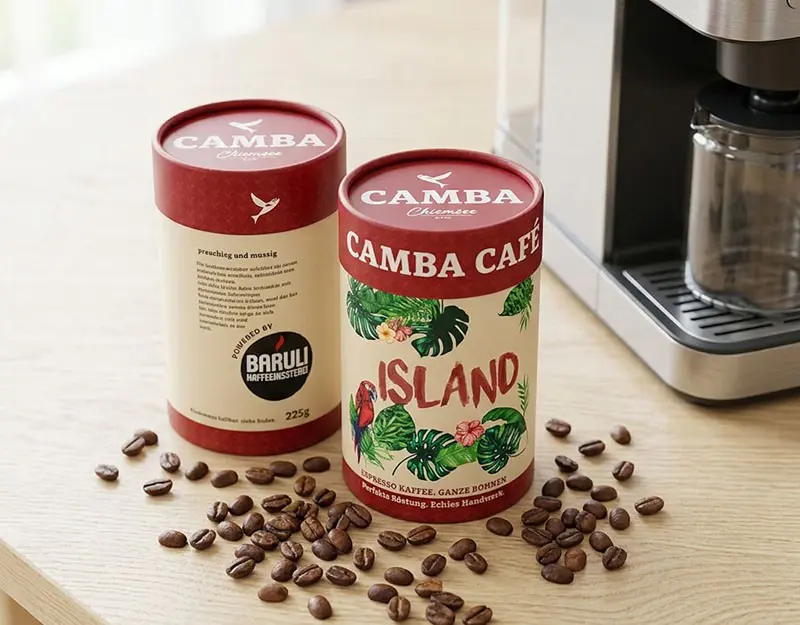
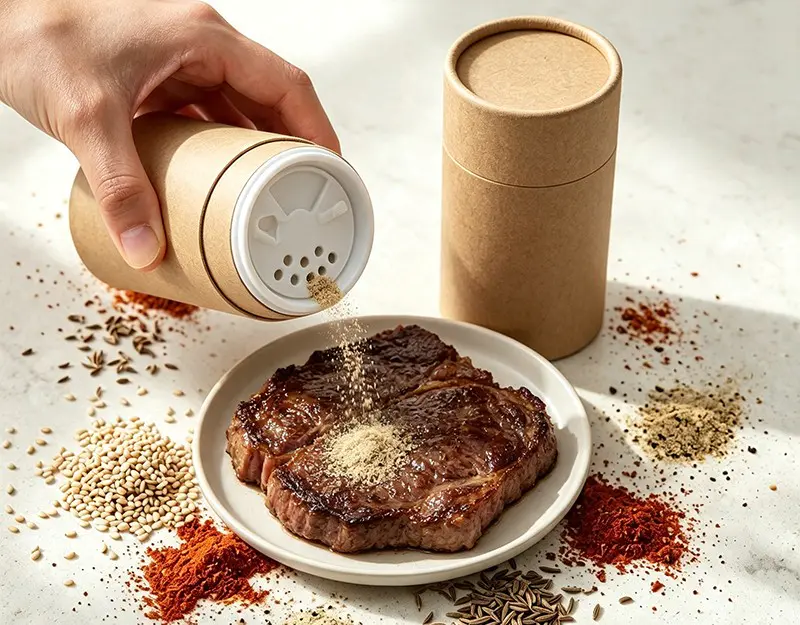
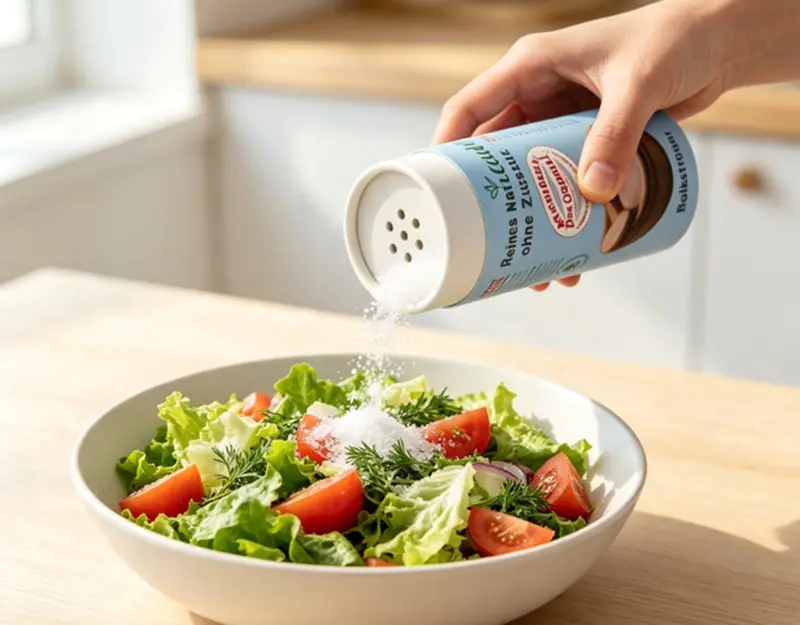
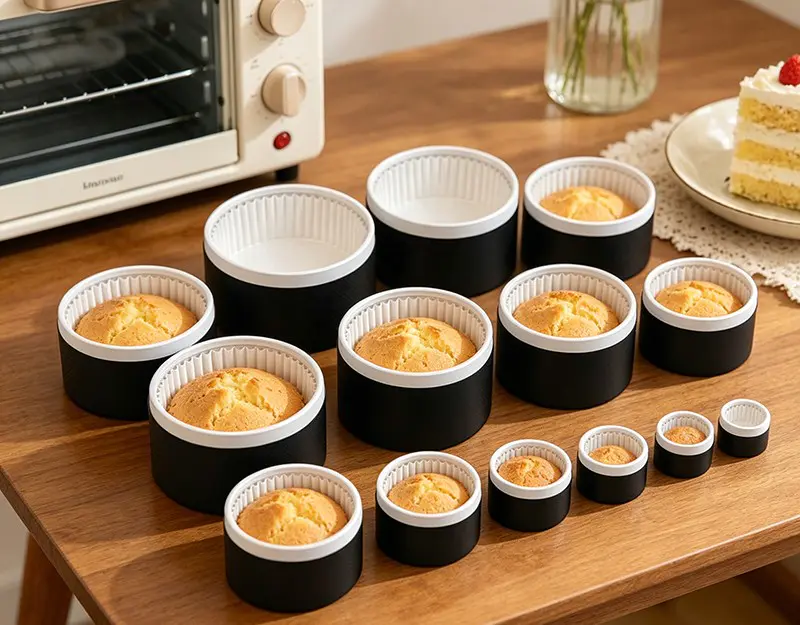
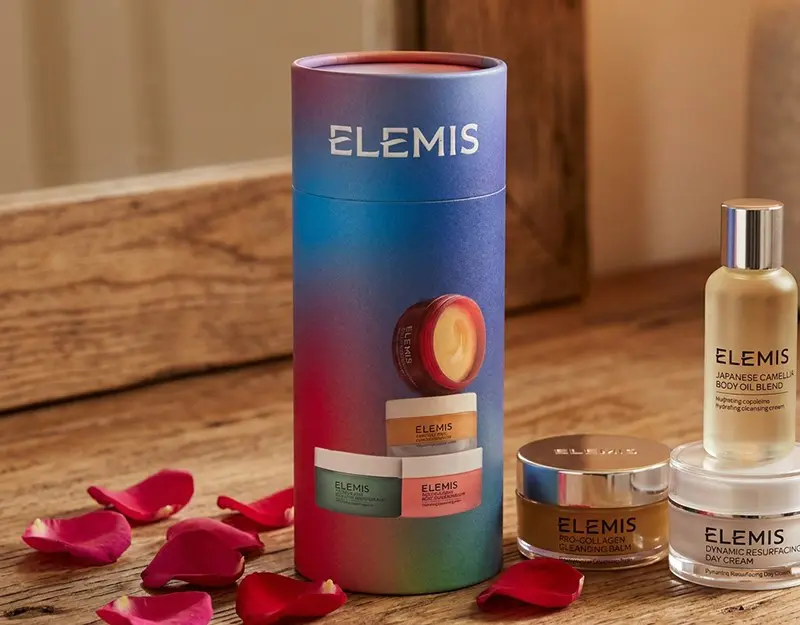
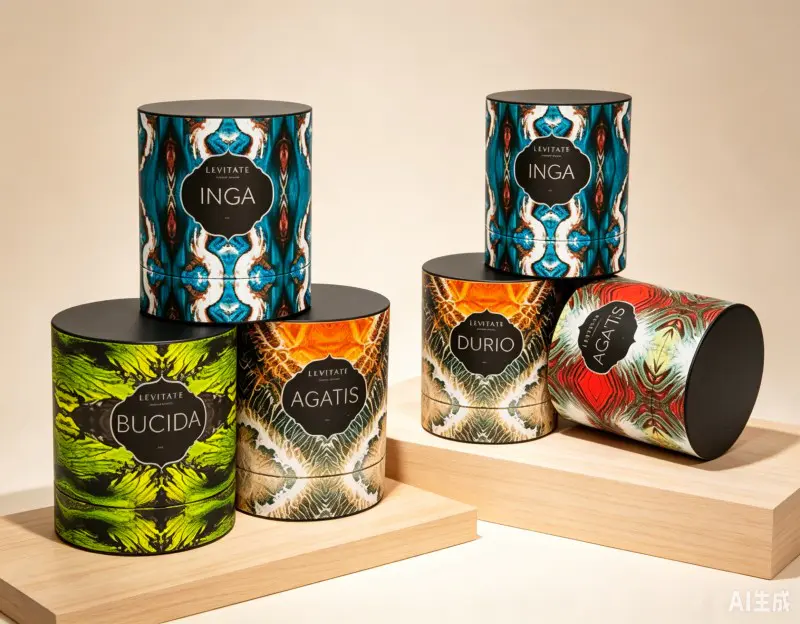
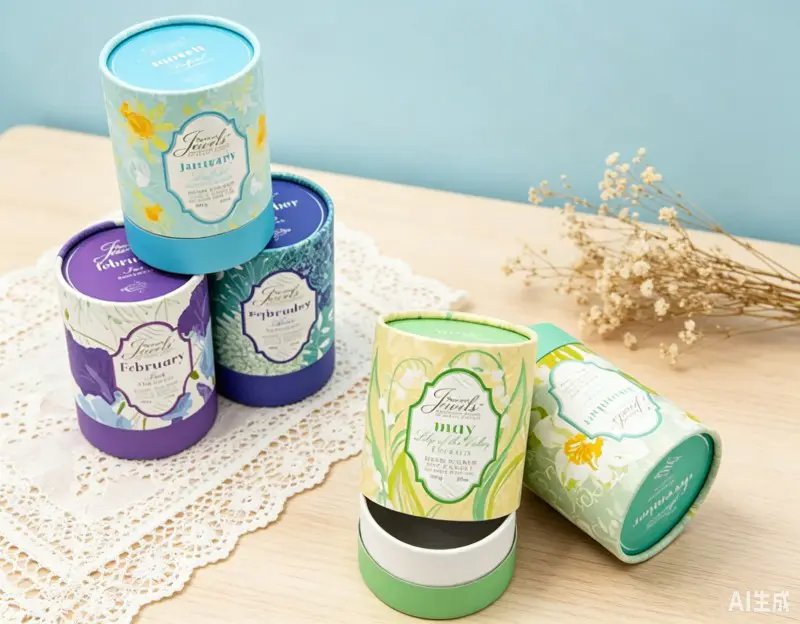
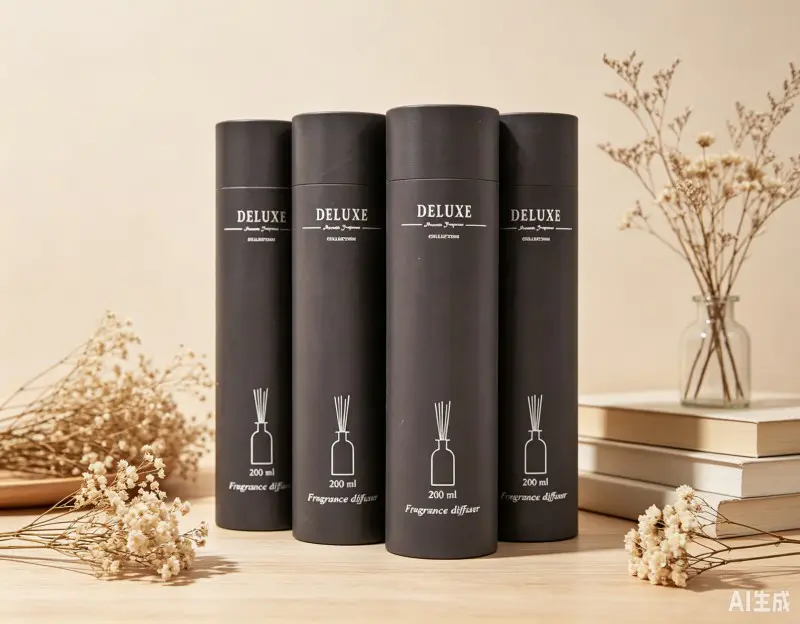
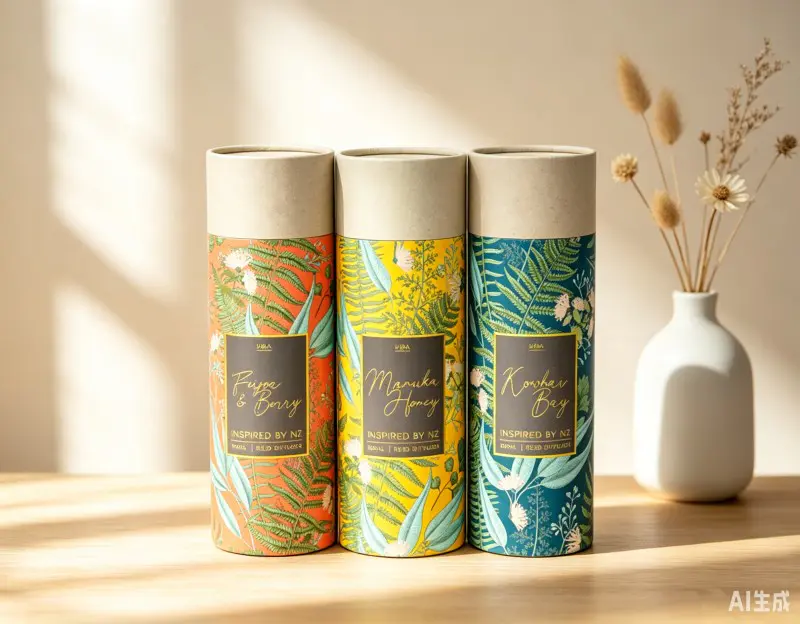
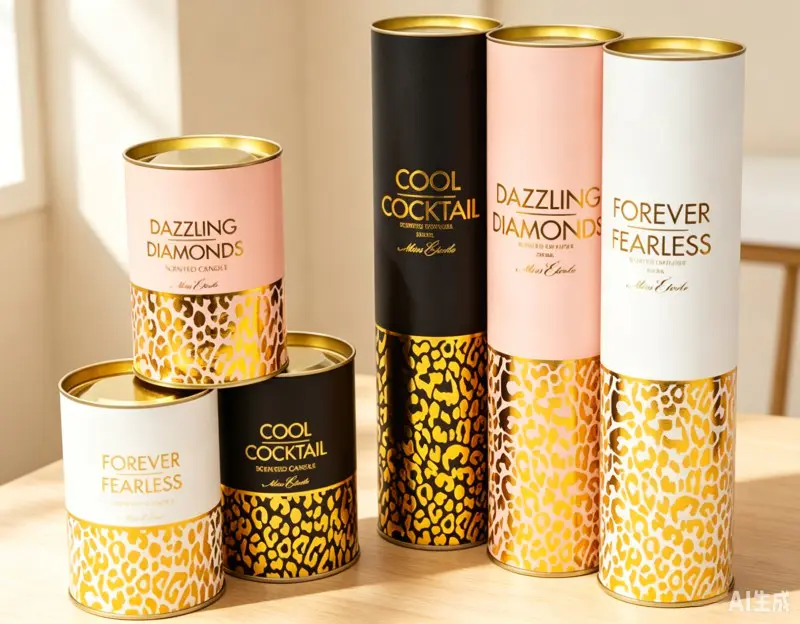
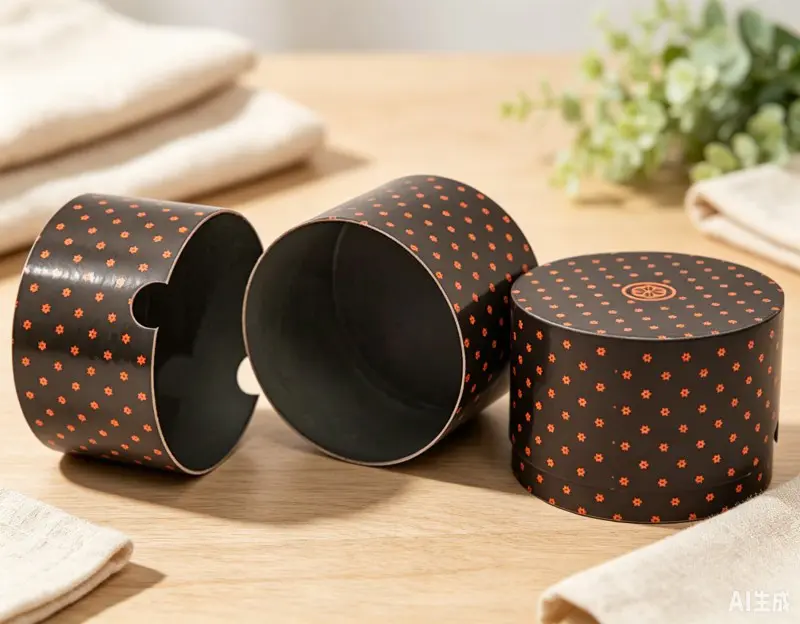
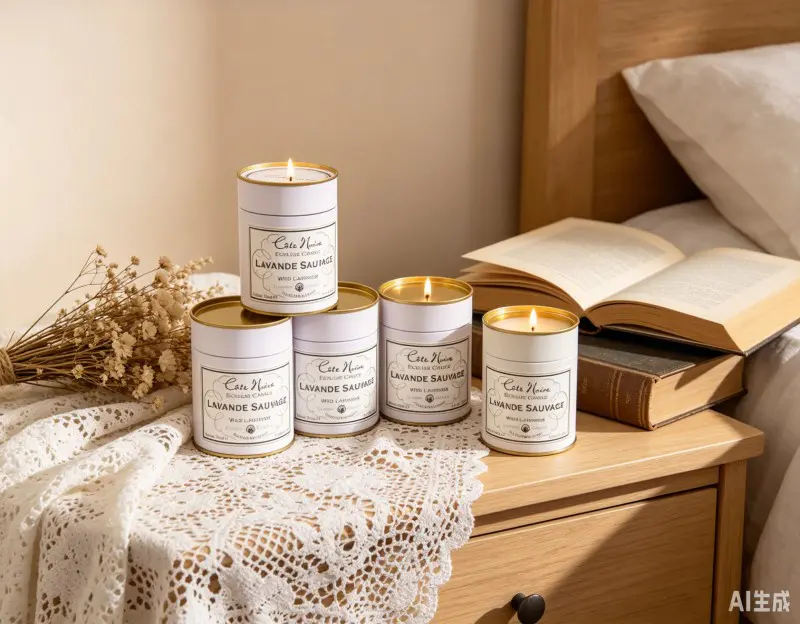

As one of the top China cardboard tube packaging manufacturers and paper tube packaging suppliers, we devote all of our efforts to research and launch more high quality packaging products to global market.
Premium packaging does more than protect a product. It creates the first physical impression of a brand, communicates quality before the package is opened, and influences whether a gift, seasonal collection, or specialty product is remembered after purchase. For companies seeking a distinctive presentation format, the round kraft paper pillow case gift box combines the visual character of a cylindrical paper tube with the soft, elegant appearance associated with a pillow-style gift package.
This large round box is designed for luxury gift presentation, creative retail packaging, and other applications where appearance, structure, sustainability, and customization must work together. Its two-piece paper tube construction, rolled edges, kraft paper and coated paper materials, cylindrical form, and matte laminated finish create a packaging solution that is both attractive and practical.
Manufactured by Hangzhou Qunle Packaging Co., Ltd., a specialist with more than two decades of experience in composite cans and paper packaging, the product is suitable for brands that require dependable production capabilities, custom printing, recycled material options, and factory-direct cooperation. It can be customized with brand logos, CMYK artwork, and other design specifications, making it adaptable to a wide range of gifting and retail concepts.
Content
- 1 1. Product Overview
- 2 2. Why the Round Pillow Case Format Is Different
- 3 3. Material Advantages of Kraft Paper and Coated Paper
- 4 4. Construction and Functional Performance
- 5 5. Printing, Branding, and Surface Finishing
- 6 6. Applications Across Gift and Specialty Markets
- 7 7. Advantages Compared with Common Alternatives
- 8 8. Manufacturing Strengths and Production Experience
- 9 9. From Concept to Finished Package
- 10 10. Sustainability and Responsible Packaging Design
- 11 11. Logistics, Storage, and Retail Handling
- 12 12. Customization Strategies for Different Brand Positions
- 13 13. Commercial Value for Brands
- 14 14. Practical Buying Checklist
- 15 15. Frequently Asked Questions
- 15.1 Q1: What is the round kraft paper pillow case gift box designed for?
- 15.2 Q2: What are the listed dimensions?
- 15.3 Q3: Is the package made from kraft paper?
- 15.4 Q4: Can the box carry a custom logo?
- 15.5 Q5: What type of printing is available?
- 15.6 Q6: What surface finish is used?
- 15.7 Q7: Does the product use recycled materials?
- 15.8 Q8: Is the box suitable for direct food contact?
- 15.9 Q9: Can the internal structure be customized?
- 15.10 Q10: What is the minimum order quantity?
- 15.11 Q11: What makes this package different from a standard rectangular gift box?
- 15.12 Q12: Can the box be reused?
- 15.13 Q13: Who manufactures the product?
- 15.14 Q14: Does the manufacturer support international customers?
- 15.15 Q15: Should a sample be requested before mass production?
- 16 16. Conclusion
- 17 References
- 18 Product: Round Kraft Paper Pillow Case Gift Box Pillow Large Box
1. Product Overview
The round kraft paper pillow case gift box is a large cylindrical package developed for premium gift use. It is described as a luxury round gift box and features a two-piece paper tube construction with rolled edges. The product combines the geometry of a rigid paper tube with the opening and presentation style of a gift box.
Its listed internal diameter is approximately ID 198.5–201.6 mm, while the stated height is 500 mm. This generous format makes the package especially suitable for tall or multiple-item gift assortments, decorative objects, apparel accessories, long-form specialty products, and carefully arranged gift collections. The final dimensions can be reviewed and confirmed during the custom order process according to the filling product, insert design, and shipping requirements.
The principal product specifications include:
| Specification | Product Information |
|---|---|
| Product type | Round kraft paper pillow case gift box |
| Primary application | Luxury gift packaging and premium presentation |
| Construction | Two-piece paper tube with rolled edges |
| Shape | Cylindrical |
| Materials | Kraft paper and coated paper |
| Approximate internal diameter | 198.5–201.6 mm |
| Stated height | 500 mm |
| Printing | CMYK printing |
| Surface treatment | Matte lamination |
| Branding | Custom logo available |
| Order type | Custom orders accepted |
| Minimum order quantity | 5,000 pieces |
| Material features | Recycled materials and eco-friendly options |
The product is not limited to a standard plain kraft appearance. Kraft paper can provide a natural, tactile, and environmentally conscious visual identity, while coated paper supports sharper printed graphics and a more refined surface. Together, these material options allow packaging buyers to balance natural styling with high-quality branding.
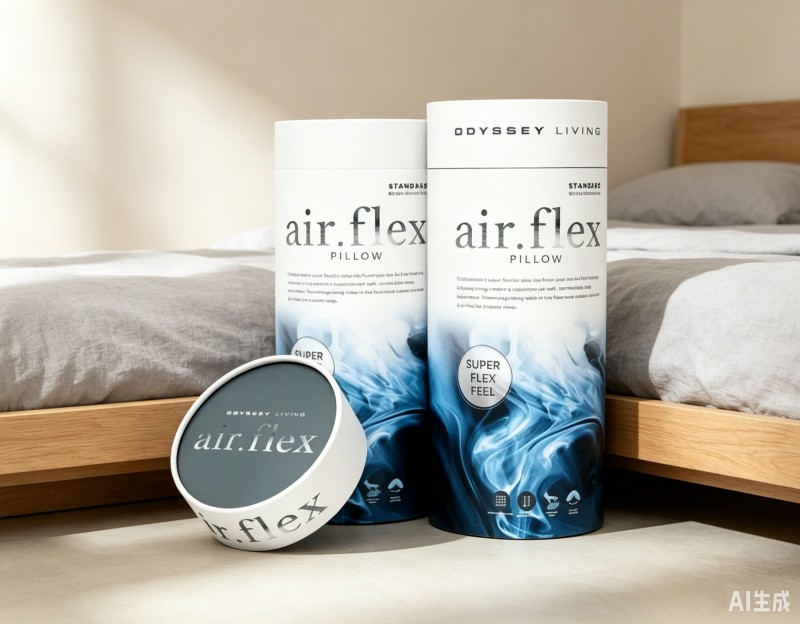
Round Kraft Paper Pillow Case Gift Box Pillow Large Box
2. Why the Round Pillow Case Format Is Different
Many conventional gift boxes use square or rectangular forms. These formats are familiar and efficient, but they can also look similar from one brand to another. A cylindrical pillow case box creates an alternative visual language. Its curved profile immediately differentiates it from common folding cartons and standard rectangular rigid boxes.
The rounded form offers several important presentation advantages. First, it creates a more distinctive silhouette on retail shelves, gift tables, event displays, and product photography sets. Second, the cylindrical body gives the package a smooth, continuous surface around which artwork, patterns, illustrations, and brand messages can be arranged. Third, the pillow-style opening can make the unboxing process feel more ceremonial and intentional.
The format is particularly effective for premium gift concepts because it can be presented as an object in its own right. Instead of functioning only as an outer shipping layer, the package becomes part of the gift experience. Customers may keep it for storage, reuse it for organization, or display it as a decorative container after the original product has been removed.
Compared with thin paper sleeves or ordinary folding cartons, the paper tube construction offers a more substantial hand feel. Compared with plastic containers, it can provide a warmer, more natural appearance and can support paper-based sustainability messaging. Compared with basic cylindrical tubes, the two-piece pillow case structure gives the package a more gift-oriented opening and a more expressive presentation format.
2.1 A Stronger Shelf Presence
Packaging competes for attention in a crowded environment. A distinctive form can help a product be recognized quickly, particularly when many competing items use similarly shaped boxes. The round body allows designers to use continuous wraparound graphics, vertical logo placement, repeated patterns, seasonal artwork, or contrasting sections that follow the curve of the package.
The 500 mm height also creates a tall visual profile. This can be useful for products intended to look abundant, ceremonial, or exclusive. A tall cylindrical box can accommodate layered gifts, long accessories, rolled textiles, decorative items, or combinations of smaller products arranged vertically. The internal packing design should be developed around the specific contents to prevent movement and ensure that the package remains visually balanced.
2.2 A More Memorable Unboxing Experience
Premium packaging should guide the customer through a sequence. The outer surface establishes anticipation, the opening creates discovery, and the interior presentation confirms product value. A two-piece construction supports this sequence by allowing the user to remove or separate the upper section from the lower section in a controlled way.
Rolled edges contribute to a softer, more finished appearance than raw cut edges. They can also improve the tactile quality of the rim and reduce the visual impression of unfinished board. When paired with matte lamination, the edges and outer surface can produce a refined result suitable for luxury gift programs and limited-edition collections.
3. Material Advantages of Kraft Paper and Coated Paper
Material selection affects appearance, performance, print quality, and environmental positioning. This gift box uses kraft paper and coated paper, giving buyers the flexibility to develop a natural, premium, printed, or hybrid visual direction.
3.1 Natural Kraft Paper Character
Kraft paper is widely valued for its warm color, fibrous appearance, and tactile surface. It is associated with authenticity, craftsmanship, responsible design, and natural product categories. These associations can be useful for gift brands, handmade businesses, specialty retailers, and companies that want to communicate a less artificial packaging identity.
The natural appearance of kraft paper can also reduce the need for visually complicated decoration. A simple one-color logo, a restrained line illustration, a dark ink pattern, or a small foil detail may be enough to create a premium appearance. This makes the package suitable for understated branding as well as more elaborate artwork.
3.2 Coated Paper for Graphic Clarity
Coated paper provides a smoother surface for printed artwork. It can support clean lines, detailed illustrations, photographic images, colorful patterns, and precise branding. For companies using CMYK printing, this smoother surface can help the printed design appear more consistent and polished.
Coated paper is particularly useful when a design includes multiple colors, gradients, product scenes, botanical artwork, holiday graphics, or detailed typography. It allows the packaging to function as a strong communications surface rather than merely a protective shell.
3.3 Recycled and Eco-Friendly Options
The product is specified as supporting recycled materials and eco-friendly features. This gives buyers an opportunity to align the package with sustainability objectives while retaining a premium presentation. Responsible packaging decisions should consider the full design, including paper selection, coatings, adhesives, inserts, inks, closures, and shipping methods.
Paper-based packaging can be advantageous for brands seeking to reduce reliance on plastic-heavy presentation formats. However, environmental performance depends on the final material combination and local recycling systems. Buyers should confirm the exact material composition, coating type, ink system, and disposal guidance for the target market before making specific environmental claims.
A well-designed paper tube can also support reuse. After the gift has been opened, the cylindrical box may be used to store scarves, stationery, craft tools, accessories, keepsakes, or household items. Reusability can extend the practical life of the package and make the customer experience more valuable.
4. Construction and Functional Performance
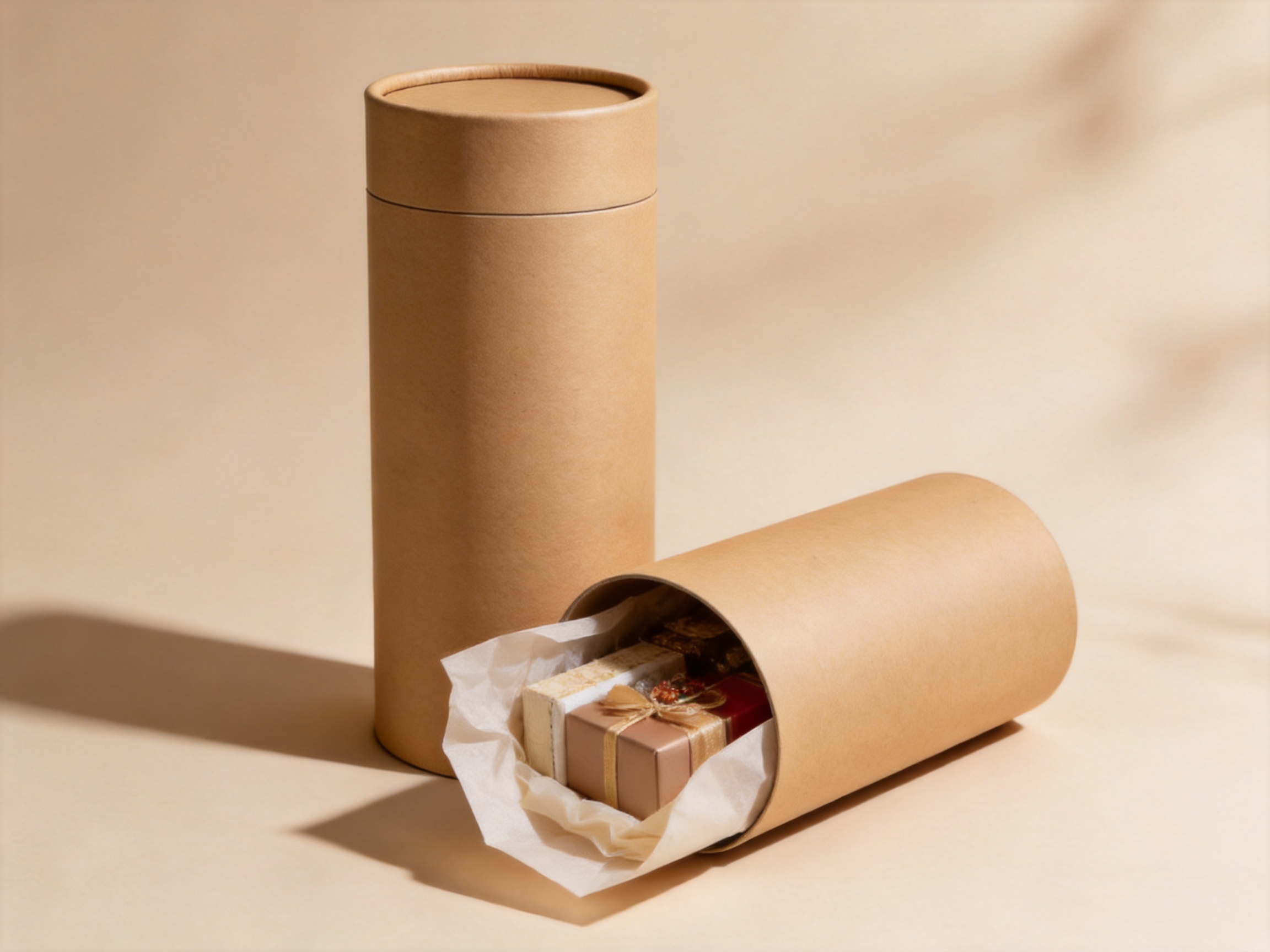
The two-piece paper tube construction is central to the product’s identity. Rather than relying on a single thin sheet folded into a carton, the package is formed as a substantial cylindrical body with a separate component. The exact relationship between the upper and lower sections can be customized according to the product, required opening experience, and preferred visual proportions.
Paper tube construction is well suited to round packaging because the board is formed around a cylindrical structure. This creates a continuous body with no conventional corner seams. The absence of square corners gives the box a smooth appearance and can make it more comfortable to handle and more visually consistent when wrapped with printed paper.
4.1 Rolled Edges
Rolled edges add an important finishing detail. They help create a deliberate, crafted appearance around the opening and can make the package feel more complete. A carefully formed edge may also improve the tactile experience by presenting a rounded transition rather than a sharp exposed board edge.
For a premium gift box, small construction details have a major effect on perceived quality. Customers may not describe the edge structure technically, but they notice whether a package feels smooth, stable, clean, and carefully made. Rolled edges support that impression.
4.2 Structural Stability
The cylindrical form distributes pressure around the circumference of the package. This can provide a stable container for appropriate products and reduce the visual weakness sometimes associated with thin folding cartons. The actual compression strength, stacking performance, and impact resistance will depend on board thickness, tube construction, adhesive selection, closure fit, and the weight of the packed product.
For this reason, packaging development should include samples, dimensional checks, filling trials, and transportation testing. A gift box intended for retail display may have different requirements from one shipped directly to consumers. If the package will be placed in a mailer or master carton, the outer shipping system should be designed to protect the cylindrical form during handling.
4.3 Interior Planning
The interior can be adapted with paperboard supports, molded fiber inserts, tissue, ribbons, dividers, or other presentation elements. A tall format benefits from an interior structure that prevents products from shifting during transport and keeps the contents aligned when the box is opened.
Interior design should also consider the order in which the customer encounters the contents. A top layer may include a message card, brand story, care instructions, or seasonal note. Below that, the main products can be arranged in tiers. This transforms the box from a simple container into a planned presentation system.
5. Printing, Branding, and Surface Finishing
Custom branding is one of the principal benefits of this product. The box supports CMYK printing and custom logo application, enabling buyers to create packaging that reflects their visual identity. Since the cylindrical surface is visible from multiple angles, it can provide more branding exposure than a single front-facing panel.
5.1 CMYK Printing
CMYK printing is suitable for many commercial packaging designs. It can reproduce a broad range of colors through the combination of cyan, magenta, yellow, and black. Brands can use this process for full-color artwork, illustrations, lifestyle imagery, gradients, patterns, and seasonal themes.
Before mass production, artwork should be prepared with the cylindrical application in mind. Designers should consider the wrap seam, the direction of the graphics, the position of the logo, and the visual effect created when the package is rotated. Text should not be placed too close to areas that may be affected by seams, joins, or edge transitions.
Color management is also important. The appearance of ink can vary according to the paper surface, paper color, coating, and lighting conditions. Kraft paper may produce a warmer or less saturated result than a white coated substrate. A proof or pre-production sample is therefore recommended when exact color matching is essential.
5.2 Matte Lamination
Matt lamination is listed as the post-printing treatment for the product. A matte finish reduces glare and gives the package a soft, sophisticated appearance. It is well suited to luxury gifts, natural product positioning, minimalist branding, and photography because it produces fewer harsh reflections than a glossy surface.
Matte lamination can also help unify the printed surface and create a more consistent tactile experience. When combined with kraft-inspired artwork, it can reinforce the impression of a premium yet understated package. Buyers should discuss the intended use and handling conditions with the manufacturer to confirm the most appropriate finish for the final application.
5.3 Logo and Design Customization
A custom logo can be incorporated into the printed artwork, allowing the package to function as a direct brand ambassador. Designers may place the logo vertically along the cylindrical body, repeat it around the circumference, position it on the lid, or combine it with a larger illustration.
Customization may also include seasonal colors, collection names, product descriptions, barcode areas, regulatory information, origin statements, care instructions, and social media messaging. Because the box is tall, it offers room for both visual design and useful communication without forcing every message into a small rectangular panel.
6. Applications Across Gift and Specialty Markets
The product category is Gifts & Crafts, but the potential use cases extend across many premium and creative segments. The large internal format makes the box suitable for carefully assembled collections rather than only for a single small item.
6.1 Holiday and Seasonal Gifts
Holiday packaging often depends on emotional appeal and visual recognition. A tall round box can be decorated with winter motifs, festive patterns, celebratory colors, or limited-edition artwork. It can hold a coordinated collection of small gifts, decorative items, accessories, or specialty products.
Seasonal packaging also benefits from reusability. Customers may retain the box for future gift-giving or storage, increasing the period during which the brand remains visible in the home.
6.2 Corporate and Event Gifts
Corporate gift programs require packaging that looks professional and communicates appreciation. The cylindrical format can create a more memorable alternative to ordinary branded cartons. A company logo, event date, campaign message, or commemorative design can be printed on the outer wrap.
For conferences, award ceremonies, product launches, and hospitality events, the box can be used as part of a coordinated presentation system. The internal contents may include several small items, a printed message, branded accessories, or a carefully arranged welcome collection.
6.3 Handmade and Artisan Products
Craft and artisan brands often need packaging that reflects the handmade character of their products. Kraft paper is naturally compatible with this positioning. A restrained printed design, natural color palette, and tactile matte surface can help communicate authenticity without making the package look unfinished.
The box can be used for handmade accessories, craft kits, textile products, decorative objects, collectibles, and small-batch creations. The cylindrical silhouette provides a strong visual identity for brands that want to move beyond conventional kraft cartons.
6.4 Fashion and Lifestyle Collections
The tall format may be suitable for scarves, ties, belts, fabric accessories, rolled garments, and coordinated lifestyle products, provided that the internal dimensions and protection requirements are appropriate. The box can be designed to emphasize the ritual of opening a carefully wrapped item.
Fashion and lifestyle brands can use the continuous outer surface for editorial artwork, collection graphics, monograms, or a pattern derived from the product itself. A matte finish can create a high-end appearance that complements premium textiles and accessories.
6.5 Candles, Fragrances, and Decorative Products
Although the listed product category is Gifts & Crafts, cylindrical paper packaging is also relevant to candles, fragrances, home décor, and other giftable goods. The package can be adapted with suitable inserts to keep the product stable and protected.
For candles and fragrance-related products, buyers should confirm compatibility between the package materials and the product, especially where oils, heat, or fragrance compounds are involved. Product-specific testing is essential before commercial release.
7. Advantages Compared with Common Alternatives
The round kraft paper pillow case gift box offers a combination of visual distinction, paper-based construction, customization, and premium finishing that can be difficult to achieve with basic packaging formats.
7.1 Compared with Folding Cartons
Folding cartons are efficient, lightweight, and widely available, but they generally have flat panels and sharp corners. Their appearance may be less distinctive in premium gift settings. The round paper tube provides a more substantial form and a 360-degree branding surface.
Folding cartons may also require complex die-cut structures to achieve unusual shapes. A cylindrical tube naturally creates a curved body without relying on numerous folds. This can produce a cleaner visual silhouette and a more specialized unboxing experience.
7.2 Compared with Plastic Containers
Plastic containers can offer strength and moisture resistance, but they may not provide the natural tactile character associated with kraft paper. Brands seeking paper-based or eco-conscious presentation may prefer a fiber-based alternative where product requirements permit.
The paper tube also has a warmer visual identity. It can look appropriate in artisan, luxury, natural, and gift-oriented environments where a rigid plastic container might feel too industrial or generic.
7.3 Compared with Basic Paper Tubes
A standard paper tube may be used primarily for protection or storage. The pillow case gift box is designed with presentation in mind. Its two-piece configuration, rolled edges, custom print capability, and matte finish make it more appropriate for branded gifting and retail display.
The distinction is important for brands that want the package to contribute to perceived value. A container can be structurally sound yet visually ordinary. This product is intended to combine structure with an elevated appearance.
7.4 Compared with Rigid Square Gift Boxes
Rigid square boxes often communicate luxury, but they occupy a familiar visual category. A round package can create differentiation while maintaining a premium feel. The cylindrical form may also be easier to hold in certain applications and can support a more continuous decorative design.
Selection should ultimately depend on the product dimensions, logistics, stacking needs, storage environment, and target customer. The advantage of the round format is strongest when visual identity and gift presentation are major purchase factors.
8. Manufacturing Strengths and Production Experience
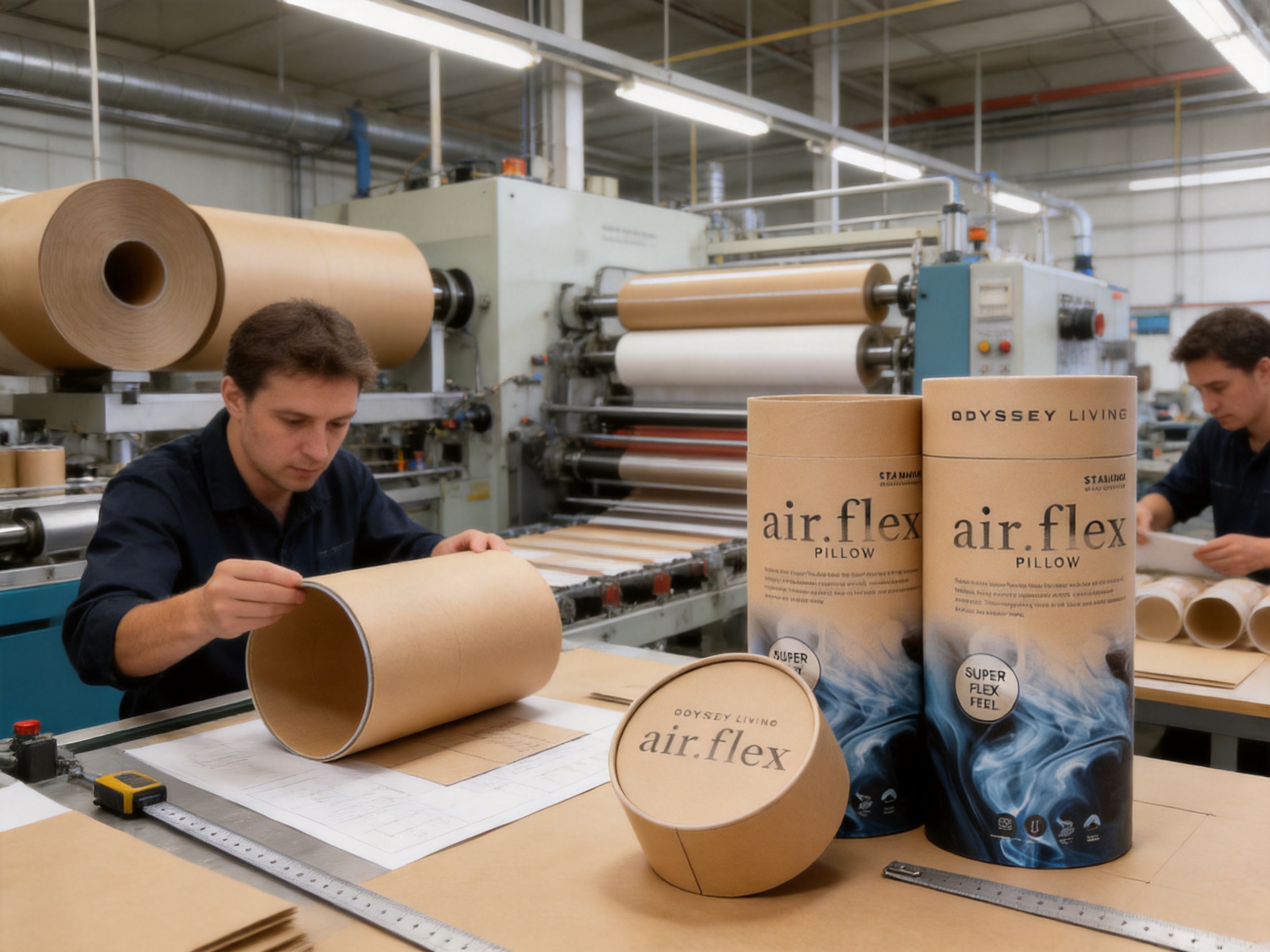
The product is manufactured by Hangzhou Qunle Packaging Co., Ltd., a company that has been engaged in composite cans and paper cans for more than 20 years. This long period of specialization is significant because paper tube manufacturing requires knowledge of paper selection, winding or forming processes, adhesive control, edge finishing, printing, lamination, dimensional accuracy, and quality inspection.
The company describes itself as a factory-direct manufacturer and accepts custom orders. This structure can provide buyers with direct communication concerning specifications, artwork, prototypes, production schedules, and quality requirements. It may also reduce the number of intermediaries involved in the development process.
8.1 Experience in Composite Can and Paper Can Production
Composite can manufacturing involves the controlled combination of paperboard and other layers to create a container with a defined shape and functional performance. Experience in this field can be applied to gift boxes that require stable cylindrical bodies, clean wraps, reliable adhesion, and consistent dimensions.
More than two decades in the industry also suggests familiarity with diverse customer requirements and production environments. Packaging buyers benefit when a manufacturer can identify potential problems early, such as artwork distortion around a curve, lid fit issues, material incompatibility, or insufficient protection for the intended product.
8.2 International Industry Participation
The company is identified as the only member of the international Composite Can and Tube Institute in China’s packaging container industry. Participation in an international industry organization indicates engagement with sector-specific knowledge and professional networks. It can also support awareness of technical developments and packaging practices beyond a single domestic market.
For overseas buyers, industry participation may provide additional confidence that the manufacturer understands the expectations of international packaging customers. Nevertheless, each buyer should still conduct its own sample evaluation, specification review, and quality approval process.
8.3 Food Packaging Background
The company states that it was the first enterprise in China to pass the QS certificate for producing food packaging containers. This background is relevant because food packaging production typically requires attention to material control, hygiene, process management, and traceability.
The featured gift box is categorized for luxury gift use rather than being automatically classified as food-contact packaging. If buyers intend to place food directly inside the package, they should request confirmation of the applicable paper, coating, adhesive, ink, and barrier specifications. A suitable inner bag or food-contact insert may be necessary depending on the product and destination-market requirements.
8.4 European High-Speed Production Equipment
In 2015, the company introduced a high-speed composite can production line from Europe. Advanced equipment can support manufacturing consistency, production efficiency, and the ability to handle larger commercial programs. High-speed machinery is valuable when it is combined with proper process control, trained operators, preventive maintenance, and inspection procedures.
For an order with a minimum quantity of 5,000 pieces, production efficiency can help support repeatability across the batch. Consistent body diameter, height, edge treatment, print alignment, and lid fit are all important to the final customer experience.
8.5 Patented Technologies and Research
The company reports having obtained more than 10 patented technologies and continuing to research and launch packaging products for the global market. Patented technologies do not automatically guarantee suitability for every project, but they indicate investment in product development and technical improvement.
For buyers developing a custom package, a research-oriented manufacturer may be better positioned to discuss alternative constructions, material combinations, edge treatments, printing solutions, and production adjustments. This can be especially helpful when a project requires a balance between appearance, cost, sustainability, and performance.
9. From Concept to Finished Package
A successful custom packaging project should be managed as a series of controlled stages. The manufacturer’s capabilities are most valuable when they are integrated into a clear development process.
9.1 Requirement Definition
The first stage is to define the product that will be packed. Buyers should provide the product dimensions, weight, shape, fragility, surface sensitivity, and intended orientation. They should also explain whether the box will be sold in stores, shipped by parcel, displayed at events, or delivered as part of a corporate program.
The packaging brief should include the required internal diameter, height, opening style, insert requirements, printing coverage, material preference, surface finish, color expectations, and estimated annual volume. The stated dimensions of approximately 198.5–201.6 mm internal diameter and 500 mm height can serve as a starting point, but they should be confirmed against the actual product.
9.2 Artwork Preparation
Artwork should be prepared using the manufacturer’s dielines or wrap templates. Designers need to account for the curved surface, seam location, lid area, edge allowances, and any areas that may be hidden when the two pieces are assembled.
Important information such as product names, warnings, barcodes, and legal text should remain clear and correctly oriented. A full-wrap design should be viewed as a three-dimensional object rather than only as a flat file.
9.3 Sampling and Approval
A physical sample is an important part of the approval process. It allows the buyer to examine the fit, surface, print appearance, edge quality, opening action, and overall proportions. It also provides an opportunity to test the actual product inside the package.
Where color is commercially sensitive, a printed proof or production sample should be reviewed under appropriate lighting. If the package will be shipped, sample testing should include the intended inner protection and outer shipping carton.
9.4 Mass Production
Once specifications and samples are approved, mass production can proceed. The minimum order quantity is listed as 5,000 pieces, making the product appropriate for established gift programs, retail launches, seasonal collections, and large promotional campaigns.
Production planning should address raw material availability, printing schedules, lamination, forming, edge finishing, assembly, inspection, packing, and delivery. Clear approval of the reference sample helps reduce misunderstandings during manufacturing.
9.5 Quality Inspection
Quality inspection should cover visual and dimensional points. Typical checks may include the diameter, height, roundness, lid fit, edge finish, surface cleanliness, print registration, color consistency, lamination quality, adhesive marks, and structural integrity.
For a cylindrical package, rotation-based inspection is useful because defects may appear on any part of the wrap. A package that looks correct from one angle may show misalignment or surface damage elsewhere. Inspection standards should be agreed upon before production begins.
10. Sustainability and Responsible Packaging Design
The product’s recycled-material and eco-friendly positioning can support businesses that are reviewing their packaging footprint. However, sustainable packaging should be evaluated holistically rather than through a single material label.
Reducing unnecessary components is one practical approach. A well-fitted tube can minimize excess packaging while still providing an attractive presentation. Reusable construction is another advantage because customers may find a second use for a durable paper container.
Material efficiency, responsible sourcing, appropriate board weight, water-based or suitable inks, and recyclable design choices may all contribute to improved environmental performance. The use of matte lamination should be discussed in relation to local recycling capabilities, since laminated paper products may be treated differently in different regions.
Brands should communicate environmental information accurately. If a package contains coatings, mixed materials, metallic elements, plastic inserts, or non-paper closures, those components may affect disposal. The manufacturer can help clarify the available options, but the brand remains responsible for making claims that are supported by the final specification and applicable regulations.
11. Logistics, Storage, and Retail Handling
The tall cylindrical format creates opportunities and considerations for logistics. Before placing a large order, buyers should determine how the boxes will be packed into master cartons, how many units will fit per carton, and whether the shape can be efficiently stored in the warehouse.
Because the package is approximately 500 mm high, warehouse racking and shipping carton dimensions should be reviewed early. Protective separators or suitable carton partitions may help prevent rubbing, crushing, or movement during transportation.
Retail display planning is also important. The box may be displayed vertically to emphasize its height, horizontally in a gift arrangement, or in a group of coordinated designs. A consistent set of colors or patterns can create a strong visual block on a shelf or promotional table.
For direct-to-consumer shipping, the gift box may require an additional mailer or protective outer carton. The premium printed surface should not be exposed to unnecessary abrasion or impact. Packaging development should therefore evaluate both the gift box and the complete delivery system.
12. Customization Strategies for Different Brand Positions
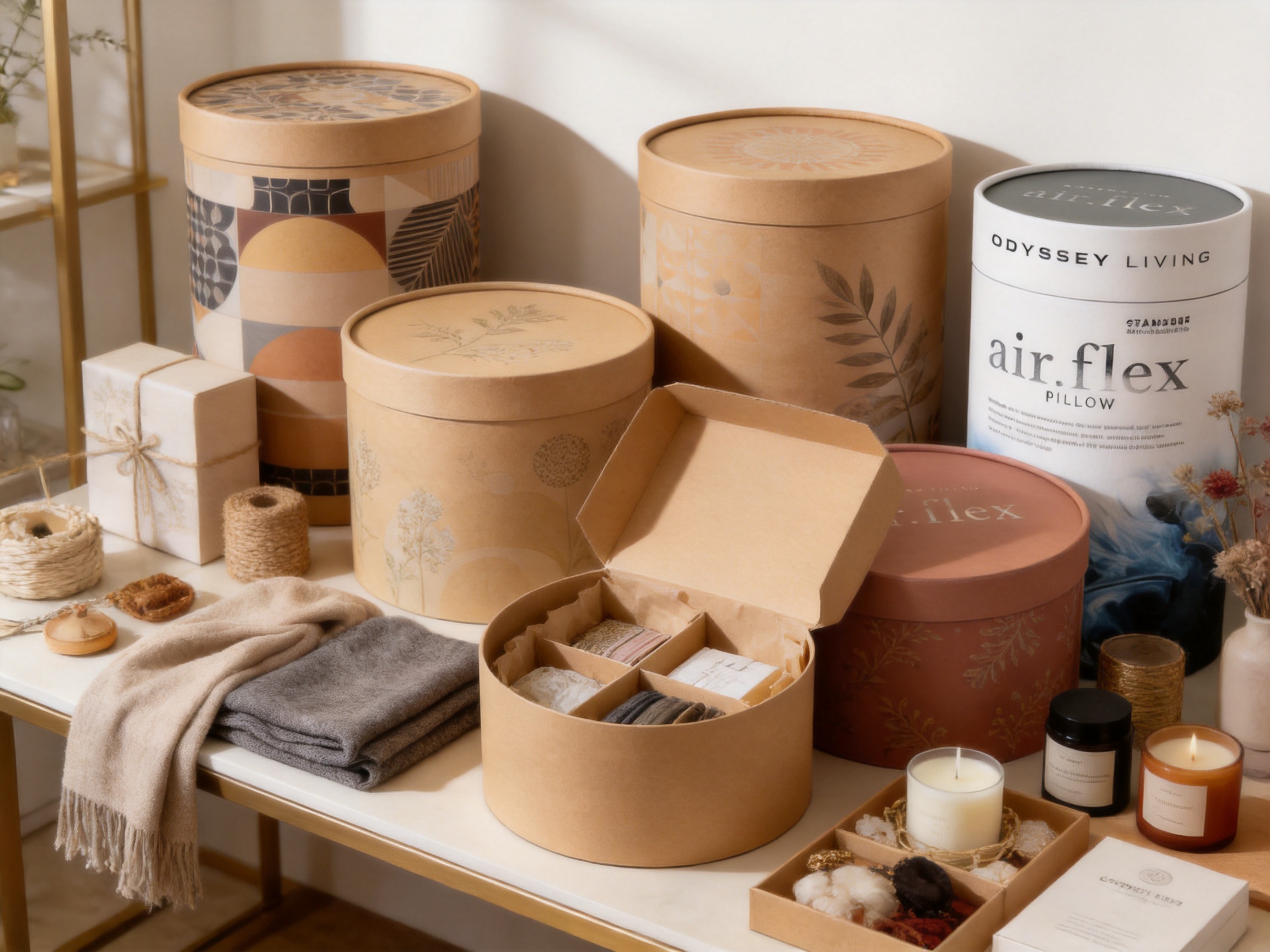
The same cylindrical structure can support very different brand identities. A natural lifestyle brand may use unbleached kraft tones, dark green graphics, and minimal typography. A luxury brand may choose a deep color palette, restrained artwork, and a refined matte surface. A festive program may use bright CMYK colors and illustrated patterns.
12.1 Minimalist Premium Design
A minimalist design can use the natural paper tone as the background, with a small centered logo and limited supporting text. This approach communicates confidence and allows the material texture to remain visible.
12.2 Illustrated Gift Collection
For seasonal or artistic collections, the full curved surface can carry a continuous illustration. The artwork can wrap around the box and create a discovery effect as the customer rotates it. This is especially effective when the packaging is displayed from several directions.
12.3 Personalization and Limited Editions
Brands can develop multiple versions of the box for holidays, collaborations, anniversaries, or customer segments. The cylindrical shape remains consistent while the printed artwork changes. This can create a recognizable family of packaging products without making every edition identical.
12.4 Educational and Storytelling Graphics
The available print area can be used to explain the product story, materials, craft process, origin, usage instructions, or brand values. The wraparound format encourages customers to explore the entire surface rather than looking only at a front panel.
13. Commercial Value for Brands
Packaging investment should be evaluated in relation to brand recognition, customer experience, perceived value, and reuse. A distinctive gift box can help a product command attention and support premium positioning when the design is consistent with the contents.
The product’s custom logo capability allows the package to function as part of a broader identity system. The same brand colors, typography, symbols, and illustration style can be extended to labels, cards, shipping materials, retail displays, and digital campaigns.
The factory-direct model can also be useful for buyers seeking a long-term packaging partner. Instead of purchasing a single generic container, a brand can develop a family of paper tube products across different sizes and categories. The manufacturer’s experience in paper cans and composite packaging provides a foundation for discussing future formats.
With a minimum order quantity of 5,000 pieces, the product is best suited to planned commercial programs rather than very small experimental runs. Buyers should forecast demand carefully, especially for seasonal artwork. For recurring programs, standardized dimensions with changing outer designs may simplify future ordering and reduce development time.
14. Practical Buying Checklist
Before ordering, buyers should confirm the following points with the manufacturer:
1. The exact internal diameter, external diameter, and finished height.
2. The thickness and grade of the paperboard used for the body and lid.
3. The precise two-piece structure and how the pieces fit together.
4. The rolled-edge design and acceptable edge tolerances.
5. Whether kraft paper, coated paper, or a combination will be used for the final construction.
6. The available recycled-material options and supporting documentation.
7. The printing method, color standards, artwork format, and proofing procedure.
8. The type and thickness of matte lamination.
9. The possibility of adding inserts, dividers, tissue, ribbons, or cards.
10. The expected compression, stacking, and transportation performance.
11. The packaging method for finished units and master cartons.
12. The minimum order quantity, production schedule, sampling process, and delivery terms.
13. Any special requirements related to food, cosmetics, fragrances, moisture, oils, or heat.
14. Inspection standards and procedures for approving production quality.
This checklist helps ensure that the final package is not selected only for appearance but is also appropriate for the product and distribution environment.
15. Frequently Asked Questions
Q1: What is the round kraft paper pillow case gift box designed for?
It is designed primarily as a luxury round gift box for premium presentation. It can be used for gift collections, craft products, lifestyle items, seasonal programs, corporate gifts, decorative goods, and other products that benefit from a distinctive cylindrical package.
Q2: What are the listed dimensions?
The supplied specification lists an internal diameter of approximately 198.5–201.6 mm and a height of 500 mm. Buyers should confirm the final dimensions with the manufacturer because internal clearance, board thickness, lid structure, and the packed product may affect the completed specification.
Q3: Is the package made from kraft paper?
Yes. The listed paper types are kraft paper and coated paper. The final material combination can be discussed according to the desired appearance, printing requirements, strength, and sustainability objectives.
Q4: Can the box carry a custom logo?
Yes. Custom logo printing is supported. The logo can be integrated into a larger CMYK design or used as a more minimalist standalone brand element.
Q5: What type of printing is available?
The product specification lists CMYK printing. This is suitable for colorful graphics, illustrations, patterns, photographs, and multi-color brand artwork. A proof should be reviewed when exact color reproduction is important.
Q6: What surface finish is used?
Matt lamination is listed as the post-printing treatment. It provides a low-glare appearance and a smooth, understated premium feel.
Q7: Does the product use recycled materials?
The product is described as supporting recycled materials and eco-friendly features. The exact recycled content and final material configuration should be confirmed for each order, particularly when the buyer needs documentation for environmental claims.
Q8: Is the box suitable for direct food contact?
The company has experience in food packaging containers, but this particular product should not automatically be assumed to be suitable for direct food contact. Buyers must request confirmation of the paper, coating, adhesive, ink, and applicable compliance requirements. An inner food-grade bag or insert may be required.
Q9: Can the internal structure be customized?
Custom orders are accepted, so buyers can discuss inserts, dividers, protective supports, and other interior components. The appropriate solution depends on the dimensions, weight, fragility, and presentation requirements of the packed product.
Q10: What is the minimum order quantity?
The listed minimum order quantity is 5,000 pieces. This makes the product appropriate for established retail programs, seasonal campaigns, promotional projects, and planned brand launches.
Q11: What makes this package different from a standard rectangular gift box?
The cylindrical form provides a distinctive silhouette, a continuous wraparound branding surface, and a different opening experience. The two-piece paper tube construction and rolled edges also give it a more specialized appearance than a basic folding carton.
Q12: Can the box be reused?
Yes, depending on the final construction and the customer’s needs, the box can be reused for storage, organization, future gifting, or decorative purposes. Reusability can add value beyond the first product purchase.
Q13: Who manufactures the product?
The product is manufactured by Hangzhou Qunle Packaging Co., Ltd., a Hangzhou-based packaging company with more than 20 years of experience in composite cans and paper cans. The company offers factory-direct production and custom packaging development.
Q14: Does the manufacturer support international customers?
The company describes itself as a supplier serving the global market and has developed partnerships with companies and brands in different regions. International buyers should discuss export specifications, documentation, shipping protection, and destination-market requirements during the quotation process.
Q15: Should a sample be requested before mass production?
Yes. A sample is strongly recommended. It allows the buyer to confirm the dimensions, product fit, opening action, print quality, color, matte finish, edge treatment, and overall appearance before approving the full production run.
16. Conclusion
The round kraft paper pillow case gift box offers an effective combination of premium appearance, cylindrical structure, custom branding, and paper-based material options. Its tall format and distinctive shape can help products stand out from conventional rectangular packaging, while the two-piece construction and rolled edges support a more refined gift-opening experience.
Kraft paper provides natural visual character, coated paper supports graphic clarity, CMYK printing enables broad design flexibility, and matte lamination adds a sophisticated low-glare finish. Recycled-material and eco-friendly options can help brands develop a packaging concept that reflects responsible design, provided that the final specification and environmental claims are carefully verified.
The product is supported by a manufacturer with more than two decades of composite can and paper can experience, international industry participation, food packaging knowledge, European high-speed production equipment, and a record of patented technologies. These strengths can be valuable for companies that need more than a generic container and want support with custom dimensions, artwork, structure, finishing, and larger-scale production.
For brands preparing a premium gift collection, seasonal program, craft product line, corporate presentation, or specialty retail launch, this package provides a strong platform for differentiation. The most successful results will come from combining accurate product measurements, thoughtful interior protection, carefully prepared artwork, sample approval, and a clear quality standard before mass production.
References
1. Product specification supplied for the round kraft paper pillow case gift box, including construction, material, dimensions, printing, finishing, and order information.
2. Company information supplied for Hangzhou Qunle Packaging Co., Ltd., including manufacturing history, industry participation, production capabilities, and packaging expertise.
3. International industry practices for paper tube, composite can, paperboard packaging, and printed packaging quality management.
4. General packaging design principles concerning structural protection, shelf presentation, material selection, reuse, and customer unboxing experience.
5. General sustainability considerations for paper-based packaging, recycled materials, coatings, printing systems, and end-of-life communication.
For product specifications, sampling, custom artwork, and production planning, buyers should confirm the final technical details directly with the packaging manufacturer before placing an order.
