 English
 Español


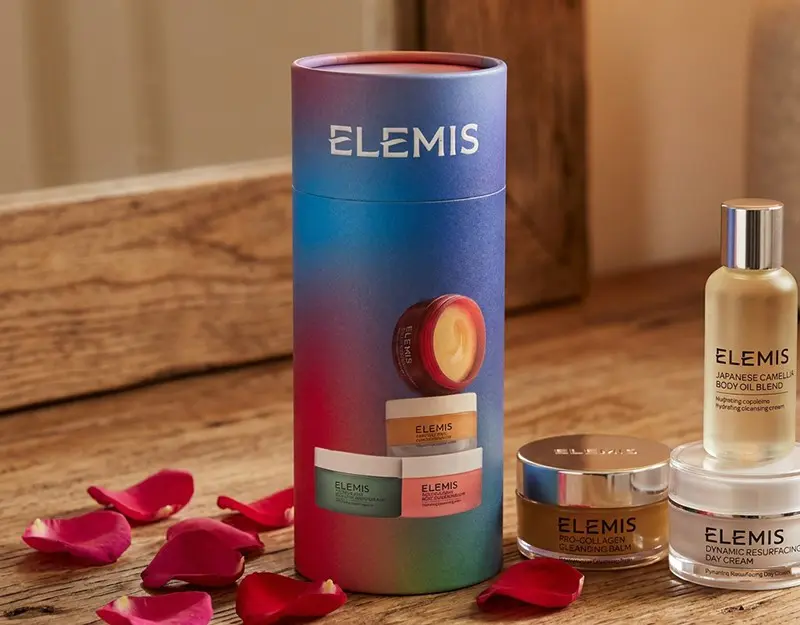
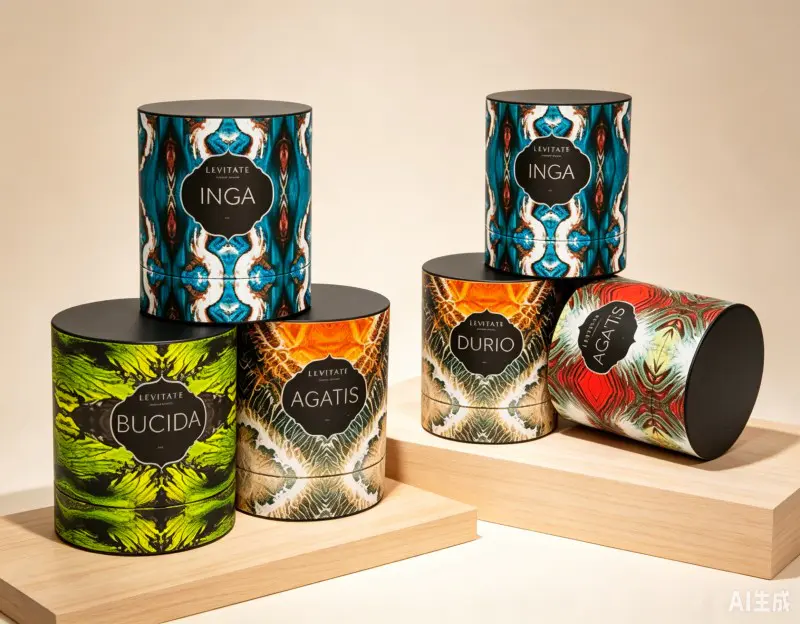
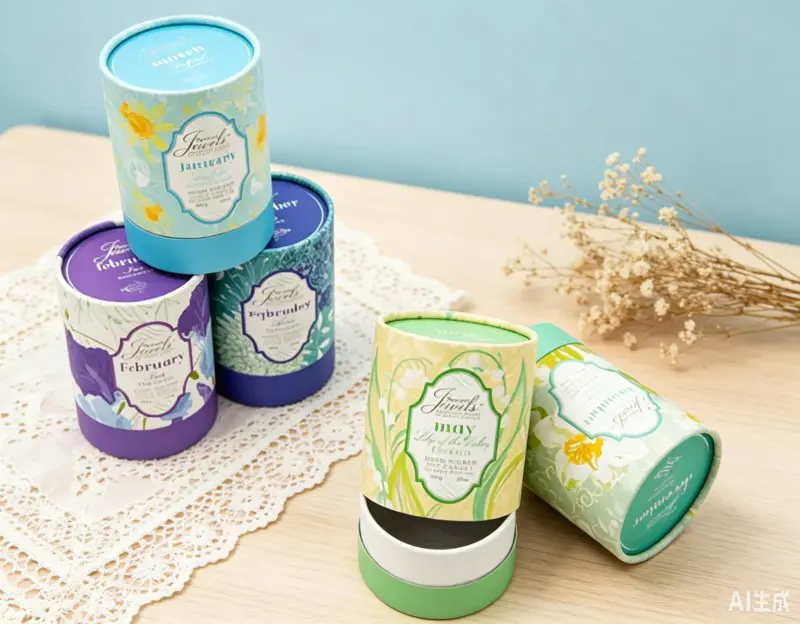
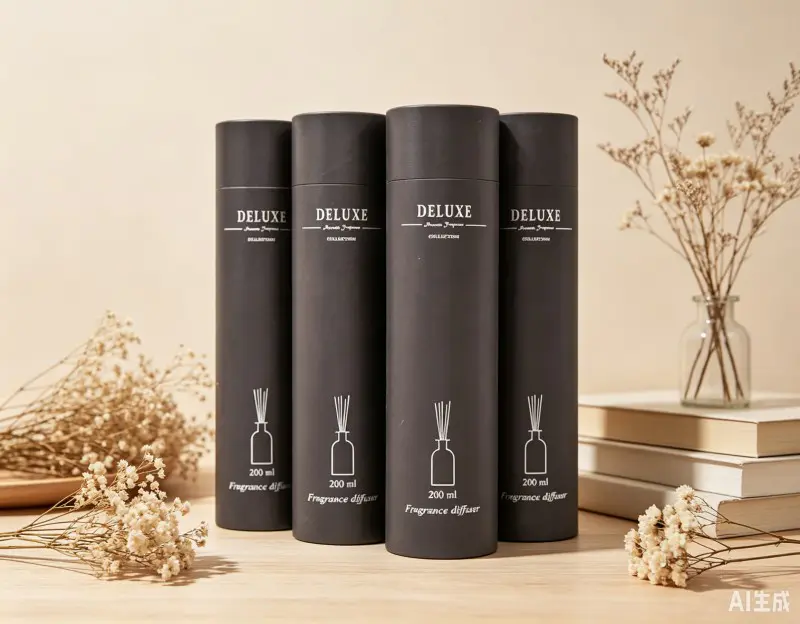
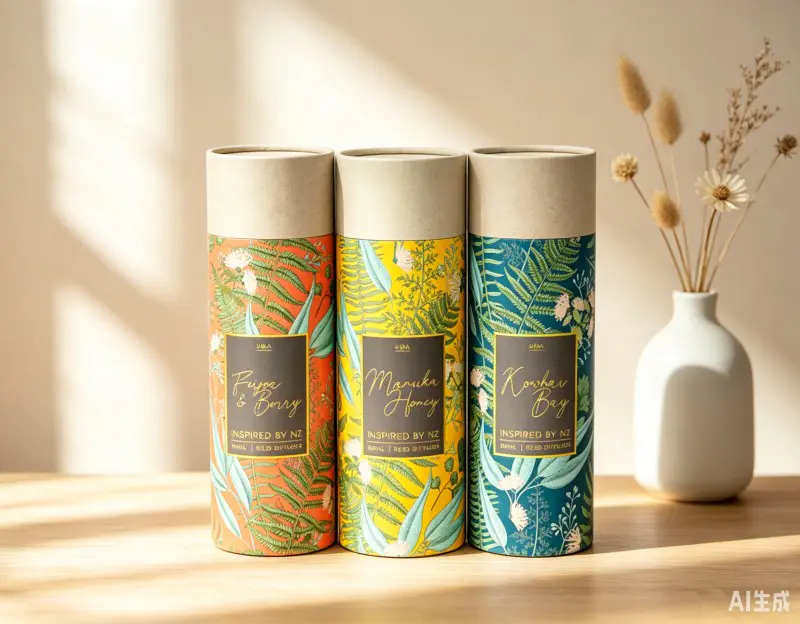
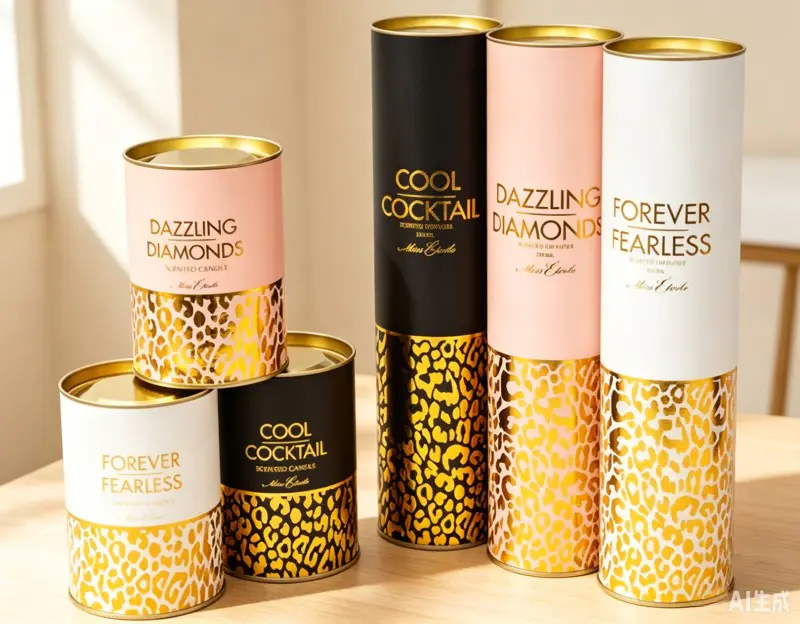
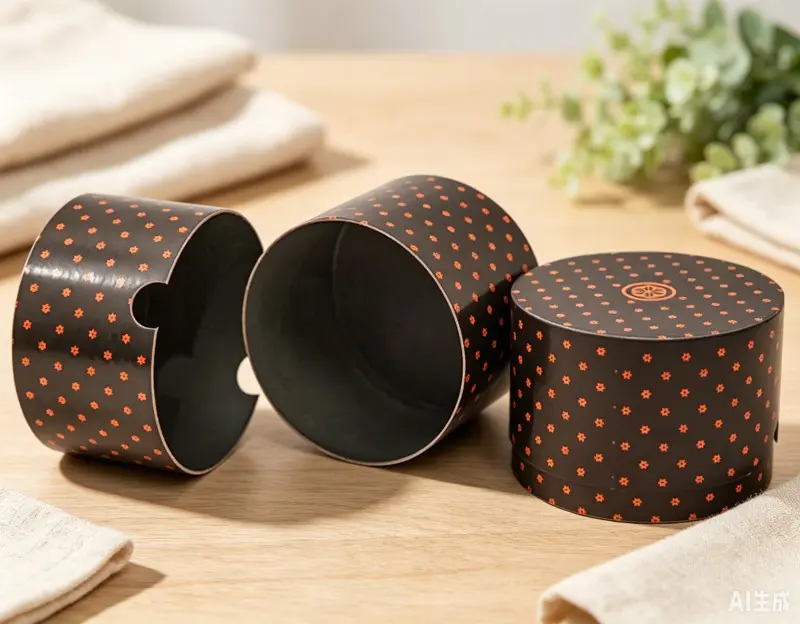
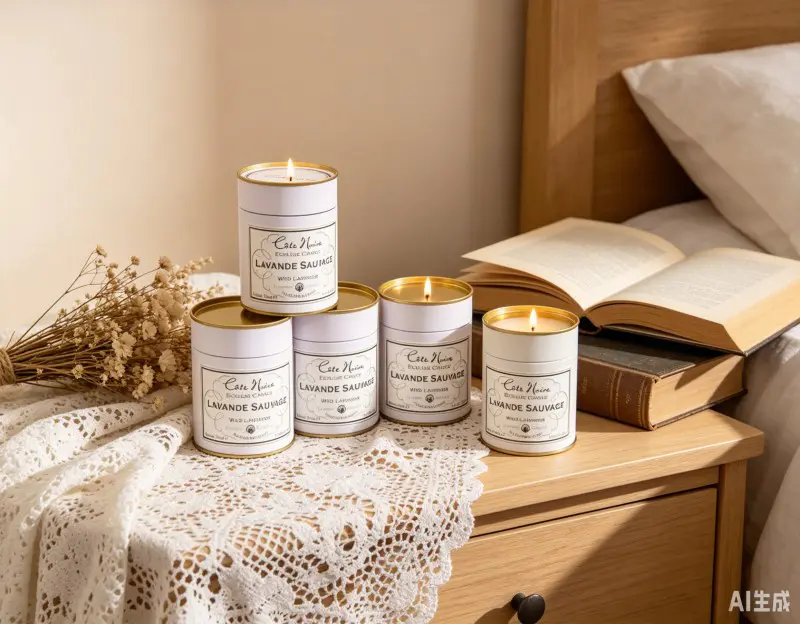

As one of the top China cardboard tube packaging manufacturers and paper tube packaging suppliers, we devote all of our efforts to research and launch more high quality packaging products to global market.
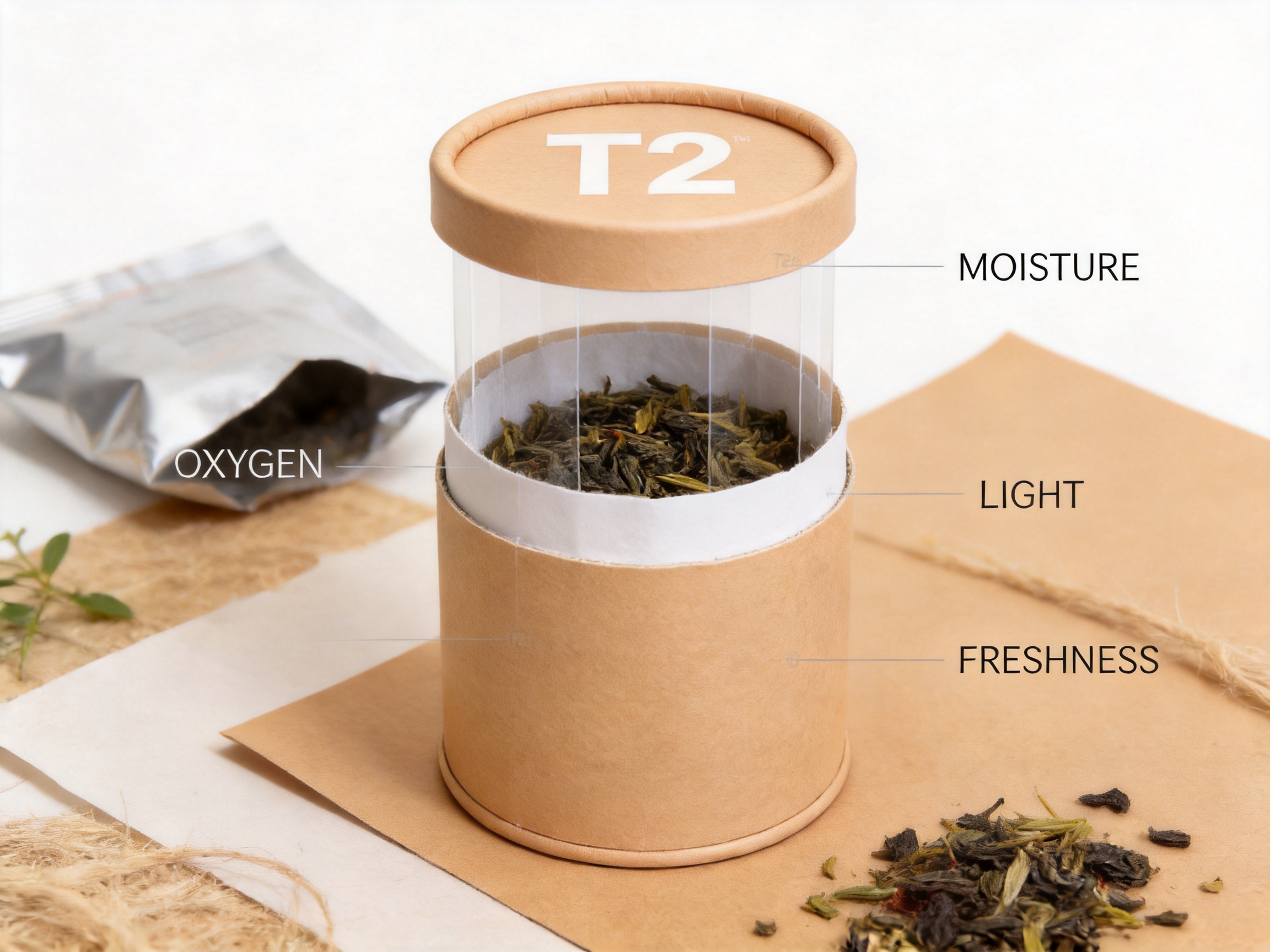
Loose-leaf tea is valued for its aroma, flavor, appearance, and origin. However, even the finest tea can lose its quality when it is exposed to oxygen, moisture, light, odors, or rough handling. Packaging therefore plays an essential role in protecting the product from the moment it leaves the processing facility until it reaches the consumer’s cup. A well-designed container must preserve freshness while also communicating quality, supporting efficient distribution, and meeting the growing demand for environmentally responsible packaging.
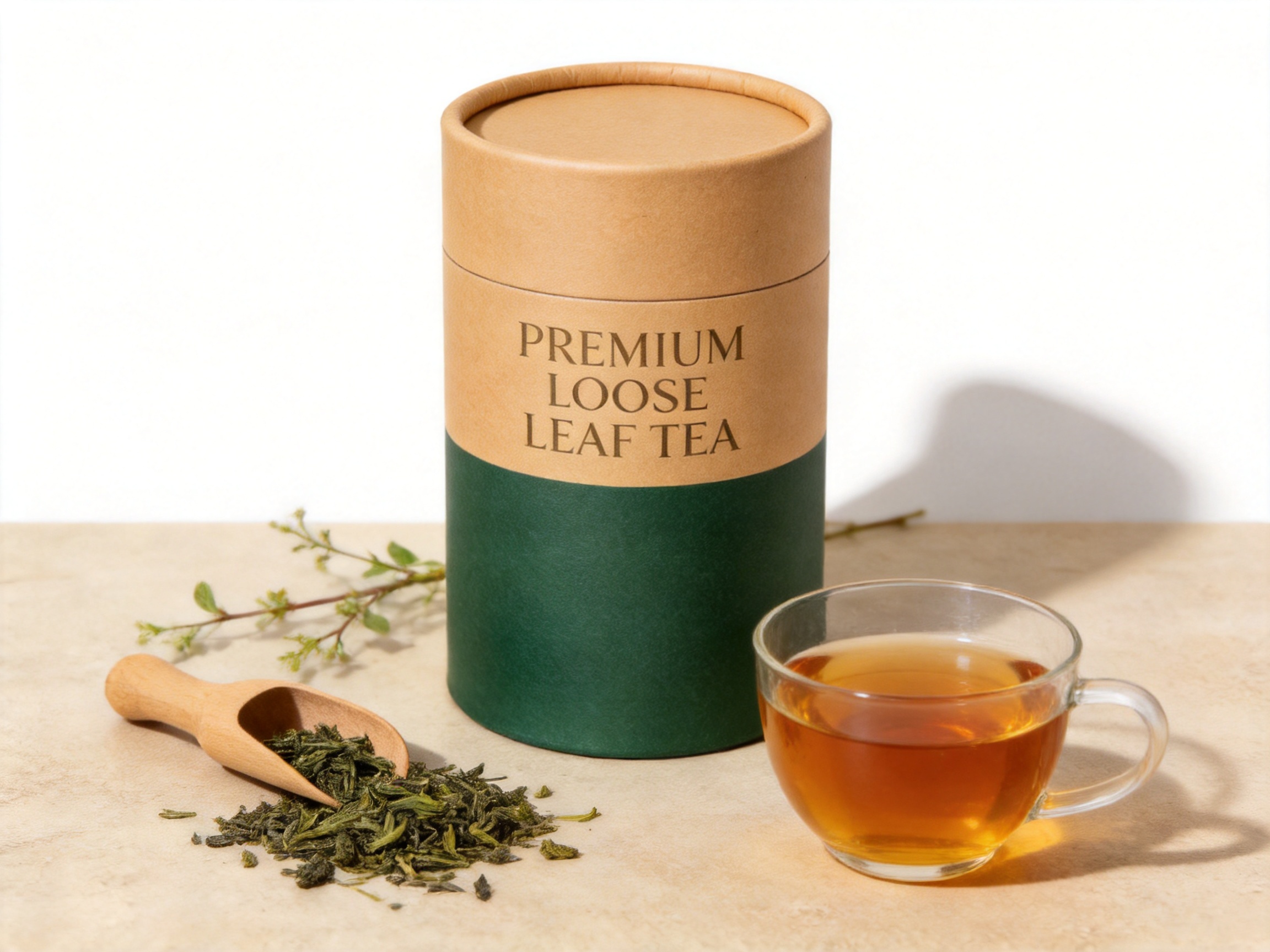
The Premium Tea Packaging Paper Tube with Lid is designed specifically for loose tea and related dry products. Manufactured from paper-based materials, this cylindrical container combines a practical structure with a premium appearance. Its approximate internal dimensions of 92.5–95 millimeters in diameter and 125 millimeters in height provide a useful format for tea leaves, tea blends, herbal infusions, and other products that benefit from a rigid and attractive package.
Unlike ordinary folding cartons or thin flexible pouches, a paper tube gives the product a strong three-dimensional presence. Its rounded body is easy to hold, convenient to display, and suitable for high-quality printed graphics. With a fitted lid, the package can help reduce exposure to the surrounding environment and provide a more refined opening and closing experience. For tea brands seeking a balance between sustainability, protection, customization, and shelf appeal, this format offers a versatile packaging platform.
Qunle Packaging has more than 20 years of experience in the composite can and paper can industry. Its capabilities include packaging for food, daily chemical products, fast-moving consumer goods, and other applications. The company’s experience in paper-based containers, its food-packaging qualifications, its patented technologies, and its investment in high-speed European composite can production equipment support the development of reliable packaging for international customers.

Premium Tea Packaging Paper Tube with Lid
Content
- 1 Why Loose Tea Requires Specialized Packaging
- 2 Product Overview and Main Specifications
- 3 Structural Advantages of the Cylindrical Paper Tube
- 4 Paper-Based Construction and Sustainability Considerations
- 5 Printing and Customization Opportunities
- 6 Advantages Compared with Common Tea Packaging Alternatives
- 7 Manufacturing Experience and Technical Strength
- 8 Quality Control for Premium Tea Tubes
- 9 Barrier Protection and Airtight Packaging Considerations
- 10 Applications Beyond Traditional Loose Tea
- 11 Designing a Successful Tea Packaging Program
- 12 Why Manufacturer Experience Matters to International Buyers
- 13 Commercial Benefits for Tea Brands
- 14 Using the Tube to Communicate Brand Values
- 15 Recommended Development and Testing Process
- 16 Frequently Asked Questions
- 16.1 What product is this paper tube designed to package?
- 16.2 What is the listed size?
- 16.3 Does the package include a lid?
- 16.4 Can the tube carry a customer’s logo?
- 16.5 What printing method is identified?
- 16.6 Is the paper tube airtight?
- 16.7 Can loose tea be placed directly into the tube?
- 16.8 What are the main advantages over a conventional carton?
- 16.9 Can the tube be used for other products?
- 16.10 What manufacturing experience does the supplier have?
- 16.11 Is the product suitable for sustainability-focused brands?
- 16.12 How should buyers begin a customized order?
- 17 Conclusion
- 18 References
- 19 Product: Premium Tea Packaging Paper Tube with Lid
Why Loose Tea Requires Specialized Packaging
Tea is a sensitive dry product. Although it contains little water compared with fresh food, its quality can still change quickly when storage conditions are not controlled. Aroma compounds may evaporate or react with oxygen. Leaves may absorb humidity and become soft. Strong external odors can affect the tea’s natural fragrance. Light may contribute to the deterioration of color and flavor, particularly when the package is stored for long periods or displayed in brightly lit environments.
Loose tea also has a distinctive physical structure. Whole leaves, rolled leaves, broken leaves, flower pieces, fruit fragments, and herbal ingredients occupy space differently from tea dust or standard tea bags. A package must therefore provide enough internal volume without allowing excessive movement that could crush the contents. It must also offer a clean opening so that the consumer can remove the desired quantity without damaging the remaining product.
The Premium Tea Packaging Paper Tube with Lid is developed around these requirements. The rigid cylindrical body creates a stable enclosure for loose tea and provides more structural support than many thin flexible packages. The lid helps close the container after use, while the paper construction creates a natural foundation for printed branding and product information.
For specialty tea, packaging is also part of the buying experience. Consumers often associate the appearance, weight, and opening process of the container with the quality of the tea inside. A sturdy tube can make a basic retail package feel more considered and giftable. This is particularly useful for premium green tea, black tea, oolong tea, white tea, herbal blends, seasonal tea collections, and limited-edition products.
Product Overview and Main Specifications
The product is a premium paper tube designed for loose-tea packaging. Its standard information identifies it as a cylindrical paper container made from paper-based materials, with customer customization available for size, printing, and logo application. The approximate size is listed as ID 92.5–95 by 125 millimeters, providing a broad and practical format for a range of tea products.
| Specification | Product Information | Packaging Benefit |
|---|---|---|
| Product type | Premium tea packaging paper tube with lid | Combines a rigid body with a convenient closure |
| Primary application | Packaging for loose tea | Suitable for whole-leaf tea, blends, and herbal infusions |
| Shape | Cylinder | Easy to hold, stack, label, and display |
| Approximate size | Internal diameter 92.5–95 mm; height 125 mm | Provides useful volume for retail tea formats |
| Material | Paper-based construction | Supports a renewable-material packaging strategy |
| Printing | CMYK printing | Allows colorful graphics, product information, and brand design |
| Logo | Customer’s logo | Supports private-label and customized programs |
| Order approach | Custom orders accepted | Enables adaptation to product and market requirements |
| Feature | Bio-degradable and eco-friendly positioning | Helps brands respond to sustainability expectations |
Actual performance depends on the selected construction, closure design, internal liner or barrier configuration, storage conditions, and filling method. For products that require extended shelf life or a particularly high moisture and oxygen barrier, buyers should confirm the complete packaging specification during development. The paper tube can serve as an outer container, while a suitable inner bag, liner, seal, or membrane may be selected according to the tea formulation and distribution environment.
Structural Advantages of the Cylindrical Paper Tube
Rigid Protection for Loose Leaves
A major advantage of a paper tube is its rigidity. Flexible bags can be efficient and lightweight, but they may be vulnerable to puncture, compression, or deformation during transportation. A rigid tube gives the package a more stable shape and helps protect the contents from common handling pressures. This is especially useful for large whole leaves, twisted oolong, flower teas, and blends containing delicate visible ingredients.
The cylindrical wall distributes external pressure around the body rather than concentrating it at a single flat panel. As a result, the container can maintain its form during storage, shipping, and retail display. The rounded structure also reduces the sharp corners associated with rectangular cartons, creating a smoother appearance and a comfortable grip.
Practical Lid Design
The lid provides an important part of the user experience. It allows the consumer to open the package, access the tea, and close the container after each use. A properly fitted lid can help reduce the entry of dust and outside contaminants, while also supporting a neat and premium presentation. It can make the package feel more substantial than a simple tear-open pouch.
For repeat-use products, closure performance is critical. During product development, buyers can assess lid fit, opening force, friction, dimensional stability, and compatibility with any inner liner. The final combination should be selected to support the intended number of openings and closings throughout the product’s use period.
Efficient Shelf Presentation
The vertical cylinder makes efficient use of retail height and can create a strong visual block on a shelf. A full-wrap printed design can present information around the entire package, allowing consumers to view the product from different directions. The top and side surfaces can be coordinated to create a unified identity for a tea collection.
The format is also suitable for gift sets and seasonal displays. Several tubes can be arranged in a tray, carton, or presentation box. Their consistent shape helps retailers create orderly displays, while different colors or graphics can distinguish product varieties without changing the core package structure.
Paper-Based Construction and Sustainability Considerations
Packaging sustainability is increasingly important to tea brands, retailers, and consumers. Paper is widely recognized as a renewable material when it comes from responsibly managed sources and is produced through appropriate supply chains. A paper tube can reduce reliance on a package format that is dominated by plastic, while providing the rigidity and visual quality required for premium products.
The paper-based construction also offers strong opportunities for material communication. Brands can emphasize natural textures, kraft-style graphics, minimal ink coverage, botanical illustrations, or clean contemporary designs. These visual choices can reinforce messages associated with organic ingredients, traditional tea culture, wellness, and responsible consumption.
However, responsible packaging decisions require more than simply selecting paper. The complete structure should be evaluated, including adhesives, coatings, printing inks, liners, lids, labels, and any barrier layers. The recyclability or biodegradability of the finished container depends on the material combination and the collection infrastructure available in the target market. Buyers should request relevant technical information and verify local disposal requirements before making environmental claims.
The product is described as biodegradable and eco-friendly, reflecting its paper-based design and suitability for sustainability-oriented packaging programs. For accurate communication, the final claim should match the exact material structure and applicable regulations. This approach allows brands to promote environmental benefits without making statements that are broader than the verified specification.
Compared with conventional rigid plastic containers, a paper tube can offer a more natural tactile impression and a different end-of-life profile. Compared with heavily laminated cartons, it may provide greater structural strength and a more premium format. Compared with single-use flexible pouches, it can create a reusable or resealable outer container that consumers may keep for storage or secondary use.
Printing and Customization Opportunities
Customization is one of the most important benefits of this tea packaging format. The product supports CMYK printing and the application of a customer’s logo, allowing tea companies, importers, roasters, wellness brands, hotels, restaurants, and gift suppliers to create packaging that is specific to their market position.
A tea tube can carry the product name, tea type, origin, tasting notes, brewing instructions, net weight, ingredients, preparation guidance, storage information, barcode, batch information, and legally required statements. The cylindrical surface provides a continuous design area that can be divided into front, side, and back information zones.
CMYK printing supports photographic images, botanical artwork, gradients, illustrations, and detailed brand patterns. A premium tea may use restrained colors and fine line work, while a fruit or herbal blend may use vivid imagery. A classic black tea can adopt deep tones and heritage typography, whereas a wellness blend may use light colors and botanical motifs.
Because the package is customized, the design should be prepared with the cylindrical form in mind. Text that crosses a seam or curved area should be checked for readability. Important information should not be positioned too close to the lid or bottom edge. Designers should also account for the viewing angle, since consumers may see only part of the wrap when the tube is placed on a shelf.
For product families, the same tube dimensions can support a coordinated series. The structural consistency helps control purchasing and filling processes, while graphic variations identify different flavors, origins, or grades. This can simplify brand management and make a product range appear more professional.
Advantages Compared with Common Tea Packaging Alternatives
Compared with Folding Cartons
Folding cartons are lightweight and efficient, but they can lose their shape when exposed to pressure or humidity. A carton may also require an inner pouch to provide adequate protection for loose tea. The paper tube offers a thicker and more rigid body, which can improve handling and visual impact. It also provides a distinctive cylindrical shape that differentiates the product from standard rectangular tea boxes.
A carton can remain advantageous when flat shipping, low material use, and highly efficient palletization are the top priorities. The paper tube is particularly valuable when the brand wants a premium presentation, a stronger container, or a more memorable opening experience.
Compared with Flexible Pouches
Flexible pouches often provide excellent barrier performance and low transportation weight. Nevertheless, they may be less resistant to crushing and may have a less substantial appearance. A paper tube can function as a durable outer package and may be easier to display upright. Its resealable lid can also provide a familiar storage experience for consumers.
For sensitive teas, a barrier pouch or liner can be combined with the tube when necessary. This creates a balance between product protection and premium external presentation. The most suitable structure depends on the tea’s moisture sensitivity, expected shelf life, filling method, and distribution conditions.
Compared with Metal Tins
Metal tins are durable and often associated with premium tea, but they may be heavier and more energy-intensive to produce than paper-based alternatives. Their surfaces can also dent, and their appearance may not suit every sustainability strategy. A paper tube offers a warmer tactile quality and a broad printable surface, while still creating a strong retail presence.
Metal may remain preferable for products requiring a specific barrier or long-term reuse. The paper tube competes effectively where design flexibility, lighter handling, renewable-material positioning, and a distinctive natural appearance are important purchasing factors.
Compared with Plastic Jars
Plastic jars can provide strength and moisture resistance, but some consumers associate them with a less sustainable package format. A paper tube can reduce the visual dependence on plastic and help a brand present a more environmentally conscious identity. It also offers better print integration than many preformed plastic containers, where labels may cover only part of the surface.
In competitive packaging selection, the best solution is not determined by one material characteristic alone. Protection, sustainability, cost, filling efficiency, transport, consumer convenience, and regulatory requirements must all be considered. The paper tube is strong because it addresses several of these factors simultaneously.
Manufacturing Experience and Technical Strength
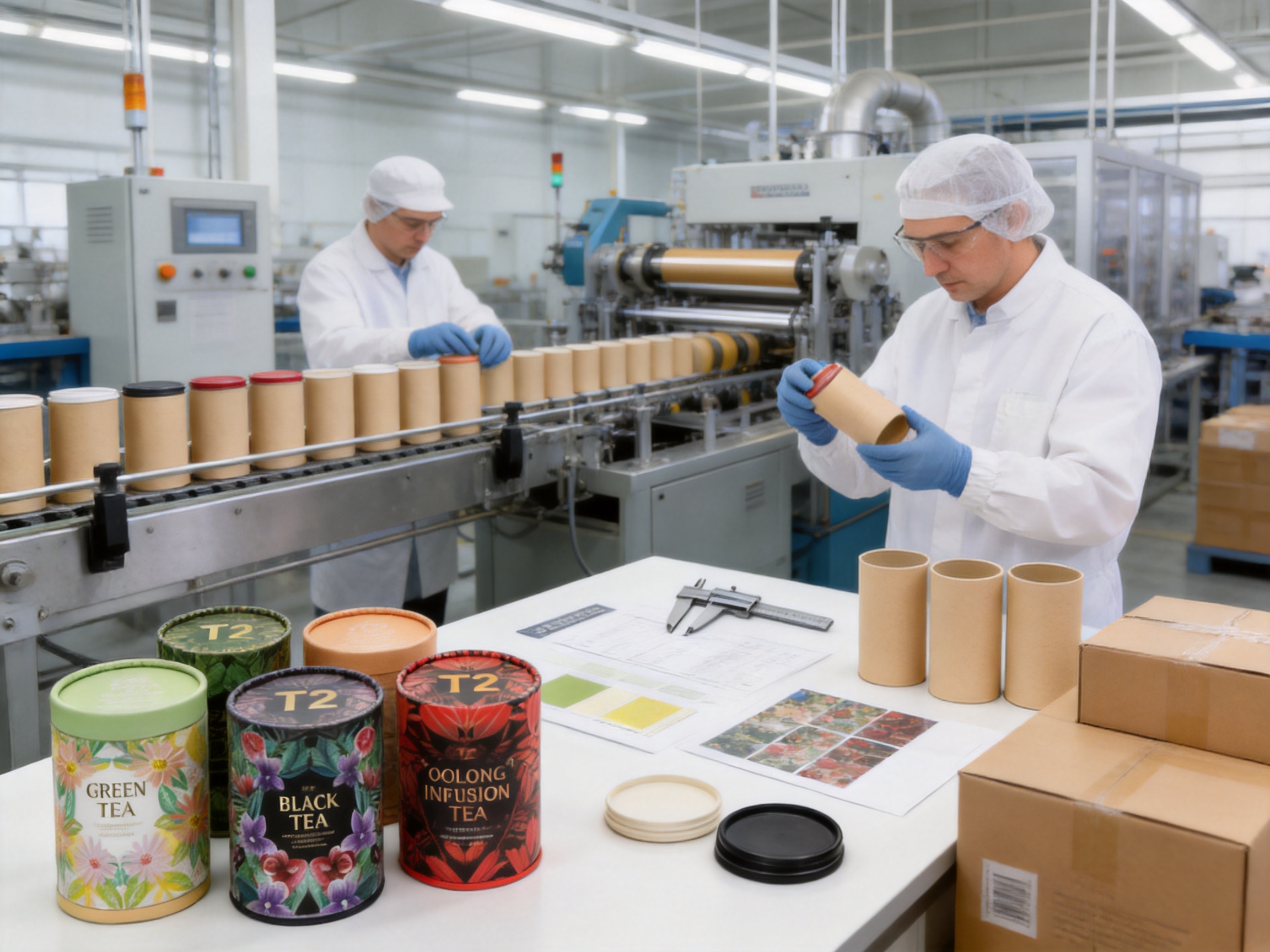
The performance of a paper tube depends on controlled material selection, accurate forming, consistent bonding, reliable finishing, and careful inspection. Manufacturing experience is therefore essential. Qunle Packaging has been engaged in the composite can and paper can industry for more than two decades, giving it a long operating history in paper-based packaging containers.
The company’s business covers food packaging, daily chemical products, fast-moving consumer goods, and other consumer applications. This breadth is valuable because it exposes the manufacturer to different requirements for appearance, strength, cleanliness, filling, labeling, transportation, and retail presentation. Experience across multiple sectors can support practical problem-solving when a tea customer requires a customized package.
Qunle Packaging is identified as the only member of the international Composite Can and Tube Institute in China’s packaging container industry. Membership in an international industry organization reflects participation in a specialized professional field and provides a connection with broader technical developments in composite can and tube packaging.
The company was also the first enterprise in China to pass the QS certificate for producing food packaging containers, according to the supplied company information. Food packaging qualification is particularly relevant for tea because the container comes into contact with, or is used in connection with, a product intended for consumption. Buyers should still confirm current certificates, scope, and applicable market approvals for each order.
High-Speed European Production Equipment
In 2015, Qunle Packaging introduced a high-speed composite can production line from Europe. Investment in specialized high-speed equipment can support improved production consistency, repeatability, and output capacity. It also demonstrates a commitment to modernizing the manufacturing process rather than relying exclusively on slow or highly manual production methods.
High-speed equipment is useful when a customer requires stable dimensions across a large production run. Consistent tube diameter and height help the lid fit properly and improve compatibility with filling, labeling, packing, and display operations. Controlled production can also reduce variation in the surface finish and printed appearance.
Equipment alone does not guarantee quality. It must be supported by suitable process settings, trained operators, preventive maintenance, inspection procedures, and a disciplined quality system. The value of the production line is realized when the manufacturer combines machinery with technical knowledge and effective production control.
Research and Patented Technologies
Qunle Packaging has obtained more than 10 patented technologies and continues to research and launch paper-based packaging products for global markets. Patented technologies may relate to structure, forming, closure, materials, manufacturing methods, or functional improvements. The exact application varies by product, so customers should request details relevant to the tea tube specification.
Research capability is important for customized packaging. A standard container may not fully satisfy every customer’s requirements. Some brands need a specific diameter, a special lid, a stronger wall, a different surface finish, improved stacking, or compatibility with an inner barrier. A manufacturer with product development experience can help translate those needs into a practical package design.
Quality Control for Premium Tea Tubes
Quality control should begin before production. Paperboard, adhesives, printing materials, lids, and liners should be checked against approved specifications. Material consistency matters because differences in thickness, moisture, stiffness, or surface quality can influence forming and final appearance.
During tube production, key controls may include body diameter, height, roundness, wall integrity, bonding quality, seam appearance, lid fit, surface smoothness, and print registration. These checks help ensure that the package functions correctly and looks consistent across a batch.
For food-related packaging, cleanliness and material suitability are especially important. The manufacturing environment, handling procedures, storage conditions, and packaging process should be managed to reduce contamination risks. Customers should discuss whether the product will hold tea directly or serve as an outer package around an inner food-contact bag.
Finished-goods inspection can include visual checks, dimensional measurements, closure tests, compression or stacking assessments, and packaging-line trials. Where a customer has an automated filling or labeling system, sample tubes should be tested on the intended equipment whenever possible. This can identify issues before mass production.
Print quality also deserves attention. Colors should be compared with approved proofs or standards. Fine text must remain legible, images should be correctly aligned, and the printed surface should resist ordinary handling. For a premium product, small inconsistencies can affect the perceived value of the entire tea range.
Barrier Protection and Airtight Packaging Considerations
The product category includes airtight paper canister applications, and the tea tube can be developed as part of a protective packaging system. However, “airtight” performance depends on the complete structure, not only the paper body. The lid, seams, liner, membrane, adhesive, and any inner pouch all contribute to the final barrier.
Tea brands should identify the main risks for their product. A fragrant loose-leaf tea may require strong odor retention. A hygroscopic herbal blend may require enhanced moisture protection. A premium green tea may benefit from reduced oxygen and light exposure. A tea with delicate visual ingredients may need additional protection against crushing.
Potential solutions include an inner bag, heat-sealed liner, foil-based barrier layer, coated paper, membrane seal, or specially designed lid assembly. The appropriate option depends on the required shelf life and the intended sustainability profile. A higher barrier may provide better protection but can also affect recyclability or material separation.
Packaging trials should be conducted under realistic storage conditions. Temperature, humidity, transportation vibration, warehouse duration, retail lighting, and repeated opening should be considered. Sensory evaluation can compare aroma, flavor, leaf condition, and appearance over time. These tests help determine whether the selected tube structure is appropriate for the specific tea product.
Applications Beyond Traditional Loose Tea
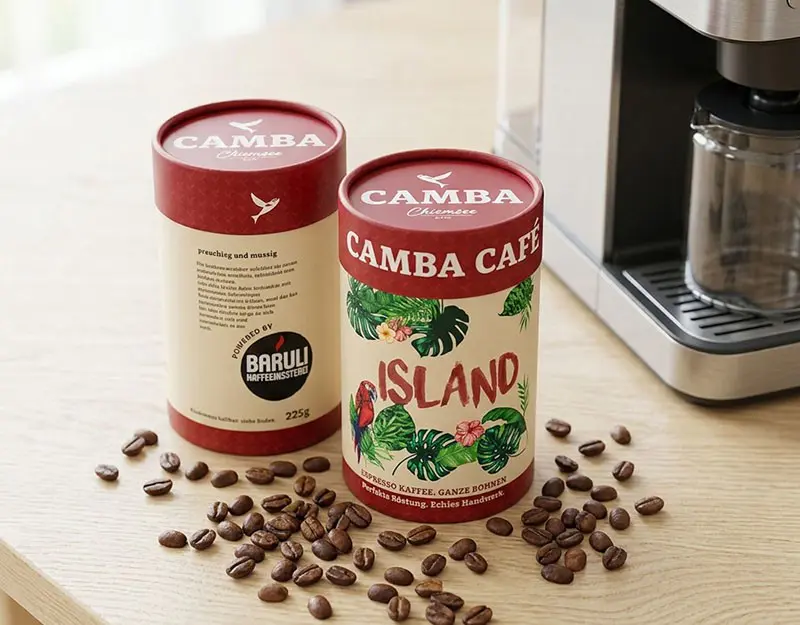
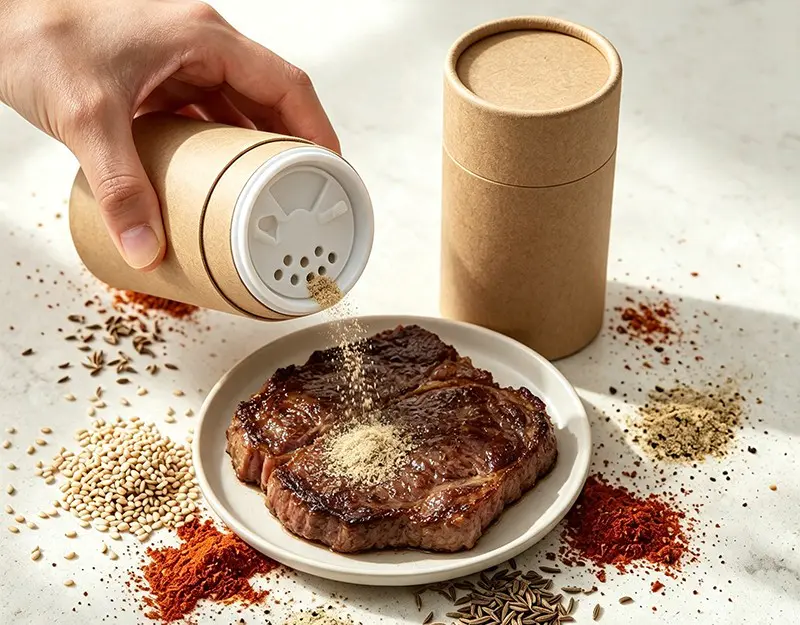
Although the primary application is loose tea, the same paper tube format can support many dry and premium products. It may be used for tea blends, herbal infusions, dried flowers, specialty botanicals, powdered drink mixes, coffee products, snacks, nuts, seasonings, spices, nutrition products, and gift assortments, provided that the material and barrier structure meet the requirements of the contents.
The format is especially suitable for products that benefit from a vertical retail package and a strong visual identity. A tea company can use it for individual products, while a gift company can fill several tubes with different varieties. Hotels and restaurants may use customized tubes for welcome gifts, afternoon tea programs, or branded retail merchandise.
Other applications should be evaluated separately because each product has different requirements. Spices may release strong aromas, snacks may require grease resistance, powders may need dust control, and nutrition products may have specific regulatory and moisture-barrier demands. The tube’s basic structure is flexible, but the complete specification should be matched to the product.
Designing a Successful Tea Packaging Program
Define the Product First
Before selecting the tube, the buyer should provide information about the tea type, fill weight, leaf size, bulk density, moisture sensitivity, aroma strength, intended shelf life, and expected storage conditions. A 100-gram rolled oolong may require a different internal volume and protection strategy from a lightweight herbal blend.
The desired consumer experience should also be defined. Some brands want a tube that can be opened and closed repeatedly. Others may prefer a tamper-evident seal for retail security. Some want a simple paper appearance, while others require a high-end finish with special effects or additional labels.
Confirm Dimensions and Filling Compatibility
The listed internal diameter of approximately 92.5–95 millimeters and height of 125 millimeters provides a useful reference, but the final internal volume should be confirmed against the actual tea. Buyers should account for headspace, internal liners, filling tolerance, and the need to avoid excessive compression.
Filling trials can verify whether the tube works with manual, semi-automatic, or automatic filling methods. The opening diameter should allow efficient filling while limiting spills. The lid should be easy for line operators to apply and secure without damaging the tube.
Develop Artwork Carefully
Artwork should include a complete dieline or wrap template supplied by the manufacturer. Designers should check bleed, safe areas, seam position, lid overlap, barcode readability, and color expectations. It is advisable to approve a physical sample before mass production because curved surfaces can appear different from flat digital artwork.
The package should communicate the tea’s identity quickly. A clear product name, recognizable flavor or origin, and attractive visual hierarchy can help consumers make a decision at the shelf. Information should be organized so that essential details remain readable without making the package appear crowded.
Plan Logistics and Secondary Packaging
The buyer should consider how tubes will be packed for export. Protective cartons, dividers, trays, or shrink wrapping may be needed to prevent surface damage and lid separation. The cylindrical format can be efficiently arranged in shipping cartons, but the exact packing pattern should be tested to reduce unused space and limit movement.
Storage conditions should also be discussed. Paper-based packaging can be affected by high humidity, so finished tubes should be stored in a dry, clean environment. During international transportation, moisture exposure and temperature changes may affect both the paper body and printed surface. Appropriate secondary packaging can help protect the product until it reaches the filling site or distribution center.
Why Manufacturer Experience Matters to International Buyers
International packaging procurement involves more than ordering a container. Buyers must coordinate specifications, artwork, samples, production schedules, documentation, shipping cartons, quality expectations, and communication across different time zones. A manufacturer with long-term industry experience can help reduce misunderstandings during this process.
Qunle Packaging has built long-term partnerships with well-known companies and brands, including COFCO, STANDERS, DAVIDsTEA, Avalanche Coffee, Whittaker’s, McSteven’s, Nongfu Spring, and Beingmate, according to the supplied company information. Such relationships indicate experience serving established businesses with demanding quality and delivery expectations. Each customer’s requirements are different, but a history of cooperation with recognized companies can provide confidence in the manufacturer’s commercial capability.
The company’s specialization in composite cans and paper cans also distinguishes it from general packaging suppliers that may treat paper tubes as a secondary product. Specialized experience can improve understanding of cylindrical forming, composite structures, lid matching, print application, and food-packaging requirements.
For a new project, buyers should still conduct their own qualification process. This may include reviewing samples, requesting current certifications, checking factory capabilities, confirming minimum order quantities, evaluating lead times, and discussing inspection procedures. A strong manufacturer should be able to provide clear answers and support a structured development process.
Commercial Benefits for Tea Brands
The paper tube can support premium positioning without requiring a complex external presentation box. Its shape, print area, and rigid construction make the product look substantial at the point of sale. This can be useful for brands that want to move beyond commodity tea packaging and build a stronger perceived value.
Customization also supports private-label business. Importers, specialty retailers, hospitality companies, and online tea sellers can use their own logos and graphics while relying on an experienced packaging manufacturer for production. This creates opportunities for smaller brands to develop distinctive packaging without investing in their own container-making equipment.
A common cylindrical format can be used across multiple products, which may simplify sourcing and brand management. Only the printed graphics, labels, or color system may change between varieties. Standardizing the structure can help reduce design time, simplify warehouse organization, and create a recognizable family appearance.
The package can also support promotional and seasonal programs. Limited-edition artwork, holiday designs, regional tea collections, corporate gifts, and co-branded products can all use the same basic tube platform. Once the structural requirements are confirmed, new artwork can be developed for individual campaigns.
Using the Tube to Communicate Brand Values
Tea consumers often look for more than flavor. They may care about origin, craftsmanship, wellness, sustainability, tradition, and transparency. Packaging provides a concise way to communicate these values. A paper tube naturally supports a story about material responsibility, while high-quality printing can present the history and character of the tea.
Visual design can connect the container to the product’s origin. Mountain illustrations may suggest highland cultivation. Botanical drawings may highlight ingredients. Traditional patterns may reflect cultural heritage. Modern typography and minimal graphics may appeal to consumers seeking a clean and contemporary wellness product.
The tactile experience is equally important. A well-formed tube with a clean surface and smoothly fitted lid can create a sense of quality before the package is opened. Consumers may keep the container for later storage, which extends the visibility of the brand beyond the initial purchase.
For sustainability communication, wording should remain specific and verifiable. A brand can explain that the container uses paper-based materials and is designed as an alternative to certain conventional formats. Any statement about recyclability, compostability, biodegradability, food contact, or percentage of recycled content should be supported by the actual construction and relevant local standards.
Recommended Development and Testing Process
A successful project normally begins with a technical discussion. The buyer shares the tea specification, target fill weight, preferred dimensions, expected annual volume, artwork requirements, market destination, and desired delivery schedule. The manufacturer can then recommend a suitable body, lid, liner, and printing approach.
The next step is sample development. Samples allow the customer to evaluate the physical size, appearance, opening experience, lid fit, internal capacity, and compatibility with the tea. If artwork is ready, a printed sample can be used to review color and layout. If not, a blank structural sample may be produced first.
Filling trials should follow structural approval. The tea should be filled into the tube using the intended process. The trial can reveal whether the opening is sufficiently wide, whether the tea settles properly, whether the lid closes smoothly, and whether the package can be packed into shipping cartons without difficulty.
Storage and transport testing are also useful. Samples may be exposed to controlled humidity, vibration, stacking pressure, and temperature variations. The package should be inspected afterward for deformation, lid loosening, print damage, seam failure, or moisture-related changes.
After testing, the customer and manufacturer can finalize the bill of materials, dimensions, tolerances, artwork, printing standard, packing method, inspection plan, and approval procedure. Clear documentation reduces the risk of variation between the approved sample and mass-produced goods.
Frequently Asked Questions
What product is this paper tube designed to package?
It is designed primarily for loose tea, including whole-leaf tea, blended tea, herbal infusions, and similar dry products. Other applications may be possible after confirming material compatibility, dimensions, filling method, and barrier requirements.
What is the listed size?
The supplied specification lists an internal diameter of approximately 92.5–95 millimeters and a height of 125 millimeters. The final usable capacity depends on wall thickness, internal components, headspace, and the bulk density of the tea.
Does the package include a lid?
Yes. The product is described as a paper tube with lid. The exact lid structure, fit, sealing method, and opening experience should be confirmed during sample development.
Can the tube carry a customer’s logo?
Yes. The specification supports the customer’s logo and customized orders. Buyers can discuss artwork format, printing coverage, colors, finishes, and any additional labels or marks with the manufacturer.
What printing method is identified?
CMYK printing is listed. This supports full-color graphics, product illustrations, photographs, decorative patterns, and detailed product information. A physical proof should be approved when exact color appearance is important.
Is the paper tube airtight?
The tube can be developed as part of an airtight or protective packaging system, but airtight performance depends on the entire package structure. The lid, seams, inner liner, membrane, adhesive, and barrier materials must be evaluated together. Customers should confirm the required shelf life and conduct appropriate testing.
Can loose tea be placed directly into the tube?
That depends on the specific inner construction and food-contact suitability. Some applications may use the tube as an outer package around a sealed inner bag or liner. The manufacturer and buyer should confirm the intended contact arrangement before production.
What are the main advantages over a conventional carton?
The paper tube provides a more rigid cylindrical body, stronger visual presence, a comfortable grip, and a resealable lid format. A folding carton may be more efficient for flat shipping, but the tube is often better suited to premium presentation and repeated use.
Can the tube be used for other products?
Potential applications include coffee, snacks, nuts, spices, nutrition products, gifts, and other dry goods. Each product requires a separate review of moisture, grease, aroma, oxygen, filling, and regulatory requirements.
What manufacturing experience does the supplier have?
Qunle Packaging has more than 20 years of experience in the composite can and paper can industry. The company has food-packaging experience, has introduced a high-speed European composite can production line, and reports more than 10 patented technologies.
Is the product suitable for sustainability-focused brands?
Its paper-based construction and biodegradable, eco-friendly positioning make it suitable for sustainability-oriented packaging programs. Nevertheless, the complete material structure and local disposal system should be reviewed before making specific environmental claims.
How should buyers begin a customized order?
Buyers should provide the tea type, fill weight, preferred dimensions, barrier needs, artwork, target market, estimated quantity, and delivery requirements. A sample and filling trial should be completed before mass production.
Conclusion
The Premium Tea Packaging Paper Tube with Lid offers a practical and attractive solution for loose-tea brands that want more than a basic container. Its cylindrical structure provides rigidity and shelf presence, while the lid supports convenient access and storage. Paper-based materials create a natural foundation for sustainability-focused design, and CMYK printing allows the package to carry a complete visual identity.
The product’s strongest competitive advantage is its balance of appearance, protection, customization, and manufacturing flexibility. It can occupy a position between lightweight flexible packaging and heavier rigid alternatives. With an appropriate inner liner or barrier system, it can also be adapted to the freshness requirements of different tea products.
Manufacturing expertise further strengthens the proposition. Qunle Packaging’s more than 20 years of industry experience, specialized focus on composite cans and paper cans, food-packaging background, high-speed European production line, international industry participation, established customer partnerships, and patented technologies provide a strong foundation for customized packaging projects.
For buyers, the best results will come from treating the tube as a complete packaging system rather than selecting a container by appearance alone. Product characteristics, closure performance, barrier needs, artwork, filling, logistics, and end-of-life considerations should all be confirmed during development. When these factors are aligned, the paper tube can help protect loose tea, elevate the consumer experience, and give a brand a distinctive presence in a competitive market.
References
1. Qunle Packaging product information for Premium Tea Packaging Paper Tube with Lid, including material, dimensions, printing, shape, and application details.
2. Qunle Packaging company information concerning composite can and paper can manufacturing experience, food-packaging qualifications, production equipment, patents, and customer partnerships.
3. General principles of dry-food packaging, including the influence of oxygen, moisture, light, aroma transfer, handling, and storage conditions on product quality.
4. General packaging-development practices covering prototype approval, filling trials, dimensional inspection, transport testing, artwork review, and quality control.
5. General sustainability considerations for paper-based packaging, including material composition, coatings, adhesives, recycling infrastructure, and the need for evidence-based environmental claims.
