 English
 Español


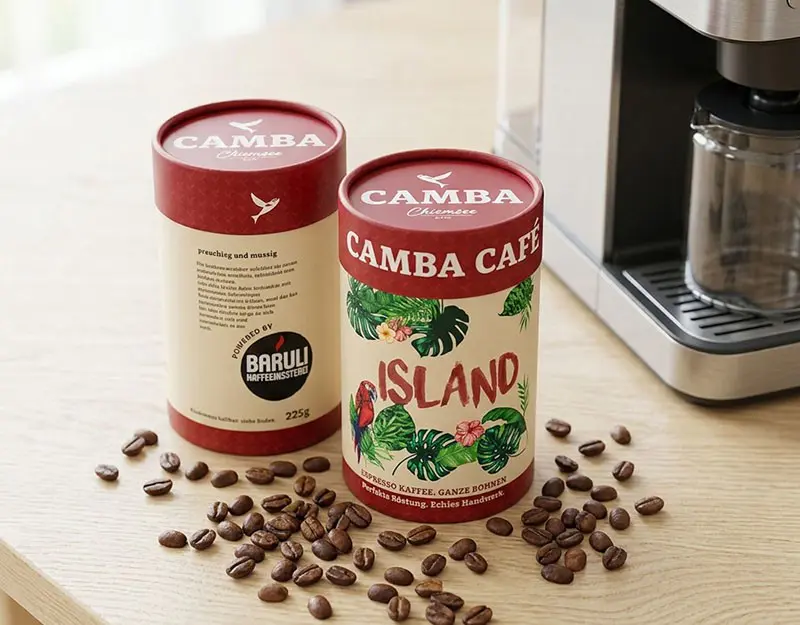
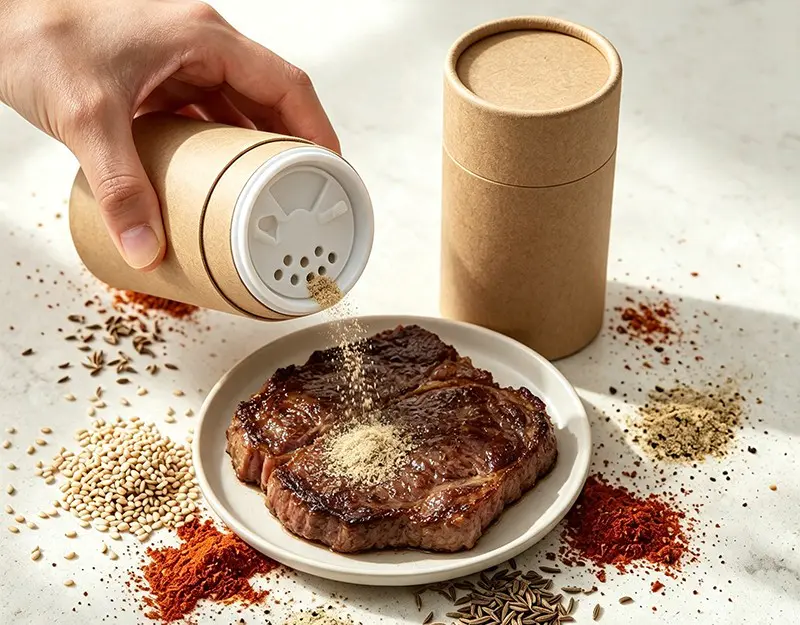
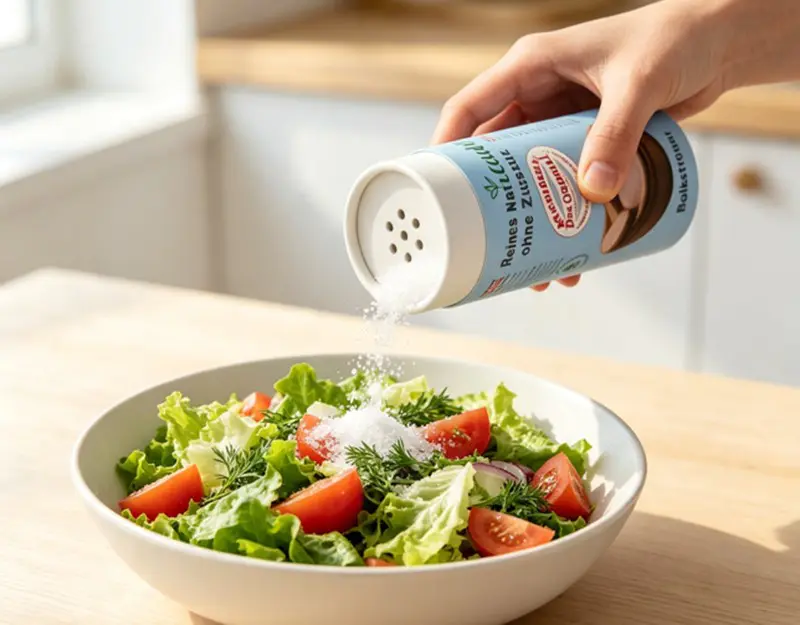
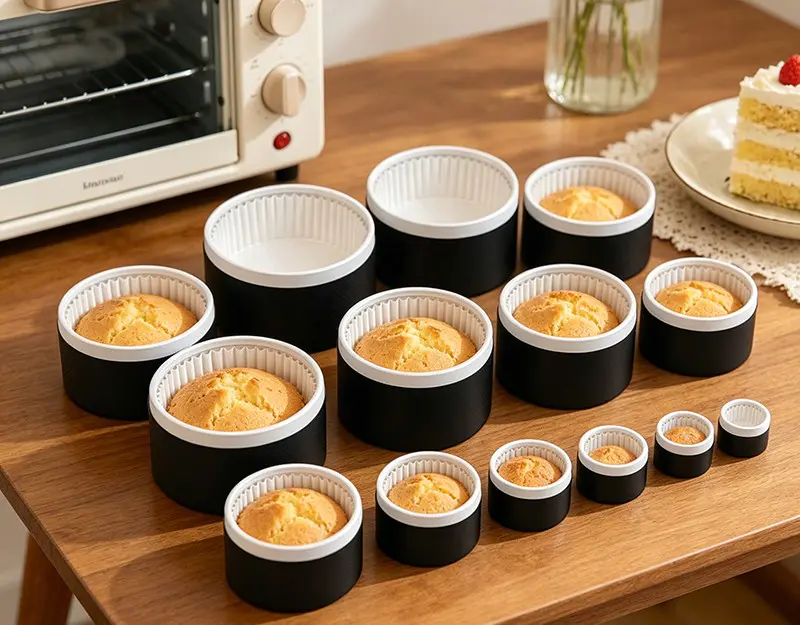
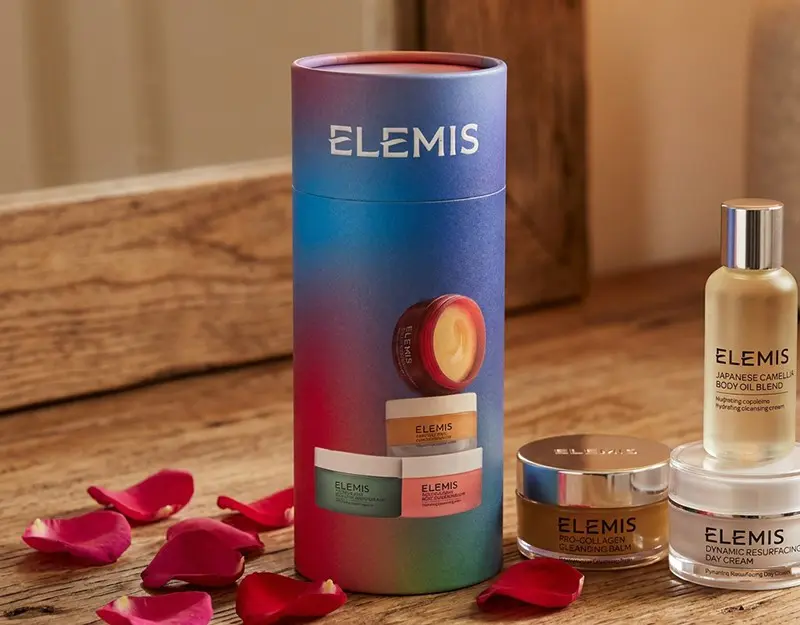
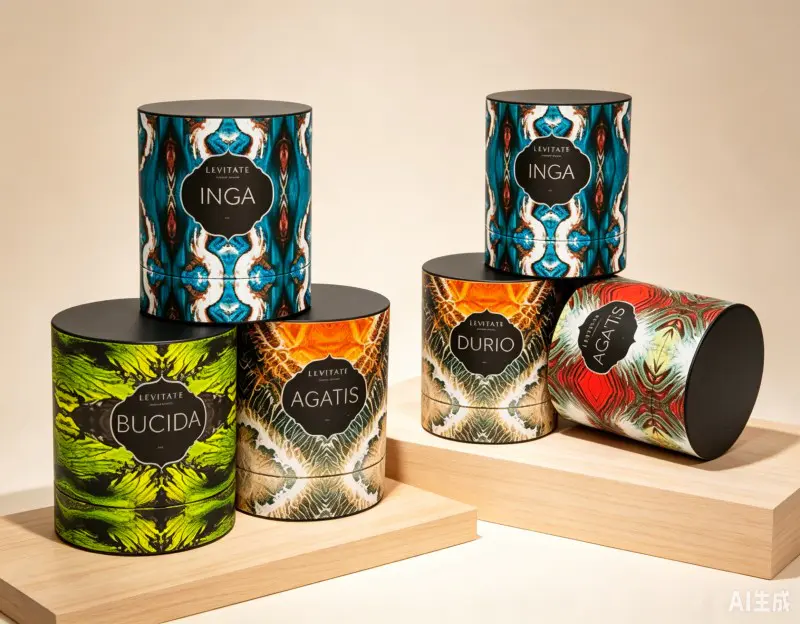
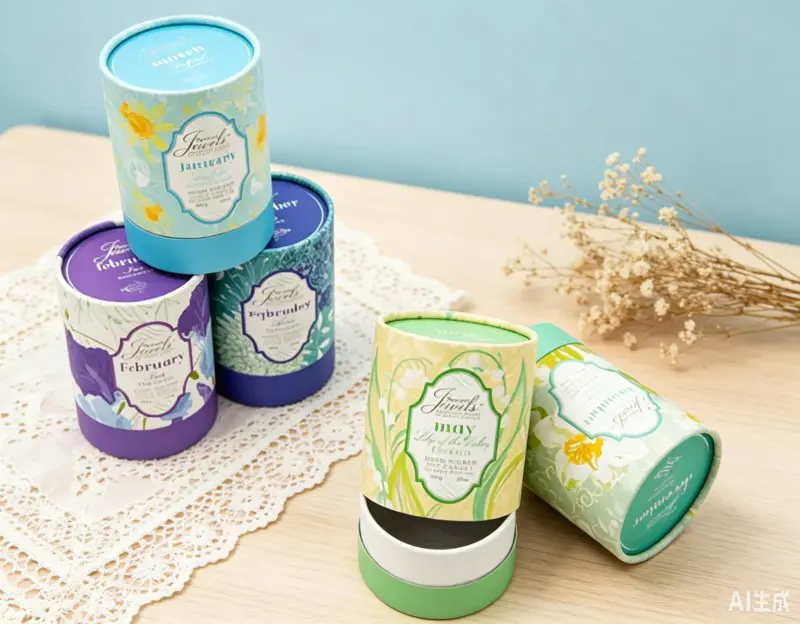
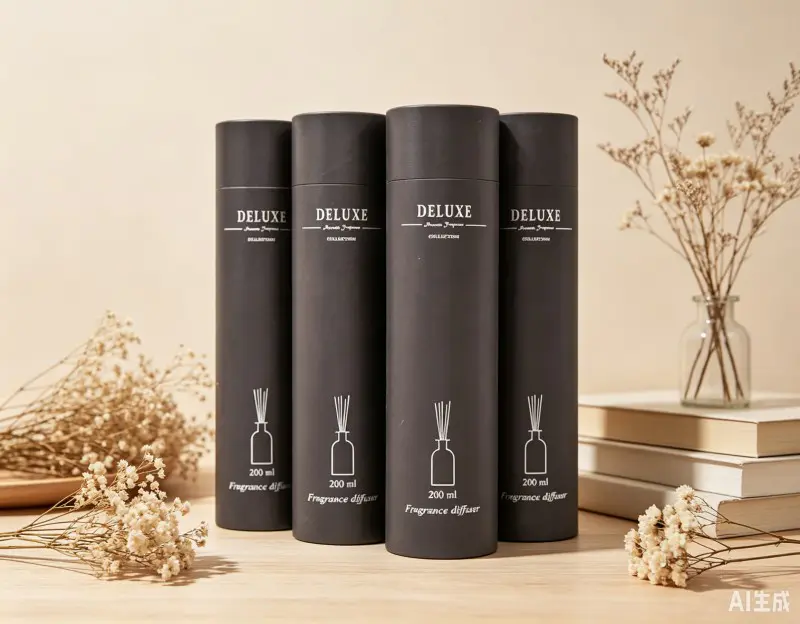
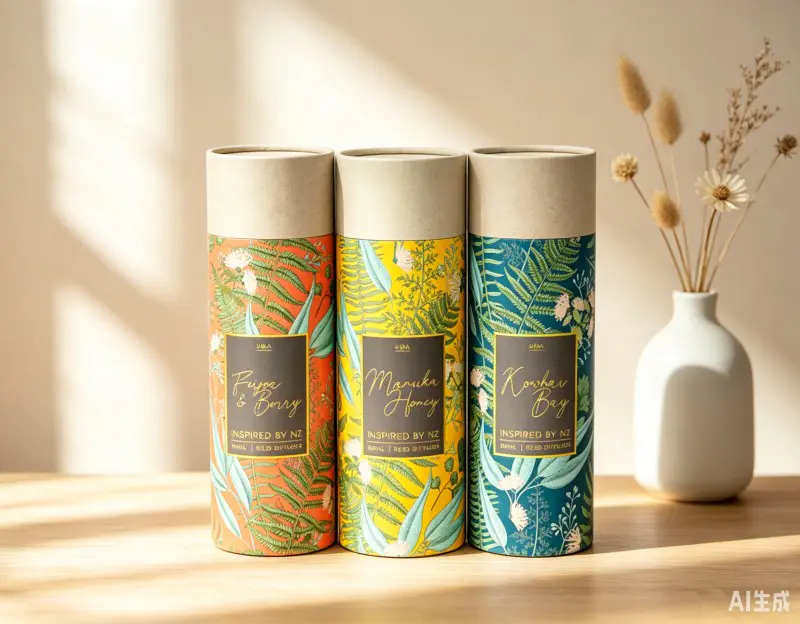
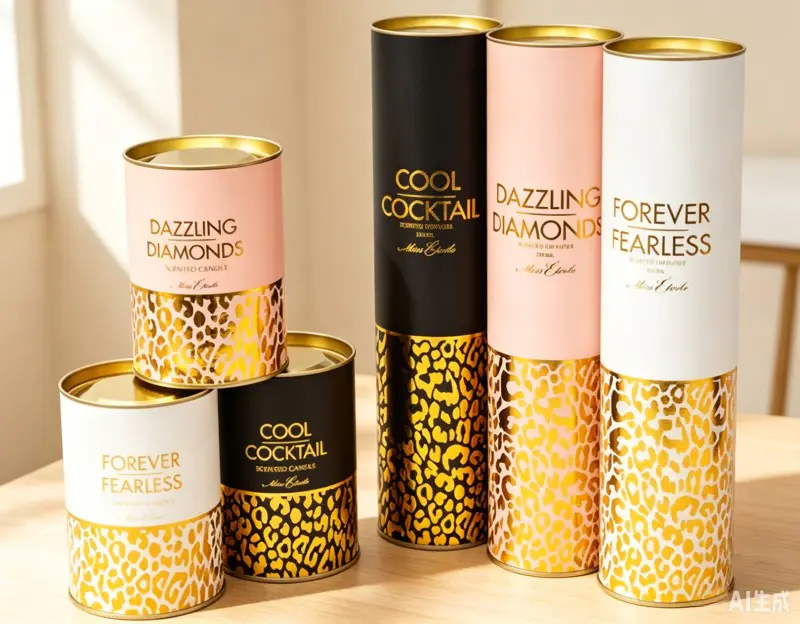
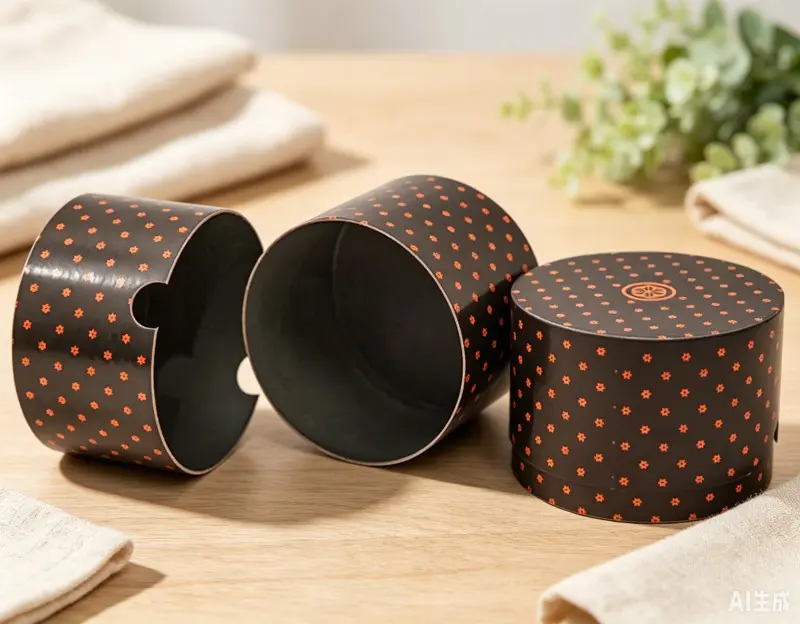
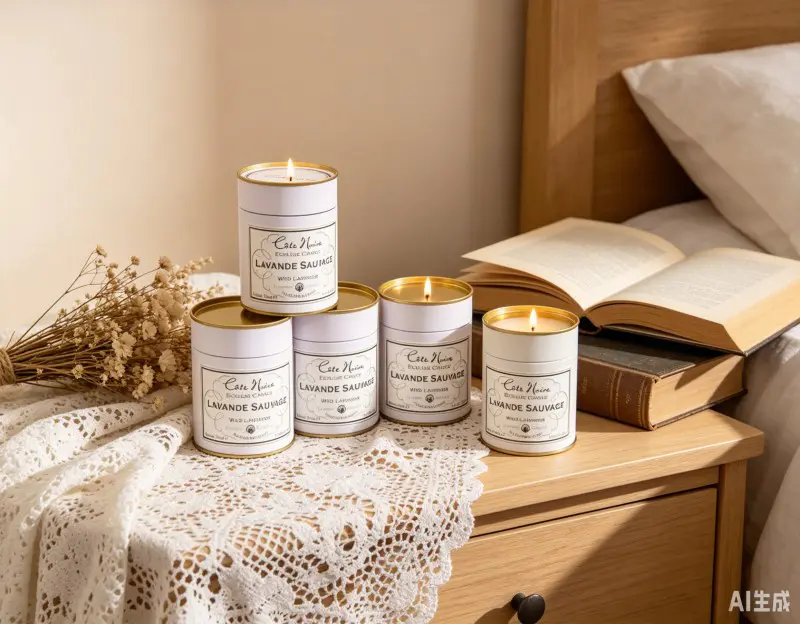

As one of the top China cardboard tube packaging manufacturers and paper tube packaging suppliers, we devote all of our efforts to research and launch more high quality packaging products to global market.
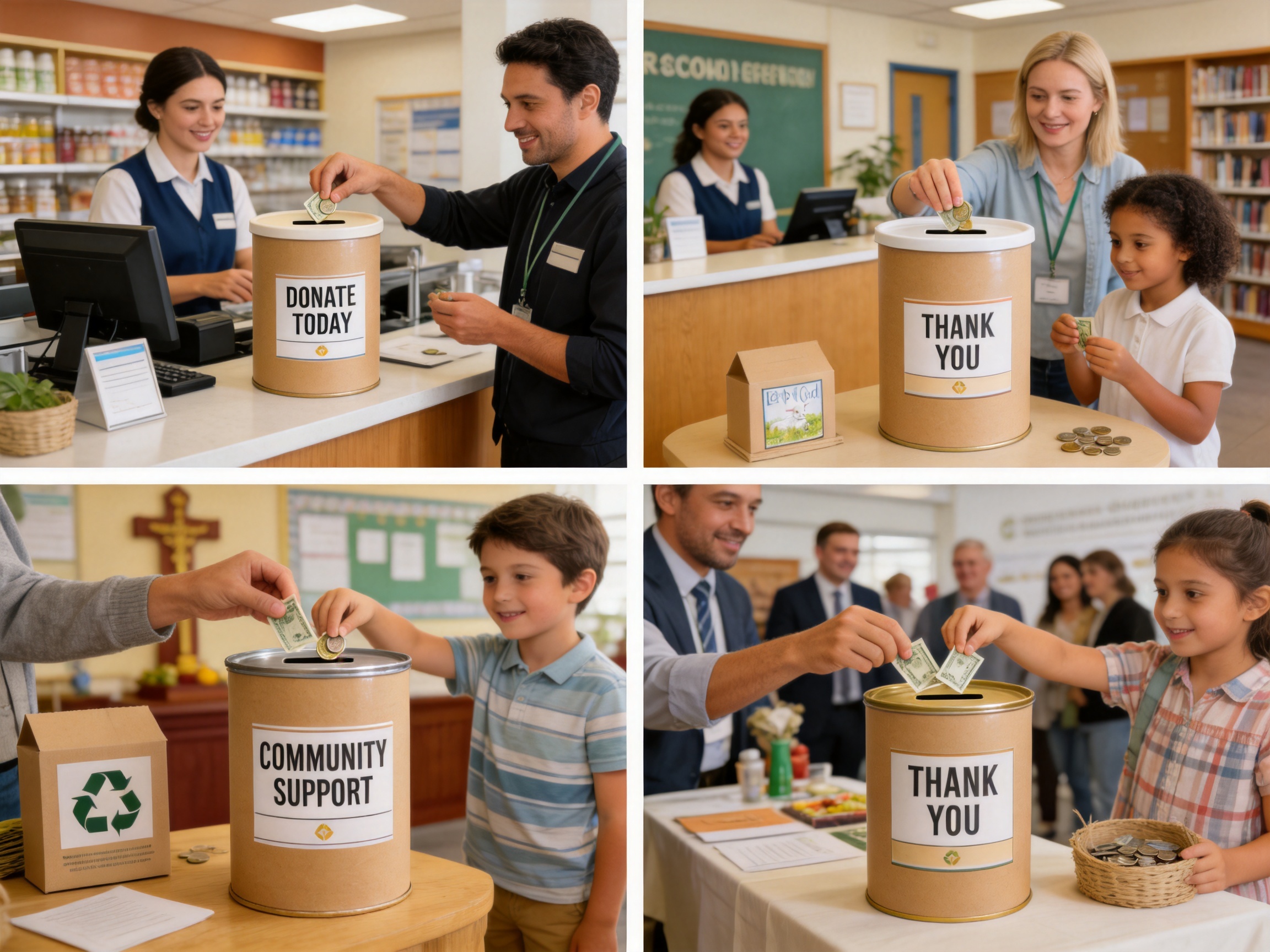
Charity collection boxes are more than simple containers for coins. They are visible symbols of trust, participation, and community support. When placed in retail stores, offices, schools, places of worship, restaurants, events, and public service locations, they encourage people to make small contributions that can become meaningful financial support for charitable causes. For this reason, the design and quality of a collection box have a direct influence on user confidence, campaign visibility, operational convenience, and brand communication.
The private label charity collection box paper coin bank box is designed to meet these requirements in a compact, practical, and highly customizable format. Made primarily from kraft paper and supported by plastic and tin components, the box combines the warm, approachable appearance of paper packaging with the functional strength required for repeated public use. Its slot allows coins and small notes to be deposited, while its cylindrical structure offers a distinctive alternative to conventional rectangular donation boxes.
With an internal diameter of approximately 73 millimeters and a height of approximately 160 millimeters, the product is suitable for countertop placement and other locations where space is limited. Its size provides enough capacity for regular donation collection without becoming cumbersome. The product can be customized through private labeling, Pantone printing, surface varnishing, lid selection, material configuration, and other structural or visual adjustments.
Manufactured by Hangzhou Qunle Packaging Co., Ltd., a specialist with more than two decades of experience in composite cans and paper can production, this charity collection box benefits from established packaging expertise. The manufacturer’s capabilities extend across food, daily chemical products, fast-moving consumer goods, and other applications, providing a strong technical foundation for producing reliable custom paper containers.
This article examines the product’s construction, performance, customization options, manufacturing advantages, sustainability considerations, commercial applications, and purchasing factors. It also explains why a professionally manufactured paper coin bank can offer advantages over low-quality plastic containers, generic cardboard boxes, and improvised donation receptacles.
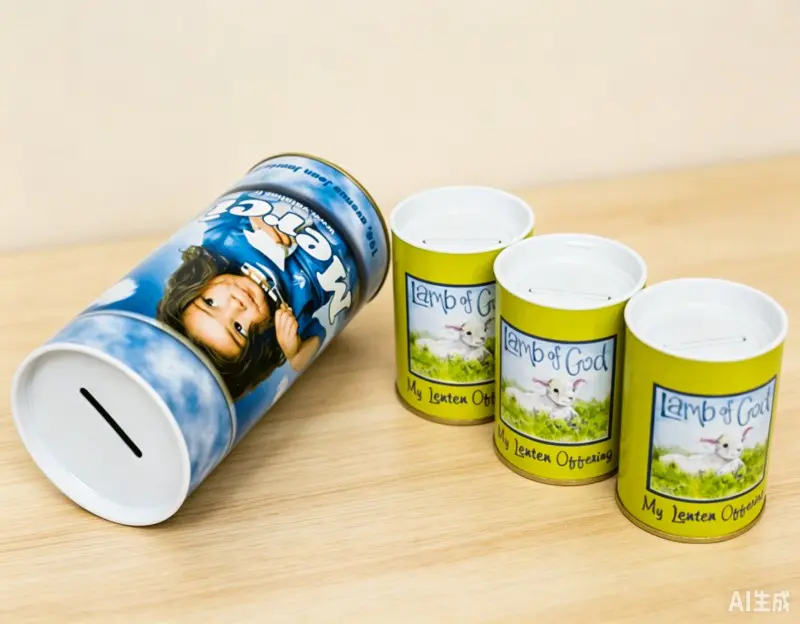
Private label Charity Collection Box Paper coin bank box
Content
- 1 Product Overview and Core Purpose
- 2 Construction and Material Configuration
- 3 Design Advantages Over Conventional Collection Containers
- 4 Private Label Customization for Fundraising Campaigns
- 5 Manufacturing Expertise and Production Capability
- 6 Sustainability and Responsible Material Selection
- 7 Applications Across Different Fundraising Environments
- 8 Operational and Security Considerations
- 9 Comparison with Alternative Materials
- 10 Ordering and Development Process
- 11 Why Experienced Manufacturing Matters
- 12 Brand Communication Through Packaging
- 13 Storage, Transport, and Use
- 14 Frequently Asked Questions
- 14.1 What is the main purpose of this paper coin bank box?
- 14.2 What materials are used in the product?
- 14.3 What are the approximate dimensions?
- 14.4 Can the box carry a private label?
- 14.5 What printing method is identified?
- 14.6 Is the product recyclable?
- 14.7 Is the collection box suitable for outdoor use?
- 14.8 Can the lid be customized?
- 14.9 Can the box be used for notes as well as coins?
- 14.10 Why choose a paper tube instead of a rectangular cardboard box?
- 14.11 What type of organizations can use this product?
- 14.12 Can the same box design be reused for future campaigns?
- 14.13 What should be checked before placing a bulk order?
- 15 Conclusion
- 16 References
- 17 Product: Private label Charity Collection Box Paper coin bank box
Product Overview and Core Purpose
The charity collection box is a private label paper coin bank intended for organized fundraising and donation campaigns. It can be produced for nonprofit organizations, community programs, schools, religious institutions, retail campaigns, corporate social responsibility initiatives, fundraising events, and public awareness projects. Its main purpose is to provide a recognizable and secure place for people to contribute coins or small cash donations.
Unlike a disposable carton, this product is designed to function as a presentation-oriented collection container. Its printed exterior can communicate the name of a campaign, a donation message, a cause, a logo, a seasonal theme, or instructions for use. This makes the container part of the fundraising communication rather than merely a storage vessel.
The cylindrical paper format also offers visual differentiation. Many collection containers use rectangular plastic or metal bodies, while a round paper canister creates a softer and more approachable presentation. The curved surface can be used for continuous graphics, campaign colors, illustrations, charity messages, or repeated brand elements. This 360-degree printing area is particularly valuable when the box is viewed from different directions in a busy public environment.
The product is categorized under other paper packaging applications because it is not limited to conventional food, cosmetic, or household packaging. Its structure demonstrates how paper tube technology can be adapted for a functional non-food use. The same manufacturing principles used for composite cans and paper tubes—precise winding, controlled bonding, surface finishing, and component assembly—can be applied to charity collection products.
Construction and Material Configuration
The listed material configuration includes kraft paper, plastic, and tin. Each material contributes a different performance characteristic. Kraft paper forms the main body and provides a natural, tactile, and printable surface. Plastic can be used for the lid or other structural components, helping create a practical closure. Tin components can support durability, reinforcement, or a secure interface depending on the final custom design.
The product specification also identifies an aluminum foil lining. A foil lining can improve the internal barrier structure, support cleanliness, and add a more finished internal appearance. Although a charity collection box does not generally require the same barrier performance as a food canister, a layered construction can improve resistance to dust, moisture exposure, and ordinary handling conditions.
The paper body is typically formed as a composite tube. Multiple paper layers may be bonded together to achieve the required wall thickness, stiffness, and dimensional stability. This construction is different from a thin sheet folded into a carton. A wound paper tube can provide stronger resistance to crushing and maintain its cylindrical form when handled by consumers or transported in cartons.
Kraft paper is also well suited to private label printing. Depending on the chosen paper grade and surface treatment, the exterior may be printed with color graphics, text, illustrations, or campaign instructions. Pantone printing can help organizations achieve closer color consistency across packaging, posters, collection signage, and other campaign materials.
The lid is listed as plastic, but the final closure can be discussed and adjusted during the custom development process. The closure should be selected according to the project’s requirements for convenience, tamper resistance, appearance, reuse, and collection procedures. Some campaigns may prioritize easy opening for authorized staff, while others may require a more secure structure to discourage unauthorized access.
Key Technical Characteristics
| Characteristic | Product Information | Practical Benefit |
|---|---|---|
| Product type | Private label charity collection box and paper coin bank | Supports branded fundraising and donation campaigns |
| Main body material | Kraft paper | Provides a lightweight, printable, and approachable exterior |
| Additional materials | Plastic and tin components | Contribute to closure performance and structural support |
| Internal construction | Aluminum foil lining | Helps improve internal protection and finishing quality |
| Printing | Pantone printing | Supports accurate campaign and brand color reproduction |
| Surface finish | Glossy finish and varnishing | Improves visual impact and helps protect printed graphics |
| Deposit function | Integrated slot | Allows users to insert coins and suitable paper currency |
| Approximate size | Internal diameter 73 mm; height 160 mm | Offers a compact footprint with useful collection capacity |
| Customization | Custom order accepted | Allows adaptation to different campaigns and private labels |
| Recyclability objective | Paper-based recyclable design direction | Can support sustainability-focused packaging programs |
Design Advantages Over Conventional Collection Containers
A major advantage of this product is its balance between presentation, portability, and function. A collection box must be visible enough to attract attention, stable enough to remain in place, and practical enough for routine collection. The cylindrical paper canister format addresses all three requirements without the visual heaviness often associated with metal containers.
Compared with a generic plastic donation box, a printed paper coin bank can create a warmer emotional connection. Kraft paper has a natural appearance that often communicates sincerity, community involvement, and environmental awareness. This can be especially appropriate for charitable campaigns, where the visual tone should feel welcoming rather than industrial.
Compared with a basic folded cardboard carton, the composite tube structure can offer better dimensional stability. A carton may crease, collapse, or lose its shape when exposed to repeated handling. A properly manufactured paper tube has a continuous round wall that distributes pressure more evenly around the body. This supports a more durable appearance during the campaign period.
Compared with a plain, unprinted container, a private label box offers a clear communication surface. It can display the purpose of the donation campaign, identify the beneficiary, include a short call to action, show a campaign slogan, and reinforce a recognizable visual identity. The result is a collection device that also performs the role of a small point-of-contact advertising medium.
The compact dimensions provide another advantage. A 73-millimeter internal diameter allows the box to occupy limited counter space, while a height of 160 millimeters gives it enough vertical presence to remain noticeable. This makes it suitable for checkout counters, reception desks, school offices, cafés, event registration tables, and other high-traffic but space-conscious locations.
Because the product is lightweight compared with many metal alternatives, it can also reduce handling difficulty and shipping weight. This may be useful for organizations distributing collection boxes across multiple locations. Boxes can be packed efficiently, delivered in larger quantities, and placed by staff or volunteers without specialized installation equipment.
Private Label Customization for Fundraising Campaigns
Private labeling is one of the most important commercial benefits of this product. Organizations rarely want a donation container that looks unrelated to their identity. A customized box can create a consistent appearance across all campaign locations and help donors understand that the collection is official.
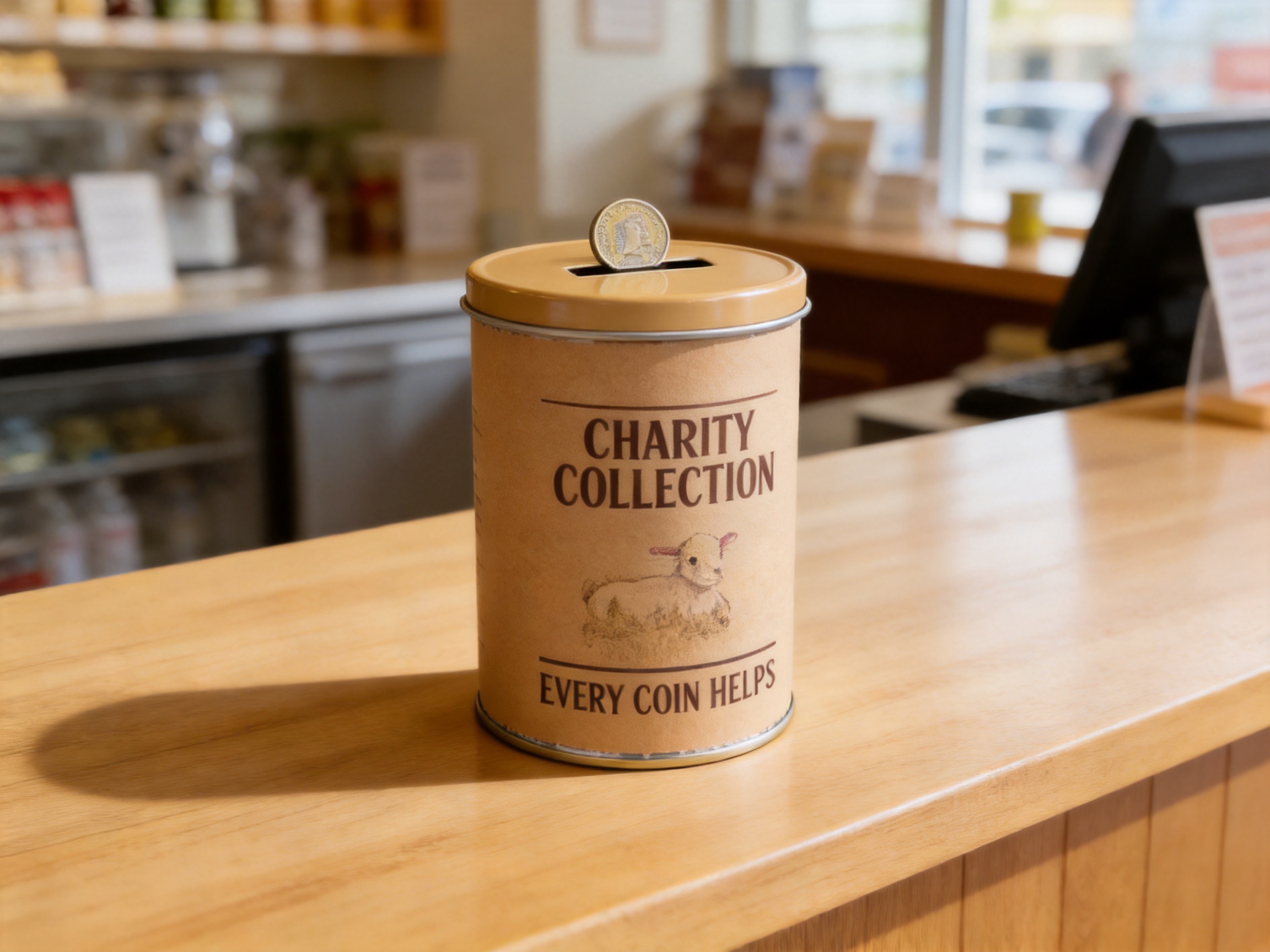
The exterior may be customized with an organization name, campaign name, logo, colors, fundraising target, beneficiary information, or instructions. A short message such as “Every Coin Makes a Difference” can be combined with a clear description of the cause. For campaigns involving children, illustrations and bright colors may create a more approachable design. For corporate or premium charity events, a restrained color palette and refined typography may be more suitable.
Pantone printing is useful when color accuracy matters. Fundraising organizations may have established colors used across websites, brochures, uniforms, banners, and social media materials. More consistent color reproduction helps the collection box appear as part of the same campaign system rather than as an isolated item.
Varnishing and glossy finishing can protect the printed surface from ordinary scuffing and handling. They can also increase contrast and visual brightness, helping graphics stand out under indoor lighting. The choice of finish should reflect the desired image. A glossy finish creates a more vivid appearance, while a matte or natural finish may better support an environmentally focused or handmade visual style.
The printed design should be planned around the cylindrical shape. Important text should not be positioned across a difficult seam or placed too close to the top and bottom edges. The manufacturer can advise on artwork dimensions, bleed areas, color specifications, and the safe placement of the slot and lid. Early technical review can reduce the risk of distorted graphics or unreadable text.
Customization Options
Potential customization options include body diameter, height, paper color, paper thickness, printed artwork, Pantone colors, surface varnish, lid material, slot dimensions, lining configuration, and packaging for shipment. The listed model provides a starting point, but the final design can be adjusted to suit a particular fundraising environment.
For example, a school campaign may require a playful design and a wide deposit slot for easy use. A retail donation campaign may need a compact box that matches the store’s counter display. A religious or community organization may request a more traditional graphic style. A national campaign may require several versions in different languages or with different beneficiary messages.
Private labeling can also support seasonal campaigns. Holiday fundraising, disaster relief, medical support, animal welfare, food bank assistance, and educational programs may each require different visual communication. Rather than purchasing a generic box and adding a paper sticker, organizations can order a professionally printed container with integrated graphics.
Manufacturing Expertise and Production Capability
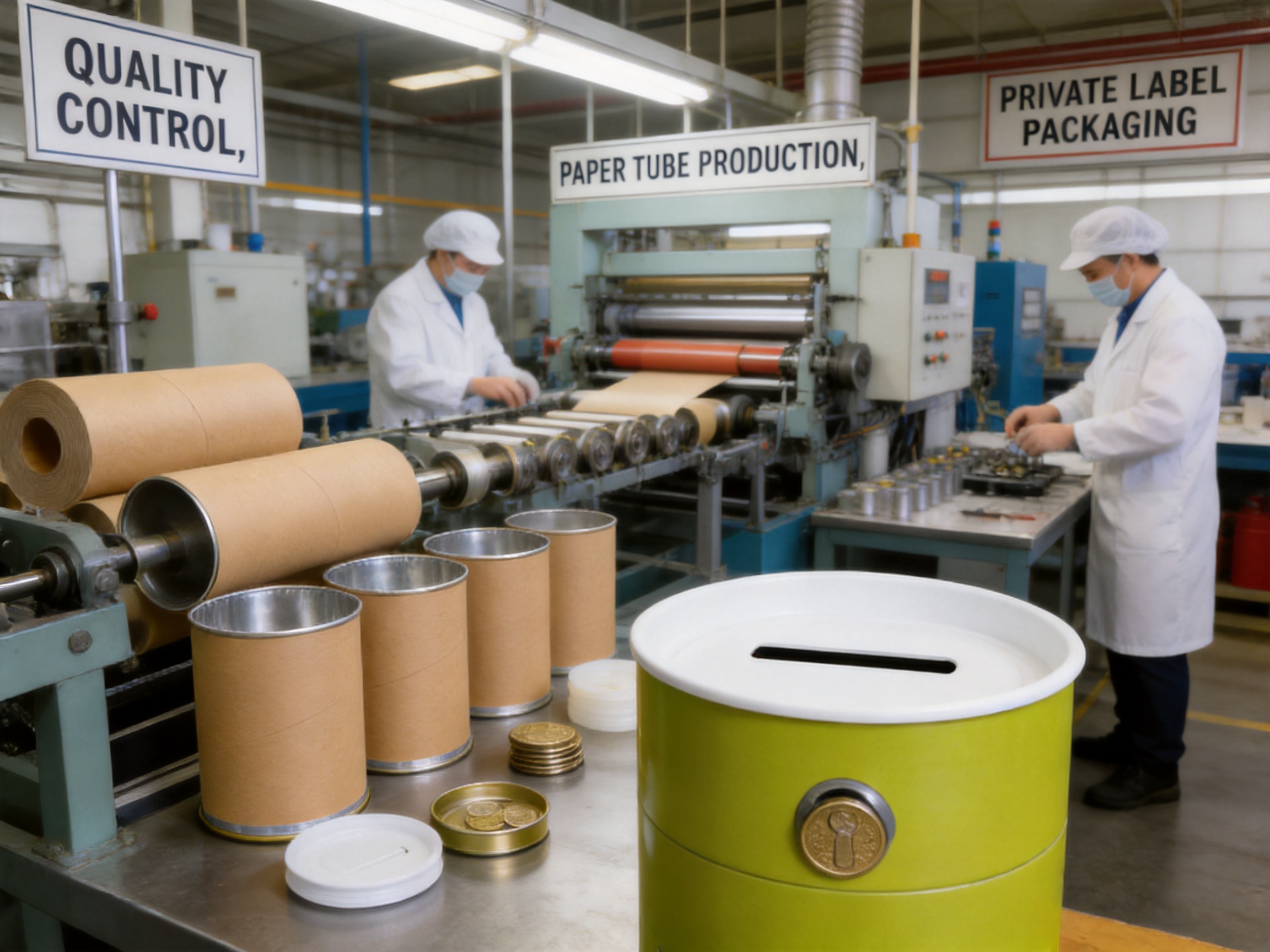
The manufacturer behind this product, Hangzhou Qunle Packaging Co., Ltd., has been engaged in the composite can and paper can industry for more than 20 years. This long operating history is significant because paper tube packaging requires process knowledge that extends beyond basic printing or carton conversion.
Composite containers depend on accurate control of paper layers, adhesives, winding tension, dimensional tolerances, cutting, finishing, and component assembly. Small inconsistencies in any of these stages can affect the roundness, strength, appearance, or fit of the finished product. An experienced manufacturer is better positioned to identify these risks and establish stable production parameters.
The company is described as a member of the international Composite Can and Tube Institute, representing a connection with the wider professional community for composite cans and tubes. It has also obtained more than 10 patented technologies, indicating continued investment in technical development and production improvement.
In 2015, the company introduced a high-speed composite can production line from Europe. A high-speed production line can support improved production efficiency, repeatability, and capacity when properly operated and maintained. For buyers, this may be especially valuable when a campaign requires a substantial number of uniform collection boxes within a defined schedule.
Manufacturing scale should not be confused with a lack of customization. A capable factory can use standardized process controls while still offering custom dimensions, artwork, materials, and finishing. This combination is important for private label products because buyers want a distinctive result without sacrificing reliability or delivery efficiency.
Composite Tube Production Process
The production process begins with design confirmation and material selection. The manufacturer reviews the requested diameter, height, paper grade, wall structure, lining, lid configuration, printing method, finish, and intended application. At this stage, artwork dimensions and technical tolerances are also checked.
Paper materials are then prepared according to the approved specification. Kraft paper and any printed outer layer must have suitable surface properties for the selected printing and finishing processes. If an aluminum foil lining is required, its compatibility with the paper structure and adhesive system must be considered.
The paper layers are formed into a tube through controlled winding and bonding. The winding process determines much of the final tube’s strength and roundness. Consistent tension helps prevent wrinkles, uneven overlaps, or variation in wall thickness. Adhesive application must also be controlled so that layers remain firmly connected without excessive seepage or visible defects.
After the tube is formed, it is cut to the specified height. Accurate cutting is important because the lid, base, and printed graphics must align correctly. Uneven edges may affect the appearance of the product or interfere with closure assembly.
The exterior is printed and finished according to the approved artwork. Pantone color references may be used to support consistent reproduction. Varnishing or glossy finishing can then be applied to improve surface appearance and provide an additional layer of protection.
Components such as the lid, slot structure, tin parts, and internal lining are assembled during subsequent production stages. The assembly process must maintain alignment so that the deposit opening is accessible and the closure fits securely. Finished units are inspected before packing.
Quality Control Considerations
Quality control for a charity collection box should address both visual and functional characteristics. Important inspection points include tube diameter, height, roundness, wall integrity, print clarity, color consistency, varnish coverage, slot position, lid fit, surface cleanliness, and overall structural stability.
Visual inspection helps identify scratches, dents, wrinkles, printing smears, uneven varnishing, and color variation. Dimensional inspection confirms that the containers conform to the agreed specifications. Functional checks can determine whether coins and suitable notes pass through the slot properly and whether the lid remains correctly positioned during ordinary use.
Packaging inspection is also relevant. Collection boxes may be shipped in bulk to many locations, so protective inner packing and strong outer cartons can reduce the risk of damage during transportation. If a campaign has a fixed launch date, production planning and pre-shipment inspection can help prevent delays caused by rework or missing components.
Sustainability and Responsible Material Selection
The product is described as recyclable and is based primarily on paper, which gives it a sustainability advantage over products made entirely from conventional plastic. Paper comes from a renewable material stream and can often be processed through established recycling systems. Kraft paper also communicates a natural and environmentally conscious visual message that is appropriate for many charitable campaigns.
However, responsible sustainability communication requires attention to the complete material structure. Because this product may include plastic, tin, aluminum foil, ink, varnish, and adhesive, its actual recyclability depends on local recycling facilities and the ease of separating or processing the combined materials. Buyers should request precise material information and recycling guidance before making specific environmental claims.
A paper-based composite structure can still reduce the amount of plastic used compared with an entirely plastic container. It may also reduce shipping weight and offer a more efficient use of material for a short- or medium-term campaign. If the collection box is designed for reuse, its environmental value can be improved further because the same container may support repeated fundraising activities.
Organizations should consider the full lifecycle of the box. This includes raw materials, manufacturing energy, printing and finishing, transportation, campaign use, collection procedures, and end-of-life handling. A durable container that remains attractive and functional for the complete campaign period may prevent premature replacement.
Material choices can be reviewed according to the campaign’s priorities. A buyer focused on a natural appearance may select kraft paper with restrained printing. A buyer requiring strong color impact may choose a coated outer layer and protective varnish. A buyer prioritizing lower material complexity may discuss whether certain components can be simplified. The manufacturer can help evaluate the practical balance between appearance, durability, and sustainability.
Applications Across Different Fundraising Environments
Retail Stores and Checkout Counters
Retail stores are common locations for charity collection boxes because customers are already completing transactions and may be willing to donate coins or small amounts. The compact cylindrical format can fit beside a cash register, service desk, or customer information area. Custom graphics help distinguish the box from ordinary retail packaging.
A retail campaign may use a short message, a charity logo, a QR code printed on the body, or instructions explaining how donations will be used. The design should remain legible from a standing position and should not require customers to handle the box before making a contribution.
Schools and Educational Institutions
Schools can use paper coin banks for classroom fundraising, student activities, community service programs, and emergency support initiatives. A colorful printed design can encourage participation and help students understand the purpose of the campaign. The paper body is lightweight and easy for staff to distribute across classrooms or administrative areas.
For school use, safety and supervision should be considered. The deposit slot should be appropriate for the intended coins and notes, while collection and opening should be managed by authorized staff. A clearly printed label can explain that donations are voluntary and identify the responsible organization.
Community and Religious Organizations
Community centers, religious institutions, and local associations often organize recurring donation programs. A durable paper tube can remain on a reception desk or collection table for an extended period. The design can be adapted to reflect the organization’s colors, values, and campaign language.
For recurring use, the lid and body should be selected with repeated handling in mind. Organizations may also benefit from ordering a standard collection box design that can be reused for different campaigns by changing printed sleeves, labels, or external communication materials where appropriate.
Corporate Social Responsibility Programs
Businesses may place collection boxes in offices, canteens, stores, or event venues as part of corporate social responsibility programs. A private label design can coordinate with the company’s existing sustainability or community engagement materials. The product can also be included in employee fundraising kits distributed across multiple offices.
For corporate programs, consistency is especially important. Identical dimensions, colors, and printed instructions can help employees recognize official collection points. Bulk manufacturing capability and quality control are valuable when boxes are distributed to many locations at the same time.
Charity Events and Temporary Campaigns
Fundraising walks, exhibitions, conferences, festivals, and seasonal events may require a large number of collection boxes for a limited period. Lightweight paper containers are convenient for transporting and setting up at registration desks, donation stations, and hospitality areas.
Event-specific graphics can create a unified visual environment. The box may match banners, wristbands, staff clothing, table signs, and printed programs. After the event, authorized staff can collect the boxes and consolidate the donations according to the organization’s financial control procedures.
Animal Welfare and Community Support Programs
Animal shelters, food banks, medical support programs, and local relief initiatives can use customized coin banks to communicate an immediate and understandable need. Images, short stories, and direct calls to action may improve engagement, provided that the design remains clear and respectful.
The round format can be useful for emotionally engaging illustrations because artwork can wrap around the entire surface. This allows the box to tell a brief visual story even when viewed from different angles.
Operational and Security Considerations
A donation container must be designed and managed responsibly. The slot should be wide enough for intended coins and paper currency while discouraging the insertion of oversized objects. The opening should be positioned clearly and should not weaken the surrounding structure.
The closure should match the organization’s collection procedures. If the box will be opened regularly by authorized staff, the lid should provide practical access without causing damage to the body. If the box will remain in a public location for a long period, a more secure configuration may be preferred. The final design should be reviewed with the manufacturer according to the expected use environment.
Organizations should establish a collection protocol before distributing the boxes. This may include recording the number of boxes, assigning each box to a location, inspecting the containers periodically, collecting donations in pairs, documenting amounts, and storing funds securely. A well-designed box supports these procedures but cannot replace proper internal controls.
For outdoor or semi-outdoor use, buyers should discuss environmental exposure. Paper products are generally most suitable for dry indoor environments. If the box will be placed near entrances, under temporary shelters, or in humid conditions, additional surface protection and careful placement may be necessary. It is important not to assume that varnishing makes a paper container fully weatherproof.
Comparison with Alternative Materials
| Alternative | Typical Strength | Potential Limitation | Paper Tube Advantage |
|---|---|---|---|
| Generic plastic box | Moisture resistance and easy cleaning | May appear less natural and use more plastic | Offers a warmer printed appearance and paper-based construction |
| Metal donation can | High rigidity and long service life | Heavier, potentially more expensive to ship, and less approachable visually | Provides lower weight and a softer campaign presentation |
| Folded cardboard carton | Low cost and simple printing | May crease, deform, or lose stability during handling | Composite tube structure offers better cylindrical stability |
| Plain paper cup or container | Lightweight and readily available | Usually lacks secure closure and professional branding | Designed specifically for collection use with a slot and customized lid |
| Unbranded ready-made coin bank | Immediate availability | Limited campaign identity and inconsistent presentation | Supports private labeling, custom colors, and purpose-specific graphics |
No single material is ideal for every environment. Plastic may be preferable where frequent washing or high moisture exposure is unavoidable. Metal may be suitable for permanent installations requiring exceptional rigidity. However, for indoor fundraising campaigns that prioritize branding, lightweight handling, attractive presentation, and a paper-forward material profile, the composite paper tube is a strong option.
Ordering and Development Process
A successful custom order begins with a clear product brief. The buyer should identify the intended use, campaign duration, placement environment, expected donation types, approximate quantity, required delivery schedule, and preferred visual style.
The next step is to confirm structural specifications. These may include the internal diameter, height, wall thickness, slot size, lid design, lining, base construction, and material combination. The listed size of 73 millimeters internal diameter by 160 millimeters high provides a useful reference, but adjustments may be possible depending on production requirements.
Artwork preparation should follow the manufacturer’s template. The buyer should provide editable files where possible and identify Pantone colors, fonts, logos, images, and required text. All legal or charitable statements should be reviewed carefully before production. A physical or digital proof can be used to confirm print positioning and color expectations.
Samples are particularly valuable for a fundraising product. A sample allows the buyer to evaluate the tactile quality of the paper, the brightness of the print, the fit of the lid, the dimensions of the slot, the stability of the container, and the overall impression at the intended point of use.
After sample approval, the manufacturer can proceed with bulk production. Buyers should confirm packaging quantities, carton markings, shipping terms, inspection requirements, and delivery responsibilities. If the boxes are required for a fixed campaign launch, sufficient time should be allowed for artwork approval, sampling, production, quality inspection, and transportation.
Important Questions for Buyers
Buyers should ask which paper grades are used, whether the outer paper is coated, how the foil lining is applied, what type of varnish is available, and whether the final structure is suitable for the expected indoor conditions. They should also clarify the composition of the plastic and tin components and request guidance on end-of-life handling.
It is also useful to ask about minimum order quantities, sample costs, color tolerances, production lead times, packaging methods, inspection procedures, and options for changing dimensions. For repeated campaigns, buyers may ask whether the same structure can be retained while updating only the artwork.
Why Experienced Manufacturing Matters
Charity collection boxes may appear simple, but consistency is important when hundreds or thousands of units are used in public. A slightly misaligned lid, uneven print, weak slot, or deformed tube can undermine the professional appearance of an entire campaign.
An experienced paper packaging manufacturer understands how material selection and production settings affect final performance. Experience with composite cans and paper tubes can help the factory manage cylindrical geometry, layer bonding, surface finishing, and component fit more effectively than a supplier focused only on flat cartons.
Long-term industry experience also supports problem solving. If a buyer requests a particular finish, unusual diameter, special lining, or difficult color combination, the manufacturer can evaluate the request against known production capabilities. This reduces unnecessary trial and error and can shorten the path from concept to approved sample.
The company’s history of serving food, daily chemical, fast-moving consumer goods, and other packaging markets also indicates exposure to varied quality requirements. Although a charity collection box is not a food container, the discipline required for packaging production can contribute to better material control, cleaner manufacturing, and more reliable delivery.
Brand Communication Through Packaging
A fundraising box should make the donation action understandable within a few seconds. The most successful designs usually combine a strong visual identity with a short, direct message. The charity name or campaign identity should be visible, while the purpose of the donation should be stated in accessible language.
Because the body is cylindrical, the design can create a continuous reading experience. One side may introduce the cause, another may explain how donations help, and a third may provide a thank-you message. A fourth area can display contact or campaign information where appropriate.
Graphics should not be so dense that the box becomes difficult to understand. Clear contrast between text and background is important, especially when the product is placed under varied indoor lighting. The slot should remain visually obvious and should not be hidden by a complex illustration.
The finish can influence the emotional tone. Glossy varnish can make colors appear bright and energetic, which may suit public events and retail locations. A more understated finish may better suit premium, community, or environmentally focused campaigns. The manufacturer can help match the surface treatment to the chosen paper and artwork.
Storage, Transport, and Use
Before distribution, finished collection boxes should be stored in a clean, dry environment away from direct moisture and excessive heat. Although the product is designed for practical use, paper materials can be affected by poor storage conditions. Cartons should not be stacked beyond the recommended limit if excessive pressure could deform the containers.
During transport to collection sites, boxes should be protected from crushing and abrasion. Individual protective packing, dividers, or suitable carton arrangements may be considered for larger orders. If the boxes are shipped internationally, the buyer and manufacturer should agree on export packaging suitable for the expected handling conditions.
At the point of use, staff should place the box on a stable, visible surface. It should not be positioned where it may be knocked over, exposed to spills, or obstruct access to payment equipment. A small sign beside the box can reinforce the campaign message and explain how the collected funds will be used.
Routine inspection can identify full containers, damaged bodies, loose lids, or signs of tampering. Damaged boxes should be removed from public use and replaced according to the organization’s procedures. Proper handling protects both donated funds and public trust.
Frequently Asked Questions
What is the main purpose of this paper coin bank box?
It is designed to collect coins and suitable small paper donations for charity campaigns, community programs, schools, retail initiatives, events, and other organized fundraising activities.
What materials are used in the product?
The listed construction includes kraft paper, plastic, tin, and an aluminum foil lining. The exact combination can be reviewed and adjusted during custom development according to the required appearance and performance.
What are the approximate dimensions?
The listed specification gives an internal diameter of approximately 73 millimeters and a height of approximately 160 millimeters. Custom dimensions may be discussed depending on the campaign and manufacturing requirements.
Can the box carry a private label?
Yes. The product is intended for private label applications. Buyers can request custom artwork, logos, campaign names, messages, colors, and other visual elements.
What printing method is identified?
The specification identifies Pantone printing and a glossy surface finish. Pantone references can help support more consistent brand and campaign colors.
Is the product recyclable?
The product is described as recyclable and is primarily paper-based. Because it may also contain plastic, tin, aluminum foil, ink, varnish, and adhesives, actual recycling options depend on local facilities and material separation practices. Buyers should request detailed recycling guidance for their market.
Is the collection box suitable for outdoor use?
It is best suited to dry indoor environments unless the manufacturer confirms a specific design for outdoor or semi-outdoor conditions. Paper-based products should be protected from rain, standing water, and prolonged high humidity.
Can the lid be customized?
The listed product uses a plastic lid, but closure design should be confirmed during the custom quotation and sampling process. Options may vary according to security, access, appearance, and reuse requirements.
Can the box be used for notes as well as coins?
The slot can be designed for coins and suitable paper currency, but the final slot dimensions should be confirmed with the manufacturer. Buyers should specify the currencies and note sizes expected in the campaign market.
Why choose a paper tube instead of a rectangular cardboard box?
A composite paper tube can provide a more stable cylindrical structure, a continuous 360-degree printing area, and a distinctive visual identity. It may also resist ordinary handling better than a thin folded carton.
What type of organizations can use this product?
Potential users include nonprofit organizations, schools, religious institutions, retailers, corporate social responsibility teams, community associations, event organizers, animal welfare groups, medical support programs, and local relief initiatives.
Can the same box design be reused for future campaigns?
It may be possible to reuse the structural design for future campaigns, especially when the dimensions and closure remain unchanged. Artwork, colors, and messages can be updated for a new campaign, subject to the manufacturer’s production process.
What should be checked before placing a bulk order?
Buyers should confirm dimensions, materials, lid design, slot size, printing colors, artwork placement, surface finish, sample approval, minimum order quantity, production schedule, packaging, inspection standards, and delivery arrangements.
Conclusion
The private label charity collection box paper coin bank box provides a practical way to combine fundraising functionality with visible campaign communication. Its kraft paper body, composite tube construction, customizable printing, slot opening, optional layered materials, and compact dimensions make it suitable for a wide range of indoor donation environments.
Its advantages over generic plastic boxes, plain cartons, and unbranded containers include a more approachable paper-based appearance, a strong cylindrical structure, efficient use of countertop space, and a large surface area for campaign messaging. Pantone printing and glossy varnishing allow organizations to create a polished result that aligns with their brand identity.
The product also benefits from the technical background of a manufacturer with more than 20 years of experience in composite cans and paper cans. Established production knowledge, high-speed composite can equipment, patented technologies, and experience serving multiple packaging sectors provide a strong foundation for customized paper tube manufacturing.
For buyers, the most important step is to define the campaign requirements clearly and approve the structure, materials, artwork, and sample before bulk production. When properly specified and responsibly managed, this paper coin bank can become more than a container. It can serve as a durable, recognizable, and emotionally engaging touchpoint between a charitable organization and the community it seeks to support.
References
1. Composite Can and Tube Institute, general principles of composite can and paper tube packaging.
2. Packaging Institute, guidance on paper-based packaging structures, material selection, and package performance.
3. International Organization for Standardization, general considerations for quality management and packaging production consistency.
4. Sustainable Packaging Coalition, educational resources concerning paper packaging, recyclability, and lifecycle considerations.
5. Manufacturer-provided product specifications for private label charity collection box paper coin bank box.
6. Manufacturer-provided corporate information concerning composite can production, paper can manufacturing, technical development, and packaging industry experience.
