 English
 Español

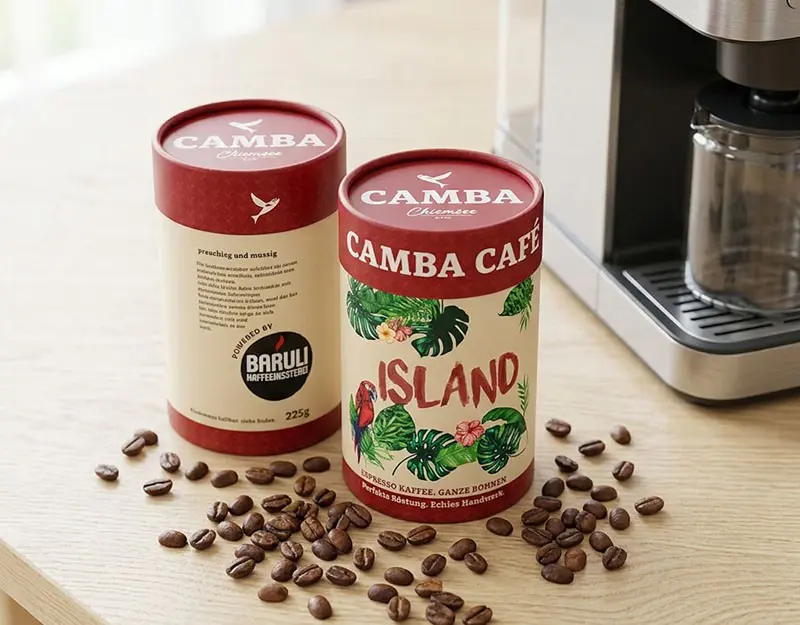
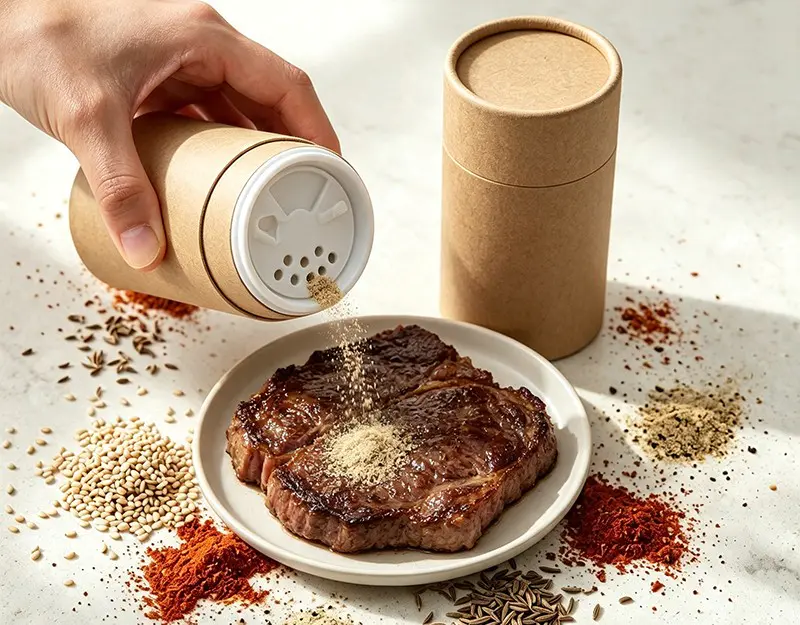
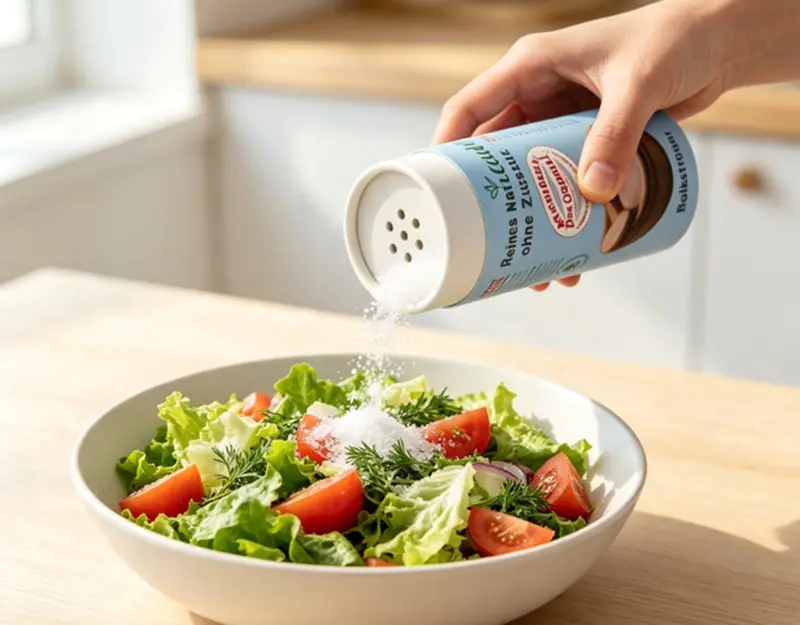
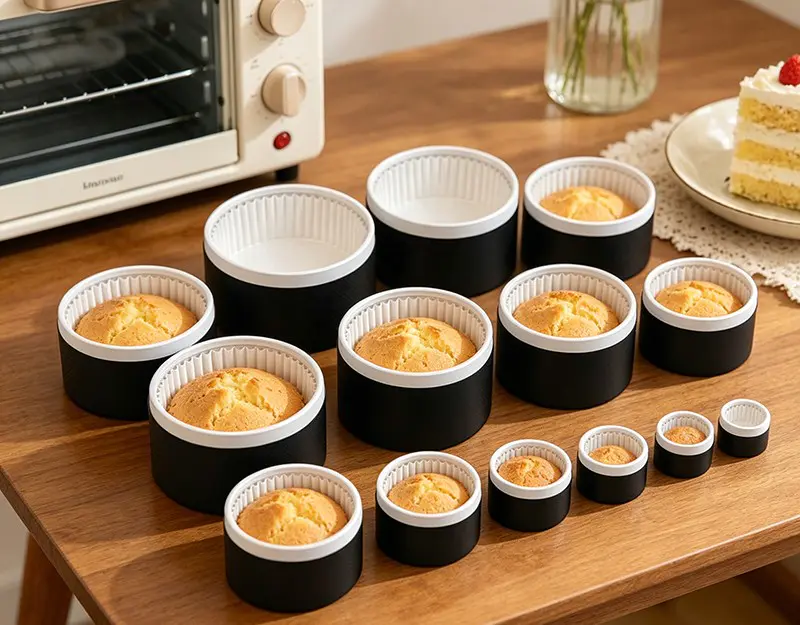
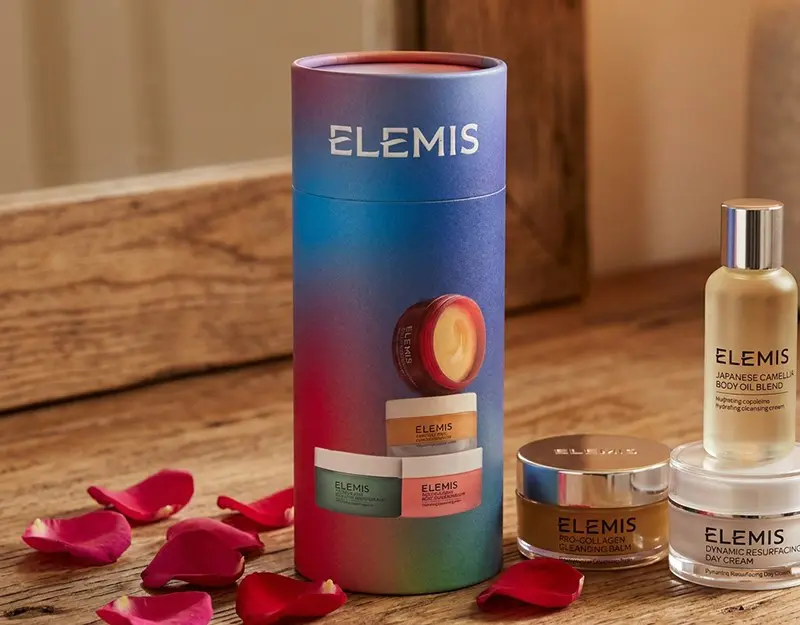
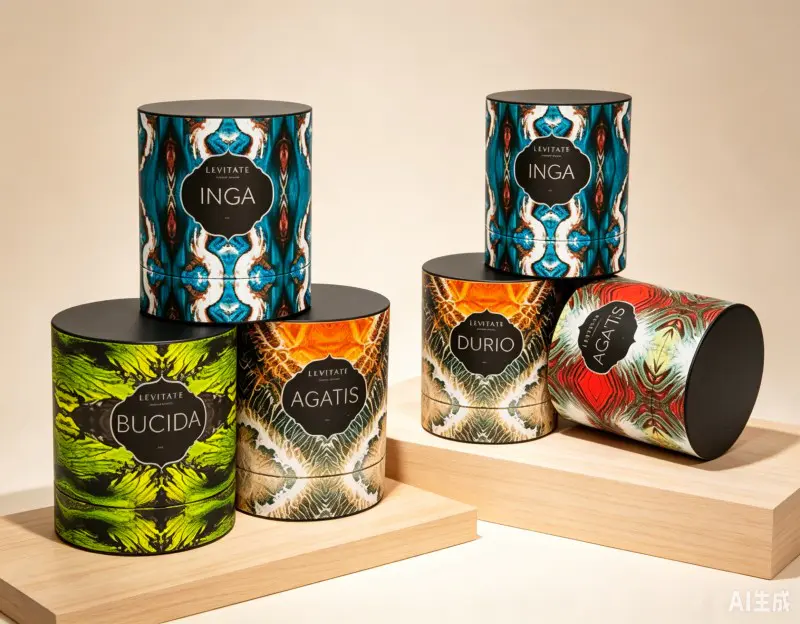
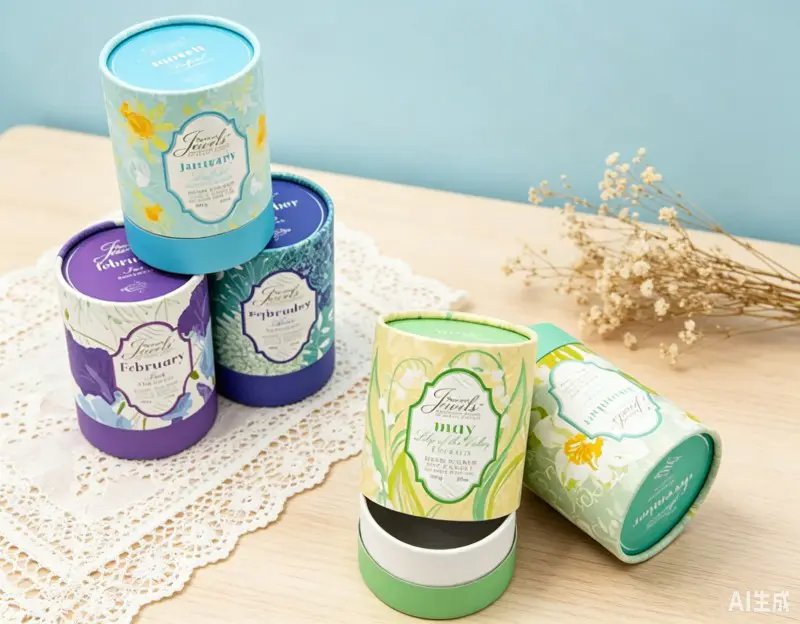
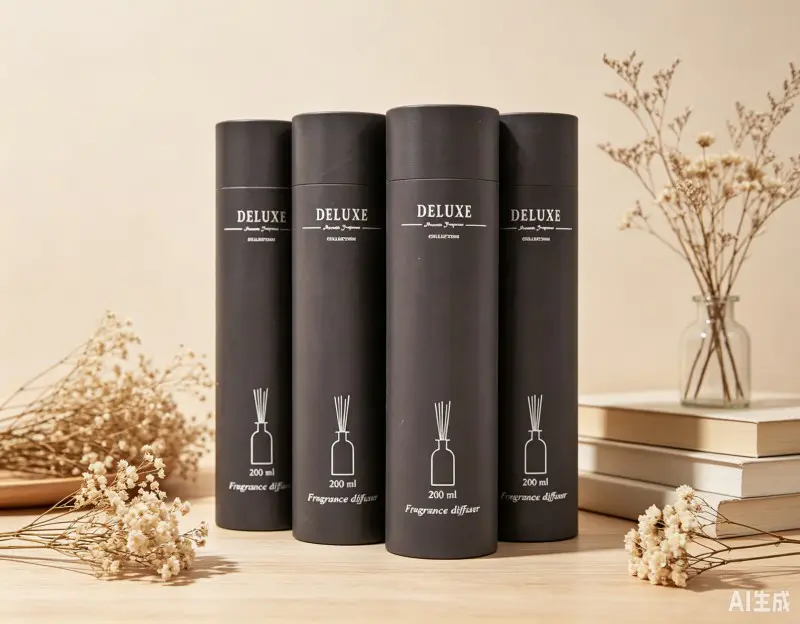
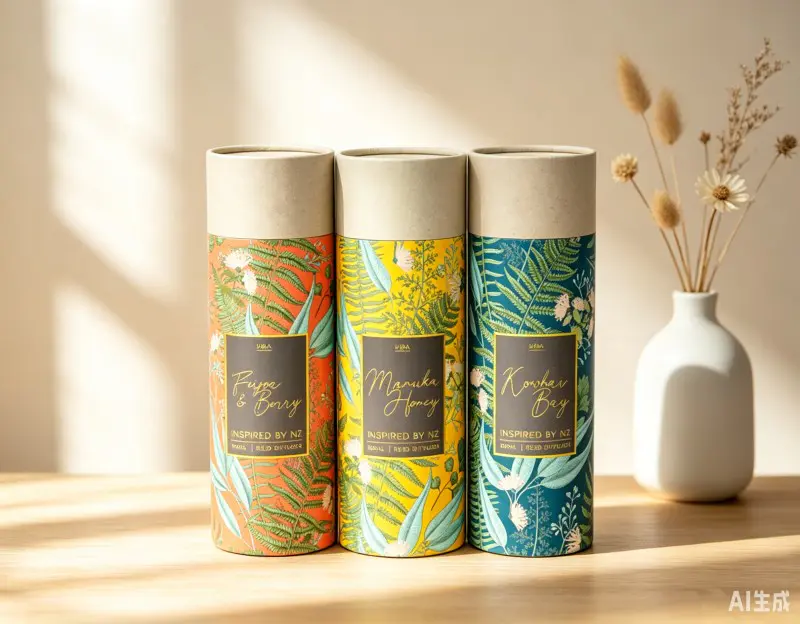
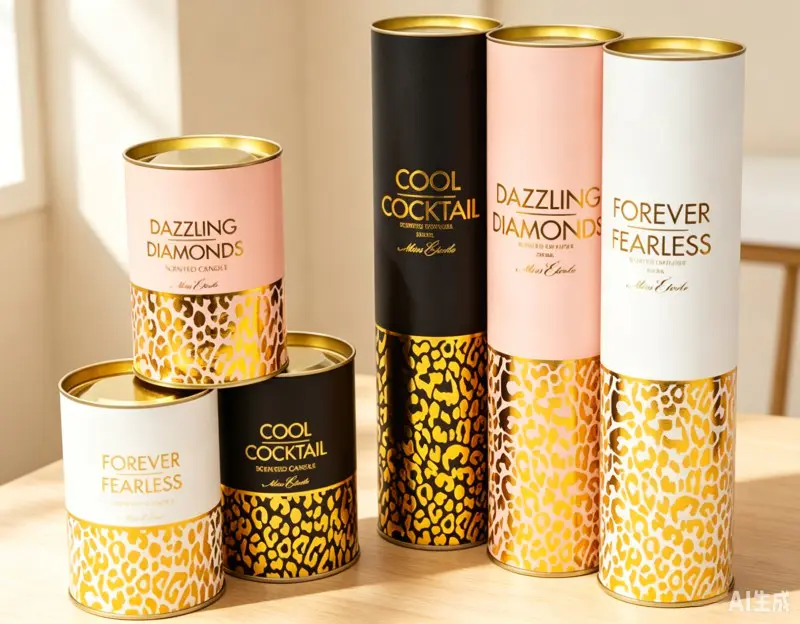
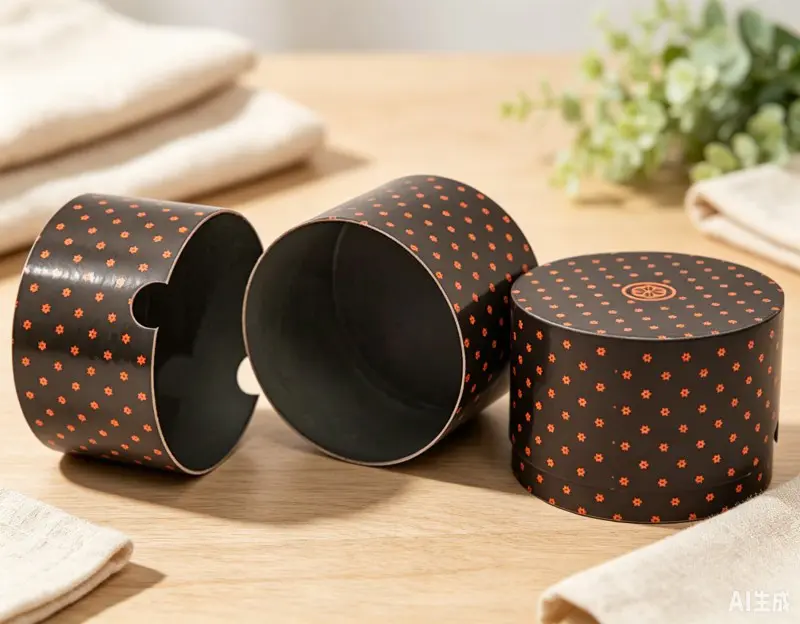
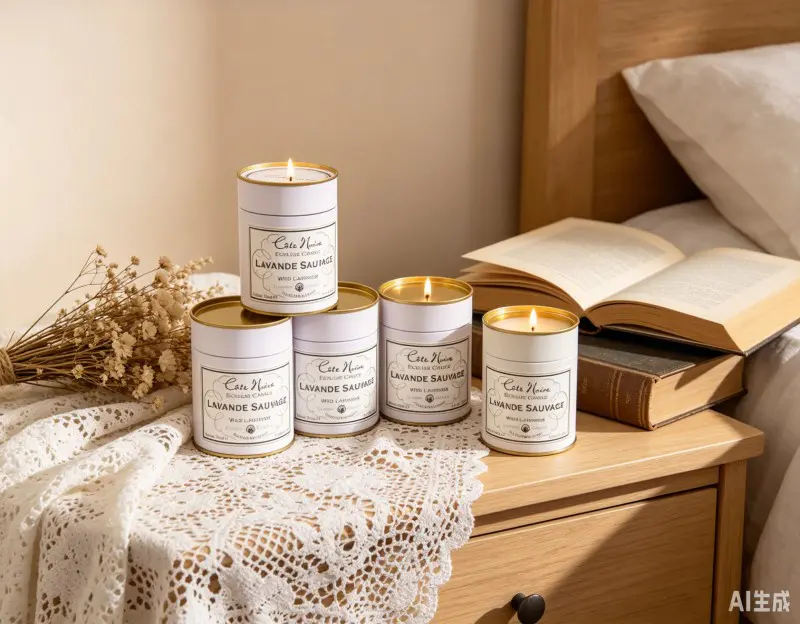

As one of the top China cardboard tube packaging manufacturers and paper tube packaging suppliers, we devote all of our efforts to research and launch more high quality packaging products to global market.
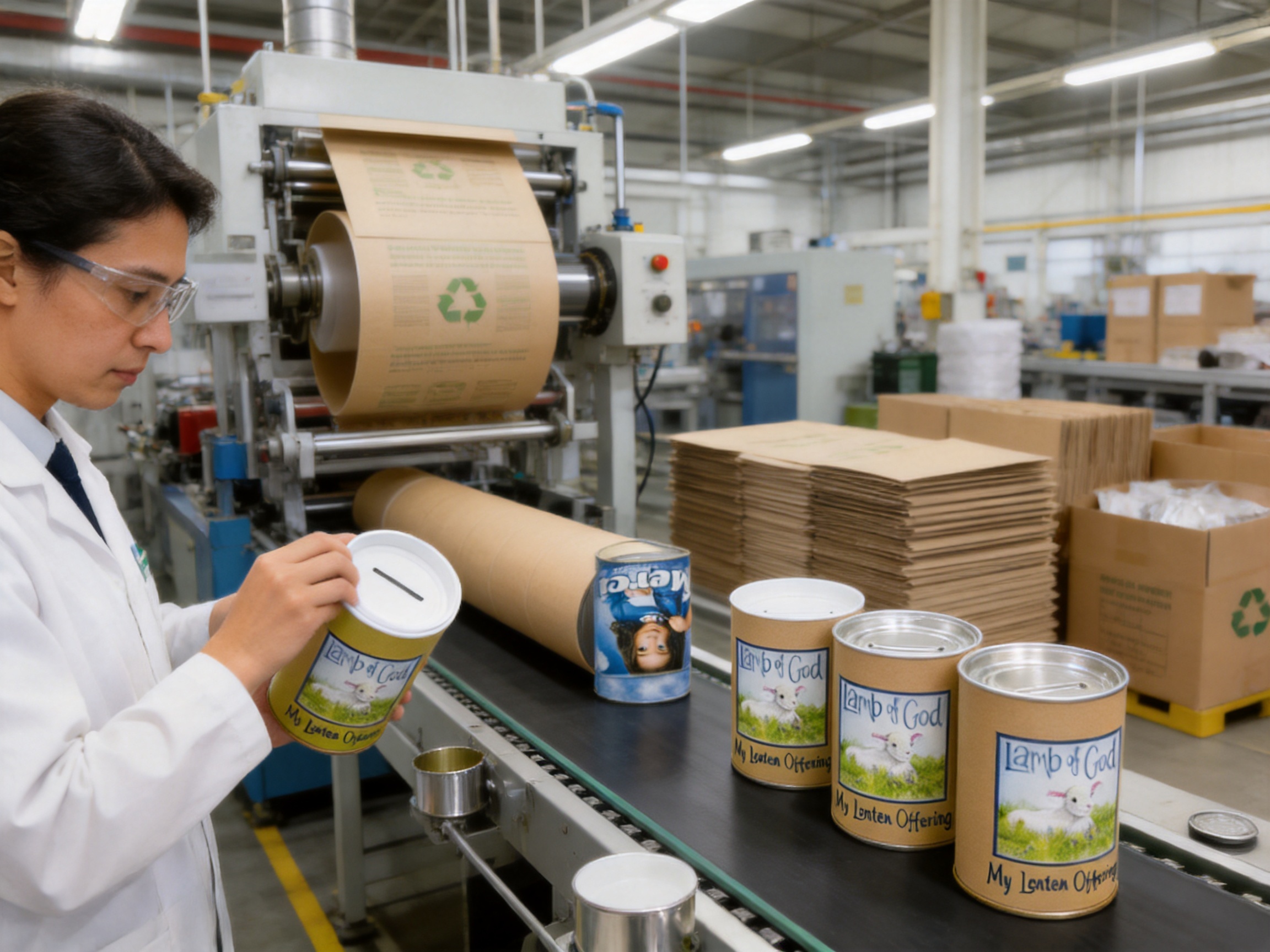
Charity collection boxes remain one of the most recognizable and effective tools for encouraging small donations in public spaces. They are placed in retail stores, community centers, schools, religious institutions, offices, restaurants, transportation hubs, and event venues where people can make convenient contributions with coins or banknotes. The private label charity collection box paper coin bank box presented here combines the familiar function of a donation container with the flexibility, printability, and sustainability advantages of paper-based packaging.
Designed with a paper body, a secure opening, and customized branding options, this collection box can support fundraising campaigns of many sizes. Its kraft paper construction gives it a natural and approachable appearance, while Pantone printing and a glossy finish provide opportunities for strong visual communication. The product is also recyclable in suitable waste-management systems, making it an appealing choice for organizations that want to balance fundraising performance with responsible material selection.
Manufactured by Hangzhou Qunle Packaging Co., Ltd., a Chinese packaging producer with more than two decades of experience in composite cans and paper cans, the product reflects the company’s specialization in paper-based cylindrical packaging. Its structure, material combination, decoration options, and customization potential make it suitable for private-label programs, charity campaigns, retail donation points, promotional initiatives, and community-based collection projects.
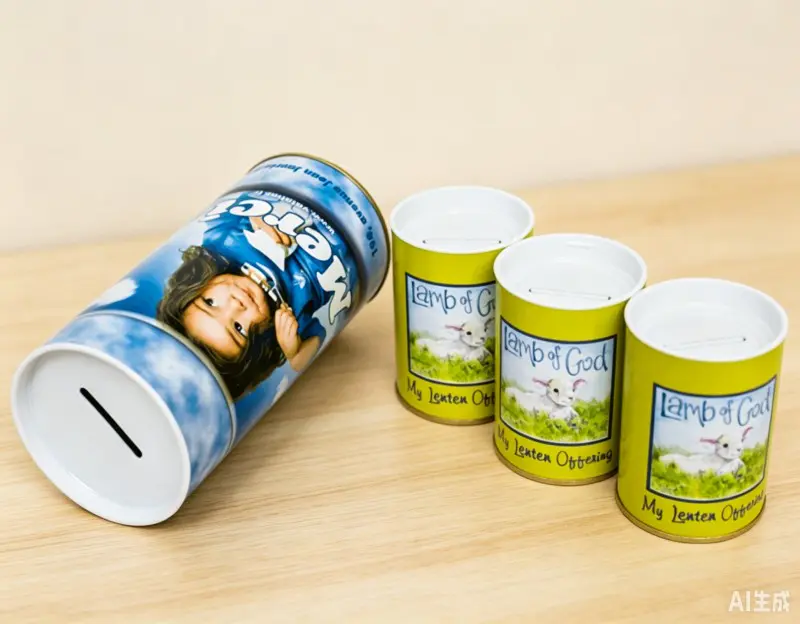
Private label Charity Collection Box Paper coin bank box
Content
- 1 Understanding the Charity Collection Box Paper Coin Bank
- 2 Key Product Specifications
- 3 Why Paper Is an Effective Material for Donation Boxes
- 4 Advantages Over Conventional Competitor Products
- 5 Functional Design for Public Donation Environments
- 6 Customization Possibilities for Private Label Campaigns
- 7 Manufacturing Strengths and Production Expertise
- 8 Quality Considerations for Buyers
- 9 Applications Across Different Fundraising Programs
- 10 How the Product Supports Donor Engagement
- 11 Ordering Process for Customized Collection Boxes
- 12 Storage, Handling, and Use Recommendations
- 13 Environmental Considerations
- 14 Why Choose an Experienced Paper Tube Manufacturer
- 15 Comparison with Common Collection Box Alternatives
- 16 Important Design Questions Before Production
- 17 Frequently Asked Questions
- 17.1 What is this product primarily used for?
- 17.2 What is the approximate size of the box?
- 17.3 What materials are used?
- 17.4 Can the product be customized with private-label artwork?
- 17.5 What type of printing is available?
- 17.6 Is the paper coin bank recyclable?
- 17.7 Can it accept banknotes as well as coins?
- 17.8 Is the box suitable for outdoor use?
- 17.9 Can the lid be made more secure?
- 17.10 Why is a cylindrical shape useful?
- 17.11 What should be included in the printed message?
- 17.12 How can a buyer approve the design?
- 17.13 What makes an experienced paper tube producer important?
- 18 Conclusion
- 19 References
- 20 Product: Private label Charity Collection Box Paper coin bank box
Understanding the Charity Collection Box Paper Coin Bank
A charity collection box is more than a simple container. It is a communication tool, a trust-building device, and a physical reminder that encourages participation. The design needs to attract attention without appearing intrusive, provide a clear place for donations, and offer enough security for use in public or semi-public environments. It should also be practical to transport, easy to position, and economical enough for large campaigns.
This paper coin bank box addresses these requirements through a compact cylindrical format. The stated internal dimensions are approximately 73 millimeters in diameter and 160 millimeters in height. This size provides a useful balance between visibility and portability. It is large enough to display a campaign message and hold repeated small donations, yet compact enough to stand on a cashier counter, reception desk, service table, or donation station.
The body uses kraft paper as its primary material. Kraft paper is widely recognized for its strength, natural appearance, and compatibility with recycling-oriented packaging programs. It also offers a printable surface that can be decorated with campaign graphics, instructions, logos, color systems, and messages of appreciation. When combined with suitable finishing, the paper body can look professional and highly distinctive rather than temporary or improvised.
The product description also identifies plastic and tin as part of the material combination. These components can support the structure and functional areas of the package, such as the lid, opening assembly, or reinforcing elements. The listed plastic lid can provide a stable closure, while tin components may be used where additional rigidity or durability is required. The exact construction can be adapted according to the customer’s design, filling method, security expectations, and intended operating environment.
Key Product Specifications
| Item | Specification | Practical Benefit |
|---|---|---|
| Product type | Private label charity collection box paper coin bank | Supports branded fundraising and donation campaigns |
| Primary material | Kraft paper | Provides a natural appearance, printable surface, and paper-based structure |
| Additional materials | Plastic and tin components | Can improve closure performance, stability, or structural strength |
| Approximate size | Internal diameter 73 mm x height 160 mm | Compact for counters while providing useful holding capacity |
| Printing | Pantone printing | Supports consistent campaign colors and recognizable branding |
| Surface treatment | Glossy finish and varnishing | Improves visual impact and helps protect printed graphics |
| Customization | Custom order accepted | Allows adaptation for different organizations, campaigns, and quantities |
| Feature | Recyclable paper-based construction | Supports sustainability-focused fundraising programs |
| Primary application | Charity collection and coin donation | Suitable for stores, events, institutions, and public donation points |
Why Paper Is an Effective Material for Donation Boxes
Paper is especially suitable for charity collection boxes because it combines communication value with manufacturing flexibility. A donation box often needs a large printable area because the campaign message is essential to its success. Paper provides a broad surface for text, color, illustrations, QR-code integration, campaign identities, donor instructions, and calls to action.
Kraft paper also creates a warm and approachable visual impression. Compared with highly industrial plastic containers, a paper-based collection box can appear more personal and community-oriented. This quality is useful for charitable organizations because donors may respond positively to materials that communicate simplicity, social responsibility, and environmental awareness.
Another advantage is the ability to produce different visual styles without changing the basic structure. A customer may choose a minimal natural-kraft design for an environmental campaign, a bright multi-color design for a children’s charity, an elegant design for a cultural foundation, or a seasonal design for holiday fundraising. The same basic paper tube platform can therefore serve multiple campaigns and customer groups.
Paper-based structures can also be efficient for transportation and storage. Their relatively low weight can reduce handling demands during distribution. For organizations that need to send collection boxes to numerous stores, branches, volunteers, or event locations, manageable shipping weight and compact packaging can simplify logistics.
Recyclability is another important consideration. The product is described as recyclable, although the actual recycling outcome depends on the final material combination, coatings, attached components, local collection systems, and regional recycling rules. Customers should confirm the appropriate disposal instructions for the final customized version. Even with these considerations, a paper-centered construction can support a more sustainability-conscious product strategy than a fully rigid plastic alternative.
Advantages Over Conventional Competitor Products
More Visible Brand Communication
Many basic donation containers rely on transparent plastic or plain unprinted surfaces. These products may perform their fundamental function, but they often provide limited space for storytelling and brand communication. The kraft paper body of this collection box creates a continuous printable area that can be used to explain the purpose of the campaign and encourage donations.
For charitable organizations, the ability to communicate clearly can directly influence participation. A box can state who will benefit, how donations will be used, whether the campaign has a target, and why even a small contribution matters. It can also display an official campaign identity, contact information, and an appropriate thank-you message.
More Flexible Private Label Development
The product is designed for custom orders, which makes it suitable for organizations that want a private label collection solution rather than an off-the-shelf container. Customization can include dimensions, artwork, colors, print layouts, surface effects, closure details, and campaign-specific messaging, subject to technical review and minimum order requirements.
This flexibility is particularly valuable for fundraising agencies, retail groups, non-governmental organizations, religious institutions, schools, and corporate social responsibility programs. Each organization can create a consistent visual identity across multiple locations instead of using generic boxes that may appear disconnected from the campaign.
A More Distinctive Appearance Than Plain Containers
The combination of Pantone printing and a glossy finish can give the collection box a polished appearance. Color accuracy is important when a campaign depends on recognition across posters, social media content, uniforms, collection boxes, and point-of-sale materials. Pantone-based color management can help maintain a consistent visual system during production, although customers should approve physical proofs because paper surfaces and finishes can influence final color appearance.
Glossy varnishing can make important graphics stand out and can provide a degree of surface protection against ordinary handling. It may help printed areas resist light scuffing, fingerprints, and minor surface contact. The finish should be selected according to the intended balance between appearance, tactile quality, recycling considerations, and budget.
Compact but Useful Capacity
A donation box that is too small may need frequent emptying, while one that is too large can occupy excessive counter space and become inconvenient to move. With an approximate internal diameter of 73 millimeters and a height of 160 millimeters, this model is positioned as a compact, practical format for small-denomination fundraising.
The cylindrical shape can also be visually effective. Round packages are easy to notice on a crowded counter, and the vertical format gives the printed message a natural reading direction. The design can be displayed beside a cash register, near a reception area, or at a dedicated event table without demanding the footprint of a large rectangular box.
Potentially Better Sustainability Positioning
Paper-based packaging is often selected by customers seeking to reduce dependence on plastic-heavy product formats. The use of kraft paper and recyclable design messaging can support a campaign’s environmental positioning, especially when the charity itself promotes social and ecological responsibility.
However, sustainability claims should be communicated accurately. If the final product includes plastic, tin, varnish, adhesive, or foil lining, the overall recycling process may vary by market. A responsible supplier should review the final construction with the customer and provide appropriate guidance for disposal, material separation, and end-of-life communication.
Functional Design for Public Donation Environments
Donation boxes are frequently used in environments where many different people interact with them. They may be touched by donors, moved by staff, exposed to indoor lighting, and positioned near food, beverages, or other retail products. As a result, a practical collection box must be designed with more than appearance in mind.
The body should maintain its shape during normal use. A paper tube structure can provide useful cylindrical strength when the layers, winding method, adhesive system, and end closures are properly engineered. The lid should be fitted securely enough to support ordinary handling while still allowing authorized personnel to empty or service the box.
The donation slot is an important functional detail. Its width and location should accommodate the currency used in the target market while discouraging accidental removal of contents. The slot can be positioned on the lid or another suitable component, depending on the final design. It should be reviewed for ease of use, safety, and compatibility with coins and folded banknotes.
A printed instruction near the slot can improve the user experience. Simple messages such as “Your small change can make a difference” or “Please place donations through the slot” can guide donors without overcrowding the design. Campaign-specific instructions can also explain whether the box accepts coins, notes, or both.
For high-traffic environments, customers may request additional tamper-resistance features. Options can include a more secure lid, a hidden or reinforced opening, an internal locking method, a sealed closure, or a design that makes unauthorized access more difficult. The best choice depends on whether the collection box is supervised, permanently installed, or moved regularly.
Customization Possibilities for Private Label Campaigns
Artwork and Graphic Identity
Customers can use the outer paper surface to communicate a complete campaign identity. Artwork may include a logo, charity name, donation purpose, beneficiary information, campaign dates, sponsor recognition, and a short emotional message. A well-designed layout should prioritize readability from a short distance and ensure that the donation purpose is immediately clear.
Designers should consider the cylindrical shape when preparing artwork. Text that wraps around the body may not be visible from every angle, while a single front-facing panel can create a clear primary viewing area. Important information should not be placed too close to seams, edges, the lid, or the base.
Color and Printing
Pantone printing is useful for campaigns that depend on specific colors. Consistent color can help connect the collection box to advertising materials, employee clothing, retail displays, and digital media. Customers should provide approved artwork in suitable production formats and confirm whether color matching applies to coated, uncoated, natural kraft, or laminated surfaces.
The natural brown appearance of kraft paper can be used as part of the visual identity. It creates a rustic or environmentally conscious look and can reduce the need for full-surface ink coverage. Alternatively, customers may choose broad color coverage for a brighter and more prominent design. The final selection should consider ink coverage, contrast, readability, cost, and the desired sustainability message.
Surface Finishing
Varnishing and glossy finishing can increase visual impact by adding a reflective surface to selected graphics or the entire exterior. Spot varnish can emphasize a logo, donation message, or illustration, while overall varnish can create a uniform appearance. Customers may also discuss matte, satin, or uncoated alternatives when a softer tactile experience is preferred.
Finishing selection should be coordinated with the product’s environmental objectives. Some coatings and laminations may affect recyclability or material separation. A technical review before mass production can help identify a suitable finish that balances appearance, durability, and end-of-life requirements.
Size and Structural Adjustments
The listed size of approximately 73 millimeters in internal diameter and 160 millimeters in height provides a starting point rather than a limitation for every project. Depending on the order quantity and production requirements, customers may be able to request alternate dimensions. Larger formats may be suitable for high-volume donation locations, while smaller versions may work well for individual desks or event tables.
Any size change should be evaluated alongside stability, shipping, storage, material consumption, capacity, and handling. A taller box may provide more capacity but could require a wider base or heavier construction to prevent tipping. A wider box may offer more printable space but could occupy more counter area. Product engineering should therefore consider the entire operating environment rather than size alone.
Manufacturing Strengths and Production Expertise
Hangzhou Qunle Packaging Co., Ltd. has been engaged in the composite can and paper can industry for more than 20 years. This long-term specialization is relevant to the charity collection box because the product depends on paper tube forming, cylindrical stability, end-component fitting, printing, and finishing.
The company is identified as a member of the international Composite Can and Tube Institute, representing a connection with a specialized industry network. It also reports more than 10 patented technologies and experience serving food, daily chemical, and fast-moving consumer goods applications. Although a charity collection box has a different end use from a food can or cosmetic package, the underlying capabilities in paper structure, surface treatment, and mass production can be valuable.
The company introduced a high-speed composite can production line from Europe in 2015. High-speed equipment can support consistent output when properly maintained and integrated with quality-control procedures. For private-label buyers, production consistency is important because collection boxes are often distributed across many locations and should have a uniform appearance.
Manufacturing capability is not limited to machine speed. A reliable packaging producer must also coordinate material procurement, artwork preparation, printing registration, forming, closure assembly, inspection, packing, and shipment. Each stage can influence the finished product. For example, inaccurate printing registration may affect the alignment of a logo, while inconsistent tube forming may affect lid fit or vertical stability.
Material Preparation
The production process begins with the selection and preparation of paper, plastic, tin, adhesive, ink, and finishing materials. Kraft paper should be reviewed for basis weight, surface quality, moisture condition, color consistency, and compatibility with printing and tube forming. The correct material specification depends on the desired strength, appearance, diameter, and final application.
For customized projects, material preparation should be matched to the approved technical drawing. If the customer requests a specific lid, slot, lining, or closure, the relevant components should be checked for dimensional compatibility before production begins. This reduces the risk of assembly problems later in the process.
Printing and Decoration
Printing is one of the most visible stages because it determines how the campaign appears to donors. Pantone color references, artwork files, print proofs, and surface-finish specifications should be confirmed before the production run. The printing process must maintain registration across the cylindrical body and keep text, symbols, and graphics within the intended viewing area.
Quality inspection at this stage can include checking color consistency, image sharpness, text clarity, barcode or code readability where applicable, and the absence of visible smudges or unwanted marks. For charitable campaigns, accurate printing is especially important because errors in donation instructions, campaign names, or contact details can reduce public confidence.
Paper Tube Forming
Paper tube forming creates the main cylindrical body. Multiple paper layers may be wound or laminated around a mandrel to achieve the required diameter and strength. Adhesive application, winding tension, layer alignment, and curing conditions all contribute to the quality of the finished tube.
A well-formed tube should have a consistent circular profile, stable wall structure, and clean edges. The tube must also be compatible with the selected lid and base components. Production controls can include measurements of diameter, height, wall thickness, roundness, and component fit.
Component Assembly
After the printed body is formed, the lid and any additional components can be assembled. The product description identifies a plastic lid, while the material combination also includes tin and an aluminum foil lining. The final arrangement can vary according to the customer’s approved design.
Assembly quality affects both the appearance and usability of the box. A lid that is too loose may reduce confidence in the product, while one that is too tight may be difficult for authorized staff to remove. The donation slot should be cleanly formed, free of sharp or rough edges, and positioned according to the approved artwork and functional requirements.
Finishing and Final Inspection
Varnishing or glossy finishing is applied according to the specified surface-treatment plan. The finished surface should be checked for uniformity, adhesion, gloss consistency, and visible defects. Final inspection may also verify dimensions, color, lid fit, slot condition, structural stability, cleanliness, and packing quality.
For larger orders, customers may request a pre-production sample or production-approved sample. This allows the buyer to review actual materials and construction rather than relying solely on digital artwork. Sampling is particularly useful when the project includes unusual colors, a complex closure, a special lining, or a strict private-label standard.
Quality Considerations for Buyers
Buyers should establish clear quality expectations before placing a production order. These expectations may include acceptable color variation, dimensional tolerances, surface-finish requirements, logo placement, component fit, carton packing, and sample approval procedures.
Because kraft paper has a natural surface, the appearance of printed colors may differ from the same colors printed on bright white paper. This is not necessarily a defect, but it should be considered during design approval. If strong color accuracy is essential, a suitable coating or printed base layer may be discussed with the manufacturer.
Customers should also evaluate how the collection box will be used. A box placed indoors on a supervised counter has different requirements from one installed outdoors or in an unattended public location. Paper packaging is generally intended for controlled conditions unless it receives additional protection. Exposure to rain, high humidity, spills, or prolonged condensation may affect paper strength and finish.
Security expectations should be documented as well. A standard lid may be appropriate for supervised environments, while a locked or sealed design may be preferable for unattended collection points. The manufacturer can review the desired level of access control and recommend an appropriate structural solution.
Applications Across Different Fundraising Programs
Retail Donation Points
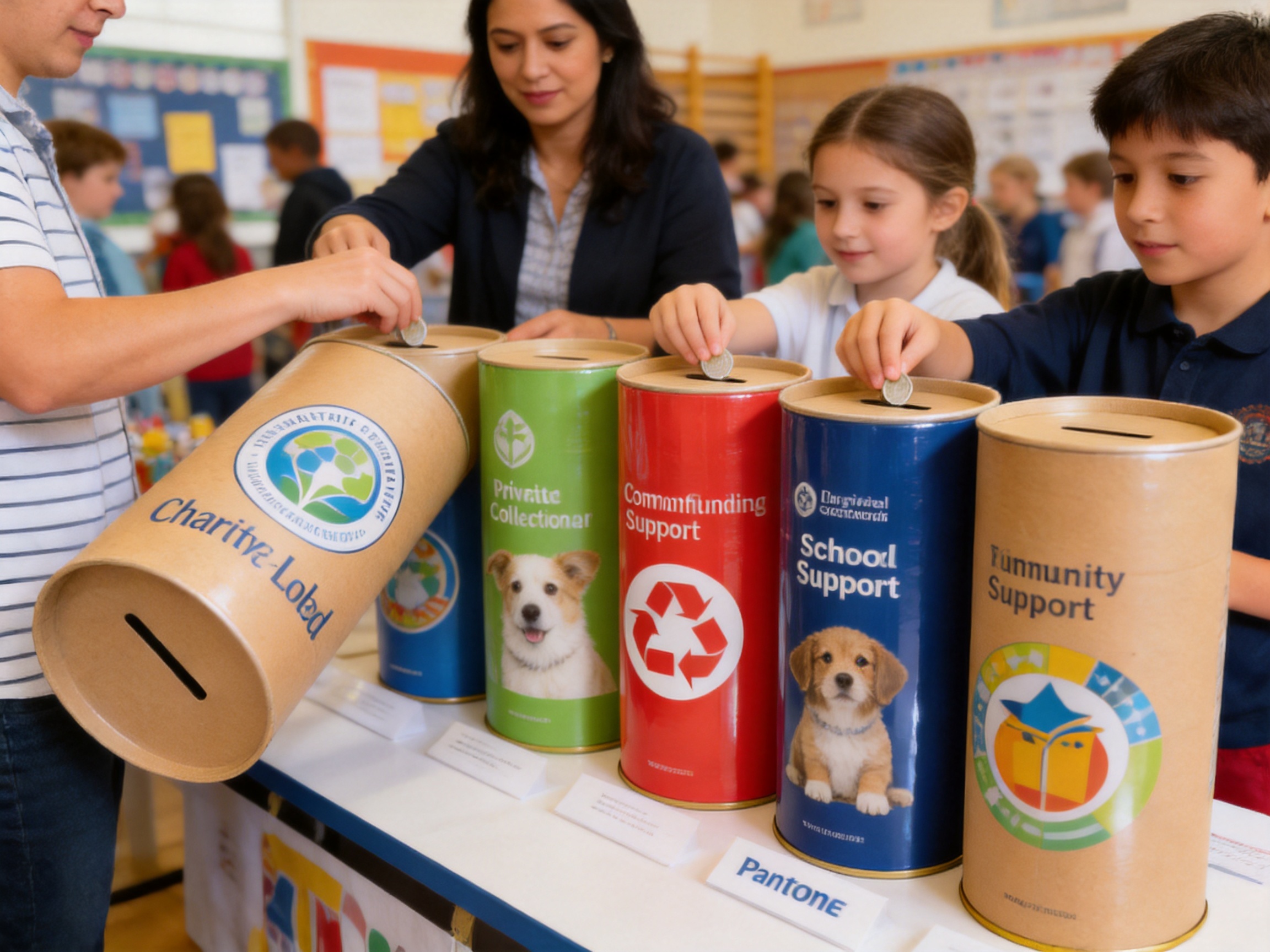
Retail stores frequently use countertop collection boxes to support local charities, emergency appeals, animal welfare programs, food banks, and community projects. The compact cylindrical format can fit near a cash register without interfering with normal transactions. Custom printing helps connect the box to the retailer’s social responsibility program or the selected charity.
Schools and Educational Institutions
Schools can use paper coin banks for student-led fundraising, disaster relief, educational projects, sports programs, and community support. A custom design can include the school colors, mascot, project target, and student-created artwork. The paper construction is also suitable for campaigns that want to teach students about recycling, community participation, and responsible consumption.
Religious and Community Organizations
Religious institutions and community centers often collect donations for charitable activities, humanitarian assistance, local families, or special events. A respectful design with clear messaging can be placed in reception areas, meeting rooms, and event spaces. The ability to produce a private-label box makes it possible to align the package with the organization’s existing visual identity.
Corporate Social Responsibility Programs
Businesses can use branded donation boxes as part of employee giving, customer participation, seasonal campaigns, and community partnerships. A custom paper coin bank can be distributed across offices, branches, stores, and partner locations. Its printed surface can recognize both the charity and the corporate sponsor without requiring a large display installation.
Events and Temporary Campaigns
Fundraising events often need portable collection equipment that is easy to distribute and simple to identify. The lightweight paper tube format can be prepared for conferences, exhibitions, concerts, sports events, festivals, and holiday markets. Campaign-specific graphics can make the boxes look coordinated with banners, tickets, table cards, and staff uniforms.
Animal Welfare and Environmental Campaigns
Animal shelters, wildlife organizations, conservation groups, and environmental projects can benefit from a paper-based donation box because the material itself may reinforce a responsible and caring message. Natural kraft paper combined with carefully selected graphics can create a visual connection between the fundraising tool and the organization’s mission.
How the Product Supports Donor Engagement
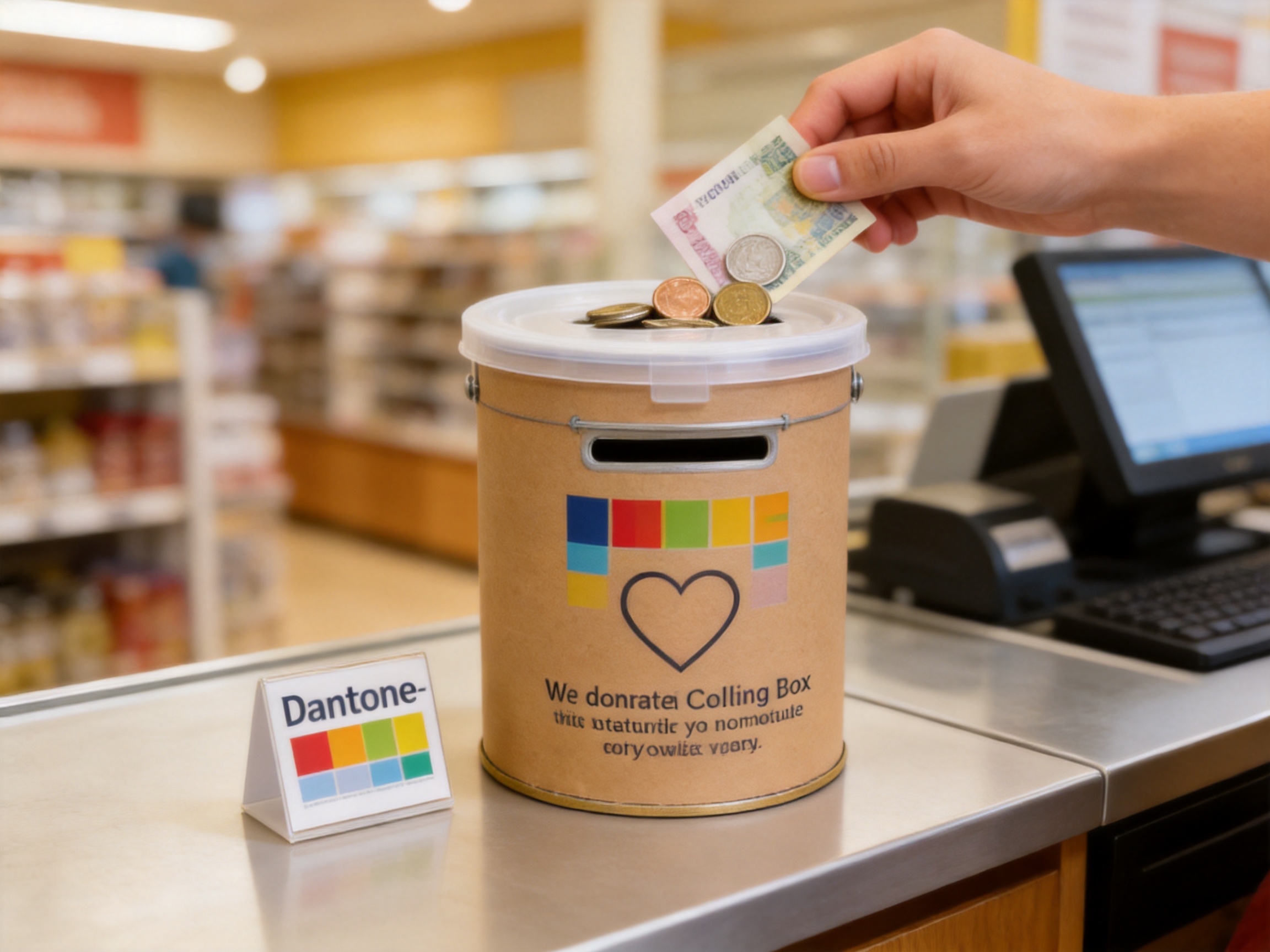
Donor engagement begins with visibility. A collection box must be noticed at the right moment, usually when a person is completing a purchase, entering an event, or waiting at a service point. The vertical shape and colorful customized printing can help the box stand out from surrounding objects.
The second stage is understanding. Donors need to know what their money will support. A short, direct message is usually more effective than a crowded paragraph. The printed design can combine a headline, a simple explanation, and a clear donation instruction. Where appropriate, a campaign may also include a short impact statement, such as explaining what a small contribution can provide.
The third stage is action. The slot should be easy to identify and convenient to use. If the campaign accepts different forms of currency, the wording should be clear. The box can also include a thank-you message that reinforces the value of participation without creating pressure.
The fourth stage is trust. Professional construction, clean printing, and consistent branding can make donors feel more confident that the collection is legitimate. Organizations should also follow local requirements for donation handling, disclosure, identification, and collection-box management. Packaging supports trust, but transparent campaign administration is equally important.
Ordering Process for Customized Collection Boxes
A successful private-label project usually begins with a product brief. The brief should identify the campaign purpose, expected quantity, target market, preferred dimensions, material preferences, printing requirements, closure design, delivery schedule, and packaging expectations.
The next step is artwork and structural review. The customer provides logos, text, color references, images, and other design elements. The manufacturer checks whether the artwork fits the cylindrical body, whether text is readable at the intended size, and whether the slot, lid, and seams affect the layout.
A sample or proof can then be reviewed. Customers should examine the sample under normal lighting and, if possible, place it in the intended environment. This can reveal whether the box is sufficiently visible, whether the text is legible from a practical distance, and whether the size is suitable for the counter or event table.
Once the sample is approved, the production specifications should be documented. This record may include dimensions, materials, color references, artwork version, surface finish, component details, packing method, and inspection standards. Maintaining one approved specification helps reduce confusion when future repeat orders are placed.
After production, the boxes should be packed to prevent crushing, abrasion, moisture exposure, and component separation during transit. The buyer should confirm whether the products will be shipped individually, in inner cartons, or in larger master cartons. Packing quantities should reflect the customer’s storage and distribution system.
Storage, Handling, and Use Recommendations
Paper collection boxes should be stored in a clean, dry environment away from direct water exposure and excessive humidity. Cartons should not be stacked beyond their safe limit, and heavy loads should not be placed on top of lightweight packaging. Proper storage helps preserve the cylindrical shape, printed surface, and lid fit.
Before distribution, staff should inspect each box for visible damage. The donation slot should be clear, the lid should be correctly fitted, and the printed campaign information should be accurate. Damaged or incorrectly printed units should be separated before they reach the public.
Organizations should establish a collection schedule. Regular emptying can prevent overfilling and helps maintain a professional appearance. Authorized personnel should handle the collection process according to the organization’s financial-control procedures, with appropriate records and secure transport.
For temporary events, the boxes can be positioned where they are visible but do not obstruct movement. A small sign or table display may provide additional context, but the box itself should remain easy to access. If the product is used near food or beverages, it should be protected from spills and placed in a location where it will not be knocked over.
Environmental Considerations
The recyclable paper-based design is one of the product’s notable advantages, particularly for customers seeking alternatives to conventional plastic collection containers. Kraft paper can communicate a natural and responsible image while providing a strong surface for fundraising graphics.
Environmental performance should be evaluated across the entire product system. The paper body, plastic lid, tin parts, foil lining, varnish, adhesive, ink, shipping carton, and disposal instructions all influence the final environmental profile. Buyers should ask for material details when they need to make formal sustainability claims.
Design choices can help improve resource efficiency. Using an appropriately sized box avoids unnecessary material consumption. Limiting excessive decorative layers can simplify recycling. Printing only the information needed for the campaign can reduce visual clutter and may make future artwork updates easier. Where local recycling infrastructure supports it, separable components can be identified for proper disposal.
Organizations should avoid presenting a product as universally recyclable without considering regional conditions. A more accurate message may explain that the paper body is recyclable where suitable facilities exist and that components should be handled according to local guidance. This transparent approach protects the credibility of both the charity and the packaging supplier.
Why Choose an Experienced Paper Tube Manufacturer
Paper tube packaging requires specialized knowledge that differs from flat carton production. The manufacturer must understand cylindrical forming, winding tension, adhesive bonding, end closure tolerances, printing alignment, and component fit. An experienced producer is more likely to identify potential problems before they become expensive production issues.
Hangzhou Qunle Packaging Co., Ltd. has built its business around composite cans and paper cans for more than 20 years. Its experience covers food packaging, daily chemical products, fast-moving consumer goods, and related paper-based formats. This background indicates familiarity with the performance expectations of commercial packaging, including consistent appearance, repeatable production, and coordination of multiple materials.
The company reports that it was the first enterprise in China to pass the QS certificate for producing food packaging containers. A food-packaging quality background can be relevant to charity collection projects because it suggests experience with controlled production and packaging compliance processes, although customers should confirm the specific certifications and requirements applicable to their own market and product.
The company’s reported partnerships with established brands also indicate experience with demanding customers and repeat supply programs. Large or recognized customers typically require stable quality, reliable communication, documented specifications, and dependable delivery. These capabilities can benefit organizations ordering custom collection boxes for multi-location campaigns.
Its investment in high-speed European composite can production equipment and its reported portfolio of patented technologies further support its manufacturing profile. Equipment alone does not guarantee quality, but advanced machinery combined with trained operators, process controls, inspection, and technical management can improve production efficiency and repeatability.
Comparison with Common Collection Box Alternatives
| Feature | Paper Tube Coin Bank | Plain Plastic Container | Flat Cardboard Box | Metal Donation Tin |
|---|---|---|---|---|
| Branding surface | Large cylindrical printable area | May require labels or sleeves | Printable but limited by folding panels | Printable surface may require labels or special coating |
| Visual character | Natural, customizable, and promotional | Functional and often generic | Lightweight and campaign-oriented | Rigid and durable-looking |
| Portability | Light and easy to distribute | Generally portable | Very portable but may be less rigid | Heavier than paper formats |
| Shape | Vertical cylindrical format | Often rectangular or cylindrical | Usually rectangular | Often rectangular or cylindrical |
| Customization | Suitable for private-label production | May need printed labels or molded features | Highly printable but structurally different | Custom printing may be more costly |
| Sustainability positioning | Paper-centered and recyclable where appropriate | Depends on plastic type and local recycling | Paper-based, subject to coatings and components | Metal is recyclable but requires more material and weight |
| Best suited for | Branded counter campaigns and distributed fundraising | Long-term reusable collection points | Short campaigns and lightweight distribution | High-rigidity or traditional donation settings |
This comparison does not mean that one format is suitable for every campaign. Plastic may be preferred where repeated washing or outdoor exposure is required. Metal may be selected for maximum rigidity. Flat cardboard may be ideal for very short campaigns or mail-based distribution. The paper tube coin bank is especially strong when a customer wants a compact, visually prominent, customized container with a paper-centered sustainability story.
Important Design Questions Before Production
Customers should decide whether the box is intended for coins only or for both coins and folded banknotes. This affects the slot dimensions and may influence the internal design. The expected donation volume should also be estimated so that the selected size does not require excessive emptying.
The campaign location should be identified. Indoor retail counters, outdoor festivals, school classrooms, religious halls, and unattended public areas each present different risks. Humidity, accidental impact, theft, visibility, and handling frequency should all be considered during design review.
The customer should determine whether the box needs to be opened repeatedly or sealed after distribution. A reusable lid may be suitable for recurring campaigns, while a tamper-evident or sealed design may be better for a one-time collection. If an organization needs to count donations at multiple locations, the opening system should support secure and efficient collection procedures.
Artwork should be reviewed for accessibility. Text should be large enough to read, color contrast should be sufficient, and the main donation message should not depend only on small decorative elements. If the campaign serves an international audience, language versions and symbol use should be considered before printing.
Finally, buyers should clarify order quantity, lead time, sample requirements, shipping terms, carton specifications, and repeat-order procedures. Clear communication at the beginning reduces the possibility of delays and ensures that the final product supports the campaign’s launch date.
Frequently Asked Questions
What is this product primarily used for?
It is primarily used as a charity collection box or coin bank for collecting donations in public and semi-public locations. Typical settings include stores, schools, offices, community centers, religious institutions, events, and charity campaigns.
What is the approximate size of the box?
The stated internal dimensions are approximately 73 millimeters in diameter and 160 millimeters in height. Customized dimensions may be discussed according to the customer’s application, quantity, and structural requirements.
What materials are used?
The primary material is kraft paper. The product description also identifies plastic and tin components, with a plastic lid and an aluminum foil lining listed among the construction details. The exact material arrangement should be confirmed in the approved technical specification.
Can the product be customized with private-label artwork?
Yes. Custom orders are accepted. Customers can discuss artwork, logos, campaign messages, colors, dimensions, surface treatment, lid details, and other structural requirements with the manufacturer.
What type of printing is available?
The listed printing method is Pantone printing, accompanied by a glossy finish and varnishing. Pantone references can support consistent campaign colors, but customers should review a physical proof because paper color and finishing can affect the final result.
Is the paper coin bank recyclable?
The product is described as recyclable. However, recycling depends on the final combination of paper, plastic, tin, foil, varnish, adhesive, and local recycling infrastructure. Customers should confirm the final material configuration and provide disposal guidance appropriate to their target market.
Can it accept banknotes as well as coins?
The box is identified as a coin bank and collection box, but acceptance of banknotes depends on the final slot design. Customers should specify whether the product must accept coins only or both coins and folded banknotes before production.
Is the box suitable for outdoor use?
It is primarily a paper-based product and should generally be used in dry, protected conditions unless additional weather-resistant protection is specified. Outdoor use should be discussed with the manufacturer so that material, coating, closure, and placement requirements can be evaluated.
Can the lid be made more secure?
Potentially. The standard product description includes a plastic lid, but customers with higher security requirements can discuss reinforced, sealed, tamper-evident, or otherwise controlled-access solutions. The appropriate design depends on how the box will be monitored and emptied.
Why is a cylindrical shape useful?
A cylindrical shape provides a distinctive vertical appearance, a continuous printable surface, and a compact footprint. It can stand out on a counter while using less table space than some rectangular alternatives. Its suitability depends on the campaign’s required capacity and stability.
What should be included in the printed message?
A strong message usually identifies the charity or campaign, explains the purpose of the donation, tells users how to contribute, and includes a brief thank-you statement. If relevant, the design may also include a campaign date, sponsor information, or a short impact statement.
How can a buyer approve the design?
The buyer should provide final artwork and review a digital proof or physical sample before mass production. The approval should cover dimensions, color, text, slot position, lid fit, surface finish, and overall appearance. A documented approved specification is useful for future repeat orders.
What makes an experienced paper tube producer important?
Paper tube production involves specialized forming, winding, bonding, printing, finishing, and component-fitting processes. An experienced manufacturer can coordinate these stages, identify technical risks, maintain more consistent output, and support repeat production for multi-location campaigns.
Conclusion
The private label charity collection box paper coin bank is a practical fundraising product that combines visibility, customization, portability, and paper-based construction. Its kraft paper body provides a broad communication surface, while Pantone printing, glossy finishing, and varnishing can create a polished campaign appearance. The compact cylindrical format is appropriate for counters, reception desks, classrooms, event tables, and other locations where donors can make convenient contributions.
Compared with generic plastic containers, the product offers stronger private-label and storytelling potential. Compared with plain cardboard boxes, its cylindrical structure can provide a more distinctive presence and useful vertical display area. Compared with metal tins, it can offer a lighter, more flexible, and more paper-centered alternative. These advantages make it especially suitable for organizations that want their collection equipment to look like an intentional part of the campaign rather than a generic container.
The manufacturing background of Hangzhou Qunle Packaging Co., Ltd. adds value to the product proposition. More than 20 years of experience in composite cans and paper cans, specialized industry participation, reported patented technologies, food-packaging production experience, established customer partnerships, and investment in high-speed European equipment all support the company’s ability to develop customized paper tube products.
For the best result, customers should define the intended environment, donation type, security level, dimensions, artwork, color requirements, finishing, recycling expectations, and delivery schedule before production. With careful design and technical coordination, this paper coin bank can become an effective physical ambassador for a charity campaign—drawing attention, explaining the cause, and making participation simple for donors.
References
1. Composite Can and Tube Institute. General industry information on composite cans, paper tubes, and cylindrical packaging structures.
2. International Organization for Standardization. General principles related to packaging, material identification, environmental considerations, and quality management.
3. Packaging industry guidance on kraft paper selection, printing compatibility, varnishing, and paper-based package construction.
4. Recycling and sustainability guidance concerning paper packaging, composite materials, coatings, adhesives, and local waste-management systems.
5. Product specifications and company information supplied for the private label charity collection box paper coin bank.
