 English
 Español


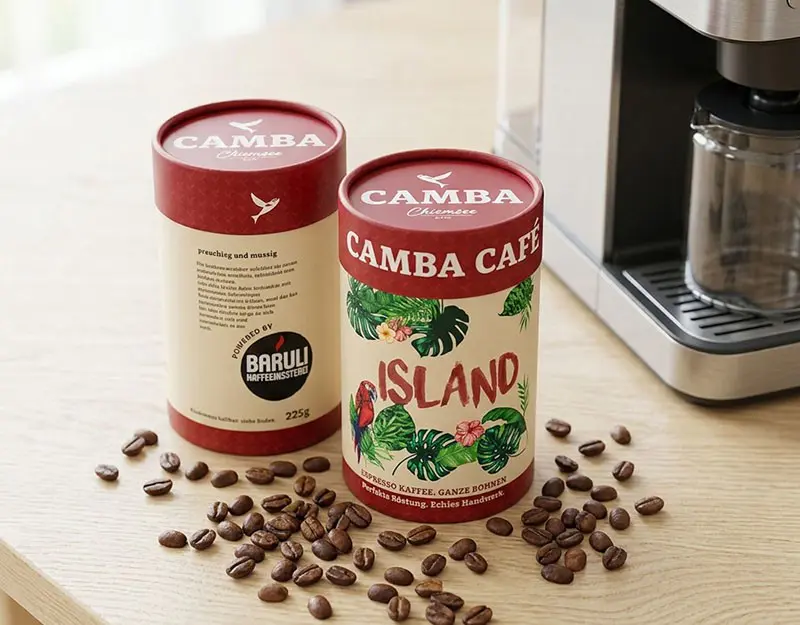
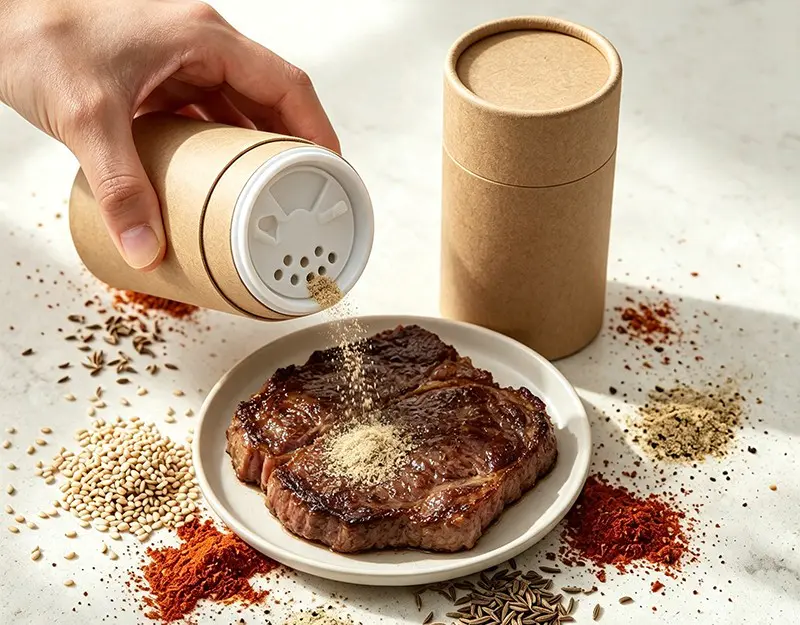
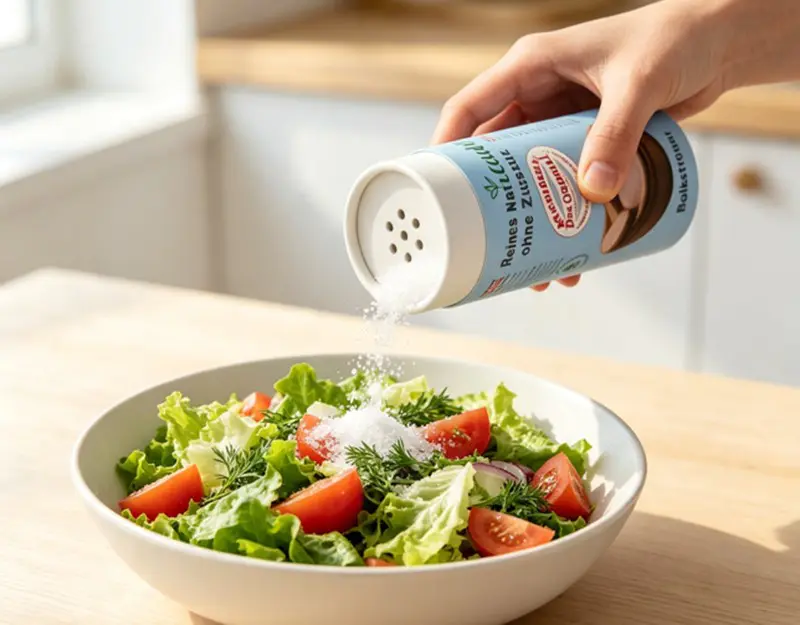
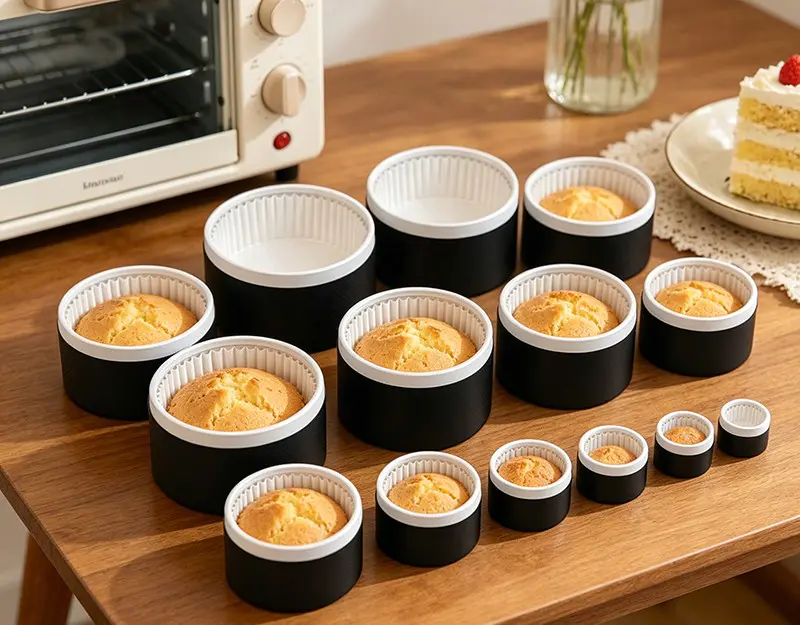
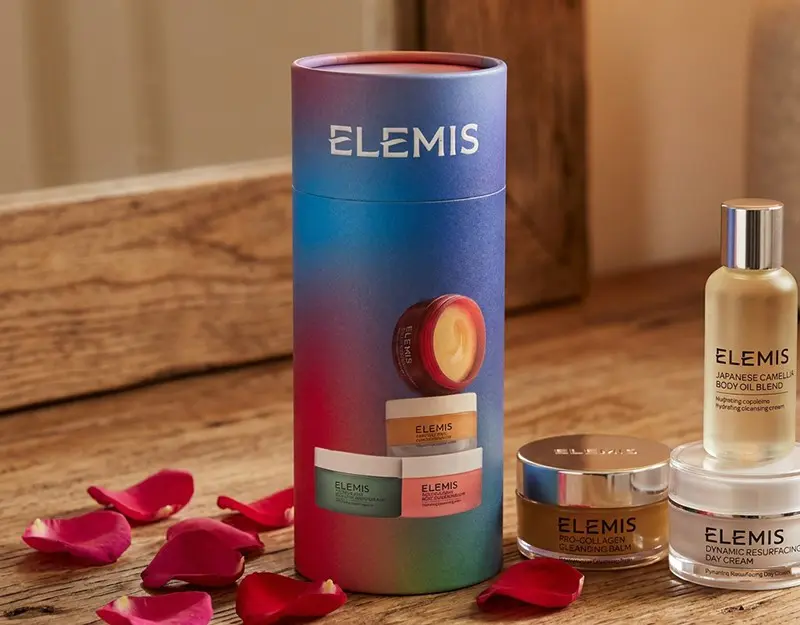
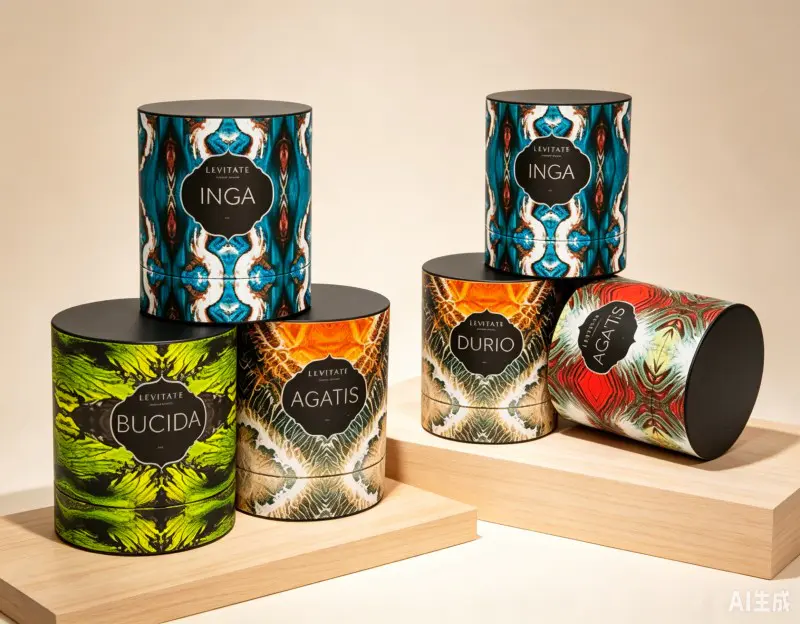
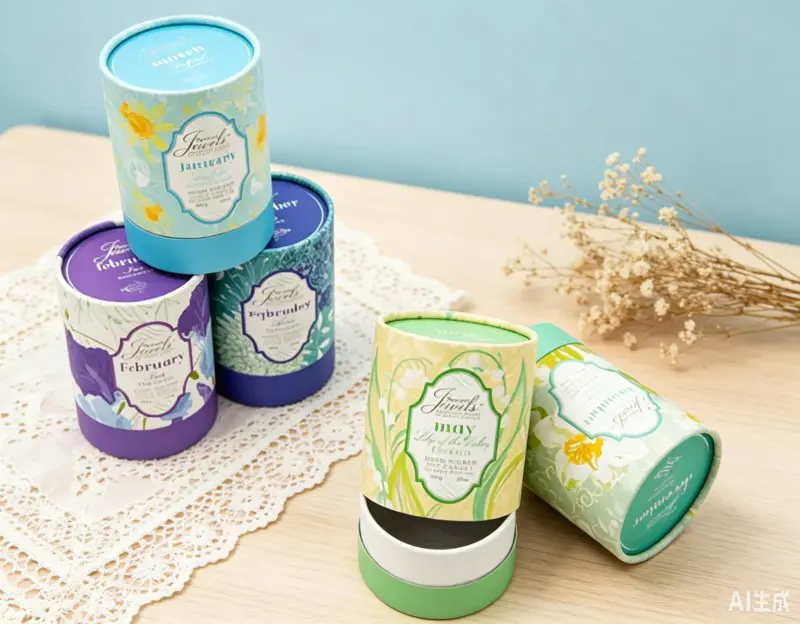
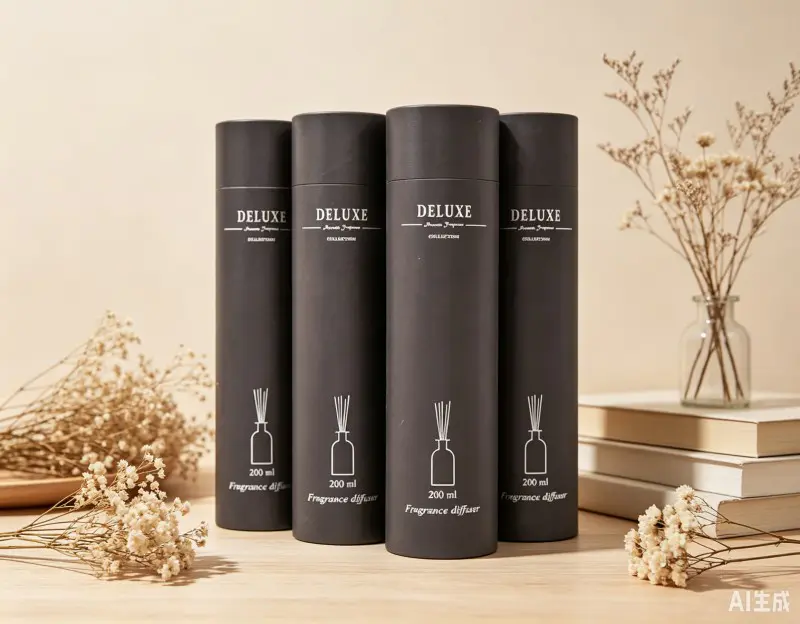
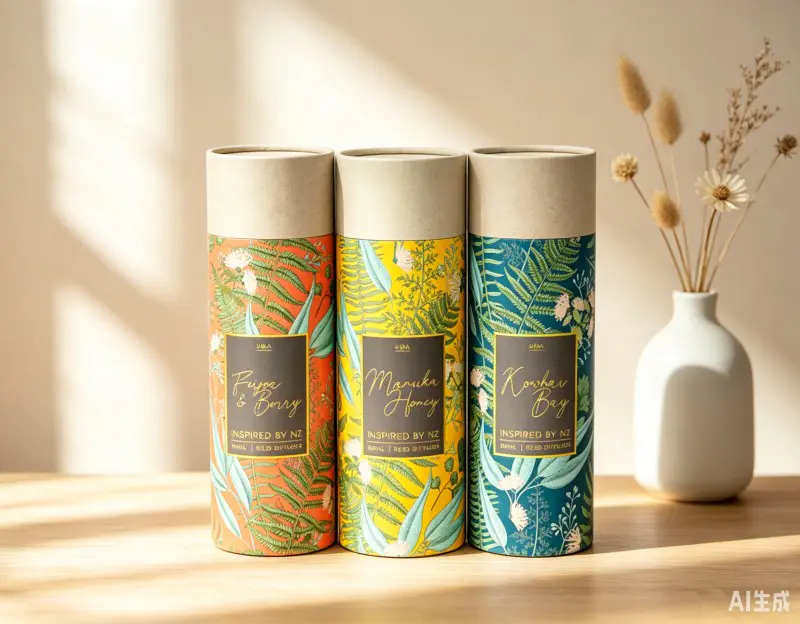
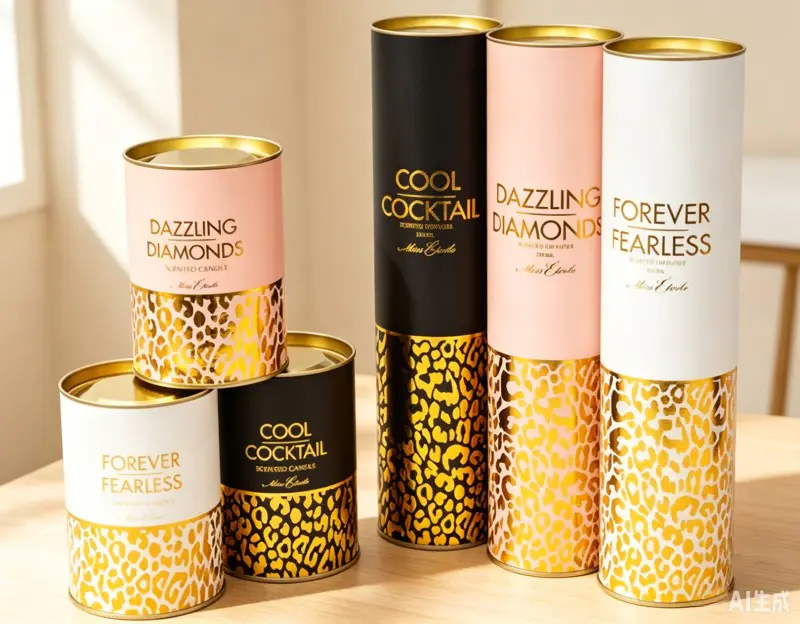
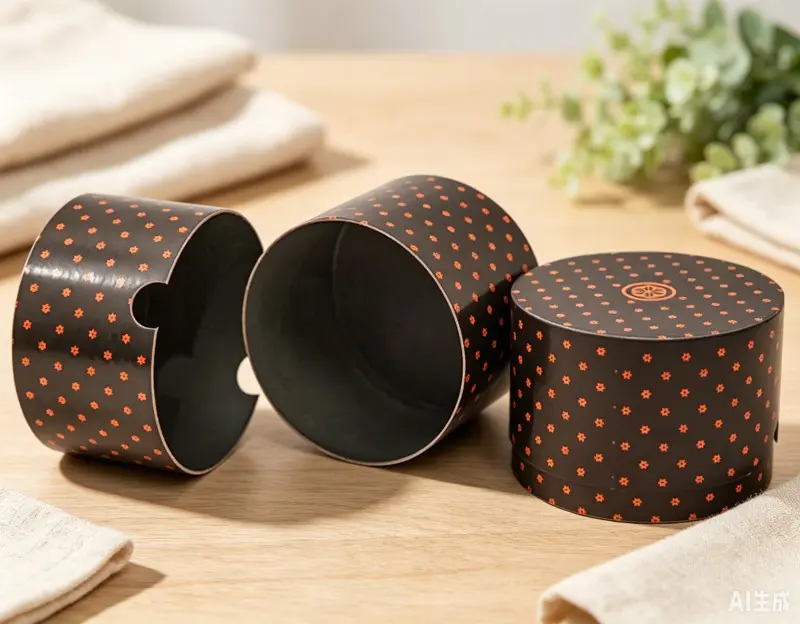
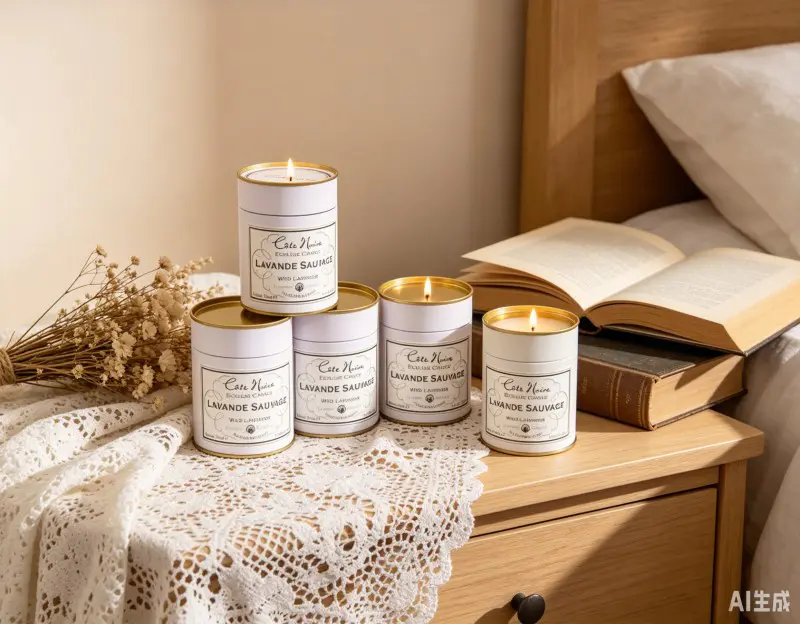

As one of the top China cardboard tube packaging manufacturers and paper tube packaging suppliers, we devote all of our efforts to research and launch more high quality packaging products to global market.
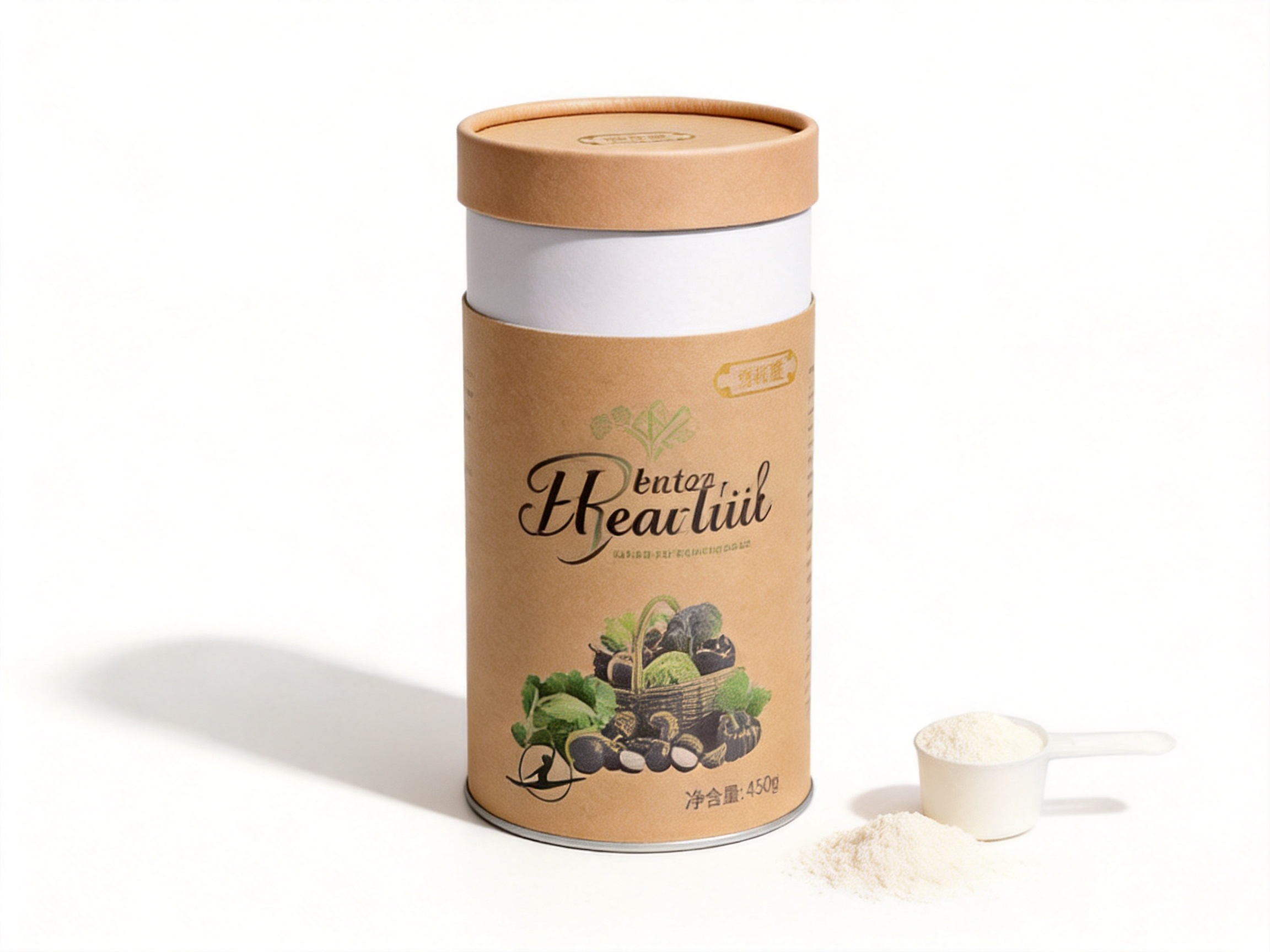
Packaging for powder supplements must perform several jobs at the same time. It must protect the product from moisture, dust, odors, handling damage, and contamination while remaining convenient for consumers to open, store, and use. It must also communicate quality on the retail shelf and support the sustainability goals increasingly expected by brands, retailers, and end users. The recyclable food-safe powder supplement packaging described in this article is designed to address these requirements through a rigid cylindrical paper canister with an airtight two-piece construction, a white paper lining, coated and kraft paper materials, and customizable printing.
Developed for powder drink products and nutrition supplements, this 500g packaging format combines the structural advantages of a composite paper can with the visual and environmental benefits of paper-based packaging. Its approximate internal dimensions are 99–102.4 mm in diameter and 175 mm in height, creating a practical cylindrical format for a wide range of powdered products. The container can be customized with brand graphics, CMYK printing, a matte finish, and other specifications according to the needs of the product owner.
For buyers comparing paper canisters with plastic jars, flexible pouches, or conventional metal containers, the key value of this format lies in its balanced performance. It is rigid, stackable, printable, customizable, and suitable for food-contact applications when produced with the appropriate materials and compliance controls. At the same time, the paper-based body can help reduce the visual and material dependence on conventional plastic packaging.

Recyclable Materials Food Safe Powder Supplement Packaging 500g
Content
- 1 What Is a 500g Powder Supplement Paper Canister?
- 2 Core Product Specifications
- 3 Food-Safe Construction for Powder Products
- 4 Airtight Two-Piece Paper Can Design
- 5 Recyclable and Eco-Conscious Material Direction
- 6 Advantages Compared with Competing Packaging Formats
- 7 Printing and Brand Presentation
- 8 Manufacturing Expertise Behind the Packaging
- 9 Factory-Direct Production Benefits
- 10 Manufacturing Process Overview
- 11 Quality Considerations for Supplement Brands
- 12 Practical Applications
- 13 Designing the Container for Better Consumer Use
- 14 Environmental and Commercial Value
- 15 How to Order and Develop the Product
- 16 Frequently Asked Questions
- 16.1 Is this canister suitable for 500g of every powder supplement?
- 16.2 What makes the package food safe?
- 16.3 Is the paper canister airtight?
- 16.4 Can the package be customized with a logo?
- 16.5 What are the approximate dimensions?
- 16.6 What is the minimum order quantity?
- 16.7 How does this package compare with a plastic supplement tub?
- 16.8 Can the canister be used for products other than supplements?
- 16.9 Is a matte finish durable during shipping?
- 16.10 What information should be supplied for a quotation?
- 17 Why This Paper Canister Is a Strong Packaging Option
- 18 References
- 19 Product: Recyclable Materials Food Safe Powder Supplement Packaging 500g
What Is a 500g Powder Supplement Paper Canister?
A powder supplement paper canister is a cylindrical composite container manufactured primarily from paper-based materials. Unlike a simple paper carton, it has a wound or formed rigid body that provides resistance to compression and maintains its shape during filling, transport, warehousing, and retail display. The two-piece airtight paper can construction generally consists of a cylindrical body and a separate top or bottom component designed to close the package securely.
The product discussed here is intended for industrial packaging of powder drinks and nutritional supplements. Its 500g designation indicates a target product capacity, but the actual fill weight depends on the bulk density, particle size, settling behavior, and filling method of the powder. A light, aerated protein powder may occupy more volume than a dense mineral or instant beverage powder. For this reason, final capacity should be confirmed through physical filling tests before mass production.
The stated internal diameter range of approximately 99–102.4 mm and height of 175 mm provides a relatively tall, stable container. The proportions are suitable for powders that require a controlled opening area and enough vertical space for a substantial retail quantity. The cylindrical shape also gives the package a distinctive presence compared with flat pouches and rectangular cartons.
The canister uses coated paper and kraft paper in its construction, with a white paper lining on the inside. The outer surface can receive CMYK printing and a matte finish. A custom logo can be applied as part of the printed design, allowing the container to function as both a protective package and a product communication platform.
Core Product Specifications
| Specification | Product Information | Practical Significance |
|---|---|---|
| Primary application | Powder drinks and nutrition supplements | Designed for dry, powdered product categories |
| Nominal capacity | 500g | Suitable for a medium-size retail supplement format, subject to powder density |
| Construction | Two-piece airtight paper can | Supports secure closure and product protection |
| Shape | Cylinder | Provides rigidity, stackability, and a distinctive shelf profile |
| Material | Paper, including coated paper and kraft paper | Supports a paper-forward packaging structure |
| Inner lining | White paper lining | Creates a clean internal surface for food-contact packaging applications |
| Approximate size | Internal diameter 99–102.4 mm; height 175 mm | Provides a defined format for filling and labeling |
| Printing | CMYK printing | Allows detailed color graphics and product information |
| Surface treatment | Matte finish | Creates a refined appearance and reduces excessive surface glare |
| Customization | Custom logo and custom orders accepted | Allows adaptation to brand identity and market requirements |
| Minimum order quantity | 5,000 units | Suitable for commercial launches and planned production runs |
Food-Safe Construction for Powder Products
Food safety begins with the selection and control of materials that come into contact with the packaged product. Powder supplements may remain inside their containers for weeks or months, so the internal packaging surface must be clean, stable, and appropriate for the intended application. The white paper lining specified for this canister creates an internal layer between the product and the structural paper materials.
A lining is particularly important for dry powders because fine particles can migrate into small surface irregularities. It can also help reduce direct contact between the supplement and the outer structural layers. Depending on the final specification, the lining, adhesives, coatings, closures, and printing components must be selected in accordance with the intended food-contact requirements and the destination market.
Buyers should distinguish between a general statement that a package is food safe and the documentation required for a particular country or product category. A responsible packaging program should review declarations of compliance, material specifications, migration test requirements, production hygiene, and any applicable regulations before commercial filling begins. The container provides a suitable platform for food and supplement packaging, while the final compliance package should be confirmed for each application.
The smooth white internal surface also supports a clean visual impression when the lid is removed. This is valuable for supplement brands because consumers often associate a clean, well-finished interior with better manufacturing discipline. While appearance does not replace testing, a consistent internal finish contributes to user confidence and package quality.
Airtight Two-Piece Paper Can Design
The two-piece airtight format is one of the most important performance features of this packaging solution. A properly engineered closure helps protect the powder from the external environment and reduces the risk of accidental opening during distribution. This is especially important for hygroscopic powders that can absorb moisture and form lumps when exposed to humid air.
An airtight paper can is not simply a paper tube with a loose cover. Its body, end components, lining, adhesive systems, and dimensional tolerances must work together. The closure needs to fit consistently, remain secure through handling, and allow consumers to open the package without excessive force. The final performance depends on the exact design, sealing method, and environmental conditions, so testing with the intended product is essential.
Compared with a flexible pouch, a rigid canister offers better resistance to crushing and can be easier to handle with one hand. Compared with a conventional paperboard carton, it provides a more enclosed cylindrical structure and can offer improved resistance to deformation. Compared with an ordinary open paper tube, an airtight two-piece design is better suited to products that require stronger protection from humidity and ambient exposure.
The canister may also support secondary protective measures when required by the product owner. Depending on the application, these could include an inner seal, tamper-evident feature, induction-compatible closure, desiccant placement, or an additional barrier layer. Such options must be discussed during development because each can affect filling, sealing, recycling considerations, and total cost.
Recyclable and Eco-Conscious Material Direction
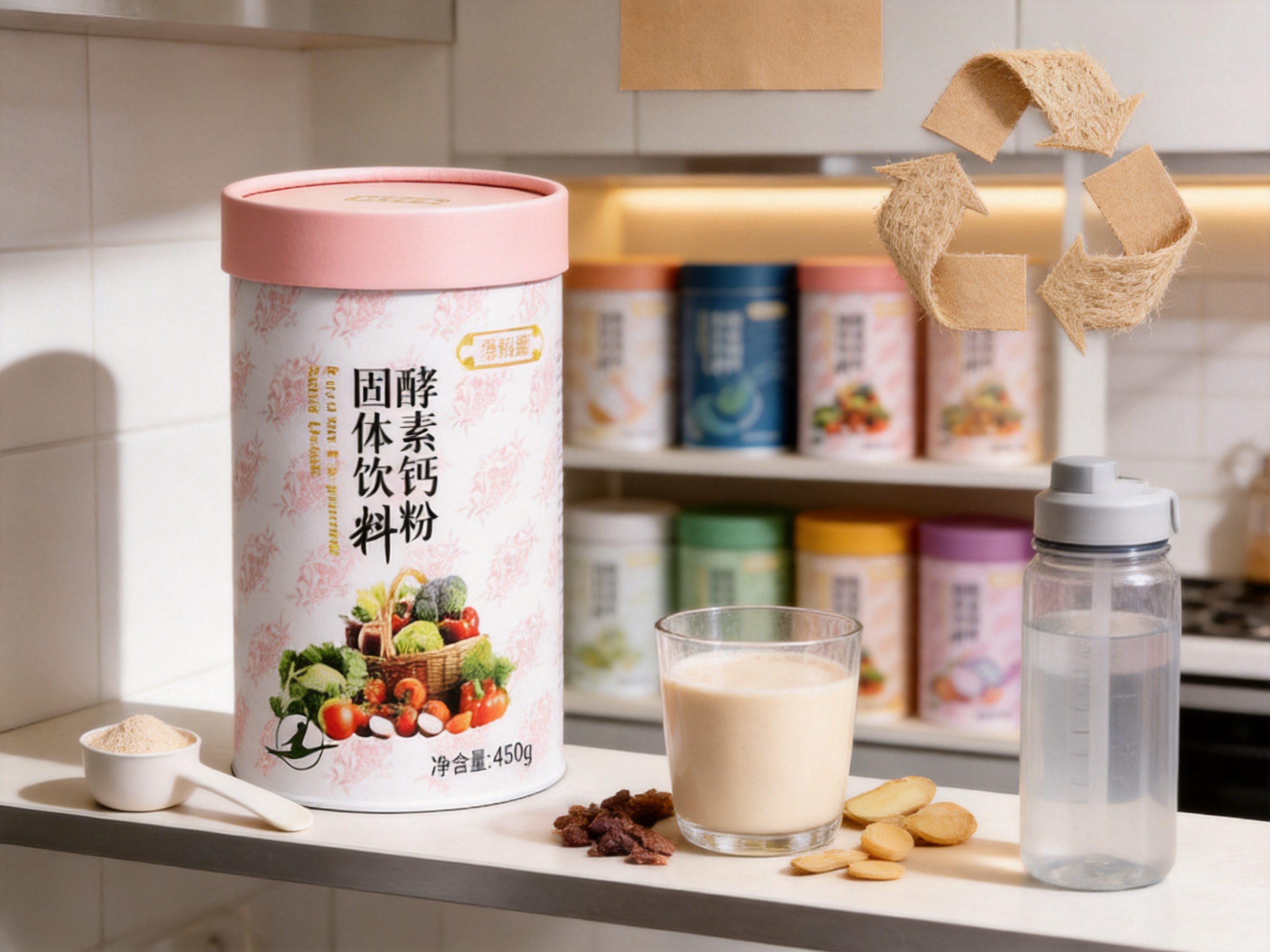
The use of recyclable materials is a major reason brands consider paper canisters for nutrition and supplement products. Paper is familiar to consumers, widely used in existing recycling systems, and generally associated with renewable fiber resources. A paper-forward container can help a brand communicate a more responsible packaging direction without giving up the rigidity required for a premium retail product.
The kraft paper component contributes a natural, tactile character to the structure, while coated paper provides a suitable printable surface for detailed graphics. This combination allows the package to balance environmental positioning with visual quality. It can be designed to look minimal and natural, or it can carry bright, technically detailed artwork for sports nutrition, wellness, and functional beverage products.
Recyclability must be considered as a complete package system rather than a single material claim. Linings, coatings, adhesives, inks, lids, and any added barriers can influence how the package is accepted by local recycling facilities. Brands should therefore confirm the final construction and local recycling guidance before making consumer-facing environmental claims.
Even with this qualification, a recyclable paper canister can offer a meaningful alternative to packaging formats that rely heavily on rigid plastic or multilayer structures. It may also support lightweighting and improved brand perception when the package is engineered efficiently. The goal is not merely to replace one material with another, but to create a package that performs well throughout its use and disposal stages.
Advantages Compared with Competing Packaging Formats
Compared with Rigid Plastic Jars
Rigid plastic jars are common in the supplement market because they are durable, familiar, and easy to fill. However, they can create a less differentiated appearance on crowded shelves. A cylindrical paper canister gives the product a more distinctive tactile and visual identity. Its paper surface can communicate natural, premium, or environmentally conscious positioning more effectively than standard molded plastic.
The paper canister can also reduce the perceived distance between the product and sustainability-oriented consumers. Many shoppers actively examine packaging materials when choosing nutrition products. A recyclable paper-forward design can become part of the product story, particularly for brands that use plant-based ingredients, responsible sourcing, or low-waste manufacturing as part of their market identity.
Plastic may still be preferable for certain high-moisture, heavy-impact, or highly demanding applications. The decision should therefore be based on product protection requirements, filling conditions, regulatory needs, and end-of-life infrastructure. For dry powder supplements, however, the paper canister offers a compelling combination of adequate structure, printable area, and material differentiation.
Compared with Flexible Pouches
Flexible pouches can be efficient in terms of material use and shipping volume, but they may be less convenient for repeated opening and closing. A pouch can collapse as powder is removed, making it harder to scoop and store neatly. The rigid cylindrical canister retains its shape throughout the product lifecycle and can stand upright in a cabinet or on a retail shelf.
The canister also offers a larger, flatter visual field than many flexible pouch formats. Its curved surface can display continuous graphics around the container, while the top and body can be coordinated as a single visual system. For premium supplements, the package can feel more like a durable storage container than a disposable refill bag.
Compared with Folding Cartons
Folding cartons are economical and efficient for many dry foods, but they generally require an additional inner bag or liner when used for powdered products. That combination can create multiple packaging components and may reduce convenience for the consumer. A composite paper canister integrates the rigid body and internal lining into one primary container format.
The cylindrical structure also provides better resistance to certain types of compression than a lightweight carton. During shipping and retail handling, a canister is less likely to develop sharp creases or collapse when moderate pressure is applied from the sides. This helps preserve the appearance of the product and supports more stable pallet and shelf presentation.
Compared with Metal Cans
Metal cans offer excellent strength and barrier performance, but they can be heavier and may create a more industrial visual impression. A paper canister is often lighter in handling and offers a warmer, more customizable surface. The matte printed exterior can provide a refined finish without requiring a separate paper label.
For supplements that do not require the extreme barrier performance of a metal container, the paper can may provide a more balanced solution. If the powder is highly sensitive to oxygen or moisture, additional barrier specifications should be evaluated rather than assumed. The best package is the one that matches the actual sensitivity of the product rather than applying an unnecessarily intensive structure.
Printing and Brand Presentation
CMYK printing allows the package to communicate product information through full-color graphics. Supplement packaging often needs to display flavor, serving size, nutritional information, usage instructions, ingredient details, certifications, warnings, and brand identity. A printed cylindrical body provides ample space for these elements while maintaining a unified appearance.
Designers can use the full circumference to create a continuous visual story. One panel may present the product name, another may explain functional benefits, and additional areas may provide regulatory or usage information. Since the canister is round, the artwork should be prepared with careful attention to seam placement, text curvature, image scaling, and barcode readability.
The matte finish adds a controlled, low-glare surface that can make the container easier to view under strong retail lighting. It may also contribute to a soft-touch visual impression that suits wellness, clean-label, sports nutrition, and premium lifestyle products. Matte surfaces can make colors appear more restrained and sophisticated, although the exact appearance depends on the ink system, paper, and printing conditions.
Custom logo printing allows the same structural format to serve different brands and product lines. A manufacturer can produce the canister with artwork supplied by the customer, subject to technical review. Before production, the buyer should approve dielines, color references, print proofs, text accuracy, barcode scans, and the placement of mandatory information.
Manufacturing Expertise Behind the Packaging
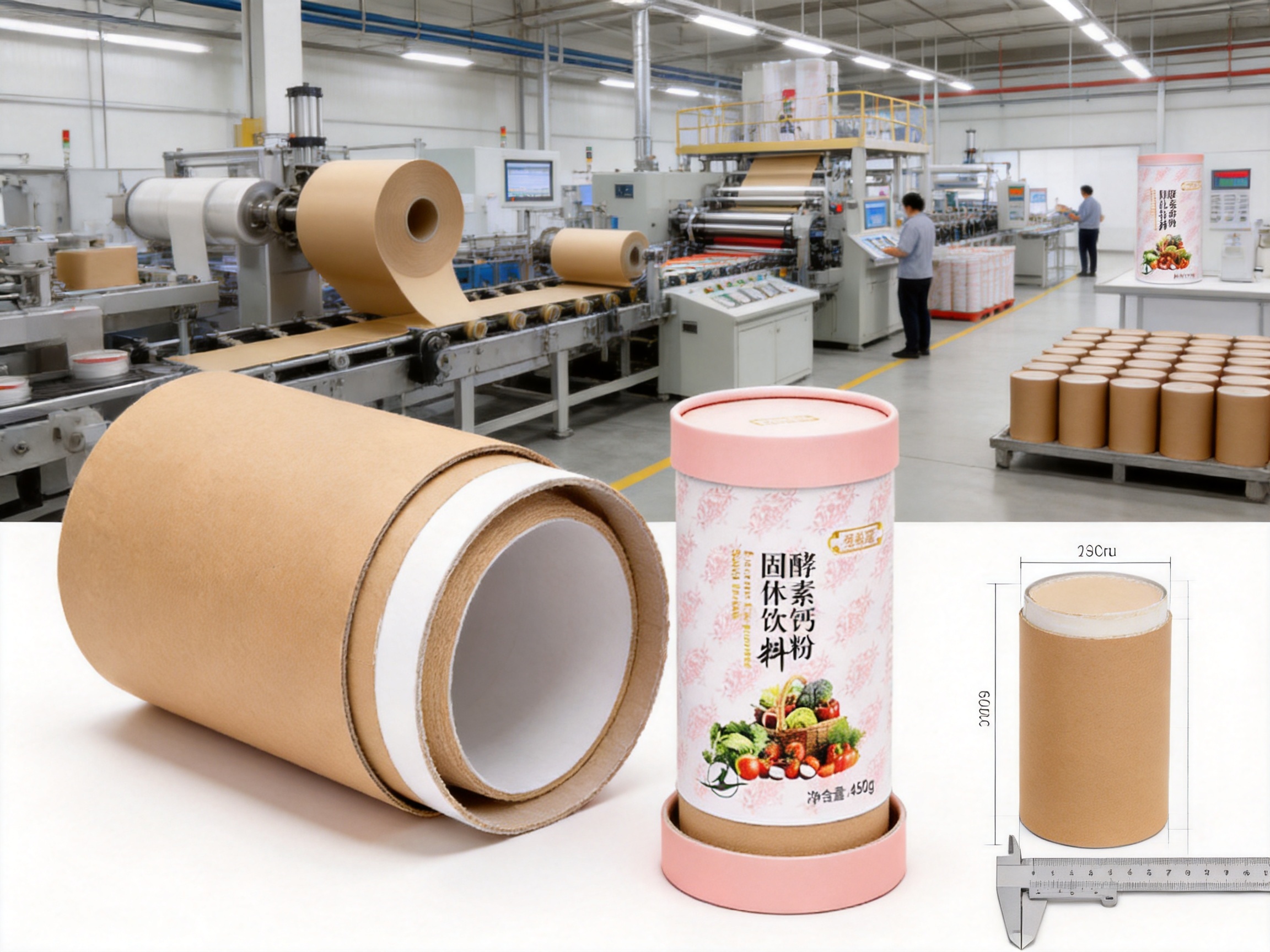
The manufacturing strength behind this product is supported by more than two decades of experience in composite cans and paper cans. Long-term specialization matters because paper canister production requires coordination between paper selection, winding or forming, lining, cutting, end assembly, printing, finishing, and quality inspection. A supplier with experience in these processes is better positioned to identify potential problems before they reach mass production.
The manufacturer is also described as a member of the international Composite Can and Tube Institute. Participation in an industry organization can support technical awareness and connection with developments in composite container manufacturing. For customers, this type of industry involvement may indicate that the supplier operates within a specialized packaging field rather than treating paper cans as an incidental product.
The company has reported more than ten patented technologies related to its packaging work. Patents alone do not guarantee that every product will be superior, but they can reflect ongoing investment in process development, equipment improvement, structural design, and production efficiency. For a customized supplement package, such technical resources can be valuable when the customer needs a particular size, closure, barrier, or visual finish.
In 2015, the manufacturer introduced a high-speed composite can production line from Europe. High-speed equipment can improve manufacturing consistency when properly operated and maintained. It may support more stable dimensions, better production throughput, and improved coordination between different stages of the manufacturing process. Consistency is especially important for airtight packages because small dimensional variations can affect closure performance.
Factory-Direct Production Benefits
The product is offered as factory-direct packaging, which can provide several commercial and technical advantages. Direct communication with the producer may reduce the number of intermediaries between the packaging buyer and the manufacturing team. This can make it easier to discuss artwork, samples, filling trials, material choices, delivery schedules, and quality concerns.
Factory-direct sourcing can also make customization more practical. The buyer can communicate requirements such as internal diameter, height, printing style, matte finish, lining, logo treatment, and closure design in a single development process. When a trading intermediary is not responsible for technical translation, the risk of misunderstanding specifications may be reduced.
A direct manufacturer relationship may also support more transparent production planning. Buyers can ask about material availability, production capacity, quality-control checkpoints, order scheduling, and packaging for shipment. These details matter for supplements because a delayed package can interrupt product launches, promotional campaigns, or seasonal sales.
The stated minimum order quantity is 5,000 units. This quantity is suitable for a commercial product launch, regional distribution program, or established supplement line. It is large enough to support efficient custom printing while remaining more manageable than extremely high-volume packaging commitments. The exact commercial terms, lead time, sample policy, and shipping arrangement should be confirmed during quotation.
Manufacturing Process Overview
1. Specification Review
Production begins with a review of the customer’s product and package requirements. The manufacturer should confirm the powder type, target fill weight, bulk density, moisture sensitivity, closure preference, dimensions, artwork, finish, and destination market. At this stage, it is important to identify whether the stated 500g capacity is based on a measured product sample or only a nominal marketing requirement.
2. Paper and Lining Selection
The structural papers are selected according to the desired strength, appearance, printability, and environmental positioning. Kraft paper can contribute body strength and a natural appearance, while coated paper may provide a smoother surface for graphics. The white paper lining is selected to create a suitable internal surface for the intended food or supplement application.
Material selection should also consider adhesive compatibility and the conditions the package will experience during filling and distribution. Humidity, temperature changes, stacking pressure, and warehouse duration can all influence performance. A well-designed material combination must remain stable from production through consumer use.
3. Body Formation
The paper layers are formed into a rigid cylindrical body using controlled production equipment. The number of layers, winding tension, adhesive distribution, and seam construction influence the final strength and dimensional accuracy. Consistent body formation is essential for maintaining a uniform diameter and ensuring that the end components fit correctly.
4. Lining and End Assembly
The white paper lining is integrated into the container structure, and the two-piece design is assembled with the appropriate top and bottom components. The assembly process must maintain clean edges and reliable connections. If the package is intended to provide airtight performance, the interface between the body and closure receives particular attention.
5. Printing and Surface Finishing
CMYK artwork is applied according to the approved design. The printing process must maintain registration, color consistency, fine detail, and legible text around the curved surface. The matte finish is then applied or incorporated according to the selected production method. Samples should be inspected under suitable lighting to verify that the visual result matches the approved reference.
6. Inspection and Packing
Finished canisters can be checked for dimensions, appearance, closure fit, surface defects, printing quality, and structural integrity. Depending on the agreed quality plan, inspections may also include compression testing, leak or seal evaluation, odor assessment, and simulated transport handling. Approved containers are then packed to protect them from dust, moisture, abrasion, and deformation during shipment.
Quality Considerations for Supplement Brands
A supplement brand should evaluate the package using both laboratory information and practical filling trials. A container that looks excellent in a sample room may behave differently on an automated filling line. The buyer should confirm that the canister can be conveyed, filled, closed, labeled if necessary, case-packed, palletized, and shipped without excessive intervention.
Dimensional consistency is particularly important for automated operations. The approximate internal diameter range of 99–102.4 mm should be treated as a starting specification rather than a substitute for an approved tolerance sheet. The buyer should request the complete dimensional drawing, including outside diameter, neck or rim details, base dimensions, closure dimensions, height tolerance, and any relevant weight information.
Powder behavior should also be studied. Fine powders can generate dust during filling, while coarse powders may settle unevenly. Some products contain oils, flavors, minerals, or botanical ingredients that can interact with internal surfaces over time. Accelerated aging and storage testing can help determine whether the lining and closure are appropriate for the intended shelf life.
Odor transfer is another consideration. A new paper canister should have a controlled, acceptable odor that does not affect the supplement. This is especially important for flavored beverages, tea-based powders, chocolate products, and botanical formulas. Packaging materials and adhesives should be evaluated for compatibility with the sensory characteristics of the product.
Practical Applications
The canister is primarily positioned for powder drinks and nutritional supplements. It can be used for protein powders, meal replacement products, collagen powders, electrolyte mixes, fiber products, greens powders, powdered vitamins, mineral blends, and other dry formulations. Each application must be reviewed individually because formulation sensitivity and filling requirements vary.
The format may also be adapted for functional beverage powders and wellness products that benefit from a strong visual presence. A tall cylindrical package creates a clear product block on the shelf and can support coordinated packaging across multiple flavors or formulas. Different color systems can distinguish varieties while preserving the same overall container architecture.
Although the specified application is nutrition and supplements, the broader manufacturing capabilities associated with paper cans may support other dry consumer products. Food, tea, coffee, snacks, confectionery, spices, pet care products, cosmetics, gifts, and candles may require different internal or external specifications. A customer should never assume that one lining or closure is suitable for every category, but the platform itself is adaptable.
Designing the Container for Better Consumer Use
Good supplement packaging should be easy to understand and comfortable to use. The 175 mm height provides sufficient front and side area for information, but text should remain readable without forcing the consumer to rotate the container excessively. The logo and product name should be visible from a normal shelf-facing position.
The opening should be large enough for a measuring scoop where applicable, while not being unnecessarily wide for the product. A suitable opening can reduce powder spillage and make it easier to reach the final servings at the bottom of the container. The inside should have clean edges and a finish that does not trap excessive powder.
The closure should give the consumer a clear indication that the package is properly closed. If the product requires tamper evidence, the closure system should communicate whether the package has been opened before purchase. The exact feature should be selected during product development rather than added after the main structure has been finalized.
Storage stability is also part of user experience. A cylindrical canister that stands securely on a shelf is easier to organize than a collapsing pouch. The rigid body protects the remaining powder from being crushed by other items in a pantry or gym bag. A clean matte exterior may also be easier to keep presentable during repeated handling.
Environmental and Commercial Value
Packaging sustainability has both material and commercial dimensions. A recyclable paper canister can support a company’s efforts to reduce reliance on conventional packaging materials, but its strongest value comes when the entire package is designed responsibly. Appropriate dimensions can reduce empty space, efficient case packing can improve transport utilization, and durable construction can reduce product damage and waste.
The package also helps a product stand out in an increasingly crowded supplement market. Many competing products use visually similar plastic tubs and flexible bags. A paper canister can create a different first impression before the consumer reads the label. Its texture, shape, matte finish, and printed graphics work together to signal a considered product experience.
For retailers, the rigid format can simplify shelf organization and improve facing stability. For consumers, it can offer convenient storage after opening. For brands, the package provides a broad printable area and a strong platform for sustainability messaging, nutritional education, and product differentiation.
Environmental communication should remain precise and evidence-based. Brands should explain the recyclable material content and provide disposal guidance that reflects the final package design and local infrastructure. Clear communication is more credible than broad claims that do not account for liners, closures, coatings, or regional recycling conditions.
How to Order and Develop the Product
The development process should begin with a complete technical brief. The brief should identify the product name, formula type, target net weight, bulk density, serving count, expected shelf life, moisture and oxygen sensitivity, desired closure, printing requirements, and destination market. It should also state whether the package will be filled manually, semi-automatically, or on a high-speed line.
The next step is usually a quotation and sample review. A buyer should request a physical sample with the proposed dimensions and lining. If possible, the sample should be filled with the actual powder or a representative substitute. This makes it easier to evaluate capacity, scoop access, headspace, closure fit, and overall user experience.
Artwork preparation follows structural approval. The manufacturer should supply a technical template showing the printable area, seam location, top and bottom orientation, safe zones, bleed requirements, and barcode placement. The buyer should proof all text carefully, especially nutritional declarations, allergen information, serving instructions, lot coding areas, and regulatory statements.
Before mass production, both parties should approve a golden sample or signed production standard. This reference can define acceptable color variation, surface appearance, dimensions, closure fit, lining condition, and printing quality. It provides a practical basis for inspection during the 5,000-unit production run and future repeat orders.
Frequently Asked Questions
Is this canister suitable for 500g of every powder supplement?
No packaging size can guarantee the same net weight for every powder because bulk density varies. The stated format is designed for a nominal 500g application, but the final capacity should be verified using the actual formula. A sample filling test is recommended before production.
What makes the package food safe?
The package uses a white paper lining and is intended for food and supplement applications. Final food-contact suitability depends on the exact paper, lining, adhesive, ink, coating, and closure specifications. Buyers should request the relevant technical and compliance documentation for their product and market.
Is the paper canister airtight?
The product is described as a two-piece airtight paper can. Airtight performance depends on the complete construction, closure fit, manufacturing tolerances, and final sealing method. Performance should be validated through testing with the actual product and expected storage conditions.
Can the package be customized with a logo?
Yes. Custom logos and custom orders are accepted. The package can be printed in CMYK and finished with a matte surface. Artwork should be reviewed for curved-surface printing, seam placement, color accuracy, barcode readability, and regulatory information.
What are the approximate dimensions?
The stated internal dimensions are approximately 99–102.4 mm in diameter and 175 mm in height. Buyers should request a formal technical drawing with complete tolerances before designing filling equipment, scoops, cartons, or shipping cases.
What is the minimum order quantity?
The stated minimum order quantity is 5,000 units. The final quantity, pricing, sampling arrangement, production schedule, and shipping terms should be confirmed in the commercial quotation.
How does this package compare with a plastic supplement tub?
The paper canister offers a paper-forward material profile, a distinctive cylindrical appearance, a printable outer surface, and a matte finish. It may be more attractive to brands seeking a recyclable or natural presentation. Plastic tubs may remain preferable for applications requiring specific impact, barrier, or closure performance, so the final choice should be based on product testing.
Can the canister be used for products other than supplements?
The broader paper can manufacturing platform may support food, beverage, tea, coffee, snacks, pet products, cosmetics, and other dry goods. However, each product requires its own review of lining, barrier, closure, compliance, and filling conditions.
Is a matte finish durable during shipping?
A matte finish is designed to create a low-glare visual effect, but its resistance to scuffing and abrasion depends on the selected paper, coating, printing process, and packing method. Shipping simulations and handling tests can help verify the expected appearance.
What information should be supplied for a quotation?
The buyer should provide the target quantity, product type, net weight, dimensions, artwork status, lining requirements, closure preference, printing colors, surface finish, destination market, expected annual demand, and required delivery schedule. A powder sample or bulk-density measurement is also useful when capacity must be confirmed accurately.
Why This Paper Canister Is a Strong Packaging Option
The recyclable food-safe powder supplement canister offers a well-balanced solution for brands that need structure, presentation, customization, and a more paper-oriented material profile. Its airtight two-piece construction is suited to dry powder applications, while the white paper lining supports a clean internal package design. The cylindrical shape provides stability and shelf presence, and the approximate 500g format fits many nutrition and functional beverage product concepts.
Its competitive advantage is not based on one feature alone. The value comes from the combination of coated paper, kraft paper, custom CMYK printing, matte finishing, factory-direct production, flexible customization, and specialized composite-can manufacturing experience. Compared with a standard plastic tub, pouch, carton, or metal can, it gives brands another way to balance protection, usability, visual identity, and sustainability objectives.
The manufacturer’s more than twenty years of industry experience, membership in the international Composite Can and Tube Institute, reported patented technologies, food-packaging background, and high-speed European production line provide a strong foundation for commercial development. These capabilities are especially relevant when the buyer needs consistent dimensions, custom artwork, reliable production planning, and a packaging partner familiar with paper can technology.
Before placing an order, the buyer should confirm the actual powder capacity, food-contact documentation, airtight performance, recycling guidance, dimensional tolerances, printing proof, and filling-line compatibility. Once these points are validated, the canister can serve as a practical and distinctive primary package for supplement brands seeking a professional presentation with recyclable paper materials.
References
1. Product specification information for recyclable food-safe powder supplement packaging, including construction, materials, dimensions, printing, finish, capacity, and minimum order quantity.
2. Composite Can and Tube Institute, general technical context concerning composite can and paper tube packaging.
3. General food-contact packaging principles concerning material selection, lining systems, migration considerations, and packaging compliance.
4. General packaging development practices for dry powders, including bulk-density evaluation, filling trials, closure testing, and transport validation.
5. General recycling and sustainability principles for paper-based composite packaging, including the importance of evaluating the complete package structure and local recycling infrastructure.
