 English
 Español


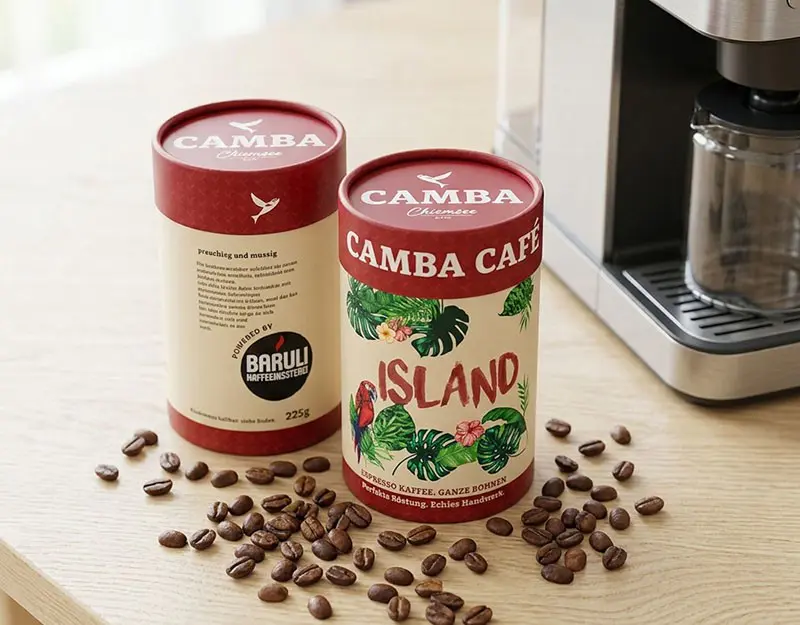
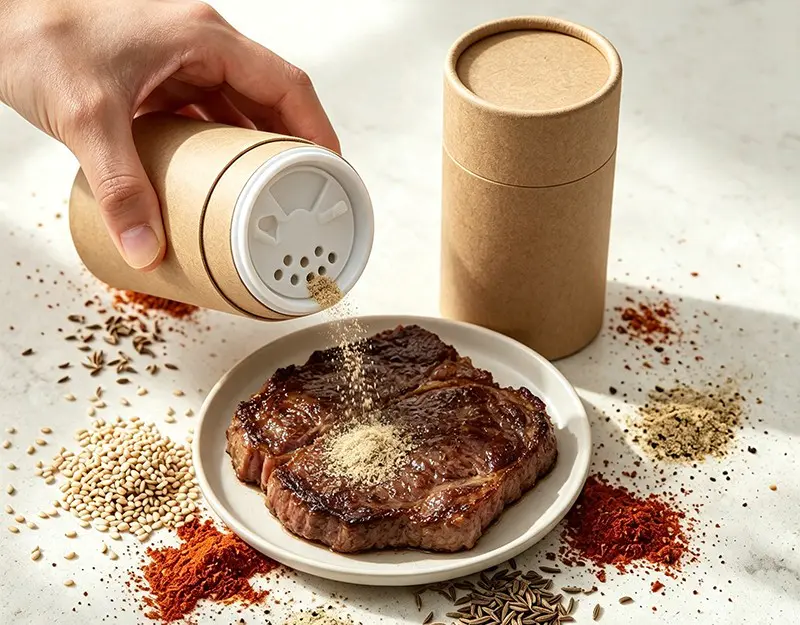


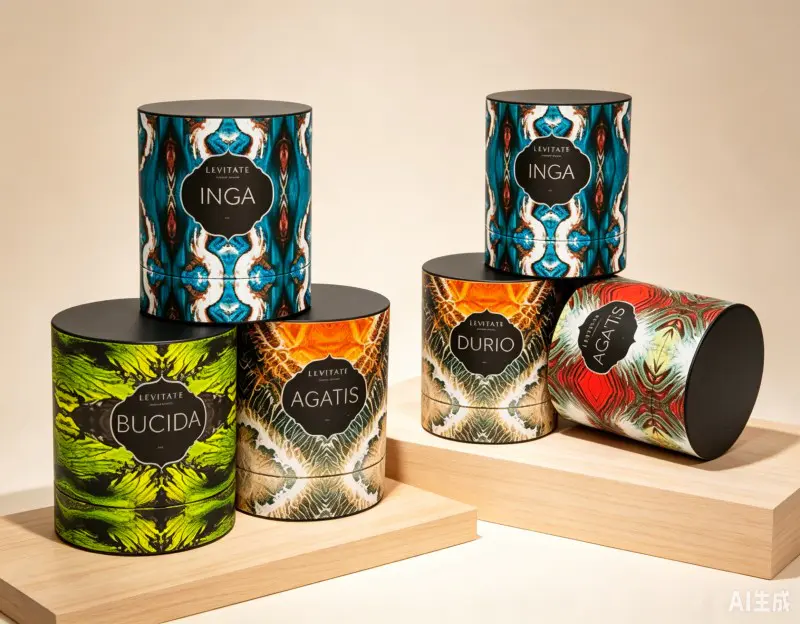
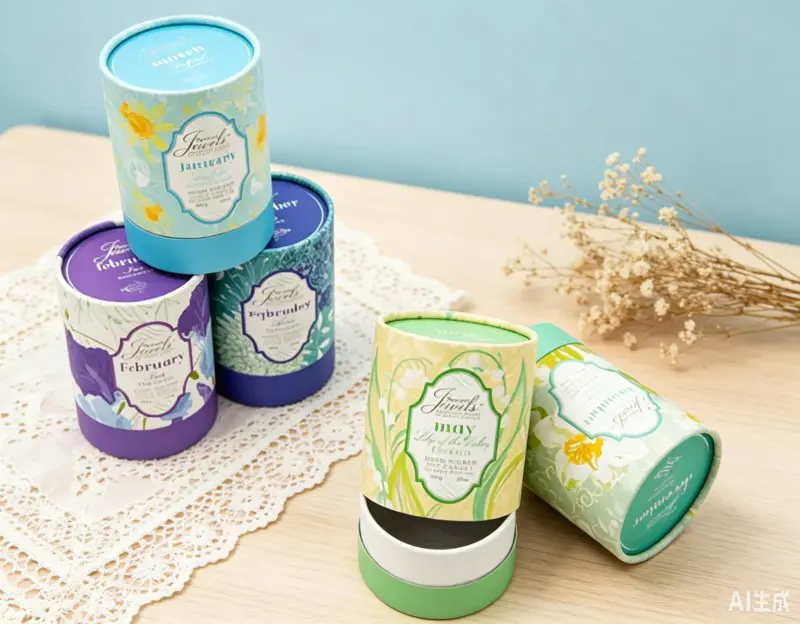
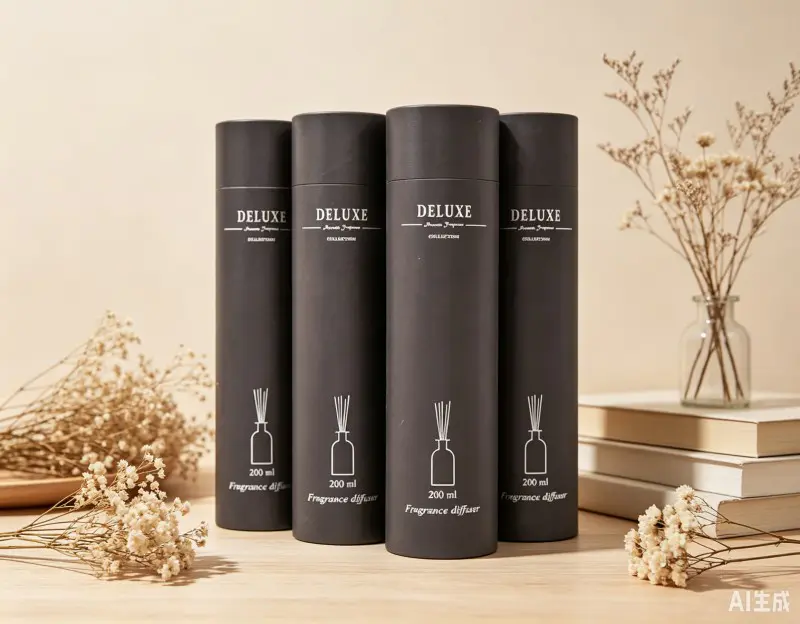
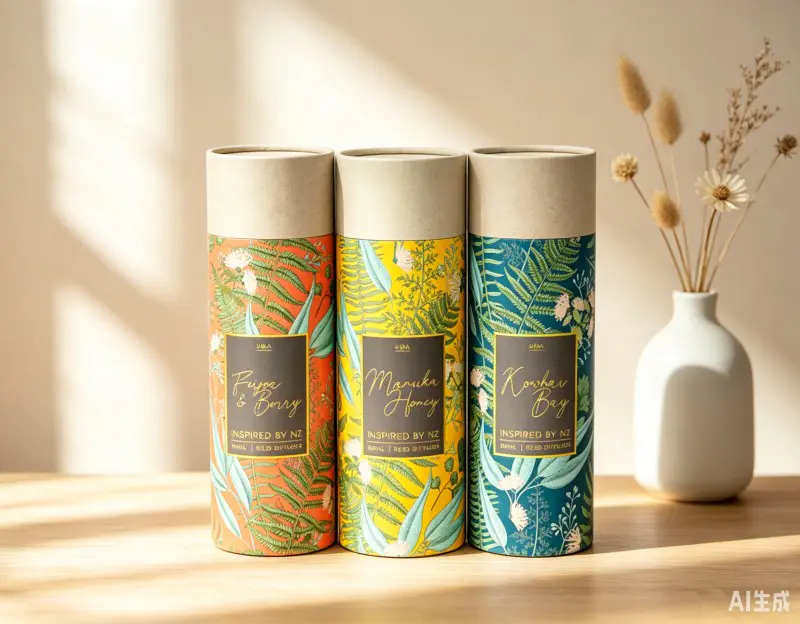
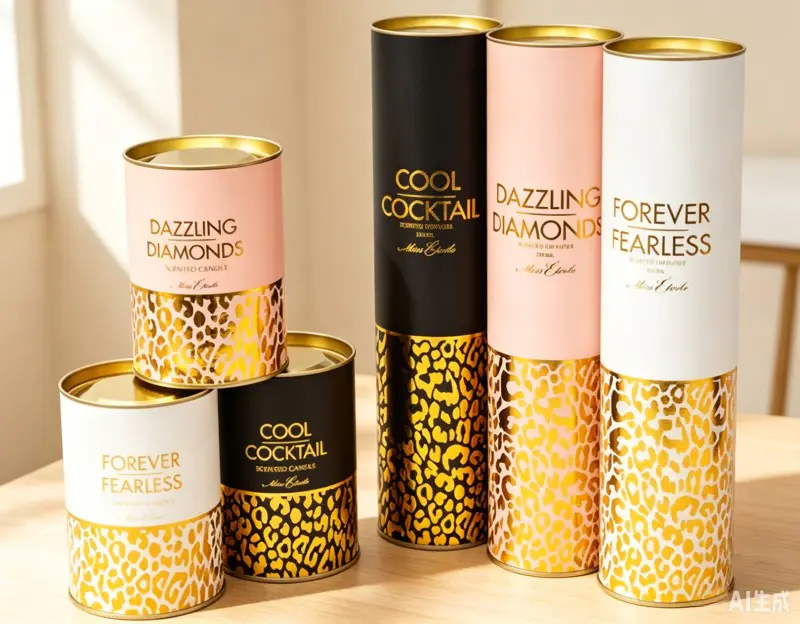
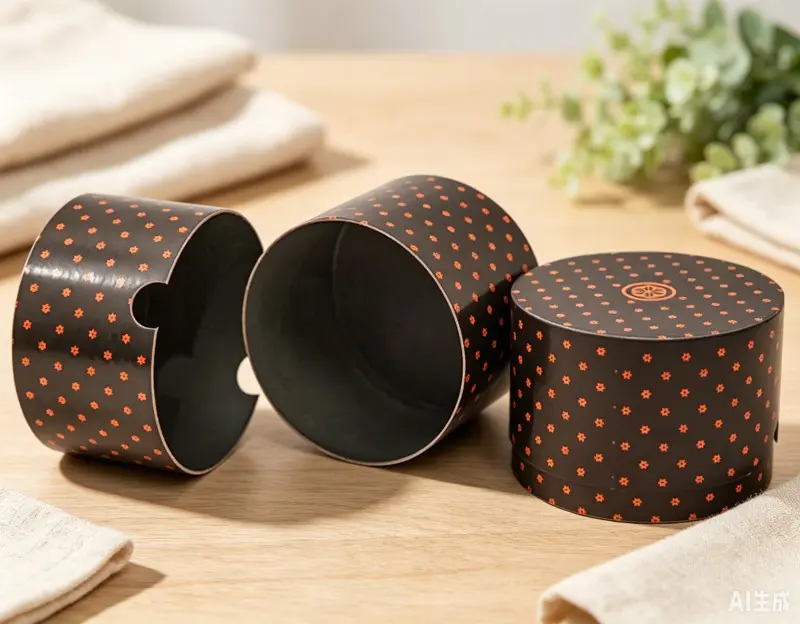
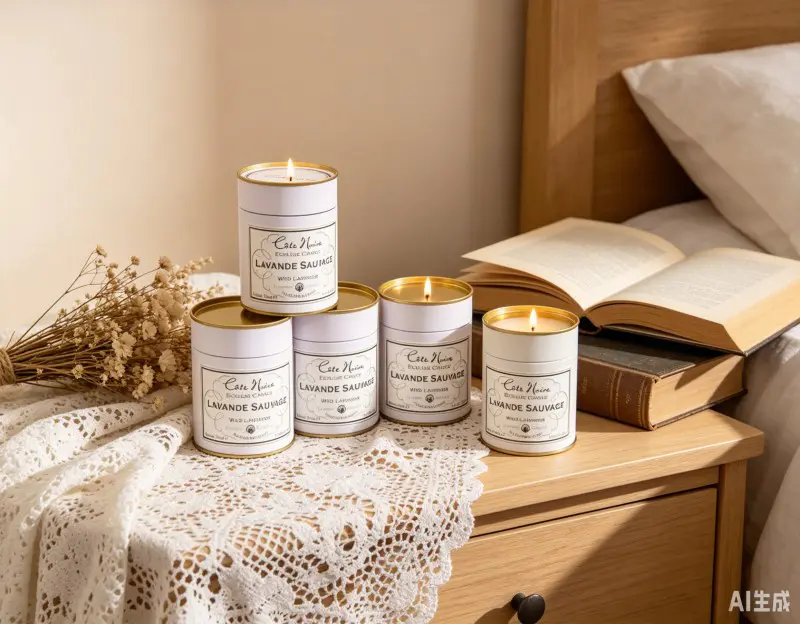

As one of the top China cardboard tube packaging manufacturers and paper tube packaging suppliers, we devote all of our efforts to research and launch more high quality packaging products to global market.
Wine packaging has become more than a protective outer layer. It is now an important part of product presentation, brand communication, customer experience, and environmental responsibility. Wineries, beverage distributors, gift retailers, subscription services, and premium food companies are increasingly looking for packaging that can protect glass bottles while creating a memorable unboxing experience. Recyclable kraft paper wine tube packaging meets these needs by combining a rigid structure, natural visual appeal, flexible customization, and reduced reliance on plastic-based protective materials.
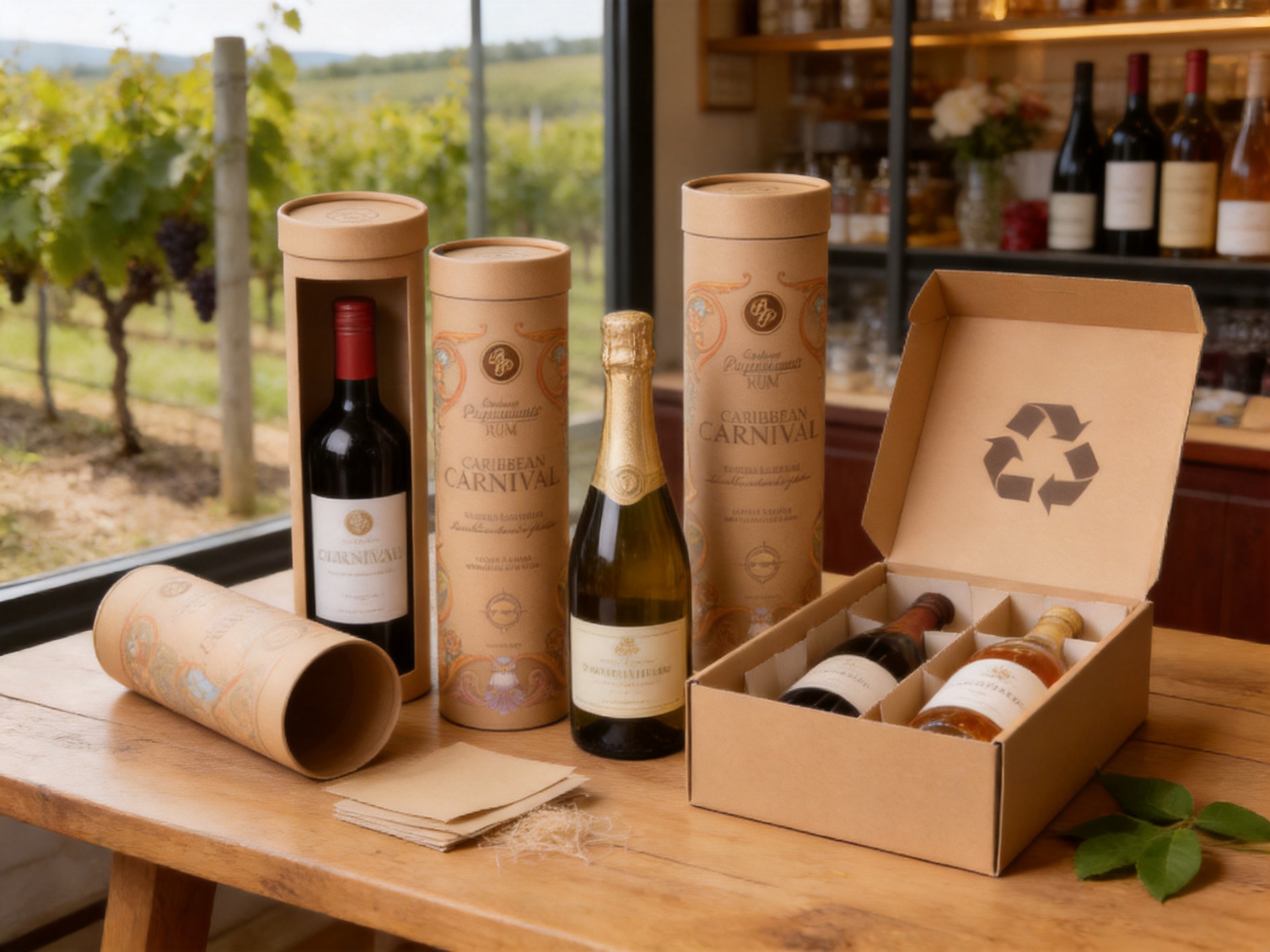
Designed for wine bottles and other cylindrical glass containers, this packaging format provides a practical alternative to wooden boxes, metal containers, plastic tubes, and foam-heavy shipping solutions. Its kraft paper exterior presents a warm and authentic appearance, while its composite paper construction offers the strength required for storage, transport, retail display, and gifting. When manufactured with food-safe, non-toxic materials and suitable internal components, the tube can also support the packaging requirements of premium beverage products.
Hangzhou Qunle Packaging Co., Ltd. has more than two decades of experience in composite cans and paper can manufacturing. Its production capabilities, food-packaging qualifications, international industry participation, long-term customer relationships, and investment in high-speed European production equipment provide a strong foundation for developing paper tube packaging for global markets. The company’s experience is particularly relevant for wine tube projects because wine packaging requires both appearance and structural reliability.
This article examines the product’s key advantages, manufacturing considerations, customization possibilities, sustainability benefits, and commercial applications. It also explains how recyclable kraft paper wine tubes can compete effectively with conventional packaging formats while helping beverage brands create a more responsible and premium presentation.

Recyclable Kraft Paper Wine Tube Packaging
Content
- 1 1. Understanding Recyclable Kraft Paper Wine Tube Packaging
- 2 2. Why Wine Brands Need More Than a Standard Bottle Carton
- 3 3. Product Advantages Compared with Competing Packaging Formats
- 4 4. Structural Protection for Glass Bottles
- 5 5. Materials and Food-Safety Considerations
- 6 6. Customization for Wine Brands and Beverage Programs
- 7 7. Manufacturing Expertise and Production Strengths
- 8 8. Sustainability Benefits and Responsible Design
- 9 9. Applications Across Wine, Spirits, and Gift Markets
- 10 10. Design and Procurement Recommendations
- 11 11. Commercial Value Beyond the Package Itself
- 12 12. Why Select an Experienced Composite Packaging Manufacturer?
- 13 13. Frequently Asked Questions
- 13.1 Q1: What products can be packed in a kraft paper wine tube?
- 13.2 Q2: Is the wine tube fully recyclable?
- 13.3 Q3: Can the tube replace plastic or foam packaging?
- 13.4 Q4: Does the tube protect glass bottles during shipping?
- 13.5 Q5: What closure options are available?
- 13.6 Q6: Can the kraft paper surface be printed?
- 13.7 Q7: Can a wine tube be customized for different bottle sizes?
- 13.8 Q8: Is the packaging suitable for direct contact with wine?
- 13.9 Q9: What makes paper tubes lighter than wooden wine boxes?
- 13.10 Q10: Can the tube be used for premium gifting?
- 13.11 Q11: What should be tested before mass production?
- 13.12 Q12: Why work with a manufacturer experienced in composite cans?
- 14 14. Conclusion
- 15 References
- 16 Product: Recyclable Kraft Paper Wine Tube Packaging
1. Understanding Recyclable Kraft Paper Wine Tube Packaging
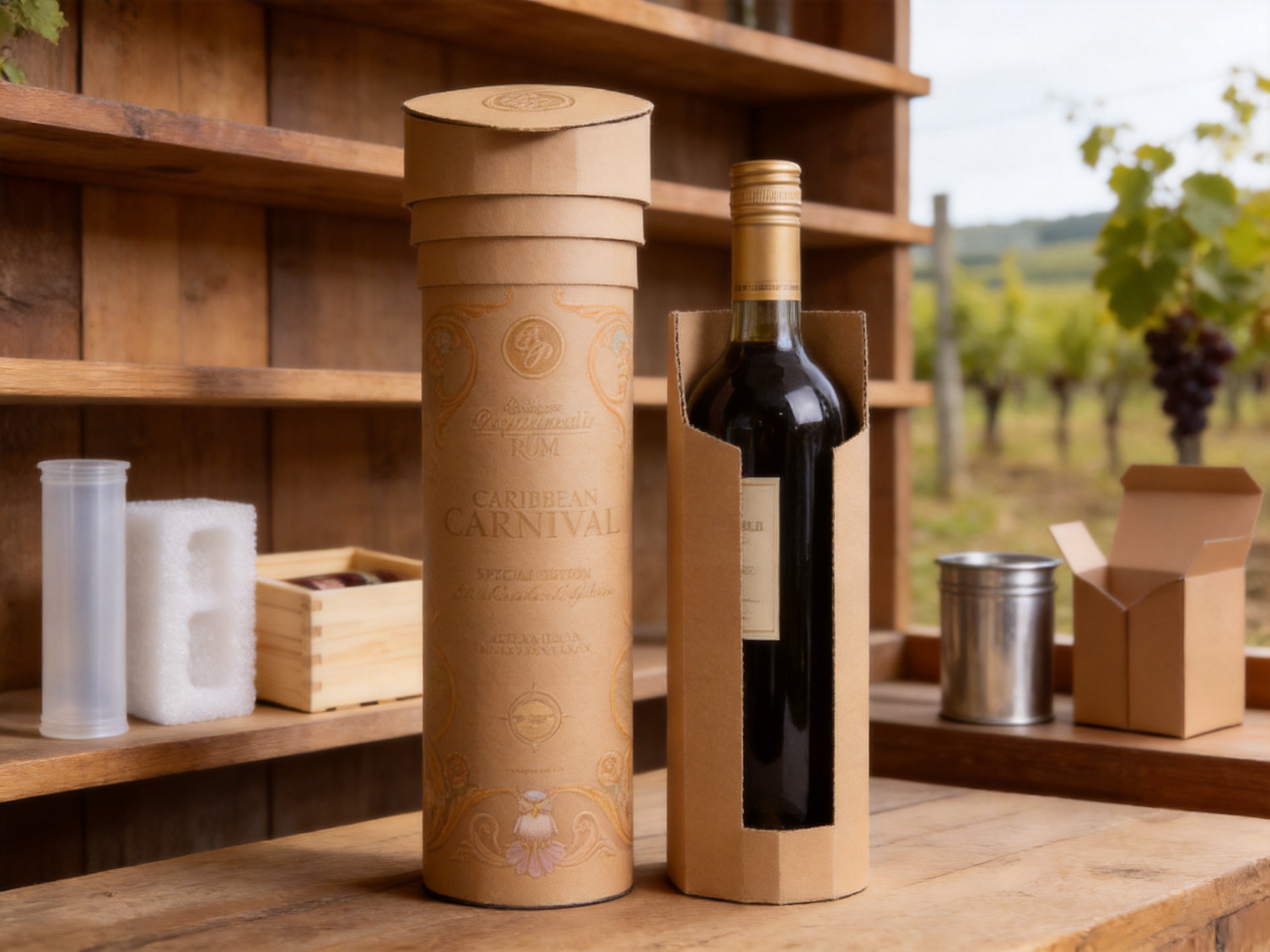
A recyclable kraft paper wine tube is a rigid cylindrical container developed to hold, protect, and present a wine bottle or another similarly shaped product. Unlike a simple paper sleeve, the tube is constructed to provide greater compression resistance and dimensional stability. Its body generally consists of carefully wound paper layers, adhesive systems, a printed or natural outer wrap, and a closure or lid designed for the intended application.
The tube format is especially suitable for products with a cylindrical profile. Wine bottles, spirits, champagne, olive oil, specialty sauces, and selected gift items can all be accommodated when the internal diameter, height, wall thickness, and closure are properly specified. For wine applications, the tube may be supplied with a snap-lock lid, friction-fit lid, screw-top closure, or another secure closing solution. The best choice depends on the required appearance, opening experience, bottle dimensions, and distribution conditions.
Kraft paper is frequently selected for its natural color, visible fiber character, and association with responsible packaging. It creates a rustic yet refined appearance that can work equally well for small wineries, premium wine collections, holiday gift programs, and corporate gifting. The surface can remain uncoated for an organic appearance or receive printing, labels, foil details, varnishes, or other decorative treatments.
Recyclability is one of the product’s central advantages. Paper-based packaging can support material recovery systems when it is designed with compatible components and is disposed of through appropriate recycling channels. The precise recyclability of a finished package depends on its adhesives, coatings, closure materials, labels, and local recycling infrastructure. For this reason, responsible packaging development should consider the complete package rather than the paper body alone.
2. Why Wine Brands Need More Than a Standard Bottle Carton
A conventional bottle carton can provide basic protection, but it may not deliver the rigidity, visual distinction, or premium experience expected for higher-value wines. Many cartons are designed primarily for shipping efficiency and may require additional inserts to prevent bottle movement. Others provide limited protection against localized impacts or compression. A rigid paper tube creates a more complete enclosure around the bottle and can offer a stronger presentation at retail or during gifting.
Wine is also a product with strong emotional and cultural associations. Customers often purchase bottles for celebrations, anniversaries, holidays, business relationships, restaurant service, or personal collections. Packaging can influence how the recipient perceives the value of the wine before the bottle is even opened. A well-designed tube can transform an ordinary bottle into a ready-to-present gift, reducing the need for secondary wrapping.
For online wine sales, packaging must perform under more demanding conditions. Bottles may pass through warehouses, delivery vehicles, sorting centers, and repeated handling points. A rigid tube can help maintain separation between the bottle and external impacts. If the interior is correctly engineered, it can also reduce movement and minimize the risk of damage during shipment.
Retailers and distributors benefit from packaging that is easy to stack, identify, and display. A printed tube offers a 360-degree branding surface, allowing product information and visual elements to appear around the container rather than only on a small front panel. This expanded surface can help a bottle stand out in gift areas, tasting rooms, specialty stores, and seasonal displays.
3. Product Advantages Compared with Competing Packaging Formats
3.1 Compared with Plastic Tubes
Plastic tubes can provide impact resistance and moisture tolerance, but they may conflict with the sustainability objectives of wine brands and consumers. Depending on the resin and construction, plastic packaging can also be difficult to recycle or may require specialized collection systems. Kraft paper tubes offer a paper-centered alternative with a more natural appearance and stronger alignment with renewable-material messaging.
Paper also provides a different tactile experience. The warm, fibrous surface of kraft paper communicates craftsmanship and simplicity, whereas transparent or glossy plastic can appear more mass-market. For wineries that emphasize natural production, regional identity, small-batch manufacturing, or environmental awareness, the visual language of kraft paper can reinforce the product story.
3.2 Compared with Foam-Based Protection
Foam inserts and foam sleeves are often used to cushion bottles, but they can increase the number of materials in a package and complicate disposal. They may also create an appearance associated with industrial shipping rather than premium gifting. A well-engineered rigid paper tube can reduce the need for bulky external foam by using a strong cylindrical body and appropriately designed internal supports.
Eliminating or reducing foam does not mean that every tube can protect every bottle without testing. Bottle weight, glass shape, shipping distance, stacking loads, and handling conditions must all be considered. However, the tube structure creates a useful platform for developing protective interiors from paperboard, molded fiber, pulp components, or other compatible materials.
3.3 Compared with Wooden Boxes
Wooden wine boxes are visually attractive and can provide excellent rigidity, but they are generally heavier, bulkier, and more resource-intensive to transport. Their weight can increase freight costs, particularly for e-commerce and international distribution. Wooden boxes may also require hinges, nails, clasps, or other hardware that adds cost and material complexity.
Kraft paper tubes offer a lighter alternative while preserving a gift-oriented appearance. Their cylindrical shape can use material efficiently, and the lower weight can be advantageous when shipping individual bottles. The natural paper surface can still provide a premium aesthetic without the logistical burden of a thick wooden case.
3.4 Compared with Metal Containers
Metal packaging can be durable and highly protective, but it often involves higher material weight, more expensive tooling, and a different visual identity. Metal containers may also be less suitable for brands seeking a soft, natural, handmade, or environmentally focused presentation. Paper tubes can deliver adequate rigidity for many wine applications while being easier to customize for limited editions, seasonal programs, and changing product ranges.
3.5 Compared with Standard Folding Cartons
Folding cartons are efficient for many applications, but their flat-panel construction may provide less resistance to crushing and less complete protection around a bottle. A rigid tube surrounds the product with a continuous curved body, creating a distinctive package geometry and a more substantial hand feel.
The tube format can also support stronger shelf presence. Its height and round shape are immediately recognizable, and the entire exterior can function as a communication surface. For premium or gift-oriented wine products, this differentiation can help justify a higher perceived value.
| Packaging format | Key strengths | Common limitations | Position of kraft paper wine tubes |
|---|---|---|---|
| Standard folding carton | Lightweight, efficient, economical | May require inserts and may offer limited rigidity | Provides a more rigid and premium cylindrical presentation |
| Plastic tube | Moisture resistance and impact tolerance | May create recycling and sustainability concerns | Offers a paper-centered alternative with natural visual appeal |
| Foam-protected shipping box | Strong cushioning performance | Multiple materials and less gift-ready appearance | Can reduce dependence on bulky foam when properly engineered |
| Wooden wine box | High-end appearance and rigidity | Heavy, costly, and less efficient for shipping | Provides a lighter premium option |
| Metal container | Durable and distinctive | Higher weight and greater material complexity | Supports flexible paper-based decoration and branding |
| Kraft paper wine tube | Rigid, customizable, lightweight, recyclable design potential | Requires correct specification for moisture and impact conditions | Balances protection, presentation, and sustainability objectives |
4. Structural Protection for Glass Bottles
Glass is an excellent material for wine because it is inert, preserves product quality, and communicates premium value. It is also vulnerable to impact, concentrated pressure, and uncontrolled movement. Wine tube packaging must therefore be developed around the bottle’s actual dimensions and distribution environment rather than treated as a decorative cover.
The cylindrical tube body provides continuous support around the bottle. Its multiple paper layers can distribute external pressure over a larger area than a thin sleeve. A rigid wall can also reduce the possibility of the package collapsing when stacked or handled. The exact performance depends on paper grades, winding direction, wall thickness, adhesive bonding, tube diameter, and closure design.
Internal clearance is equally important. If the bottle is too loose, it may move inside the package and experience repeated impact. If it is too tight, insertion may become difficult and pressure may be applied to sensitive areas of the glass or label. An effective design usually combines dimensional accuracy with an internal liner, paper insert, molded support, collar, or base component.
The closure must keep the bottle secure during transport while remaining convenient for the recipient. Snap-lock lids can provide a simple and practical opening experience. Screw-top designs may offer a stronger sense of closure and repeated usability. Friction-fit lids can create a clean appearance when tolerances are carefully controlled. The right closure depends on the bottle’s weight, the intended sales channel, and the desired customer experience.
Testing should include compression, vibration, drop, stacking, and environmental evaluation where appropriate. These tests can reveal whether the tube body, lid, base, and internal supports function as a complete system. A package intended for local retail display may need a different specification from one designed for international e-commerce delivery.
5. Materials and Food-Safety Considerations
Wine packaging should be manufactured from materials selected for their intended use. The paper body, adhesives, inks, coatings, labels, closures, and internal components should be reviewed together. If the package is not designed for direct contact with the wine itself, the main requirement is generally to protect the bottle and preserve product presentation. Nevertheless, food-related packaging compliance remains important because the package is used with a beverage product.
Food-safe and non-toxic materials can help companies meet internal quality standards and customer expectations. Material documentation, supplier declarations, production controls, and relevant testing may be required depending on the destination market and the package configuration. Compliance requirements differ by region, so importers and brand owners should confirm the applicable rules before commercial production.
Kraft paper can be selected in different grades depending on the desired appearance and mechanical performance. A lighter grade may reduce weight and cost, while a heavier grade may improve rigidity and surface presence. Recycled fiber content can support sustainability goals, but the appropriate balance between recycled content, strength, cleanliness, and printability must be evaluated for each project.
Moisture is another design consideration. Wine packaging may encounter condensation, storage humidity, or accidental spills. An uncoated kraft surface creates an attractive natural look, but it may not provide the same moisture resistance as a coated or laminated surface. Brands should therefore select finishes based on actual use conditions rather than assuming that every paper tube is suitable for wet environments.
Where coatings or laminations are used, their effect on recyclability should be assessed. A package that visually appears paper-based may be more difficult to recover if it contains incompatible layers or excessive plastic components. Design teams should work with the manufacturer to balance surface protection, printing quality, package life, and end-of-life considerations.
6. Customization for Wine Brands and Beverage Programs
One of the strongest commercial advantages of paper tube packaging is its customization flexibility. The tube can be adapted to different bottle sizes, product tiers, seasonal programs, and target markets. Customization is not limited to a logo. It can include color systems, patterns, illustrations, origin stories, tasting notes, serving suggestions, regulatory information, and gift messages.
6.1 Size and Shape
Wine bottles are not all the same. Standard Bordeaux, Burgundy, Rhône, sparkling wine, and specialty bottles may differ in diameter, shoulder shape, height, and base profile. A tube should be designed around the actual bottle or a verified technical drawing. Proper sizing improves protection, reduces unnecessary material, and creates a more refined presentation.
Although the classic format is a round tube, the package may be adapted with different proportions, lid heights, bases, and structural details. A taller tube can create a dramatic gift presentation, while a compact format may be preferable for efficient shipping. The choice should balance appearance with practical storage and transportation requirements.
6.2 Printing and Surface Decoration
Natural kraft printing can emphasize an organic and artisanal identity. Full-color printing can create stronger shelf impact and support complex artwork. Minimalist black printing can communicate sophistication, while metallic details can add a celebratory or luxury effect. Foil stamping, embossing, debossing, labels, and special varnishes can be considered when the project budget and environmental objectives permit them.
Because the tube is round, artwork preparation must account for the curved surface. Text should remain legible across the viewing angle, and important regulatory information should be positioned so it can be read easily. A design proof or physical sample is valuable before mass production because colors and surface textures may appear differently on kraft paper than on coated white stock.
6.3 Closures and Accessories
Closures influence both product security and customer perception. A plain kraft lid may suit an understated natural wine collection. A printed lid can create a stronger brand moment when the tube is opened. A contrasting color, embossed top, ribbon, label, or paper seal can support a gift program without requiring a separate gift box.
Accessories should be selected carefully. Additional plastic components may improve functionality but can affect recyclability and material separation. Where possible, paper-based inserts, labels, and seals can help maintain a coherent packaging system. The final design should be evaluated as a complete package rather than as isolated decorative elements.
7. Manufacturing Expertise and Production Strengths
The performance of a paper wine tube depends heavily on manufacturing consistency. A package may look attractive in a sample but fail commercially if the diameter varies, the seam opens, the lid fits inconsistently, or the printed surface changes from batch to batch. Experienced composite packaging production helps address these risks through controlled processes, appropriate equipment, and systematic quality management.
Hangzhou Qunle Packaging Co., Ltd. has been engaged in the composite can and paper can industry for more than 20 years. This long operating history provides experience across materials, structures, printing, finishing, and packaging applications. The company serves food, daily chemical, fast-moving consumer goods, and other sectors, giving it exposure to different performance requirements and production conditions.
The company is identified as the only member of the international Composite Can and Tube Institute in China’s packaging container industry. Participation in an international industry organization can support technical exchange, awareness of evolving standards, and connection with developments in composite can and tube manufacturing. For customers developing export-oriented wine packaging, this industry involvement is a meaningful indicator of specialization.
Qunle Packaging was also the first enterprise in China to pass the QS certificate for producing food packaging containers, according to the company’s supplied information. Food-packaging qualifications are relevant because they demonstrate attention to controlled production, material suitability, and product safety requirements. Customers should still confirm the current certification scope and documentation applicable to their specific order.
In 2015, the company introduced a high-speed composite can production line from Europe. High-speed equipment can contribute to improved productivity, repeatability, and production stability when it is supported by trained operators and suitable quality controls. Modern machinery can help manage winding, bonding, trimming, printing, and assembly operations with greater consistency than small-scale manual production alone.
The company has obtained more than 10 patented technologies and continues to research and launch paper-based packaging products for the global market. Patents do not automatically guarantee that every product will meet a particular performance requirement, but they indicate a commitment to technical development and process innovation. For a wine brand, this capability can be valuable when a project requires a customized structure rather than an off-the-shelf tube.
7.1 Composite Tube Formation
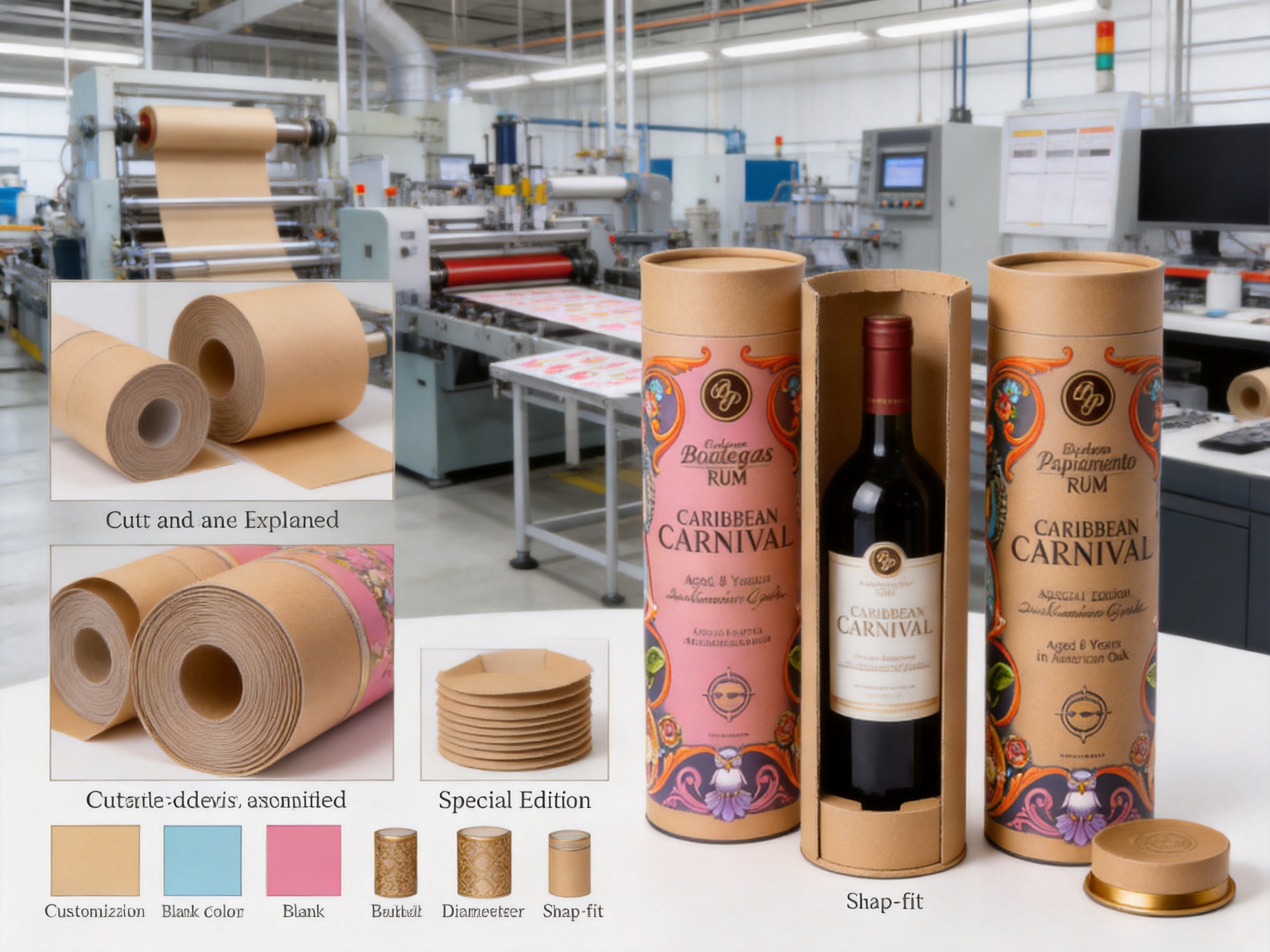
Composite tube production generally begins with the preparation of paper materials and adhesive systems according to the required structure. Paper layers may be wound around a mandrel to achieve the target diameter and wall thickness. The winding pattern, tension, overlap, adhesive application, and curing conditions influence the finished tube’s strength and dimensional accuracy.
After forming, the tube may be cut to length, trimmed, sanded, wrapped, printed, or fitted with bottom and top components. Each operation must be coordinated because a small dimensional error in the body can affect lid fit or bottle insertion. Efficient production lines help reduce variation between units and support larger commercial orders.
7.2 Printing and Finishing Control
Premium wine packaging often requires careful control of color, registration, surface texture, and decorative details. Kraft paper can produce a distinctive visual effect, but its natural tone may influence the appearance of printed colors. A manufacturer with experience in paper can decoration can advise whether a design should use direct printing, a separate printed label, an outer wrap, or a combination of techniques.
Finishing can include matte or gloss effects, selective varnish, foil stamping, embossing, debossing, and label application. These processes should be assessed for durability during handling and for their effect on recycling. A sophisticated finish is valuable only when it remains intact from production through retail and delivery.
7.3 Quality Control
Quality control should cover raw materials, in-process operations, and finished products. Typical checks may include tube diameter, height, wall thickness, roundness, seam integrity, lid fit, print accuracy, color consistency, surface defects, odor, and structural performance. For wine packaging, bottle fit testing is especially important because the actual glass container can vary from theoretical dimensions.
Sampling plans and acceptance criteria should be agreed upon before production. Customers may also request pre-production samples, pilot runs, inspection reports, or third-party testing. Clear technical communication reduces the chance of misunderstanding and helps ensure that the final tube matches the intended application.
8. Sustainability Benefits and Responsible Design
The environmental value of recyclable kraft paper wine packaging comes from several factors: its paper-centered construction, potential recyclability, lower weight compared with some rigid alternatives, and ability to replace or reduce plastic and foam components. A lighter package may also reduce transport-related emissions, particularly when large quantities are shipped over long distances.
However, sustainability should be evaluated across the entire life cycle. The paper source, recycled content, manufacturing energy, adhesive selection, coatings, printing processes, transportation, product protection, and end-of-life pathway all influence the overall result. A package that prevents one bottle from breaking may avoid the environmental impact associated with wasted glass, wine, labels, transport, and replacement products.
Durability is therefore part of sustainability. If a lightweight package fails during distribution, the resulting product loss may outweigh the benefits of reduced material use. The most responsible design is usually one that uses no more material than necessary while providing reliable performance for the intended supply chain.
Brands can strengthen their sustainability communication by providing clear disposal guidance. If the tube includes a paper body, metal closure, plastic component, and adhesive label, consumers may need instructions about separation. Simple construction and compatible materials can make disposal easier. Packaging claims should be accurate, specific, and supported by the relevant material and recycling conditions.
9. Applications Across Wine, Spirits, and Gift Markets
Recyclable kraft paper wine tubes can serve a broad range of commercial applications. A winery may use them for reserve wines, limited releases, tasting-room gifts, or direct-to-consumer shipments. A retailer may use them for holiday assortments, wedding gifts, corporate programs, and seasonal promotions. A wine subscription company can create a consistent branded experience across monthly or quarterly deliveries.
The same structure can also be adapted for champagne, sparkling wine, and selected spirits. Bottle dimensions must be checked carefully because sparkling wine bottles can be wider and heavier than many still-wine bottles. Spirits packaging may require different proportions, particularly for tall or unusually shaped bottles.
Olive oil and specialty food products may also fit the cylindrical tube concept. These products can benefit from protection against light, impact, and handling damage, although their specific barrier and food-contact requirements must be reviewed. The flexibility of paper tube manufacturing allows businesses to create coordinated packaging families for multiple product categories.
Corporate gifting is another strong application. A wine tube can carry a company message, event identity, or seasonal design while presenting the bottle as a complete gift. Unlike a generic shipping carton, the tube remains part of the customer experience after delivery. Some recipients may reuse it for storage, decoration, or gifting, extending its functional life.
10. Design and Procurement Recommendations
Successful development begins with accurate product information. The buyer should provide the bottle’s height, maximum diameter, shoulder profile, base shape, weight, label position, and closure requirements. If several bottle shapes will use the same tube, the most demanding dimensions should guide the design or separate sizes should be considered.
The intended distribution route should also be defined. A tube for a winery shop may require less impact protection than a tube shipped through parcel networks. Shipping distance, climate, stacking conditions, warehouse storage, and expected handling all influence the required wall thickness and internal support.
Customers should request physical prototypes before approving mass production. A prototype allows the brand team to assess bottle fit, lid operation, visual proportions, print quality, color, texture, and unboxing experience. It also gives the manufacturer an opportunity to identify structural issues before tooling or large-volume production begins.
Minimum order quantity, lead time, tooling charges, sampling fees, packaging for export, and inspection procedures should be discussed early. Custom printing and special finishes may require additional setup. If a project involves multiple sizes or artwork versions, a detailed production schedule can help prevent delays during seasonal launches.
Buyers should also confirm the exact sustainability claims that can be made. Terms such as recyclable, biodegradable, compostable, plastic-free, and food-safe do not always have the same meaning in every market. The final claim should match the tested product configuration and the available disposal infrastructure.
11. Commercial Value Beyond the Package Itself
Packaging can influence perceived product value, customer satisfaction, and repeat purchase behavior. A premium tube creates a stronger first impression than an unbranded protective sleeve. It can make a mid-range wine appear more giftable, help a limited release stand apart, and support a price premium when the overall product experience is coherent.
The tube also offers marketing space. A winery can use the exterior to explain vineyard location, grape variety, aging method, serving recommendations, or sustainability commitments. A QR code can connect the physical package with digital content, provided the code remains legible and the use of digital links is appropriate for the market. The package can become a storytelling tool rather than a passive container.
For retailers, the tube can reduce the need for additional gift wrapping. For e-commerce sellers, it can provide a more recognizable delivery experience. For corporate buyers, it can simplify the creation of customized gifts. These benefits may contribute to the total return on packaging investment even when the unit cost is higher than a basic carton.
Reusability can add further value. Customers may use the tube to store documents, accessories, small household items, or another bottle. Reuse is not guaranteed, but a durable, attractive package has a greater chance of remaining in service after the original wine has been consumed.
12. Why Select an Experienced Composite Packaging Manufacturer?
Wine tube packaging involves more than printing artwork on a paper cylinder. It requires coordinated knowledge of paper structures, adhesives, forming equipment, closures, bottle tolerances, surface decoration, quality control, and logistics. An experienced manufacturer can identify potential problems earlier and recommend practical solutions that balance performance, appearance, cost, and sustainability.
Qunle Packaging’s experience in composite cans and paper cans provides a relevant manufacturing base for these requirements. Its work across food, daily chemical, and fast-moving consumer goods applications suggests familiarity with different packaging environments. Long-term partnerships with recognized companies and brands, as stated in the supplied company information, also indicate experience serving customers with ongoing quality and supply expectations.
The company’s European high-speed production line, industry membership, food-packaging qualification, patented technologies, and more than 20 years of sector experience collectively support its position as a specialized paper tube supplier. These strengths can be particularly useful for customers seeking repeatable production, custom structures, export-ready packaging, and scalable supply.
At the same time, each wine packaging project should be evaluated on its own technical requirements. Buyers should review samples, confirm testing, verify documentation, and agree on specifications before production. Strong manufacturing credentials are most valuable when combined with transparent communication and measurable quality standards.
13. Frequently Asked Questions
Q1: What products can be packed in a kraft paper wine tube?
The primary application is wine in cylindrical glass bottles. The tube can also be adapted for champagne, spirits, olive oil, and other cylindrical containers when the dimensions, weight, closure, and protection requirements are suitable. A technical review should be completed for unusually shaped or particularly heavy bottles.
Q2: Is the wine tube fully recyclable?
The paper body is designed with recyclability in mind, but the recyclability of the finished package depends on the complete material combination, including coatings, adhesives, labels, closures, and local recycling rules. Brands should confirm the final construction and provide accurate disposal guidance for their target market.
Q3: Can the tube replace plastic or foam packaging?
In many applications, the paper tube can reduce or replace plastic sleeves, plastic tubes, and bulky foam protection. The exact result depends on the bottle, shipping conditions, and required internal support. Testing is recommended before removing protective components from an existing packaging system.
Q4: Does the tube protect glass bottles during shipping?
The rigid cylindrical body is designed to cushion and protect bottles, but performance depends on wall construction, dimensions, closure security, internal supports, and logistics conditions. Drop, vibration, compression, and stacking tests can help determine whether a proposed design is appropriate for a particular supply chain.
Q5: What closure options are available?
Possible options include snap-lock lids, friction-fit lids, screw-top lids, and other customized closure designs. Selection depends on the bottle weight, security requirements, desired opening experience, appearance, and potential for repeated use.
Q6: Can the kraft paper surface be printed?
Yes. The tube can support logo printing, full-color graphics, custom labels, foil stamping, embossing, debossing, and other decorative treatments, subject to the selected material and production process. A physical proof is recommended because the natural kraft tone can affect printed color appearance.
Q7: Can a wine tube be customized for different bottle sizes?
Yes. The tube diameter, height, wall thickness, base, lid, and internal components can be adjusted for different bottle formats. Accurate bottle measurements or technical drawings are required to achieve a secure and attractive fit.
Q8: Is the packaging suitable for direct contact with wine?
The tube is primarily intended to contain and protect the bottle, not to hold wine directly. Food-safe and non-toxic materials can be selected for the packaging system, but direct-contact requirements should be discussed separately with the manufacturer and confirmed through applicable compliance documentation.
Q9: What makes paper tubes lighter than wooden wine boxes?
Paper tubes use a layered paper structure rather than thick wood panels and hardware. This can reduce package weight while preserving a rigid protective form. Lower weight may help reduce shipping costs, although the final comparison depends on the exact dimensions and materials.
Yes. The natural kraft appearance, full-surface printing area, secure closure, and rigid construction make the format suitable for holidays, corporate gifts, weddings, wine clubs, winery releases, and other premium gifting occasions.
Q11: What should be tested before mass production?
Recommended checks may include bottle fit, lid security, dimensional accuracy, compression, vibration, drop performance, stacking, print quality, odor, surface durability, and resistance to expected storage conditions. The precise test program should reflect the distribution route and product requirements.
Q12: Why work with a manufacturer experienced in composite cans?
Composite can experience is relevant because wine tubes depend on layered paper construction, adhesive bonding, dimensional control, printing, finishing, and closure integration. An experienced manufacturer can help coordinate these processes and develop a package that is both attractive and functional.
14. Conclusion
Recyclable kraft paper wine tube packaging offers a balanced solution for brands that want bottle protection, premium presentation, customization, and a more responsible material direction. Its rigid cylindrical construction can help protect glass during handling and shipping, while its natural kraft surface creates a distinctive appearance for retail and gifting.
Compared with plastic tubes, foam-heavy packages, wooden boxes, metal containers, and basic folding cartons, the format can provide a useful combination of lightweight construction, visual warmth, structural performance, and design flexibility. Its success depends on correct engineering, suitable materials, reliable closures, accurate bottle fitting, and testing against real distribution conditions.
Manufacturing expertise is central to the product’s value. Hangzhou Qunle Packaging Co., Ltd. brings more than 20 years of composite can and paper can experience, participation in the international Composite Can and Tube Institute, food-packaging qualification history, European high-speed production equipment, patented technologies, and experience serving customers across multiple industries. These capabilities support the development of customized paper tube solutions for wine, spirits, food, and other cylindrical products.
For wineries and beverage brands, the tube is not merely a shipping container. It is a protective structure, a retail display tool, a gift package, a brand communication surface, and a potential contribution to broader sustainability objectives. With thoughtful design and controlled manufacturing, recyclable kraft paper wine tube packaging can help premium bottles arrive safely while leaving a stronger and more responsible impression.
References
1. Composite Can and Tube Institute. Industry information concerning composite can and paper tube packaging technologies.
2. International Organization for Standardization. General principles for packaging and environmental considerations in packaging design.
3. International Organization for Standardization. Guidance relating to packaging recovery, recycling, and material identification.
4. Food packaging safety guidance issued by relevant national and regional regulatory authorities.
5. Technical information supplied for recyclable kraft paper wine tube packaging, including product features, customization options, closure designs, and application areas.
6. Company information supplied for Hangzhou Qunle Packaging Co., Ltd., including manufacturing history, food-packaging qualification, industry membership, production equipment, patented technologies, and application experience.
7. Packaging engineering principles concerning compression, vibration, drop, stacking, bottle fit, and distribution testing for glass-container packaging.
8. Sustainability assessment principles for paper-based packaging, including material selection, recyclability, transport weight, durability, and end-of-life considerations.
