 English
 Español


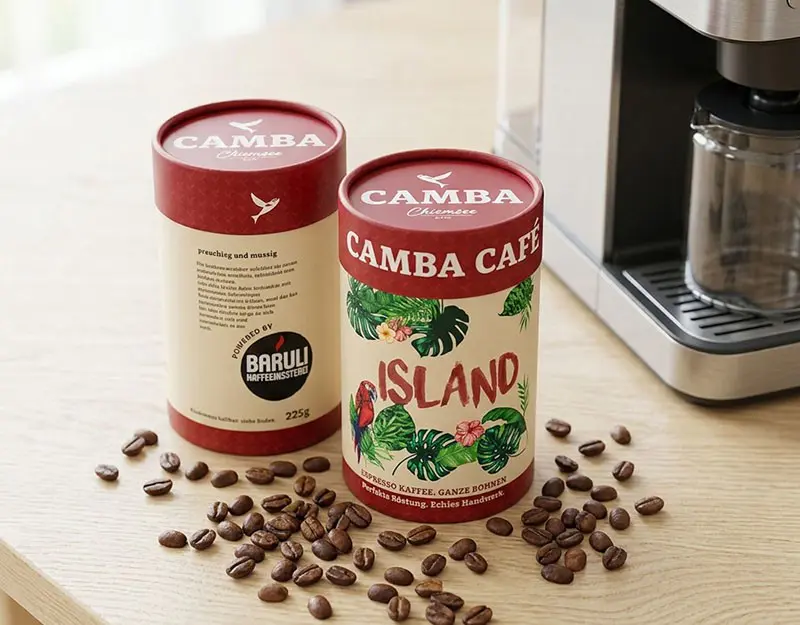
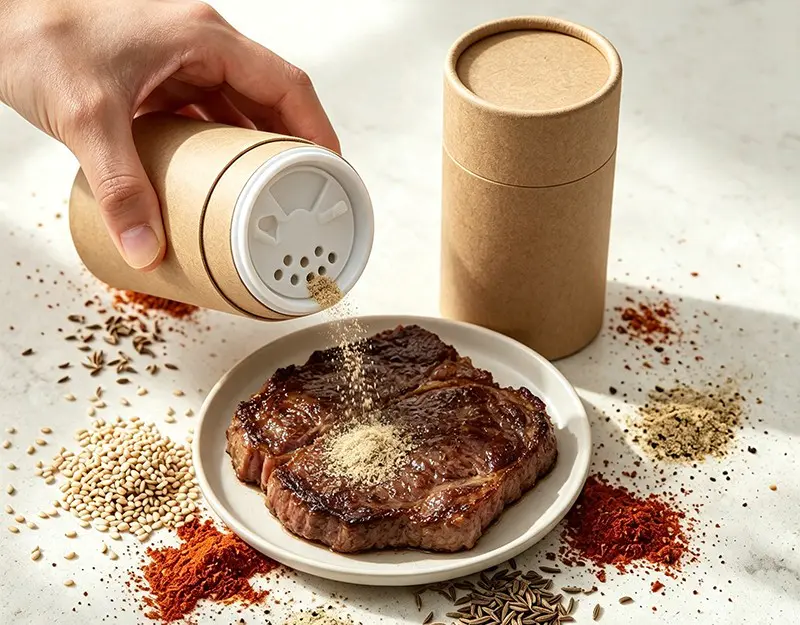
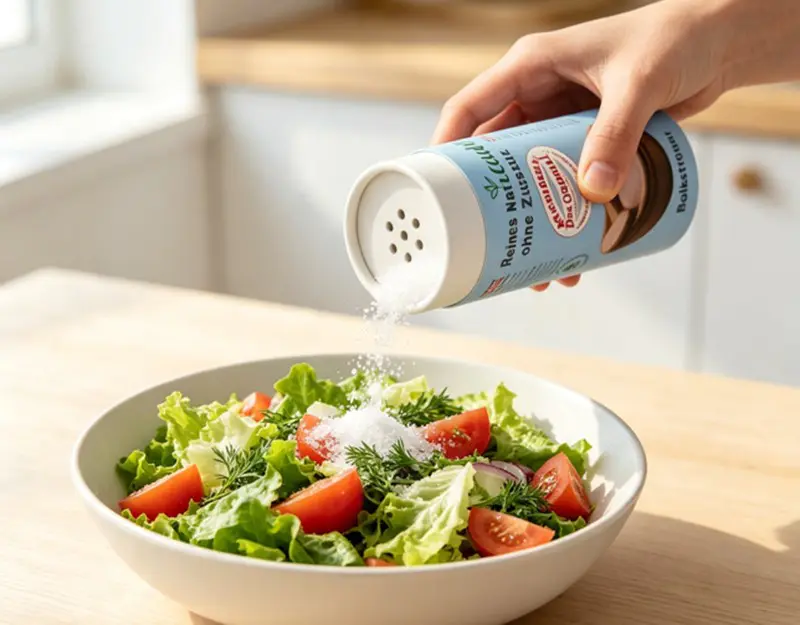
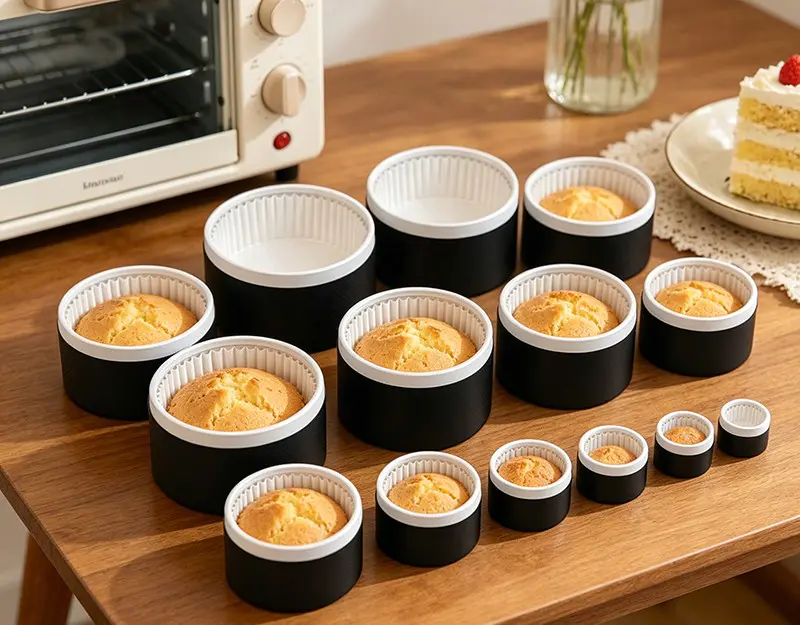
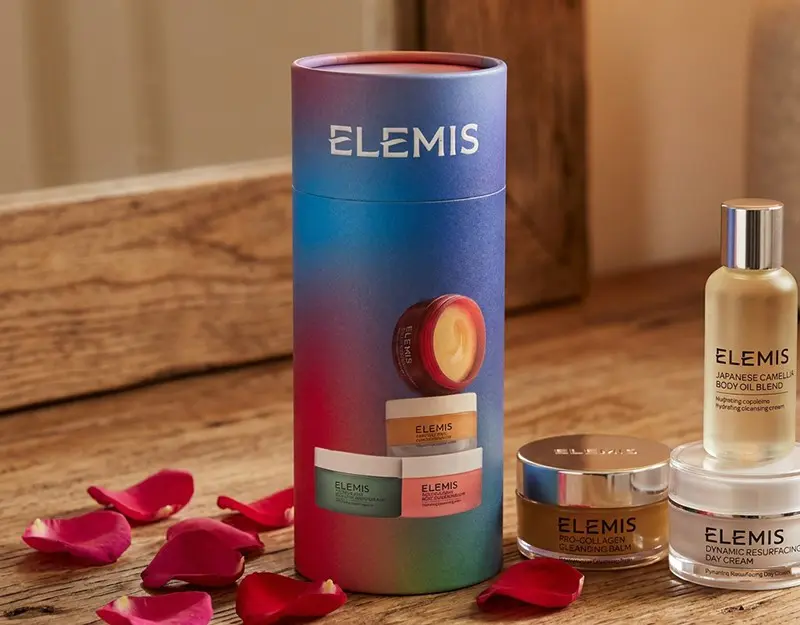
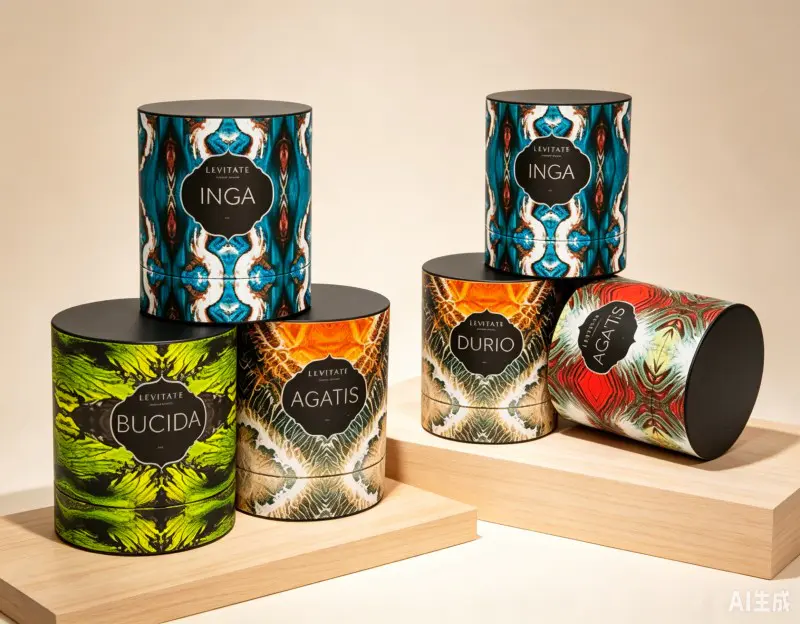
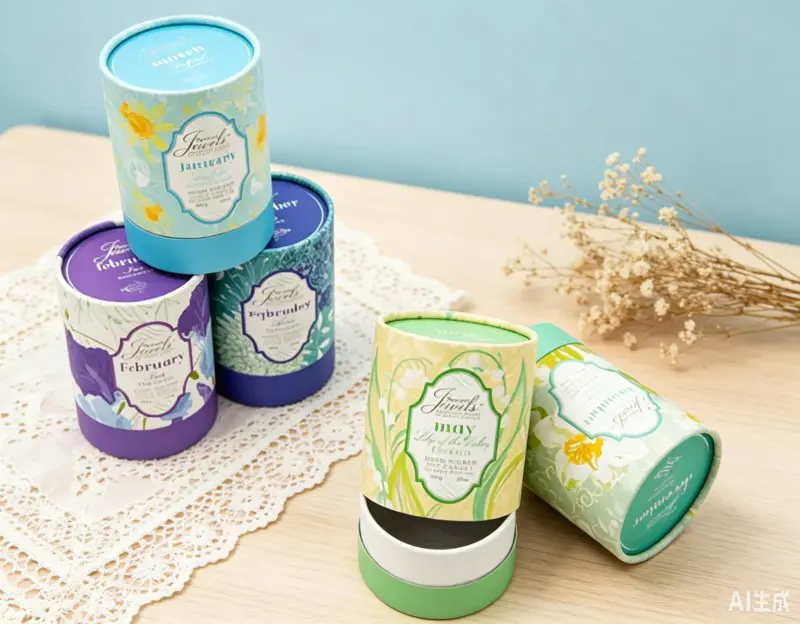
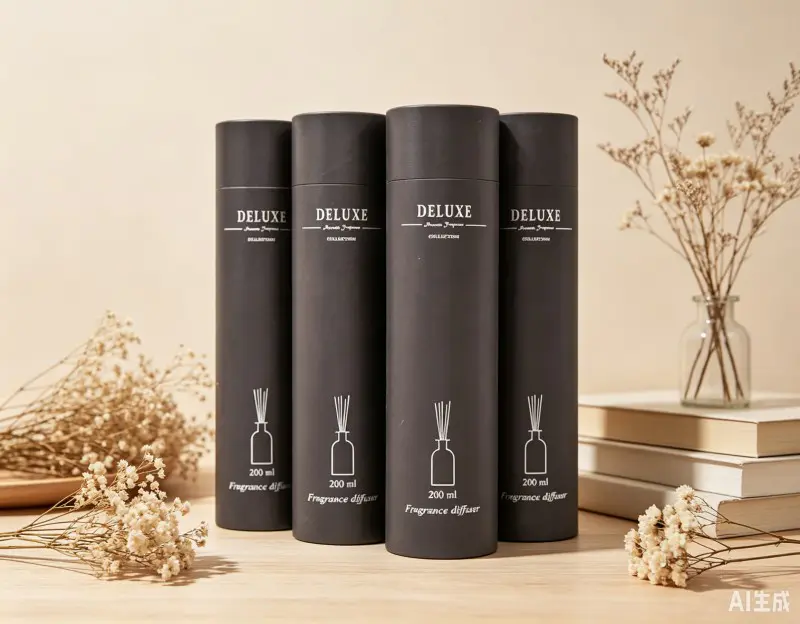
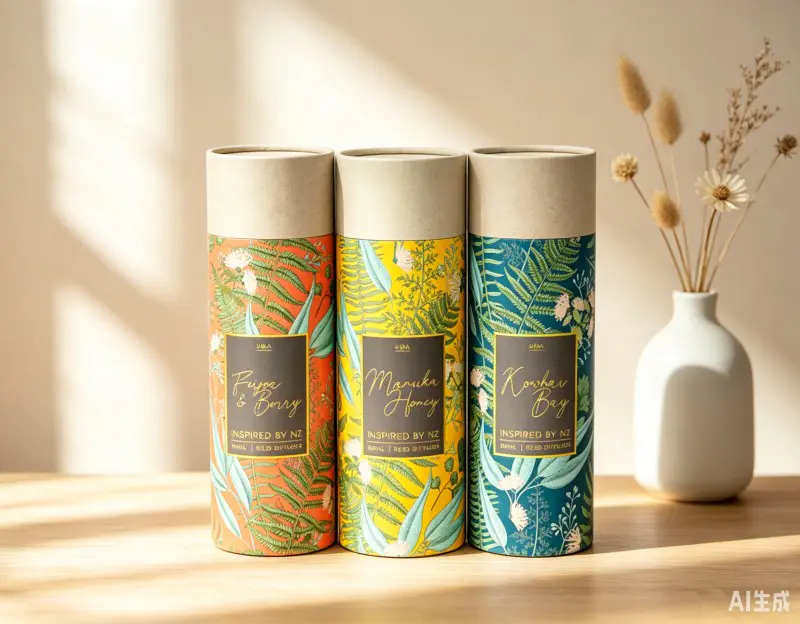
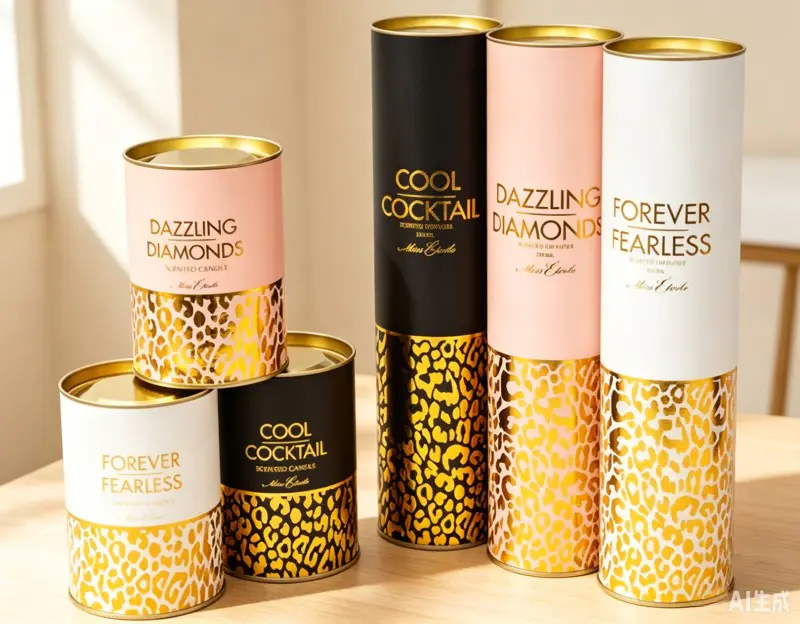
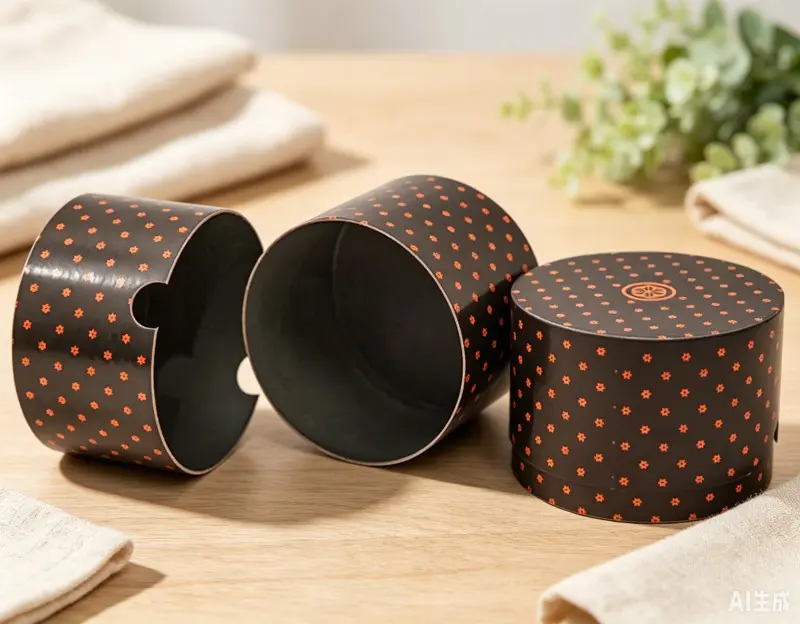
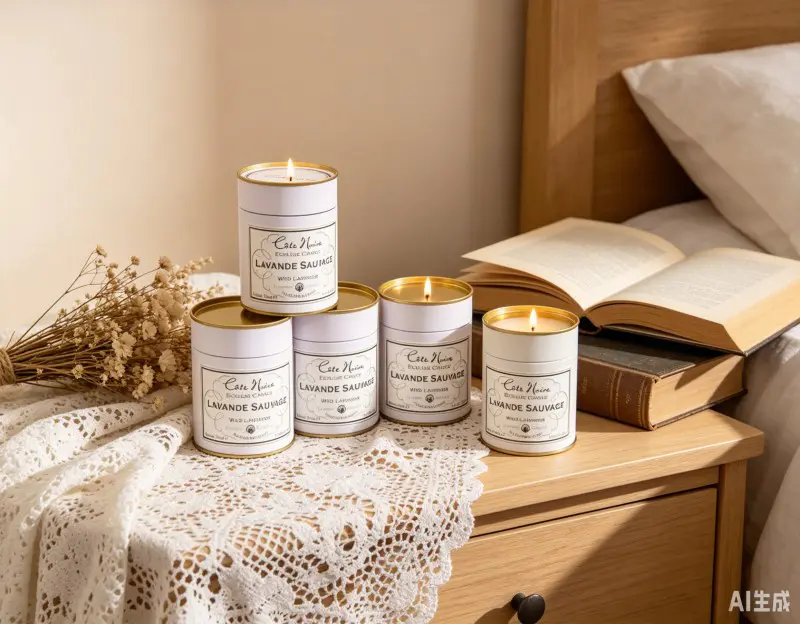

As one of the top China cardboard tube packaging manufacturers and paper tube packaging suppliers, we devote all of our efforts to research and launch more high quality packaging products to global market.
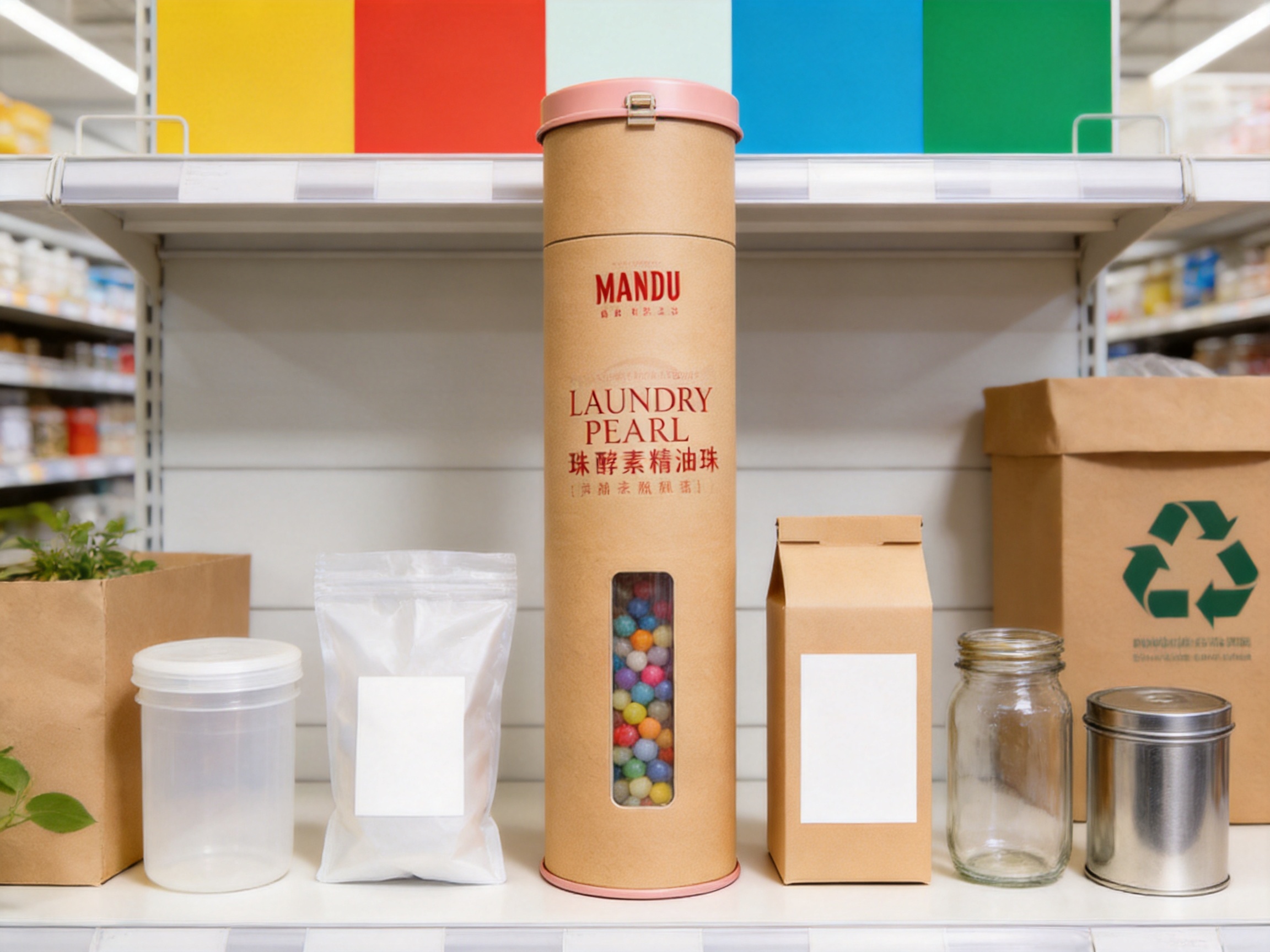
Packaging for laundry scent booster beads must do more than hold a product. It must protect fragrance, support convenient handling, communicate quality, and remain attractive throughout storage and retail display. A recyclable round paper tube with a window provides a practical alternative to conventional plastic jars, pouches, and plain cartons. Its cylindrical structure creates a distinctive shelf presence, while the window allows customers to see the product inside without opening the package.
This paper tube is designed for laundry scent booster beads, but its construction can also support many other dry, lightweight, and granulated products. Depending on the selected materials and closure system, the same format may be adapted for essential oils, cosmetics, tea, coffee, snacks, seasonings, supplements, candles, gifts, and other consumer goods. The result is a flexible packaging platform that combines renewable paper-based components with a high level of visual and functional customization.
The product is manufactured by Hangzhou Qunle Packaging Co., Ltd., a Chinese packaging producer with more than 20 years of experience in composite cans and paper can systems. The company serves food, daily chemical, fast-moving consumer goods, and related industries. Its experience in paper-based containers, international production equipment, quality management, patented technologies, and application development gives this cylindrical package a strong foundation for commercial use.
Content
- 1 Why Laundry Scent Booster Beads Need Specialized Packaging
- 2 Product Overview
- 3 Key Advantages Over Conventional Packaging
- 4 Functional Design for Laundry Scent Booster Beads
- 5 Advanced Manufacturing Process
- 6 Quality and Technical Strengths of the Manufacturer
- 7 Customization Opportunities
- 8 Performance Testing Before Commercial Launch
- 9 Environmental Considerations
- 10 Comparison with Competing Packaging Formats
- 11 Applications Beyond Laundry Scent Booster Beads
- 12 Branding and Retail Impact
- 13 How to Develop the Right Specification
- 14 Frequently Asked Questions
- 14.1 What product is the round paper tube designed for?
- 14.2 Does the window show the actual product inside?
- 14.3 Is the paper tube airtight?
- 14.4 Can the tube protect fragrance?
- 14.5 Is the container recyclable?
- 14.6 Can the tube be customized in size?
- 14.7 Can the package be used for other products?
- 14.8 What printing options are available?
- 14.9 Can the package include a tamper-evident seal?
- 14.10 Is the tube suitable for e-commerce shipping?
- 14.11 What makes the manufacturer suitable for this product?
- 14.12 How should the product be filled into the tube?
- 14.13 Can the tube be reused after the beads are finished?
- 15 Conclusion
- 16 References
- 17 Product: Recyclable Storage Container Cylinder Round Paper Tube for Laundry Scent Booster Beads
Why Laundry Scent Booster Beads Need Specialized Packaging
Laundry scent booster beads are small, dry, and highly fragranced. Their physical appearance is often part of the product’s appeal, particularly when the beads have bright colors, varied shapes, or a translucent surface. At the same time, their fragrance can be sensitive to prolonged exposure to air, humidity, heat, and unsuitable packaging materials.
A successful package must therefore balance several requirements. It should help preserve the product’s aroma, reduce the risk of moisture-related changes, prevent accidental leakage, allow practical dispensing, and maintain a polished appearance during transport and retail handling. It must also provide sufficient surface area for instructions, ingredient information, warnings, branding, batch details, and recycling information.
Traditional plastic jars are widely used for scent products because they are lightweight and familiar. However, they may provide limited visual differentiation in a crowded retail environment. Flexible pouches can reduce material use, but they may be less convenient for repeated use and may not offer the same rigid, premium presentation. Standard folding cartons can provide excellent printing space, yet they generally require an inner bag, liner, or separate container when the product needs stronger protection from humidity or fragrance loss.
A composite paper tube addresses these issues through a rigid cylindrical body, a carefully selected inner barrier, and a customizable closure. For laundry scent booster beads, the package can be engineered to support a tight fit between the body and lid, while a liner or barrier layer helps protect the contents. The paper exterior provides a tactile, printable surface, and the window makes the beads immediately visible.
Product Overview
The recyclable round paper tube is a cylindrical container developed for the storage and retail presentation of laundry scent booster beads. Its body is typically formed from multiple paper layers wound or laminated into a rigid structure. Depending on the required performance, the interior can include a moisture-resistant or aroma-retaining layer, while the exterior can be finished with printed paper, coated paper, or other decorative materials.
The window is a central design feature. It may be positioned on the front, wrapped around part of the cylinder, or integrated into a larger label construction. The exact format depends on the desired visibility, filling level, product color, and graphic layout. A transparent window can be made from a suitable clear film or other approved material, with the final construction selected according to recycling goals, barrier requirements, and production conditions.
The tube can be supplied with a removable lid, friction-fit cover, metal-style closure, paper-based top, or another compatible system. For laundry scent booster beads, a lid with a secure fit is especially important because the contents are granular and often used repeatedly. An optional inner seal may be added to support freshness before opening. After the seal is removed, the outer lid continues to protect the remaining product between uses.
The round geometry provides several practical advantages. It has no sharp corners, feels comfortable in the hand, and can be rotated easily to read product information. The cylindrical body is also suitable for automated or semi-automated filling lines, depending on the complete package design. Its shape creates an elevated appearance that can help a new product stand apart from rectangular cartons and standard plastic containers.

Recyclable Storage Container Cylinder Round Paper Tube for Laundry Scent Booster Beads
Key Advantages Over Conventional Packaging
Paper-Based Presentation with Rigid Protection
The paper tube combines the visual warmth of paper with the structural strength of a rigid container. Compared with a thin paperboard carton, it offers better resistance to crushing and deformation during ordinary retail handling. Compared with a flexible pouch, it provides a more stable form that can stand upright on a shelf, in a cabinet, or in a laundry room.
The rigid body also improves the perceived value of the product. Consumers often associate a substantial container with quality, durability, and thoughtful design. This perception can be useful for premium fragrance products, gift sets, seasonal collections, and environmentally positioned brands.
Improved Product Visibility
The integrated window allows shoppers to see the actual scent beads rather than relying only on printed images. This can be especially helpful when the product has a distinctive color or texture. A clear view may reinforce claims about product appearance, help consumers recognize the selected fragrance variant, and reduce uncertainty at the point of purchase.
Visibility is also beneficial after purchase. The user can quickly estimate how much product remains without removing the lid or weighing the container. Retail staff can identify product variants more easily, provided that the window and label system are designed with adequate differentiation.
Potential Reduction in Plastic Use
A paper tube may reduce reliance on a fully plastic container, especially when the body is primarily made from paperboard. This can support brands seeking a more paper-forward packaging strategy. However, the environmental performance of the final package depends on the complete construction, including adhesives, coatings, liners, windows, closures, labels, and recycling infrastructure.
For that reason, responsible packaging development should evaluate the entire package rather than describing any single component in isolation. The tube can be designed with recyclable paper materials and minimized non-paper elements where product protection allows. Clear material identification and appropriate disposal instructions can further support responsible end-of-life handling.
Large and Flexible Printing Area
The curved exterior provides substantial space for branding and communication. The front can show the fragrance name and product benefits, while the sides can present instructions, precautions, ingredients, usage information, manufacturer details, and recycling guidance. The top and bottom can also be used for batch coding, barcodes, or visual accents.
Because the tube is viewed from multiple angles, it can maintain brand recognition even when several units are arranged closely together. This is an advantage over packaging that presents its main message only on one flat face. The cylindrical format can also support coordinated families of products, with color coding or graphic changes used to identify different fragrances.
Convenient Reuse and Storage
A durable paper tube may be reused for small household items after the original contents have been consumed, provided that the container remains clean and dry. Consumers may use it to hold craft materials, accessories, clips, small toys, or other non-food objects. Reuse should not be presented as a guaranteed function unless the final construction has been evaluated for the intended application, but the rigid shape naturally encourages longer use.
The upright form is convenient for storage in bathrooms, laundry rooms, bedrooms, and utility areas. A properly designed lid helps protect the contents between uses while also allowing the package to be opened and closed without excessive effort.
Functional Design for Laundry Scent Booster Beads
Barrier and Fragrance Retention
Fragrance preservation is one of the most important technical considerations. Scent booster beads contain aromatic components that may gradually migrate or evaporate if the package has insufficient barrier performance. Moisture can also affect the surface or flow characteristics of certain bead formulations.
The paper tube should therefore be specified with an appropriate internal barrier or liner. The selection depends on the fragrance composition, bead formulation, expected shelf life, filling conditions, distribution climate, and regulatory requirements. A paper structure alone may not provide the necessary protection for every formulation. Laboratory testing should be used to verify aroma retention, moisture resistance, seal integrity, and compatibility.
Where a high level of protection is required, the package may include an inner layer designed to reduce the movement of moisture and volatile compounds. The closure should also be tested because a strong body cannot compensate for a poorly fitting lid. The overall performance comes from the interaction of the tube wall, inner layer, shoulder or rim, lid, seal, and filling process.
Secure Closure
Laundry scent booster beads are free-flowing granules, so the closure must minimize the possibility of spillage during transport and use. A well-fitted lid should remain securely attached during normal movement but should not be so tight that consumers struggle to open it. If the product is intended for households with children, the design should be reviewed against applicable child-safety and chemical-product requirements.
An optional induction seal, membrane, foil seal, or other tamper-evident feature may be considered. Such a feature can provide evidence of first opening and help protect the product before purchase. The selected seal must be compatible with the inner surface, filling environment, storage temperature, and recycling objectives.
Controlled Dispensing
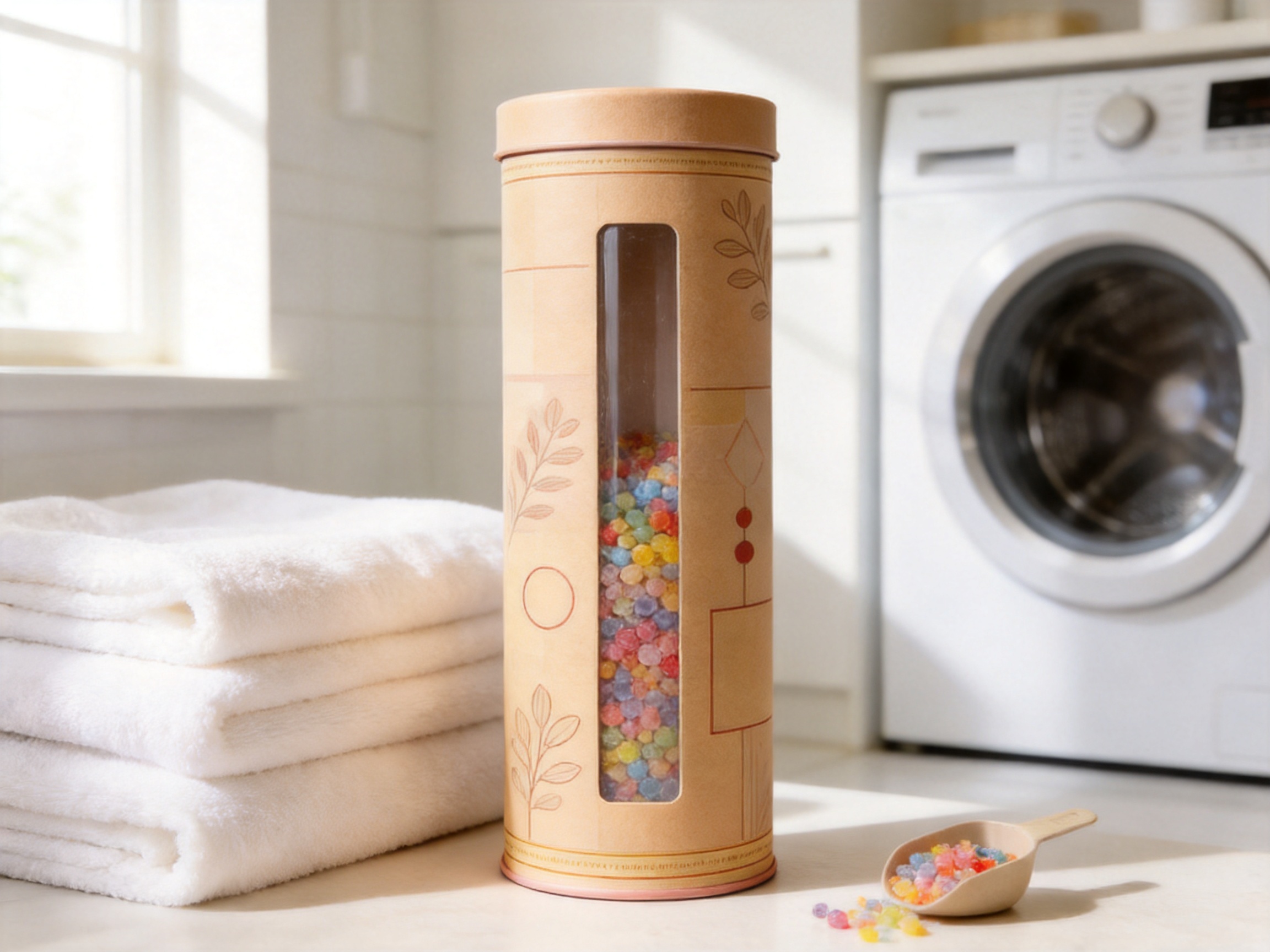
Different users prefer different ways to add scent beads to a washing machine. Some may pour directly from the container, while others may use a cap, scoop, or measuring accessory. The paper tube can be developed with a sufficiently wide opening for easy pouring or with a separate dispensing component where accurate dosing is important.
The opening should be tested for flow behavior. If the beads are unusually small, electrostatic, irregular, or prone to bridging, the rim and pouring angle may need special consideration. A smooth interior and carefully designed opening can help reduce residue and improve the user experience.
Comfortable Handling
The cylindrical shape is naturally comfortable to hold because it follows the curve of the hand. Diameter, height, wall thickness, and lid design should be balanced according to the expected fill weight. An oversized tube may be difficult for some users to grip, while a very narrow body may limit filling efficiency and stability.
Surface finishing also affects handling. A matte coating can provide a soft, premium feel and reduce visible fingerprints. A gloss finish can intensify colors and make the package more visually vibrant. Embossing, debossing, foil accents, spot varnish, and textured papers can be used selectively, although every additional finish should be assessed for cost, recyclability, and production consistency.
Advanced Manufacturing Process
The performance of a composite paper tube depends heavily on manufacturing accuracy. The body must be round, stable, cleanly finished, and dimensionally consistent. The window must be positioned correctly, the printed graphics must align with the cylindrical form, and the closure must fit reliably across production batches.
Material Selection and Preparation
Production begins with the selection of paperboard, liner materials, adhesives, printing substrates, and closure components. The intended use determines the required balance between stiffness, barrier performance, appearance, and recyclability. For laundry scent booster beads, the material system must also be assessed for contact with fragrance compounds and for resistance to expected storage conditions.
Paper reels or sheets are inspected for basis weight, surface quality, moisture content, and dimensional stability. Materials with inconsistent moisture levels can create challenges during winding, printing, or lamination. Careful preparation helps reduce curl, delamination, wrinkles, and variation in tube dimensions.
High-Speed Composite Tube Production
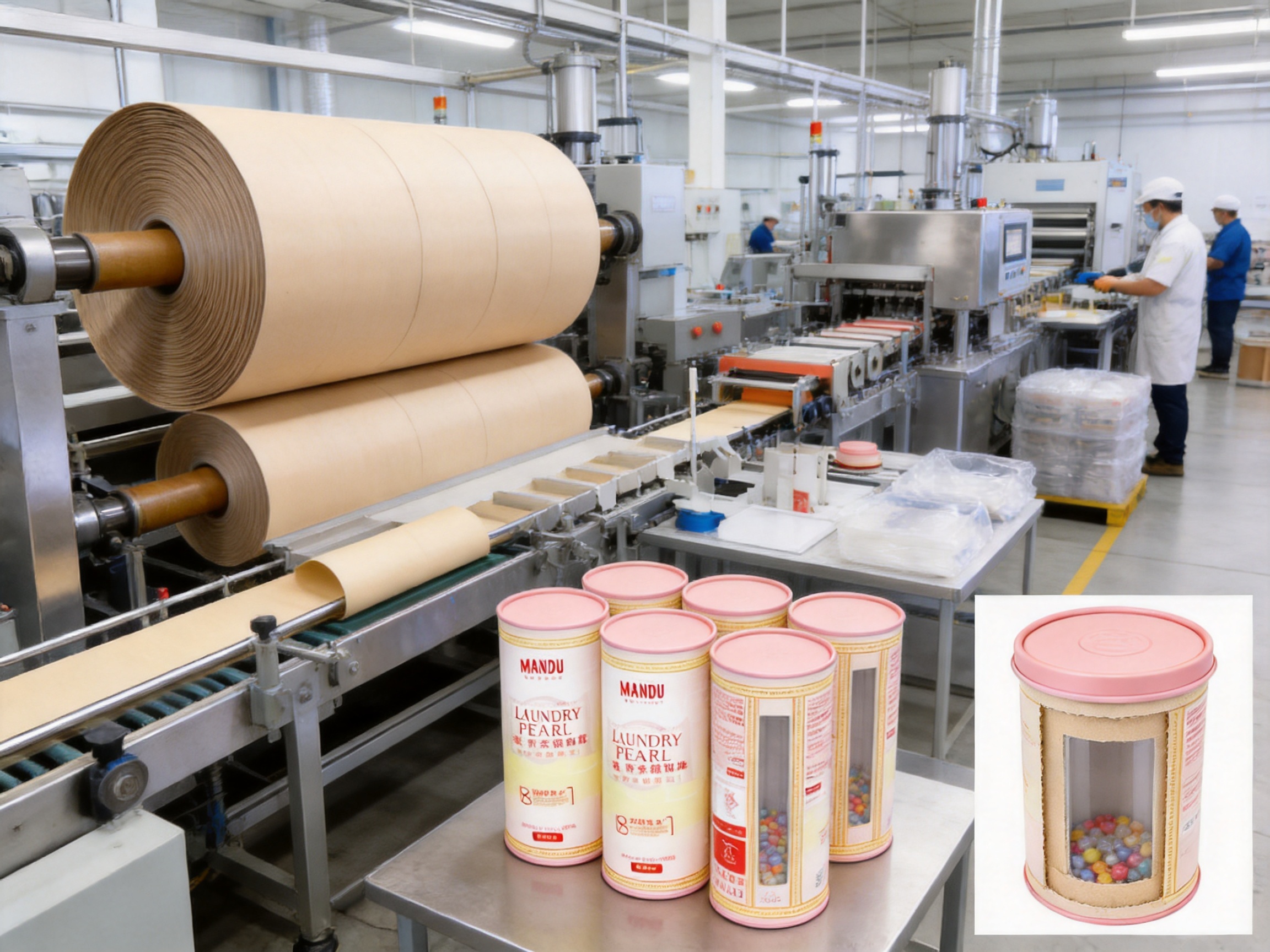
The manufacturer has introduced a high-speed composite can production line from Europe. This type of equipment can improve production efficiency, repeatability, and process control when properly integrated with local material preparation, tooling, inspection, and finishing operations.
In a typical composite tube process, paper layers are combined using controlled adhesive application and wound around a mandrel or forming tool. The layers are arranged to provide the required stiffness, appearance, and barrier characteristics. Tension control is important because uneven tension can lead to ovality, poor seam quality, or variation in wall thickness.
As the paper web is formed into a cylinder, the adhesive must bond the layers without excessive squeeze-out or dry spots. Temperature, viscosity, application quantity, winding pressure, and curing time all affect the final structure. Modern equipment can help maintain stable parameters, but experienced operators and quality technicians remain essential for identifying material changes and correcting process variation.
Body Cutting and Edge Finishing
After the composite structure has been formed, the continuous tube is cut into individual sections. Cutting accuracy affects the height of the finished container and the fit of the lid. The edges may then be trimmed, rounded, folded, or finished according to the selected closure design.
A clean rim is particularly important for a package containing small granules. Rough fibers or uneven edges may interfere with lid fit, create dust, or affect the appearance of the opening. Edge finishing can also improve user comfort and help the container maintain a premium presentation after repeated opening and closing.
Window Integration
The window can be created through several manufacturing approaches. A section of the paper label may be cut away and covered with a clear material, or a clear panel may be integrated into a printed wraparound structure. The selected method must balance visibility, adhesion, clarity, scratch resistance, and resistance to separation during transport.
Window alignment requires accurate registration between the printed artwork and the tube body. If the graphic pattern is intended to frame the window, even a small shift may be noticeable. Automated positioning, calibrated tooling, and in-process visual inspection help maintain consistency.
The window material should be selected with consideration for recycling. A small, well-integrated transparent element may be acceptable in some recycling systems, while other programs may require removal or a particular material type. Packaging developers should confirm local recycling expectations in the target market before finalizing the design.
Printing and Surface Decoration
Paper tubes offer multiple decoration options, including flexographic printing, offset-printed labels, gravure printing, digital printing, and laminated decorative papers. The best option depends on order quantity, artwork complexity, color requirements, surface finish, and production schedule.
For a laundry scent booster product, graphics may use fragrance-associated colors, botanical imagery, clean typography, and visual cues related to freshness. However, the design should remain sufficiently clear to show important instructions and warnings. The window should be treated as part of the artwork rather than as an afterthought, because the visible beads can change the overall color balance of the package.
Quality control may include color comparison, barcode verification, text inspection, registration checks, surface inspection, and rub resistance testing. If the container is exposed to moisture in a laundry room, the outer finish should be evaluated for smearing, peeling, or loss of legibility.
Lid and Component Assembly
The lid may be produced from paperboard, metal, plastic, or a combination of materials. Its selection influences sealing performance, consumer perception, cost, and end-of-life processing. Assembly requires the lid to sit evenly on the tube without excessive looseness or resistance.
For larger production runs, assembly equipment can help maintain consistent insertion depth and alignment. Manual inspection remains valuable for detecting defects such as dents, loose components, uneven rims, adhesive contamination, and incorrect lid placement.
Final Inspection and Packing
Before shipment, finished tubes may be checked for dimensions, appearance, lid fit, window clarity, print quality, odor transfer, and structural integrity. Sampling plans can include compression testing, drop testing, vibration testing, seal testing, and accelerated storage studies.
Products intended for overseas distribution require careful packing to prevent crushing and abrasion. Protective dividers, cartons, palletization, and humidity control may be considered according to the shipping route and climate. A strong primary package can still be damaged if the secondary packaging does not provide adequate protection.
Quality and Technical Strengths of the Manufacturer
Hangzhou Qunle Packaging Co., Ltd. has been engaged in composite cans and paper cans for more than two decades. Long-term specialization is significant because paper tube manufacturing involves knowledge that extends beyond printing. It requires understanding of paper behavior, adhesive systems, winding tension, barrier layers, closure design, filling compatibility, and distribution conditions.
The company is identified as the only member of the international Composite Can and Tube Institute in China’s packaging container industry. Membership in an industry organization can support technical exchange, awareness of international practices, and continued attention to developments in composite packaging.
The company was also the first enterprise in China to pass the QS certificate for producing food packaging containers, according to the supplied company information. Although laundry scent booster beads are a non-food application, experience gained from food packaging places strong emphasis on hygiene, process control, material traceability, and consistent production. Those disciplines are valuable when developing packaging for daily chemical and household products.
More than 10 patented technologies are associated with the company’s packaging development. Patents do not automatically guarantee that every package will outperform every competitor, but they indicate a continuing focus on research, process improvement, and product engineering. For a customized paper tube, this development capability can be important when the customer requires a special diameter, window position, barrier system, closure, or decorative finish.
The manufacturer has established long-term partnerships with well-known companies and brands in food, beverage, tea, coffee, confectionery, agriculture, and household-related markets. Such partnerships suggest experience with commercial quality requirements, production planning, repeat orders, and the need to maintain consistent packaging across different product categories.
Its business covers food, daily chemical products, fast-moving consumer goods, and other applications. This range is relevant to laundry scent booster beads because the package must combine the visual and structural expectations of consumer goods with the barrier and handling requirements of a fragranced household product.
Customization Opportunities
Dimensions and Capacity
The tube can be customized in diameter and height to suit the target fill weight and retail positioning. A compact format may be suitable for trial sizes, travel use, or gift collections. A larger format can provide better value for frequent users and more space for decorative graphics.
Dimension selection should consider the density and flow characteristics of the beads. The internal volume must allow sufficient headspace where required, but excessive headspace can increase movement during transport and make the package appear underfilled. A balanced proportion improves both function and shelf appearance.
Window Shape and Position
The window may be narrow and vertical, broad and central, or arranged as a partial wraparound. A tall window emphasizes fill level, while a wider window creates stronger product visibility. The position can also be used to distinguish product variants or create a recognizable family design.
Window size should be balanced against structural and barrier requirements. A very large opening may reduce the available printed area or make it more difficult to maintain a continuous protective layer. A smaller window may offer sufficient visibility while preserving more space for branding and information.
Closure Options
Possible closure solutions include friction-fit lids, paper-based covers, metal-style lids, plastic caps, and composite systems. A fragrance-sensitive product may require an inner seal or liner. The best solution depends on the desired appearance, target price, required shelf life, user expectations, and local recycling practices.
Printing and Finishing
Brands can select from a wide range of visual treatments. Matte printing supports a natural and understated appearance, while gloss surfaces create a brighter and more energetic effect. Embossing can highlight a logo or botanical motif. Foil accents can add a premium impression, and spot varnish can draw attention to selected text or illustrations.
Decoration should be chosen with an understanding of the tube’s environmental positioning. A design with excessive mixed materials may complicate recycling even when the main body is paper-based. In many cases, carefully selected paper stocks, water-based inks, restrained coatings, and limited decorative elements can create an attractive package with a more straightforward material profile.
Product Information and Compliance
The available surface area supports detailed communication. Depending on the destination market, the package may need to include product identity, net quantity, usage directions, storage instructions, ingredient or fragrance information, manufacturer details, batch or lot information, warnings, and disposal guidance.
Laundry scent booster beads should be accompanied by clear instructions explaining how they are added to the washing machine. Directions should be written in language appropriate for the target market and should not imply uses that have not been evaluated. Warning statements should be prominent and legible, especially where the formulation may present risks if swallowed, inhaled, or exposed to the eyes or skin.
Performance Testing Before Commercial Launch
Packaging development should include testing with the actual scent booster bead formulation rather than relying only on empty-container evaluations. Fragrance chemistry can interact differently with paper coatings, liners, adhesives, and closures. A package that performs well with one fragrance may require adjustment for another.
Seal and Leakage Testing
Finished containers can be evaluated for leakage, lid retention, and seal integrity. Testing may include inversion, shaking, vibration, and simulated distribution conditions. If a tamper-evident seal is used, it should remain intact during shipping but open in a predictable manner for the consumer.
Moisture and Aroma Testing
Samples may be stored under controlled temperature and humidity conditions and compared over time. Evaluation can include bead appearance, clumping, flow behavior, fragrance intensity, weight change, and inner-surface condition. Instrumental testing may be used where appropriate, while sensory assessment can provide additional insight into consumer experience.
Compression and Drop Testing
Compression testing helps determine whether stacked units can withstand ordinary warehouse and retail loads. Drop testing can reveal weaknesses in the tube wall, lid, window attachment, or rim. The test conditions should reflect the final packed configuration rather than only the empty primary container.
Opening and Reclosing Testing
Repeated opening and closing can be simulated to assess whether the lid remains functional after many uses. The test may examine changes in fit, cracking, delamination, fiber shedding, and consumer effort. A package intended for frequent household use should remain convenient throughout the expected product life.
Compatibility and Odor Evaluation
The package should not introduce an unwanted odor into the product, nor should it cause unacceptable changes in the fragrance profile. Adhesives, coatings, liners, inks, and closure materials may all contribute to odor. Compatibility evaluation is therefore essential for a scented product.
Environmental Considerations
The recyclable paper tube responds to growing interest in packaging that uses renewable or paper-based materials. Paper can be sourced from responsibly managed forests and is supported by established recycling systems in many markets. A rigid paper body may also communicate environmental intent more effectively than a fully plastic jar.
Nevertheless, environmental claims should be accurate and specific. Recyclability depends on local collection, sorting, pulping, and processing infrastructure. A package containing a window, liner, adhesive, coating, or mixed-material lid may be treated differently from a simple uncoated paper container. Brands should verify the final construction with relevant recycling guidance and avoid broad claims that cannot be substantiated.
Material reduction is another important consideration. The tube should be engineered to provide the required strength without unnecessary wall thickness. At the same time, reducing material too aggressively can create crushing, leakage, or premature failure, which may increase waste if products are damaged. The most sustainable design is generally one that uses an efficient material structure while protecting the product throughout its life cycle.
Efficient shipping can also influence environmental performance. Cylindrical containers can be packed in stable arrangements, although gaps between round units may require thoughtful secondary packaging. The design team can evaluate carton dimensions, pallet utilization, protective inserts, and shipping weight to improve logistics efficiency.
End-of-life instructions should be simple and understandable. If the window or lid requires separate disposal, that information may be communicated through suitable symbols or text. If the package is accepted as a paper-based container in the target market, instructions should follow local labeling rules.
Comparison with Competing Packaging Formats
| Packaging format | Main advantages | Common limitations | Position of the round paper tube |
|---|---|---|---|
| Plastic jar | Familiar, lightweight, and generally resistant to impact | May provide less visual differentiation and relies heavily on fossil-based material | Offers a paper-forward appearance, rigid structure, and a distinctive cylindrical presentation |
| Flexible pouch | Efficient material use and compact shipping | Can be less convenient to store, pour, and reseal; may require an additional container | Provides a stable upright format and a more substantial user experience |
| Folding carton | Large printable surface and efficient flat shipping | Often needs an inner bag or liner for granular and fragranced products | Integrates structure, visibility, and product containment in one primary package system |
| Glass jar | Premium appearance and strong barrier potential | Heavier, breakable, and more costly to transport | Offers a lighter paper-based alternative with a premium decorative surface |
| Metal tin | Durable and visually distinctive | Higher material weight and possible denting; may be less suitable for some fragrance systems | Combines a rigid presentation with a lighter, customizable paper exterior |
| Plain paper canister | Paper-based structure and strong printability | Limited product visibility if no window is included | Adds a controlled transparent window to show the actual scent beads |
This comparison does not mean that the paper tube is the best choice for every product. Packaging selection must consider formula sensitivity, market requirements, filling equipment, price, distribution conditions, and recycling infrastructure. Its advantage is that it brings several desirable characteristics together: rigidity, visibility, branding space, comfortable handling, and the potential for a more paper-oriented material strategy.
Applications Beyond Laundry Scent Booster Beads
The format can be adapted for many dry or semi-protected products. In cosmetics and skincare, it may hold bath salts, powdered masks, solid fragrance products, or gift items. In coffee and tea, an appropriate food-grade barrier system and closure may support premium presentation, although product-specific testing is essential.
For nutrition and supplements, the package may be used for powders, tablets, or small granules when the required barrier and regulatory conditions are satisfied. In confectionery and snacks, the window can display product color and texture. Seasonings and spices can benefit from the printable cylindrical surface, while candles and fragrances can use the tube as a gift-oriented outer package.
The same structure may also be used for pet treats, craft items, coin banks, personal care products, and seasonal promotional collections. A manufacturer with experience in multiple packaging categories can help adapt the material system rather than using one identical construction for every application.
Branding and Retail Impact
Packaging is often the first physical contact between a consumer and a new laundry product. The round paper tube creates a recognizable silhouette that can be seen from several directions. When combined with a carefully designed window, it allows the product itself to become part of the visual identity.
Color can be used to distinguish fragrance families. Fresh and citrus fragrances may use bright, energetic palettes, while floral or woody varieties may use softer or deeper tones. The visible beads can reinforce these distinctions, particularly when their color is coordinated with the printed graphics.
The package also supports premium and sustainable positioning without requiring an overly complex shape. A restrained design with high-quality paper, precise printing, and a neat window may communicate more value than an inexpensive package with excessive decoration. The tactile experience of the paper surface can be important in online product photography as well as in physical retail.
For e-commerce, the cylinder should be tested for resistance to scuffing, compression, and repeated handling. The printed surface must remain attractive after transport through fulfillment centers and parcel networks. Secondary packaging may be required to prevent lids from being dislodged or surfaces from rubbing against one another.
How to Develop the Right Specification
The first step is to define the product characteristics. The filling weight, bead size, fragrance type, moisture sensitivity, expected shelf life, and dispensing method all influence the package structure. A complete product specification should also identify the target market, retail channel, shipping conditions, and intended price range.
The second step is to choose the visual direction. This includes the tube dimensions, window position, label coverage, color palette, surface finish, closure appearance, and information hierarchy. A physical mock-up is useful because cylindrical artwork often looks different from a flat computer rendering.
The third step is to test material compatibility. Samples filled with the actual scent booster beads should be stored under realistic and accelerated conditions. The test should assess the product as well as the package, including fragrance retention, bead flow, closure behavior, and appearance.
The fourth step is to validate production. Pilot runs can reveal issues that are not visible in prototypes, such as window registration, lid tolerance, label wrinkling, adhesive behavior, or changes in tube roundness. Production samples should be evaluated using the same inspection criteria planned for mass manufacturing.
The final step is to confirm compliance and commercial readiness. Artwork should be checked for required statements and symbols. Packaging materials should be documented. Shipping tests should be completed, and the final package should be reviewed for cost, recyclability, user experience, and supply capacity.
Frequently Asked Questions
What product is the round paper tube designed for?
It is designed primarily for laundry scent booster beads. The cylindrical body, secure closure, optional barrier layer, and visible window are suitable for a dry, fragranced, granular product that is opened and used repeatedly.
Does the window show the actual product inside?
Yes. The window is intended to allow consumers to see the scent beads without opening the package. Its size, position, and material can be customized according to the product appearance, artwork, structural requirements, and recycling objectives.
Is the paper tube airtight?
The final level of airtightness depends on the complete package construction, including the inner barrier, rim, lid, seal, and manufacturing tolerances. An airtight or highly protective specification should be confirmed through laboratory testing with the actual product and fragrance formulation.
Can the tube protect fragrance?
It can be designed to help retain fragrance through the use of suitable inner materials, barrier layers, and a secure closure. Because fragrance formulations vary, aroma retention must be verified through compatibility and shelf-life testing rather than assumed solely from the paper tube format.
Is the container recyclable?
The main body can be manufactured with paper-based materials, and the package can be designed with recycling in mind. However, the recyclability of the complete container depends on the window, lid, liner, adhesives, coatings, local recycling facilities, and applicable labeling rules. The final construction should be evaluated in the intended market.
Can the tube be customized in size?
Yes. Diameter, height, wall structure, capacity, window position, closure, and decoration can be developed according to the filling weight, product dimensions, retail requirements, and desired shelf appearance.
Can the package be used for other products?
Yes. With appropriate material and barrier adjustments, similar paper tubes can be developed for tea, coffee, snacks, spices, supplements, cosmetics, candles, gifts, pet products, and other goods. Each application requires its own compatibility and performance evaluation.
What printing options are available?
Possible options include printed paper wraps, labels, digital printing, high-quality color printing, matte or gloss finishes, embossing, foil effects, spot varnish, and other decorative treatments. The suitable method depends on order volume, artwork, budget, and environmental objectives.
Can the package include a tamper-evident seal?
Yes. An inner membrane, foil seal, induction seal, or another tamper-evident feature may be considered. The selected system must be compatible with the tube materials, closure, filling line, product formulation, and target-market requirements.
Is the tube suitable for e-commerce shipping?
It can be suitable for e-commerce when the complete package is tested for compression, abrasion, impact, lid retention, and vibration. Secondary packaging may be needed to protect the decorated surface and prevent movement during parcel transportation.
What makes the manufacturer suitable for this product?
The manufacturer has more than 20 years of experience in composite cans and paper cans, an international industry connection, a high-speed European composite can production line, experience serving food and daily chemical markets, and more than 10 patented technologies. These capabilities support customized development and repeatable production.
How should the product be filled into the tube?
The filling method depends on the bead size, flow characteristics, target weight, and production line. The tube can be designed for manual, semi-automatic, or automatic filling, but the final package should be tested with the customer’s equipment to confirm filling speed, accuracy, cleanliness, and closure performance.
Can the tube be reused after the beads are finished?
The rigid format may be reused for suitable dry household or craft items if the container remains clean and intact. Reuse should not include food or other sensitive applications unless the material system has been evaluated and approved for that purpose.
Conclusion
The recyclable round paper tube with window offers a compelling packaging solution for laundry scent booster beads. It combines a rigid cylindrical body, customizable barrier protection, a secure closure, a large printable surface, and direct visibility of the product. These features can improve shelf impact, user convenience, fragrance-product presentation, and brand differentiation compared with plain cartons, standard plastic jars, or flexible pouches.
Its performance depends on thoughtful engineering. The package must be developed around the actual bead formulation, fragrance chemistry, filling process, expected shelf life, distribution conditions, and local recycling system. A paper-based body is an important starting point, but the window, liner, adhesive, lid, coating, and seal must all be considered when evaluating sustainability and functional performance.
Hangzhou Qunle Packaging Co., Ltd. brings extensive experience in composite cans and paper cans to this product category. Its long-term involvement in packaging for food, daily chemical products, and fast-moving consumer goods, combined with high-speed European production equipment, industry participation, quality experience, and patented technologies, supports the development of dependable customized packaging.
For brands seeking a more distinctive and paper-forward container for laundry scent booster beads, this tube provides a practical platform. With appropriate material selection, production control, testing, and artwork development, it can deliver a balance of protection, visibility, convenience, and premium presentation for both retail and e-commerce markets.
References
1. Composite Can and Tube Institute. Technical principles and industry practices for composite paper cans and tubes.
2. International Organization for Standardization. General guidance for packaging and packaging-environment interactions.
3. International Organization for Standardization. Standards and terminology related to packaging, recycling, and environmental labeling.
4. Technical literature on paperboard converting, spiral winding, adhesive bonding, and composite container production.
5. Technical literature on fragrance retention, moisture-barrier packaging, and compatibility testing for scented consumer products.
6. Packaging development guidance for household and daily chemical products, including closure integrity, tamper evidence, and consumer safety communication.
7. Manufacturer-provided company information concerning composite can production, quality qualifications, industry partnerships, production equipment, and patented packaging technologies.
