 English
 Español


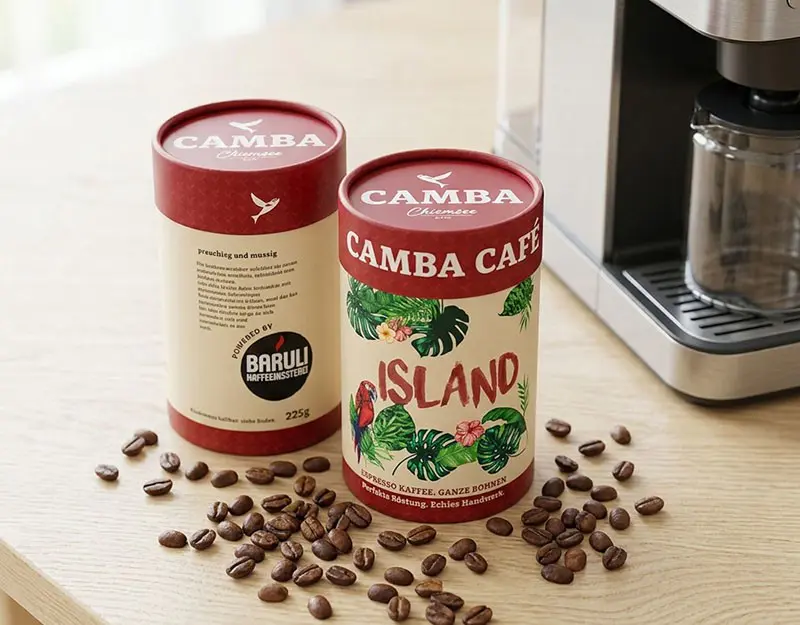
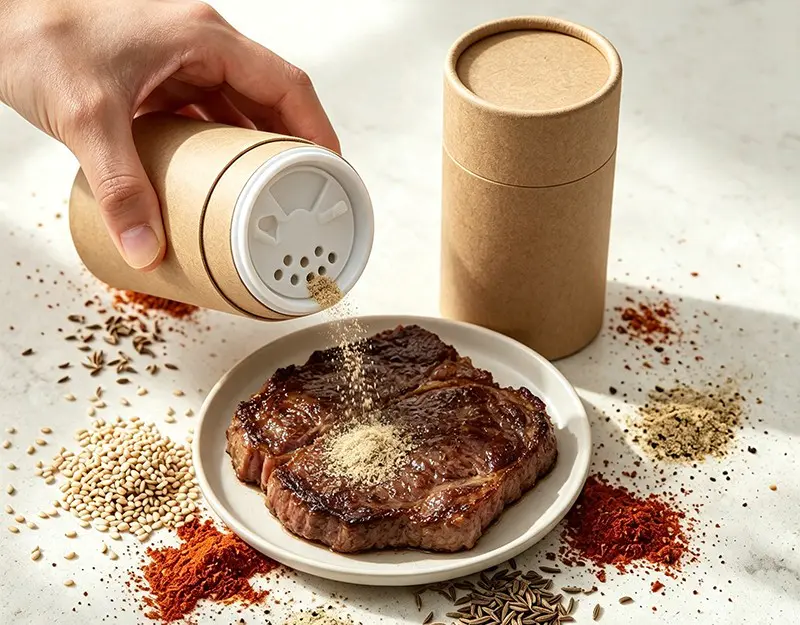
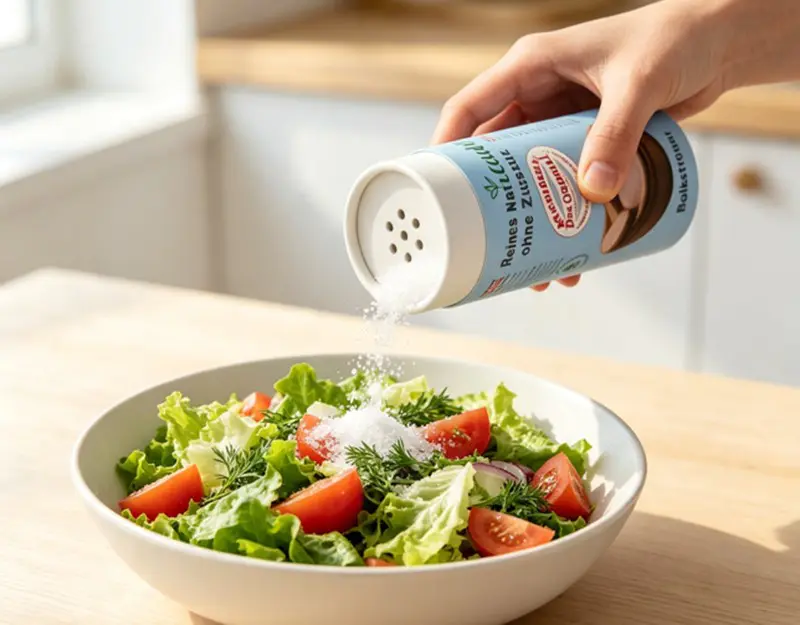
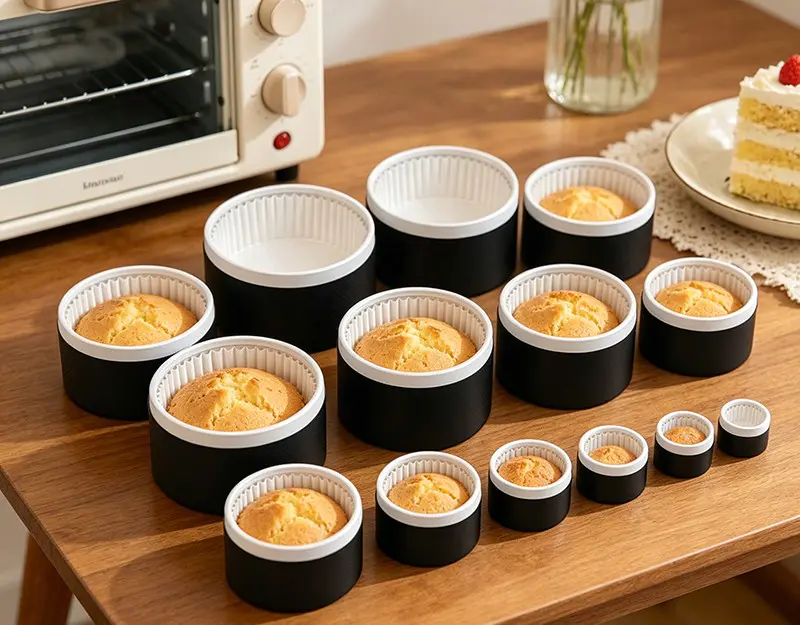
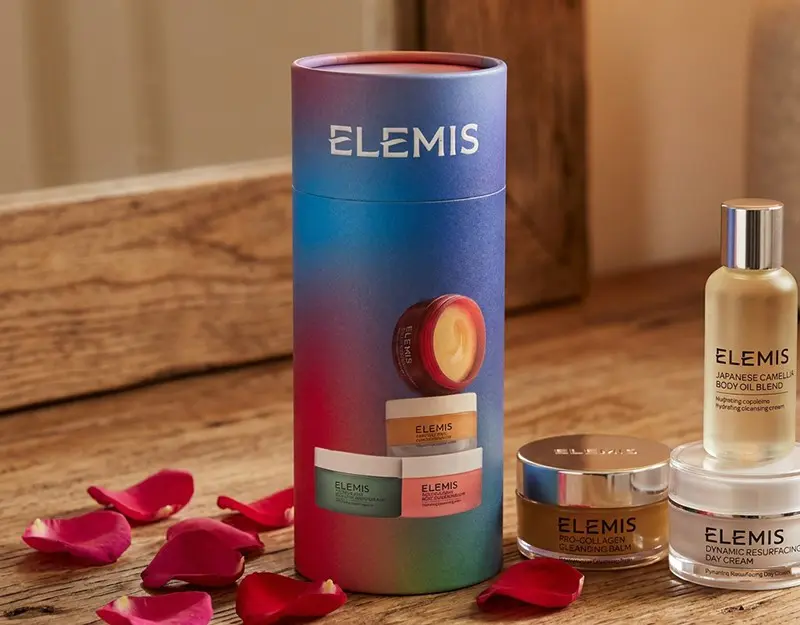
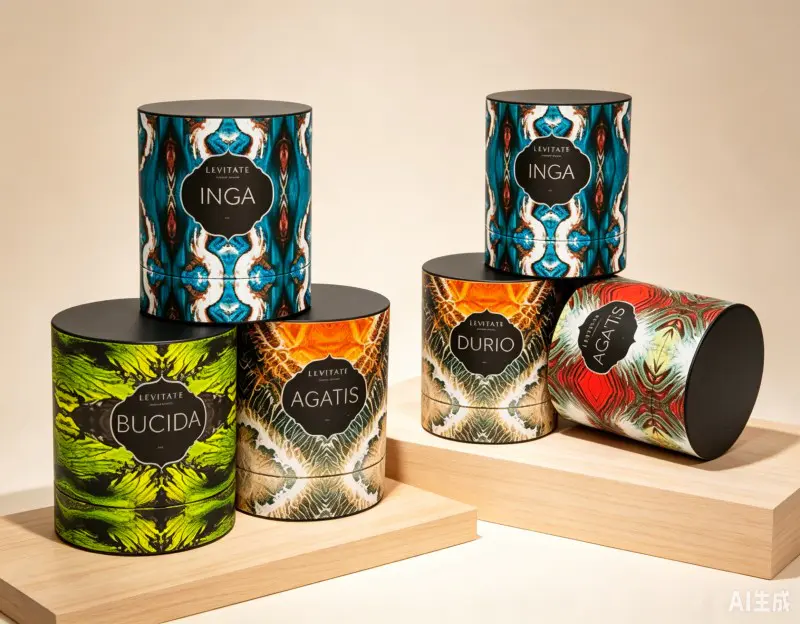
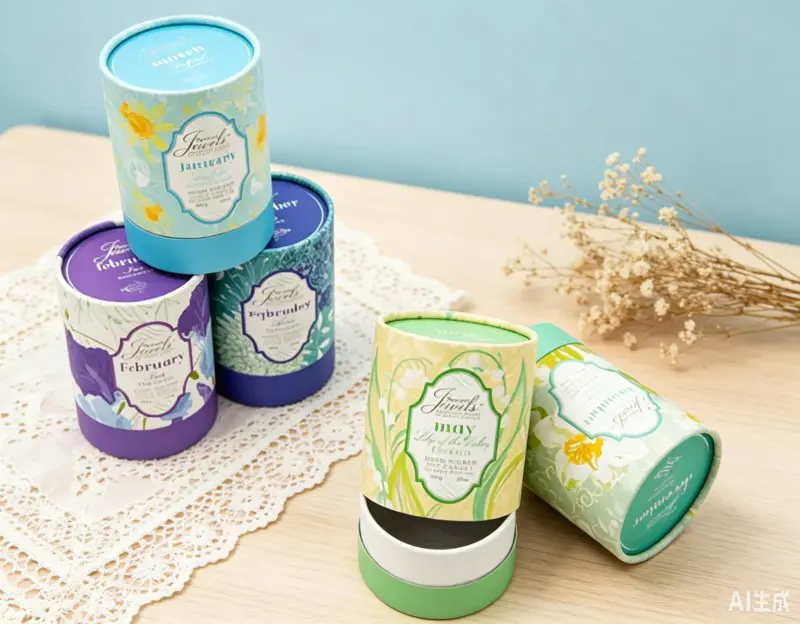
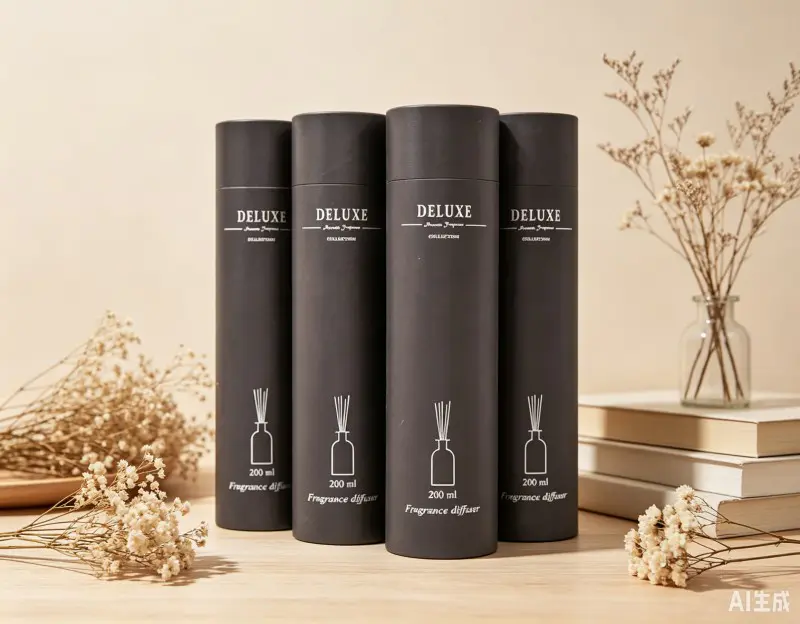
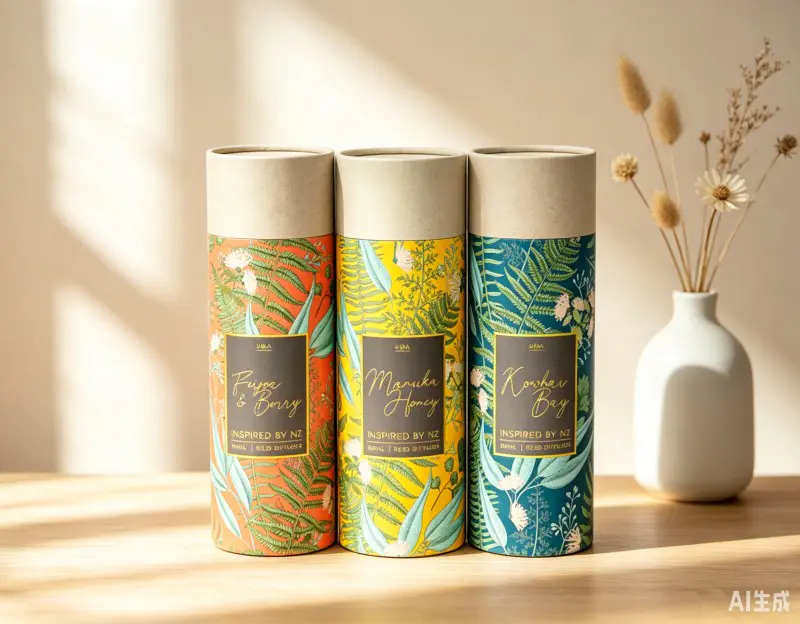
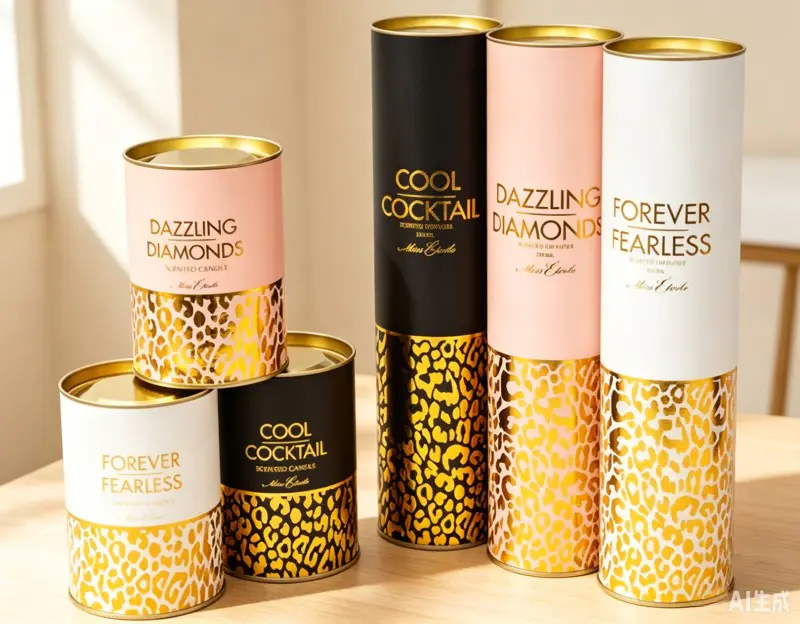
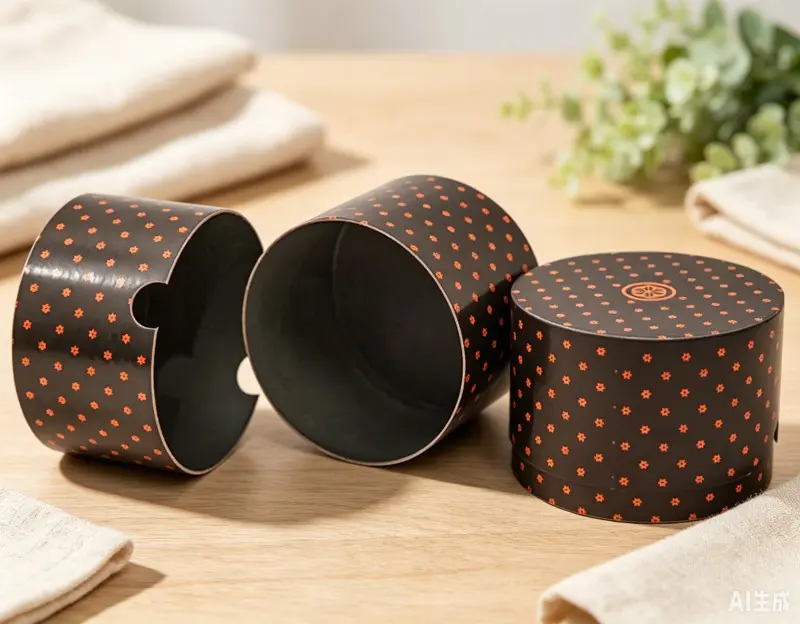

As one of the top China cardboard tube packaging manufacturers and paper tube packaging suppliers, we devote all of our efforts to research and launch more high quality packaging products to global market.
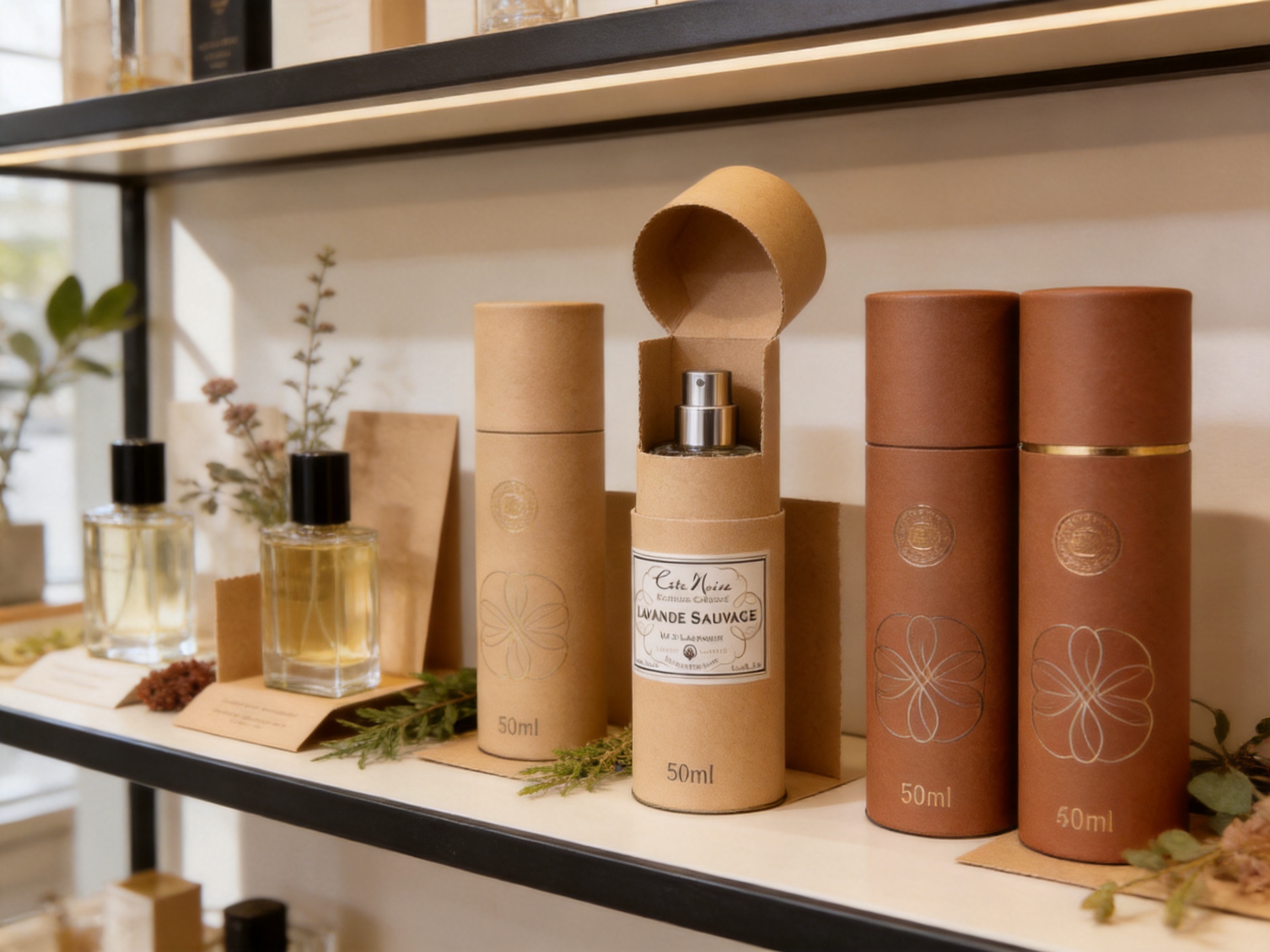
Packaging is an important part of the perfume experience. It protects the bottle during storage and transportation, communicates the character of the fragrance, and creates the first physical impression when a customer encounters the product. For brands seeking a practical and environmentally responsible alternative to conventional rigid boxes, recycled paper tube packaging offers a distinctive solution. A cylindrical paper canister designed for a 50ml perfume bottle combines structural protection, visual impact, customization, and efficient material use in one packaging format.
The recycled tube packaging box described in this article is developed for perfume and fragrance applications. It has an internal diameter of approximately 61 to 63 millimeters and a height of approximately 125 millimeters, making it suitable for many 50ml perfume bottles and similar cylindrical fragrance containers. Its all-paper construction, kraft paper material, cylindrical form, and customizable surface treatments provide a balanced combination of sustainability and premium presentation.
Unlike ordinary folding cartons, a paper tube gives a fragrance product a three-dimensional presence. The round profile is comfortable to hold, visually recognizable on a retail shelf, and suitable for a wide range of decoration techniques. The structure also allows brands to create a more memorable unboxing experience while reducing reliance on plastic-heavy packaging components.
Content
- 1 Product Overview
- 2 Why Cylindrical Packaging Works for Perfume
- 3 Material Advantages of Recycled Kraft Paper
- 4 Protection for 50ml Perfume Bottles
- 5 Premium Appearance Through Surface Finishing
- 6 Printing and Custom Design Capabilities
- 7 Manufacturing Process for Composite Paper Tubes
- 8 Manufacturing Strengths and Industry Experience
- 9 Advantages Over Conventional Packaging Options
- 10 Sustainability Considerations
- 11 Design Recommendations for Perfume Brands
- 12 Quality Assurance and Custom Order Management
- 13 Applications Beyond Perfume
- 14 Commercial Benefits for Brands and Retailers
- 15 Recommended Development Workflow
- 16 Questions and Answers
- 16.1 What type of product is this packaging designed for?
- 16.2 Is the tube made from recycled paper?
- 16.3 Can the package be customized with a company logo?
- 16.4 Can the tube be used for bottles with different dimensions?
- 16.5 Does the tube protect a glass perfume bottle?
- 16.6 What printing methods are available?
- 16.7 What makes a cylindrical tube different from a normal perfume carton?
- 16.8 Is the packaging suitable for luxury perfume products?
- 16.9 Can the tube be recycled after use?
- 16.10 What information should be supplied for a quotation?
- 16.11 Why is the manufacturer’s industry experience important?
- 17 Conclusion
- 18 References
- 19 Product: Make Recycled Tube Packaging Box for 50ml Perfume Bottles
Product Overview
This recycled paper tube packaging box is intended for perfume bottles and related fragrance products. The standard product concept uses kraft paper as the main material and can be customized with customer logos, artwork, colors, and finishing details. Printing may be produced in CMYK, while additional treatments such as matt lamination, stamping, and ultraviolet coating can be applied to selected areas of the package.
| Item | Specification | Packaging Benefit |
|---|---|---|
| Product type | Cylindrical recycled paper tube | Provides a distinctive alternative to rectangular cartons |
| Primary application | Packaging for 50ml perfume bottles | Supports fragrance protection and premium presentation |
| Internal diameter | Approximately 61–63mm | Allows space for a compatible bottle and protective fitment |
| Height | Approximately 125mm | Designed around the proportions of many 50ml fragrance bottles |
| Main material | Kraft paper and paper-based components | Supports an all-paper packaging concept |
| Shape | Round or cylindrical | Improves shelf differentiation and tactile appeal |
| Printing | CMYK customization | Enables detailed brand graphics and color reproduction |
| Surface finishing | Matt lamination, stamping, and UV coating | Creates varied textures, contrast, and visual emphasis |
| Logo | Customer’s logo | Supports private-label and brand-specific production |
| Custom orders | Accepted | Allows adjustment of dimensions, graphics, and finishing |
Why Cylindrical Packaging Works for Perfume
Perfume packaging must perform several functions at the same time. It needs to protect a glass or rigid plastic bottle, maintain a polished appearance, communicate product quality, and support efficient logistics. The cylindrical paper tube format addresses these requirements through a compact and visually coherent structure.
The rounded profile creates a smooth exterior with no sharp corners. This can make the package comfortable to handle and may reduce the visual severity associated with conventional square boxes. On a retail shelf, a round tube can also introduce variety among rectangular packages. When multiple fragrance products are displayed together, the tube becomes an immediate visual differentiator.
The shape is especially appropriate for perfume products because it echoes the form of many bottles, caps, and cosmetic containers. A cylindrical package can therefore create a coordinated relationship between the outer package and the product inside. This harmony is useful for brands that want to communicate elegance, simplicity, natural inspiration, or contemporary minimalism.
A paper tube also creates a natural opportunity for layered presentation. The outer tube can carry the main artwork, product information, and decorative elements, while an interior fitment or insert can hold the bottle in a centered position. This arrangement helps prevent unnecessary movement inside the package and can support a more controlled opening experience.
Material Advantages of Recycled Kraft Paper
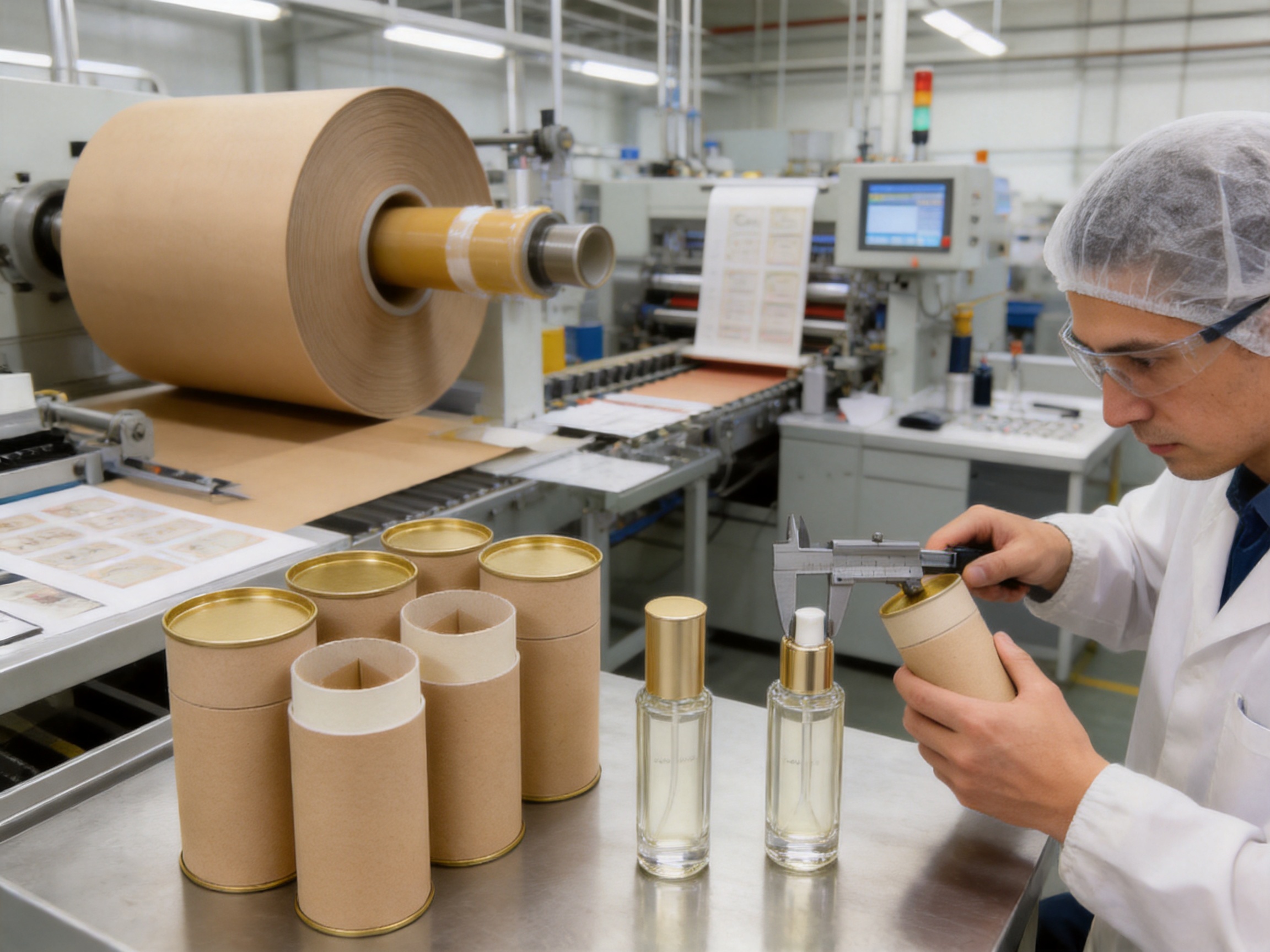
Kraft paper is widely associated with strength, natural appearance, and responsible packaging design. In a recycled paper tube, the material can contribute to the package’s structural body while providing a surface that suits both understated and highly decorated branding. The natural tone of kraft paper can be retained as part of the visual design or covered with printed graphics according to the customer’s requirements.
The use of recycled paper supports brands that are seeking to reduce the environmental burden associated with packaging. Paper-based construction can help reduce the amount of plastic used in the outer package, especially when the tube, lid, and internal components are designed as a coordinated paper solution. The actual recyclability of a finished package depends on its complete material composition, coatings, adhesives, closures, and local recycling infrastructure. Nevertheless, an all-paper design provides a strong foundation for more responsible packaging development.
Recycled kraft paper also offers a tactile quality that many consumers associate with authenticity and craftsmanship. The surface may feel warmer and more natural than highly glossy plastic or heavily laminated board. For perfume brands built around botanical ingredients, artisan production, clean beauty, wellness, or environmentally conscious lifestyles, this texture can reinforce the product story.
Another advantage is the adaptability of paper. It can be cut, wrapped, rolled, printed, stamped, coated, and assembled into a wide range of forms. This flexibility makes it possible to develop packaging that is both functional and visually distinctive without changing the basic tube concept.
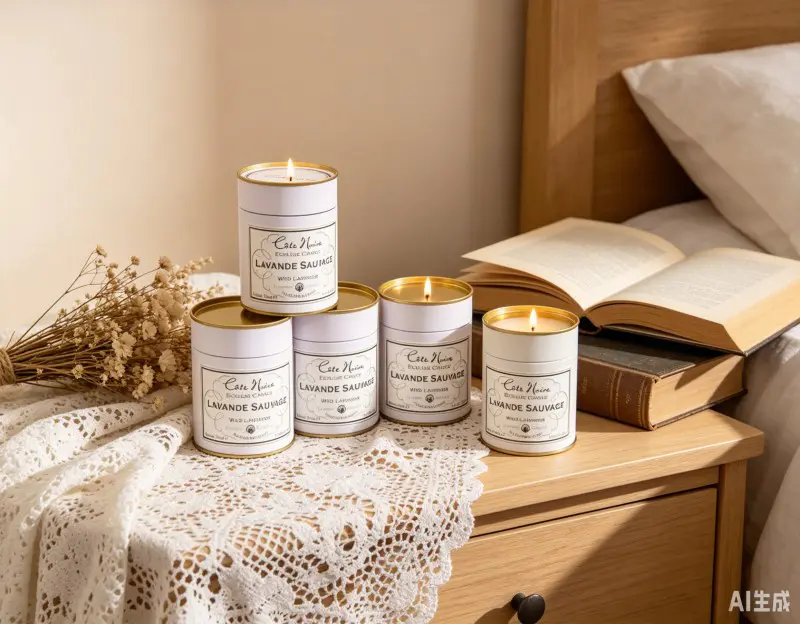
Make Recycled Tube Packaging Box for 50ml Perfume Bottles
Protection for 50ml Perfume Bottles
A 50ml perfume bottle may contain glass, a pump mechanism, a decorative cap, and other components that require protection during handling. The package must be designed to limit impacts, abrasion, vibration, and unwanted movement. A properly engineered paper tube helps create a protective outer shell around the bottle while leaving room for an interior support system.
The stated internal diameter of approximately 61 to 63 millimeters and height of approximately 125 millimeters provide a starting point for a compatible 50ml bottle format. These dimensions should always be checked against the final bottle design, including the widest section of the bottle, cap dimensions, collar, sprayer, and any decorative details. A precise fit is important because excessive space can allow movement, while an overly tight fit may make insertion and removal difficult.
For commercial production, the packaging supplier and buyer should confirm the final dimensional drawing and test the tube with actual product samples. Drop tests, vibration tests, compression evaluations, and transportation simulations may be appropriate depending on the distribution channel. Products shipped through parcel networks may require more internal cushioning than products sold directly in controlled retail environments.
The tube itself provides a protective barrier against direct contact and surface abrasion. Additional paperboard inserts, pulp components, collars, or layered paper supports can be used to stabilize the bottle. If the design includes a separate lid, the closure should be evaluated for resistance to accidental opening without making the package difficult for the consumer to open.
Protection is not limited to physical performance. The tube can also shield the bottle from dust, light exposure, and repeated handling before purchase. While a paper tube is not automatically a substitute for specialized light-barrier packaging, the outer structure can contribute to a more controlled product environment when combined with an appropriate internal design.
Premium Appearance Through Surface Finishing
Perfume is a highly visual product category. A customer often evaluates the package before smelling the fragrance. Surface finishing therefore plays an important role in communicating price level, product personality, and brand positioning.
Matt Lamination
Matt lamination creates a smooth, low-reflective surface. It can give the tube a refined and contemporary appearance while making printed colors appear more restrained and sophisticated. The reduced glare is useful for packaging photographed under strong lighting and for retail displays where reflections can obscure text or graphics.
Matt lamination may also improve the perceived smoothness of the package and provide an additional surface layer. However, the suitability of any coating should be assessed according to the customer’s environmental objectives, recycling requirements, and local regulations. For brands emphasizing paper recovery, the coating system and its effect on recyclability should be discussed during product development.
Stamping
Stamping can add metallic or colored accents to logos, borders, lettering, and decorative patterns. A restrained metallic mark on a kraft paper tube can create a strong contrast between natural material character and luxury detailing. Gold, silver, copper, and other effects can be considered depending on the desired appearance.
Stamping is particularly useful when the design requires emphasis without covering the entire package in heavy ink. It can draw attention to a logo or product name and help consumers identify the package from a distance. The final result depends on the paper surface, artwork, stamping foil, pressure, temperature, and registration accuracy.
UV Coating
Ultraviolet coating can be applied to selected areas to create contrast between gloss and matt surfaces. For example, a gloss logo on a matt background can remain subtle while becoming visible as the tube moves under light. Spot UV can also be used for botanical illustrations, geometric patterns, fragrance notes, or other secondary design elements.
Using several finishing techniques together should be carefully controlled. A package does not need every possible decorative treatment to appear premium. In many cases, a balanced combination of CMYK printing, a matt surface, and one selective stamping or UV detail produces a more coherent result than an overloaded design.
Printing and Custom Design Capabilities
The product supports CMYK printing, allowing customers to develop colorful and detailed packaging artwork. CMYK production is suitable for photographs, gradients, illustrations, botanical imagery, abstract patterns, and multicolor branding. It can also be combined with the natural tone of kraft paper to create an intentional eco-conscious visual language.
Designers may choose to print full coverage around the tube or leave selected areas unprinted. Leaving some kraft paper visible can reduce ink coverage and preserve the material’s natural character. Printing white beneath colors may be considered when strong color brightness or accurate reproduction is required, especially on darker kraft surfaces.
The cylindrical structure requires artwork preparation that differs from a flat folding carton. The design must account for the tube seam, the direction of wrapping, the top and bottom areas, and the way text appears around the curved surface. Important information should be positioned so that it remains easy to read from the front-facing area. The seam should be considered during layout to prevent the interruption of major logos or critical regulatory text.
Before mass production, the customer should approve digital artwork, color references, structural drawings, and a physical prototype or pre-production sample where possible. Sampling helps confirm how colors, logos, text, and finishing effects appear on the actual paper surface rather than on a computer screen.
Custom branding may include the customer’s logo, product name, fragrance variant, volume statement, ingredient information, barcode, usage instructions, recycling information, and legally required warnings. The available print area should be planned so the design remains visually balanced and does not become crowded.
Manufacturing Process for Composite Paper Tubes
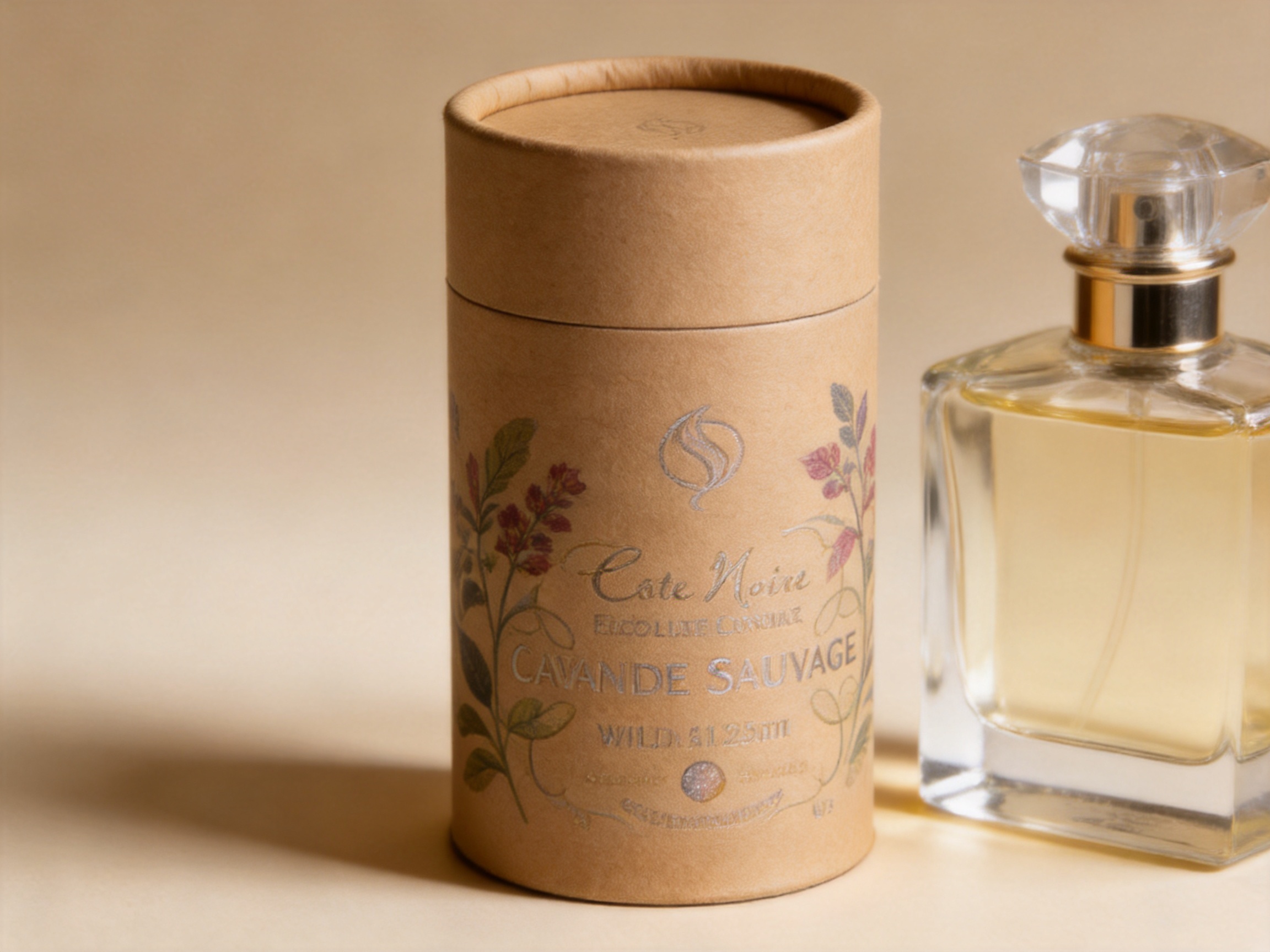
Producing a reliable paper tube requires more than simply rolling a sheet of paper into a cylinder. The material layers, adhesive application, winding tension, drying conditions, cutting accuracy, surface finishing, and final assembly all influence the quality of the finished product.
Material Preparation
Manufacturing begins with the selection and preparation of paper materials. Kraft paper grades are evaluated according to thickness, strength, surface quality, color, moisture behavior, and compatibility with printing or lamination. For a perfume tube, the chosen material must support the required appearance while maintaining adequate rigidity for handling and distribution.
Paper rolls are inspected before entering production. Factors such as roll width, edge condition, surface contamination, and moisture consistency can affect the winding process. Proper material storage is also important because paper can absorb moisture from the environment, potentially influencing dimensional stability and adhesive performance.
Paper Winding and Layer Formation
The body of a composite paper tube is typically created by winding paper layers around a cylindrical mandrel. Adhesive is applied between selected layers, and the paper is wrapped under controlled tension. The number of layers and the grade of each layer can be adjusted according to the required strength, wall thickness, appearance, and end-use conditions.
Controlled winding helps create a consistent circular profile. If tension is uneven, the tube may become oval, develop wrinkles, or show variations in wall thickness. Modern production equipment is designed to maintain stable winding conditions and repeatable layer placement across large production runs.
The adhesive system must be compatible with the paper and the intended application. It should provide sufficient bonding strength while supporting efficient production. Adhesive quantity, coverage, curing time, and drying conditions are monitored because excessive adhesive may affect appearance or dimensional precision, while insufficient adhesive may reduce structural integrity.
Cutting and Dimensional Control
After the tube body has been formed and stabilized, it is cut to the required height. For the perfume packaging format, the target height is approximately 125 millimeters, subject to the final approved specification. Cutting equipment must produce clean, square ends so that lids, bases, and internal components can be fitted accurately.
Dimensional inspection may include internal diameter, external diameter, height, wall thickness, roundness, end squareness, and fit with the intended bottle. These measurements are important because a small variation can influence the appearance of the package or the performance of the closure.
Printing and Decoration
Depending on the production route, printing may occur before the paper is formed into the final tube or after the tube body has been produced. The selected process must maintain registration and clarity on the curved surface. CMYK colors, fine lines, small text, and decorative details require appropriate artwork preparation and production control.
Matt lamination, stamping, and UV coating are applied according to the approved decoration plan. Each process must be checked for alignment, adhesion, coverage, surface consistency, and visual defects. Inspection is especially important for premium fragrance packaging because small marks, scratches, uneven foil, or registration errors can affect the perceived value of the finished product.
Assembly and Final Inspection
The final stage may include fitting lids, bases, inserts, collars, or other paper components. The bottle fit is evaluated to confirm that the package opens and closes correctly and that the product remains stable during handling. Samples may be checked for appearance, structural performance, cleanliness, and compatibility with filling and packing procedures.
Quality control can include visual inspection, dimensional measurement, closure testing, adhesion checks, compression evaluation, and transportation-related testing. Inspection standards should be agreed upon before production, including acceptable limits for color variation, surface marks, edge quality, printing registration, and structural defects.
Manufacturing Strengths and Industry Experience
Hangzhou Qunle Packaging Co., Ltd. has been engaged in the composite can and paper can industry for more than 20 years. This long-term specialization is relevant to the production of paper tube packaging because tube quality depends on experience with paper layering, winding, adhesive control, dimensional accuracy, and high-volume consistency.
The company is described as the only member of the international Composite Can and Tube Institute in China’s packaging container industry. Participation in an international industry organization indicates a connection with technical knowledge, professional exchange, and developments in composite can and tube packaging. It also reflects a focus on the specialized manufacturing category rather than general packaging alone.
The company’s packaging business serves food, daily chemical products, fast-moving consumer goods, and other markets. This range of applications can contribute to broader experience in material selection, packaging performance, artwork management, quality control, and customer requirements. Perfume packaging benefits from this cross-industry knowledge because fragrance tubes often need both strong structural performance and a carefully controlled premium appearance.
The company was the first enterprise in China to pass the QS certificate for producing food packaging containers, according to the supplied company information. Although a perfume tube is not a food package, experience with food packaging standards can demonstrate familiarity with controlled production environments, material management, and product safety considerations. Certification details should always be verified for the specific product, market, and current regulatory requirements.
In 2015, the company introduced a high-speed composite can production line from Europe. High-speed equipment can support greater production efficiency, consistent output, and repeatability when correctly operated and maintained. Automated or semi-automated systems may also reduce variation between production batches compared with heavily manual processes.
The company has obtained more than 10 patented technologies and continues to research and launch paper-based packaging products for global markets. Patented technologies may relate to structural design, production methods, material combinations, or equipment improvements. The specific relevance of each patent should be evaluated according to the customer’s chosen product and technical requirements.
Long-term partnerships with established companies and brands in food, beverage, tea, coffee, consumer products, and other sectors also indicate experience in organized supply programs. Such experience may support coordinated sampling, production scheduling, quality documentation, packaging inspection, and export-oriented order management.
Advantages Over Conventional Packaging Options
Compared with Folding Cartons
Folding cartons are efficient and widely used, but their flat rectangular format may provide less visual differentiation for premium fragrance products. A cylindrical tube offers greater volume and tactile presence. It can also provide a more substantial unboxing experience and create a stronger association with a gift or collectible item.
Folding cartons may be advantageous for very high-volume, lightweight packaging, but a tube can be more appropriate when a brand wants greater rigidity, a distinctive silhouette, and a premium feel. The correct choice depends on the product, distribution conditions, target price, and design objectives.
Compared with Plastic Containers
Plastic packaging can provide excellent moisture resistance and impact performance, but it may conflict with brands seeking a paper-led or reduced-plastic presentation. An all-paper tube supports a more natural visual message and may be easier to integrate into a paper-based packaging strategy.
Plastic also tends to create a different tactile experience. Kraft paper can communicate craft, warmth, and material authenticity, while printing and finishing allow the brand to retain a refined appearance. A paper tube is therefore especially suitable for fragrance lines that emphasize natural ingredients, responsible sourcing, artisanal identity, or modern simplicity.
Compared with Rigid Board Boxes
Rigid setup boxes can deliver a luxurious presentation, but they may require more material, more assembly steps, and more storage space before filling. A cylindrical paper tube may achieve a similarly substantial feel with a more compact structure. Its round shape can also offer a stronger product identity than a standard rigid rectangle.
However, packaging decisions should not be based on appearance alone. The final tube should be assessed for bottle protection, shipping efficiency, assembly speed, closure performance, and end-of-life considerations. The best solution is the one that meets the complete commercial and technical brief.
Sustainability Considerations
The recycled paper tube concept can support a more responsible packaging strategy in several ways. First, it uses paper as the primary structural material. Second, it can reduce dependence on plastic in the outer package. Third, it can be designed with a limited number of material types, which may simplify sorting and recovery compared with highly mixed-material packaging.
Material reduction should be considered alongside material selection. A package that uses the minimum amount of material necessary to protect the product may reduce resource consumption and transportation weight. At the same time, excessive reduction can lead to damage, returns, and product waste. The appropriate tube wall, insert, and closure design should therefore be determined through testing rather than appearance alone.
Finishing choices also affect environmental performance. Matt lamination, metallic stamping, UV coatings, adhesives, and plastic components may influence recyclability. Brands should ask for information about the specific materials used and evaluate whether the finished package meets their sustainability claims and market requirements.
Responsible communication is important. Terms such as recycled, recyclable, biodegradable, and eco-friendly have different meanings and may be regulated in various markets. A brand should make only claims that can be supported by supplier documentation, material evidence, and applicable standards.
End-of-life instructions can be considered during design. If the package is designed to be separated into paper and non-paper parts, the separation process should be practical for consumers. Clear labeling may help users understand how to dispose of the tube, although local waste systems ultimately determine whether the material is recovered.
Design Recommendations for Perfume Brands
A successful perfume tube begins with a clear design brief. The brief should identify the bottle dimensions, product weight, distribution environment, target retail price, desired visual style, decoration methods, closure preference, and sustainability objectives.
For a natural or botanical fragrance, a visible kraft-paper background with restrained CMYK graphics may communicate simplicity and ingredient awareness. For a luxury fragrance, a deep-color print, matt surface, and selective foil stamping may create a more dramatic appearance. For a modern unisex fragrance, monochrome artwork, clean typography, and spot UV can deliver a minimal and contemporary effect.
Typography should be selected for readability on a curved surface. Fine lettering may become difficult to read if it wraps too far around the tube. Product names and important information should be placed in a clear visual zone, while decorative elements can extend around the circumference.
The lid and base should be considered part of the overall design. A contrasting lid may create a two-tone effect, while a matching paper lid can produce a unified appearance. The opening force should be comfortable and consistent. If the tube is intended for repeated use, the closure should be tested for durability after multiple opening and closing cycles.
Interior presentation is equally important. A bottle that sits securely and emerges smoothly can make the package feel more valuable. Paperboard or molded-pulp inserts may be explored where additional support is required. Internal components should not scratch the bottle, interfere with the spray mechanism, or create excessive assembly time.
Quality Assurance and Custom Order Management
Custom packaging requires communication between the buyer, designer, and manufacturer. Before production begins, all parties should confirm the technical drawing, material composition, artwork, print colors, finishing effects, dimensions, packing method, and quality standards.
A physical sample is highly recommended. Samples reveal issues that may not be visible in digital artwork, including color shifts on kraft paper, the position of the tube seam, the fit of the bottle, the feel of the closure, and the interaction between printed and unprinted areas.
Color approval can be based on physical references, approved proof samples, or agreed tolerances. The appearance of CMYK printing may vary according to paper shade, coating, ink coverage, lighting, and production conditions. A natural kraft background may intentionally create variation from standard white-paper color expectations.
During mass production, inspection should cover both cosmetic and functional characteristics. Cosmetic checks may include surface cleanliness, print clarity, registration, foil coverage, coating uniformity, and edge condition. Functional checks may include bottle fit, closure security, tube roundness, compression resistance, and resistance to normal handling.
Export packing should prevent deformation, moisture exposure, dust accumulation, and surface damage. Tubes should be arranged in a way that protects the printed exterior and maintains the shape of the package during storage and transportation. Carton dimensions should also be optimized to support efficient logistics without over-compressing the tubes.
Applications Beyond Perfume
Although the product described is intended for 50ml perfume bottles, the same tube manufacturing platform can support other fragrance and personal-care applications. Possible uses include essential oil gift sets, room fragrances, aroma products, solid perfumes, cosmetic containers, candle accessories, and promotional fragrance collections.
The cylindrical format may also be adapted for premium gifts, seasonal releases, travel-size products, and limited editions. A consistent tube platform can help a brand create a family appearance across multiple fragrance variants while changing colors, labels, finishes, or internal dimensions.
Adjustments may be required for different products. A heavier bottle may need a stronger wall or additional internal support. A taller container may require a different height. Products sensitive to light or moisture may require specific barrier considerations. Every new application should therefore be tested independently.
Commercial Benefits for Brands and Retailers
Packaging can influence how a fragrance is positioned in the market. A premium cylindrical tube may help a product stand apart from competitors and create a stronger visual identity in boutiques, department stores, gift shops, and online product photography.
For online sales, the tube can provide an additional protective layer around the bottle during fulfillment. It may also make the opening experience more suitable for social media presentation, gifting, and subscription-box distribution. The package can serve as both a shipping-supporting component and a branded presentation element.
For retailers, a consistent tube format can simplify product organization while offering shelf variety. Different fragrance variants can share the same dimensions and structural platform, with color and finishing differences used to distinguish each product. This approach may support efficient product development and a recognizable collection appearance.
For brands launching a new fragrance, the ability to accept custom orders is valuable. It allows the package to be aligned with the product’s bottle, identity, target audience, and sales channel rather than forcing the brand to use a generic stock box. Customization can include size, printing, logo placement, finishing, closure configuration, and internal support.
Recommended Development Workflow
The first step is to provide the manufacturer with the actual perfume bottle or a complete technical drawing. Measurements should include the bottle body, cap, pump, collar, widest point, height, and any protruding features. The customer should also state whether the bottle will be inserted manually or through an automated packing process.
The second step is to define the packaging objectives. These may include a natural recycled appearance, a luxury finish, low plastic content, strong shipping protection, rapid assembly, or a particular retail presentation. Clear priorities help the manufacturer recommend an appropriate material structure and finishing combination.
The third step is structural design. The tube diameter, height, wall thickness, lid, base, insert, and closure are developed around the bottle and handling conditions. A preliminary sample is then produced for fit and appearance evaluation.
The fourth step is artwork development. The customer supplies the logo and visual assets, while the manufacturer prepares the print layout for the cylindrical surface. The seam, overlap, top area, bottom area, and finishing zones should be marked clearly in the final artwork.
The fifth step is prototype approval and testing. The package should be checked for bottle fit, closure performance, visual quality, handling comfort, and transportation protection. If necessary, the structure or artwork is revised before mass production.
The final step is production and inspection. Approved specifications should be used as the reference for manufacturing. Finished products are packed for shipment and supplied according to the agreed quantity, quality requirements, and delivery schedule.
Questions and Answers
What type of product is this packaging designed for?
It is designed primarily as a cylindrical paper tube packaging box for 50ml perfume bottles and related fragrance products. The stated internal diameter is approximately 61 to 63 millimeters, and the stated height is approximately 125 millimeters. The final dimensions should be confirmed against the actual bottle.
Is the tube made from recycled paper?
The product is presented as recycled and eco-friendly packaging made with paper-based materials. The precise recycled content, paper grade, coating, adhesive, and other components should be confirmed in the final technical specification and supplier documentation.
Can the package be customized with a company logo?
Yes. Custom logos and artwork are accepted. Customers can discuss CMYK printing, surface colors, logo placement, stamping, UV coating, matt lamination, and other decoration requirements with the manufacturer.
Can the tube be used for bottles with different dimensions?
Paper tubes can generally be customized for different diameters and heights. A new bottle size should be evaluated independently because the internal dimensions, support system, wall structure, and closure may need to change.
Does the tube protect a glass perfume bottle?
The tube provides an outer protective structure, but the level of protection depends on the complete design. An interior insert or fitment may be required to prevent movement and absorb handling impacts. Drop, vibration, and transportation testing should be completed for the intended distribution conditions.
What printing methods are available?
The product information specifies CMYK printing. Additional treatments include matt lamination, stamping, and UV coating. The exact combination should be selected according to the desired appearance, budget, production volume, and sustainability requirements.
What makes a cylindrical tube different from a normal perfume carton?
A cylindrical tube offers a round silhouette, a more substantial tactile feel, and strong shelf differentiation. It can create a distinctive unboxing experience and may be especially suitable for brands seeking a natural, premium, artisan, or contemporary visual identity.
Is the packaging suitable for luxury perfume products?
Yes. Stamping, matt lamination, UV coating, carefully controlled printing, and a high-quality bottle fit can create a premium presentation. Luxury perception depends on the complete design, including paper quality, closure performance, artwork, surface consistency, and interior presentation.
Can the tube be recycled after use?
The answer depends on the final composition and local recycling system. An all-paper structure may support paper recovery, but laminations, coatings, foils, adhesives, plastic parts, and mixed-material inserts can affect recyclability. The complete package should be reviewed before making recycling claims.
What information should be supplied for a quotation?
A quotation request should include the bottle dimensions, target quantity, tube diameter and height, paper requirements, artwork, printing method, finishing options, lid and base design, interior insert requirements, packing method, delivery destination, and any testing or certification needs.
Why is the manufacturer’s industry experience important?
Paper tube quality depends on controlled winding, adhesive application, dimensional accuracy, cutting, printing, decoration, and assembly. More than 20 years of experience in composite cans and paper cans can support the supplier’s ability to manage these processes and provide consistent custom packaging.
Conclusion
Recycled paper tube packaging for 50ml perfume bottles combines functional protection with a distinctive premium presentation. Its cylindrical shape provides strong shelf differentiation, while kraft paper delivers a natural tactile quality suited to modern fragrance branding. CMYK printing allows extensive visual customization, and matt lamination, stamping, and UV coating create additional opportunities for refinement.
The product’s approximate internal diameter of 61 to 63 millimeters and height of 125 millimeters provide a practical starting point for compatible 50ml perfume bottles. Final dimensions, internal support, closure design, and protective performance should be confirmed through bottle testing and sampling.
Its greatest advantages come from the combination of paper-based construction, custom design flexibility, and specialized composite tube manufacturing. With more than two decades of industry experience, a high-speed European composite can production line, international industry participation, patented technologies, and experience serving multiple packaging sectors, Hangzhou Qunle Packaging Co., Ltd. has capabilities relevant to the development of customized paper tube solutions.
For perfume brands, the packaging can function as more than a protective container. It can become part of the product story, supporting natural material choices, premium presentation, memorable unboxing, and a recognizable visual identity. When the structure, decoration, sustainability objectives, and quality controls are developed together, recycled paper tube packaging can offer a compelling alternative to conventional fragrance boxes.
References
1. Product specification supplied for the recycled tube packaging box for 50ml perfume bottles.
2. Company information supplied for Hangzhou Qunle Packaging Co., Ltd., including manufacturing history, industry participation, production equipment, certifications, partnerships, and patented technologies.
3. Composite Can and Tube Institute, general technical information concerning composite cans and paper tube packaging.
4. International Organization for Standardization, guidance concerning environmental labels, declarations, and responsible environmental claims.
5. Packaging development principles concerning structural design, bottle fit, transportation testing, printing, finishing, and quality inspection.
