 English
 Español


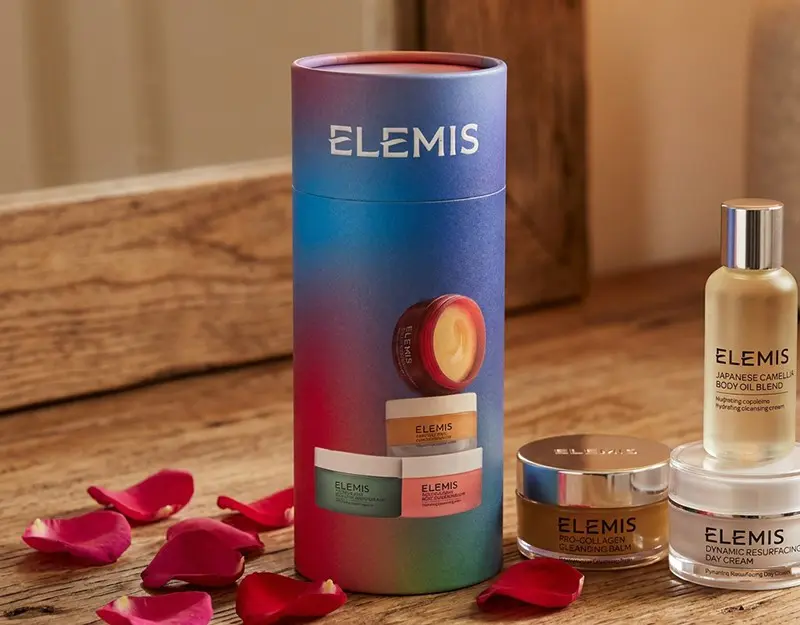
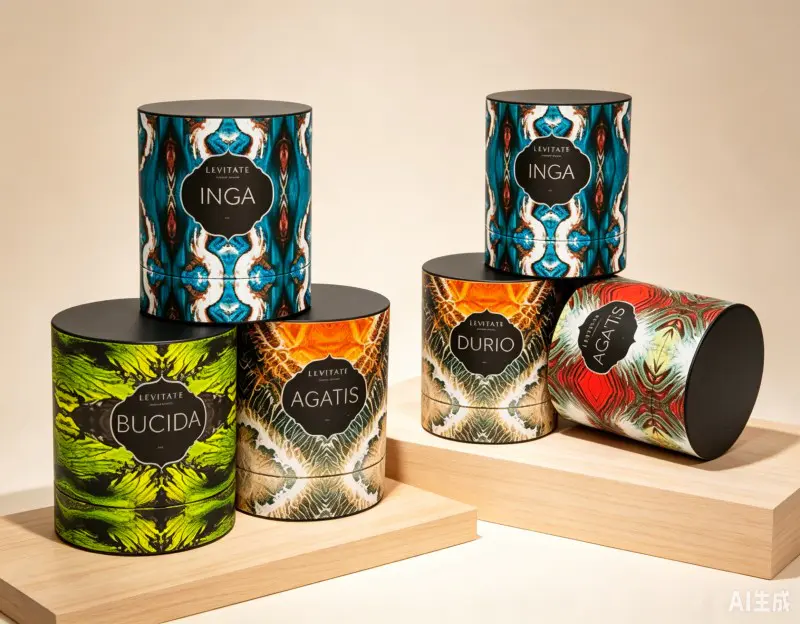
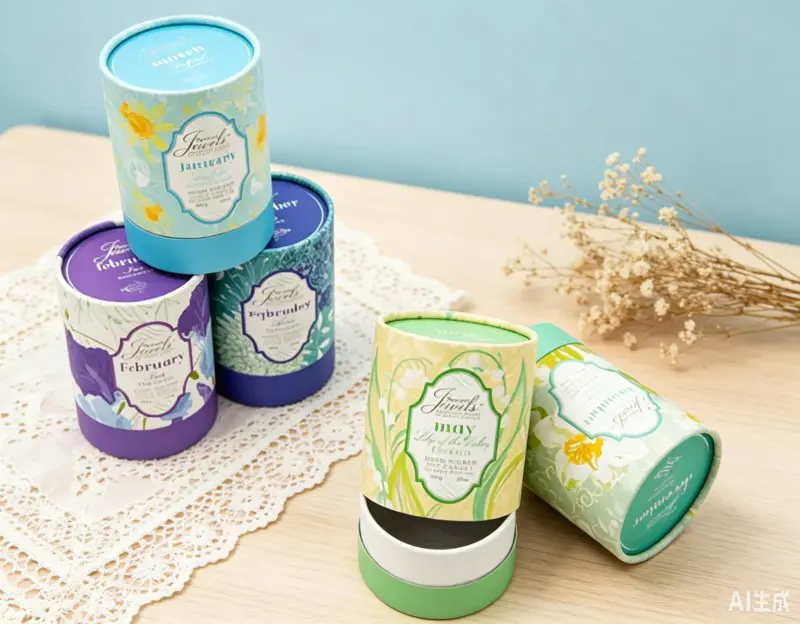
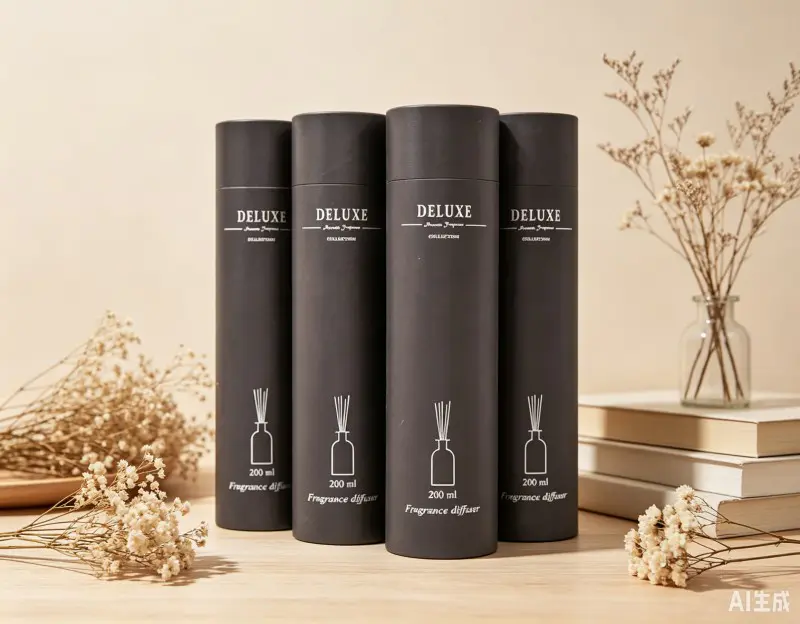
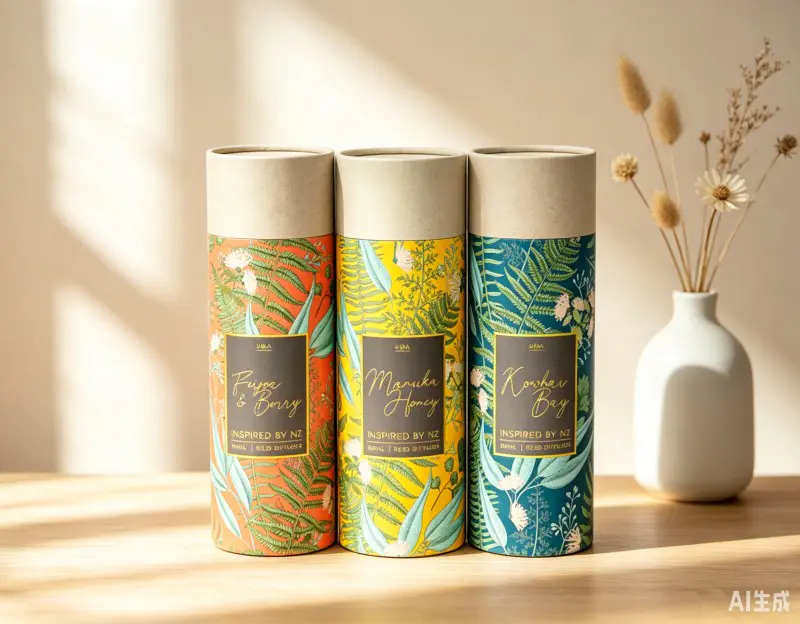
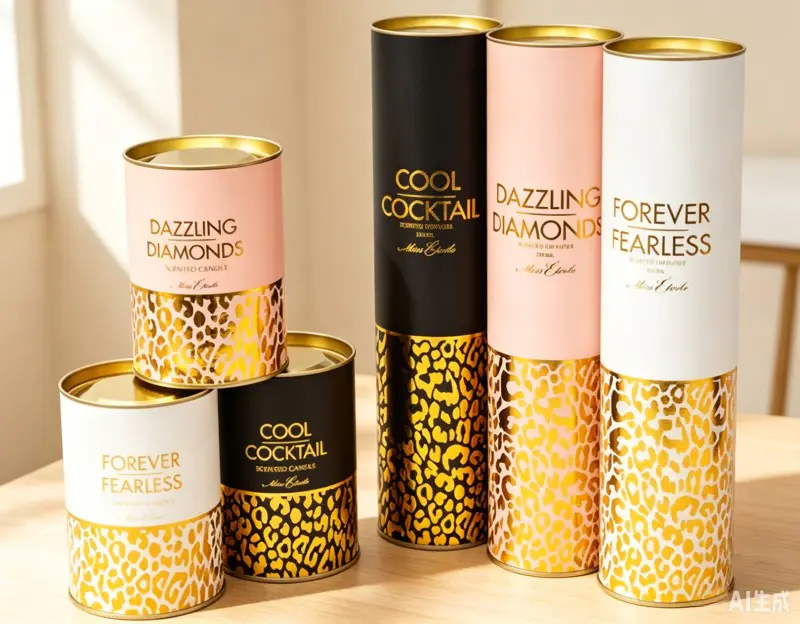
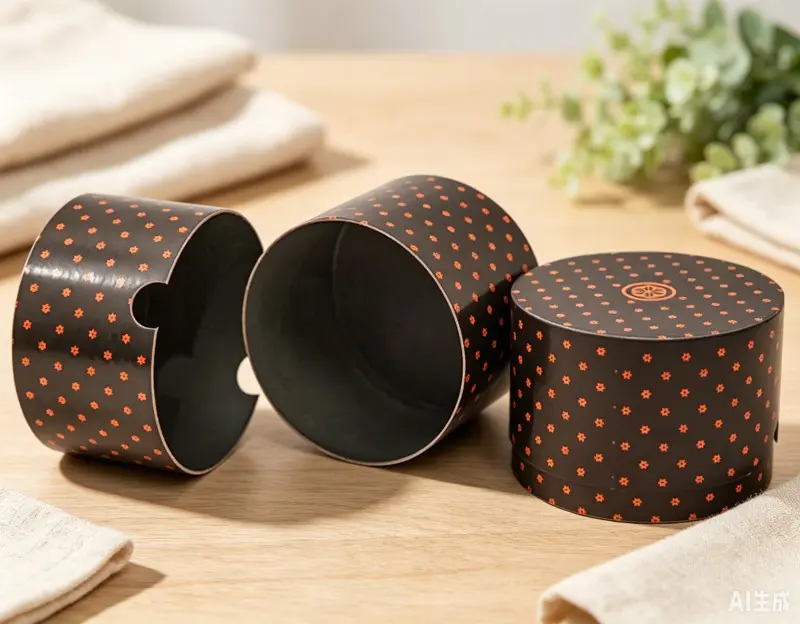
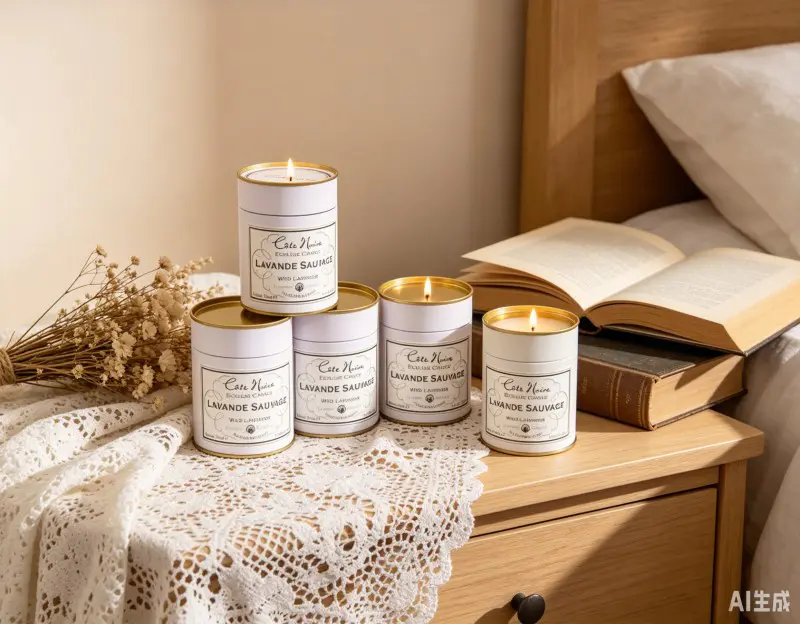

As one of the top China cardboard tube packaging manufacturers and paper tube packaging suppliers, we devote all of our efforts to research and launch more high quality packaging products to global market.
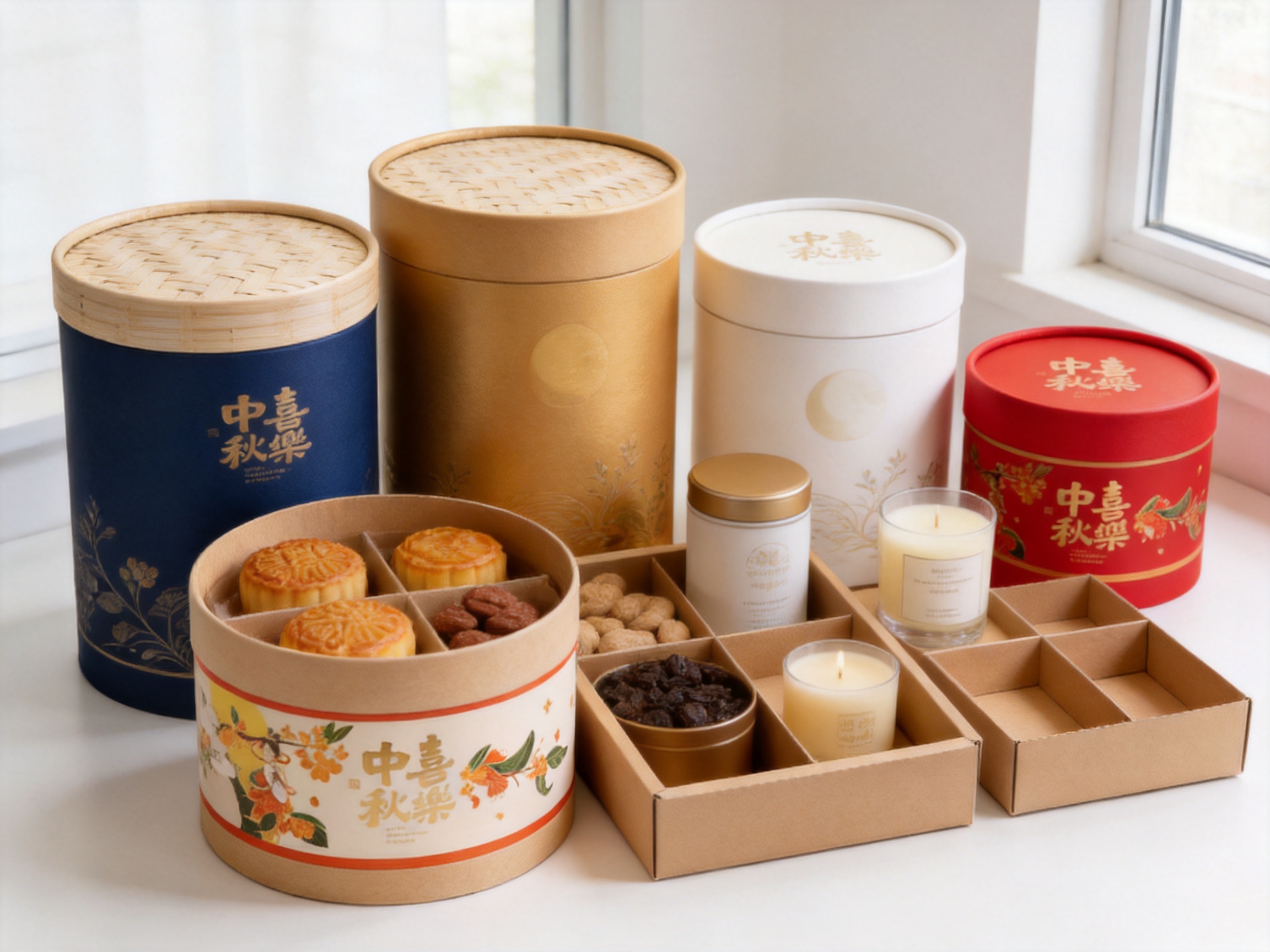
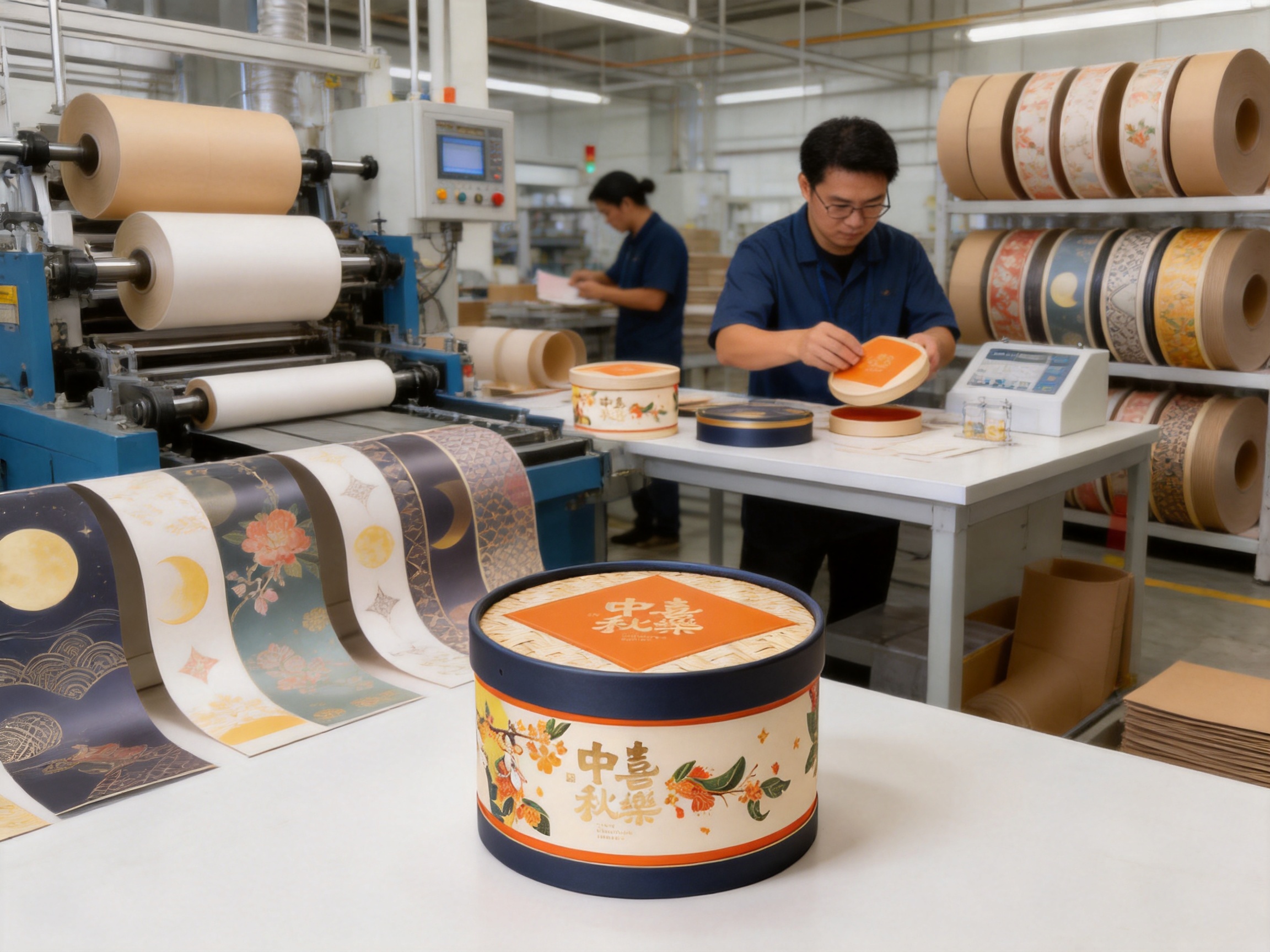
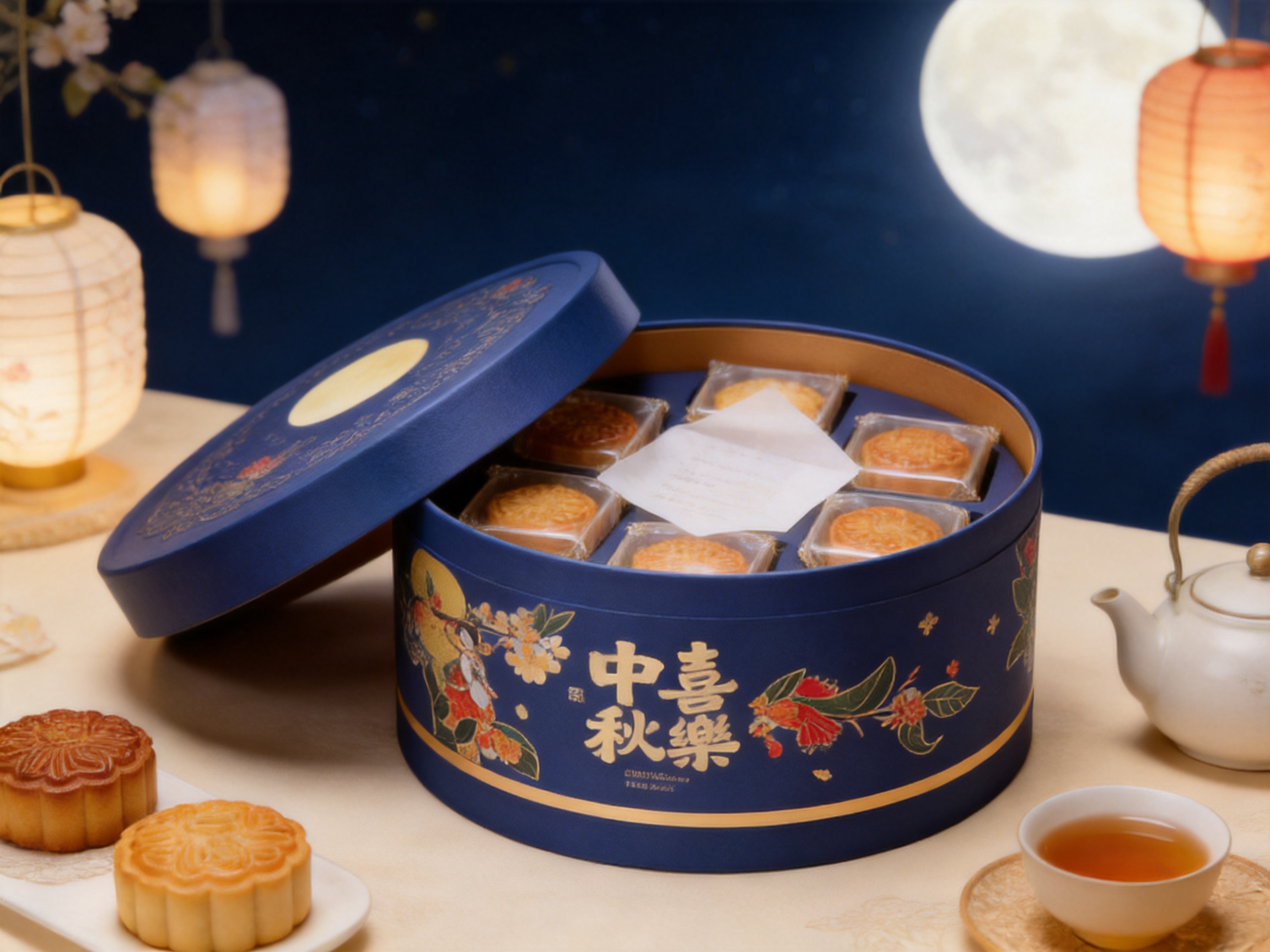

Xiaoke Mid-Autumn Festival Round Box
The Mid-Autumn Festival is a celebration associated with reunion, appreciation, gifting, and the enjoyment of carefully prepared seasonal foods. Packaging plays an important role in this tradition because it protects the product while also expressing the warmth, elegance, and cultural meaning of the occasion. The Xiaoke Mid-Autumn Festival Round Box is designed as a distinctive gift-packaging solution for seasonal confectionery, mooncakes, tea, snacks, specialty foods, and other premium presents.
With its circular form, gift-oriented presentation, and paper-based construction, this round box offers an alternative to ordinary rectangular cartons and disposable plastic containers. Its shape immediately creates a visual association with completeness and reunion, two central ideas connected with the Mid-Autumn Festival. At the same time, the structure provides a practical surface for customized printing, decorative finishes, brand communication, and festive artwork.
The product belongs to the Gifts and Crafts category and is manufactured by Hangzhou Qunle Packaging Co., Ltd., a packaging company with more than 20 years of experience in composite cans and paper cans. The manufacturer serves food, daily chemical, fast-moving consumer goods, and other packaging sectors. Its experience in paper-based containers enables the company to combine traditional visual appeal with controlled industrial production.
This article examines the product’s design value, potential applications, competitive advantages, manufacturing strengths, customization possibilities, quality considerations, sustainability benefits, and suitability for international buyers. It also explains how a round paper gift box can support a seasonal product launch, premium gift program, or limited-edition collection.
Content
- 1 1. Product Overview
- 2 2. Cultural Meaning and Design Appeal
- 3 3. Advantages of the Round Format
- 4 4. Competitive Advantages Over Conventional Seasonal Packaging
- 5 5. Manufacturing Expertise Behind the Product
- 6 6. Manufacturing Process Considerations
- 7 7. Material and Sustainability Considerations
- 8 8. Applications Across Product Categories
- 9 9. Customization Possibilities
- 10 10. Quality, Safety, and Performance Requirements
- 11 11. Benefits for Brands and Retailers
- 12 12. Working With an Experienced Packaging Manufacturer
- 13 13. Cost and Value Considerations
- 14 14. Recommended Development Workflow
- 14.1 Step 1: Define the product and use case
- 14.2 Step 2: Establish the visual direction
- 14.3 Step 3: Select the structure
- 14.4 Step 4: Create and check artwork
- 14.5 Step 5: Approve a physical sample
- 14.6 Step 6: Confirm production and quality standards
- 14.7 Step 7: Plan logistics and post-use communication
- 15 15. Four Ways to Maximize the Product’s Impact
- 16 16. Frequently Asked Questions
- 16.1 Q1: What is the main purpose of the Xiaoke Mid-Autumn Festival Round Box?
- 16.2 Q2: Can the round box be customized?
- 16.3 Q3: Is it suitable for direct food contact?
- 16.4 Q4: Why choose a round box instead of a rectangular carton?
- 16.5 Q5: Can the box be reused?
- 16.6 Q6: What kinds of products can be placed inside?
- 16.7 Q7: What manufacturing experience supports this product?
- 16.8 Q8: What should a buyer provide when requesting a quotation?
- 16.9 Q9: Is this package appropriate for export?
- 16.10 Q10: How can a company make the package more sustainable?
- 16.11 Q11: Does a premium finish always improve the package?
- 16.12 Q12: Why is sampling important?
- 17 17. Final Assessment
- 18 References
- 19 Product: Xiaoke Mid-Autumn Festival Round Box
1. Product Overview
The Xiaoke Mid-Autumn Festival Round Box is a cylindrical or round-format paper packaging product created for festive presentation. Its central design feature is the circular box structure, which gives it a different visual identity from standard folding cartons. The rounded profile can be used for a single gift item, a group of smaller products, or a carefully arranged assortment.
Round packaging has a strong decorative effect because it creates continuous visual surfaces. Instead of presenting separate front, back, and side panels with sharp corners, the package allows illustrations, patterns, color transitions, and brand elements to flow around the body. This makes the product especially suitable for seasonal artwork, night-sky themes, moon imagery, floral motifs, family illustrations, and refined geometric designs.
The product is intended to function as more than a temporary shipping container. A well-designed round gift box can become part of the gift experience. The recipient may keep it for storing accessories, stationery, tea, small household items, or collectibles. This extended usefulness can increase the perceived value of the original product and help a brand remain visible after the seasonal contents have been consumed.
Although the product is presented for Mid-Autumn Festival use, its structure can be adapted for other occasions. Potential applications include holiday gift sets, wedding favors, anniversary presents, corporate appreciation packages, tea collections, coffee assortments, confectionery, cosmetics, candles, craft products, and limited-edition retail packaging.
The exact interior configuration, dimensions, closure style, printing method, paper specifications, and surface treatment can be developed according to the customer’s product requirements. This flexibility allows the package to serve both small specialty brands and larger companies preparing seasonal programs for multiple sales channels.
2. Cultural Meaning and Design Appeal
Packaging for the Mid-Autumn Festival must communicate more than product information. It should suggest reunion, generosity, refinement, and celebration. The round form is naturally appropriate because the full moon is a familiar symbol of family togetherness and completeness. In many gift contexts, circular imagery also suggests harmony, continuity, and balance.
A round box can therefore support the emotional positioning of a product without relying entirely on printed text. The form itself becomes part of the storytelling. When combined with suitable colors, illustrations, and finishing details, it can communicate a premium seasonal message before the customer opens the package.
The design can be developed in many visual directions. A traditional interpretation may use deep red, warm gold, dark blue, jade green, ivory, or other colors associated with festival celebrations. A modern interpretation may use soft neutral tones, restrained typography, line art, metallic accents, or minimalist illustrations. A premium tea or mooncake brand may prefer an elegant low-contrast design, while a family-oriented snack brand may choose brighter colors and friendly illustrations.
The continuous cylindrical body also gives designers more room to create a complete scene. A moon, garden, city skyline, landscape, family gathering, or decorative pattern can wrap around the package. This can make the box more engaging when displayed on a retail shelf or photographed for online marketing.
The top and bottom areas can also contribute to the experience. The lid may carry a festival greeting, product name, emblem, or decorative medallion. The base can contain regulatory information, ingredient details, manufacturing information, barcode placement, or usage instructions. By planning these areas together, a brand can achieve both visual harmony and practical compliance.
3. Advantages of the Round Format
3.1 Distinctive shelf presence
Rectangular cartons are common across food, beverage, cosmetics, and gift markets. A round paper box creates immediate differentiation because its silhouette is less conventional. On a retail shelf, in a gift display, or in an online product photograph, the shape can help the product attract attention before the customer reads the label.
Distinctive packaging is particularly valuable during seasonal sales periods, when many competing products use similar colors and festival symbols. A recognizable circular structure can help a product establish a stronger visual identity and become easier to remember.
3.2 Strong connection with the festival theme
The circular profile naturally complements Mid-Autumn Festival communication. It can reinforce themes of the full moon, reunion, completeness, and sharing. This connection can make the packaging feel purposefully designed for the occasion instead of being a standard container with a temporary seasonal label.
3.3 Efficient use as a gift container
Round packaging can be designed to hold individual products, layered assortments, or nested items. The interior may accommodate protective inserts, paper dividers, trays, sleeves, or custom compartments. This allows brands to present several items as a coordinated collection.
For example, a package may contain several mooncakes, tea bags, small jars, confectionery pieces, or complementary accessories. The interior organization can be planned to prevent movement and preserve an orderly presentation when the lid is opened.
3.4 Reusable value
Compared with many single-use flexible packages, a rigid or semi-rigid paper canister structure may be retained by the consumer. After the original contents are used, the box can store tea, cookies, craft supplies, small toys, jewelry, office items, or household accessories.
Reuse is not automatically guaranteed; it depends on the strength of the structure, the quality of the finish, and the customer’s preferences. However, a well-made round box has a greater opportunity for a second life than a thin disposable wrapper. This can strengthen the emotional relationship between the consumer and the brand.
3.5 Excellent branding surface
The curved body offers a continuous printable area that can carry a large-scale visual concept. Brand colors, illustrations, text, and decorative patterns can be distributed around the package rather than restricted to a small front panel.
The lid can act as the primary recognition point, while the sidewall provides space for storytelling and product information. This division supports a clear packaging hierarchy: visual attraction on the top, brand narrative around the body, and technical details on the bottom or an internal insert.
4. Competitive Advantages Over Conventional Seasonal Packaging
The product’s competitive value comes from the combination of shape, presentation, material character, customization potential, and manufacturing experience. It is not simply a round version of a standard carton. It can be developed as a complete seasonal packaging system that balances aesthetics, protection, usability, and brand communication.
| Evaluation Area | Round Paper Gift Box | Ordinary Folding Carton | Common Plastic Container |
|---|---|---|---|
| Visual differentiation | Distinctive circular silhouette with strong gift appeal | Familiar shape with limited structural differentiation | May appear functional rather than ceremonial |
| Festival symbolism | Round form can support themes of reunion and the full moon | Usually depends mainly on printed graphics | Often requires labels or sleeves to communicate the occasion |
| Branding surface | Continuous body suitable for flowing artwork and patterns | Separated panels with visible folds and corners | Dependent on printing, labels, or molded decoration |
| Gift presentation | Suitable for premium assortments and keepsake packaging | Effective but more conventional | Can be practical but less paper-oriented in appearance |
| Post-use potential | May be reused for storage if properly constructed | Often folded, recycled, or discarded after opening | May be reused but raises material and disposal concerns |
| Customization | Can be adapted through dimensions, artwork, finishes, and inserts | Highly printable but structurally familiar | May involve higher tooling or material-specific limitations |
The comparison does not mean that one package is suitable for every product. Folding cartons may be more appropriate for flat products or high-volume applications where compact storage is the main priority. Plastic containers may be preferred for particular moisture, impact, or visibility requirements. The round paper box is strongest when a brand wants a memorable, gift-oriented, paper-based presentation with a strong seasonal identity.
Compared with an ordinary carton, the product can make the opening ceremony more distinctive. The lid, circular body, and layered interior can create a sense of discovery. This is valuable for premium foods and gifts because customer satisfaction is influenced by presentation as well as by the product itself.
Compared with a generic paper canister, a customized Mid-Autumn design can offer a more focused emotional message. The package may be created specifically around a festival collection, a regional market, or a brand campaign. This enables a company to use packaging as part of its marketing strategy rather than treating it only as a protective shell.
5. Manufacturing Expertise Behind the Product
The quality of a paper gift box depends on more than artwork. It requires consistent material preparation, accurate forming, controlled bonding, reliable dimensional tolerances, suitable surface finishing, and careful inspection. The manufacturer’s long-term experience in composite cans and paper cans is therefore an important strength.
Hangzhou Qunle Packaging Co., Ltd. has been engaged in the composite can and paper can industry for over 20 years. This background provides practical knowledge of cylindrical paper structures, paperboard behavior, adhesive application, surface treatment, and production control. Experience in these areas helps reduce the risks associated with irregular shapes and complex seasonal packaging projects.
The company is identified as the only member of the international Composite Can and Tube Institute in China’s packaging container industry. Participation in an international industry organization can support awareness of technical developments, manufacturing practices, and quality expectations in composite packaging.
The company has also introduced a high-speed composite can production line from Europe. A high-speed line can support more stable production flows and improved repeatability when properly operated and maintained. For customers, this may be particularly important when a seasonal launch requires large quantities within a fixed delivery window.
Production capability is not only about machine speed. It also involves material planning, artwork preparation, sample approval, process coordination, quality inspection, packaging logistics, and communication between the customer and factory. An experienced supplier can help identify design issues before mass production, such as insufficient clearance, unsuitable finishing combinations, weak edge construction, or artwork that does not align correctly on a curved surface.
According to the supplied company information, the manufacturer has obtained more than 10 patented technologies and focuses on researching and launching higher-quality packaging products for the global market. Patents do not automatically guarantee that every product will suit every application, but they indicate an ongoing investment in technical development and product engineering.
6. Manufacturing Process Considerations
6.1 Design and technical confirmation
The process generally begins with a review of the customer’s product, desired dimensions, target market, visual concept, order quantity, filling method, transportation conditions, and compliance requirements. A paper box designed for dry mooncakes may require different internal protection from one designed for loose tea, fragile confectionery, or a gift assortment.
At this stage, the supplier and customer confirm the overall structure. Important decisions may include the body diameter, height, lid style, base construction, opening direction, interior insert, wall thickness, and stacking requirements. Early technical confirmation helps avoid costly changes after artwork has been prepared.
6.2 Material selection
Paperboard, kraft paper, specialty paper, printed paper, lining material, and adhesive systems may be selected according to the appearance and performance required. The appropriate combination depends on whether the package is intended for direct contact, secondary packaging, retail presentation, gift use, or transport protection.
For food-related applications, the packaging system must be evaluated according to the intended contact conditions. If food is placed directly inside the box, the paper, coating, ink, adhesive, and internal barrier must be suitable for that use. In many cases, an inner food-grade bag, tray, wrapper, or sealed pouch separates the food from the decorative outer package.
Material selection also influences the tactile experience. Natural kraft paper can communicate authenticity and environmental awareness. Smooth coated paper can support sharp graphics and bright color reproduction. Textured or specialty paper can provide a more handcrafted and luxurious appearance. Metallic or pearlescent effects may be created through suitable printing or finishing processes.
6.3 Printing and artwork application
The cylindrical body presents different requirements from a flat carton. Artwork must be prepared with attention to curvature, overlap, seam position, image distortion, and the location of important text. A professional prepress workflow can help ensure that logos, characters, festival greetings, and regulatory information remain correctly positioned.
Color management is also important. Seasonal packaging often uses rich reds, deep blues, metallic golds, and other visually sensitive colors. The final appearance can vary according to paper whiteness, coating, ink system, and surface finish. A physical sample or approved proof is valuable for confirming the intended result before mass production.
6.4 Forming the paper body
After the printed or laminated material is prepared, it is formed into the round body. The forming process must control overlap, alignment, edge bonding, and roundness. Inconsistent forming can lead to visible seams, uneven edges, lid-fit problems, or instability during stacking.
A manufacturer experienced in paper cans and composite containers is familiar with the technical behavior of rolled and layered paper materials. This knowledge can help achieve a stable cylindrical structure while maintaining the desired appearance.
6.5 Base and lid assembly
The base and lid must work together as a functional system. The lid should open smoothly while remaining secure during storage and transportation. Excessive looseness may reduce the premium feel and allow the package to open unintentionally. Excessive tightness may make the box difficult to open or damage the edge during use.
Depending on the design, the package may use a separate lid, an overlapping cover, a fitted top, or another closure arrangement. The best choice depends on the contents, desired unboxing experience, filling process, and target price level.
6.6 Interior protection and presentation
An attractive exterior is not sufficient if the contents move freely or become damaged. Internal components may include trays, dividers, paper pulp supports, cardboard inserts, sleeves, or individually wrapped products. The insert should keep the products stable while allowing the consumer to remove them conveniently.
Interior design also contributes to the visual experience. A coordinated insert can make the package feel more complete and premium. It may use matching colors, contrasting tones, or natural paper textures. For a multi-product gift set, the layout should guide the recipient through the contents in a logical sequence.
6.7 Inspection and packing
Quality inspection may include checks for dimensions, roundness, lid fit, surface marks, print alignment, color consistency, adhesive performance, edge quality, and structural stability. The inspection standard should be defined in advance because cosmetic expectations can vary between markets and product categories.
Finished boxes should be packed to reduce scuffing, deformation, moisture exposure, and movement during shipment. Seasonal projects often involve strict delivery schedules, so production planning and logistics coordination are essential. A technically excellent package still requires proper handling to arrive in acceptable condition.
7. Material and Sustainability Considerations
Paper-based packaging is increasingly considered by brands seeking alternatives to packaging systems that rely heavily on plastic. The Xiaoke round box can support this direction through its paper-oriented structure and potential for continued use. However, sustainability should be evaluated across the complete package rather than judged only by the word “paper.”
Important factors include the percentage of paper content, the type of coating, the use of laminations, the adhesive system, the presence of plastic components, the recyclability of the finished structure, the distance traveled during distribution, and the disposal infrastructure available in the target market.
A brand can improve the environmental profile of the package by selecting appropriately sized structures, avoiding unnecessary components, using responsibly sourced paper where available, reducing excessive decorative layers, and providing clear disposal guidance. Reusable design can also extend the useful life of the package, although reuse should be presented as an opportunity rather than an absolute environmental guarantee.
Paper packaging can provide a warm, natural tactile quality that many consumers associate with responsible design. Uncoated or lightly finished surfaces may emphasize this impression, while premium coatings can create stronger resistance to handling and moisture. The correct balance depends on the product and the brand’s sustainability objectives.
For food and gift products, protection remains essential. A package that fails to protect its contents may cause product waste, and product waste can have a significant environmental impact. The most responsible design is therefore one that uses materials efficiently while providing sufficient protection for the entire distribution and use cycle.
8. Applications Across Product Categories
8.1 Mooncakes and confectionery
The most direct application is seasonal mooncake packaging. The round structure can hold individually wrapped mooncakes, small assortments, or a central product surrounded by supporting inserts. The package can be adapted to different filling arrangements and gift-set sizes.
Confectionery brands may also use the box for truffles, cookies, chocolate pieces, nougat, sweets, or regional specialties. A decorative round box can make everyday confectionery appear more suitable for gifting, especially when used for limited editions or holiday collections.
8.2 Tea and coffee
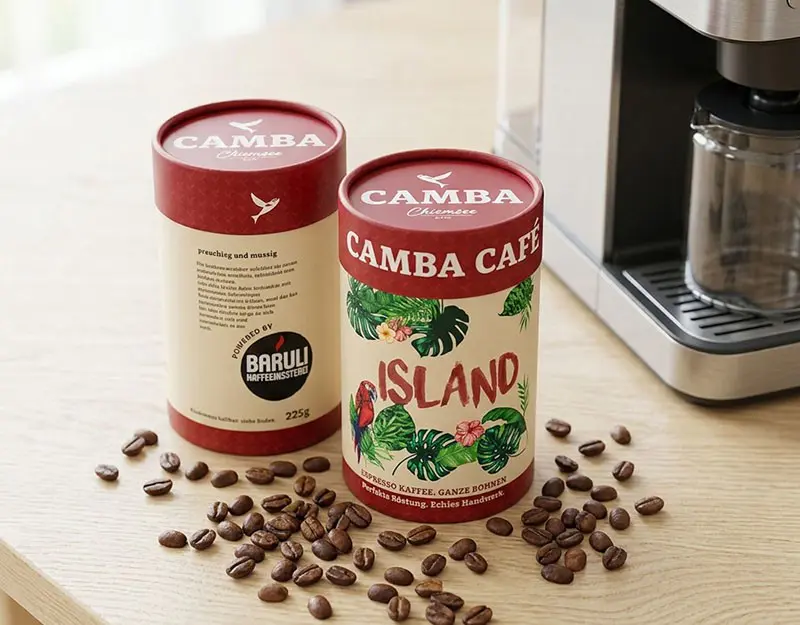
Tea and coffee brands can use the round format for loose tea, tea bags, coffee portions, tasting collections, or paired gift sets. An inner pouch or sealed container may be used where aroma, moisture, or freshness protection is required. The outer box then provides the visual identity and gift presentation.
For tea, the design can emphasize calmness, craftsmanship, landscape, botanical imagery, or cultural heritage. For coffee, a more contemporary design may feature roast notes, origin information, illustrations, or bold typography.
8.3 Snacks and nuts
Snack and nut brands may use the box for premium assortments, roasted nuts, dried fruit, festive snack collections, or corporate gift programs. The package can help elevate products that would otherwise be sold in flexible bags or ordinary cartons.
Where the contents are oily, aromatic, or sensitive to humidity, an appropriate internal barrier or sealed primary package should be included. The decorative outer box should not be treated as a substitute for functional food protection unless it has been specifically engineered and tested for that purpose.
8.4 Cosmetics and skincare
The round box can be used for gift sets containing creams, soaps, bath products, solid perfumes, skincare accessories, or sample collections. Its cylindrical profile can complement jars, bottles, candles, and other rounded products.
For cosmetics, visual refinement is often especially important. A restrained color palette, tactile paper, foil details, embossing, or carefully controlled typography can support a premium positioning. The interior should prevent bottles or jars from colliding during transport.
8.5 Candles and fragrances
Candles, wax melts, fragrance accessories, and home-scent products can benefit from the round shape. The package may echo the form of the product, creating visual consistency between the container and its contents.
Because candles and fragrances may be sensitive to heat, oil migration, or scent transfer, the selected internal material and adhesive system should be reviewed according to the product formula and storage conditions. Protective inserts may be required for glass vessels or delicate surfaces.
8.6 Corporate and cultural gifts
Companies, cultural institutions, hotels, retailers, and event organizers can use the product for branded Mid-Autumn gift programs. Customized artwork may incorporate company colors, regional imagery, commemorative messages, or a co-branded seasonal theme.
Corporate gifting often requires a balance between brand visibility and cultural appropriateness. A refined round box can communicate generosity without appearing excessively promotional. It may also be adapted for different recipient groups, including employees, business partners, customers, or event guests.
9. Customization Possibilities
Customization begins with size and structure. The box can be developed around the dimensions of the intended contents, available shelf space, shipping cartons, and filling equipment. A compact design may suit retail shelves and e-commerce fulfillment, while a larger design may be more appropriate for premium corporate gifts.
Surface customization can include full-color printing, spot colors, line illustrations, photographic artwork, patterns, text, brand marks, and seasonal greetings. Finishing options may include matte or gloss coatings, embossing, debossing, foil effects, textured papers, and other decorative treatments, subject to material compatibility and order requirements.
Structural customization may involve the lid height, base profile, interior tray, separators, paper sleeves, pull ribbons, carrying elements, or presentation layers. Each additional component should be evaluated for its effect on cost, assembly time, shipping volume, and sustainability.
Customization should also consider regional regulations and language needs. Export packaging may require multilingual information, barcode placement, recycling marks, importer details, ingredient statements, allergen information, and other mandatory content. These elements should be planned before final artwork approval.
For brands with multiple seasonal products, a modular packaging system may be beneficial. The same basic round structure can be used across several sizes or collections while changing the printed sleeve, lid artwork, insert, or color scheme. This can create family resemblance across a product line without making every package identical.
10. Quality, Safety, and Performance Requirements
Before placing a large order, buyers should define the intended use clearly. Questions should include whether the product is direct food contact packaging, secondary packaging, retail display packaging, gift packaging, or a combination of these functions.
If food is placed directly inside the package, the paper, ink, coating, adhesive, and any barrier layer must be evaluated for food-contact suitability in the destination market. If the product is separately wrapped, the outer package may have different requirements, but it must still remain clean, stable, and suitable for the distribution environment.
Performance testing may include compression testing, drop testing, stacking evaluation, lid retention, humidity exposure, surface rub resistance, and transport simulation. The appropriate tests depend on the product weight, shipping method, retail environment, and expected handling conditions.
Appearance standards should also be established. Acceptable limits for color variation, small surface marks, seam visibility, edge irregularity, and print registration should be agreed between the buyer and manufacturer. Clear standards reduce misunderstandings during mass production.
Sampling is a valuable stage in the development process. A sample allows the customer to inspect the physical scale, lid fit, opening experience, artwork placement, insert arrangement, and overall visual balance. It may reveal issues that are not obvious in digital artwork or technical drawings.
11. Benefits for Brands and Retailers
A distinctive gift box can contribute to brand differentiation in a crowded market. During major seasonal events, consumers often compare several products with similar contents. Packaging can influence perceived quality, gift suitability, and purchase confidence.
The round paper box can support premium pricing when its design, construction, contents, and brand story are aligned. It should not be viewed as a guarantee of higher sales, but it can create the visual and tactile conditions needed for premium positioning.
For retailers, a well-designed box can improve shelf presentation and support themed displays. The circular package may be arranged in stacks, grouped by color, or displayed alongside complementary seasonal products. Its shape can also work well in gift counters, department stores, specialty food shops, and boutique environments.
For e-commerce brands, the package can become part of the unboxing content shared through photographs and social media. A memorable package may encourage user-generated content, especially when the design includes an attractive opening sequence or reusable container.
For corporate buyers, the product provides a practical foundation for a customized gift program. The manufacturer’s experience across food, daily chemical products, and fast-moving consumer goods may support adaptation to different product types and market requirements.
12. Working With an Experienced Packaging Manufacturer
Successful packaging development requires cooperation between the buyer, designer, product team, and manufacturer. The buyer should provide accurate product information, expected order quantity, target price, sales channel, shipping destination, and desired launch date.
The manufacturer should be asked to confirm available structures, material choices, minimum order requirements, sampling arrangements, production lead time, printing limitations, inspection procedures, and shipping methods. Early communication is especially important for seasonal products because the selling window is limited.
Qunle Packaging’s reported experience with major companies and brands in food, tea, coffee, beverage, and consumer products indicates familiarity with commercial packaging requirements. Its stated partnerships include COFCO, STANDERS, DAVIDsTEA, Avalanche Coffee, Whittaker’s, McSteven’s, Nongfu Spring, and Beingmate. Such experience can be useful when a customer needs a supplier that understands both presentation and production consistency.
The company’s first enterprise-level food packaging quality certification in China, as described in the supplied information, also reflects attention to the requirements of food packaging manufacturing. Buyers should still confirm the certifications, test reports, and compliance documents applicable to their specific product and destination market.
A reliable development process should include design review, technical drawing approval, sample production, sample evaluation, final artwork confirmation, pre-production checks, mass production, inspection, and shipment. Each stage provides an opportunity to prevent defects and align expectations.
13. Cost and Value Considerations
The final cost of a round paper gift box depends on several factors. These may include dimensions, paper grade, wall construction, printing coverage, number of colors, decorative finishing, lid design, interior inserts, order quantity, packing method, shipping destination, and testing requirements.
A lower unit price is not always the best value if it results in weak structure, poor lid fit, inconsistent color, or inadequate protection. Conversely, an elaborate package may not be appropriate for a product with a low retail price or a highly price-sensitive market.
Cost should therefore be evaluated alongside perceived value, product protection, sales channel requirements, brand positioning, reuse potential, and total logistics expenses. A slightly stronger structure may reduce damage claims. A simpler finish may make the package easier to recycle. A modular design may reduce the need for several completely different packaging systems.
Buyers should also consider the total delivered cost rather than factory price alone. This may include tooling, sampling, inspection, inner packing, outer cartons, freight, duties, storage, and local distribution. Seasonal planning should account for possible changes in freight schedules and inventory requirements.
14. Recommended Development Workflow
Step 1: Define the product and use case
Identify the contents, weight, dimensions, fragility, moisture sensitivity, aroma sensitivity, filling process, and expected distribution conditions. Clarify whether the package is primary, secondary, or gift packaging.
Step 2: Establish the visual direction
Prepare brand guidelines, reference images, color preferences, cultural considerations, required text, and the intended market position. Decide whether the design should feel traditional, modern, luxurious, natural, playful, or corporate.
Step 3: Select the structure
Confirm the body size, lid type, base construction, interior arrangement, and opening experience. Review how the package will be stacked, shipped, displayed, and filled.
Step 4: Create and check artwork
Adapt the artwork to the curved surface and identify the seam, lid edge, base area, and information panels. Check spelling, dimensions, barcodes, regulatory content, and color references before approval.
Step 5: Approve a physical sample
Inspect the sample with the actual or simulated product. Check the fit, visual balance, structural stability, surface quality, and unboxing experience. Make necessary changes before mass production.
Step 6: Confirm production and quality standards
Agree on quantities, delivery dates, acceptable tolerances, inspection methods, packing specifications, and documentation. Ensure that all changes from the sample stage are recorded.
Step 7: Plan logistics and post-use communication
Confirm shipping cartons, palletization, storage conditions, and delivery schedules. If reuse or recycling is part of the brand message, consider adding clear and accurate guidance to the packaging.
15. Four Ways to Maximize the Product’s Impact
First, connect the structure with the story. The round form should support the product’s emotional message instead of being selected only for novelty. Moon imagery, family themes, circular patterns, or a continuous illustration can make the design feel intentional.
Second, use the surface strategically. The lid should provide immediate recognition, the body should communicate the brand and seasonal story, and the base or insert should contain practical information. A clear hierarchy prevents the design from becoming visually crowded.
Third, coordinate the interior and exterior. When the colors, materials, and arrangement inside the box match the outer design, the opening experience feels more complete. A well-organized interior also protects the product and reinforces quality.
Fourth, plan for life after the festival. A durable, attractive box may be reused by consumers. If the structure is suitable for storage, the brand can communicate that possibility through subtle design or responsible usage guidance.
16. Frequently Asked Questions
Q1: What is the main purpose of the Xiaoke Mid-Autumn Festival Round Box?
It is a round paper gift box designed for Mid-Autumn Festival products and seasonal gifting. It can be used for mooncakes, confectionery, tea, coffee, snacks, nuts, corporate gifts, and other carefully presented products.
Q2: Can the round box be customized?
Yes. The structure can generally be developed according to the customer’s required dimensions, contents, artwork, printing, finishes, lid design, and interior arrangement. Final customization options should be confirmed with the manufacturer based on order quantity and technical requirements.
Q3: Is it suitable for direct food contact?
Suitability depends on the complete packaging system. If food is placed directly inside the box, the materials, inks, coatings, adhesives, and barriers must meet the requirements of the destination market. In many applications, individually wrapped food or an internal food-grade liner is used.
Q4: Why choose a round box instead of a rectangular carton?
The round format provides stronger visual differentiation, a natural connection with the full-moon symbolism of the festival, a continuous branding surface, and a more distinctive gift-opening experience. A rectangular carton may still be more efficient for some products and logistics conditions.
Q5: Can the box be reused?
Many paper gift boxes can be reused for storage if their structure and finish are suitable. The actual reuse potential depends on the materials, construction, contents, and consumer handling. Reuse should be regarded as a possible benefit rather than a guaranteed outcome.
Q6: What kinds of products can be placed inside?
Potential contents include mooncakes, cookies, chocolates, tea, coffee, nuts, snacks, cosmetics, skincare products, candles, fragrances, craft items, and corporate gift assortments. Product-specific protection and interior design should be reviewed before production.
Q7: What manufacturing experience supports this product?
The manufacturer has more than 20 years of experience in composite cans and paper cans. It has developed packaging for food, daily chemical products, fast-moving consumer goods, and other sectors, and it operates a high-speed composite can production line introduced from Europe.
Q8: What should a buyer provide when requesting a quotation?
A buyer should provide the intended product, approximate dimensions, quantity, artwork requirements, material preferences, interior structure, destination market, delivery schedule, and any food-contact or compliance needs. Product samples or reference images can also help clarify expectations.
Q9: Is this package appropriate for export?
It can be developed for export projects, but the buyer must confirm destination-market requirements, labeling rules, packaging regulations, shipping conditions, and documentation. The final package should be reviewed for transport durability and regulatory suitability.
Q10: How can a company make the package more sustainable?
Possible approaches include reducing unnecessary components, selecting suitable paper-based materials, limiting excessive finishes, designing for reuse, using efficient dimensions, and providing accurate disposal guidance. The full packaging system and local recycling infrastructure should be considered.
Not necessarily. Foil, embossing, coatings, and other finishes can increase visual impact, but they also affect cost, production complexity, and material recovery. The best finish is the one that supports the brand position and product requirements without creating unnecessary complexity.
Q12: Why is sampling important?
A physical sample confirms details that digital files cannot fully show, including scale, color appearance, lid fit, edge quality, curvature, insert arrangement, and opening experience. Sampling helps identify problems before mass production.
17. Final Assessment
The Xiaoke Mid-Autumn Festival Round Box is a strong option for brands seeking a festive paper gift package with a distinctive circular form. Its primary advantages are its symbolic connection with the Mid-Autumn Festival, memorable shelf presence, continuous branding surface, potential for reuse, and adaptability across food, beverage, cosmetic, fragrance, craft, and corporate gift applications.
Its value is strengthened by the manufacturer’s long-term experience in composite cans and paper cans. More than two decades of industry involvement, an international composite packaging association membership, a European high-speed production line, patented technologies, food packaging experience, and relationships with established brands provide a foundation for professional development and production support.
The best results will come from treating the product as a complete packaging project rather than a decorative container. Structural design, material selection, food-contact considerations, artwork preparation, interior protection, quality standards, logistics, and post-use value should all be considered together.
For a seasonal launch, the package can help transform a product into a more meaningful gift. Its round silhouette can communicate reunion and completeness, while customized graphics and carefully selected materials can express a brand’s identity. With appropriate engineering and production control, it can provide both the emotional appeal expected from festival packaging and the practical performance required for commercial distribution.
As competition in seasonal gifting continues to increase, packaging that is visually recognizable, technically reliable, and culturally relevant can give a product a valuable advantage. This round paper box provides a flexible platform for achieving that balance.
References
1. Company-supplied product information for the Xiaoke Mid-Autumn Festival Round Box, Gifts and Crafts category.
2. Company-supplied profile of Hangzhou Qunle Packaging Co., Ltd., including its composite can and paper can manufacturing experience.
3. Company-supplied information concerning food packaging certification, patented technologies, international industry membership, and production equipment.
4. General principles of paperboard packaging design, structural development, printing preparation, and package performance evaluation.
5. General guidance on food-contact packaging assessment, packaging sustainability, reuse, recycling, and transport protection.
6. General packaging development practices for seasonal gifts, confectionery, tea, coffee, snacks, cosmetics, candles, and corporate promotional products.
