 English
 Español


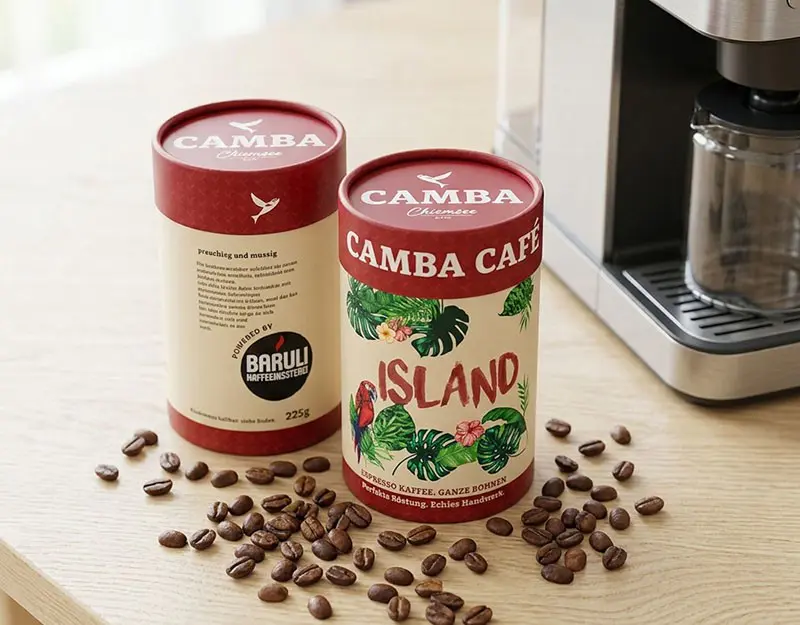
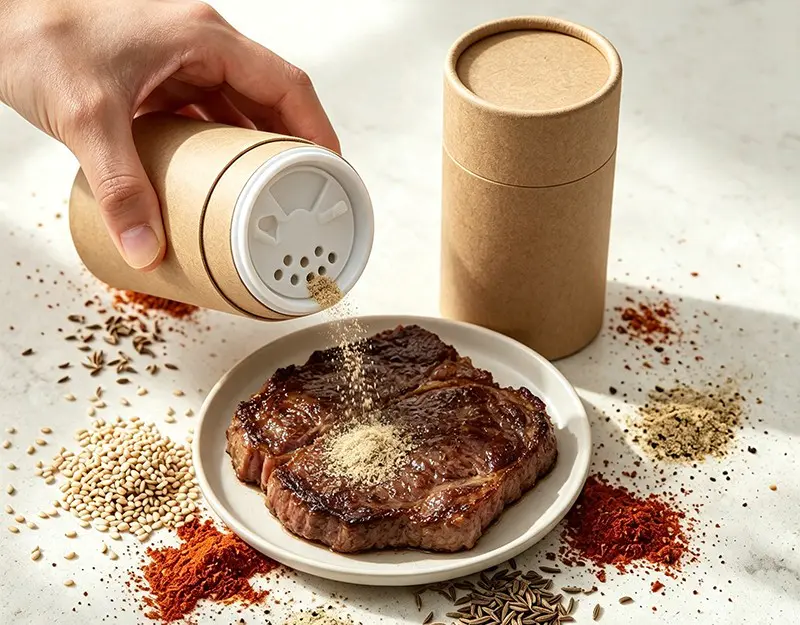

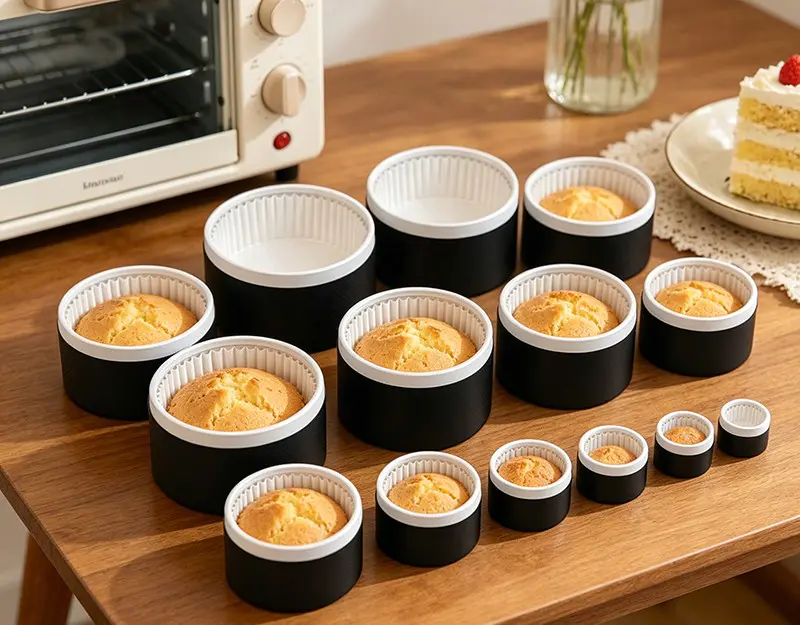

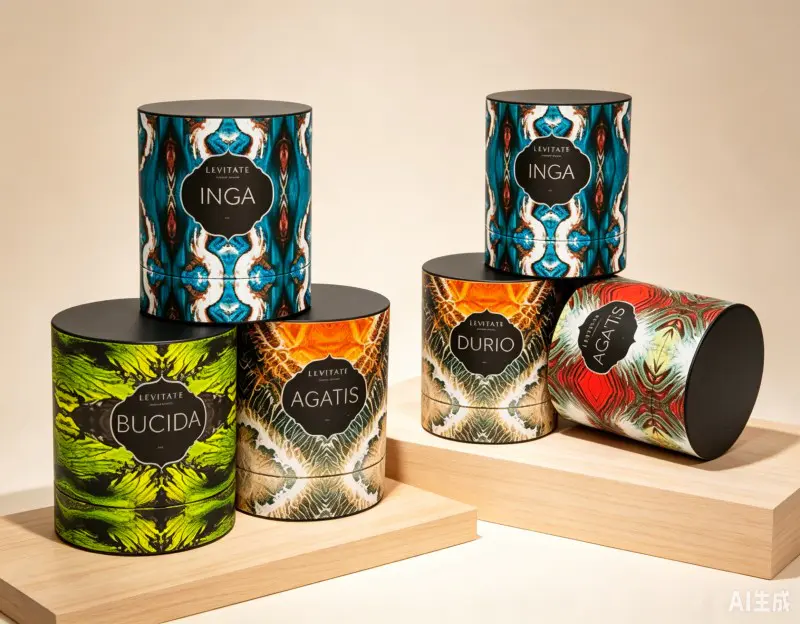
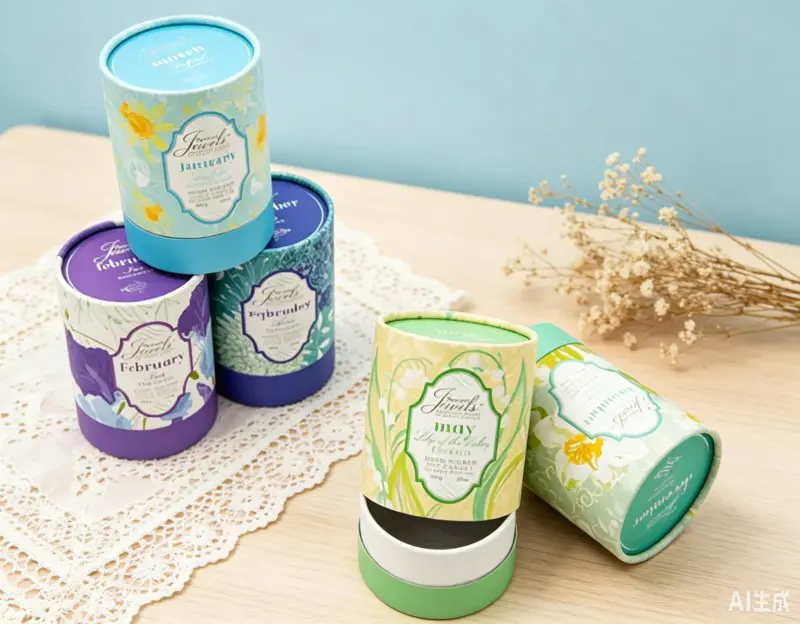
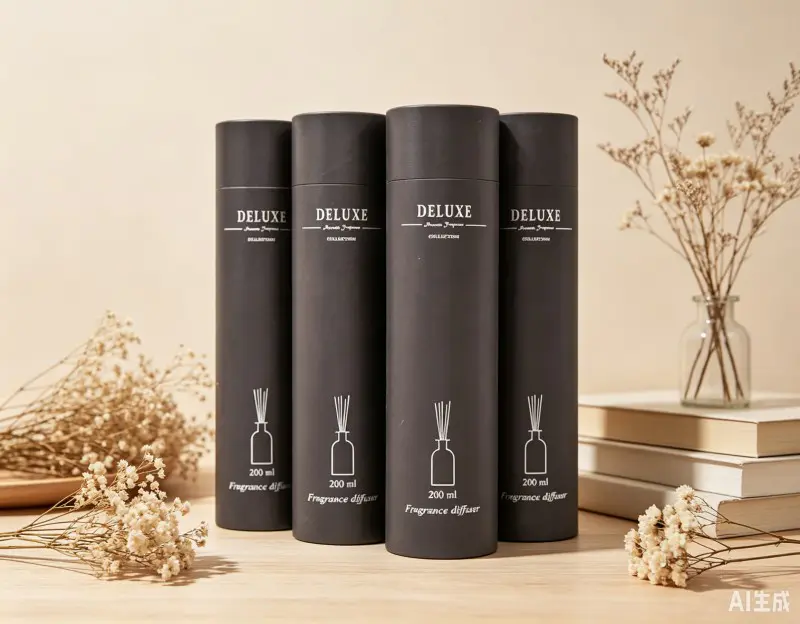
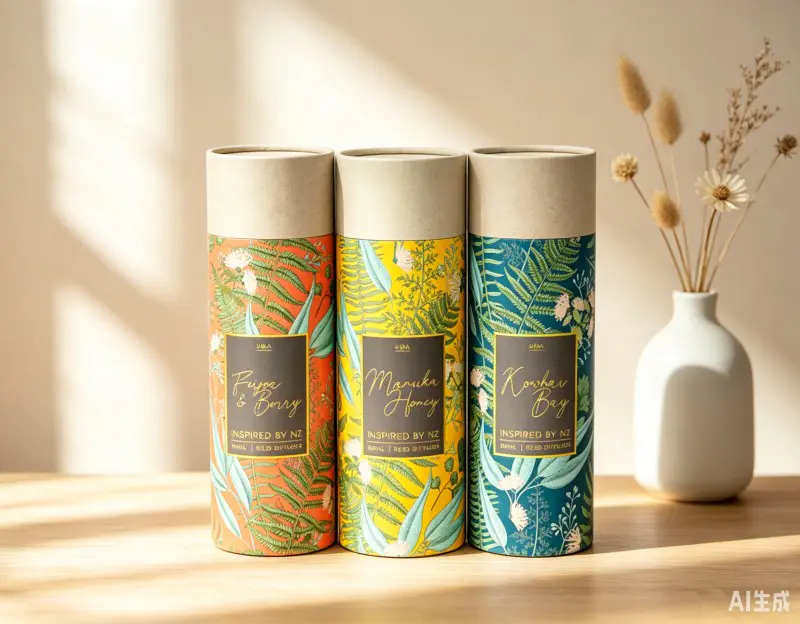
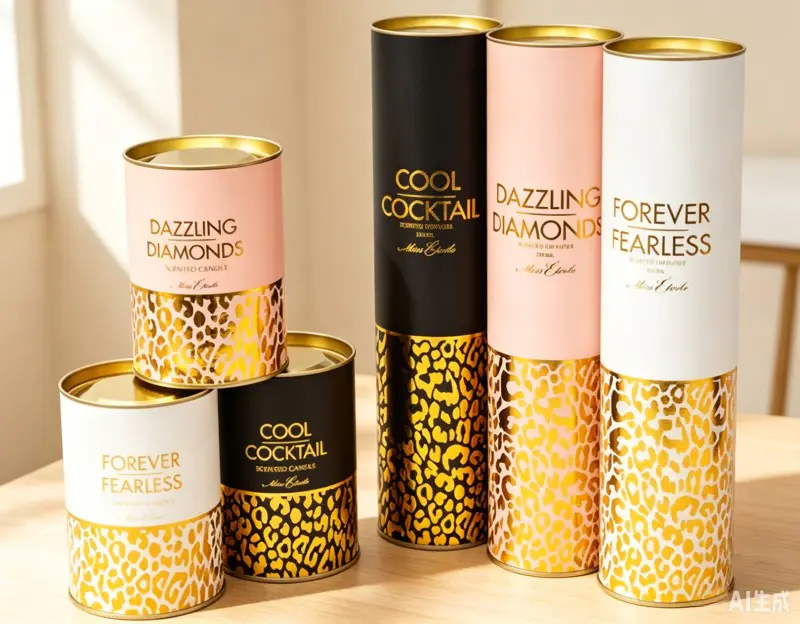
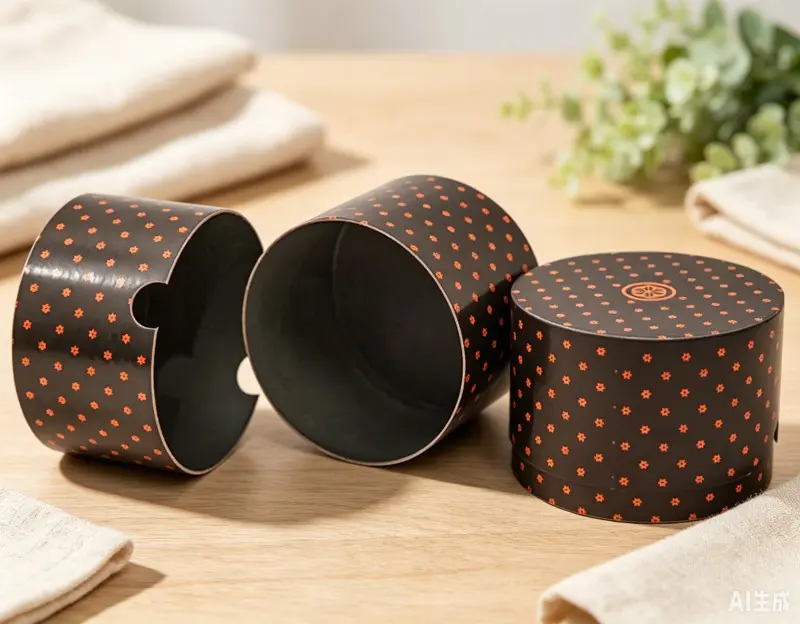
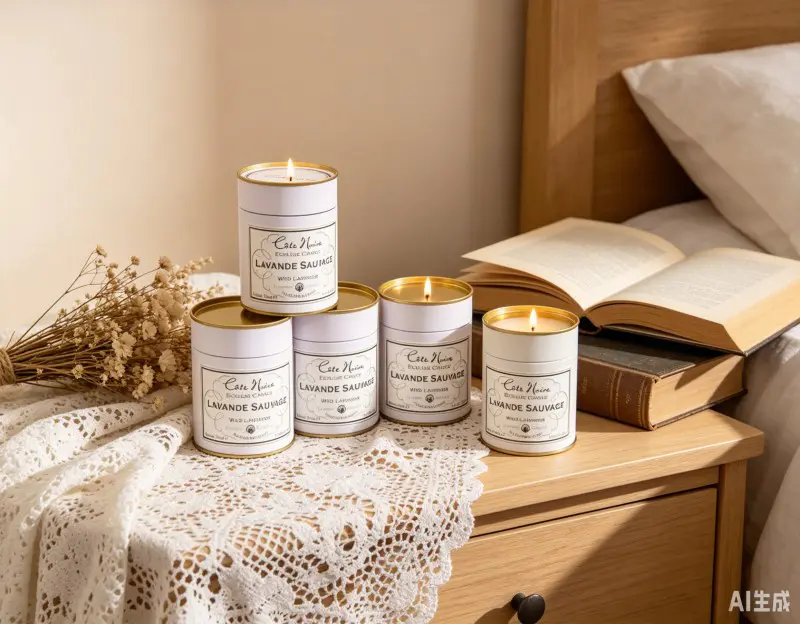

As one of the top China cardboard tube packaging manufacturers and paper tube packaging suppliers, we devote all of our efforts to research and launch more high quality packaging products to global market.
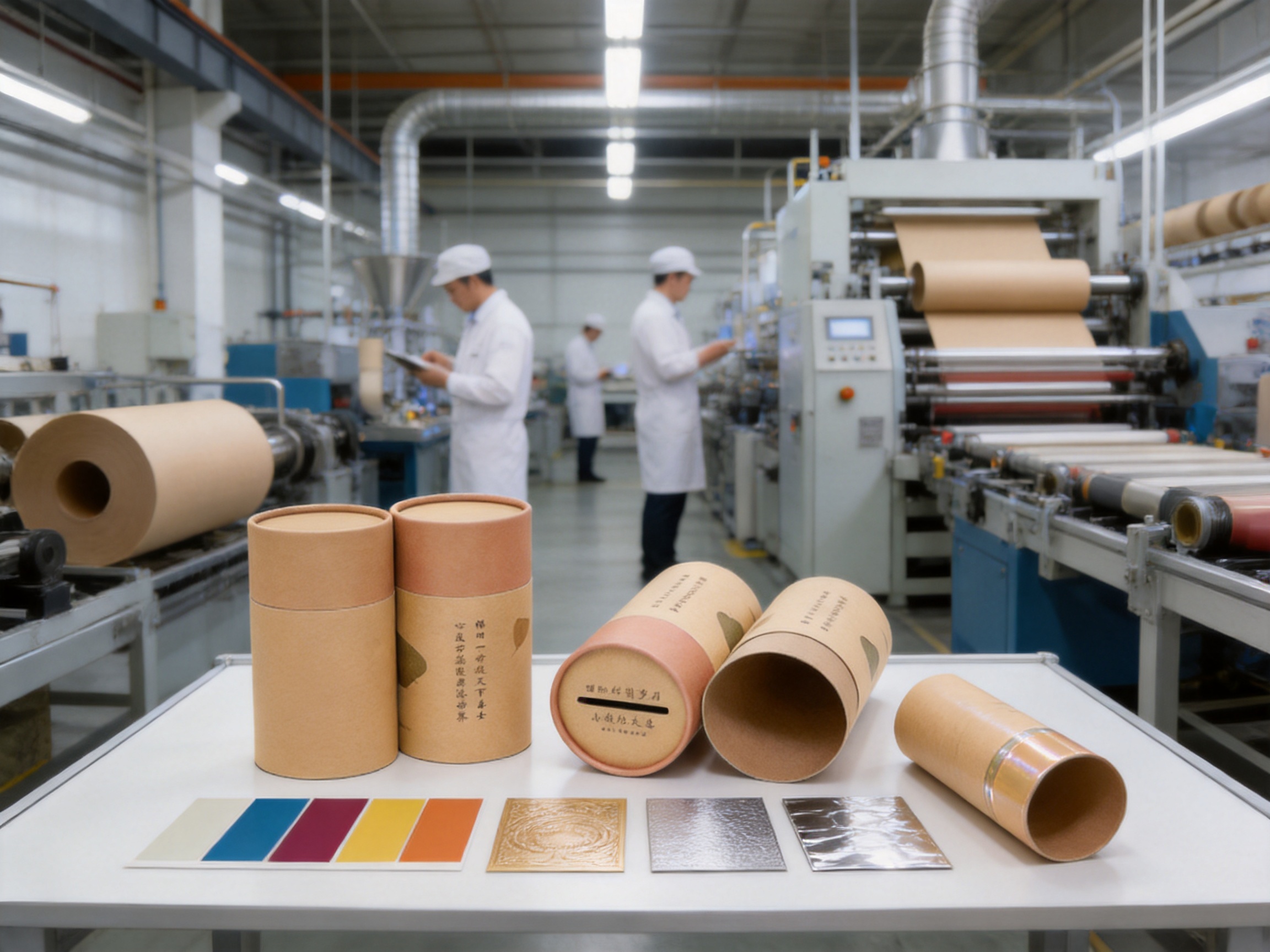
Packaging can do much more than protect a product. It can communicate a message, encourage a behavior, and become part of the customer experience. The simple design piggy bank charity coin tube box packaging is a practical example of packaging that combines product protection, visual appeal, sustainability, and social purpose. Designed as a round kraft paper tube for coin saving and charitable collection, it offers a distinctive alternative to ordinary plastic money boxes, glass jars, and conventional folding cartons.
This packaging format is suitable for schools, charities, community programs, retail promotions, fundraising campaigns, financial education projects, gift programs, and home savings. Its cylindrical profile provides a recognizable appearance, while the kraft paper construction creates a natural and approachable impression. The structure can also be customized with printing, embossing, stamping, UV coating, and other finishing treatments, allowing organizations and brands to create a package that supports a specific campaign or visual identity.
The product is manufactured by Hangzhou Qunle Packaging Co., Ltd., a Chinese packaging company with more than two decades of experience in composite cans and paper can production. The company’s background in paper-based packaging, food containers, daily chemical packaging, and fast-moving consumer goods gives it a strong foundation for producing reliable paper tube solutions. Its investment in modern production equipment, patented technologies, quality certification, and international cooperation further supports the development of customized packaging for global customers.
Content
- 1 Product Overview
- 2 Why a Paper Tube Is Effective for Coin Saving and Charity
- 3 Design Advantages Compared with Competing Coin Banks
- 4 Materials and Sustainability Considerations
- 5 Printing and Decorative Options
- 6 Structural and Functional Configuration
- 7 Manufacturing Expertise and Production Capabilities
- 8 Typical Production Process
- 9 Quality Control Priorities
- 10 Applications Across Different Markets
- 11 Branding and Communication Strategy
- 12 Ordering and Customization Guidance
- 13 Advantages of Working with an Experienced Paper Tube Manufacturer
- 14 Cost and Value Considerations
- 15 Storage, Transport, and Usage Recommendations
- 16 Frequently Asked Questions
- 16.1 What is the main purpose of this product?
- 16.2 Can the design be customized?
- 16.3 Which finishing options are available?
- 16.4 Is the product made from recycled materials?
- 16.5 Why choose a paper tube instead of a plastic coin bank?
- 16.6 Can the tube be used for public charity collection?
- 16.7 Can children use the coin bank?
- 16.8 What information should be provided when requesting a quotation?
- 16.9 Does the company have experience beyond piggy bank packaging?
- 16.10 What manufacturing strengths does the company offer?
- 16.11 How can customers verify the final appearance?
- 16.12 Is the tube suitable for storing food or liquids?
- 17 Conclusion
- 18 References
- 19 Product: Simple Design Piggy Bank Charity Coin Tube Box Packaging
Product Overview
The piggy bank charity coin tube box is a round paper container created for saving coins or collecting donations. It is made primarily from kraft paper and can be supplied as an OEM product, which means that the dimensions, artwork, surface treatment, opening structure, and other specifications may be adapted to customer requirements. The product is categorized as a paper tube box for “other” applications, but its practical uses extend across charitable, educational, promotional, and retail environments.
The basic design is intentionally simple. A clean cylindrical body provides space for branding, instructions, campaign messages, illustrations, or decorative artwork. The rounded shape is comfortable to hold and easy to place on a desk, shelf, counter, or donation station. Compared with a flat carton, the tube format offers stronger visual recognition and can create a more memorable physical presence.
The package can function as a personal money-saving box, a classroom savings container, a charity donation tube, or a promotional item distributed by banks, retailers, non-profit organizations, and community groups. It may also be used during holiday events, fundraising activities, children’s financial education programs, and corporate social responsibility campaigns.
The use of kraft paper gives the package a warm and natural appearance. Kraft paper is widely associated with responsible packaging because of its paper-based composition, renewable raw material potential, and compatibility with recycling systems where suitable facilities are available. The recycled-material feature listed for this product can help customers pursue packaging programs with a stronger environmental message.
| Product Attribute | Specification or Capability |
|---|---|
| Product type | Round piggy bank charity coin tube box |
| Primary material | Kraft paper and paperboard components |
| Application | Coin saving, donation collection, fundraising, and promotional use |
| Design style | Simple, practical, natural, and customizable |
| Customization | OEM orders, printed artwork, embossing, stamping, and UV coating |
| Material feature | Recycled-material option |
| Shape | Round cylindrical tube |
| Manufacturing location | Zhejiang, China |
Why a Paper Tube Is Effective for Coin Saving and Charity
A coin bank needs to be accessible, recognizable, and sufficiently durable for repeated handling. The paper tube format addresses these needs with a compact cylindrical structure that can be placed in many environments. Its vertical form uses limited counter space while still providing a relatively large printable area around the body. This makes it useful for collection points where visibility and available space are important.
For charity campaigns, the outer surface can explain the purpose of the collection. A message such as “Every Coin Makes a Difference” can be combined with a donation goal, a campaign name, a simple illustration, or instructions for opening and returning the container. Because the message surrounds the tube, it remains visible from multiple angles. This is an advantage over a small label attached to a conventional jar or a single-panel carton.
For schools and family savings programs, the package can use friendly colors, educational graphics, and simple financial messages. It can encourage children to set goals, count money, and understand the value of regular saving. For banks or financial service providers, the package can act as a low-cost educational giveaway that introduces responsible money habits in a tangible format.
The paper tube can also support seasonal and event-based campaigns. A charity may order tubes decorated for a food drive, disaster relief project, community fundraiser, or holiday donation activity. Retailers can use custom-printed coin banks as promotional gifts, loyalty rewards, or point-of-sale items. The same basic structure can therefore serve many markets without requiring a completely different packaging concept for each campaign.
Unlike disposable packaging that is discarded immediately after opening, a coin bank has a continued-use function. The recipient keeps it, places it in a visible location, and interacts with it over time. This extended use can improve campaign recall and create repeated exposure to the organization or brand printed on the tube.

Simple Design Piggy Bank Charity Coin Tube Box Packaging
Design Advantages Compared with Competing Coin Banks
Traditional coin banks are often made from plastic, ceramic, glass, or metal. Each material has useful characteristics, but each also presents limitations. Plastic containers may be inexpensive and lightweight, yet they can appear generic and may not communicate a sustainable message. Ceramic money boxes can be attractive, but they are heavier, breakable, and more expensive to ship. Glass jars provide visibility but can shatter during handling. Metal containers can be durable, but they may require more complex forming and finishing processes.
The kraft paper tube offers a balanced alternative. It is lightweight, easier to print across the entire exterior, and less associated with fragile or industrial materials. The paper surface can convey a handcrafted, natural, or environmentally conscious image. For organizations that want a warm and approachable appearance rather than a highly technical or mass-produced look, this design can be especially effective.
The round form is another competitive advantage. Many low-cost promotional coin banks use rectangular boxes or simple plastic containers. A cylinder immediately creates a different silhouette and can stand out in a crowded retail or event environment. The smooth continuous body also allows artwork to wrap around the product, producing a more complete visual presentation.
Paper tube packaging is generally efficient to store and transport when supplied in suitable component or finished-product configurations. Its relatively low weight can reduce handling effort and may help lower transportation impact compared with heavier ceramic or glass alternatives. The exact logistics benefits depend on dimensions, quantity, closure style, shipping method, and local recycling infrastructure, but the lightweight nature of the format is valuable for large promotional campaigns.
Another advantage is design flexibility. A ceramic or molded plastic coin bank usually requires a dedicated mold for a major shape change. A paper tube can often be adapted through changes to paper dimensions, artwork, closure components, and structural specifications. This allows a customer to create campaign-specific versions without abandoning the fundamental manufacturing platform.
| Comparison Factor | Kraft Paper Coin Tube | Plastic Coin Bank | Glass Jar | Ceramic Money Box |
|---|---|---|---|---|
| Visual character | Natural, warm, and highly printable | Functional and often generic | Transparent and domestic | Decorative and premium |
| Weight | Lightweight | Lightweight to moderate | Heavy | Heavy |
| Breakage risk | Low under ordinary handling | Low, depending on plastic type | High | High |
| Artwork area | Large wraparound surface | Depends on shape and label area | Usually limited to labels | Depends on decoration method |
| Customization flexibility | High | Often mold-dependent | Moderate | Often mold-dependent |
| Sustainability communication | Strong paper-based message | Depends on resin and recycling system | Reusable but energy-intensive to transport | Reusable but heavy and fragile |
Materials and Sustainability Considerations
Kraft paper is valued for its strength, recognizable appearance, and compatibility with a wide range of printing and converting processes. In this product, it creates the outer body of a functional package while giving the coin bank a natural visual identity. The brown kraft appearance can be retained for an understated design, or it can serve as a background for colored printing and campaign graphics.
The recycled-material feature is particularly relevant for charities, schools, ethical brands, and organizations with sustainability objectives. Packaging made with recycled content can help communicate resource efficiency and responsible material selection. However, sustainability should be evaluated across the full package system, including inks, coatings, closures, adhesives, transportation, usage period, and end-of-life handling.
Customers can request artwork and finishing that support their environmental goals. For example, a design may use a restrained color palette, a kraft-paper background, and clear educational text about recycling. If a glossy appearance is needed, UV coating can be applied selectively to highlight important visual elements rather than covering the entire surface. The final specification should be reviewed with the manufacturer to ensure that the selected finishes are appropriate for the intended recycling pathway and market regulations.
The product’s continued-use purpose also contributes to its value. It is not merely a package that protects another item; it is itself the useful product. A recipient may keep the tube for weeks or months while saving coins or collecting donations. Repeated use extends the time during which the material remains functional and visible.
Organizations should nevertheless make accurate environmental claims. A paper tube should not automatically be described as fully recyclable or compostable unless the complete construction and local waste system support that claim. Customers should confirm the paper grade, adhesive type, closure materials, coating specifications, and applicable certification requirements before printing environmental statements on a large production run.
Printing and Decorative Options
The simple form of the coin tube creates a strong platform for graphic communication. A brand logo can be placed on the front, while campaign instructions, saving goals, contact details, or motivational messages can wrap around the remaining surface. The design can be restrained and elegant, colorful and playful, or highly informative depending on the audience.
Embossing adds a raised or pressed texture to selected elements. It can be used for a logo, a charitable symbol, a pattern, or a short slogan. Tactile details can make the package feel more distinctive and may improve recognition when the tube is displayed among other promotional products.
Stamping can create a specialized metallic or decorative effect. Gold, silver, or other foil-like treatments may be used to emphasize a campaign title, anniversary message, or premium partnership. The most effective use of stamping is usually selective rather than excessive, especially when the design is intended to preserve a natural kraft-paper appearance.
UV coating can provide contrast between matte and glossy areas. A designer may apply it to a logo, coin illustration, donation target, or key instruction. This treatment can improve visual hierarchy and help important information attract attention. The suitability of UV coating depends on the desired surface, paper specification, and environmental requirements.
Printing can also be adapted to different audiences. A children’s program may use bright illustrations and large numbers. A financial institution may prefer a clean layout with a professional color system. A charity campaign may focus on photography, impact statistics, or a direct call to action. Because the tube provides a continuous printable area, the artwork can be designed as a complete visual story rather than a single isolated panel.
Structural and Functional Configuration
The basic structure consists of a cylindrical paper body with an opening or slot suitable for inserting coins. The exact configuration can be developed according to the customer’s use case. A simple coin slot may be appropriate for home saving, while a more controlled collection design may require a secure top or a closure that discourages premature opening.
For public charity use, customers should consider how donations will be inserted, displayed, transported, counted, and eventually removed. A temporary event may need a tamper-resistant structure or a sealed closure. A reusable household coin bank may need an opening mechanism that permits the user to retrieve savings without destroying the tube. The final structure should balance security, convenience, cost, and intended service life.
The diameter and height can also influence user experience. A narrow tube may be suitable for small gifts or individual saving goals. A wider tube may be better for classroom collections or retail counter displays. The dimensions should be selected according to the expected volume of coins, the available display space, and the preferred visual proportion.
Surface durability matters when the package is handled frequently. The manufacturer can help determine whether the selected paper, printing method, coating, and closure structure are appropriate for the expected environment. Products used in schools, shops, or public events may need stronger resistance to scuffing and compression than products distributed as short-term promotional gifts.
Since the product is available as an OEM solution, customers can discuss special requirements before production. These may include custom dimensions, printed instructions, campaign-specific artwork, different paper appearances, internal components, display packaging, or coordinated outer cartons for bulk shipment.
Manufacturing Expertise and Production Capabilities
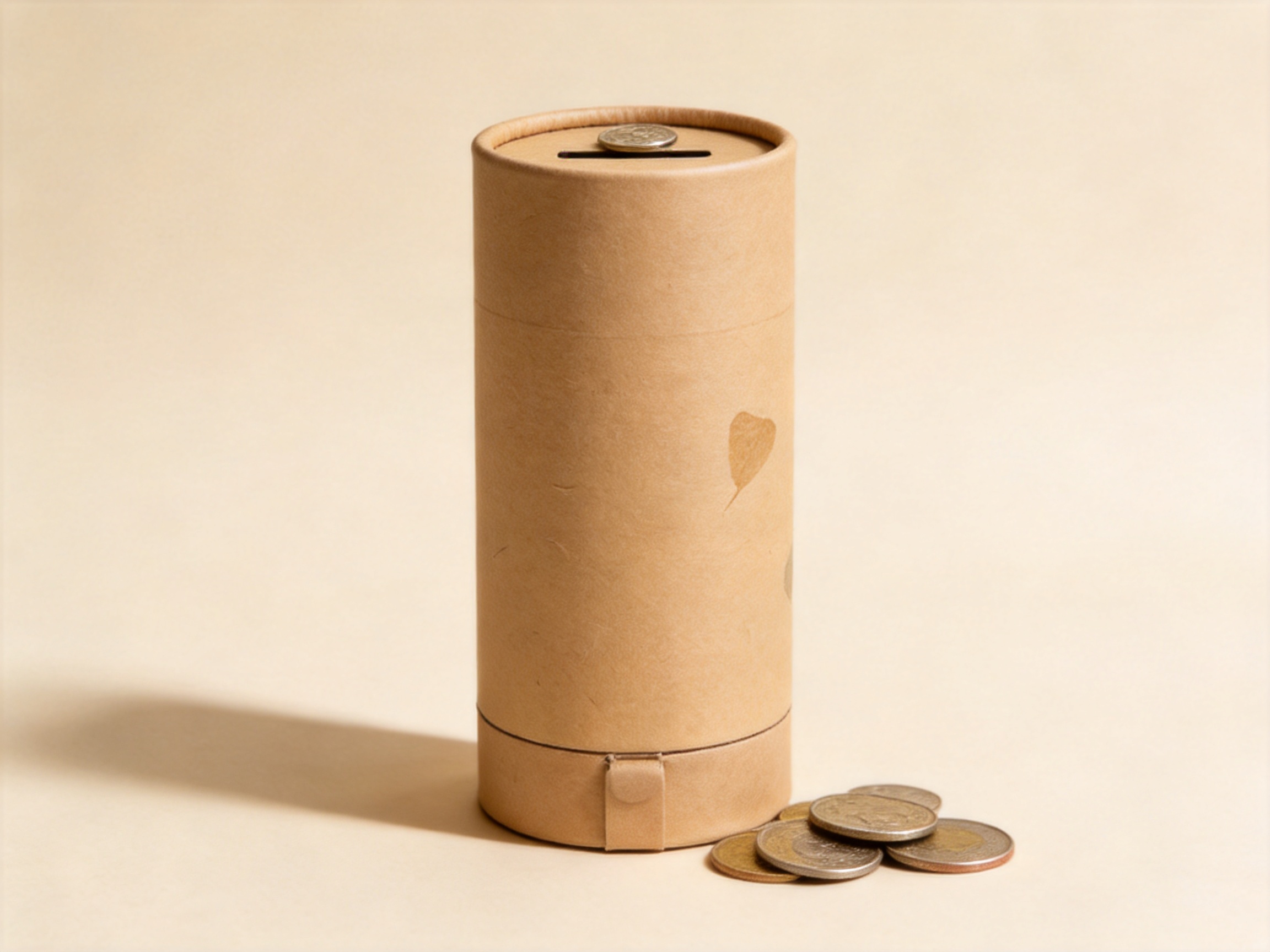
Hangzhou Qunle Packaging Co., Ltd. has been engaged in the composite can and paper can industry for more than 20 years. This long operating history provides experience in paper-based cylindrical packaging, material selection, structural development, printing coordination, and production management. Such experience is important because a successful paper tube requires more than a printed sheet of paper. It depends on accurate converting, reliable bonding, consistent dimensions, appropriate finishing, and controlled inspection.
The company is identified as the only member of the international Composite Can and Tube Institute in China’s packaging container industry. Participation in an international industry organization can support technical awareness, professional communication, and understanding of developments in composite can and tube production. For customers purchasing customized packaging, industry involvement can be a useful indicator of specialization in the relevant product category.
In 2015, the company introduced a high-speed composite can production line from Europe. Modern high-speed equipment can improve production consistency and support larger orders when properly operated and maintained. Automated or semi-automated production may help control winding, forming, bonding, cutting, and other repeatable operations. It can also reduce variation between units and improve production planning for customers with strict delivery schedules.
The company has obtained more than 10 patented technologies. Patents alone do not determine whether a package is suitable for a particular project, but they indicate continued attention to technical development. In the paper tube sector, research and development may cover structural stability, material combinations, manufacturing methods, closure systems, process efficiency, and specialized applications.
Qunle Packaging was also the first enterprise in China to pass the QS certificate for producing food packaging containers, according to the supplied company information. Although the piggy bank product is not intended for food use, experience with food packaging quality requirements can be valuable. Food packaging production typically demands attention to material traceability, hygiene, process control, and consistent manufacturing conditions. These disciplines can contribute to reliable performance in other paper packaging categories.
The company’s packaging business covers food, daily chemical products, fast-moving consumer goods, and additional sectors. This broad application experience can help the manufacturer understand different customer priorities. A charity may focus on message visibility and cost. A retailer may prioritize shelf appeal and delivery timing. A corporate customer may require consistent branding across multiple markets. A packaging manufacturer serving varied industries is more likely to have experience balancing these competing requirements.
Typical Production Process
The manufacturing process begins with project definition. The customer and manufacturer confirm the intended application, tube dimensions, paper material, opening structure, artwork, finishing requirements, order quantity, shipping destination, and expected use conditions. At this stage, the manufacturer can also advise on feasible specifications and identify design details that could affect cost or production reliability.
Artwork preparation follows specification approval. Graphic files must account for the curved surface of the tube, seam position, top and bottom areas, color requirements, text readability, and finishing locations. A design that looks correct on a flat screen may need adjustment when wrapped around a cylinder. Important text should not be placed too close to a seam or curved edge, and visual elements should be aligned with the intended front-facing position.
Paper materials are then selected and prepared. The paper grade, thickness, surface, color, and recycled content can influence strength, appearance, print quality, and processing behavior. Kraft paper may be selected for its natural color and surface character, while additional paperboard layers may be used to achieve the required rigidity. Material selection should be matched to the tube’s intended size and service conditions.
Printing and decorative treatment can be carried out according to the approved design. The process may include standard printing, embossing, stamping, UV coating, or a combination of these treatments. Color consistency is important for brand and campaign recognition, particularly when multiple production batches are ordered. Proofing and approval procedures help reduce the risk of producing large quantities with incorrect artwork or color interpretation.
After printing, the paper components are converted and formed into the cylindrical structure. Depending on the selected construction, layers may be wound, bonded, cut, or assembled using controlled equipment. Accurate alignment is important because it affects the tube’s appearance, dimensions, closure fit, and overall usability. The manufacturing team must maintain stable process conditions to reduce issues such as loose seams, uneven edges, surface wrinkles, or dimensional variation.
The top, bottom, and coin-entry components are assembled according to the approved design. The product may then undergo visual inspection, dimensional checks, surface inspection, and functional evaluation. For a coin bank, functional checks can include the fit of the opening, the stability of the tube when placed on a surface, the quality of the closure, and the resistance of printed areas to ordinary handling.
Finally, finished products are packed for shipment. Protective inner packing and suitable outer cartons can help reduce damage during transportation. The shipping configuration should be planned according to the product’s dimensions, order volume, and destination. For large campaigns, production scheduling and staged delivery may be discussed in advance.
Quality Control Priorities
Quality control begins with clear specifications. The manufacturer and customer should agree on dimensions, tolerances, paper construction, artwork, color references, coating areas, closure details, and packaging quantities. Clear documentation minimizes misunderstandings and creates a standard against which finished products can be evaluated.
Dimensional accuracy is important for a cylindrical product. Diameter, height, wall thickness, edge condition, and closure fit can influence how the tube stands, how it is displayed, and how easily users interact with it. Consistent dimensions also support efficient packing and reduce problems during shipment.
Visual quality is equally important because the product functions as a communication tool. Inspectors may review color uniformity, registration, print clarity, embossing depth, stamping position, UV coverage, seam alignment, and surface cleanliness. Small defects may be especially visible on a simple design, where there are fewer decorative elements to distract from irregularities.
Functional quality should reflect the intended application. A home coin bank may need easy access, while a charity collection tube may need stronger closure security. If the product is intended for repeated handling by children, schools, or event participants, edge smoothness and structural stability should be considered during development.
Sampling procedures can be established for large orders. Customers may request pre-production samples, digital artwork approval, physical prototypes, or production samples before full-scale manufacturing. These steps are useful for confirming the appearance and usability of the product before final quantity production.
Applications Across Different Markets
Charitable organizations can use the tube as a donation collection package for community events, religious programs, school activities, disaster relief campaigns, and seasonal giving. The outer surface can display the organization’s identity and explain how collected funds will be used. A visible savings target can make the fundraising objective easier to understand.
Schools can distribute the coin banks as part of financial literacy programs. Teachers may use them to explain saving, budgeting, delayed gratification, and charitable giving. The tube can be customized for different age groups, with simple graphics for younger children or more informative content for older students.
Banks and financial institutions can use the product as a promotional or educational item. A branded coin bank may be included in a youth account campaign, community outreach program, financial education event, or customer welcome package. The paper format gives the institution an opportunity to present a more approachable image than a standard plastic promotional product.
Retailers can place customized coin tubes at checkout counters or include them in promotional bundles. A retailer may connect the product to a loyalty campaign, a seasonal donation initiative, or a specific social cause. Because the product occupies relatively little space, it can be used in point-of-sale areas where a large display would not be practical.
Companies can incorporate the coin bank into employee engagement and corporate social responsibility programs. Employees may receive a tube for a workplace fundraising challenge, charitable matching program, or community project. The packaging can carry campaign instructions, a collection deadline, and a progress message.
Event organizers can use the tube as a participant gift, table centerpiece, or fundraising tool. Its lightweight structure is suitable for distribution at conferences, exhibitions, community fairs, and promotional activities. Custom printing can connect the package to an event theme while maintaining a useful function after the event ends.
Branding and Communication Strategy
A successful coin bank design should communicate its purpose within a few seconds. The front-facing area can contain the main campaign name, a simple call to action, and a recognizable symbol. Supporting information can be placed around the sides, including instructions, donation details, social messages, or a short explanation of the project.
Typography should be large enough to read at the intended viewing distance. A retail counter product may be seen from several feet away, while a household coin bank may be handled closely. Designers should maintain sufficient contrast between text and background, especially when using uncoated kraft paper or low-ink natural designs.
Color selection can support emotional positioning. Green and earth tones may reinforce a sustainability message. Bright colors may appeal to children. Deep colors and metallic stamping may create a more formal charitable or financial appearance. The choice should be consistent with the organization’s existing identity and the expectations of the target audience.
Images and illustrations can make the saving behavior more understandable. A coin, heart, helping hand, target, house, school, or community symbol may immediately communicate the package’s purpose. However, the design should remain uncluttered. The product’s advantage is partly its simple and recognizable form, so excessive decoration may weaken the message.
QR codes or other digital connection tools may be considered where appropriate, although their use should be reviewed according to the customer’s market and compliance requirements. A code could connect users to campaign updates, donation information, educational materials, or progress reports. If such a feature is added, the code should be tested on the final curved surface and printed at a suitable size.

Ordering and Customization Guidance
Customers interested in this product should begin by defining its purpose. A tube for children’s home saving will have different requirements from a tamper-resistant charity collection tube placed in a public location. The intended use affects the size, opening, closure, paper construction, printing, and quantity.
The next step is to determine the desired dimensions. Customers should consider how many coins the product should hold, where it will be displayed, how it will be packed, and how it will be transported. A manufacturer can help evaluate whether a proposed diameter and height are practical for production and shipment.
Artwork should be prepared in a professional format with clear specifications for colors, fonts, logos, and finishing. Customers should identify which areas require embossing, stamping, or UV coating. They should also review whether the design must match an existing brand standard or whether a new campaign identity will be created.
Material requirements should be discussed early. If recycled content, natural kraft appearance, special paper weight, or a particular surface finish is important, this information should be included in the initial inquiry. Environmental claims should be supported by appropriate material and manufacturing documentation for the target market.
Order planning should include quantity, expected delivery date, destination, packaging method, and inspection requirements. Large projects may benefit from a sample approval stage and a production schedule with defined milestones. Customers should also request confirmation of minimum order quantity, tooling or setup costs where applicable, payment terms, and shipping arrangements.
Because the product is offered as an OEM package, communication between the customer and manufacturer is essential. Accurate drawings, reference samples, artwork files, and written specifications can reduce revisions and help ensure that the final product reflects the intended design.
Advantages of Working with an Experienced Paper Tube Manufacturer
An experienced manufacturer can contribute more than production capacity. It can help transform a general concept into a practical package by advising on structure, material, printing, and assembly. This is particularly valuable for customers who have a campaign idea but limited experience with cylindrical paper packaging.
Qunle Packaging’s history across food, daily chemical, fast-moving consumer goods, and other packaging fields suggests familiarity with multiple performance requirements. This diversified background can support problem-solving when a project involves unusual dimensions, a demanding delivery schedule, several finishing methods, or a need to balance appearance and budget.
Long-term industry experience can also support supply planning. Customers may benefit from established production procedures, experienced technical personnel, and familiarity with quality control requirements. These factors can be important when the product must be produced consistently across repeated orders or multiple campaign versions.
The company’s European high-speed composite can production line indicates investment in modern equipment. Advanced equipment is most valuable when combined with skilled operators, preventive maintenance, documented procedures, and inspection systems. Together, these elements can support stable production and improve the manufacturer’s ability to handle commercial-scale orders.
Patented technologies and continued research may help the company develop solutions beyond standard stock products. Customers with special requirements can discuss whether a modified structure, material combination, or production method is suitable for the project. The final solution should be evaluated based on performance, cost, sustainability, and market needs.
Cost and Value Considerations
The purchase price of a paper tube depends on several variables, including size, paper construction, order quantity, printing coverage, decorative finishing, closure design, packing method, and shipping destination. A simple one-color design with standard construction will normally have different economics from a multi-color design with embossing, stamping, and UV coating.
Customers should evaluate total value rather than unit price alone. A well-designed coin bank may generate repeated campaign visibility, encourage donations, support educational objectives, and remain in use after distribution. These benefits can justify a higher specification than a disposable promotional item when the product plays an active role in communication.
Material selection can also influence cost. Recycled paper, custom colors, special coatings, and additional structural layers may affect the price. The manufacturer can help identify which features are essential and which can be simplified without compromising the campaign’s main purpose.
Order quantity often affects production efficiency. Larger quantities may provide better unit economics, while smaller quantities may be suitable for pilot projects, local events, or market testing. Customers should consider whether several campaign versions can share a common structure to reduce complexity while still providing customized artwork.
Storage, Transport, and Usage Recommendations
Finished paper tubes should be stored in a clean, dry environment protected from excessive humidity, direct sunlight, and physical compression. Paper materials can respond to changes in moisture, so proper storage helps preserve dimensional stability and surface appearance.
During transport, the tubes should be packed to prevent crushing, abrasion, and movement inside the outer carton. The appropriate packing configuration depends on product size, closure style, order quantity, and shipping route. Customers receiving large orders should inspect cartons upon arrival and report any visible damage promptly.
Users should be given simple instructions if the coin bank has a particular opening or closure method. For public charity applications, organizers may need a procedure for collecting, sealing, transporting, and opening the tubes. Clear instructions can improve security and reduce the risk of misuse.
The product is intended for coin saving and donation collection rather than for liquid, food, or hazardous-material storage. Customers should not assume that a piggy bank tube has the barrier performance or regulatory suitability of an airtight paper canister or a food packaging container unless those specifications have been separately confirmed.
Frequently Asked Questions
What is the main purpose of this product?
The product is designed as a round kraft paper coin-saving or charity collection tube. It can be used in homes, schools, retail stores, fundraising events, community programs, and promotional campaigns.
Can the design be customized?
Yes. The product is offered as an OEM solution. Customers can discuss dimensions, artwork, paper specifications, opening structures, closure details, and decorative treatments with the manufacturer.
Which finishing options are available?
The listed options include embossing, stamping, and UV coating. Printing can also be adapted to the customer’s artwork and campaign requirements. The final combination should be confirmed during the quotation and sampling process.
Is the product made from recycled materials?
The supplied product information identifies recycled materials as a feature. Customers should confirm the exact recycled content, paper grade, coatings, adhesives, and documentation required for their market before making formal environmental claims.
Why choose a paper tube instead of a plastic coin bank?
A paper tube provides a natural appearance, a large wraparound printing area, lightweight handling, low breakage risk, and strong customization flexibility. It can also support a paper-based sustainability message when the complete package and local recycling system are appropriate.
Can the tube be used for public charity collection?
Yes, but the structure should be specified for the intended level of security. Public collection may require a stronger closure, tamper-resistant design, clear handling procedures, or a controlled opening method. These requirements should be discussed before production.
Can children use the coin bank?
The product can be suitable for children’s saving and financial education programs when the design, opening, edges, and instructions are developed with the age group in mind. The responsible organization should review safety and supervision requirements for its specific use.
What information should be provided when requesting a quotation?
Customers should provide the intended use, desired dimensions, estimated quantity, paper preference, artwork requirements, printing colors, finishing options, closure design, delivery destination, and expected delivery schedule. Reference images or drawings can also help the manufacturer prepare an accurate proposal.
Does the company have experience beyond piggy bank packaging?
Yes. Hangzhou Qunle Packaging Co., Ltd. reports experience in composite cans and paper cans for food, daily chemical products, fast-moving consumer goods, and other applications. This broader background supports its ability to manage different paper packaging requirements.
What manufacturing strengths does the company offer?
The company reports more than 20 years of industry experience, membership in the international Composite Can and Tube Institute, a high-speed European composite can production line introduced in 2015, more than 10 patented technologies, and experience with quality requirements for food packaging containers.
How can customers verify the final appearance?
Customers can request artwork review, digital proofing, physical samples, or pre-production samples according to the project. A sample approval stage is especially useful when the design includes curved artwork, embossing, stamping, UV coating, or special structural details.
Is the tube suitable for storing food or liquids?
This particular product is presented as a piggy bank and charity coin tube. It should not be used for food, liquids, or other specialized contents unless the manufacturer confirms that the complete structure meets the relevant technical and regulatory requirements.
Conclusion
The simple design piggy bank charity coin tube box packaging combines a practical saving function with an effective communication platform. Its round kraft paper structure is lightweight, visually distinctive, easy to customize, and suitable for a wide range of charitable, educational, retail, and promotional applications. Compared with ordinary plastic, glass, ceramic, or metal coin banks, it offers a strong balance of printability, portability, design flexibility, and natural material appeal.
Its greatest value comes from its ability to remain useful after distribution. The tube can hold coins, encourage saving, display a campaign message, and keep an organization or cause visible in homes, classrooms, stores, and community spaces. Embossing, stamping, UV coating, and custom printing provide additional opportunities to create a memorable product without changing the fundamental efficiency of the paper tube format.
Hangzhou Qunle Packaging Co., Ltd. supports this product with more than 20 years of experience in composite cans and paper cans, modern high-speed production equipment, patented technologies, international industry participation, and experience across several packaging sectors. These strengths can help customers move from an initial concept to a stable, customized, and commercially suitable coin tube.
For organizations seeking a practical fundraising package, a children’s savings product, a branded promotional gift, or a sustainability-oriented paper container, this round kraft paper tube provides a flexible starting point. The best result will come from early cooperation on structure, material, artwork, finishing, quality control, and logistics. With those elements carefully coordinated, the coin bank can become both a useful container and a lasting symbol of saving, participation, and shared social responsibility.
References
1. Product specification supplied for the simple design piggy bank charity coin tube box packaging.
2. Company information supplied for Hangzhou Qunle Packaging Co., Ltd., including its history in composite cans and paper cans.
3. International Composite Can and Tube Institute industry background materials.
4. General packaging engineering principles concerning kraft paper, cylindrical paper containers, printing, embossing, stamping, and UV coating.
5. General guidance on recycled content communication, responsible environmental claims, and packaging end-of-life evaluation.
6. General quality-control practices for customized paper tube packaging, including artwork approval, dimensional inspection, surface inspection, and functional testing.
