 English
 Español
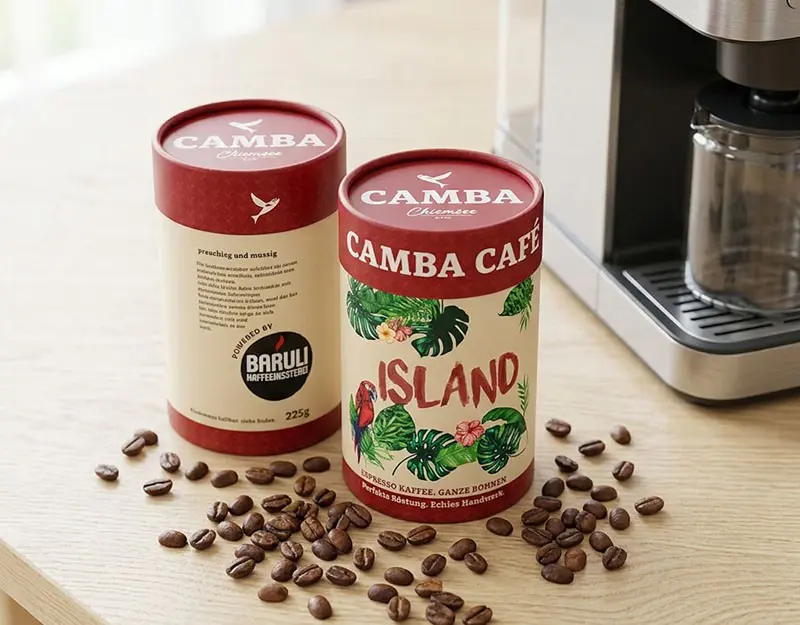
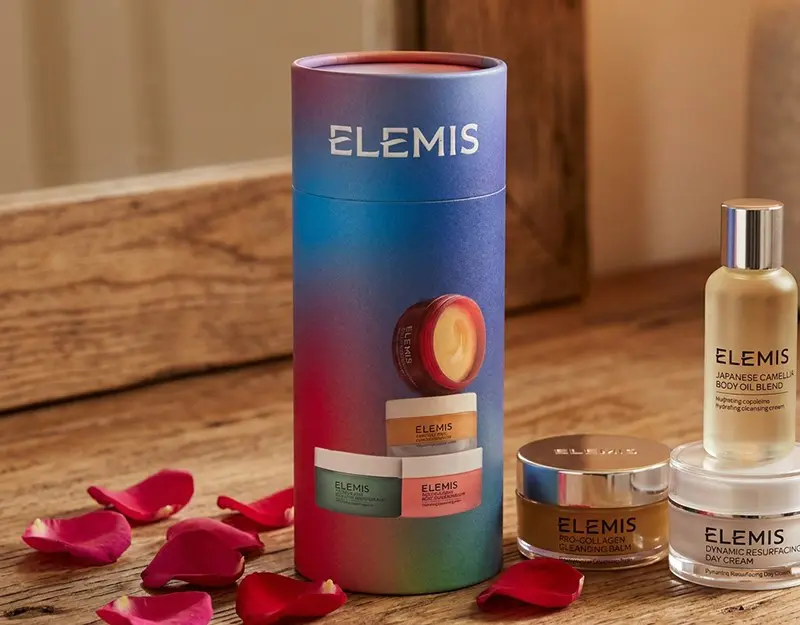
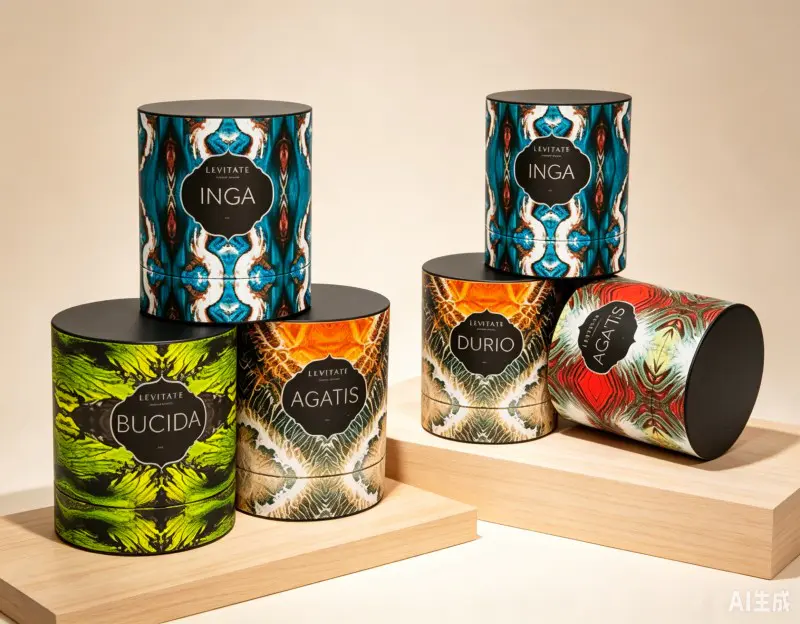
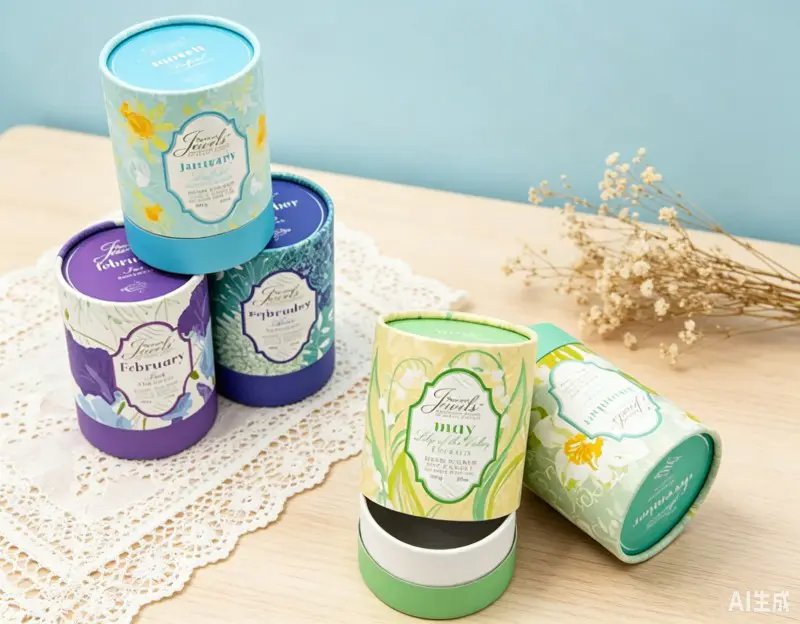
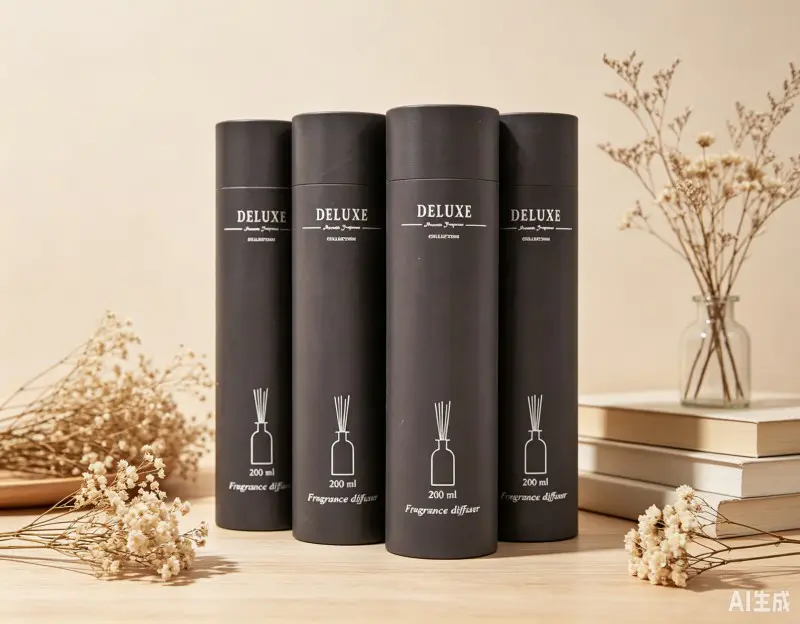
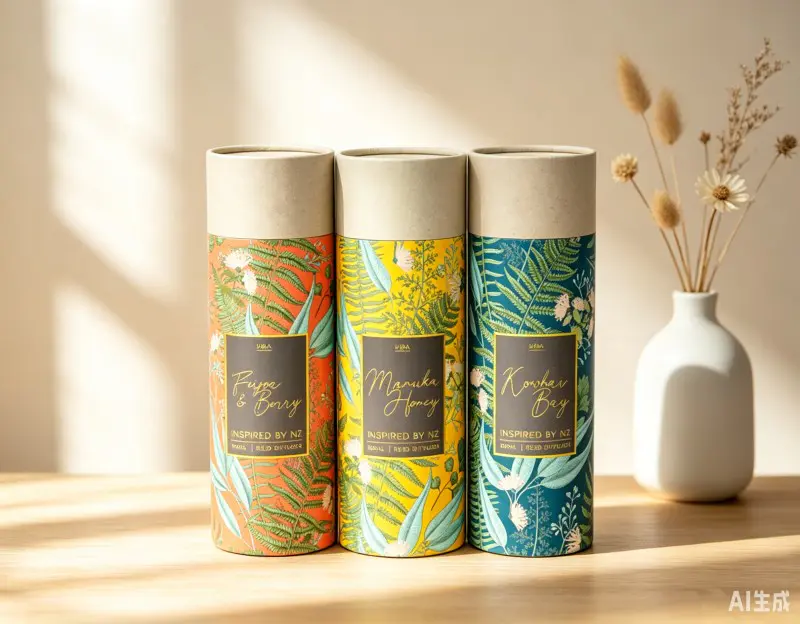
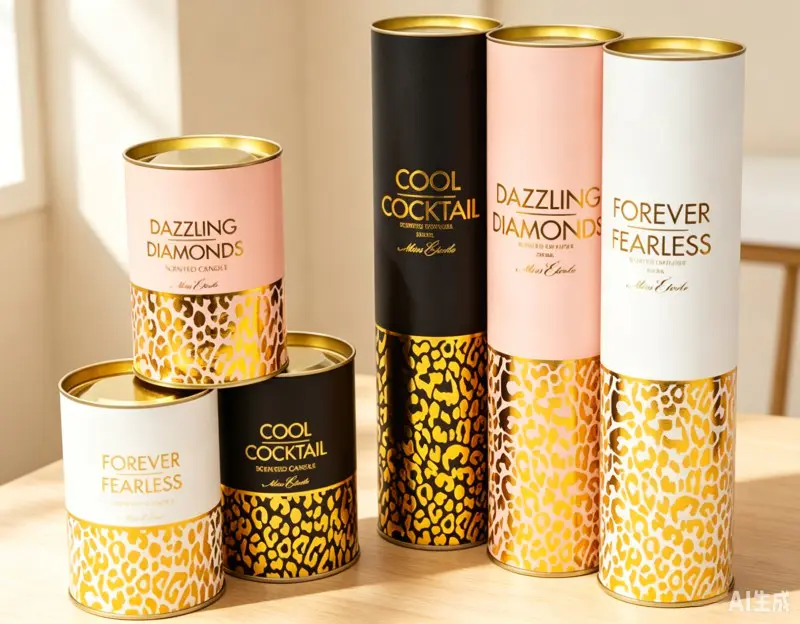
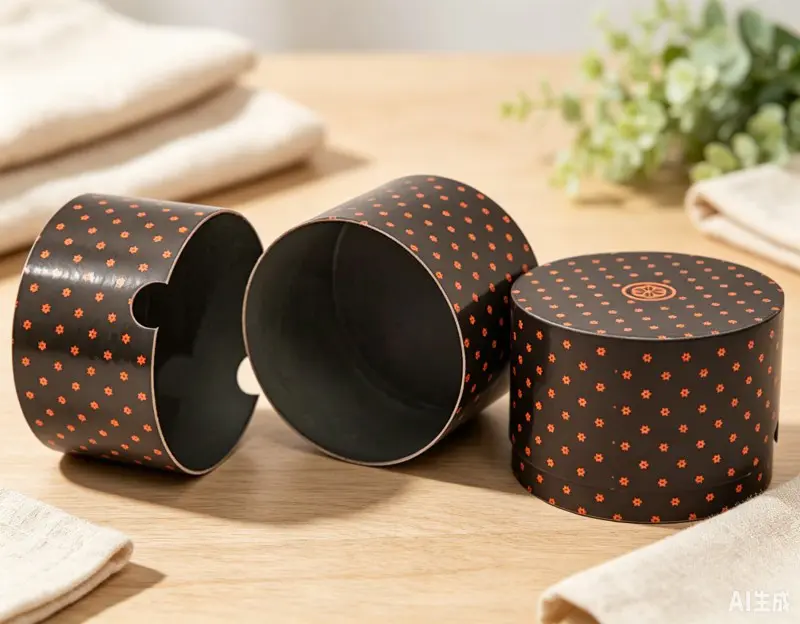
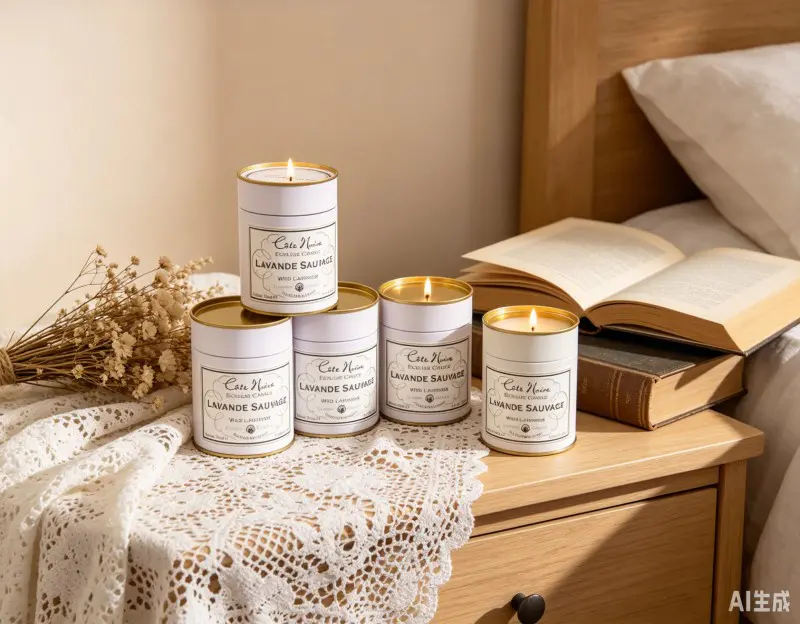

As one of the top China cardboard tube packaging manufacturers and paper tube packaging suppliers, we devote all of our efforts to research and launch more high quality packaging products to global market.
Content
- 1 What Is a Spirits Tube Box and Why Does It Matter for Your Brand?
- 2 Common Types of Spirits Tube Boxes
- 3 Materials Used in Spirits Tube Box Manufacturing
- 4 Customization Options That Elevate Spirits Tube Packaging
- 5 How Spirits Tube Boxes Support Gift Retail and Seasonal Sales
- 6 What to Check Before Ordering Spirits Tube Boxes at Volume
- 7 Spirits Tube Box vs. Other Spirits Packaging Formats
- 8 Finding the Right Spirits Tube Box Manufacturer
What Is a Spirits Tube Box and Why Does It Matter for Your Brand?
A spirits tube box is a cylindrical packaging container — typically made from wound cardboard, kraft board, or composite materials — designed to house wine, whisky, gin, rum, vodka, and other bottled spirits. Unlike flat-pack cartons, a tube box wraps your bottle in a full 360° branded surface, offering both structural protection and a premium unboxing experience that flat boxes simply cannot match.
For spirits brands, packaging is rarely just a container. It's the first physical touchpoint between your product and the buyer. A well-designed alcohol tube packaging signals quality before the bottle is ever opened — which matters enormously at shelf level, in gift retail, and in e-commerce photography. The cylindrical format, in particular, has become closely associated with premium and artisan positioning across the spirits category.
Beyond aesthetics, spirits tube boxes serve a functional purpose: the snug cylindrical form cradles round bottles securely, reducing movement during shipping and storage. This makes them especially practical for fragile or high-value bottles where breakage risk during transit carries real commercial consequences.
Common Types of Spirits Tube Boxes
Not all tube packaging is built the same. The structural format you choose affects the opening experience, the shelf presence, and the total unit cost. Here are the main configurations used in the spirits industry:
Cardboard Lid Tube
The most economical option. Both the tube body and the lid are made from wound cardboard. The friction-fit lid creates a clean, minimal look and is easy to customize with full-color printing and surface finishes. This format works well for mid-range spirits and is the most accessible for low minimum order quantities.
Metal Cap Tube
A cardboard tube body paired with a metal (usually tin) lid and/or base. The metal cap adds a tactile premium feel and a satisfying "pop" when opened — a sensory cue that reinforces quality perception. This format is widely used in premium whisky and gin packaging, where the unboxing moment is part of the brand experience.
One-Piece Tube with Metal Base and Lid
The most upscale configuration: the tube arrives fully assembled with a fixed metal base and a removable metal lid. There is no assembly required from the consumer, and the rigid structure provides maximum bottle protection. This format is particularly popular for gift sets and limited-edition releases where the tube is intended to be kept as a display or storage piece after the bottle is consumed.
Telescopic Tube
A two-piece sliding design where one tube section slides into another. Telescopic spirits tube boxes are valued for their extra depth at closure and the deliberate, ceremonial feel of the sliding action. They photograph exceptionally well and are commonly used in luxury gifting contexts.
Rope Handle Tube
A cardboard tube fitted with a carry handle — typically a twisted paper or cord rope threaded through the tube wall. This format combines packaging and carrier in one unit, making it highly practical for retail gifting. It eliminates the need for a separate gift bag and reinforces perceived thoughtfulness at point of purchase.
Materials Used in Spirits Tube Box Manufacturing
The material composition of a spirits tube box determines its structural strength, printability, sustainability credentials, and overall feel in the hands. Understanding the main options helps brands make better sourcing decisions:
| Material | Key Properties | Best Suited For |
|---|---|---|
| Wound Cardboard (Grey Board Core) | High structural rigidity, smooth printable outer surface | Standard and premium spirits tubes |
| Kraft Board | Natural texture, 100% recyclable, eco-friendly appeal | Artisan, organic, and sustainability-focused brands |
| Composite / Spiral-Wound | Layered construction for superior strength, suitable for heavy bottles | High-weight bottles, long-distance shipping |
| Clear PET Plastic | Full product visibility, impact-resistant | Coloured spirits, visual product showcasing |
| Foil-Lined Board | Premium surface finish, high reflectivity | Luxury and collector editions |
Kraft board has seen particularly strong growth as brands respond to consumer expectations around sustainability. Recyclable and compostable tube constructions now represent a meaningful share of new product launches in the premium spirits segment, especially in markets like the UK and Western Europe where eco-packaging is increasingly a purchasing criterion rather than just a brand preference.
Customization Options That Elevate Spirits Tube Packaging
Custom spirits tube boxes are not simply a branding exercise — the right customization decisions directly influence shelf pickup rates, gift purchase decisions, and social media shareability. The following finishing and structural options are most commonly specified by spirits brands:
Full-Color Printing
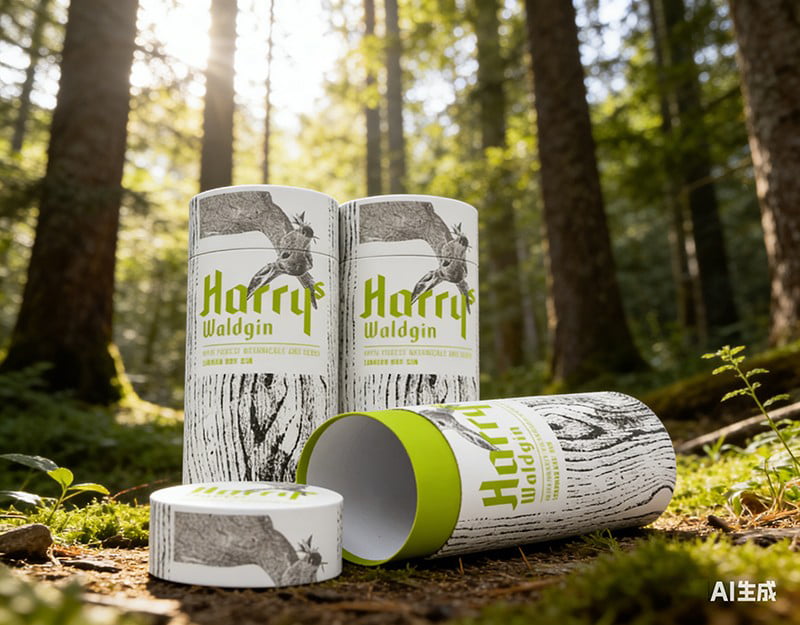
The cylindrical surface of a tube box offers an uninterrupted 360° canvas — a significant advantage over flat cartons with edges and fold lines that interrupt visual flow. Digital and offset printing both work well on tube stock, with offset delivering superior color accuracy for large runs. Brands should specify wrap-around artwork that reads coherently from any angle, since the tube will be rotated and examined by shoppers at shelf.
Foil Stamping
Hot foil stamping in gold, silver, or custom Pantone metallic shades adds a tactile luxury quality that no printed ink can replicate. Even a single foil-stamped logo or border transforms an otherwise simple tube into a premium package. This finish is especially effective on dark or kraft-textured base materials where the contrast between foil and substrate is most dramatic.
Spot UV Coating
A high-gloss varnish applied selectively to specific areas — typically a logo, a pattern, or a key graphic element. When paired with a matte laminate base, spot UV creates a tactile contrast that catches light and draws attention. This finish adds perceived value at minimal incremental cost, making it one of the most efficient premiumization techniques available at scale.
Embossing and Debossing
Raised or recessed surface textures applied to the tube body. Often used for brand marks, coat-of-arms motifs, or distillery crests. The three-dimensional quality of an embossed detail signals craftsmanship and heritage — associations that are highly valuable in the premium spirits category.
Custom Sizing
Spirits bottles vary considerably in diameter and height — from standard 750ml formats to magnum bottles, flask shapes, and novelty dimensions. A well-fitted tube should accommodate the bottle snugly with minimal movement, typically with 3–8mm of clearance around the circumference. Custom sizing is standard practice with reputable tube manufacturers and should always be confirmed with a physical sample before committing to a production run.
How Spirits Tube Boxes Support Gift Retail and Seasonal Sales
Gift occasions — Christmas, Father's Day, birthdays, corporate gifting — represent a disproportionate share of premium spirits sales. In these contexts, the packaging is not incidental to the purchasing decision; it often is the purchasing decision. A bottle of single malt in a plain bag and a bottle of the same whisky in a premium tube box with foil stamping and a metal lid are not perceived as equivalent gifts, even if the liquid inside is identical.
This dynamic makes spirits tube packaging a direct revenue driver during peak gifting seasons. Retailers and e-commerce platforms consistently report higher average basket values for bottled spirits presented in tube packaging versus standard cartons, because the tube removes the need for the buyer to source separate gift wrapping. The product arrives gift-ready, which has genuine functional value for the end purchaser.
For brands selling through wholesale channels, tube-packaged spirits also command stronger shelf positioning. Buyers at retail and duty-free chains consistently allocate premium shelf space and gondola-end positions to products whose packaging communicates giftability — and the distinctive cylindrical silhouette of a spirits tube box stands out visually in a row of rectangular cartons.
What to Check Before Ordering Spirits Tube Boxes at Volume
For brand owners and procurement managers placing bulk orders, a few key checks will prevent the most common and costly sourcing mistakes:
- Request a physical sample before approving production. Digital proofs do not accurately represent tube rigidity, print color on the actual substrate, or the quality of metal cap closures. A sample order is non-negotiable for first-time custom work.
- Specify wall thickness by grammage, not by generic description. Terms like "sturdy" mean nothing contractually. Wall thickness for spirits tube boxes typically ranges from 2mm to 4mm; confirm the specification in writing before production begins.
- Confirm bottle fit with actual bottle dimensions. Provide the manufacturer with the exact outer diameter and height of the filled, sealed bottle — including any capsule or wax seal — not just the bottle spec from a data sheet.
- Clarify print color matching standards. If brand color accuracy matters, specify Pantone references and request a color-matched proof. Unmanaged printing can result in visible color drift across batches.
- Verify sustainability certifications if eco-claims are part of your brand positioning. FSC certification, recycled content percentages, and compostability standards should be documented by the supplier, not taken on their word alone.
- Build lead time into your planning. Custom spirits tube boxes — particularly those with foil stamping, embossing, or metal cap components — typically require 4–6 weeks from artwork approval to shipment. Seasonal gifting orders should be placed well in advance of peak retail windows.
Spirits Tube Box vs. Other Spirits Packaging Formats
Tube boxes are not the right choice for every spirits product or every price point. A direct comparison against the most common alternatives helps clarify where tube packaging delivers the strongest return:
| Format | Premium Perception | Protection | Customization | Unit Cost | Best Use Case |
|---|---|---|---|---|---|
| Spirits Tube Box | High | High | High | Medium–High | Gift retail, premium shelf, limited editions |
| Folding Carton Box | Medium | Medium | High | Low–Medium | Mid-range shelf, standard retail |
| Wooden Box | Very High | Very High | Medium | High | Collector editions, ultra-premium gifting |
| Tin / Metal Box | High | High | Medium | High | Seasonal gift sets, heritage brands |
| No Secondary Packaging | Low | Low | N/A | Lowest | Value segment, on-premise sales |
The tube box sits in a commercially attractive middle ground: it delivers a premium shelf and gifting presence at a significantly lower unit cost than wooden or metal alternatives, while offering far greater customization flexibility and a 360° branding surface that flat cartons cannot replicate. For most mid-to-premium spirits brands operating at scale, it represents the highest-ROI secondary packaging format available.
Finding the Right Spirits Tube Box Manufacturer
The quality gap between manufacturers in this category is substantial. A few criteria consistently separate reliable suppliers from those that cause problems downstream:
In-House Printing and Finishing Capability
Manufacturers who handle printing, lamination, foil stamping, and tube winding under one roof deliver better consistency and faster turnaround than those who outsource individual processes. Every handoff between suppliers introduces a potential quality and lead-time variable.
Demonstrated Experience with Spirits Packaging Specifically
Wine and spirits tube boxes have specific requirements — bottle fit tolerance, cap closure security, resistance to condensation in chilled retail environments — that general tube manufacturers may not account for. Ask to see reference work from existing spirits brand clients, not just a catalog of tube types.
Certifications Relevant to Your Market
If you are selling into European, US, or UK retail channels, FSC certification for paper sourcing and food-contact safety compliance for any material touching the bottle are baseline requirements. For export markets, confirm that the manufacturer can provide documentation that satisfies your specific import requirements.
Minimum Order Quantity Flexibility
Full custom tube boxes with foil and embossing typically carry MOQs of 1,000–3,000 units. For new product launches or limited editions where volume is uncertain, look for manufacturers who offer lower-MOQ cardboard lid configurations or stock tube programs with custom label options, allowing brand presence without committing to high tooling and production minimums upfront.
