 English
 Español

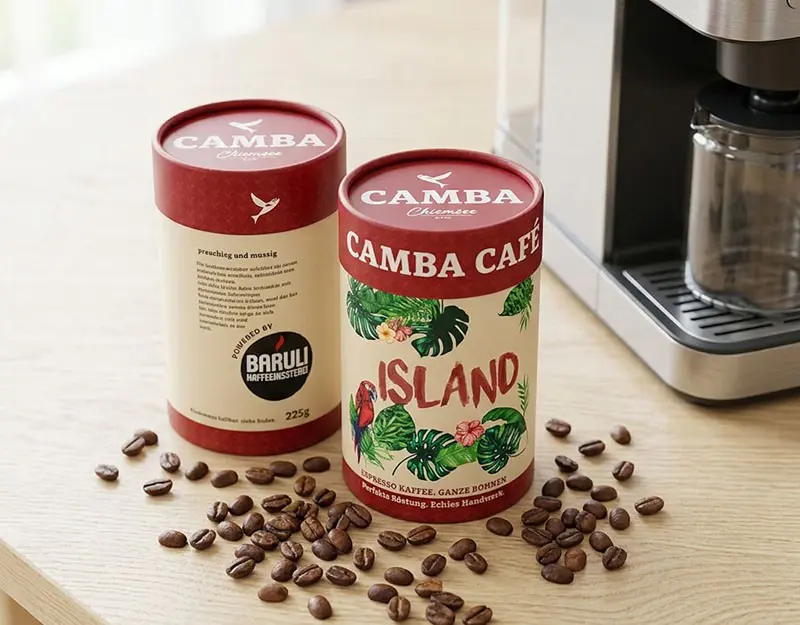
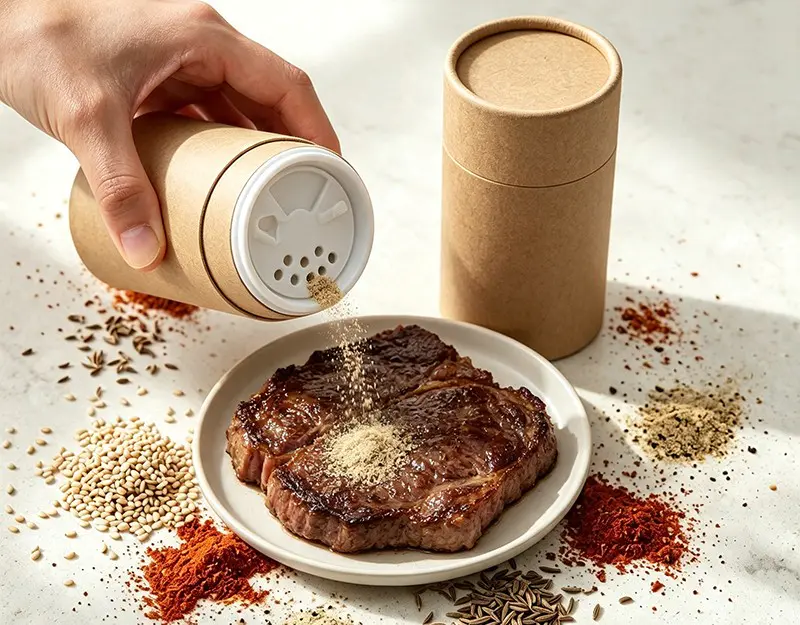
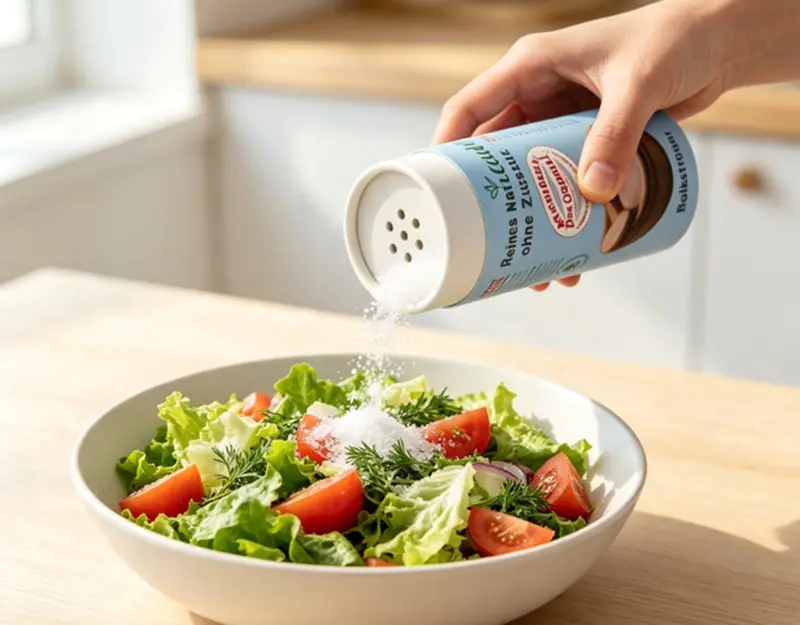
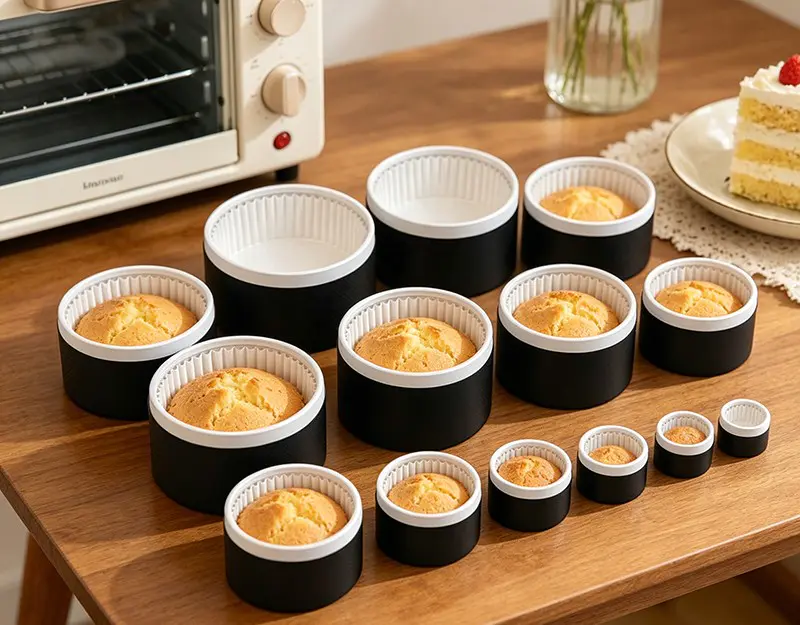
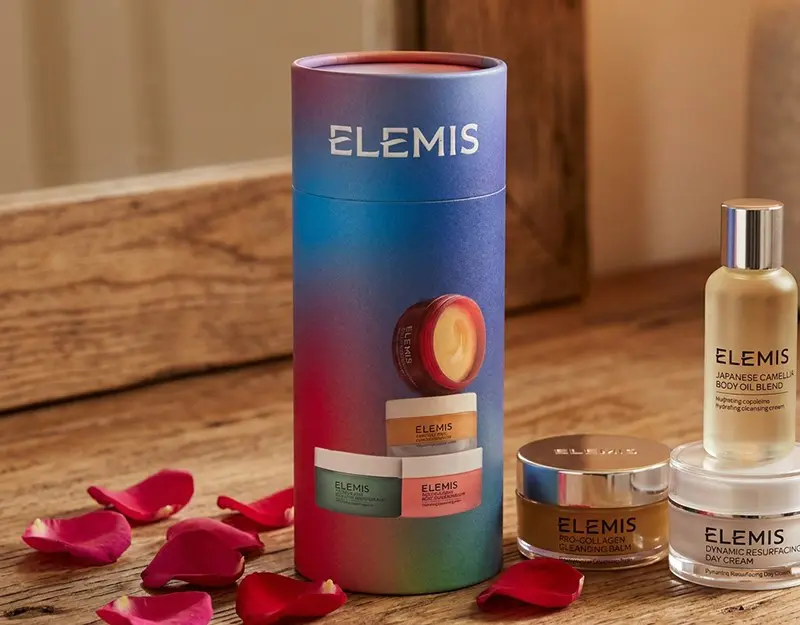
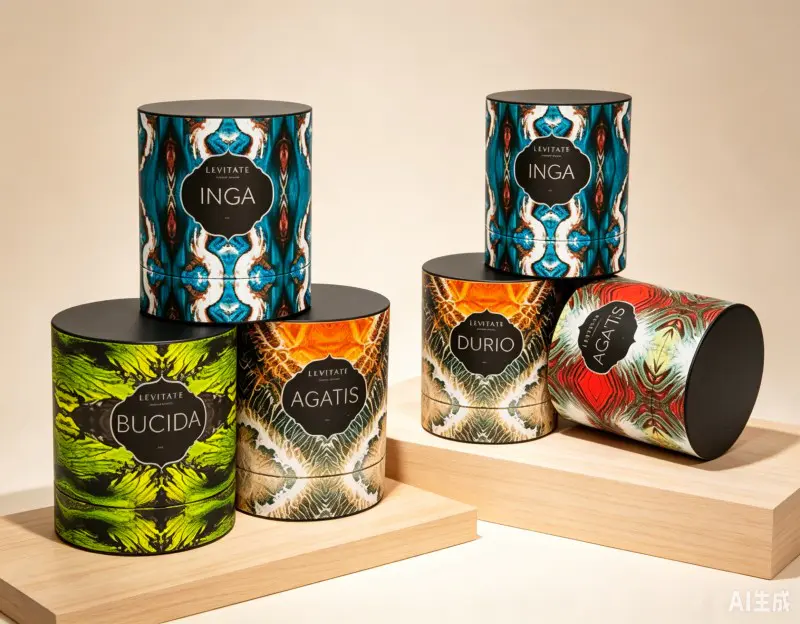
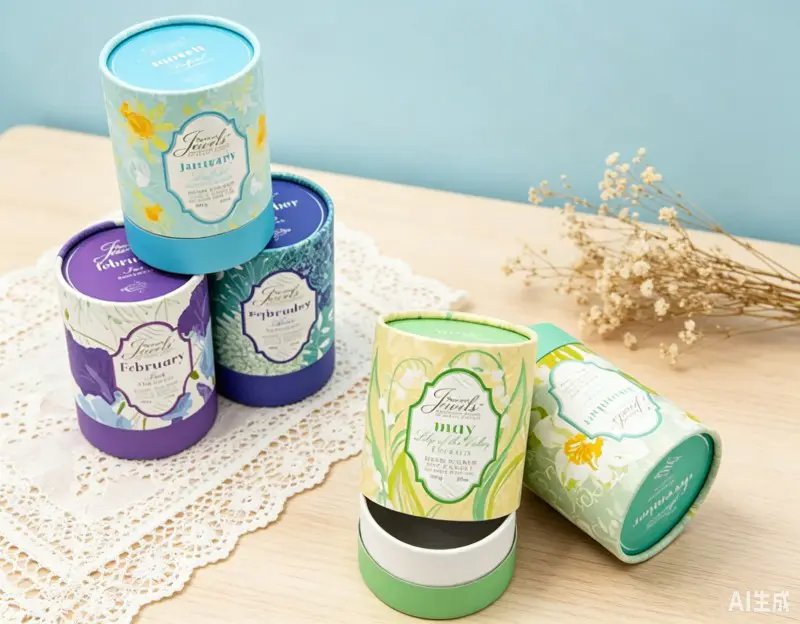
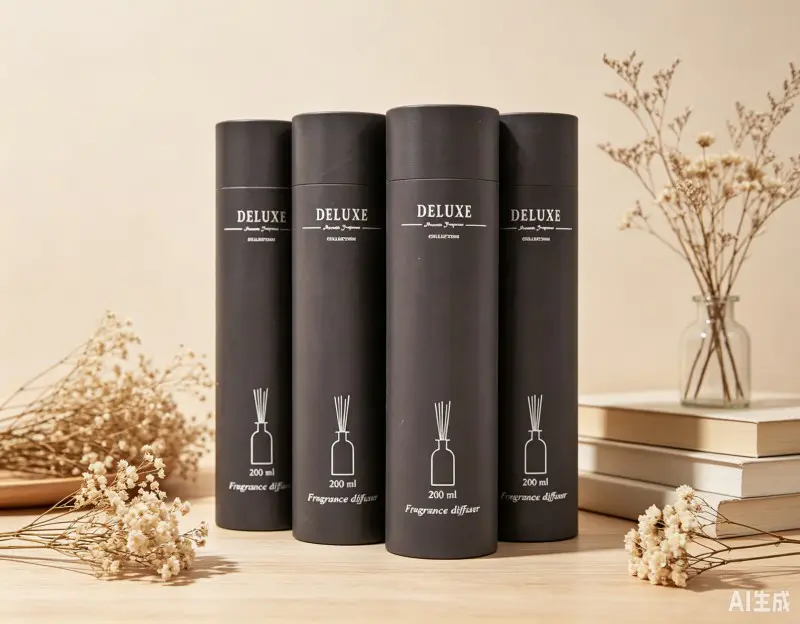
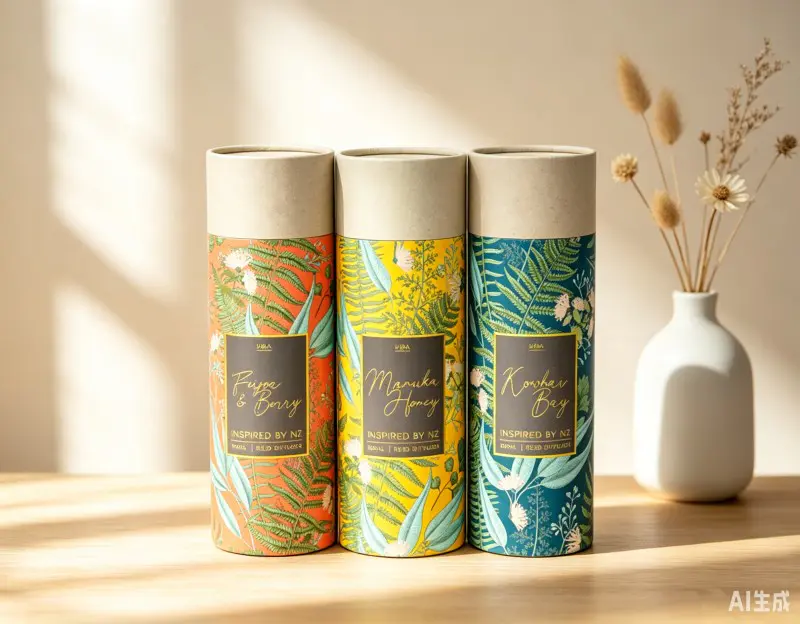
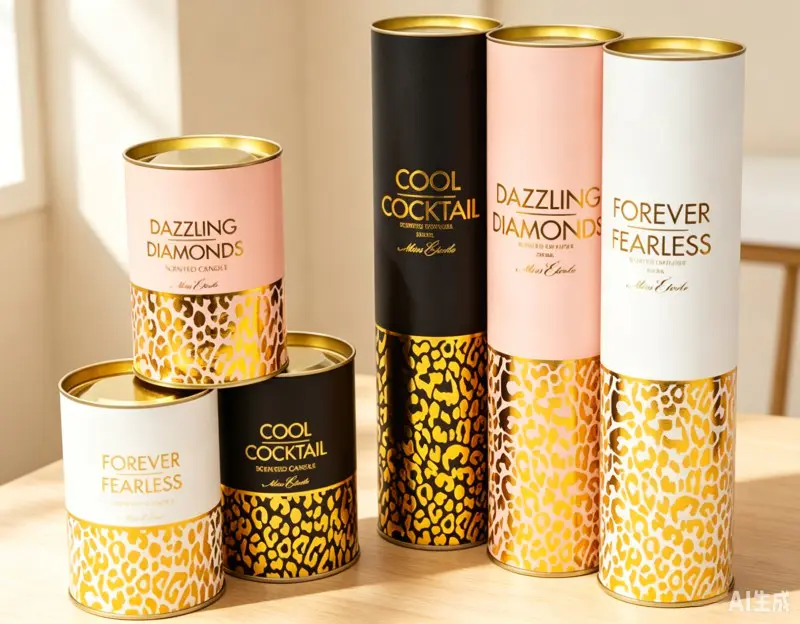
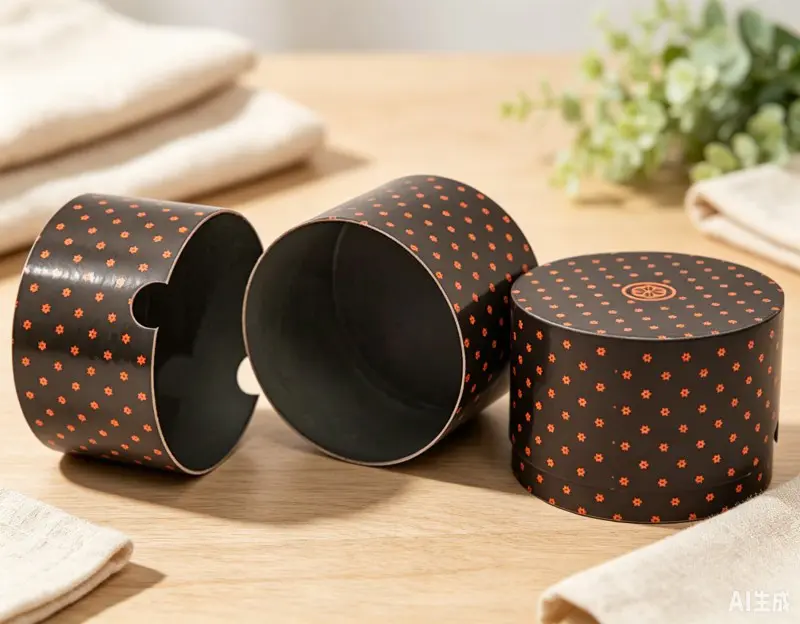
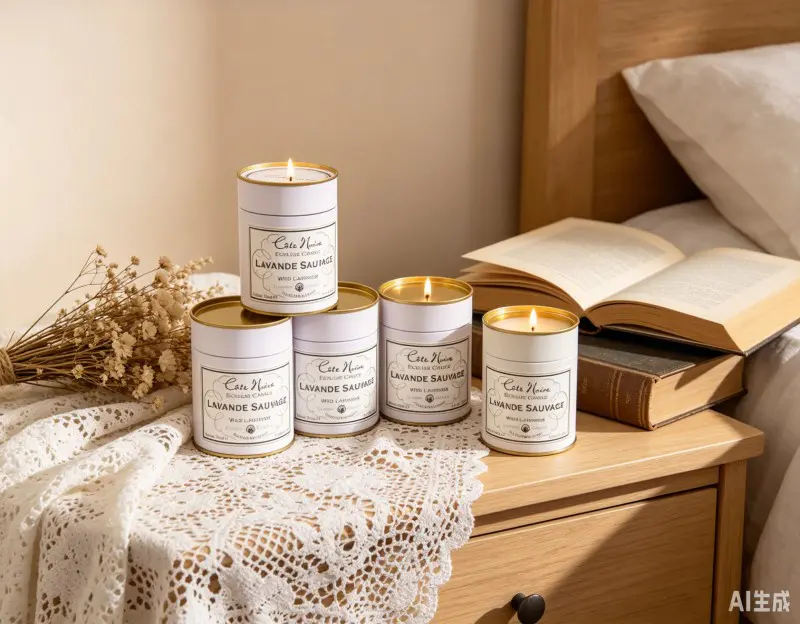

As one of the top China cardboard tube packaging manufacturers and paper tube packaging suppliers, we devote all of our efforts to research and launch more high quality packaging products to global market.
Pet care packaging has become a critical part of how brands communicate quality, safety, freshness, and responsibility. As consumers become more selective about the food, treats, and supplements they purchase for their pets, packaging must do more than simply hold a product. It must protect nutrition, preserve aroma, support shelf visibility, reduce environmental impact, and create a premium unboxing experience. Sustainable premium paper tube packaging for healthy and natural pet treats is designed to meet these evolving expectations with a refined balance of practicality, brand value, and eco-conscious performance.
For pet treat brands, especially those focused on natural ingredients, functional nutrition, grain-free formulas, freeze-dried products, dental chews, training bites, or premium biscuits, packaging plays a direct role in consumer confidence. A pet owner who chooses a healthy treat often wants proof that the product has been handled carefully from production to purchase. A sturdy paper tube canister provides that assurance by offering a solid structure, an attractive cylindrical form, customizable branding space, and reliable product protection.
Unlike ordinary flexible pouches or low-grade cartons, premium paper tube packaging creates an immediate impression of quality. Its smooth round body feels strong in the hand, stands upright on retail shelves, and can be engineered with inner liners, food-grade materials, moisture-resistant barriers, and tight-fitting lids. The result is packaging that supports freshness while aligning with the natural and sustainable values that many pet care brands want to express.
Hangzhou Qunle Packaging Co., Ltd. has developed deep expertise in paper tube packaging and cardboard tube packaging through more than 20 years of experience in the composite can and paper can industry. As a specialist manufacturer and supplier, the company serves food, daily chemical products, fast-moving consumer goods, pet care, coffee and teas, snacks, nutrition, confectionery, cosmetics, gifts, and other premium categories. This broad experience allows the company to apply proven food-grade packaging principles to the growing pet care market.
For healthy and natural pet treats, packaging must perform under multiple conditions. It may need to protect products from moisture, oxygen, odor transfer, light exposure, crushing, contamination, and repeated handling. It must also meet brand expectations for printing accuracy, tactile finish, structural consistency, and cost-effective production. Premium paper tube packaging answers these needs by combining durable paperboard construction with customizable barriers, lids, bases, and surface treatments.
This article explores the advantages of sustainable premium paper tube packaging for pet treats, the manufacturing strengths behind high-quality paper tubes, the ways this format compares with competing packaging options, and the role of advanced production processes in delivering reliable, attractive, and market-ready packaging solutions.
Sustainable Premium Paper Tube Packaging for Healthy & Natural Pet Treats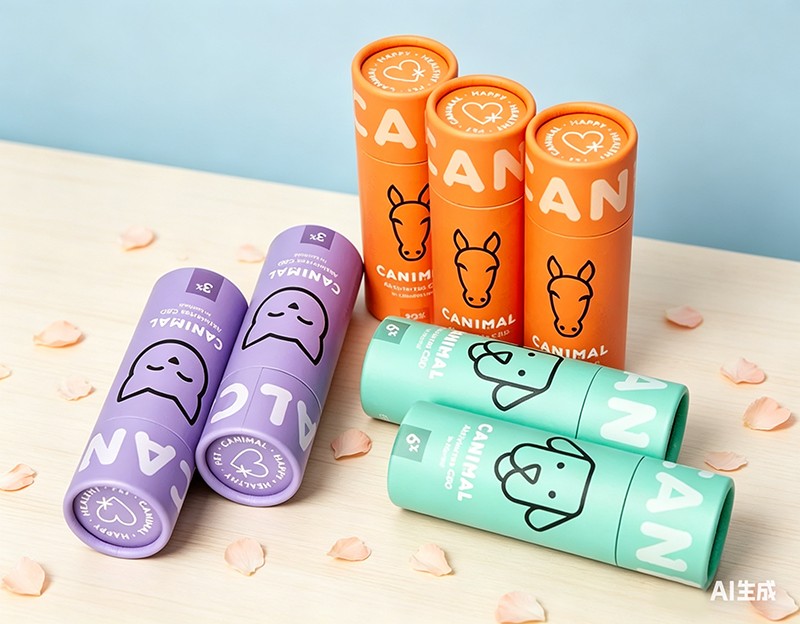
Content
- 1 Why Pet Treat Packaging Matters More Than Ever
- 2 Product Overview: Sustainable Premium Paper Tube Packaging for Pet Treats
- 3 Key Advantages Over Competing Packaging Formats
- 4 How Paper Tube Packaging Supports Healthy and Natural Pet Treats
- 5 Advanced Manufacturing Processes Behind High-Quality Paper Tubes
- 6 Company Strengths That Support Global Pet Care Brands
- 7 Design Possibilities for Pet Treat Brands
- 8 Functional Features and Customization Options
- 9 Airtightness, Freshness, and Product Safety
- 10 Sustainability: Beyond Appearance
- 11 Retail, E-Commerce, and Subscription Box Performance
- 12 Brand Differentiation in a Crowded Pet Care Market
- 13 Comparing Paper Tubes With Common Alternatives
- 14 Manufacturing Quality as a Competitive Advantage
- 15 Practical Development Considerations for Pet Treat Brands
- 16 Q&A: Sustainable Premium Paper Tube Packaging for Pet Treats
- 16.1 What types of pet treats are suitable for paper tube packaging?
- 16.2 Can paper tube packaging be airtight?
- 16.3 Is paper tube packaging safe for pet treats?
- 16.4 How does paper tube packaging compare with plastic jars?
- 16.5 How does paper tube packaging compare with flexible pouches?
- 16.6 Can the paper tube be customized with brand colors and artwork?
- 16.7 Can paper tubes be used for e-commerce pet treat sales?
- 16.8 Are paper tubes recyclable?
- 16.9 What information should be printed on pet treat paper tubes?
- 16.10 Why choose an experienced paper tube manufacturer?
- 17 Conclusion
- 18 References
- 19 Product: Sustainable Premium Paper Tube Packaging for Healthy & Natural Pet Treats
Why Pet Treat Packaging Matters More Than Ever
The pet care industry has changed dramatically in recent years. Pets are increasingly viewed as family members, and pet owners are often willing to pay more for products that promise clean ingredients, traceable sourcing, better nutrition, and responsible production. This shift has created strong demand for packaging that reflects the values of premium pet care: safety, naturalness, freshness, sustainability, and trust.
When shoppers browse a retail shelf or online marketplace, packaging is often the first signal of quality. A soft pouch may be convenient, but it can sometimes look ordinary or mass-market. A thin carton may be recyclable, but it may not provide sufficient protection or premium appeal. A plastic jar may be durable, but it can conflict with sustainability-focused brand messaging. A well-designed paper tube offers a distinctive alternative: it feels substantial, looks elegant, supports high-end branding, and can be designed with renewable paper-based materials.
Pet treats are also sensitive products. Many natural treats contain limited preservatives, oils, meat proteins, fish ingredients, plant-based nutrients, or functional additives such as probiotics and vitamins. These ingredients may be affected by humidity, oxygen, or temperature changes. While not every treat requires the same barrier level, packaging should be selected according to the product’s characteristics. Paper tube packaging can be adapted for different protection requirements through inner film linings, foil layers, food-grade coatings, sealed membranes, and airtight lid systems.
Another important factor is repeat use. Pet owners may open and close a treat container many times over several weeks. A package that is difficult to reseal can lead to product drying, softening, stale odor, or reduced palatability. A tube with a well-fitted lid can provide more convenient storage than a pouch that must be clipped or folded. It also looks tidy in kitchens, pantries, pet feeding stations, grooming salons, veterinary clinics, and boutique pet stores.
For brands, packaging is not only a container but also a communication platform. The cylindrical shape of a paper tube gives 360-degree branding space, allowing room for ingredients, feeding guidance, nutritional claims, certifications, barcodes, QR codes, brand storytelling, sustainability statements, and attractive illustrations. A premium paper tube can help a pet treat stand out from crowded shelves and strengthen brand recognition through distinctive shape and design.
Product Overview: Sustainable Premium Paper Tube Packaging for Pet Treats
Sustainable premium paper tube packaging for healthy and natural pet treats is a cylindrical packaging solution made primarily from paperboard and designed for strength, appearance, and product protection. It can be customized in diameter, height, wall thickness, lid type, base structure, interior lining, printing style, surface finish, and sealing method. This flexibility makes it suitable for a wide range of pet treat formats, including biscuits, jerky strips, freeze-dried bites, soft chews, dental snacks, cat treats, dog training rewards, nutritional toppers, and small pet snacks.
The core body of the tube is typically formed by winding layers of paperboard into a rigid cylindrical structure. Depending on the product’s protection requirements, the inside may include food-grade paper, aluminum foil, PE lining, grease-resistant coating, or other barrier layers. The outside can be printed with high-quality graphics and finished with matte, gloss, soft-touch, embossing, hot stamping, spot UV, or natural kraft effects.
Unlike a simple paper carton, a premium paper tube offers excellent vertical strength and crush resistance because of its cylindrical geometry. The round form distributes pressure evenly, helping protect fragile treats during transportation and storage. This is particularly useful for premium pet biscuits, freeze-dried treats, and delicate snacks that should arrive intact to preserve consumer satisfaction.
The packaging may be designed with different closure systems. Options can include paper lids, metal lids, plastic lids, composite lids, easy-open membranes, aluminum foil seals, or reusable caps. For brands that prioritize environmental responsibility, paper-based or recyclable components can be selected where suitable. For products requiring higher airtightness, a barrier liner and tight closure can help reduce exposure to moisture and oxygen.
The overall result is a packaging format that supports both function and emotion. It protects the product while creating a premium impression that fits the healthy and natural positioning of many pet treat brands. It is also highly adaptable for private label projects, seasonal pet gift sets, subscription boxes, veterinary product lines, boutique pet retail, and e-commerce packaging.
Key Advantages Over Competing Packaging Formats
Pet treat brands have many packaging choices, including plastic jars, flexible pouches, folding cartons, tin boxes, glass containers, and conventional composite cans. Each option has advantages, but sustainable paper tube packaging offers a distinctive combination of benefits that make it especially attractive for premium, natural, and eco-conscious pet care products.
Premium Shelf Presence
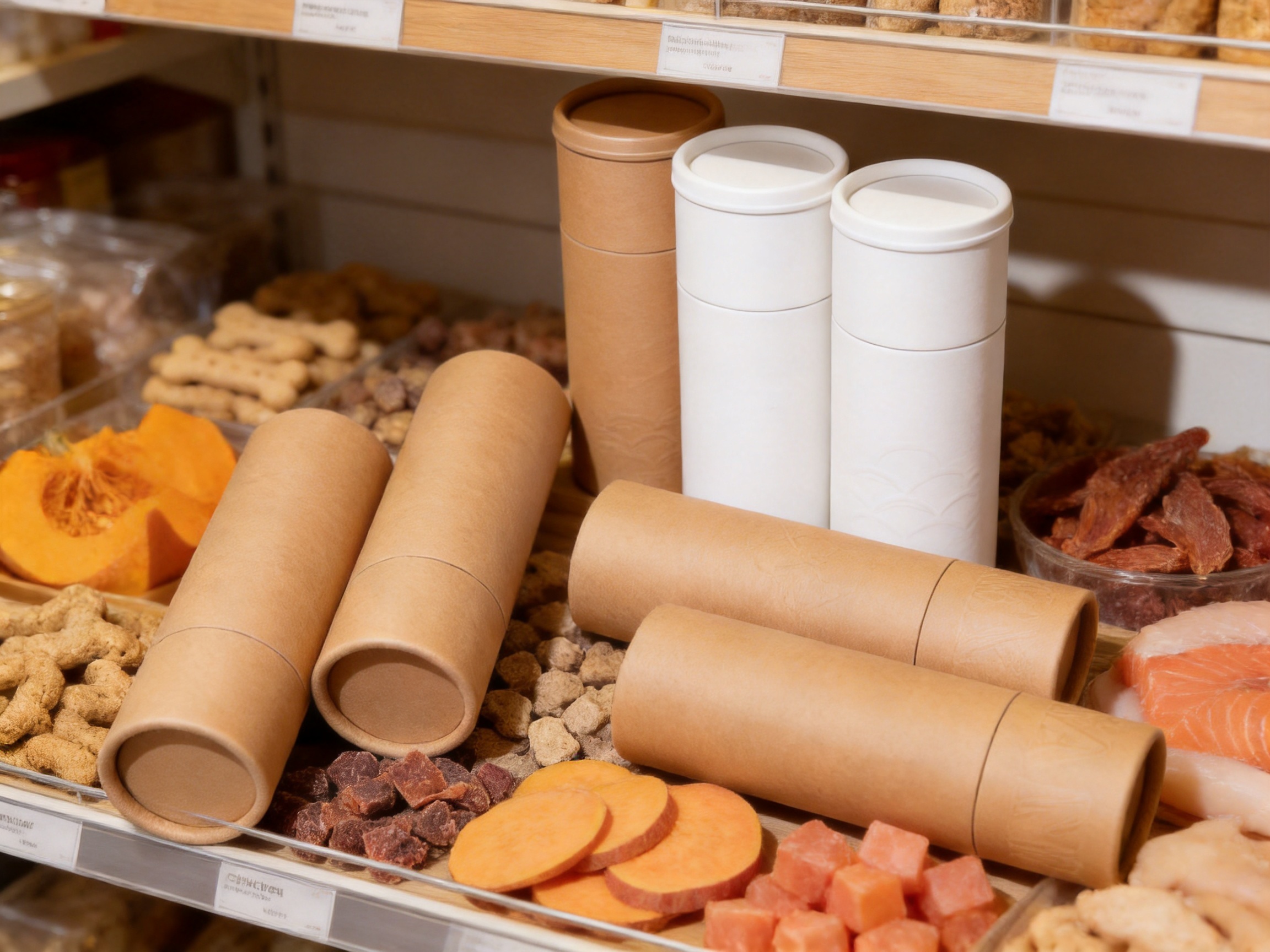
A paper tube has a strong visual presence. Its upright round shape naturally attracts attention among flat pouches and rectangular cartons. The cylindrical form encourages consumers to pick it up, turn it, and interact with the full 360-degree printed surface. This tactile engagement can increase perceived value and help brands communicate a more thoughtful identity.
Compared with a flexible pouch, a paper tube feels more rigid and giftable. This matters for premium pet treats, where owners may be buying not only a snack but also an expression of care. A sturdy canister can make everyday treats feel special, which can support higher price positioning and stronger brand loyalty.
Improved Product Protection
Many pet treats are vulnerable to breakage. Biscuits can crumble, freeze-dried pieces can shatter, and delicate baked products can lose their shape when compressed. A rigid paper tube provides better structural protection than most flexible packaging. Its wall thickness can be customized to match product weight and distribution requirements.
The cylindrical structure is also useful during stacking and shipping. While pouches may deform under pressure, tubes retain their shape better and can help reduce product damage. This advantage is valuable for e-commerce sales, where packages may experience multiple handling steps before reaching the consumer.
Customizable Freshness Performance
Freshness requirements vary widely across pet treat categories. Dry biscuits may need moderate moisture protection, while meat-based treats or aromatic snacks may require better oxygen and odor control. Paper tube packaging can be engineered with different lining and sealing options to match the product’s needs.
For example, an inner foil layer can improve barrier performance, while a sealed membrane can provide tamper evidence and freshness assurance. A reusable lid can help maintain quality after opening. This modular approach allows brands to avoid over-packaging while still protecting product integrity.
Stronger Sustainability Message
Consumers are increasingly aware of packaging waste. Many pet owners who choose natural or healthy treats also prefer packaging with reduced plastic content and renewable material appeal. Paper tube packaging supports this message by using paperboard as the main structural material. Depending on design choices, the tube can incorporate recycled paper content, responsibly sourced paper, reduced plastic components, and recyclable or separable parts.
Compared with rigid plastic jars, paper tubes can help brands present a more environmentally responsible identity. While actual recyclability depends on local recycling systems and material combinations, the paper-based appearance and reduced reliance on petroleum-based rigid plastics can be an important advantage in consumer perception and brand storytelling.
Better Branding Flexibility
Premium paper tubes provide excellent design flexibility. Brands can choose natural kraft for an organic look, bright color printing for playful pet products, minimalist white designs for veterinary-grade treats, metallic stamping for luxury pet gifts, or soft-touch finishes for a refined sensory experience. The package can be adapted to dog, cat, puppy, senior pet, dental care, training, or functional nutrition segments.
Compared with stock jars or generic pouches, a custom paper tube allows more precise alignment between packaging and brand identity. This is especially useful for emerging pet care brands that need memorable packaging to compete with established names.
Convenient Storage and Reuse
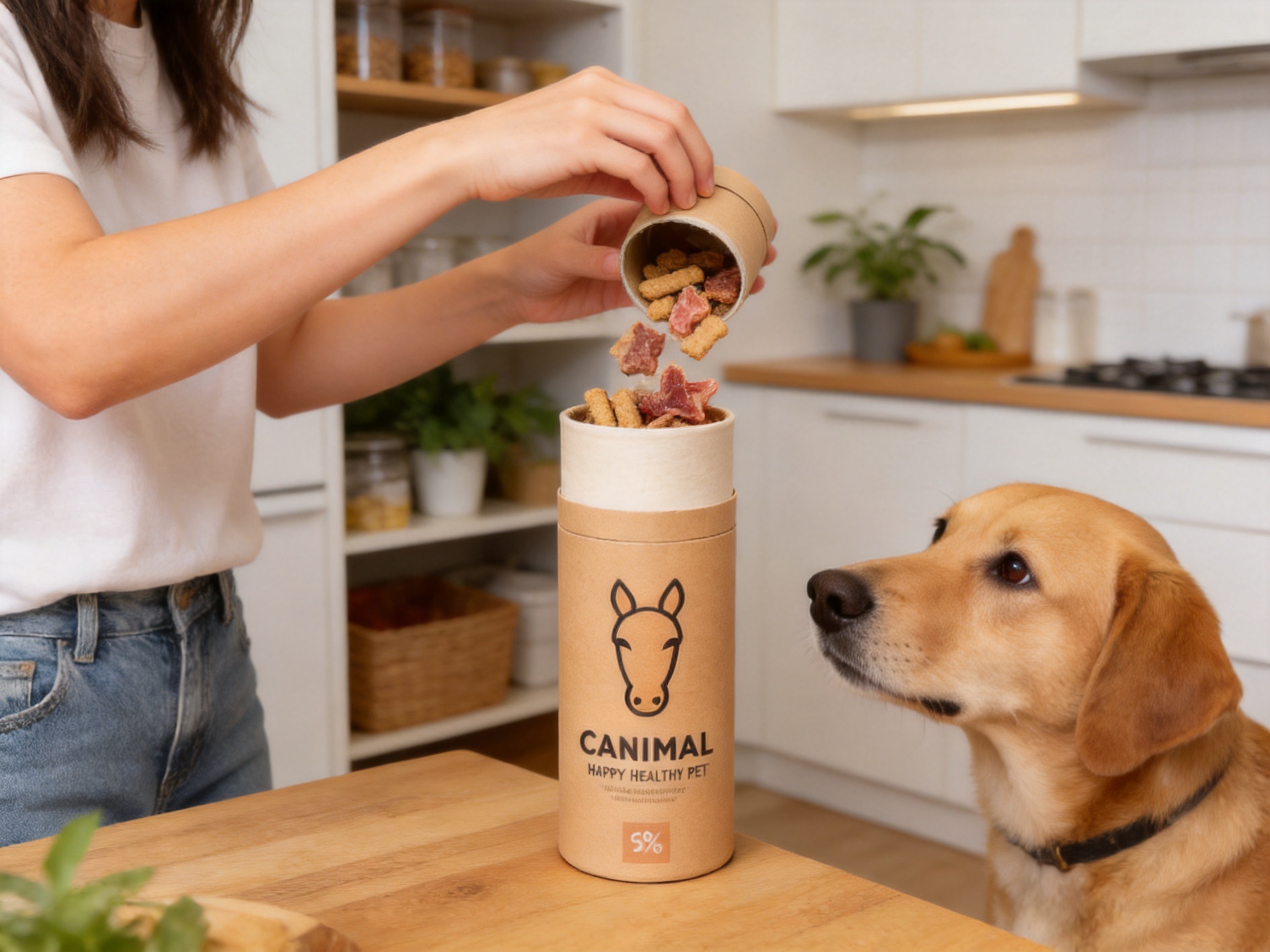
Pet owners appreciate packaging that is easy to store and use. A paper tube stands neatly on shelves, counters, and cabinets. It can be opened and closed easily, and its rigid body prevents the product from spilling or being crushed. After the treats are consumed, many consumers may reuse the tube for small pet accessories, waste bags, grooming items, toys, or household storage.
This reuse potential adds emotional value and extends brand exposure. A well-designed tube may remain in the home long after the original product is gone, keeping the brand visible and memorable.
How Paper Tube Packaging Supports Healthy and Natural Pet Treats
Healthy and natural pet treats often depend on ingredient quality and careful processing. Packaging should reinforce these values rather than contradict them. A natural-looking, paper-based tube communicates simplicity, responsibility, and care. It pairs well with product claims such as limited ingredients, no artificial colors, grain-free, plant-based, responsibly sourced protein, baked in small batches, air-dried, freeze-dried, or functional nutrition.
The package can also be used to educate consumers. Because a paper tube offers generous surface area, brands can clearly explain the purpose of the treat, feeding amounts, ingredient origins, benefits, certifications, storage instructions, and sustainability features. Clear communication is essential in pet care, where customers want to understand what they are giving to their animals.
For functional treats, such as those supporting digestion, skin and coat health, joint care, dental hygiene, calming, or immune support, packaging must present information in a credible and organized way. A cylindrical tube can separate key messages into panels: front branding, side ingredient story, back nutrition facts, and top or bottom batch information. This improves readability and consumer trust.
Natural pet treats also often have strong aromas. A carefully designed tube with appropriate inner lining and closure can help limit odor transfer and protect aroma freshness. This matters for products containing salmon, chicken, beef liver, cheese, peanut butter, pumpkin, herbs, or other aromatic ingredients. Maintaining the intended smell and texture helps preserve pet acceptance and owner satisfaction.
Additionally, the premium appearance of paper tube packaging can support gifting and seasonal promotions. Pet owners frequently buy holiday treats, birthday snacks, adoption gifts, and subscription boxes. A tube feels more gift-ready than many standard packages and can be decorated for seasonal themes without changing the basic structure.
Advanced Manufacturing Processes Behind High-Quality Paper Tubes
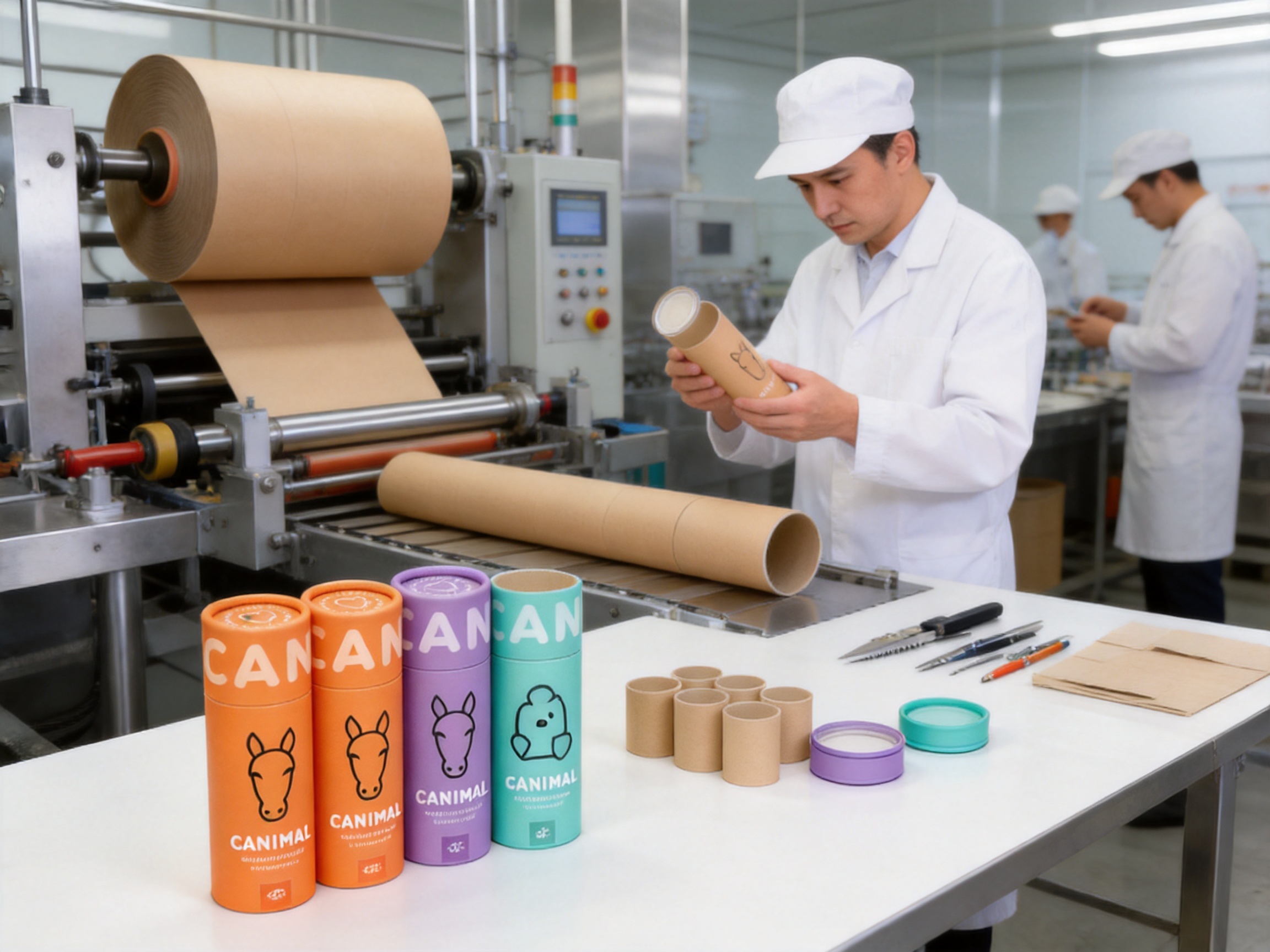
The quality of premium paper tube packaging depends heavily on manufacturing expertise. A successful paper tube must have consistent dimensions, smooth surfaces, strong seams, accurate printing, reliable lining, clean cutting, proper lid fitting, and stable performance during filling and distribution. These outcomes require advanced production equipment, skilled process control, and experience with diverse packaging categories.
Hangzhou Qunle Packaging Co., Ltd. has been engaged in the composite can and paper can industry for more than two decades. This long history provides a foundation for manufacturing dependable paper tube packaging for pet care and other consumer goods. The company’s experience covers packaging for food, daily chemical products, fast-moving consumer goods, coffee and teas, snacks, nutritional products, confectionery, cosmetics, candles, gifts, and pet care. Such cross-category knowledge is valuable because pet treat packaging often requires both food-grade safety awareness and premium retail presentation.
Material Selection and Paperboard Preparation
The process begins with selecting appropriate paperboard and lining materials. Paperboard must have the right strength, stiffness, thickness, and winding performance. For pet treats, food-contact considerations may apply depending on whether the product is in direct contact with the tube interior or packed in an inner bag. If direct contact is required, food-grade materials and suitable barrier layers must be used.
Material selection also influences sustainability. Brands may request recycled paperboard, kraft paper, responsibly sourced paper, reduced-plastic structures, or specific finishes. The manufacturer must balance environmental goals with product protection, machinability, visual quality, and cost. A tube that looks sustainable but fails during shipping is not truly responsible; durability and reduced product waste are also part of sustainable packaging performance.
Tube Winding and Forming
Paper tube bodies are created by winding layers of paperboard around a mandrel. Adhesive is applied between layers, and the tube is formed into a precise cylindrical shape. Wall thickness can be adjusted by changing the number and type of layers. Strong winding quality is essential because it determines the tube’s rigidity, compression resistance, and dimensional consistency.
Advanced winding equipment helps ensure stable tube diameter, smooth roundness, and strong bonding. For premium pet treat packaging, consistency is especially important because lids, bases, membranes, and automated filling equipment may require tight tolerances. Poorly formed tubes can lead to loose lids, uneven seams, printing misalignment, or filling problems.
Cutting, Edge Treatment, and Structural Assembly
After forming, tubes are cut to the required height. Clean cutting is important for both appearance and function. Rough edges can affect lid fit, sealing quality, and consumer perception. Premium packaging requires smooth edges and accurate height control across large production runs.
The base and lid systems are then selected and assembled according to the product design. Options may include rolled edges, inserted bottoms, composite bases, easy-open ends, paper lids, metal lids, or plastic caps. The structure can be optimized for strength, opening convenience, sealing performance, and sustainability goals.
Printing and Surface Finishing
Printing is one of the most important stages for brand impact. High-quality paper tube packaging may use offset printing, flexographic printing, digital proofing, lamination, varnishing, hot stamping, embossing, debossing, spot UV, matte coating, gloss coating, or soft-touch effects. The right combination depends on the brand’s identity and budget.
For natural pet treats, popular design directions include kraft textures, earth-tone palettes, botanical illustrations, playful pet graphics, clean typography, and transparent ingredient communication. Premium products may use metallic accents, embossed logos, or minimalist layouts. The manufacturer’s ability to deliver accurate color reproduction and consistent finishing across batches is essential for brand recognition.
Barrier Lining and Sealing Options
Barrier performance must be matched to the pet treat’s needs. Paper itself is breathable, so products sensitive to moisture or oxygen may require additional protection. Linings can help improve resistance to humidity, grease, aroma loss, and oxygen exposure. Foil-based or film-based liners may be used where stronger protection is needed.
Sealing options can include inner membranes, peel-off seals, easy-open ends, or overcaps. These features can provide tamper evidence and help consumers feel confident that the product has not been opened before purchase. For premium pet treats, tamper evidence is an important trust signal, particularly in food-related categories.
Quality Control and Testing
Quality control should cover appearance, dimensions, strength, adhesion, printing accuracy, lid fit, sealing performance, cleanliness, and packaging safety. For food and pet treat packaging, hygiene and material control are especially important. A reputable manufacturer must ensure that production processes are stable and that every batch meets agreed specifications.
Hangzhou Qunle Packaging has obtained more than 10 patented technologies and has a long-standing commitment to packaging innovation. The company was also the first enterprise in China to pass the QS certificate for producing food packaging containers, demonstrating early leadership in food packaging compliance and process development. This background supports its ability to manufacture paper tube packaging for products that require reliable quality and safety awareness.
Company Strengths That Support Global Pet Care Brands
Choosing packaging is also choosing a manufacturing partner. Pet treat brands need suppliers that can provide consistent quality, technical advice, customization, production capacity, and export support. A package may look simple, but behind a successful launch are many details: dimensions, materials, artwork, sampling, testing, production lead time, shipment, filling compatibility, and final consumer use.
Hangzhou Qunle Packaging Co., Ltd. is one of China’s experienced paper tube packaging manufacturers and cardboard tube packaging suppliers. With more than 20 years in the composite can and paper can industry, the company has built practical knowledge across multiple product categories. It is the only member of the international Composite Can and Tube Institute in China’s packaging container industry, a distinction that reflects its professional position in the field.
The company’s long-term partnerships with recognized companies and brands, including COFCO, STANDERS, DAVIDsTEA, Avalanche Coffee, Whittaker’s, McSteven’s, Nongfu Spring, and Beingmate, show its ability to meet diverse packaging requirements. Experience with coffee, tea, confectionery, nutritional products, and food-related packaging is particularly relevant to pet treats because these products share similar concerns: freshness, aroma, appearance, safety, and shelf performance.
In 2015, the company introduced a high-speed composite can production line from Europe. This investment strengthened its production capability and reinforced its role in the composite can and paper can industry. Advanced equipment can improve efficiency, consistency, and capacity, helping brands handle both trial orders and larger-scale market expansion.
Another key strength is innovation. With more than 10 patented technologies, the company is committed to researching and launching high-quality packaging products for global markets. Innovation is important in pet care because brands increasingly seek packaging that is more sustainable, more functional, more visually distinctive, and better suited to e-commerce.
For overseas customers, communication and customization are essential. Paper tube packaging must be developed according to product size, fill weight, shelf life expectations, filling process, branding goals, target market regulations, and logistics requirements. An experienced supplier can help brands avoid common mistakes, such as choosing insufficient wall thickness, incompatible lids, weak barrier structures, or surface finishes that do not match retail conditions.
Design Possibilities for Pet Treat Brands
One of the most compelling advantages of paper tube packaging is its creative flexibility. Pet care brands can use the tube format to create packaging that feels friendly, premium, natural, scientific, playful, or luxurious. Because pet treat buyers often respond emotionally to packaging, design choices can significantly influence purchase decisions.
Natural Kraft Style
Kraft paper finishes are popular for healthy and natural pet treats. The brown paper texture communicates simplicity, earthiness, and reduced processing. It pairs well with illustrations of ingredients such as chicken, pumpkin, blueberries, salmon, sweet potato, oats, herbs, or vegetables. A kraft tube can also support sustainability messaging without feeling overly polished or artificial.
Clean White Premium Style
A white paper tube with minimalist typography can be ideal for veterinary-inspired treats, functional supplements, dental snacks, or sensitive-stomach formulas. This style communicates cleanliness, precision, and trust. It can be enhanced with subtle embossing, matte lamination, or color-coded product lines for different pet needs.
Playful Illustrated Style
For mainstream pet snacks, playful graphics can create strong shelf appeal. Cartoon dogs, cats, paw prints, bones, fish, toys, or bright color blocks can help consumers quickly identify the product as pet-friendly. The round tube shape makes the design feel interactive and fun.
Luxury Gift Style
Premium pet gifting is a growing niche. A tube with hot stamping, textured paper, ribbon-style graphics, metallic accents, or seasonal artwork can make treats suitable for holidays, birthdays, adoption anniversaries, and pet subscription boxes. The rigid structure makes the product feel gift-ready without requiring additional packaging.
Window and Visibility Options
Some brands want consumers to see the treats inside. A tube with a window can display product texture and color, which may increase trust. However, window materials should be carefully selected to maintain product protection and sustainability goals. For light-sensitive products, a full window may not be recommended. An experienced manufacturer can help evaluate the trade-offs.
Functional Features and Customization Options
Premium paper tube packaging can be customized across many functional areas. This allows brands to develop packaging that is not only attractive but also practical for production, retail, and consumer use.
| Feature | Customization Options | Benefit for Pet Treats |
|---|---|---|
| Tube Size | Custom diameter, height, and fill volume | Fits biscuits, chews, freeze-dried bites, toppers, and training treats |
| Wall Thickness | Multiple paperboard layers and strength grades | Improves crush resistance during shipping and storage |
| Inner Lining | Food-grade paper, foil, film, or grease-resistant layers | Helps protect freshness, aroma, and product quality |
| Closure | Paper lid, metal lid, plastic cap, membrane seal, easy-open end | Supports resealing, tamper evidence, and freshness control |
| Outer Finish | Kraft, matte, gloss, soft-touch, embossing, hot stamping, spot UV | Creates premium shelf appeal and brand differentiation |
| Printing | Full-color artwork, minimalist design, seasonal graphics, private label | Communicates ingredients, benefits, feeding guidance, and brand story |
| Sustainability | Paper-based structure, reduced plastic options, recyclable components where applicable | Aligns with natural pet care values and eco-conscious consumers |
The ability to customize these features gives pet treat brands a strategic advantage. Instead of forcing a product into a generic package, the package can be engineered around product performance and brand identity. This is especially important for brands that sell multiple SKUs, such as puppy treats, adult dog treats, senior pet supplements, cat snacks, dental sticks, and limited-edition flavors.
Airtightness, Freshness, and Product Safety
Freshness is a major concern in pet treat packaging. While some products are shelf-stable and dry, others may contain oils, proteins, or natural ingredients that require better protection. Airtight paper canister structures can help reduce exposure to external air when properly designed with suitable liners and closures.
Airtightness is not a single feature but a system. It depends on the tube body, inner lining, bottom structure, top closure, membrane seal, lid fit, and filling process. For products that require strong protection before opening, a sealed membrane or easy-open end can be used. After opening, a reusable lid helps consumers keep the remaining treats fresher.
Moisture protection is especially important for crunchy treats. If biscuits absorb moisture, they can become soft and less appealing. If freeze-dried treats absorb moisture, they may lose texture and quality. For soft chews, excessive drying may be a concern. The correct barrier structure should be selected according to the product’s water activity, fat content, aroma profile, and shelf life goals.
Odor control is another important factor. Pet treats often have strong aromas that appeal to animals but may be undesirable if they escape into a pantry or retail environment. A properly sealed paper tube with an appropriate liner can help contain aroma and reduce odor transfer.
Product safety also includes cleanliness and tamper evidence. Consumers want to know that the package has not been opened or contaminated. A membrane seal provides a visible first-opening experience and can strengthen trust. Clear storage instructions printed on the tube can further help consumers maintain product quality after purchase.
For brands selling in multiple markets, packaging materials should be evaluated according to applicable food-contact and pet product packaging requirements. Although requirements vary by region and product type, working with an experienced manufacturer helps brands discuss material suitability, documentation needs, and quality expectations early in the development process.
Sustainability: Beyond Appearance
Sustainability in packaging should be understood as more than a natural look. A truly responsible package must consider material sourcing, manufacturing efficiency, product protection, transportation, recyclability, reuse, and waste reduction. Paper tube packaging can contribute positively in several of these areas when designed carefully.
First, paperboard is renewable when sourced responsibly. Compared with rigid plastic containers, a paper-based structure can reduce reliance on petroleum-based materials. This supports the sustainability message of natural pet treat brands and can appeal to consumers who actively seek alternatives to plastic packaging.
Second, strong packaging can reduce product waste. If treats break, spoil, or lose freshness before consumption, the environmental cost of wasted ingredients, manufacturing, shipping, and disposal may exceed the benefit of lightweight packaging. A rigid tube helps protect the product and may reduce returns, complaints, and discarded damaged goods.
Third, paper tubes may encourage reuse. Consumers often keep attractive rigid tubes for storage. In pet care households, they may be reused for leashes, grooming tools, small toys, pet waste bags, training clickers, or refill treats. Reuse extends the functional life of the package and keeps the brand visible.
Fourth, material choices can be optimized. Some products may require high-barrier liners, while others may not. By matching protection level to actual product needs, brands can avoid unnecessary material complexity. A professional packaging supplier can help identify the right balance between sustainability and performance.
However, brands should communicate sustainability claims accurately. If a package contains multiple materials, recyclability may depend on local systems and whether components can be separated. Responsible messaging should avoid vague or exaggerated claims and instead explain concrete features such as paper-based structure, reusable canister, reduced plastic compared with rigid plastic jars, or recyclable components where accepted.
Retail, E-Commerce, and Subscription Box Performance
Pet treats are sold through many channels, including supermarkets, pet specialty stores, veterinary clinics, grooming salons, boutique retailers, online marketplaces, direct-to-consumer websites, and subscription boxes. Packaging must perform across these environments.
In retail stores, shelf impact is essential. A paper tube stands upright and creates a clean vertical display. Multiple flavors can be arranged in color-coded rows, making the product line easy to browse. The round shape also creates a premium contrast against pouches and boxes. Retail staff may appreciate packaging that is easy to stack, face, and organize.
In e-commerce, durability matters. Packages may be shipped individually or with other products. A rigid paper tube can help protect treats from compression, especially when combined with appropriate shipping cartons. Its attractive appearance also improves the unboxing experience, which is important for social media sharing and repeat purchases.
Subscription boxes often rely on surprise and presentation. A paper tube feels special when customers open a box of curated pet products. It can be designed for limited editions, seasonal flavors, or co-branded promotions. Because the tube is compact and visually distinctive, it can become a highlight item inside the subscription experience.
Veterinary and wellness channels may prefer clean, credible packaging. A paper tube can be designed with scientific clarity, dosage instructions, and professional visual language. For functional treats and supplements, this can help communicate trust and seriousness without losing consumer appeal.
Brand Differentiation in a Crowded Pet Care Market
The pet treat market is highly competitive. Many products claim to be natural, healthy, grain-free, high-protein, or functional. Packaging is one of the most effective ways to make these claims visible and believable. A premium paper tube helps differentiate a product in several ways.
First, it creates a recognizable silhouette. Consumers may remember the round canister even if they do not remember every detail of the label. Shape recognition is powerful in retail branding, especially when many competitors use similar pouch formats.
Second, it supports storytelling. The surface area allows brands to explain why their treats are different: ingredient sourcing, cooking method, nutrition philosophy, pet wellness benefits, sustainability efforts, or founder story. For natural brands, storytelling can convert casual shoppers into loyal customers.
Third, it increases perceived value. Consumers often associate rigid packaging with higher quality. This can help brands justify premium pricing, especially when the treats themselves are made from better ingredients or specialized processes.
Fourth, it improves gifting potential. A product that looks giftable can enter more purchase occasions. Pet owners may buy it for friends, holidays, new puppy celebrations, rescue adoption gifts, or pet birthdays. Packaging can expand the emotional reasons to buy.
Finally, it aligns with lifestyle aesthetics. Many modern consumers care about how products look in their homes. A beautiful paper tube can sit on a kitchen counter or shelf without looking messy. This matters because pet treats are often used daily and remain visible in living spaces.
Comparing Paper Tubes With Common Alternatives
To understand the value of sustainable premium paper tube packaging, it is helpful to compare it with common alternatives. Flexible pouches are lightweight and cost-effective, but they may not protect fragile treats as well and can be difficult to display neatly after opening. Plastic jars are durable and resealable, but they may conflict with sustainability goals and can look generic. Folding cartons are paper-based and printable, but they may require inner bags and may not provide the same premium rigidity. Tin boxes are durable and reusable, but they can be more expensive and heavier. Glass jars feel premium but are heavy, breakable, and less practical for pet care distribution.
Paper tubes occupy a strong middle position. They provide more structure and premium appeal than pouches and cartons, while offering a more sustainable image than plastic jars. They are lighter and less fragile than glass and can be more cost-effective and customizable than metal tins. This balance makes them especially suitable for brands seeking quality, differentiation, and environmental responsibility.
Of course, the best packaging always depends on the product. A very high-moisture product may need a different system. A low-cost mass-market treat may prioritize the lowest possible packaging cost. But for healthy, natural, and premium pet treats, paper tubes offer a compelling combination of performance and branding advantages.
Manufacturing Quality as a Competitive Advantage
In packaging, small details can have large consequences. A lid that fits poorly can reduce freshness. A weak seam can fail during transport. Inconsistent color can weaken brand identity. Rough edges can make a premium product feel cheap. For this reason, manufacturing quality is not merely technical; it is a competitive advantage.
Hangzhou Qunle Packaging’s long experience helps address these details. More than 20 years in the industry means familiarity with material behavior, production tolerances, printing challenges, and customer requirements. The company’s advanced production line from Europe supports efficient and consistent manufacturing. Its patented technologies and continuous research efforts help it develop packaging products that meet changing market needs.
For pet treat brands, this manufacturing strength can reduce development risk. A supplier with broad category experience can guide brands through structural decisions, recommend suitable materials, create samples, support artwork adaptation, and help prepare packaging for production. This is particularly valuable for new brands that may not yet have deep packaging expertise.
Reliable manufacturing also supports scalability. A brand may begin with a small launch and later expand to multiple flavors, sizes, or markets. Packaging consistency across scale is essential. Consumers expect the same lid fit, color, finish, and quality every time they purchase. A stable supplier helps protect brand reputation as sales grow.
Practical Development Considerations for Pet Treat Brands
When developing paper tube packaging for pet treats, brands should begin by defining product requirements. Key questions include: What is the treat format? What is the fill weight? Is the product fragile? Does it contain oils or strong aromas? What shelf life is required? Will the product have direct contact with the tube interior? Does it need a sealed membrane? How will it be filled? Will it be sold mainly online or in stores?
Next, brands should define positioning. Is the product premium, natural, playful, veterinary, luxury, or value-focused? Packaging materials, printing, and finishes should support this positioning. A kraft tube may fit an organic biscuit, while a high-gloss colorful tube may fit a fun training treat. A minimalist white tube may suit functional soft chews.
Brands should also consider regulatory and labeling needs. Pet treat packaging may need ingredient lists, guaranteed analysis, feeding instructions, net weight, manufacturer information, batch codes, expiration dates, barcodes, country-of-origin statements, and certification marks. The tube design should allocate enough space for required information without becoming crowded.
Filling and logistics should be discussed early. Some tubes may be filled manually, while others need to run on automated or semi-automated filling lines. Lid type, opening size, and sealing method should be compatible with the production process. Shipping cartons should be designed to prevent movement and protect tubes from abrasion.
Finally, brands should request samples and test them with real products. Packaging should be evaluated for appearance, fit, opening experience, aroma control, moisture performance, stackability, shipping durability, and consumer usability. Testing helps confirm that the final package supports both brand goals and product performance.
Q&A: Sustainable Premium Paper Tube Packaging for Pet Treats
What types of pet treats are suitable for paper tube packaging?
Paper tube packaging is suitable for many dry and semi-dry pet treats, including dog biscuits, cat treats, training bites, freeze-dried snacks, dental treats, soft chews, jerky-style products, nutritional toppers, and seasonal pet gift snacks. The exact structure should be selected according to the product’s moisture, oil content, aroma, fragility, and shelf life requirements.
Can paper tube packaging be airtight?
Yes, paper tube packaging can be designed with airtight or improved barrier features when suitable liners, sealed membranes, and tight-fitting closures are used. Airtightness depends on the complete package system, including the tube body, base, inner lining, top seal, and lid. For products requiring strong freshness protection, brands should discuss barrier and sealing requirements during development.
Is paper tube packaging safe for pet treats?
Paper tube packaging can be made suitable for pet treats when appropriate food-grade or product-compatible materials are used. If the treats have direct contact with the package interior, the inner lining must be selected carefully. If the treats are packed in an inner bag, the outer tube mainly provides protection and branding. Quality control and material selection are essential.
How does paper tube packaging compare with plastic jars?
Plastic jars are durable and resealable, but they may not support sustainability-focused branding as effectively. Paper tubes offer a paper-based structure, premium appearance, strong branding space, and a natural image. They can be a better fit for healthy and natural pet treats that want to reduce dependence on rigid plastic packaging.
How does paper tube packaging compare with flexible pouches?
Flexible pouches are lightweight and economical, but they may provide less crush protection and a less premium shelf presence. Paper tubes are more rigid, easier to display upright, and often more giftable. They are especially useful for fragile, premium, or high-value treats where appearance and protection matter.
Can the paper tube be customized with brand colors and artwork?
Yes. Paper tubes can be customized with full-color printing, kraft paper effects, matte or gloss finishes, embossing, hot stamping, spot UV, soft-touch coatings, and seasonal designs. The cylindrical surface provides strong 360-degree branding space for logos, ingredients, feeding instructions, sustainability messages, and product stories.
Can paper tubes be used for e-commerce pet treat sales?
Yes. Rigid paper tubes can perform well in e-commerce because they help protect treats from compression and improve the unboxing experience. Brands should still use suitable shipping cartons and test packaging under realistic distribution conditions to ensure the treats and tubes arrive in good condition.
Are paper tubes recyclable?
Recyclability depends on the materials used and local recycling systems. Paper-based tubes with fewer mixed materials are generally easier to communicate as sustainable, but barrier linings, metal ends, plastic lids, or foil layers may affect recycling. Brands should choose structures that balance product protection with end-of-life considerations and make accurate claims.
What information should be printed on pet treat paper tubes?
Common information includes product name, flavor, pet type, key benefits, ingredient list, guaranteed analysis if required, feeding guidelines, storage instructions, net weight, batch code area, expiration date area, barcode, manufacturer information, and certifications. The tube’s 360-degree surface makes it easier to organize this information clearly.
Why choose an experienced paper tube manufacturer?
An experienced manufacturer can help with material selection, structural design, barrier options, printing quality, lid fit, sampling, production consistency, and quality control. For pet treat brands, this reduces development risk and helps ensure that packaging supports freshness, safety, shelf appeal, and brand positioning.
Conclusion
Sustainable premium paper tube packaging offers a strong solution for healthy and natural pet treats. It combines product protection, shelf appeal, branding flexibility, resealable convenience, and a sustainability-oriented image. For pet care brands seeking to stand out in a competitive market, the paper tube format provides a premium alternative to common pouches, plastic jars, and cartons.
Its advantages are especially clear for products that need better crush resistance, attractive retail display, clear ingredient communication, giftable presentation, and a natural brand identity. With appropriate liners and closures, paper tubes can also support freshness and aroma protection for many pet treat categories.
The quality of the final package depends on the manufacturer’s expertise. Hangzhou Qunle Packaging Co., Ltd. brings more than 20 years of experience in composite can and paper can manufacturing, advanced production capabilities, patented technologies, and a record of serving well-known brands across food and consumer goods markets. These strengths support the development of reliable, customized cardboard tube packaging and paper tube packaging for pet care products.
As pet owners continue to demand healthier products and more responsible packaging, sustainable paper tube canisters are well positioned to become an important packaging choice for premium pet treats. They help brands protect what is inside while communicating care, quality, and environmental awareness on the outside.
References
1. Robertson, G. L. Food Packaging: Principles and Practice. CRC Press.
2. Coles, R., McDowell, D., and Kirwan, M. J. Food Packaging Technology. Blackwell Publishing.
3. Marsh, K., and Bugusu, B. Food Packaging: Roles, Materials, and Environmental Issues. Journal of Food Science.
4. Soroka, W. Fundamentals of Packaging Technology. Institute of Packaging Professionals.
5. Yam, K. L. The Wiley Encyclopedia of Packaging Technology. Wiley.
6. International Safe Transit Association. Packaged-Products for Parcel Delivery System Shipment: Testing and Evaluation Principles.
7. Composite Can and Tube Institute. Industry Guidance on Composite Can Structures and Performance Considerations.
