 English
 Español
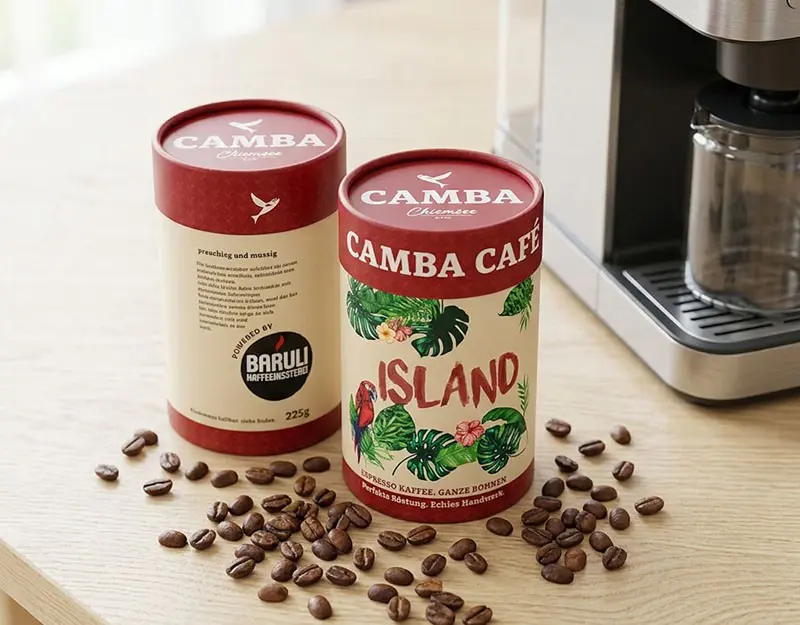
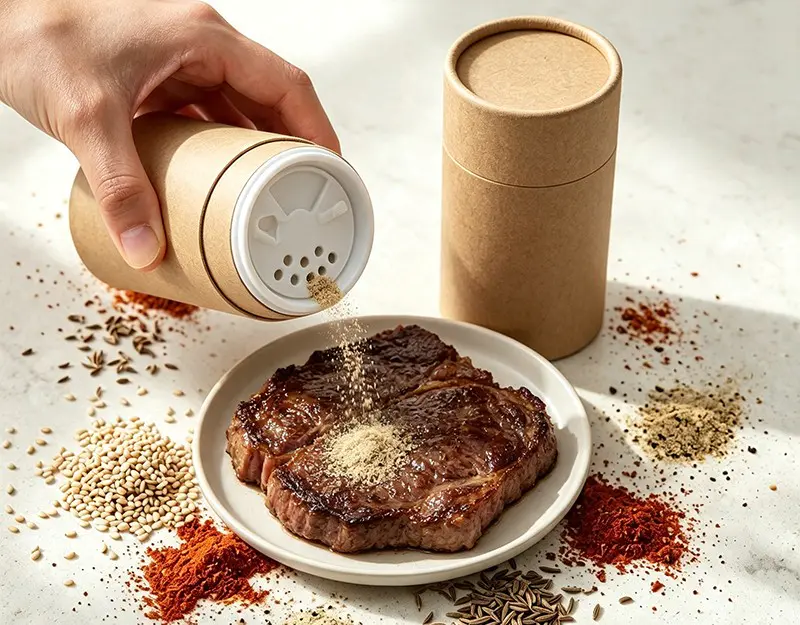
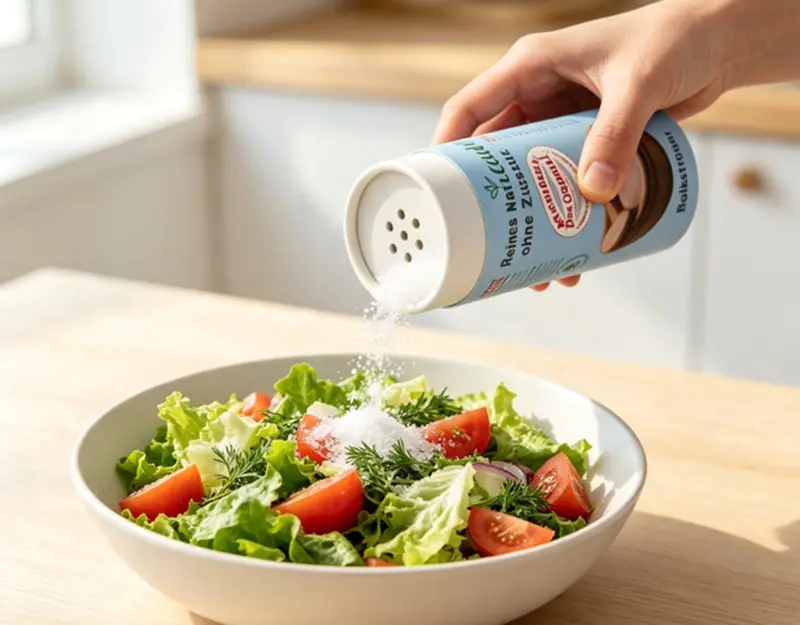
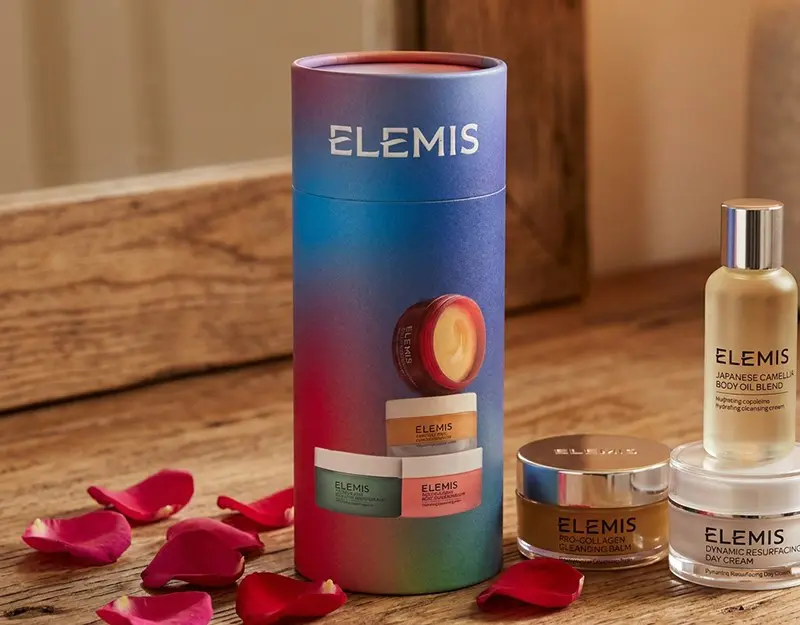
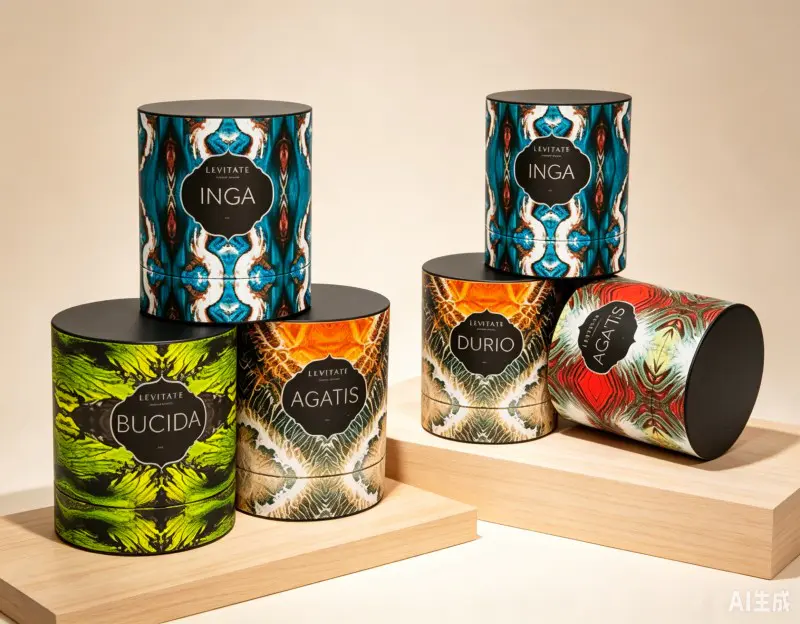
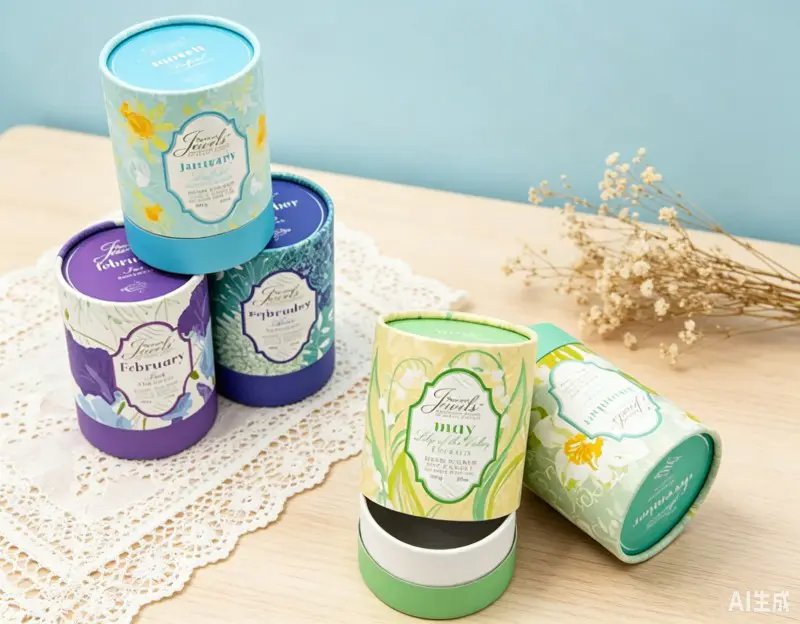
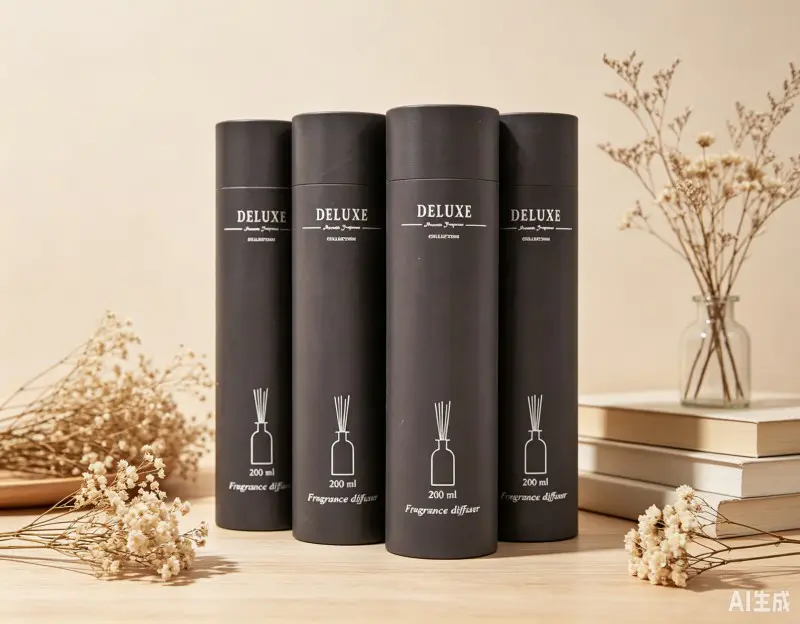
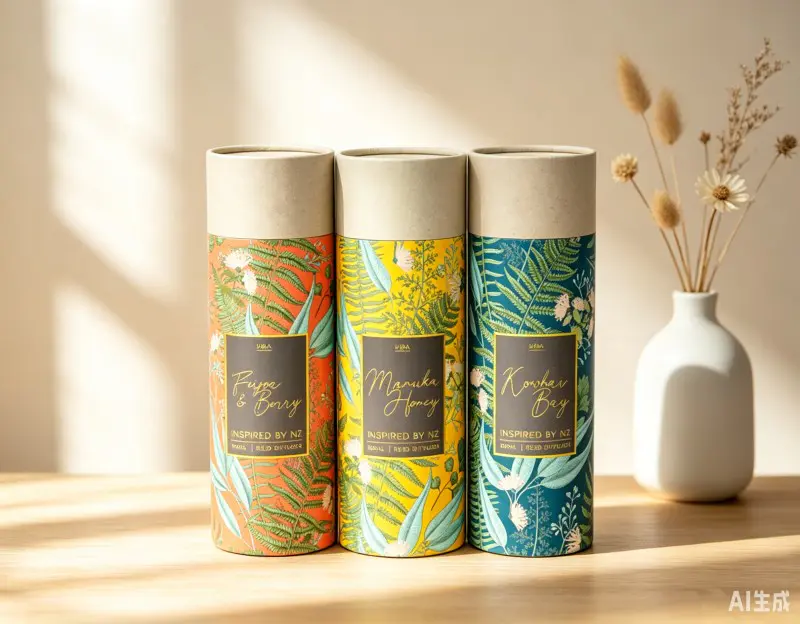
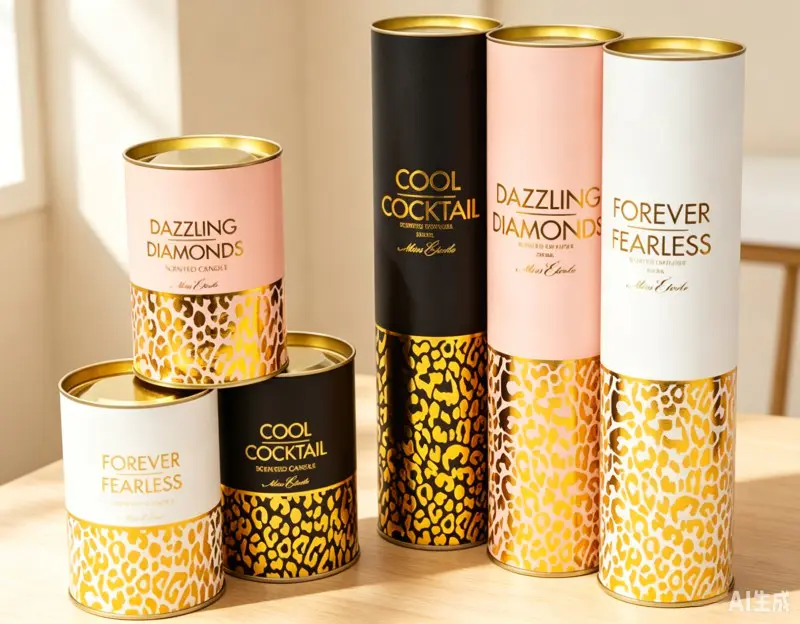
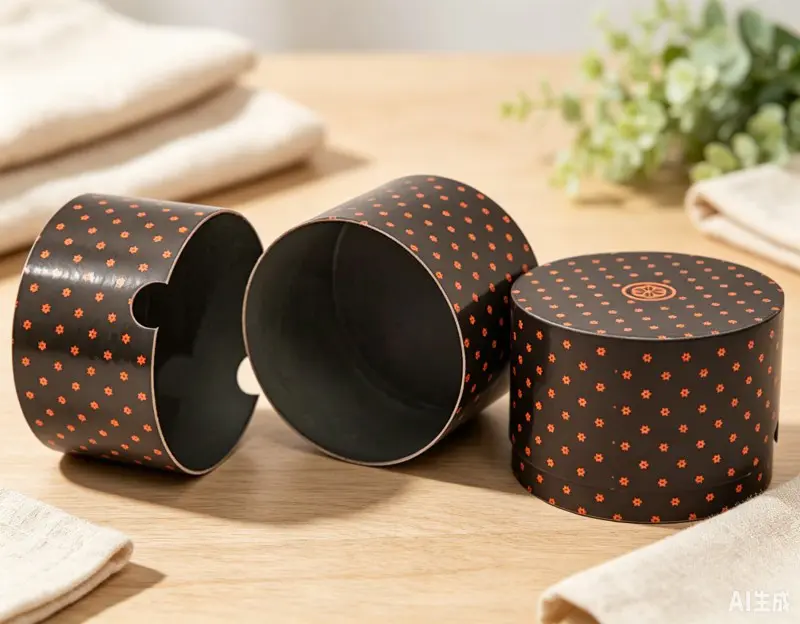
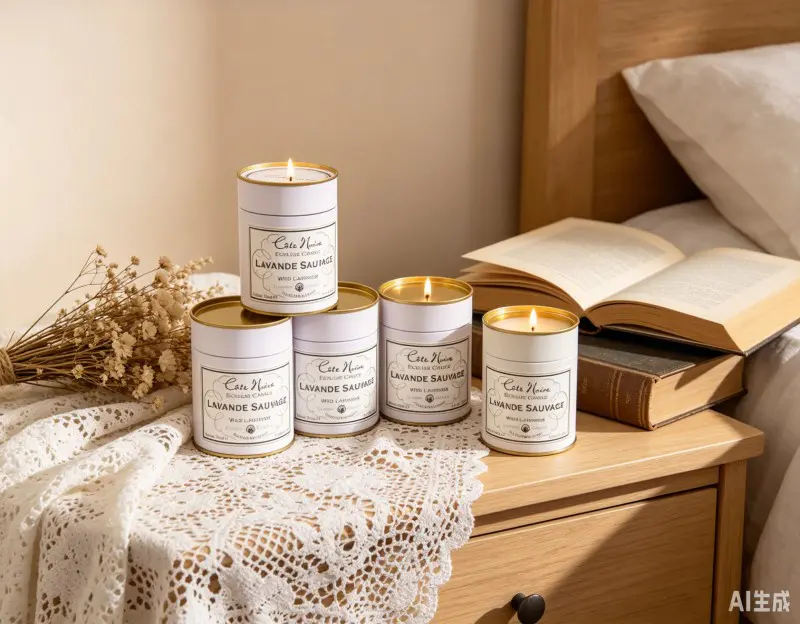

As one of the top China cardboard tube packaging manufacturers and paper tube packaging suppliers, we devote all of our efforts to research and launch more high quality packaging products to global market.
Content
- 1 Why Tea Packaging Matters More Than You Think
- 2 Common Types of Tea Packaging Materials
- 3 How to Choose the Right Tea Packaging for Your Product
- 4 Eco-Friendly Tea Packaging Options
- 5 Design Tips That Make Tea Packaging Stand Out
- 6 Common Mistakes to Avoid When Packaging Tea
- 7 Final Thoughts on Building a Tea Packaging Strategy
Why Tea Packaging Matters More Than You Think
If you have ever picked up a tin of loose leaf tea just because the box looked beautiful, you already understand the power of good tea packaging. Tea packaging is not just a container that holds your product on a shelf. It protects flavor, keeps out moisture, blocks light and odors, and tells a story about your brand before a customer even opens the bag. For small tea businesses and large tea companies alike, packaging decisions directly affect shelf life, customer trust, and repeat purchases.
Tea is a delicate product. Exposure to air, humidity, sunlight, and strong odors can quickly ruin the taste and aroma that took months to develop through careful growing and processing. This is why understanding tea packaging is not just a design exercise, it is a practical necessity for anyone who sells, ships, or stores tea.
Common Types of Tea Packaging Materials
There is no single "best" tea packaging solution. The right choice depends on your budget, the type of tea you sell, and how long the product needs to stay fresh. Below is a quick comparison of the most widely used tea packaging materials.
| Material | Best For | Shelf Life Protection |
| Foil-lined pouches | Loose leaf tea, tea bags | Excellent |
| Tin canisters | Premium loose leaf tea | Very Good |
| Kraft paper bags with valve | Eco-friendly brands | Good |
| Glass jars | Retail display, gifting | Moderate |
| Cardboard cartons with inner bag | Tea bags, sachets | Good |
Each of these tea packaging formats has strengths and weaknesses, so many brands actually combine materials, such as a kraft paper outer box with a foil-lined inner pouch, to get both visual appeal and freshness protection.
How to Choose the Right Tea Packaging for Your Product
Consider the Type of Tea You Sell
Delicate teas such as green tea or white tea are more sensitive to light and oxidation than fermented teas like pu-erh. If you sell delicate tea, prioritize tea packaging with strong barrier properties, such as multi-layer foil pouches or opaque tins. If you sell teas that benefit from some airflow during aging, like certain pu-erh cakes, breathable paper wrapping may actually be preferred.
Think About Your Customer's Unboxing Experience
Modern customers often share unboxing videos and photos online, so tea packaging design has become part of the marketing itself. A well-designed box, a satisfying seal, and a pleasant tea aroma the moment the package opens can all boost word-of-mouth promotion and encourage repeat orders.
Match Packaging to Your Price Point
Luxury tea packaging with embossed tins or wooden boxes can justify a higher price, while budget-friendly tea brands often use simple kraft pouches to keep costs low. Choosing packaging that matches your pricing strategy helps set the right customer expectations.
Eco-Friendly Tea Packaging Options
Sustainability has become a major concern for tea drinkers, and many brands are shifting toward eco-friendly tea packaging without sacrificing freshness. Here are some popular sustainable choices worth considering.
- Compostable pouches made from plant-based films instead of plastic laminates
- Recyclable kraft paper boxes with soy-based inks
- Reusable tin canisters that customers can repurpose at home
- Biodegradable tea bags made from corn starch or hemp fiber
- Minimalist packaging designs that reduce material use overall
Switching to eco-friendly tea packaging can also become a strong selling point in your marketing, as many consumers are willing to pay a bit more for products that align with their environmental values.
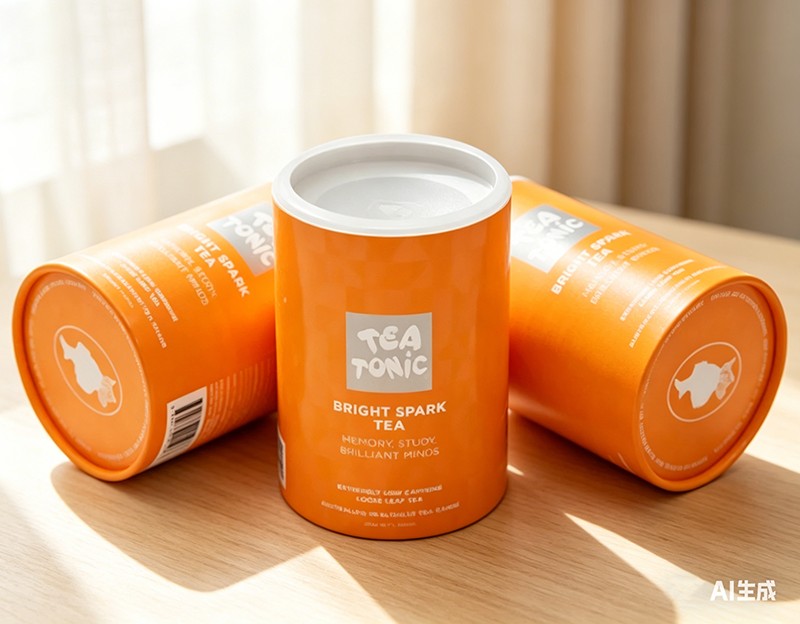
Design Tips That Make Tea Packaging Stand Out
Use Color to Communicate Flavor
Colors on tea packaging often act as a quick visual cue for flavor profiles. Green and light tones tend to suggest green or herbal teas, while deep reds and browns suggest black tea or spiced blends. Consistent color coding across your product line makes it easier for customers to find their favorite flavor at a glance.
Keep Labeling Clear and Informative
Good tea packaging clearly displays the tea type, brewing instructions, ingredient list, and expiration or best-by date. Cluttered or confusing labels can frustrate customers and even create compliance issues in certain markets, so clarity should always come before decoration.
Invest in a Reliable Seal
No matter how attractive your tea packaging looks, a poor seal can let in air and moisture, ruining the product before it reaches the customer. Heat-sealed pouches, airtight tins, and resealable zippers are all practical options that protect quality after the first use.
Common Mistakes to Avoid When Packaging Tea
- Using clear packaging that exposes tea to direct light for long periods
- Choosing packaging without a proper moisture barrier for humid climates
- Overlooking resealability, which leads to faster flavor loss after opening
- Ignoring package size options, forcing customers to buy more or less than they need
- Skipping quality testing, which can result in seals that fail during shipping
Avoiding these common tea packaging mistakes can save your business money in returns and complaints while protecting your reputation for quality.
Final Thoughts on Building a Tea Packaging Strategy
Great tea packaging balances three things: protecting the product, appealing to your target customer, and staying practical for your budget and operations. Whether you are launching a small tea brand or refreshing an existing product line, taking the time to test different materials, seals, and designs will pay off in fresher tea, happier customers, and stronger brand recognition.
