 English
 Español
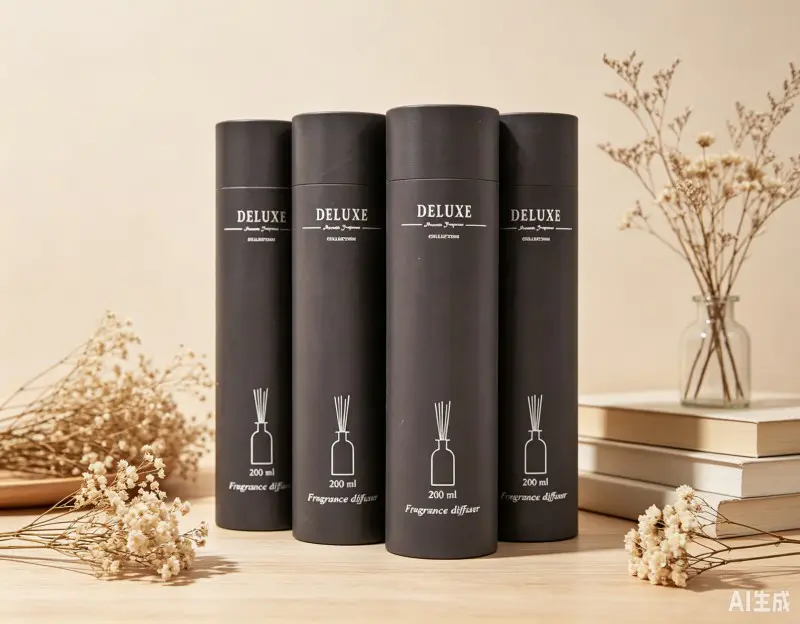
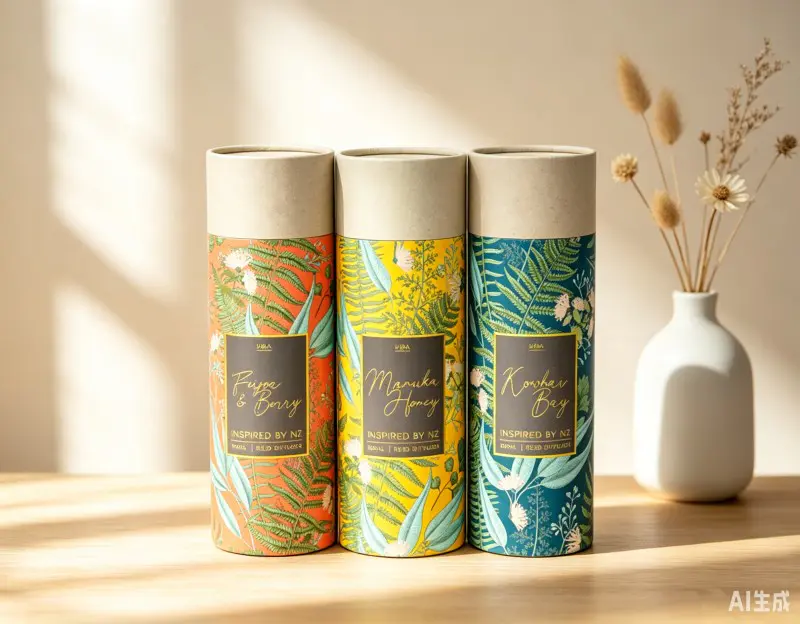
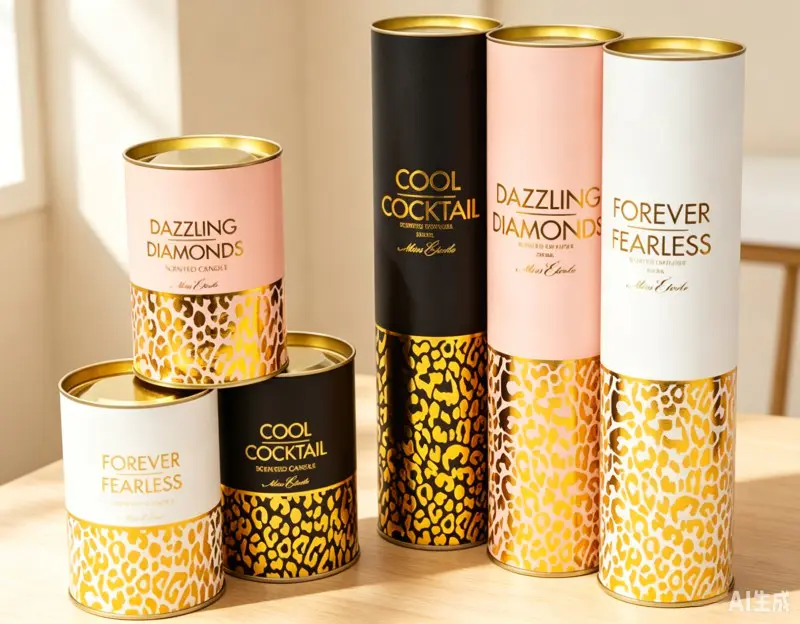
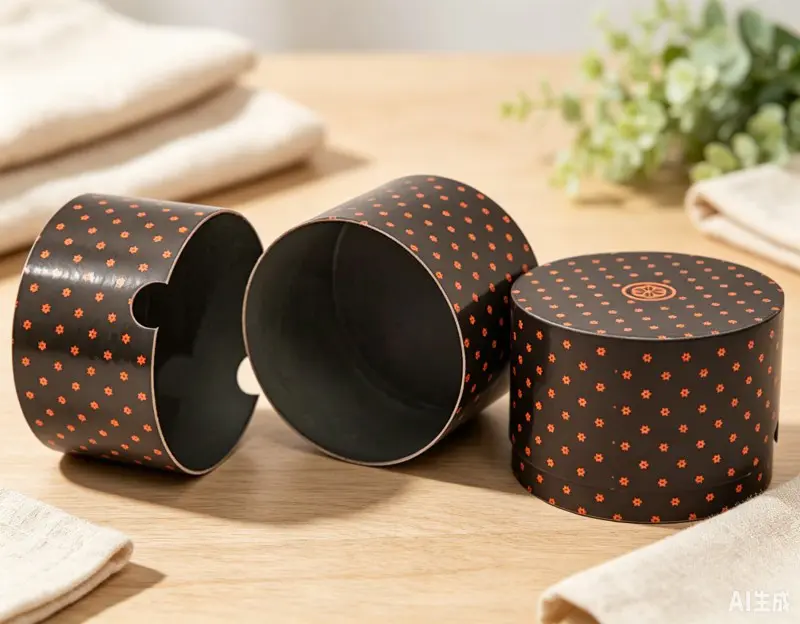

As one of the top China cardboard tube packaging manufacturers and paper tube packaging suppliers, we devote all of our efforts to research and launch more high quality packaging products to global market.
Content
- 1 What Is Tea Tube Packaging?
- 2 Common Materials Used in Tea Tube Containers
- 3 Sizes and Dimensions: Choosing the Right Fit
- 4 Key Features That Affect Tea Freshness
- 5
- 6 Custom Tea Tube Packaging: Branding and Design Tips
- 7 Tea Tube Packaging for Gifting and Sets
- 8 Sustainability Considerations in Tea Tube Packaging
- 9 How to Source Tea Tube Packaging: What to Look For in a Supplier
What Is Tea Tube Packaging?
Tea tube packaging refers to cylindrical containers specifically designed to store, protect, and present tea products. Unlike flat boxes or pouches, tea tubes are three-dimensional, round containers that stand upright and offer a premium, tactile experience for the consumer. They are commonly used for loose leaf teas, tea bags, and specialty blends, and are found in retail stores, gift sets, and subscription boxes worldwide.
The term covers a wide range of products — from slim kraft paper tubes holding a single serving of matcha to wide-mouth metal canisters designed for bulk loose leaf storage. What unites them is the cylindrical form factor, which offers distinct structural and aesthetic advantages over traditional rectangular packaging.
Common Materials Used in Tea Tube Containers
The material you choose for your tea tube packaging directly affects shelf life, branding potential, cost, and sustainability. Each material has specific strengths depending on the type of tea being packed and the target market.
Paperboard and Kraft Paper Tubes
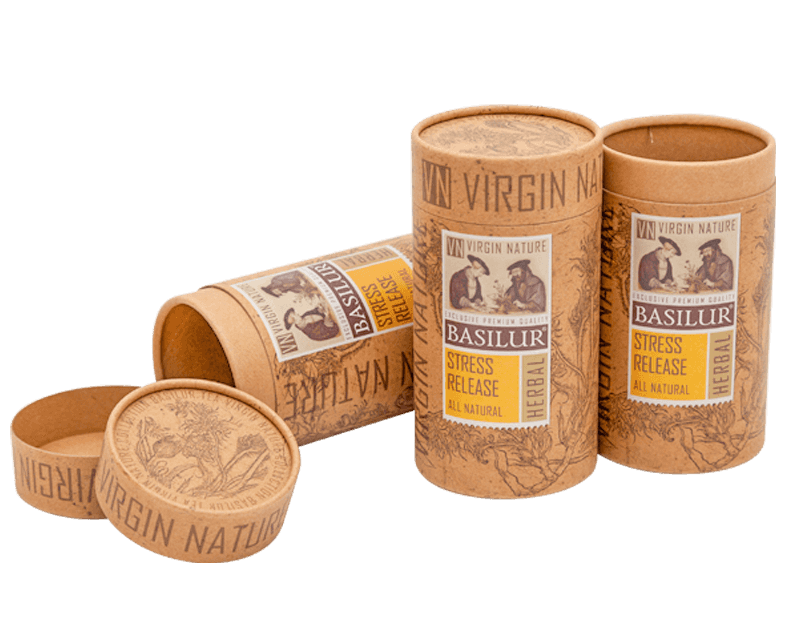
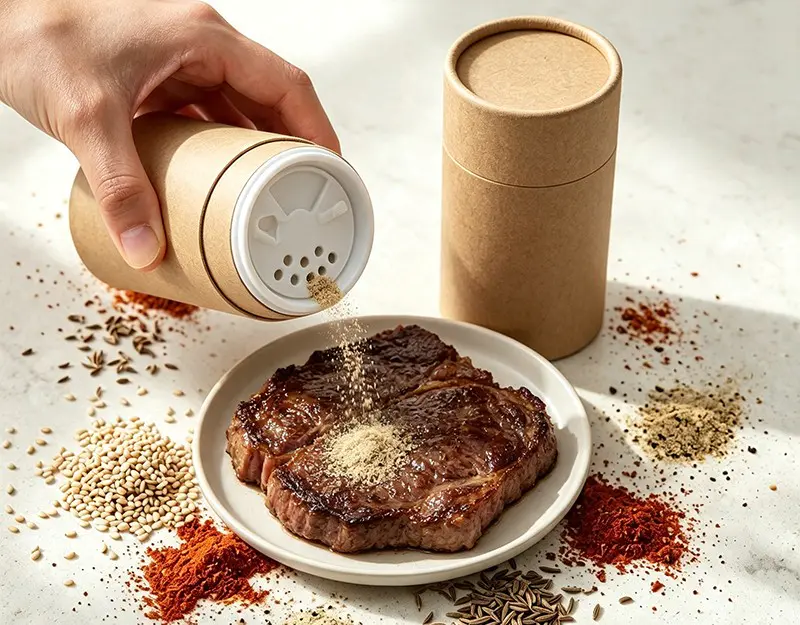
Paperboard composite tubes are among the most popular choices for tea packaging. They are lightweight, cost-effective, and highly customizable with printed labels or wraps. Kraft paper tubes carry an eco-friendly aesthetic that appeals strongly to organic and artisan tea brands. These tubes typically feature a metal or plastic bottom cap and a friction-fit or push-pull lid. While they provide decent moisture resistance, they are not fully airtight without additional foil lining.
Tin and Metal Canisters
Tin tubes and metal canisters are the gold standard for preserving tea quality. They block light, moisture, and air effectively, which helps maintain the aroma and flavor of delicate teas like white tea, green tea, or first-flush Darjeeling. Metal tea tubes are heavier and more expensive to produce, but they communicate luxury and longevity. Many consumers reuse them after the tea is finished, which adds ongoing brand visibility.
Plastic and Acrylic Tubes
Clear plastic or acrylic tea tubes are used when visual display of the product is a priority. Seeing the whole leaf or herbal blend inside the container can be a compelling selling point at point of sale. However, clear plastic exposes tea to light, which can degrade quality over time. These are best suited for short shelf-life products, gift packaging, or display samples rather than long-term storage.
Bamboo and Wood Tubes
Bamboo and wood cylindrical tea containers are a niche but growing category, particularly in the premium and gifting segment. They are naturally beautiful, durable, and make an outstanding unboxing experience. The downside is higher production cost and limited printability compared to paper or metal alternatives.
Sizes and Dimensions: Choosing the Right Fit
Tea tube packaging comes in a broad range of sizes to accommodate different product quantities and formats. Selecting the right dimensions is critical — too large and the tea loses freshness faster due to excess air; too small and it cannot hold the required quantity without compressing delicate leaves.
| Tube Size | Typical Capacity | Best For |
| Small (Ø 50mm × H 80mm) | 20–30g loose leaf | Single-serve, samples, gifts |
| Medium (Ø 65mm × H 110mm) | 50–75g loose leaf | Retail standard, gift sets |
| Large (Ø 80mm × H 150mm) | 100–150g loose leaf | Regular retail, subscription boxes |
| XL (Ø 100mm × H 180mm+) | 200g+ or tea bags | Bulk retail, foodservice, gifting |
It is also worth considering the tube's opening diameter. Loose leaf teas with large whole leaves or flowers, such as blooming tea or chamomile, require a wider opening for easy scooping. Finely ground teas like matcha or rooibos can work well in narrower tubes since they pour rather than scoop.
Key Features That Affect Tea Freshness
Not all cylindrical tea containers are created equal when it comes to preserving quality. The following features have a direct impact on how long your tea retains its aroma, color, and flavor inside the tube.
- Airtight seal: A tight-fitting lid or inner seal minimizes oxygen exposure, which is one of the primary causes of flavor degradation in tea.
- Light protection: Opaque materials — metal, dark paperboard, or foil-lined kraft — block UV rays that can break down chlorophyll in green teas and reduce antioxidant levels.
- Moisture barrier: Inner foil liners or food-grade coatings are essential for teas stored in humid climates or for extended periods.
- Odor resistance: The tube material should not transfer any chemical smell to the tea. Metal and food-grade paperboard are reliably neutral in this regard.
- Double-lid design: Some premium tea tubes feature an outer decorative lid and an inner press-fit seal for added protection and a more premium unboxing experience.
Custom Tea Tube Packaging: Branding and Design Tips
For tea brands, packaging is one of the most powerful marketing tools available. The cylindrical shape of tea tubes offers 360-degree printable surface area, which is significantly more display space than the front panel of a flat box. Here is how to make the most of it.
Wrap Design vs. Label Design
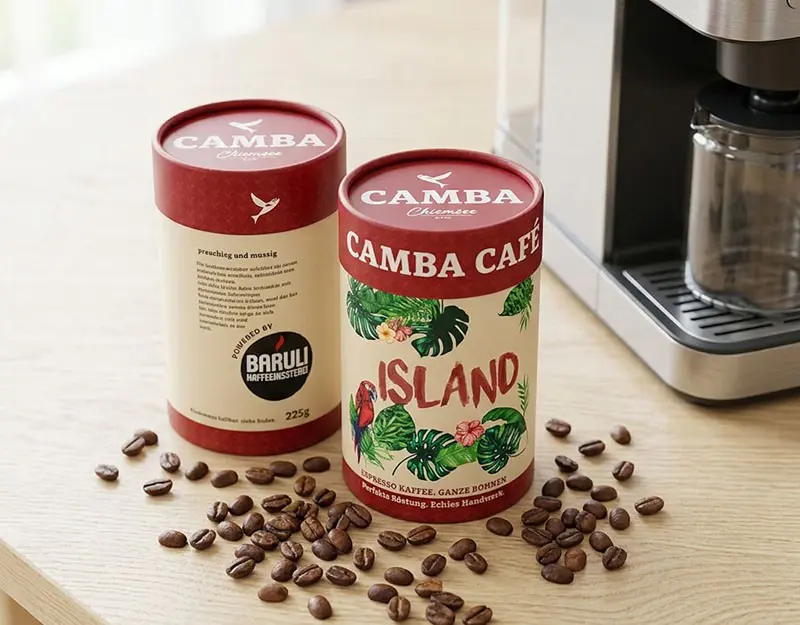
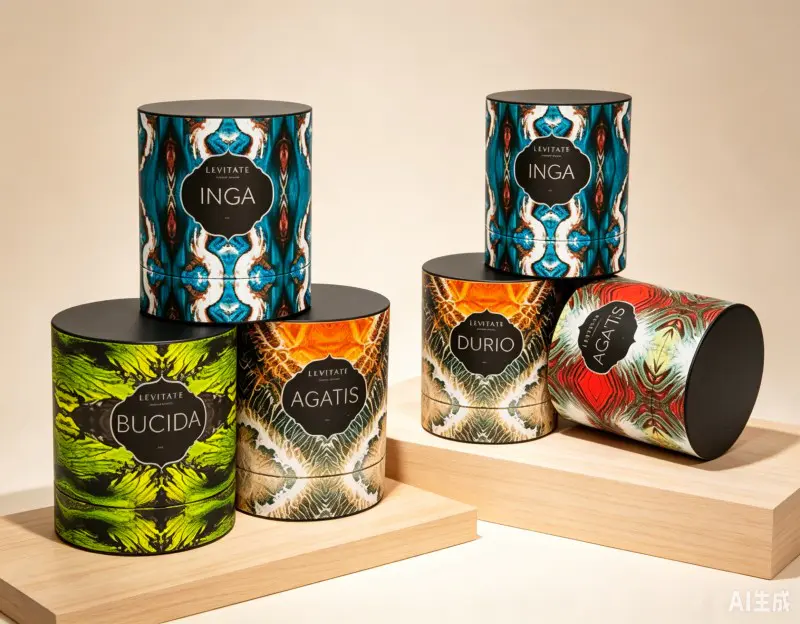
Full-wrap printing covers the entire outer surface of the tube in one seamless graphic. This creates a visually striking, cohesive look ideal for premium positioning. Label-based designs use a pre-printed paper or plastic label applied to the tube surface, which is more cost-effective for small runs and allows easier SKU switching without retooling the tube itself.
Color Strategy for Tea Packaging
Color choices signal tea type and brand personality instantly. Common conventions include green tones for green and matcha teas, deep reds and golds for black teas, pale blues and whites for white teas, and earthy browns and botanicals for herbal blends. Staying consistent with these visual codes helps consumers quickly identify products while also allowing your own color palette to differentiate you within the category.
Typography and Information Hierarchy
Because the tube is viewed from multiple angles, information should be organized in a clear hierarchy across the wrap. The tea name and flavor descriptor should be the most prominent. Origin, steeping instructions, and net weight should follow. Regulatory information, barcodes, and certifications can occupy the back or bottom of the tube. Avoid cluttering the front face — simplicity and legibility at shelf level matter most.
Finishing Options That Elevate Perceived Value
Surface finishes can dramatically change how a tube feels and looks in person. Consider these options when briefing your packaging supplier:
- Matte lamination: Gives a soft, tactile finish that feels understated and premium.
- Gloss lamination: High-shine surface that makes colors pop and looks vibrant on shelf.
- Spot UV coating: Selectively glossy areas over a matte base — ideal for highlighting logos or brand names.
- Embossing or debossing: Adds three-dimensional texture to logos or patterns, communicating craftsmanship and quality.
- Hot foil stamping: Metallic gold or silver accents that elevate gifting and luxury positioning.
Tea Tube Packaging for Gifting and Sets
Cylindrical tea containers are a natural fit for gift packaging. Their shape, structure, and premium feel make them far more giftable than a flat pouch or standard box. Many tea brands use tube packaging as the cornerstone of their seasonal gift collections, festive hampers, and corporate gifting programs.
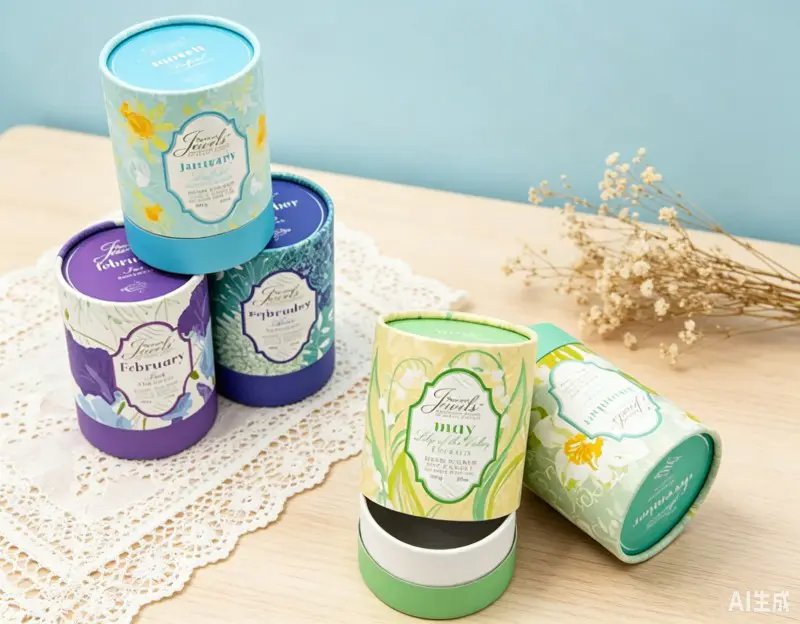
For gift sets, multiple small tea tubes are often bundled together in a outer sleeve, tray, or rigid gift box. This allows the recipient to see the individual tubes while keeping the overall presentation cohesive. Matching lids across a tea range creates a strong, collectible visual identity that encourages customers to purchase the full set rather than individual items.
Personalization is another growing trend in tea gifting. Some suppliers now offer short-run digital printing on tube packaging, making it viable to produce customized tubes with names, messages, or occasion-specific graphics for weddings, corporate events, or seasonal campaigns without requiring large minimum order quantities.
Sustainability Considerations in Tea Tube Packaging
As consumer awareness of packaging waste increases, sustainability is no longer optional for tea brands — it is a purchasing factor. The good news is that the tea tube packaging category has made considerable strides in offering greener alternatives.
- Recycled paperboard tubes: Made from post-consumer recycled content, these reduce virgin material use while maintaining structural integrity.
- FSC-certified paper: Look for Forest Stewardship Council certification to ensure paper sourcing is responsible and traceable.
- Plastic-free lids: Metal or paperboard lids can replace traditionally plastic caps, making the entire tube curbside-recyclable in many regions.
- Compostable inner liners: New bio-based film liners can replace foil in some applications, enabling full compostability.
- Reusable tin tubes: Positioning metal tea canisters as reusable storage containers extends their lifecycle and reduces per-use environmental impact.
When communicating sustainability credentials on your packaging, be specific. Statements like "made from 80% recycled board" or "lid is 100% recyclable steel" are more credible and effective than vague claims like "eco-friendly." Consumers and regulators are increasingly scrutinizing greenwashing, and precise language builds genuine trust.
How to Source Tea Tube Packaging: What to Look For in a Supplier
Finding the right packaging partner for your tea tube containers is as important as the design itself. Whether you are a startup ordering your first 500 units or an established brand reordering tens of thousands, the following criteria should guide your supplier evaluation.
- Minimum order quantity (MOQ): MOQs for custom tea tubes typically range from 500 to 5,000 units depending on material and customization level. Confirm this upfront to avoid surprises.
- Food safety compliance: Ensure all inner materials — inks, coatings, liners — comply with food contact regulations in your target market (e.g., FDA, EU food contact standards).
- Sample and prototype availability: Always request physical samples before committing to a full production run. Digital mockups cannot replicate how a tube feels, how the lid closes, or how printing colors render on the actual material.
- Lead times: Custom tea tube packaging typically requires 3–6 weeks for production. If you are working to a seasonal deadline, factor in shipping time from overseas suppliers.
- Artwork and prepress support: A good supplier will provide accurate dieline templates and offer prepress review to catch issues before plates are made or printing begins.
It is worth building a long-term relationship with a packaging supplier rather than switching vendors frequently. Consistency in materials, color matching, and quality control becomes easier — and often cheaper — when you have established trust and history with a single partner.
