 English
 Español


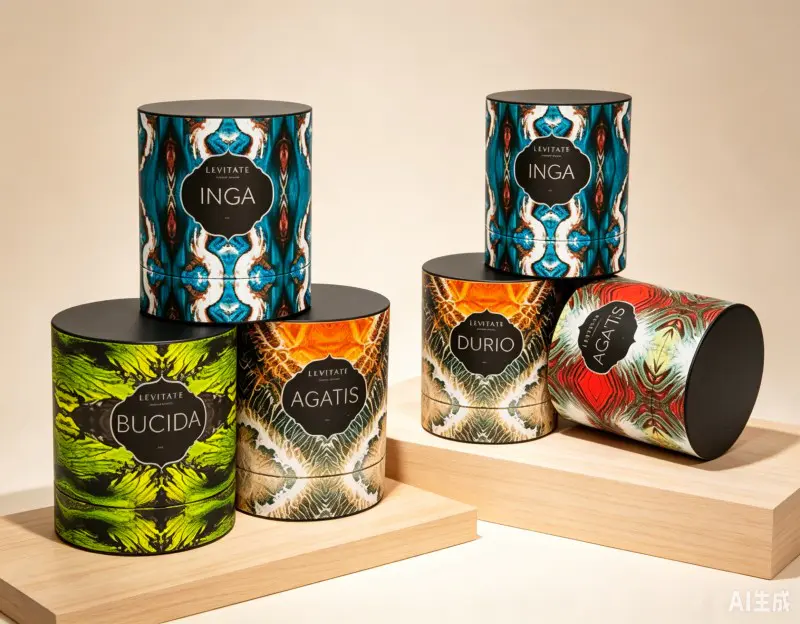
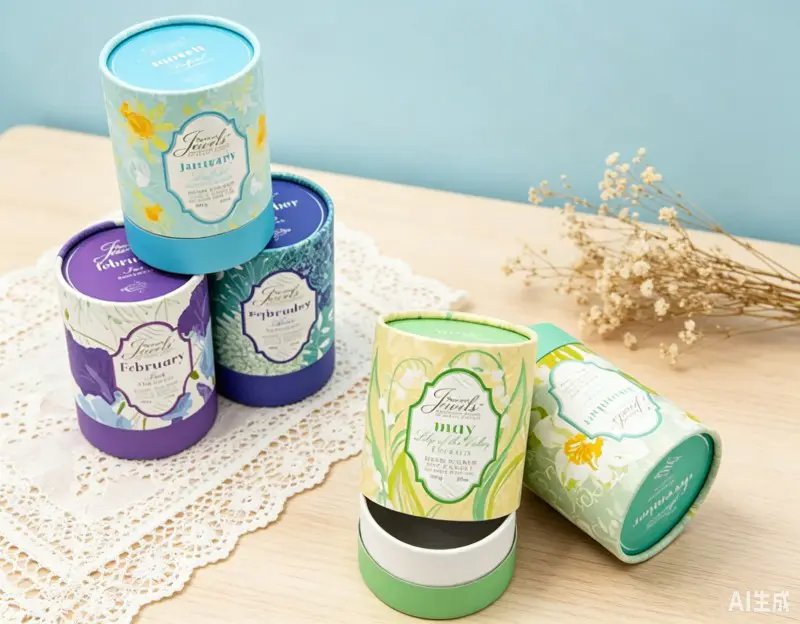
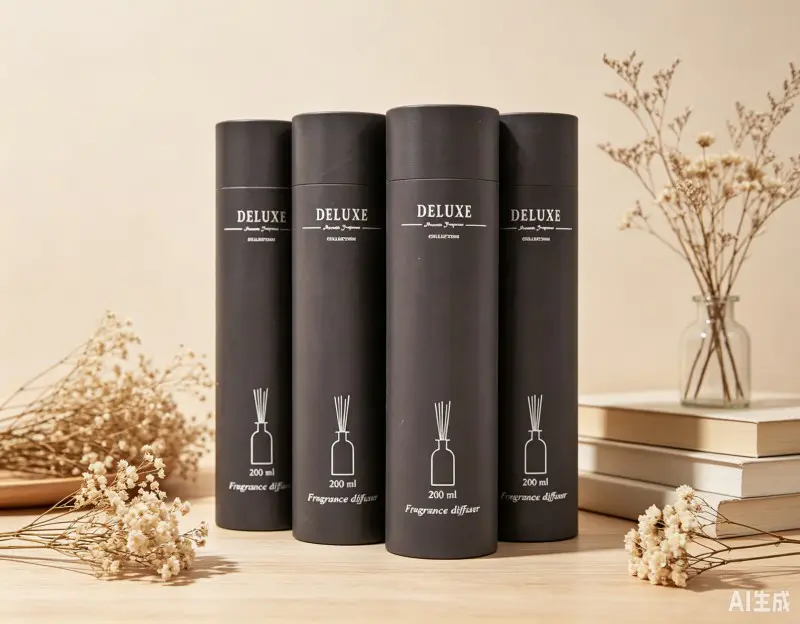
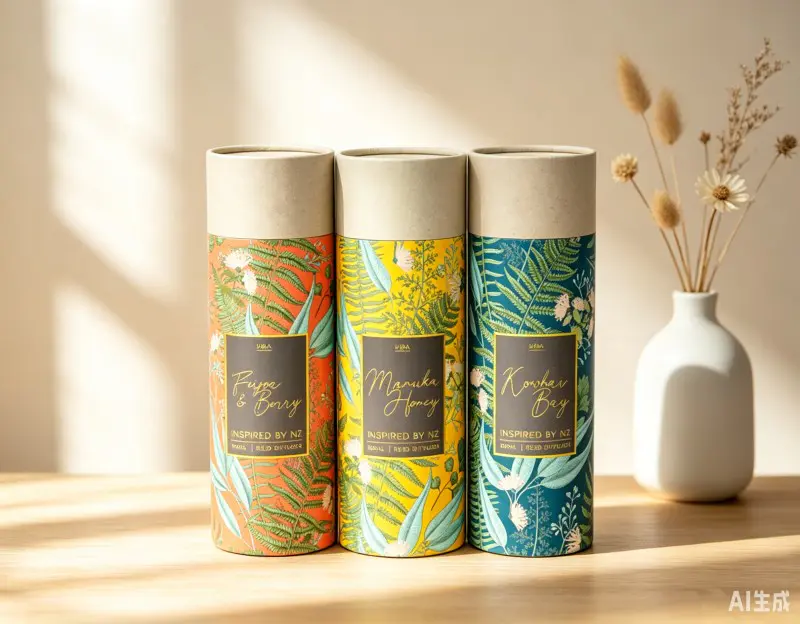

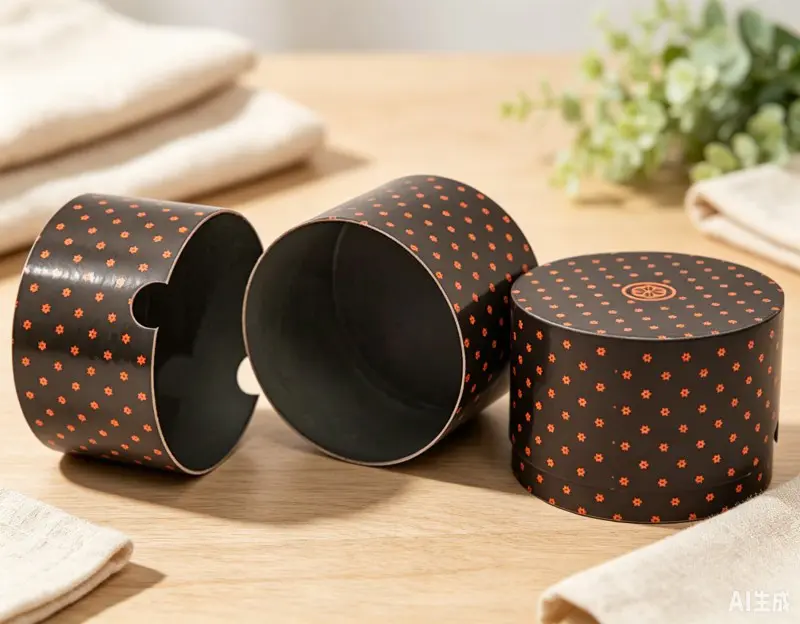


As one of the top China cardboard tube packaging manufacturers and paper tube packaging suppliers, we devote all of our efforts to research and launch more high quality packaging products to global market.
Content
- 1 What Is Paper Tube Packaging and How Does It Work?
- 2 Types of Paper Tube Packaging You Should Know
- 3 Industries and Products That Use Paper Tube Packaging
- 4 Key Benefits of Choosing Paper Tube Packaging
- 5
- 6 Paper Tube Packaging Design: Surface Finishes and Decoration Options
- 7 Sustainability of Paper Tube Packaging: The Real Picture
- 8 How to Source Paper Tube Packaging: What Buyers Need to Know
- 9 Common Mistakes to Avoid When Using Paper Tube Packaging
What Is Paper Tube Packaging and How Does It Work?
Paper tube packaging refers to cylindrical containers made primarily from layers of wound or rolled paper and paperboard, used to store, protect, and present a wide variety of products. Unlike flat cartons or rigid boxes, paper tubes offer a structurally strong, compact, and visually distinctive format that works across industries — from food and cosmetics to textiles, spirits, and industrial components. The core construction involves spiral-wound or convolute-wound kraft paper or chipboard layers, bonded together with adhesive to form a solid, load-bearing cylinder.
The end caps, which can be made from metal, plastic, or paper-based materials, seal the tube and define much of its premium feel. The outer surface of the tube is where branding comes to life — through printed paper wraps, embossing, foil stamping, or specialty coatings. The result is a packaging format that is both highly functional and inherently appealing on a retail shelf. Paper tube packaging is also commonly referred to as composite cans, cardboard tube packaging, round paper boxes, or cylindrical paper containers depending on the industry and application.
Types of Paper Tube Packaging You Should Know
Not all paper tubes serve the same purpose. The construction method, wall thickness, end cap type, and surface finish vary significantly depending on the intended use. Understanding these variations helps brands and manufacturers choose the right format for their product.
Spiral-Wound Paper Tubes
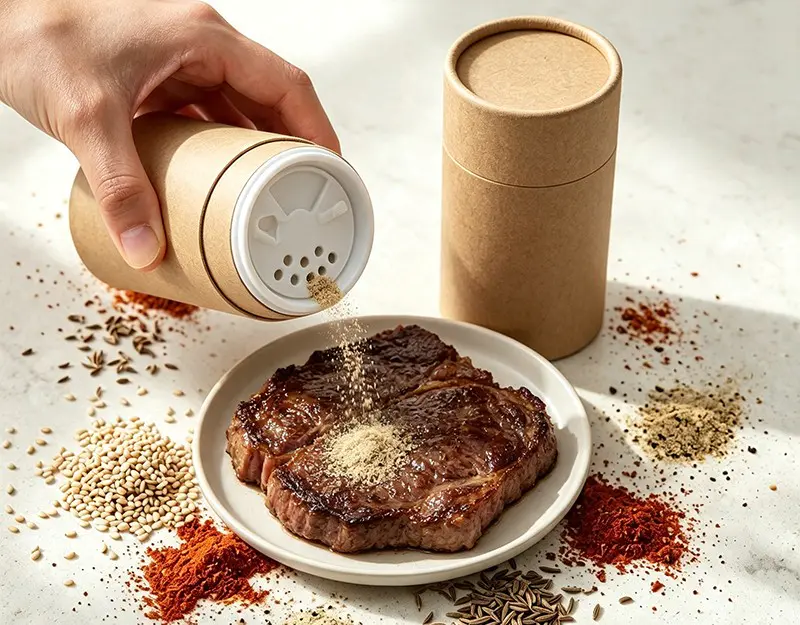
Spiral winding is the most common construction method for paper tube packaging. Strips of paper or paperboard are wound at an angle around a mandrel, with each layer slightly offset from the last to create a strong, seamless cylinder. This method is highly efficient for large-volume production and allows for precise control over wall thickness and tube diameter. Spiral-wound tubes are widely used in food packaging — think oatmeal canisters, salt containers, and snack tubes — as well as in cosmetic and gift packaging.
Convolute-Wound Paper Tubes
Convolute winding involves wrapping paper layers parallel to the tube's axis rather than at an angle. This produces a tube with a visible seam along its length but offers superior strength in the radial direction, making it ideal for heavy-duty industrial applications such as storing rolls of film, fabric, or wire. In the packaging context, convolute tubes are sometimes used for premium rigid gift packaging where maximum structural integrity is required.
Composite Cans
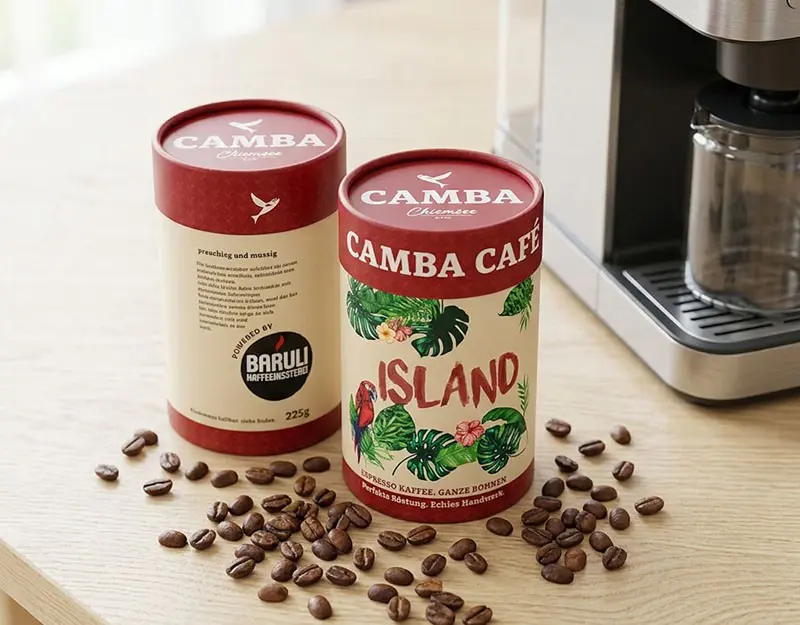
Composite cans are a specialized category of paper tube packaging that incorporates non-paper layers — typically a foil liner or a plastic inner membrane — to provide moisture, oxygen, or grease barrier properties. These are extensively used in the food industry for products like potato chips, powdered formula, coffee, and nuts. The outer shell is paper-based, but the inner barriers make the product suitable for perishables or moisture-sensitive contents.
Luxury Paper Tube Boxes
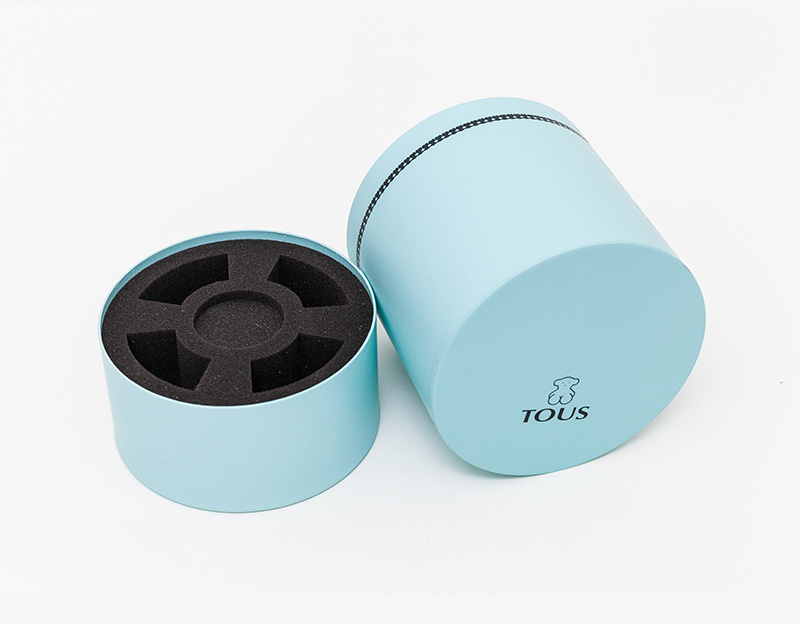
At the premium end of the market, paper tube boxes are constructed with thick, rigid paperboard walls and high-quality outer wraps printed with sophisticated graphics. These are used extensively for perfumes, whisky, candles, tea, and artisan food products. The end caps are often made from metal (tin or aluminum) to reinforce the premium positioning, and interior fittings such as foam inserts or fabric liners may be added to protect and present the product elegantly.
Industries and Products That Use Paper Tube Packaging
The versatility of cardboard tube packaging means it appears across a remarkably broad range of product categories. Here is an overview of the key sectors and the specific applications within each:
| Industry | Typical Products | Key Tube Features |
| Food & Beverage | Oatmeal, nuts, coffee, chips, spices, salt | Foil or PE liner, resealable lid |
| Cosmetics & Beauty | Lipstick, mascara, skincare serums, perfume | Foil stamping, embossing, matte finish |
| Spirits & Wine | Whisky, gin, champagne, rum | Thick walls, metal caps, premium printing |
| Tea & Specialty Foods | Loose leaf tea, artisan chocolates, honey | Airtight seal, decorative wrap |
| Candles & Home Fragrance | Pillar candles, wax melts, diffusers | Custom diameter, specialty paper wraps |
| Gifts & Retail | Gift sets, subscription boxes, collectibles | Ribbon pulls, magnetic closures, inserts |
| Industrial | Film rolls, textile cores, paper cores | Heavy wall thickness, plain finish |
The common thread across all these applications is that the cylindrical format provides efficient use of material relative to structural strength, while the paper surface lends itself readily to attractive decoration and brand storytelling.
Key Benefits of Choosing Paper Tube Packaging
Brands that switch to or invest in round paper tube packaging consistently cite a core set of advantages that make the format worth the investment. Here is a detailed look at what makes paper tubes stand out:
- Strong sustainability credentials: Paper tubes are made predominantly from renewable, biodegradable, and recyclable materials. Even composite versions are increasingly being designed for recyclability. For brands under pressure to reduce plastic use, paper tube packaging offers a credible and consumer-friendly alternative to plastic jars, canisters, or PVC containers.
- High perceived value: The cylindrical form, tactile paper surface, and solid feel of a well-made paper tube communicates quality far above its actual cost. Consumers consistently rate tube-packaged products as feeling more premium than the same product in a flat carton, which supports higher retail price points.
- 360-degree branding canvas: The wraparound surface of a paper tube provides uninterrupted print area all the way around the package — far more visible real estate than the flat faces of a standard carton. This is a major advantage at retail, where visibility from any angle on a shelf matters.
- Structural protection: The rigid cylindrical wall protects fragile or irregularly shaped products effectively. Paper tubes resist crushing under stacking pressure, making them reliable for shipping and retail display.
- Reuse potential: Unlike most single-use packaging, paper tubes are robust enough to be repurposed by consumers as storage containers, organizers, or decorative items. This extends the brand interaction beyond the point of purchase and reduces the likelihood of the packaging being immediately discarded.
- Customization flexibility: Paper tubes can be produced in virtually any diameter, height, and wall thickness. End caps, closures, internal fittings, and surface finishes can all be tailored to the specific product and brand requirements, making this one of the most customizable rigid packaging formats available.
Paper Tube Packaging Design: Surface Finishes and Decoration Options
One of the biggest reasons brands are drawn to cylindrical paper packaging is the design potential. The outer surface of a paper tube is essentially a canvas, and modern printing and finishing techniques can achieve results that rival — and often surpass — what is possible on flat-faced packaging.
Printing Methods
Offset lithography is the most common printing method for the outer paper wrap on premium tubes, delivering sharp detail, accurate color reproduction, and consistent results across large runs. Flexographic printing is used for higher-volume, cost-sensitive applications. Digital printing is increasingly available for short runs, personalization, or limited-edition packaging, where the economics of traditional printing make setup costs prohibitive.
Specialty Finishing Techniques
Once printed, paper tube wraps can be enhanced with a range of finishing effects that dramatically elevate the look and feel of the final package. Popular options include:
- Matte or gloss lamination: A thin film applied over the print to protect the surface and define the overall aesthetic — matte gives a sophisticated, tactile feel while gloss enhances color vibrancy.
- Hot foil stamping: Metallic foil (gold, silver, copper, or holographic) is pressed onto the surface with heat, creating eye-catching highlights that signal luxury. Widely used in spirits, cosmetic, and gift tube packaging.
- Embossing and debossing: Creating raised or recessed patterns in the paper surface adds a tactile dimension to the design. Brand logos and key design elements are commonly embossed to reinforce brand identity through touch as well as sight.
- Spot UV coating: A high-gloss varnish applied to specific areas of the design creates a striking contrast between matte and gloss zones, drawing the eye to key elements such as a logo or product name.
- Soft-touch coating: A velvety, rubberized coating applied to the surface creates an exceptionally premium tactile experience that is closely associated with luxury packaging across multiple categories.
End Cap and Closure Options
The end caps and closures on a paper tube packaging solution are just as important as the tube body itself. Options include friction-fit paper or chipboard caps, metal tin ends (either full open or with a membrane pull tab for food products), plastic snap-on lids for resealability, and decorative fabric or ribbon pulls for gift packaging. The choice of closure significantly affects the product's functionality, premium positioning, and recyclability.
Sustainability of Paper Tube Packaging: The Real Picture
Paper tube packaging is frequently marketed as an eco-friendly alternative to plastic or metal containers, and for good reason — but the full sustainability picture requires some nuance. Understanding where tubes genuinely perform well environmentally, and where challenges remain, helps brands make honest claims and informed decisions.
Where Paper Tubes Excel Environmentally
Plain paper tubes made entirely from paper and paperboard are among the most environmentally responsible rigid packaging options available. They are made from a renewable resource, are biodegradable in most environments, and are readily accepted in paper recycling streams in most countries. The production process for paper tubes has a lower carbon footprint per unit than comparable aluminum or glass containers, and the lightweight nature of the format reduces transport emissions relative to heavier alternatives.
Where Complexity Arises
The sustainability profile becomes more complicated when non-paper components are introduced. Composite cans with foil liners, plastic membranes, or metal end caps are much harder to recycle because most municipal programs cannot easily separate the materials. Similarly, tubes with plastic lamination on the outer wrap may be downgraded or rejected by paper recyclers. Brands need to be transparent about the recyclability of their specific tube construction rather than making blanket "eco-friendly" claims that may not hold up to scrutiny.
Industry Progress Toward Full Recyclability
Significant investment is going into developing fully recyclable composite paper tubes. Innovations include water-based barrier coatings to replace foil liners, paper-based end caps to eliminate metal components, and fiber-based inner liners that pass recyclability certification tests. Several major tube manufacturers have launched product lines certified under schemes such as the OPRL (On-Pack Recycling Label) in the UK or How2Recycle in North America, giving brands a credible way to communicate recyclability to consumers.
How to Source Paper Tube Packaging: What Buyers Need to Know
Whether you are a startup launching a new product or an established brand looking to switch from plastic to paper tube packaging, navigating the sourcing process requires attention to several key factors. Getting these right upfront saves time, money, and disappointment down the line.
Define Your Specifications Clearly
Before approaching suppliers, you need to have a clear picture of your requirements. This includes the internal diameter and height of the tube (determined by the product dimensions), the required wall thickness (which affects structural strength and tactile premium feel), the type of barrier required (if any), the closure style, and the intended printing and finishing. The more precisely you can specify these parameters, the more accurate and comparable the quotes you receive will be.
Understand Minimum Order Quantities
Custom paper tube packaging typically comes with minimum order quantities (MOQs) that can range from as few as 500 units for simple, standard-size tubes to 10,000 units or more for complex composite constructions with custom printing. Short-run digital printing has helped lower the barrier for small brands, but for most custom specifications, planning for a run of at least 2,000 to 5,000 units is realistic to achieve a workable cost per unit.
Lead Times and Sampling
Lead times for custom paper tube packaging typically range from 4 to 10 weeks for production after artwork approval, with an additional 2 to 4 weeks if pre-production samples are required. Always request physical samples before approving production — ideally filled with your actual product — to validate dimensions, closure fit, barrier performance, and print quality. Do not rely solely on digital proofs, as color and finish can look very different on the physical substrate.
Certifications to Request from Suppliers
For food-contact applications, suppliers should provide documentation confirming compliance with relevant food contact material regulations (such as EU Regulation 10/2011 for plastics in contact with food, or FDA food contact compliance in the US). For sustainability claims, ask for FSC (Forest Stewardship Council) certification on the paper materials, which confirms responsible sourcing. ISO 9001 quality management certification is a baseline expectation for reputable suppliers.
Common Mistakes to Avoid When Using Paper Tube Packaging
Even experienced packaging buyers can make costly errors when working with paper tube formats. Being aware of the most common pitfalls helps you avoid them:
- Underestimating the importance of the inner liner: For moisture-sensitive, greasy, or aromatic products, the inner liner is critical to product integrity. Specifying the wrong liner — or omitting one to cut costs — can result in product degradation, tube softening, or off-flavors migrating into the product.
- Ignoring dimensional tolerances: Paper tubes are manufactured within tolerances, and slight variations in internal diameter can cause problems with filling equipment, closure fit, or product sliding inside the tube. Always confirm tolerances with your supplier and validate against your filling line before placing a large order.
- Overpromising on recyclability: Making "100% recyclable" claims on tubes that include foil liners or metal caps is increasingly risky from a regulatory and reputational standpoint. Ensure your claims are accurate for the specific construction and the recycling infrastructure available in your target markets.
- Neglecting artwork preparation for curved surfaces: Artwork that looks great on a flat mockup can distort or misalign when wrapped around a cylinder. Work with a designer experienced in round packaging to account for the wrap geometry, especially for designs with horizontal lines, precise text placement, or images that cross the seam.
- Choosing a supplier based on price alone: Paper tube quality varies significantly between suppliers. A lower price often reflects thinner walls, lower-grade board, inconsistent printing, or weaker adhesive bonds. Request samples and conduct drop tests, compression tests, and moisture exposure tests before committing to a new supplier.
Paper tube packaging, when specified, sourced, and designed correctly, offers brands a powerful combination of functionality, sustainability, and visual impact. Whether you are packaging gourmet food, luxury cosmetics, or artisan spirits, the cylindrical paper tube format continues to be one of the most compelling choices available in the modern packaging landscape.
