 English
 Español
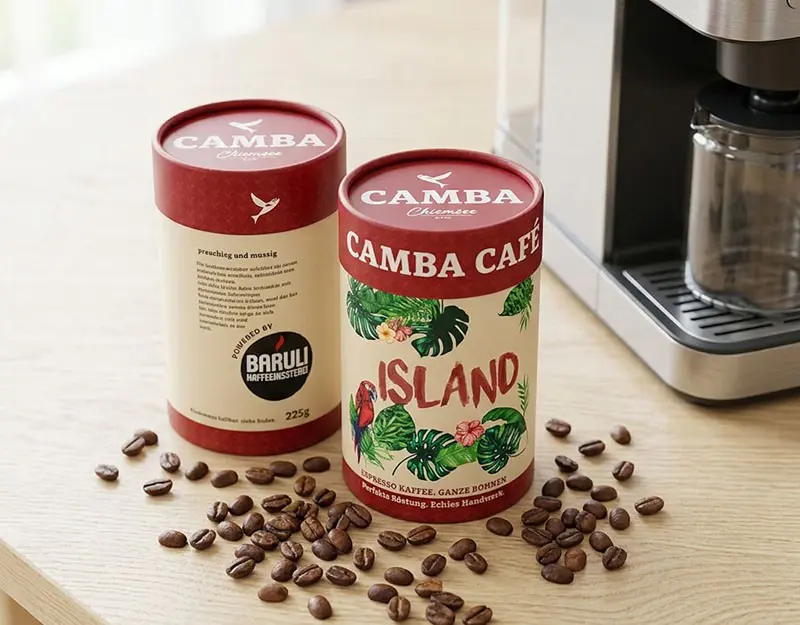
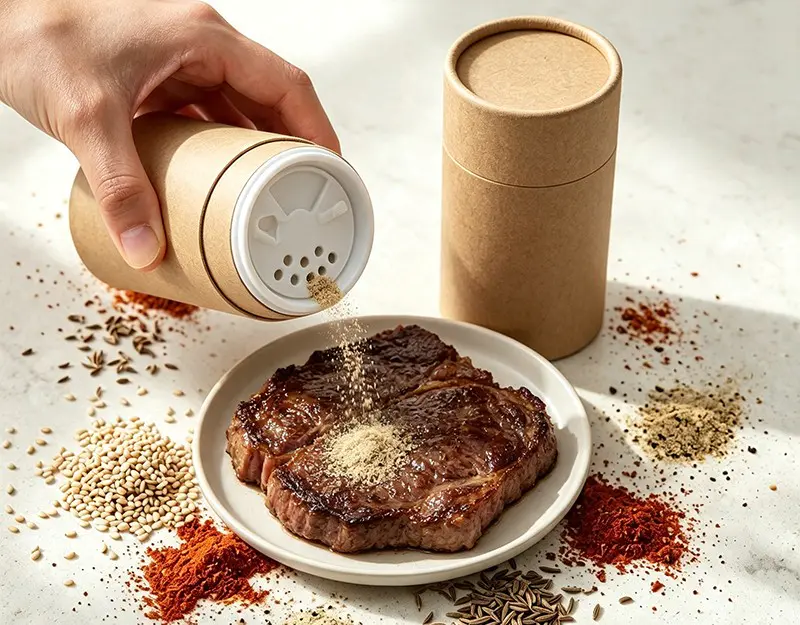
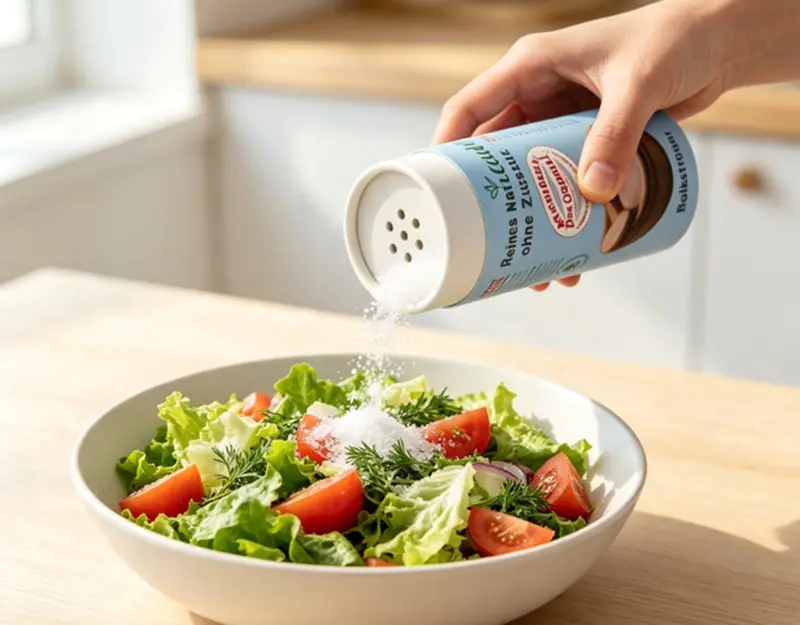
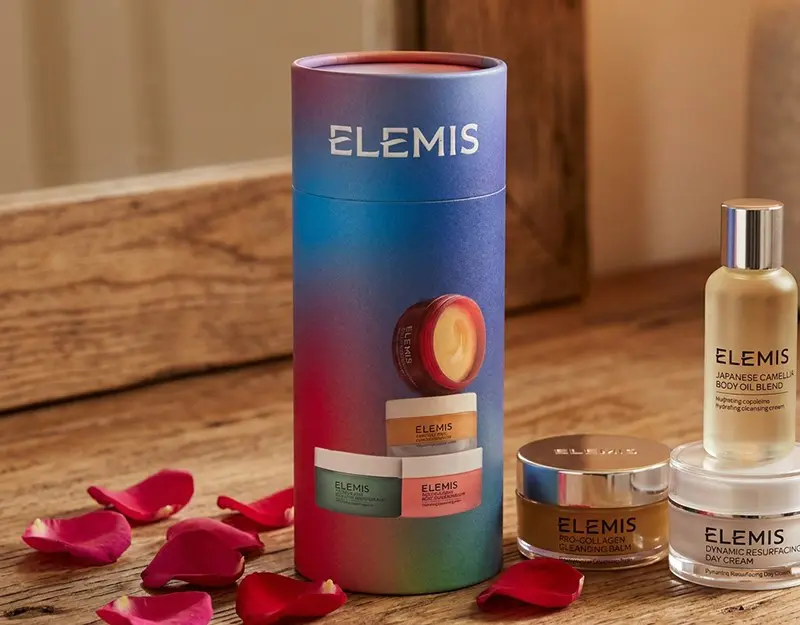
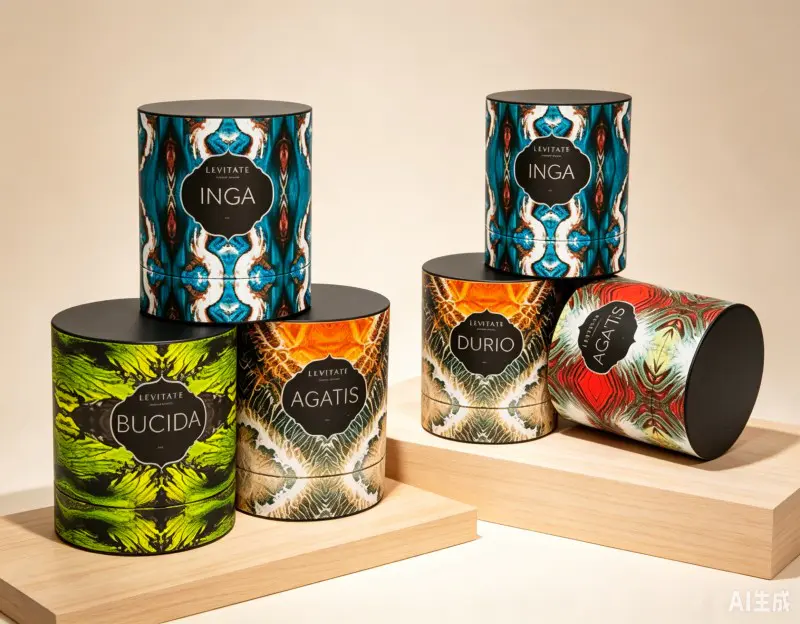
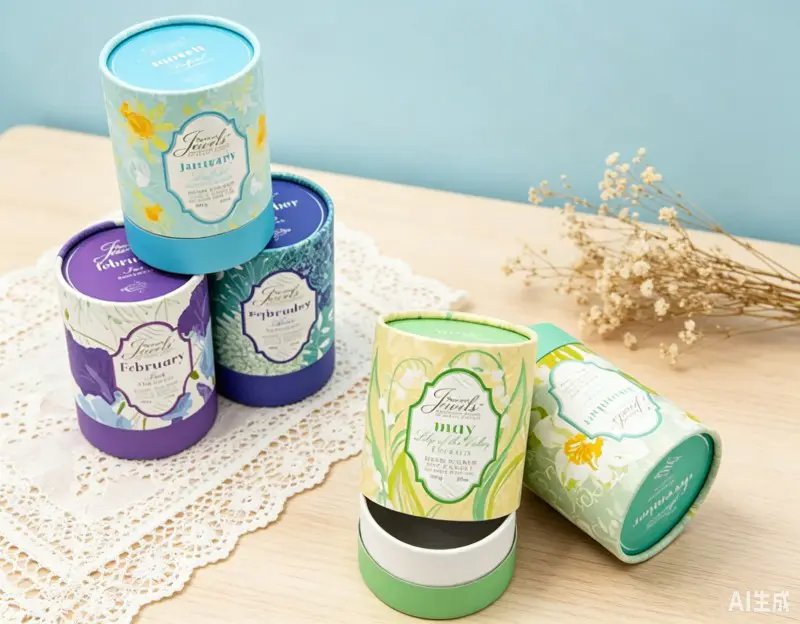
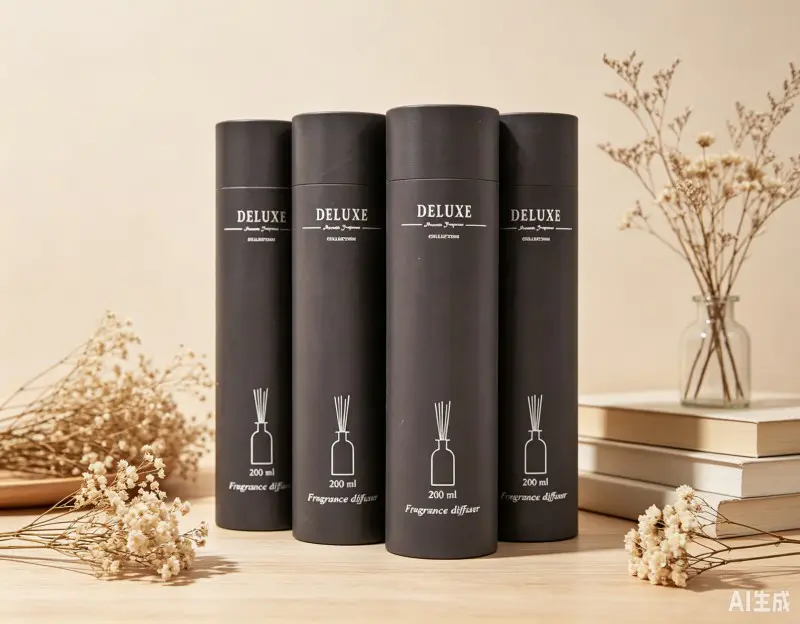
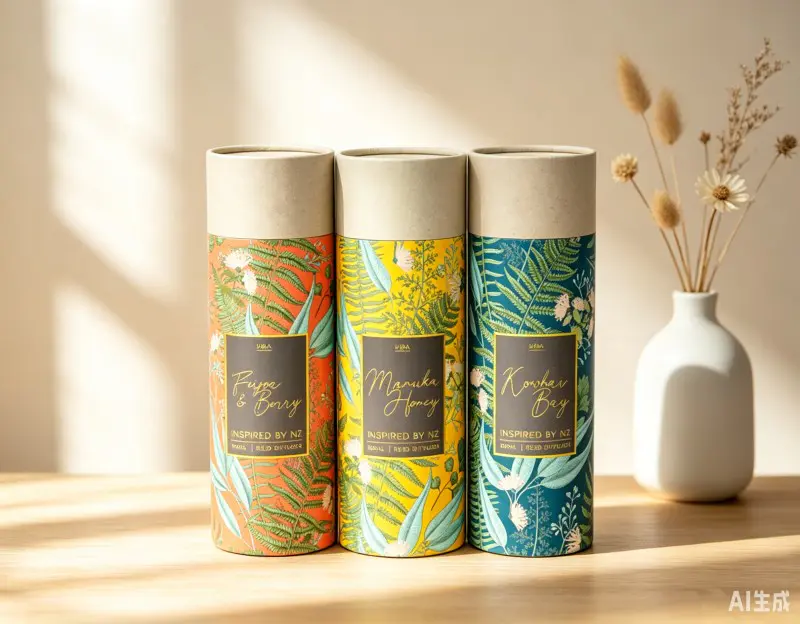
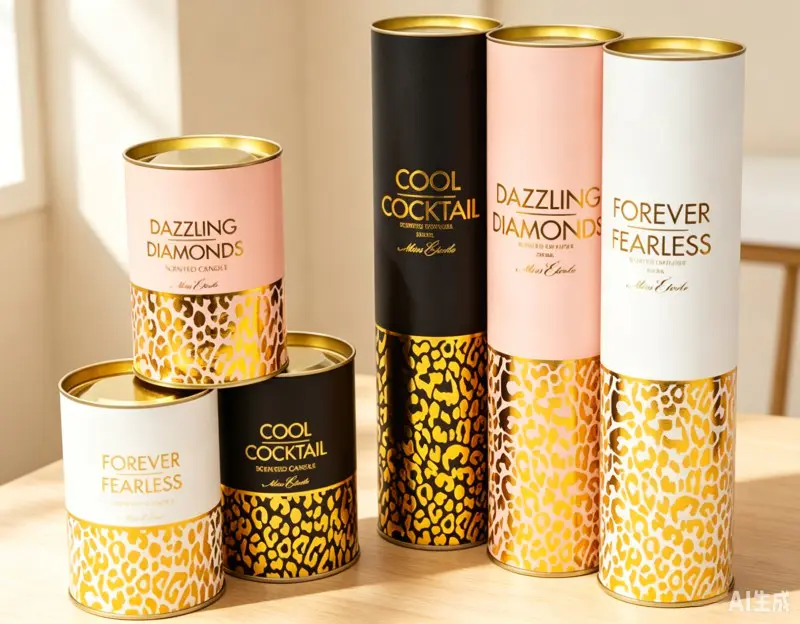
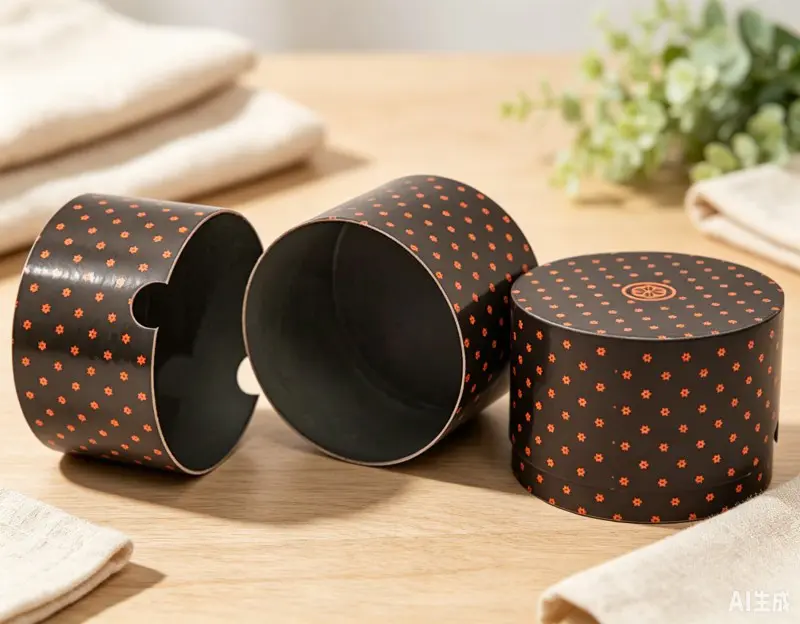
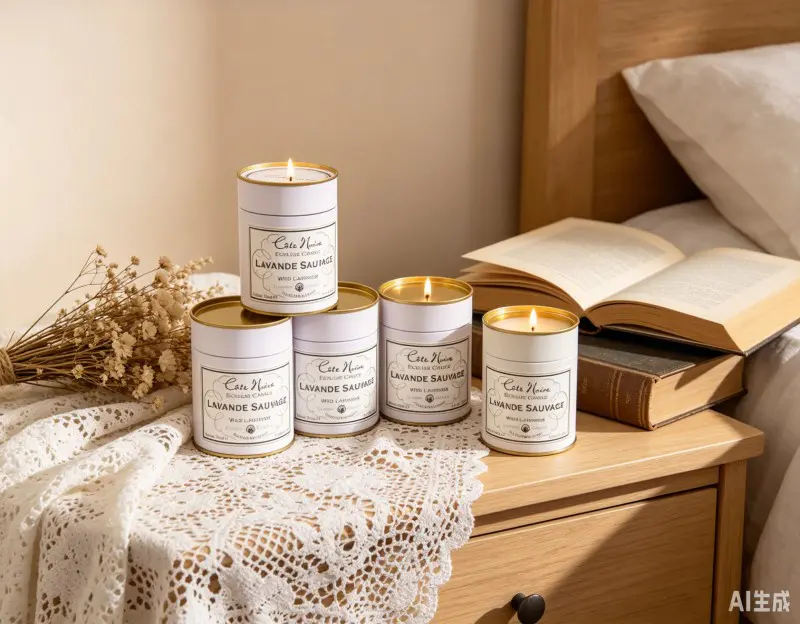

As one of the top China cardboard tube packaging manufacturers and paper tube packaging suppliers, we devote all of our efforts to research and launch more high quality packaging products to global market.
The protein powder container—often overlooked, yet fundamentally crucial to the life and utility of the product it holds. More than just a simple vessel, this packaging is a meticulously engineered component designed to protect the integrity, ensure the safety, and facilitate the convenience of the supplement it delivers.
Content
I. Product Preservation & Integrity
The primary function of any protein powder container is to act as a fortress against external threats. Given that protein powder is a highly sensitive food product, its packaging is designed to combat the elements that lead to degradation.
-
Moisture Barrier: Protein powders, especially whey and casein, are highly hygroscopic, meaning they readily absorb moisture from the air. Even trace amounts of humidity can lead to clumping, degradation of the protein structure, and the potential for microbial growth. The container's material (typically High-Density Polyethylene - HDPE or Polypropylene) and its secure sealing mechanism are engineered to maintain an airtight seal, minimizing water vapor transmission.
-
Oxygen Exclusion: Exposure to oxygen can cause the oxidation of fats and vitamins within the powder, leading to rancidity and a stale flavor. The materials chosen provide a necessary gas barrier to extend the product's shelf life and maintain flavor.
-
Light Protection: Certain vitamins and amino acids can be photo-degraded by UV light. The container's opaque or darkly colored design ensures light exclusion, preserving the nutritional potency of the contents.
-
Temperature Stability: While the container cannot regulate the environment, its material provides a degree of insulation, helping the powder resist minor, temporary temperature fluctuations during storage and transit.
II. Material, Design, and Ergonomics
The physical construction of the protein container is a blend of material science, regulatory compliance, and user-focused design.
A. Material Selection
-
BPA-Free Plastics: Modern containers are overwhelmingly made from food-grade, virgin plastics (HDPE or PET), which are certified as BPA-free to prevent the leaching of harmful chemicals into the supplement.
-
Recyclability: With increasing environmental consciousness, brands often select plastics that are easily recyclable (e.g., Resin Identification Code 2 or 5), appealing to eco-minded consumers.
B. The Seal and Closure System
-
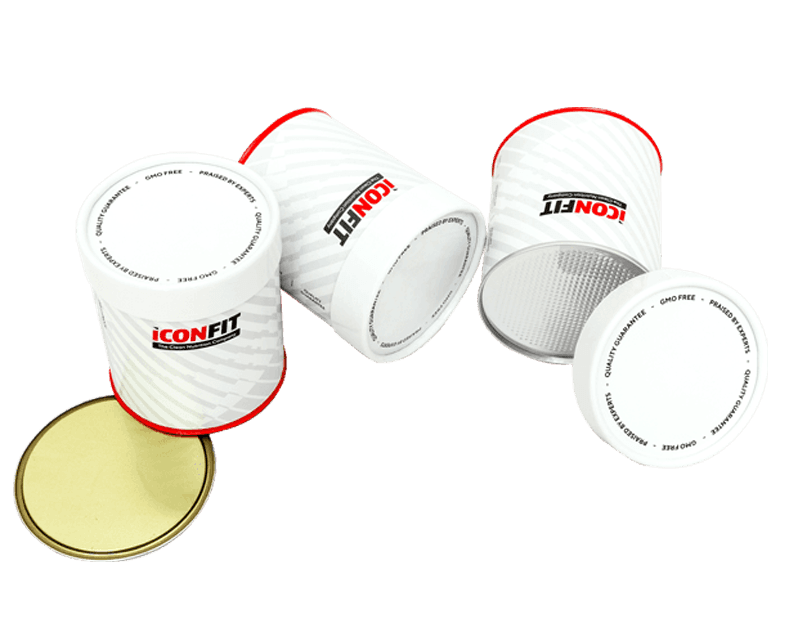
Induction Seal (Tamper-Evident): The foil-like seal adhered to the rim after filling is a critical safety feature. It confirms the product is untouched since leaving the factory and provides the ultimate airtight barrier until the consumer opens it.
-
Screw-Top Lid: The multi-threaded design of the lid ensures a strong mechanical closure that the user can reliably open and re-seal repeatedly, preventing spills and maintaining the integrity of the remaining powder.
C. Ergonomics and User Experience
-
Wide Mouth: A necessity for user convenience. A wide opening allows the consumer to easily insert a large scoop without spilling powder over the sides, minimizing waste and mess.
-
Grip and Shape: The cylindrical or slightly square shape is optimized for stackability in warehouses and ease of handling by the consumer. Some designs feature subtle ridges or contours for better grip.
-
Scoop Placement: The location and design of the scoop are major points of consumer feedback. While the scoop is usually buried, the container is sized to allow the user to easily retrieve it without making contact with the powder via a long-handled design.
III. Communication and Compliance
The exterior of the container is essentially the product's primary marketing and compliance tool. Every square inch is utilized for critical information.
-
Nutritional Panel and Ingredients: Regulatory bodies mandate clear, accurate display of the Supplement Facts label, including serving size, calorie count, macronutrient breakdown, and a complete list of ingredients and allergens.
-
Directions for Use: Instructions on how to properly mix, recommended serving suggestions, and best practices for storage are crucial for both safety and effectiveness.
-
Lot Number and Expiration Date: These codes are vital for traceability in case of a product recall or quality control issue, ensuring the safety of the consumer.
-
Branding and Marketing: The container's label and color scheme are carefully designed to convey the brand's message (e.g., 'premium,' 'athletic,' 'natural') and differentiate it on a crowded store shelf.
