 English
 Español
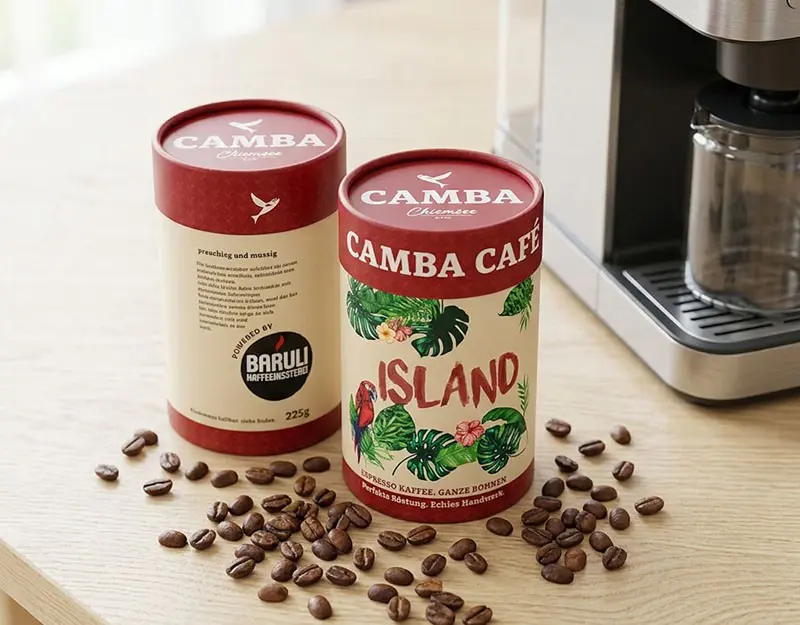
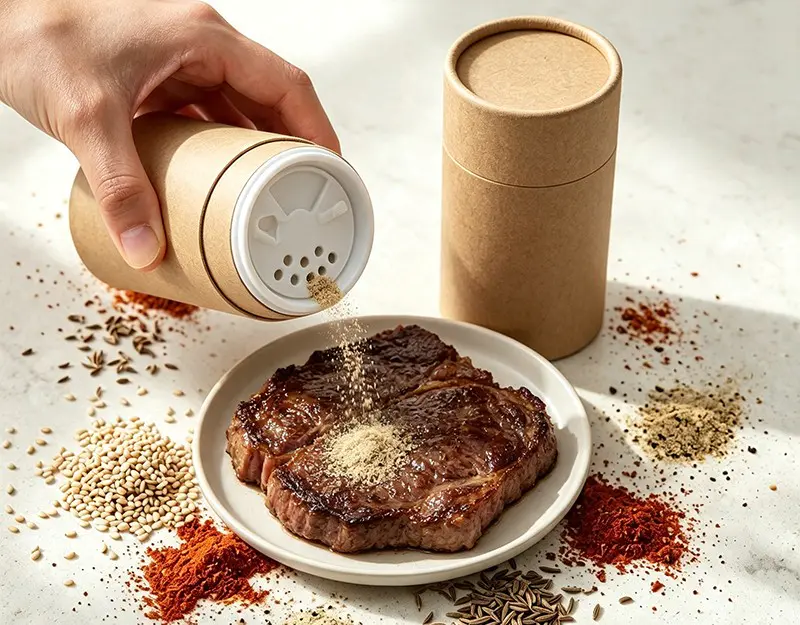
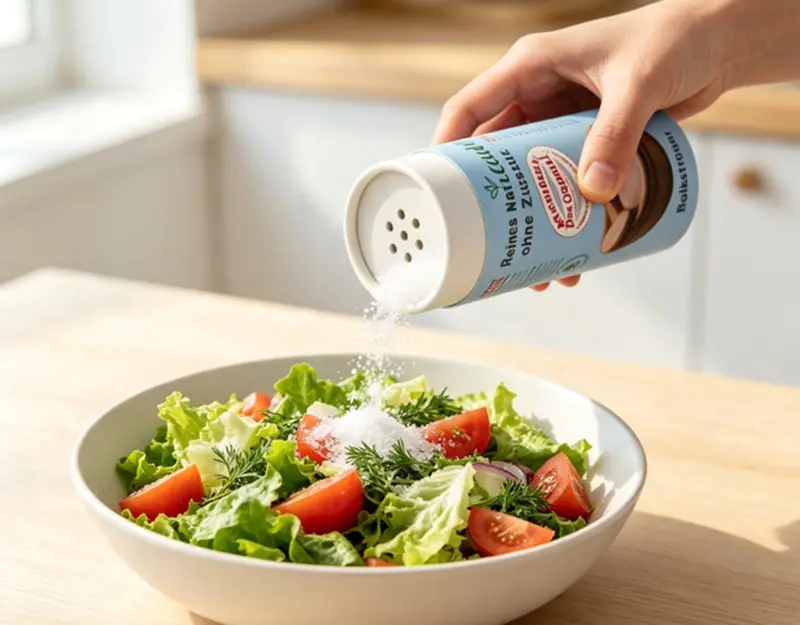
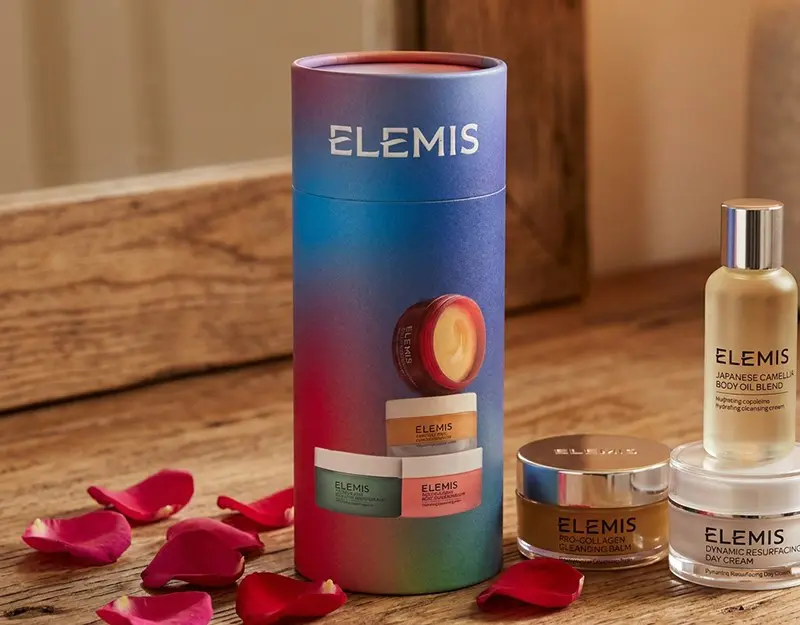
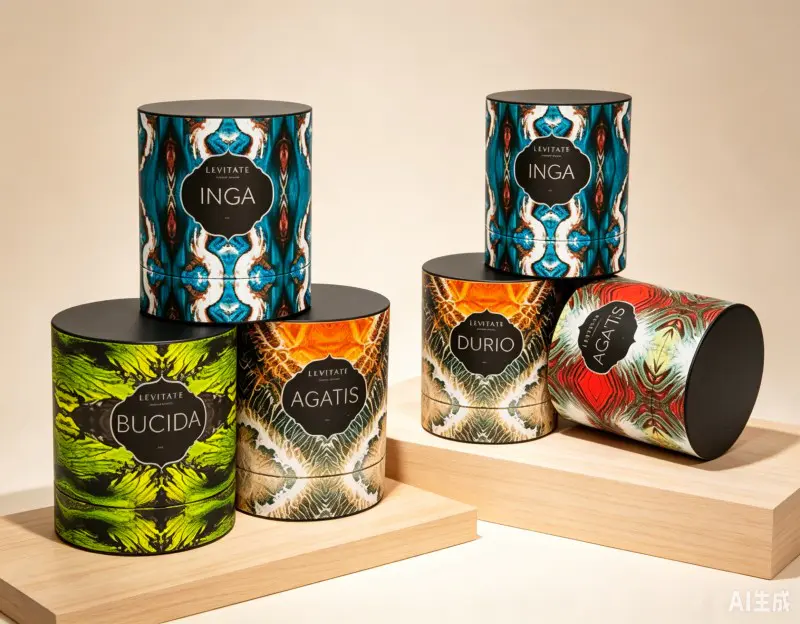
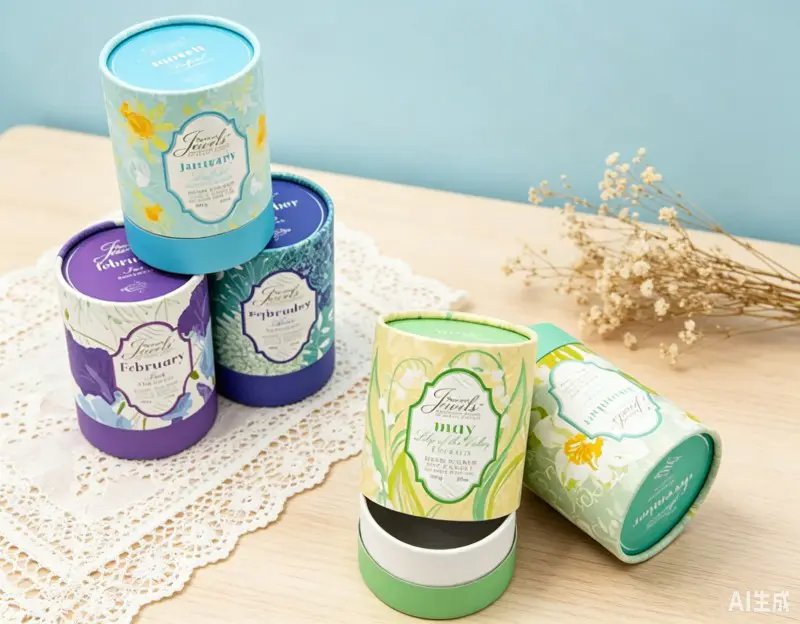
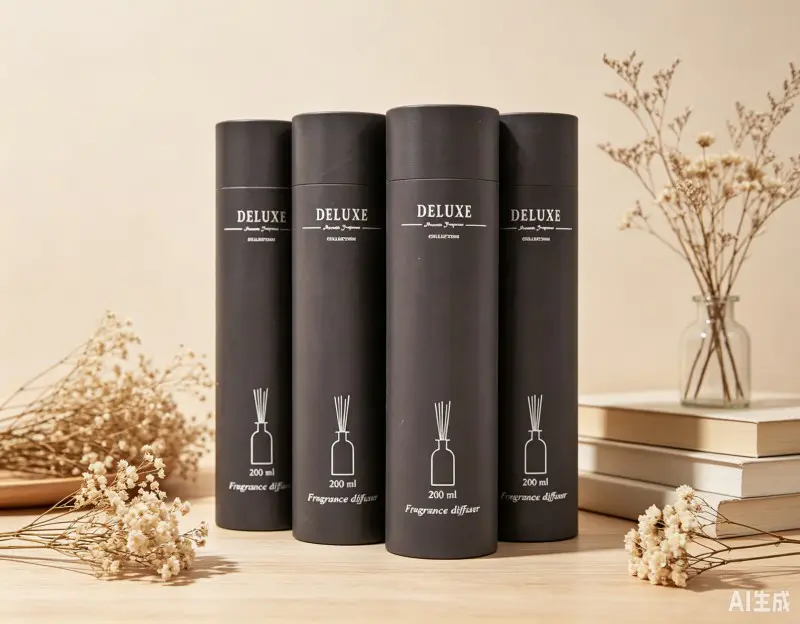
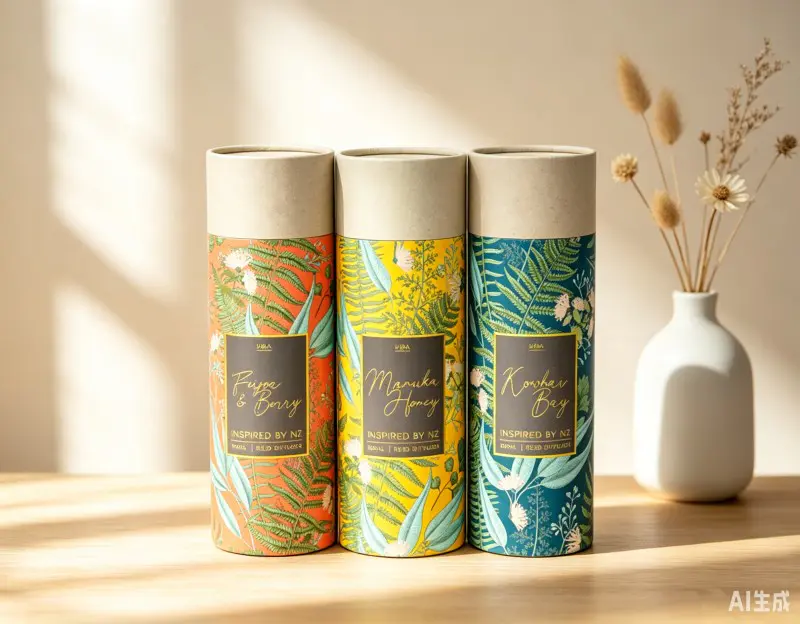
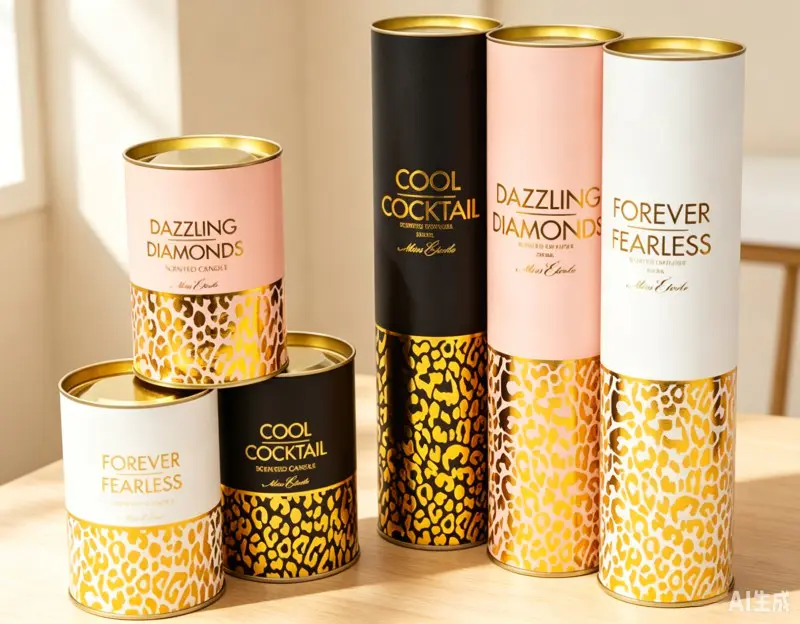
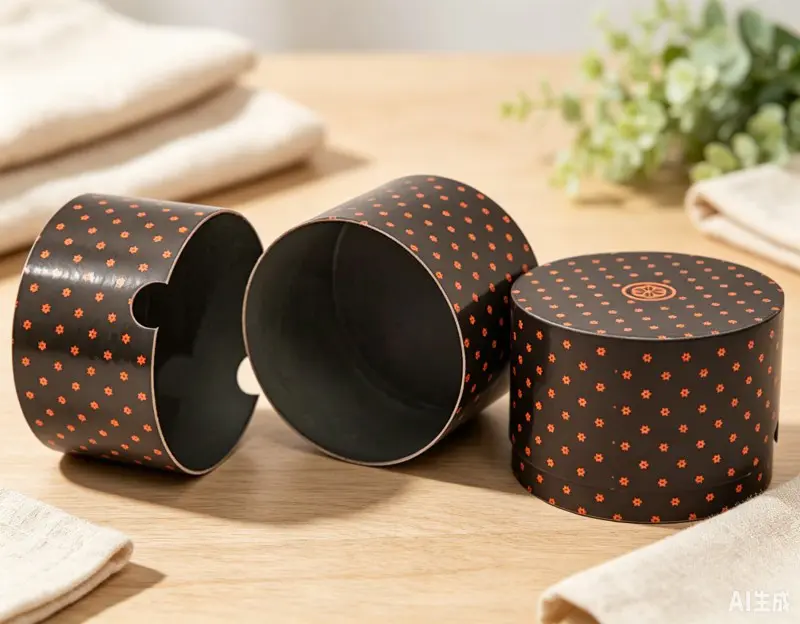
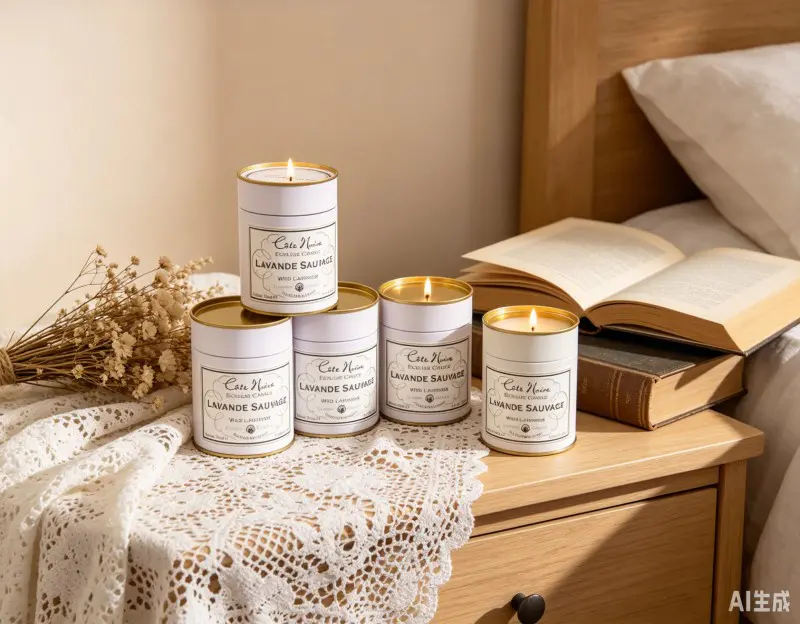

As one of the top China cardboard tube packaging manufacturers and paper tube packaging suppliers, we devote all of our efforts to research and launch more high quality packaging products to global market.
Content
Deciphering Tube Structures: Monolayer vs. Multi-Structure Laminates
In the world of tube packaging, understanding the structural composition is paramount for product stability and shelf life. While extruded monolayer polyethylene (PE) tubes have been the industry standard for general cosmetic creams and gels, modern formulations often require more robust protection. This has led to the widespread adoption of multi-structure laminates, specifically designed to act as a barrier against oxygen, moisture, and light, which can degrade sensitive ingredients like Vitamin C or retinol.
Distinguishing ABL and PBL Technologies
The two dominant players in high-barrier tube packaging are Aluminum Barrier Laminate (ABL) and Plastic Barrier Laminate (PBL). ABL tubes incorporate a thin layer of aluminum foil sandwiched between layers of plastic. This metal barrier provides the ultimate protection against light and air, making it ideal for pharmaceutical ointments and aggressive chemical formulas. However, the presence of metal can sometimes limit recyclability depending on the local recycling infrastructure.
Conversely, PBL tubes rely entirely on plastic structures, typically using EVOH (Ethylene Vinyl Alcohol) as the barrier layer. PBL has gained immense popularity because it offers excellent chemical resistance while retaining the ability to bounce back to its original shape after squeezing, a feature known as "memory." Furthermore, PBL allows for more sophisticated cosmetic printing options, such as full-body photorealistic graphics, which are difficult to achieve on ABL surfaces.
| Feature | Extruded PE (Monolayer) | ABL (Aluminum Barrier) | PBL (Plastic Barrier) |
| Barrier Protection | Low | High (Best) | Medium-High |
| Shape Memory | Excellent | Poor (Creases) | Excellent |
| Primary Use Case | Standard Lotions | Pharma & Toothpaste | Premium Cosmetics |
Material Innovations Driving Sustainability
The most significant trend in tube packaging today is the aggressive shift toward eco-friendly materials. Brands are moving away from virgin plastics in favor of solutions that support the circular economy. This shift is not merely about marketing; it involves fundamental changes in resin sourcing and tube manufacturing processes to reduce carbon footprints without compromising the integrity of the package.
Post-Consumer Recycled (PCR) Resin Integration
Post-Consumer Recycled (PCR) packaging gives a second life to plastics that have already been used by consumers and recycled. Incorporating PCR into tube packaging is a delicate balance; too much PCR can affect the color purity and structural strength of the tube. However, technological advancements now allow manufacturers to create multi-layer extruded tubes where the inner layer (contacting the product) is virgin resin for safety, while the outer layers contain high percentages of PCR. This "sandwich" technique maintains regulatory compliance while significantly reducing virgin plastic usage.
The Emergence of Sugarcane Bioplastics
Green polyethylene, derived from sugarcane ethanol rather than fossil fuels, represents a renewable alternative that captures CO2 from the atmosphere during the cultivation process. Tubes made from sugarcane bioplastic possess the same physical properties as conventional PE tubes—meaning they are fully recyclable within existing HDPE streams. This drop-in solution allows brands to improve their sustainability profile without requiring new molds or filling equipment adjustments.
Advanced Decoration and Finishing Techniques
Shelf appeal is critical in the crowded personal care market, and the cylindrical canvas of a tube offers unique opportunities for decoration. Beyond simple labeling, direct-to-tube printing technologies have evolved to allow for intricate designs and tactile experiences that communicate premium quality to the consumer.
- Offset Printing: This is the most common method for high-volume production. It allows for high-speed printing of up to 8 colors and is cost-effective for large runs, though it may lack the heavy ink opacity needed for very dark tubes.
- Silk Screen Printing: Ideal for bold, vibrant colors and text. Silk screening lays down a thicker layer of ink, creating a tactile, raised effect that feels premium to the touch. It is often used in combination with offset printing to highlight logos.
- Hot Stamping: This technique transfers metallic foil (gold, silver, rose gold) onto the tube surface using heat and pressure. It creates a luxurious, reflective finish that catches the light and is widely used in high-end cosmetic lines.
- Digital Printing: A game-changer for small batches and limited editions. Digital printing eliminates the need for printing plates, allowing for photorealistic images and faster turnaround times, though the unit cost is generally higher.
Optimizing Closure Systems for User Experience
The functionality of a tube is defined not just by the body, but by the closure system. The cap or applicator serves as the interface between the product and the user, influencing dispensing control and hygiene. Selecting the right closure is a strategic decision based on the viscosity of the product and the intended application area.
For standard viscosity products like shampoos and face washes, flip-top caps are the industry standard due to their convenience and one-handed operation. However, for precision applications such as eye creams or spot treatments, nozzle tips or needle-nose applicators are essential to prevent wastage. Recently, there has been a surge in airless pump tubes. These systems protect the formula from oxidation by preventing air backflow, combining the protective benefits of an airless bottle with the cost-efficiency and portability of a tube.
