 English
 Español



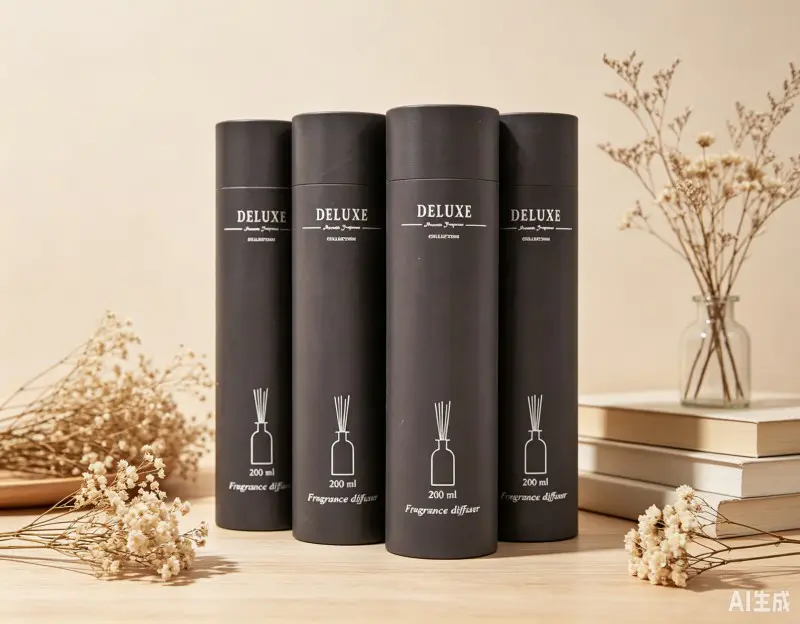
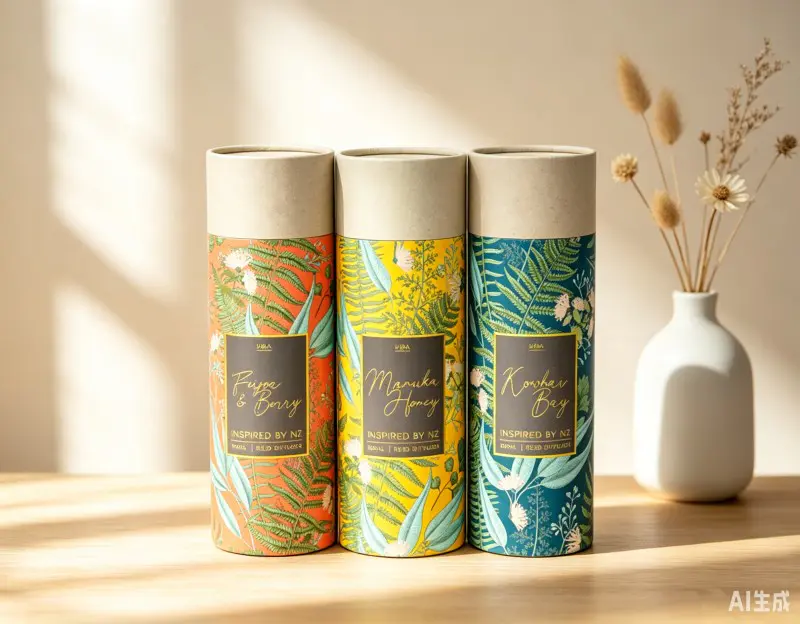
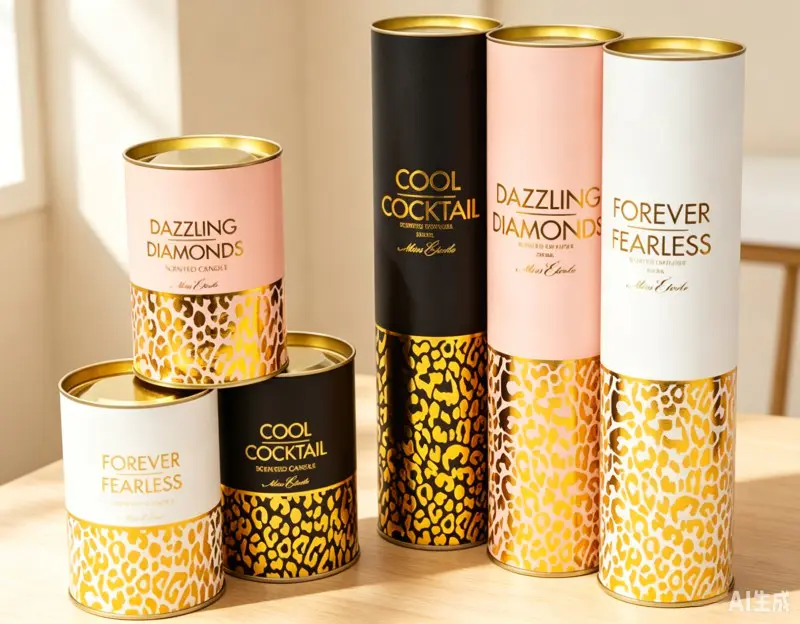
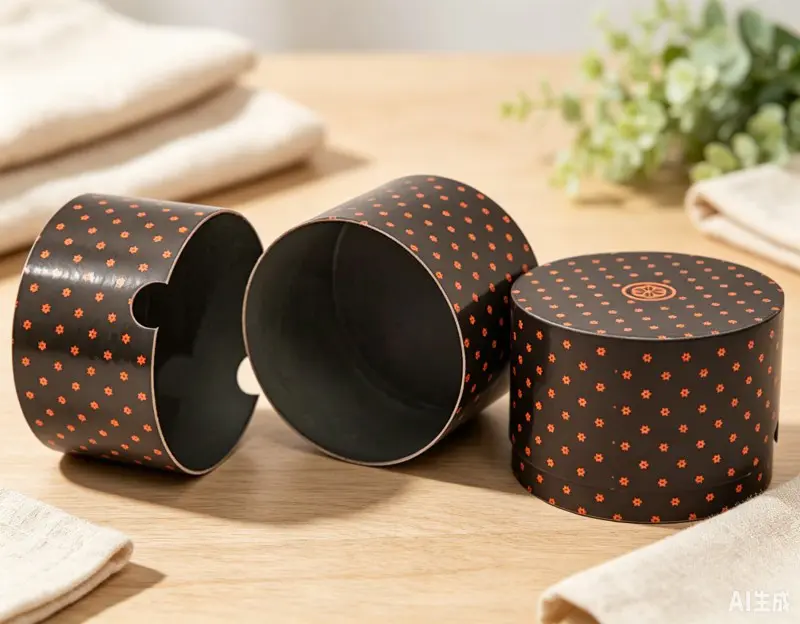
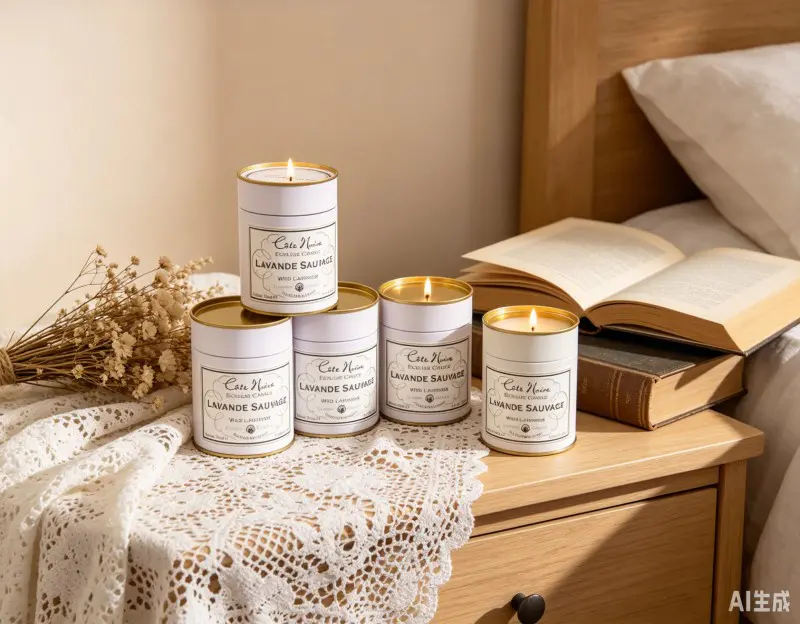

As one of the top China cardboard tube packaging manufacturers and paper tube packaging suppliers, we devote all of our efforts to research and launch more high quality packaging products to global market.
Content
A Closer Look at the Materials and Manufacturing
The rise of e-commerce and a global push toward sustainability have placed packaging under a microscope. Amid this scrutiny, one humble material has emerged as a frontrunner for eco-friendly design: kraft tube packaging.
What is Kraft Paper?
The story begins with kraft paper itself. The term “kraft” is German for “strength,” a fitting name for this incredibly durable material. It is produced through the kraft pulping process, which uses a chemical treatment—mainly a mix of sodium hydroxide and sodium sulfide—to separate cellulose fibers from the lignin and other components of wood. This process is superior because:
- It can utilize nearly all types of wood, including resinous species like pine, which are unsuitable for other pulping methods.
- The chemicals used are recovered and reused in an almost closed-loop system, making the process inherently more sustainable than traditional paper making.
- It leaves the cellulose fibers longer and stronger, which is why kraft paper is famously resistant to tearing and bursting.
The Anatomy of a Tube
Kraft tube packaging is not just a simple sheet of paper rolled up. It is a highly engineered product. The tubes are typically constructed by spirally winding several plies, or layers, of kraft paper around a mandrel. An adhesive, often a non-toxic, water-based glue, binds the layers tightly together.
The resulting structure is remarkably strong. This multi-ply construction provides excellent crush resistance and torsional strength, protecting delicate contents like cosmetics, bottles, posters, or even food items during shipping and handling. The final touch is the end caps, which can be made of paperboard, metal, or biodegradable plastic, sealing the package and providing an easy opening mechanism for the consumer.
Why Kraft Tube Packaging is an Environmental Champion
The primary appeal of kraft tube packaging lies in its impressive environmental credentials, which address many of the concerns associated with traditional plastic and non-recyclable composite packaging.
Recyclability and Biodegradability
Because the main component is virtually pure cellulose, kraft tubes are widely accepted by most municipal recycling programs, provided any non-paper components (like plastic plugs or metal caps) are removed.
Furthermore, even if the tube doesn’t make it to a recycling facility, its natural composition means it is fully biodegradable and compostable. In a typical composting environment, it will naturally break down much faster than synthetic materials, returning to the earth without leaving behind microplastic pollutants. This cradle-to-cradle lifecycle is a key selling point for environmentally conscious brands and consumers.

Reduced Carbon Footprint
The material itself is sourced from renewable resources—trees grown in responsibly managed forests. The lightweight nature of the tubes also contributes to a lower carbon footprint in shipping. Less weight per unit means less fuel consumed during transportation, a significant factor in reducing overall logistics emissions.
Applications and the Future of Kraft Packaging
Kraft tube packaging has expanded far beyond its original use for mailing documents and artwork.
Diverse Market Adoption
Today, you can find kraft tubes being used by:
- Cosmetic Brands: For packaging sensitive products like essential oils and skin serums, replacing glass or plastic bottles with a sturdy, sustainable shell.
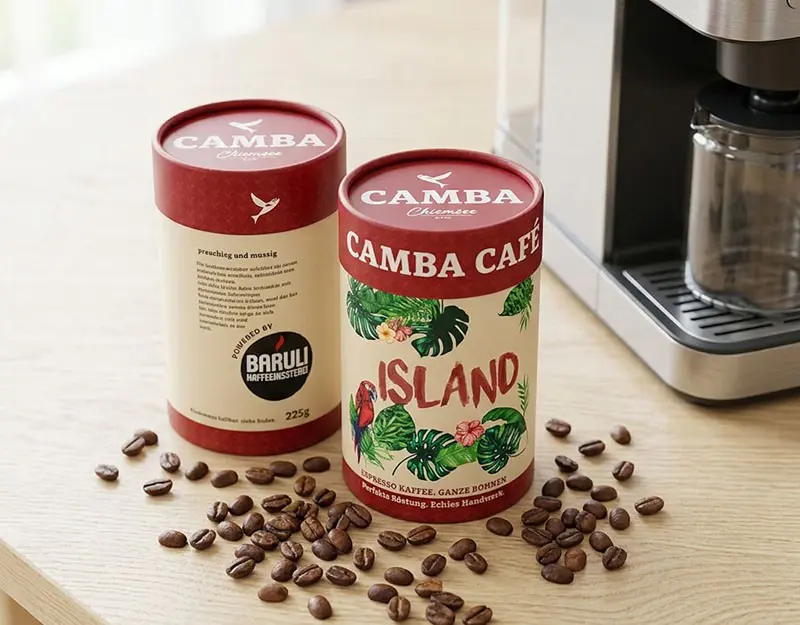
- Food and Beverage: Housing premium tea, coffee, or even wine bottles. The thick walls can even provide a slight insulating quality.
- Apparel and Retail: For rolling and protecting t-shirts, socks, or small accessories, offering a premium and natural aesthetic.
The Aesthetic Appeal and Customization
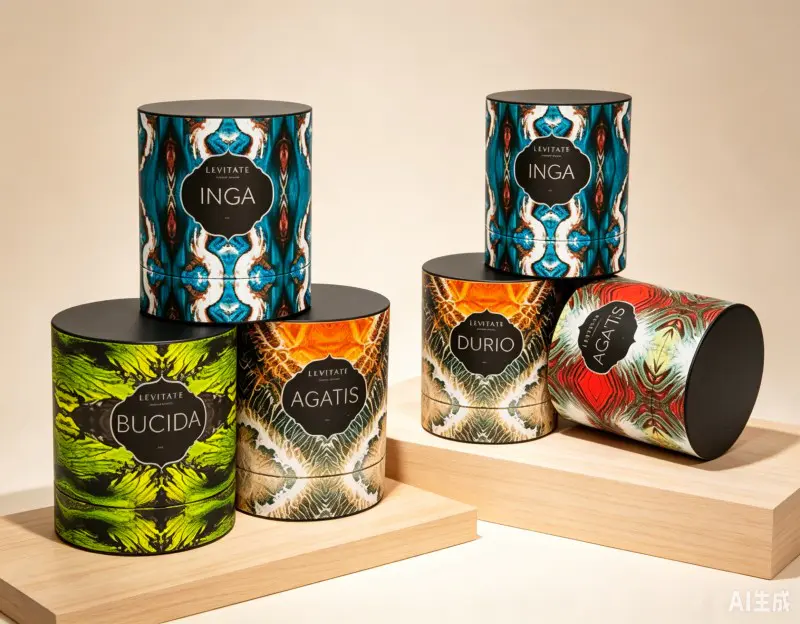
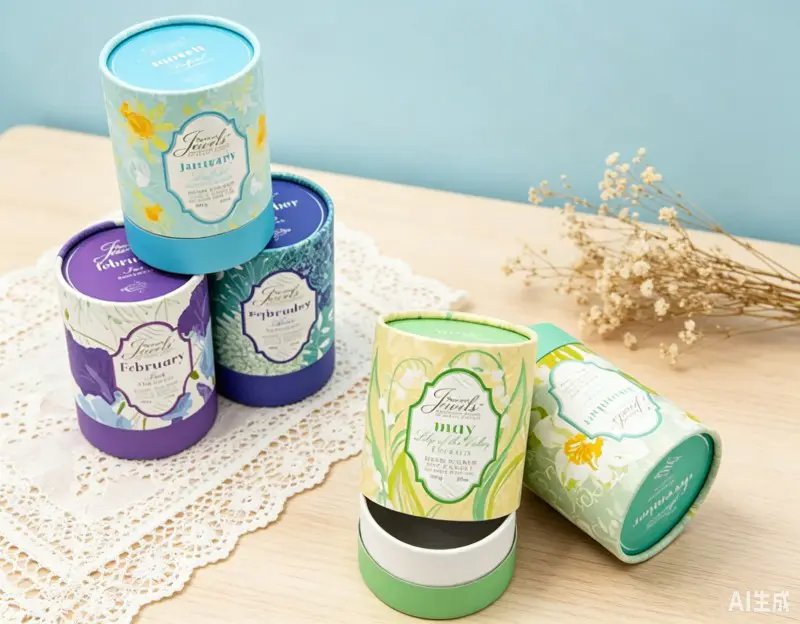
Beyond its green benefits, kraft tube packaging offers a unique, tactile, and natural aesthetic that resonates with modern consumers. The brown, earthy look of the unbleached kraft paper signals sustainability and artisanal quality. The surface is also highly customizable; it can be printed with vibrant designs, foil-stamped, or embossed, allowing brands to maintain a strong visual identity while upholding their eco-friendly values.
As consumers demand more transparency and sustainable options from the brands they support, the demand for simple, effective, and earth-friendly solutions like kraft tube packaging is only set to grow. It is a powerful example of how a centuries-old material can be ingeniously engineered for the challenges of the modern world.
