 English
 Español
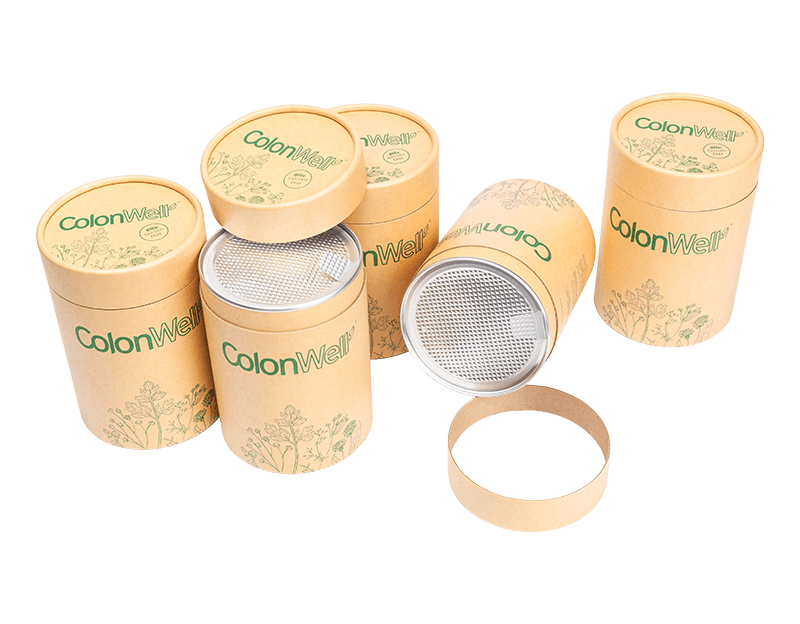
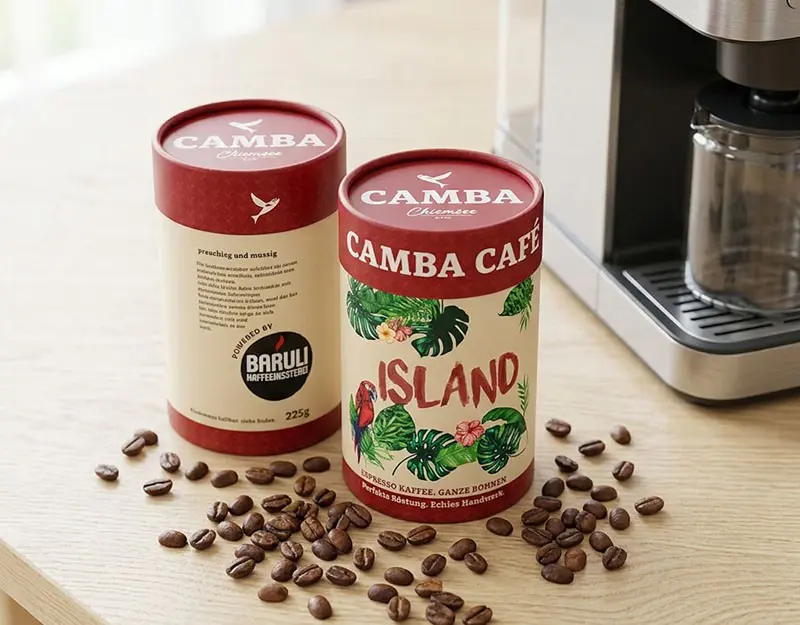
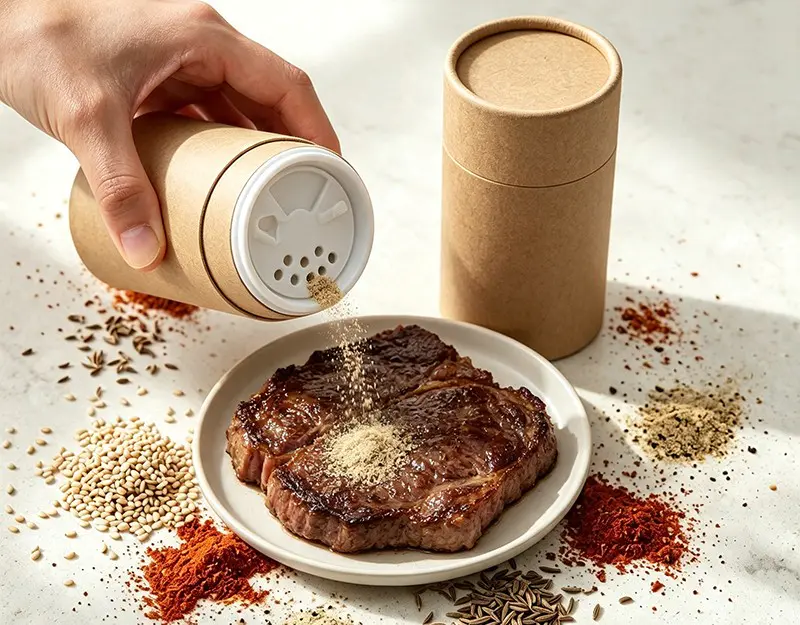

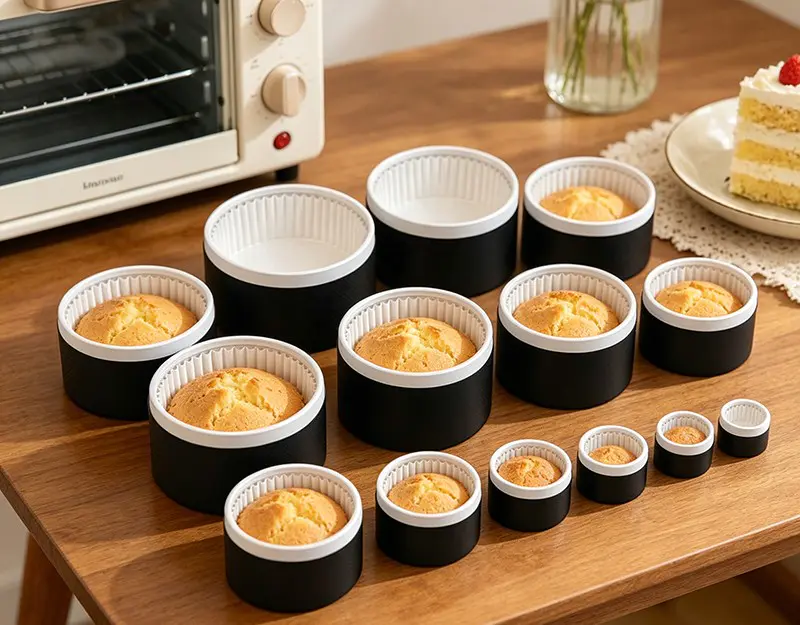

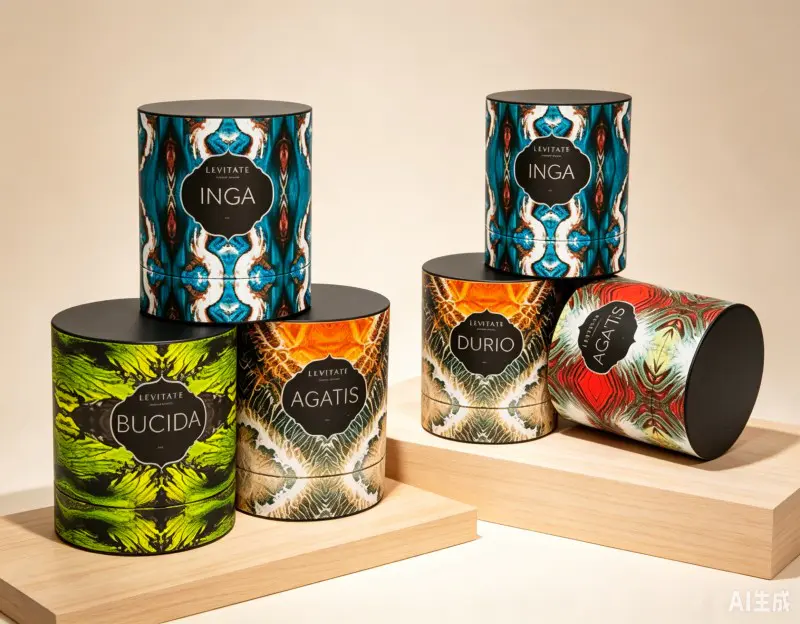
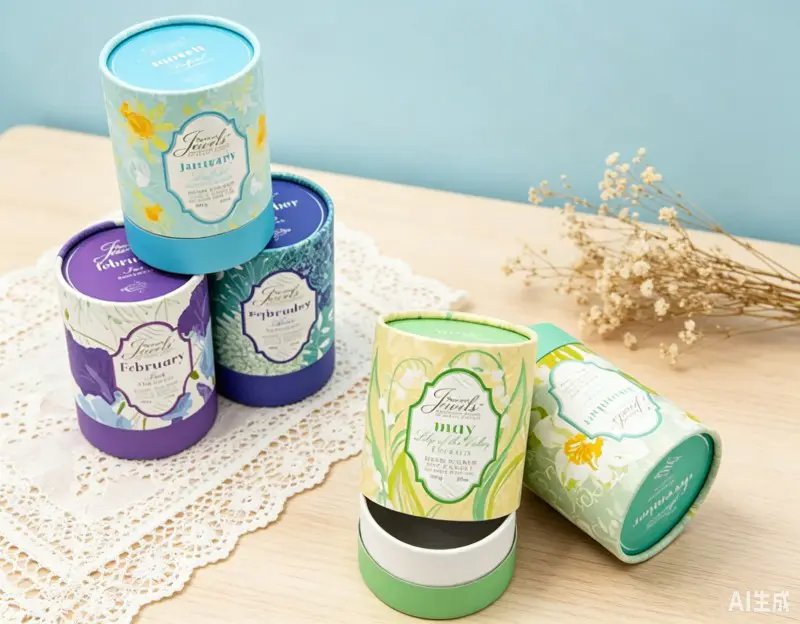
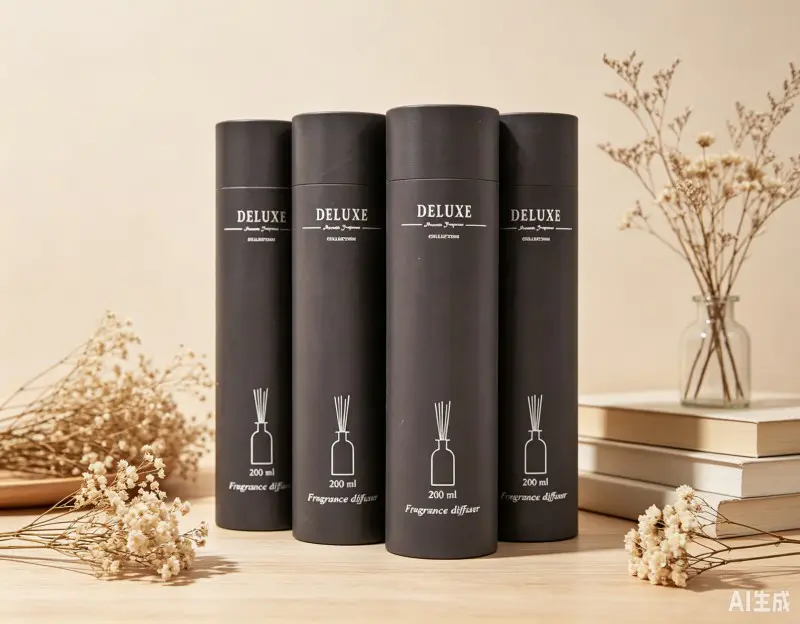
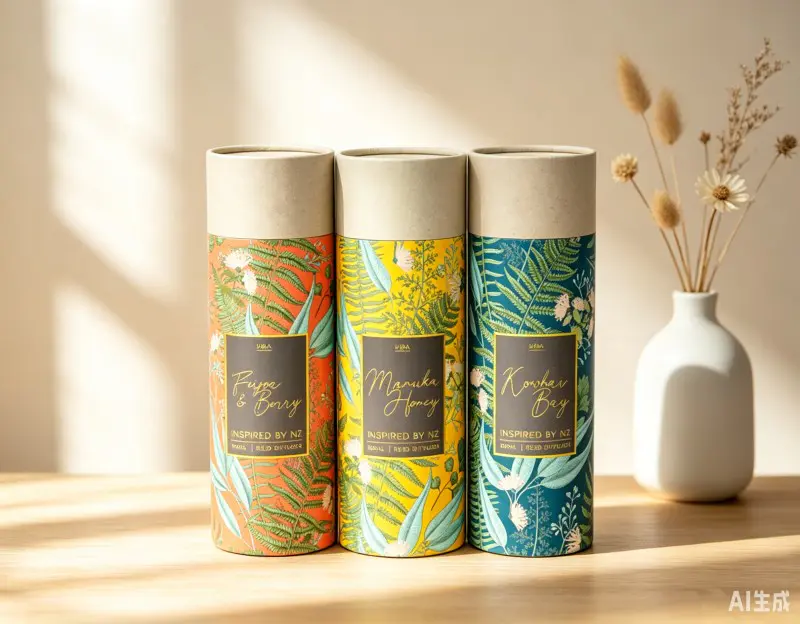
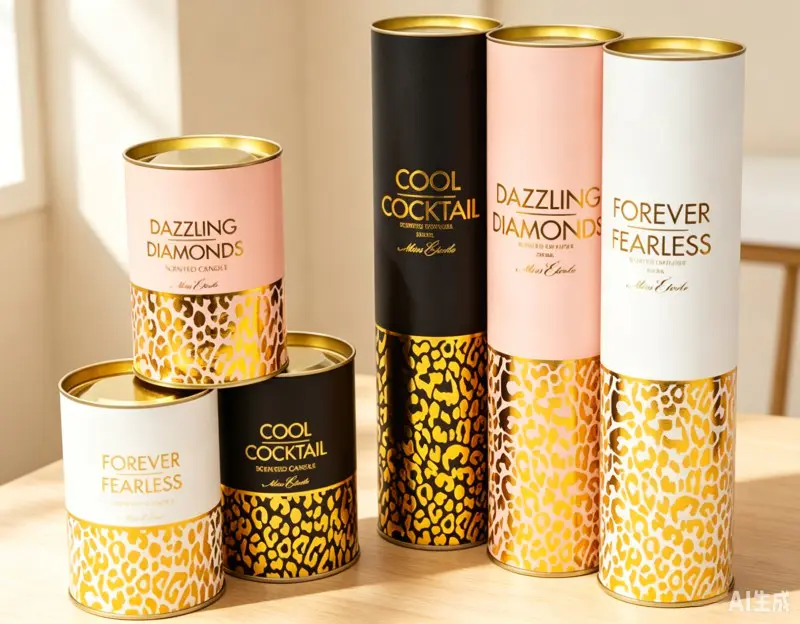
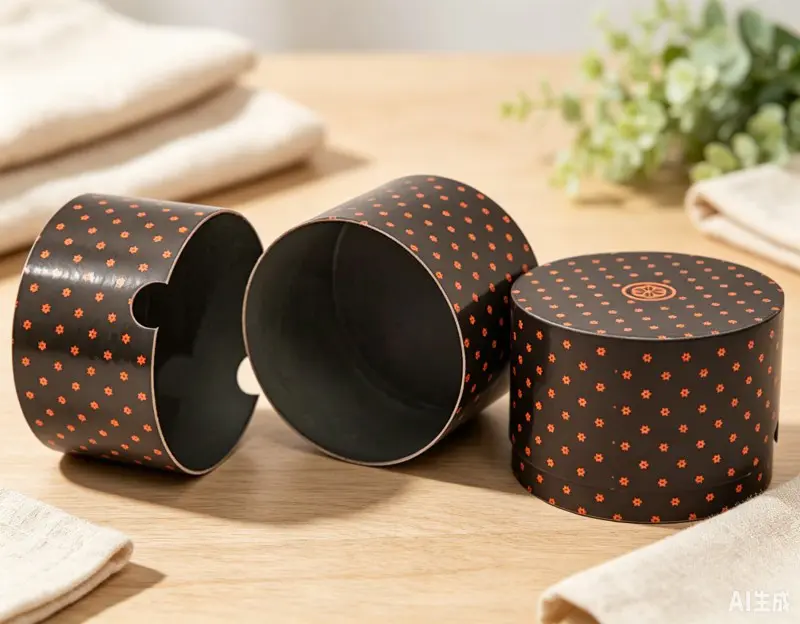
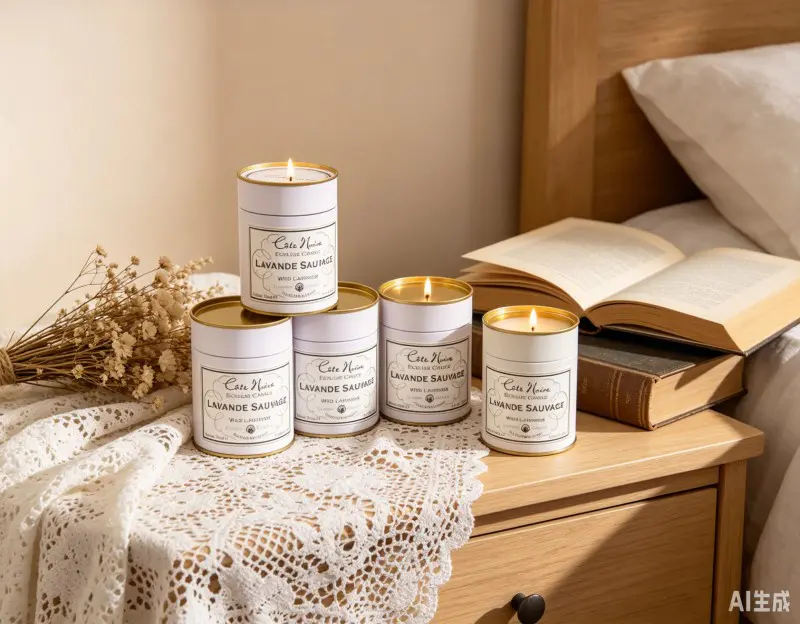

As one of the top China cardboard tube packaging manufacturers and paper tube packaging suppliers, we devote all of our efforts to research and launch more high quality packaging products to global market.
Content
From Toilet Paper to Telescopes: The Humble Origins
We encounter them almost every day, yet rarely give them a second thought: the simple, cylindrical cardboard tube. From the roll at the heart of your toilet paper or kitchen towels to the robust containers protecting important documents, cardboard tubes are one of the most widespread and successful packaging solutions ever devised.
The basic concept has been around for centuries, but the modern, mass-produced paper tube or core we know today began to take shape with the Industrial Revolution and the need for efficient ways to wind, store, and protect flexible materials like textiles and paper.
How a Flat Piece of Cardboard Becomes a Mighty Tube
The creation of a custom cardboard tube is a fascinating process known as spiral winding or convolute winding.
Spiral Winding: The Dominant Technique
The most common method, spiral winding, is incredibly efficient:
- Raw Material: It starts with long, narrow strips of paperboard, often recycled kraft paper, coated with adhesive.
- The Angle: These strips are fed at an angle onto a mandrel—a precisely shaped rod—that dictates the tube’s internal diameter.
- The Twist: As the mandrel rotates, the strips are wrapped tightly around it in a continuous spiral, overlapping to form multiple layers. The number of layers determines the wall thickness and, consequently, the tube’s strength.
- Cutting: Once the desired wall thickness and continuous tube length are achieved, a rotating blade cuts the tube into the required custom length.
Customization: Tailoring Tubes for Every Need
What makes custom cardboard tubes so versatile is the sheer range of modifications available:
- Diameter and Length: Tubes can range from tiny cores for medical supplies to massive containers for posters or industrial metal coils.
- Wall Thickness: A thick wall provides exceptional crush resistance, ideal for shipping fragile items like glass bottles or electronics.
- Liners and Coatings: Tubes can be lined with materials like foil or greaseproof paper to make them food-safe, or coated with glossy paper for a premium retail appearance.
- End Closures: Tubes can be fitted with metal, plastic, or paper caps and plugs, or even feature a telescoping design where one tube slides inside another, like a sophisticated scroll holder.
The Science of Strength: Why Cylinders are Super Strong
A tube’s cylindrical shape is not an accident—it’s a marvel of engineering efficiency.
Compression Resistance
Unlike a square or rectangular box, a cylinder distributes external pressure (like the weight of boxes stacked on top of it) evenly around its entire circumference. There are no corners, which are typical weak points in box construction. This even distribution gives the tube an incredible crush resistance, often referred to as Mullen Burst Strength or Edge Crush Test (ECT) values in the packaging industry.
Minimizing Material
For a given volume, a cylinder uses the least amount of surface material compared to any other three-dimensional shape. This makes the tube a highly material-efficient and cost-effective option. Less material means less waste and a lower environmental footprint, especially when made from recycled paperboard.
A Sustainable Future: The Eco-Friendly Appeal
In an age of environmental awareness, the cardboard tube stands out as a champion of sustainability.
The Power of Paper
Most custom cardboard tubes are made primarily from recycled paper fibers (often 100% post-consumer waste). This means that they divert significant material from landfills and have a low impact on forestry.
End-of-Life: Easily Recycled
Because they are predominantly paper, cardboard tubes are easily accepted in most recycling programs globally, completing the circular economy loop. Even with some specialized coatings, the core material remains highly recyclable. This strong sustainability profile is a key reason why many modern brands are shifting from plastic-based packaging to custom paper tube solutions.
From protecting expensive single-malt whiskies to securely shipping artwork and acting as the core of industrial materials, the custom cardboard tube is a testament to simple design and smart engineering, proving that sometimes, the most effective solutions are the ones right under our noses.
