 English
 Español
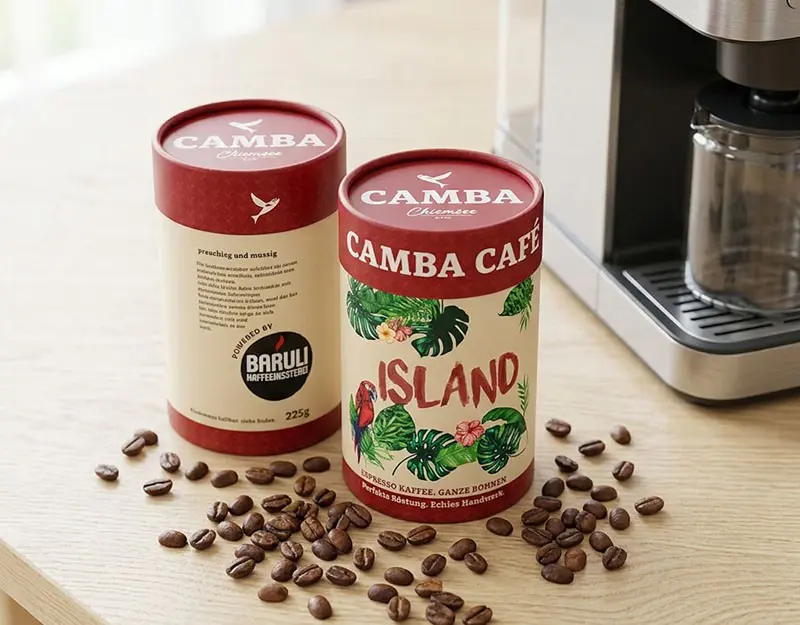
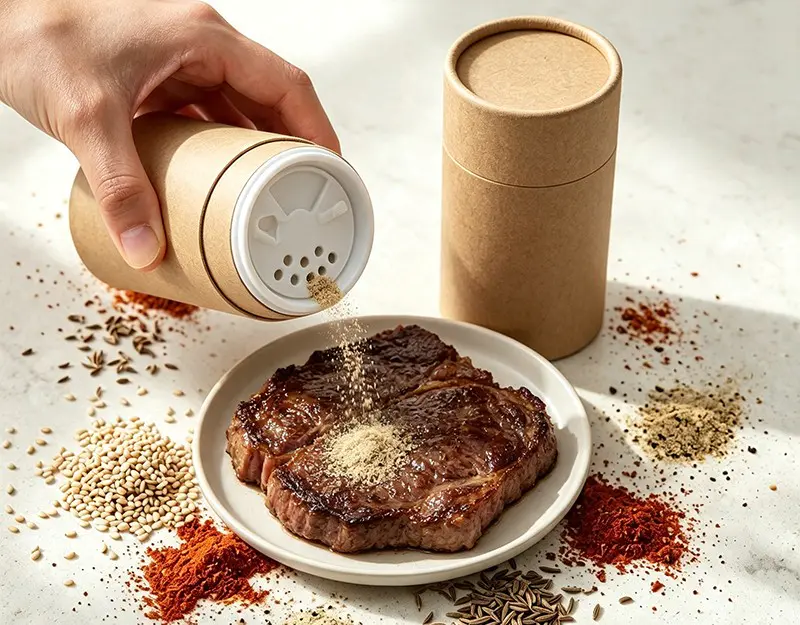
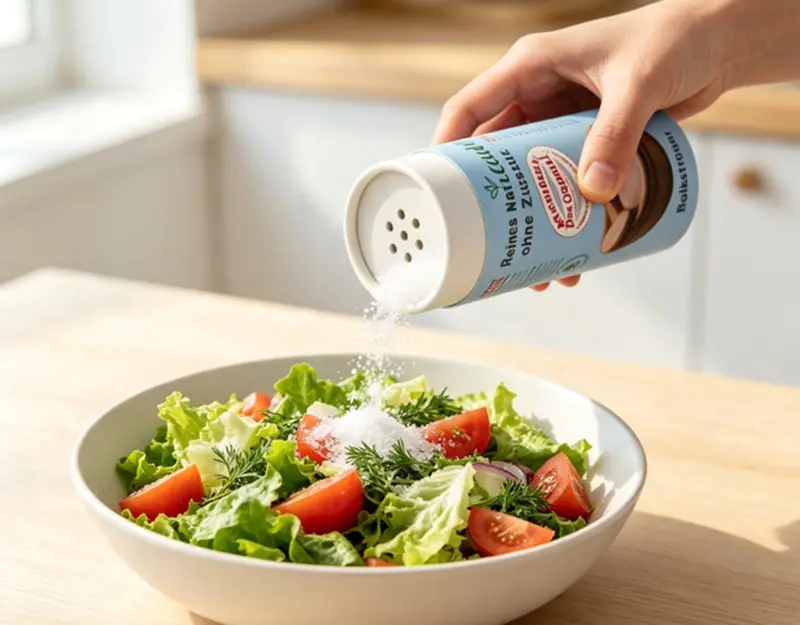
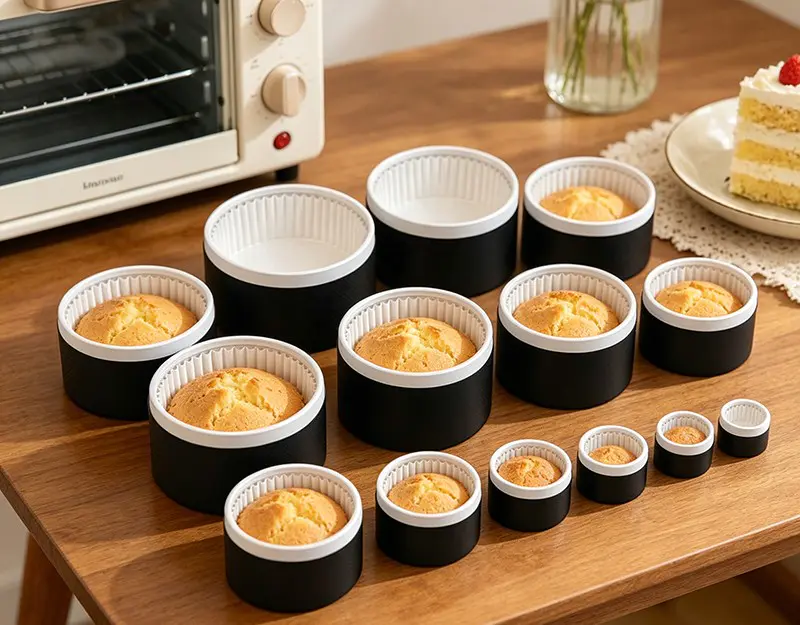
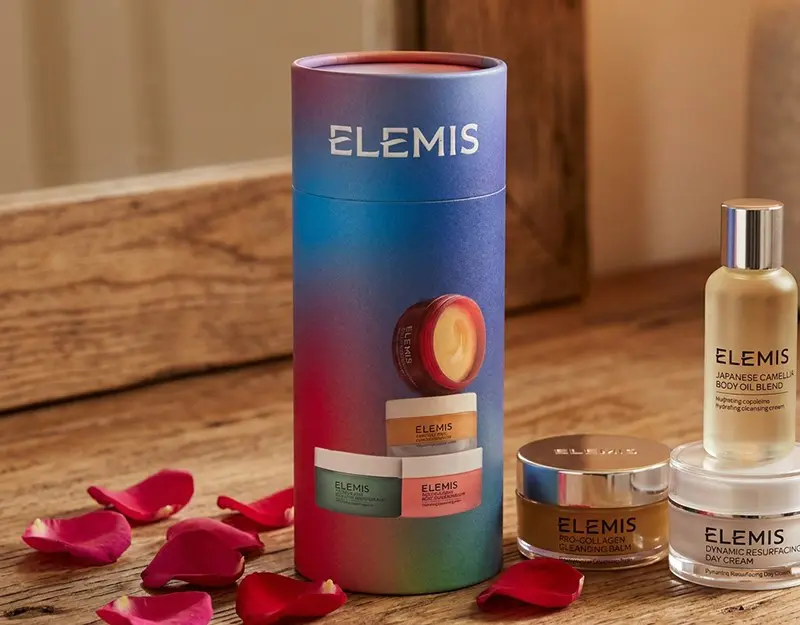
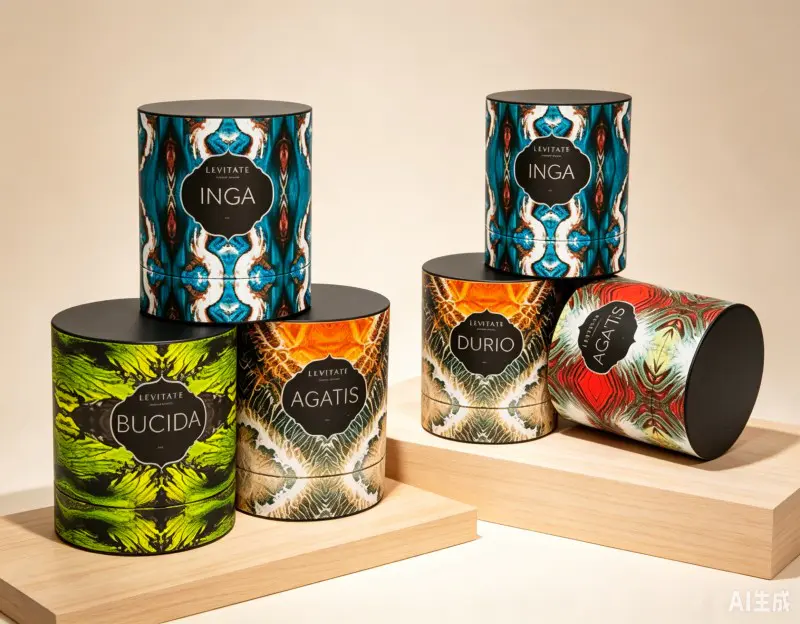
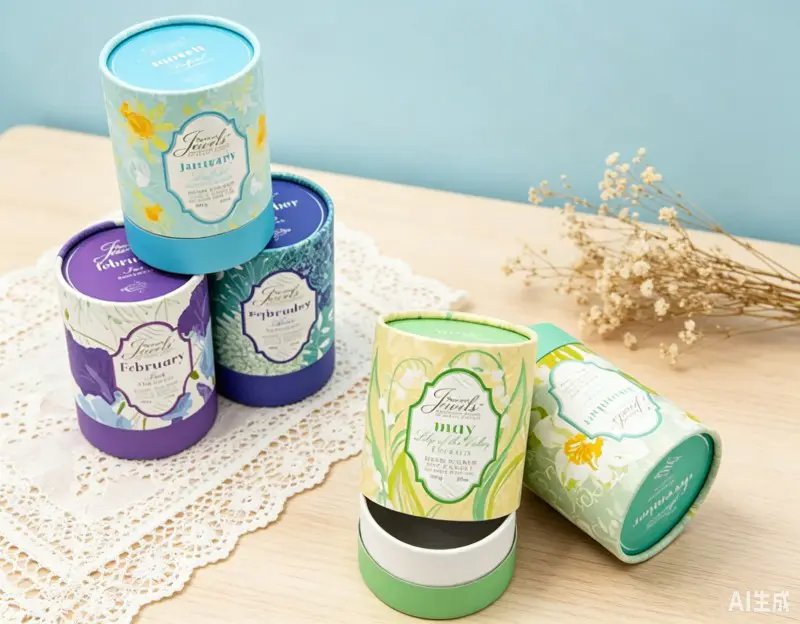
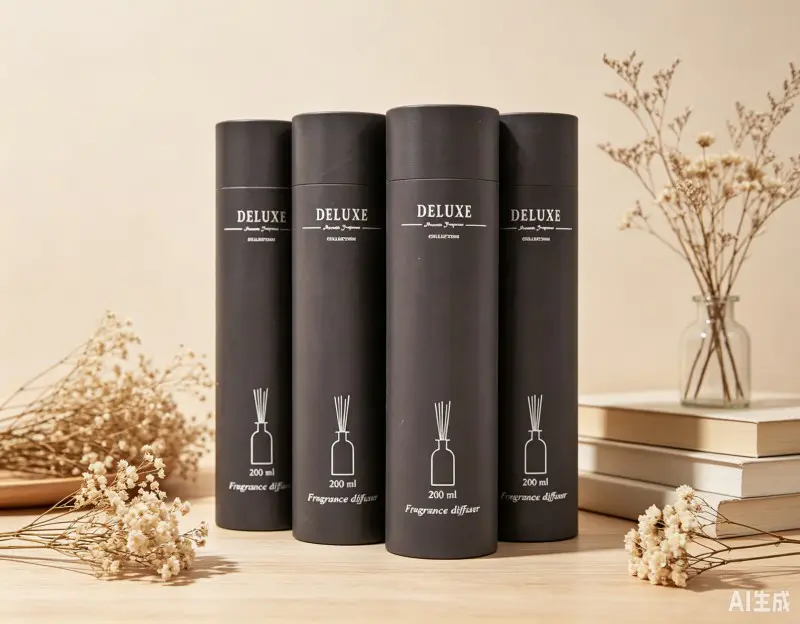
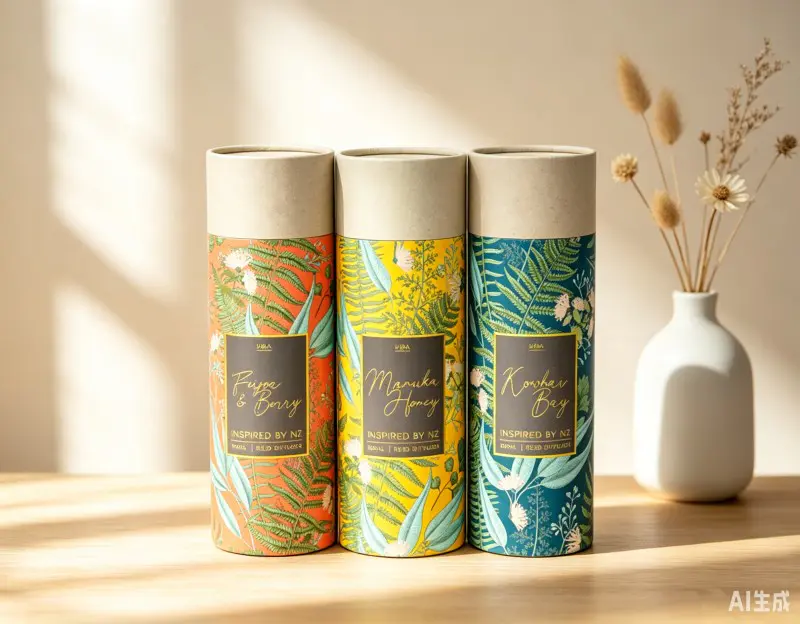
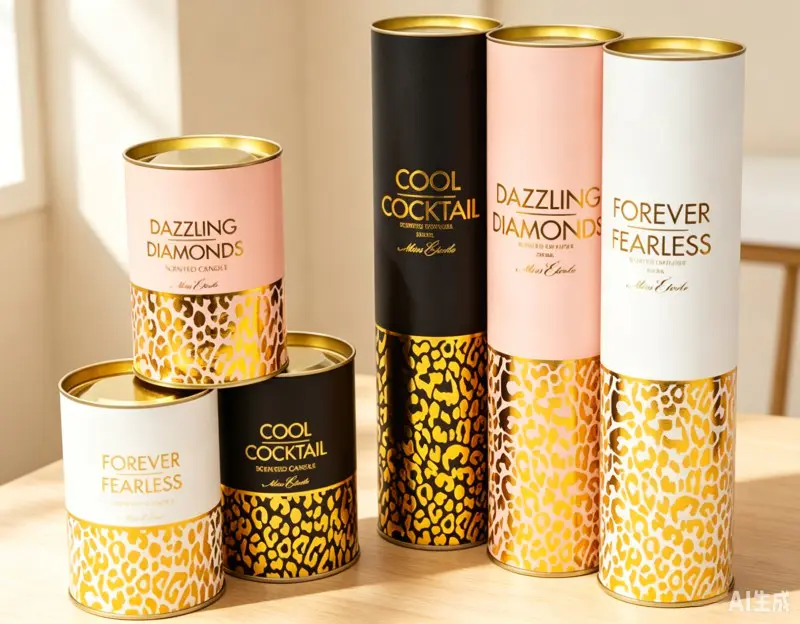
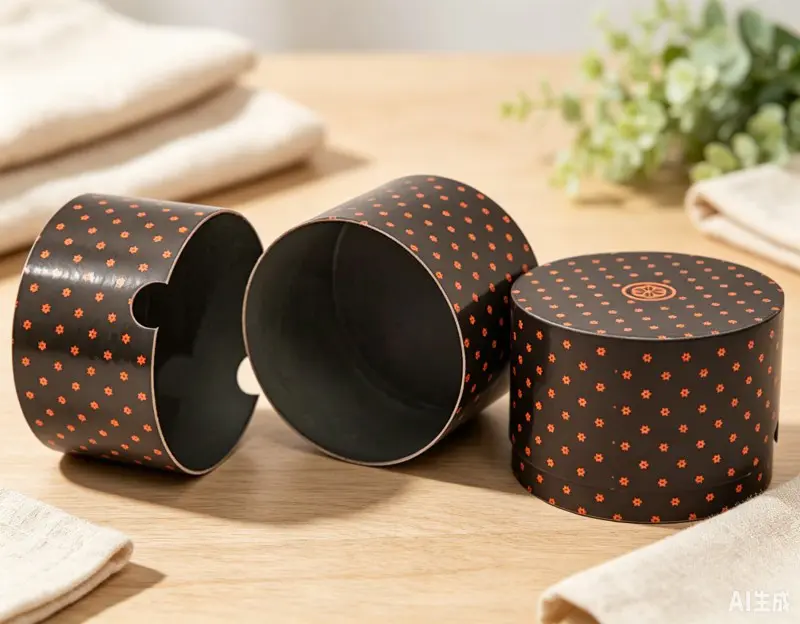


As one of the top China cardboard tube packaging manufacturers and paper tube packaging suppliers, we devote all of our efforts to research and launch more high quality packaging products to global market.
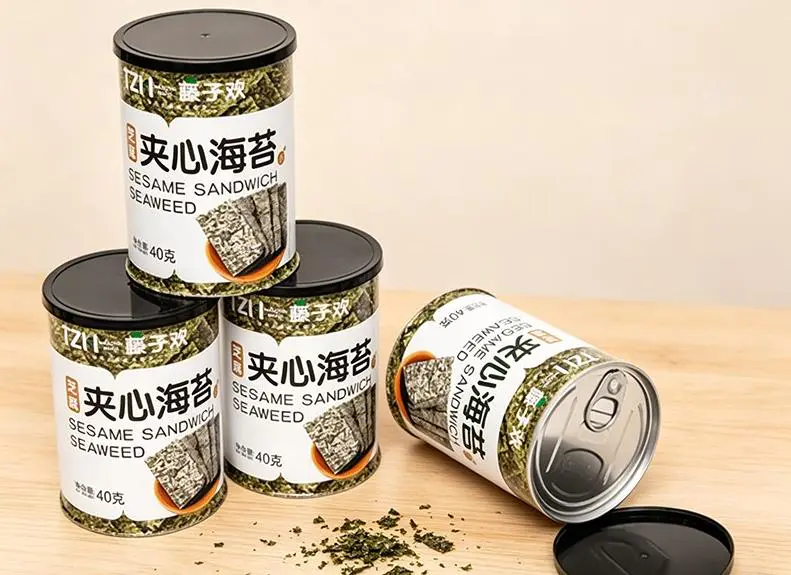
Many European food and supplement brands struggled with packaging failing PPWR heavy metal and PFAS tests recently. Composite paper cans become one reliable packaging solution for sealed food products. In this article, we will explain its structure, compliance standards, advantages and how to select qualified manufacturers.
For brands importing food paper tube packaging from China to the EU, PPWR compliance has become a non-negotiable priority. The EU Packaging and Packaging Waste Regulation (PPWR, Regulation (EU) 2025/40) enters into force on 12 August 2026. All food paper tube packaging placed on the EU market must satisfy relevant testing standards, otherwise shipments risk customs detention and financial penalties.
Many importers underestimate compliance risks for paper tube packaging. Even mono-material food paper tubes can fail PPWR testing due to poor raw materials, printing ink and adhesive issues. Below we share actionable tips to help your food paper tubes smoothly pass EU PPWR tests.
Content
1. Clarify classification: Mono paper tube vs composite paper tube
First, confirm whether your food paper tube is mono paper tube or composite paper tube under PPWR.
Mono paper tube: Single paper structure without permanent barrier liner. Classified as mono-material paper packaging. It faces simpler compliance requirements and is easier to meet recyclability standards. Suitable for dry food without strict moisture and oxygen barrier demands.
Composite paper tube: Paperboard combined with aluminium composite barrier liner to achieve airtight, moisture and oxygen resistance. Most composite paper tubes exceed the 5% secondary material weight threshold, fully subject to strict composite packaging rules.
Classification directly determines testing scope and recyclability evaluation requirements. Confirm the structure with your paper tube supplier at the design stage.
2. Strictly control hazardous substances (Core PPWR Article 5 test items)
Chemical testing is the basic requirement for food paper tubes. All components of paper tube packaging must meet the following limits:
Total heavy metals (lead, cadmium, mercury, hexavalent chromium): ≤100 mg/kg.
Strict PFAS control: Food-contact paper tubes must comply with PFAS restrictions; avoid materials treated with fluorinated coatings.
SVHC substances shall not exceed REACH regulatory thresholds
Common failure points: Printing ink, adhesive and recycled paperboard are the main sources of excessive hazardous substances. Choose food-safe, soy-based printing inks and formaldehyde-free adhesives. Avoid low-grade recycled paper without full testing.
3. Meet Design for Recycling & recyclability requirements
PPWR Article 6 mandates minimum recyclability grades for all packaging, with clear phase-in timelines: From 2030: Minimum Grade C (>70% recyclability).From 2038: Only Grade A (>95%) and Grade B (>80%) are permitted
Tips for food paper tubes:
- Mono paper tubes have advantages in recyclability assessment; prioritise mono paper tube solutions if you do not require airtight barrier performance.
- If airtight protection is necessary, optimise composite structures. Adopt separable barrier layers where technically feasible to improve recyclability grading.
- Avoid excessive multi-layer composite laminates that cannot be separated in European recycling streams.
- Select suitable raw materials for food contact
Food paper tubes directly contact snacks, spices, protein powder, tea and other food products. Apart from PPWR rules, materials must satisfy EU food contact material requirements. • Use food-grade virgin paper or qualified recycled paperboard • Reject unknown barrier coatings containing PFAS • Confirm all liners, inks and adhesives hold corresponding food contact test reports
- Prepare complete compliance documentation for inspection
Passing laboratory testing is not enough. EU regulators require full technical files upon request: • Material composition declaration of the paper tube packaging • Full chemical test reports issued by accredited laboratories • Recyclability assessment documents • Declaration of Conformity (DoC)
Ask your paper tube manufacturer to arrange all documents before production, and reserve sufficient lead time for testing.
- Standardised packaging marking requirements
According to PPWR harmonised marking standards, clearly label material composition on food paper tubes or outer packaging. Correct material classification helps recycling facilities sort packaging and reduces compliance risks during customs supervision.
Frequently Asked Questions
Q1: Are unlined mono food paper tubes automatically PPWR compliant?
No. Although mono paper tubes belong to mono-material packaging with lower recycling risks, they still need to pass heavy metal, SVHC and food-contact testing. Compliance cannot be guaranteed automatically.
Q2: Can composite food paper tubes still be exported to the EU after PPWR implementation?
Yes. PPWR does not ban composite packaging. Composite food paper tubes are allowed as long as they pass chemical testing,and need to provide recyclability evaluation documentation after 2030.
Final Takeaway
Getting food paper tubes ready to pass EU PPWR tests requires material selection, structural design and document preparation to work together. Many export brands encounter delays because they only consider functionality and ignore regulatory testing at the early design phase.
As a professional supplier of custom paper tube packaging, Qunle Packaging has an in-house R&D team. We provide mono paper tubes and optimised composite food paper tube solutions, together with complete test documentation for EU-focused customers.
If you need fluorine-free composite paper cans fully compliant with PPWR for your food line, contact us to get free samples and packaging customization solutions.
