 English
 Español

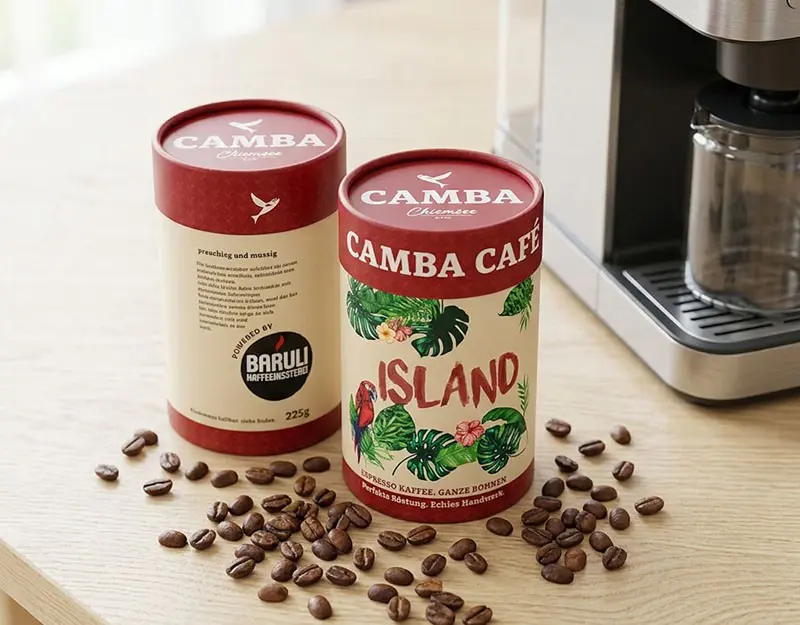
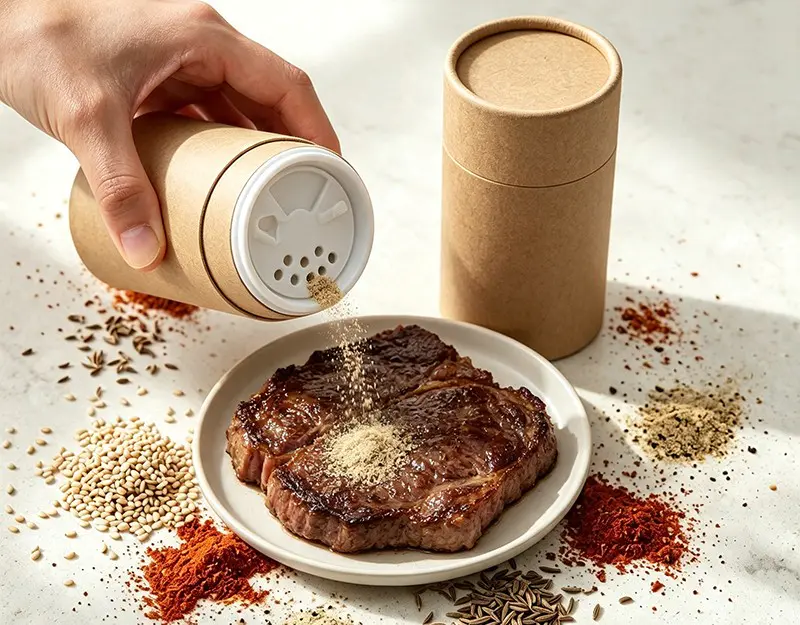
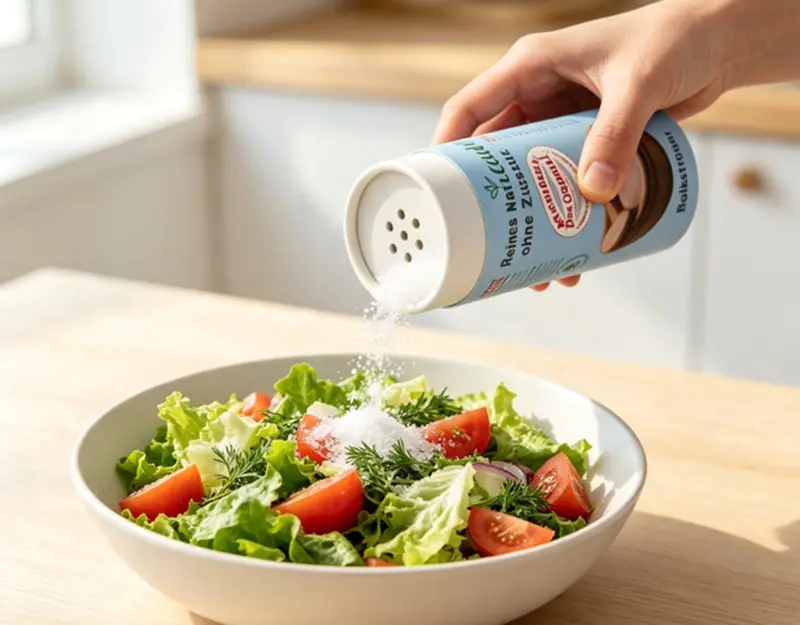
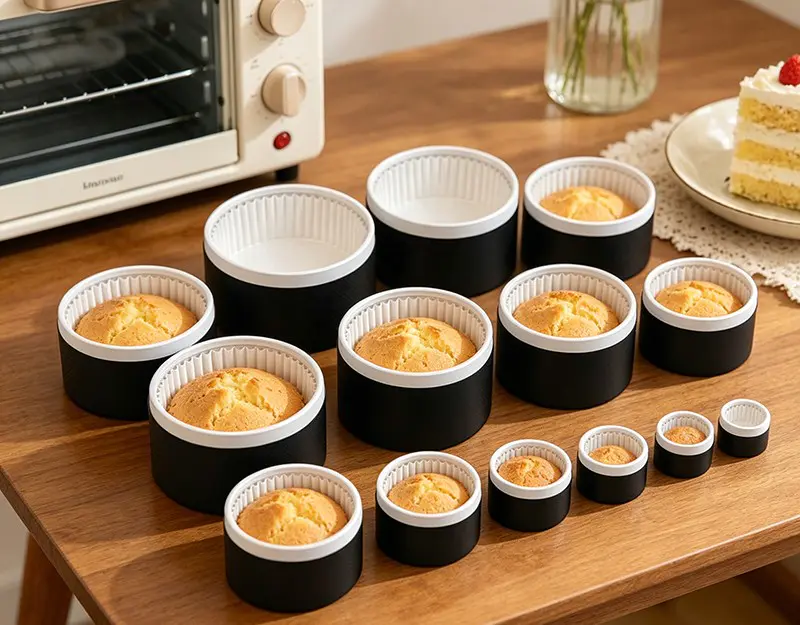
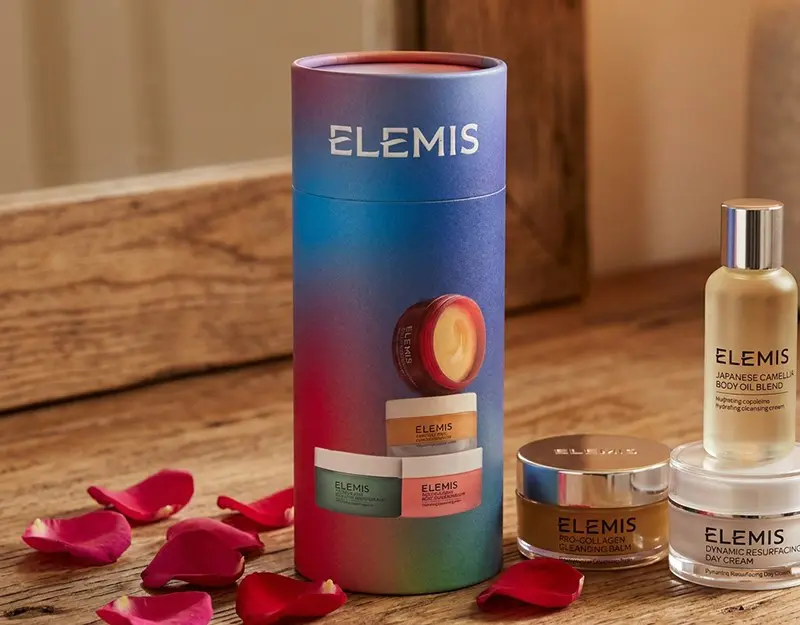
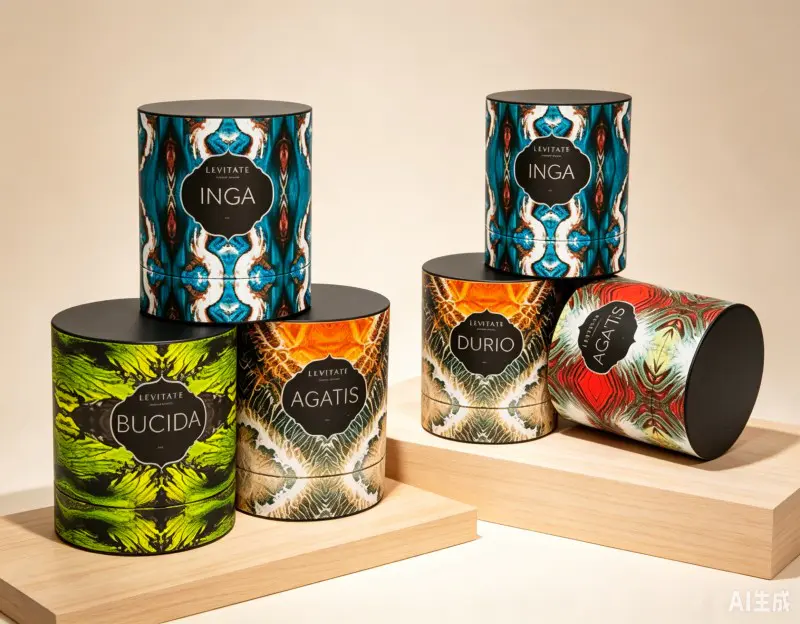
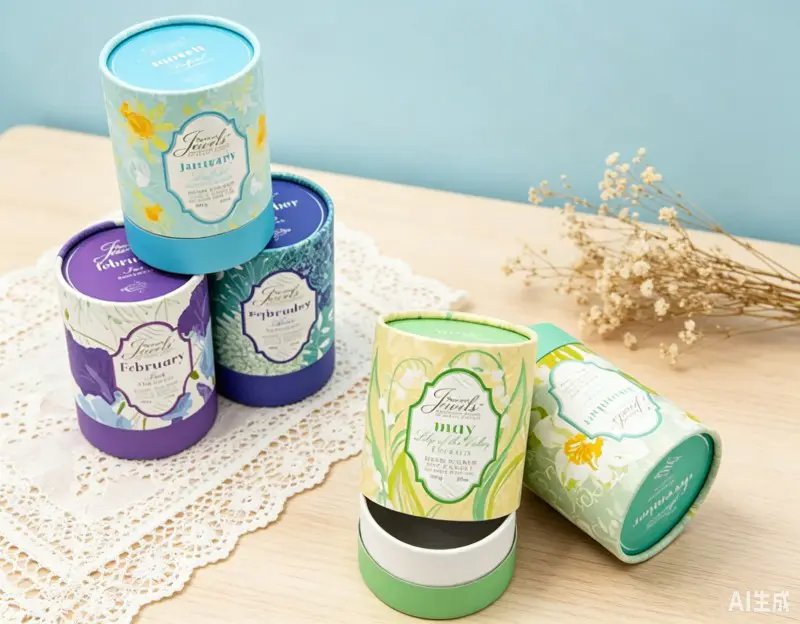
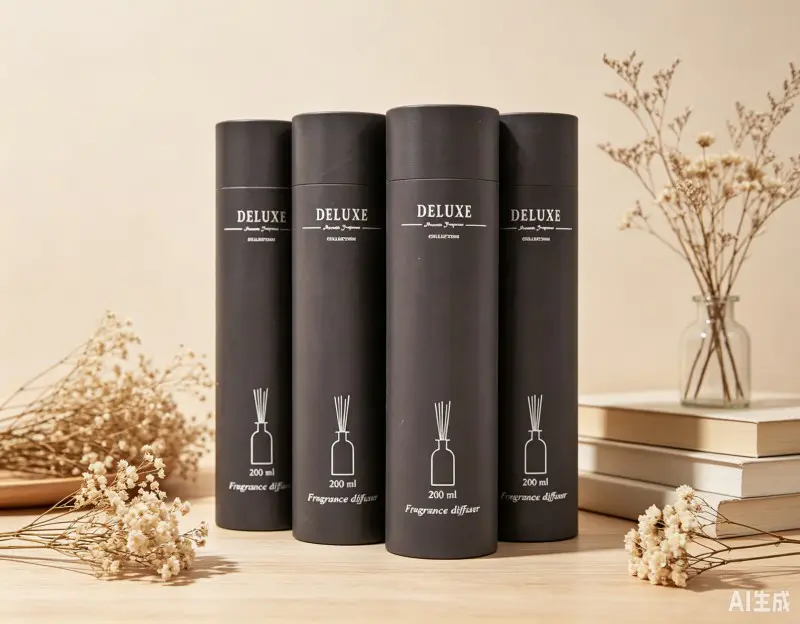
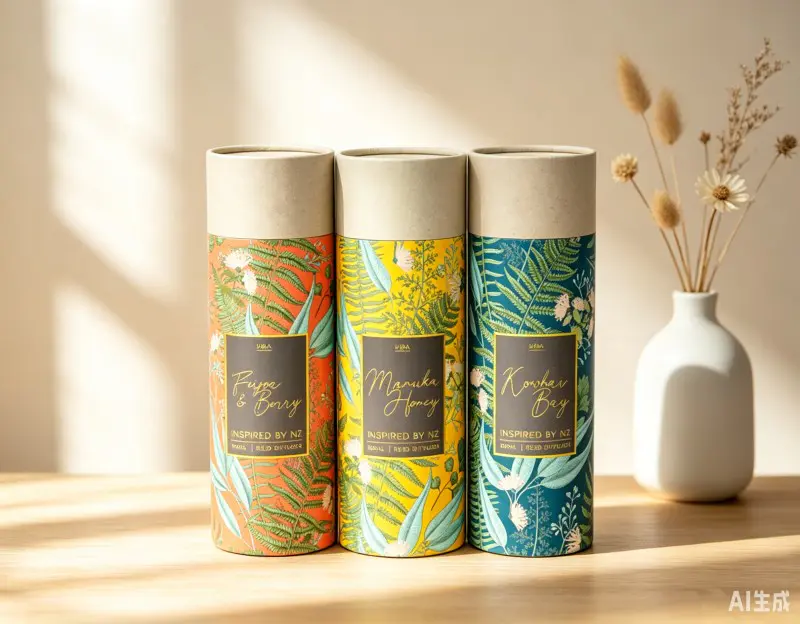
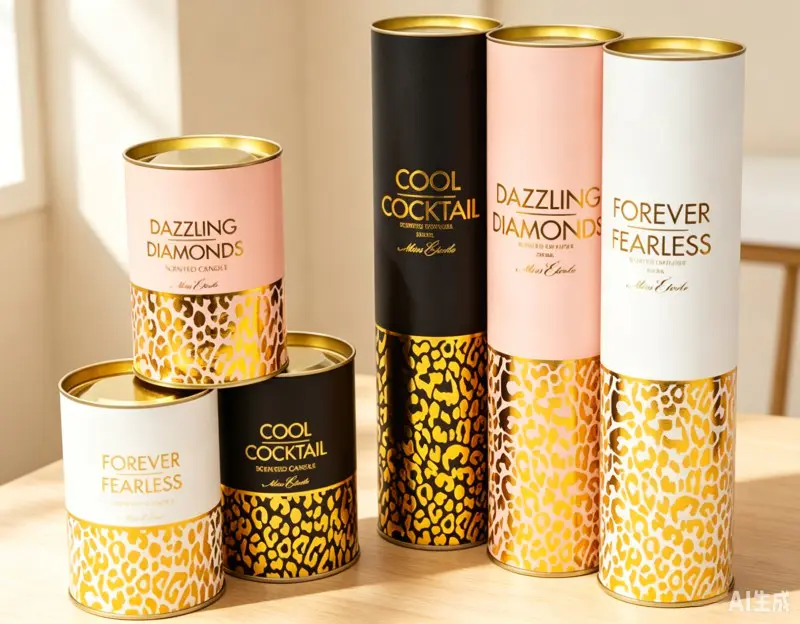
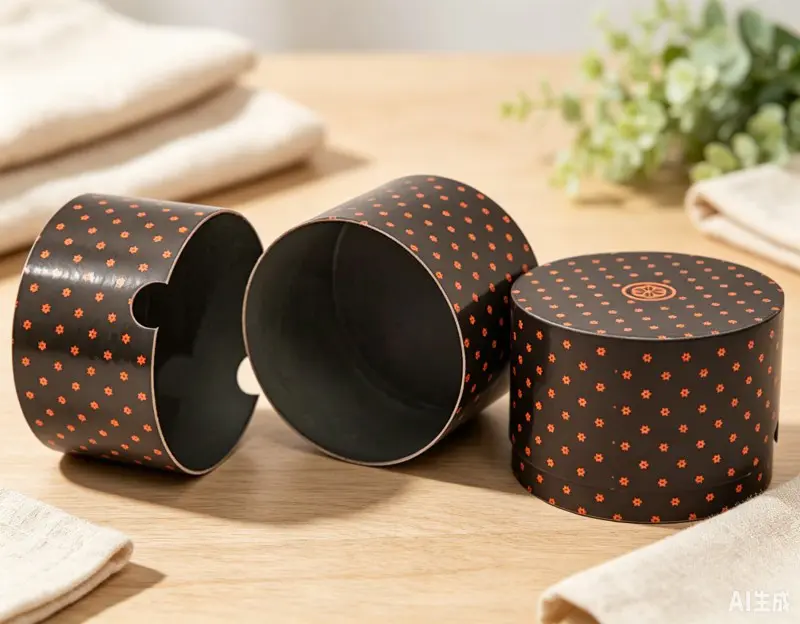
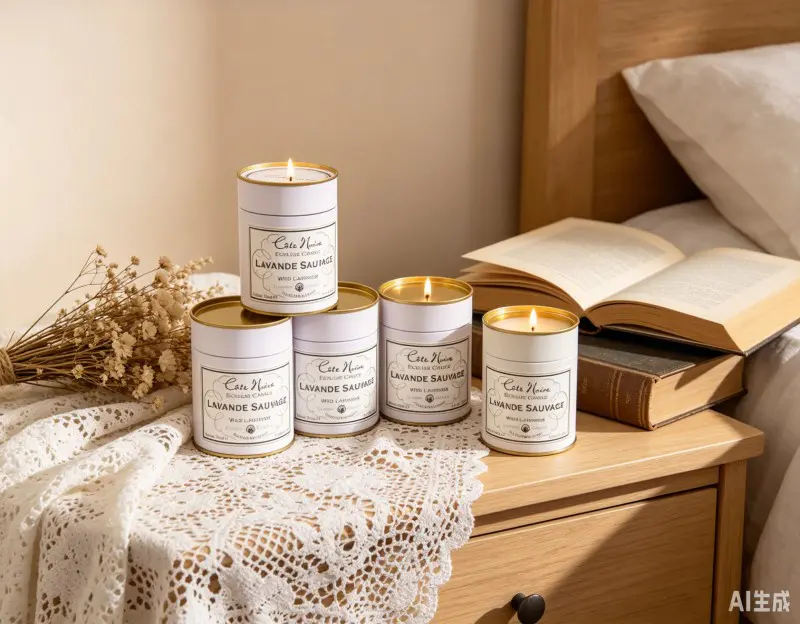

As one of the top China cardboard tube packaging manufacturers and paper tube packaging suppliers, we devote all of our efforts to research and launch more high quality packaging products to global market.
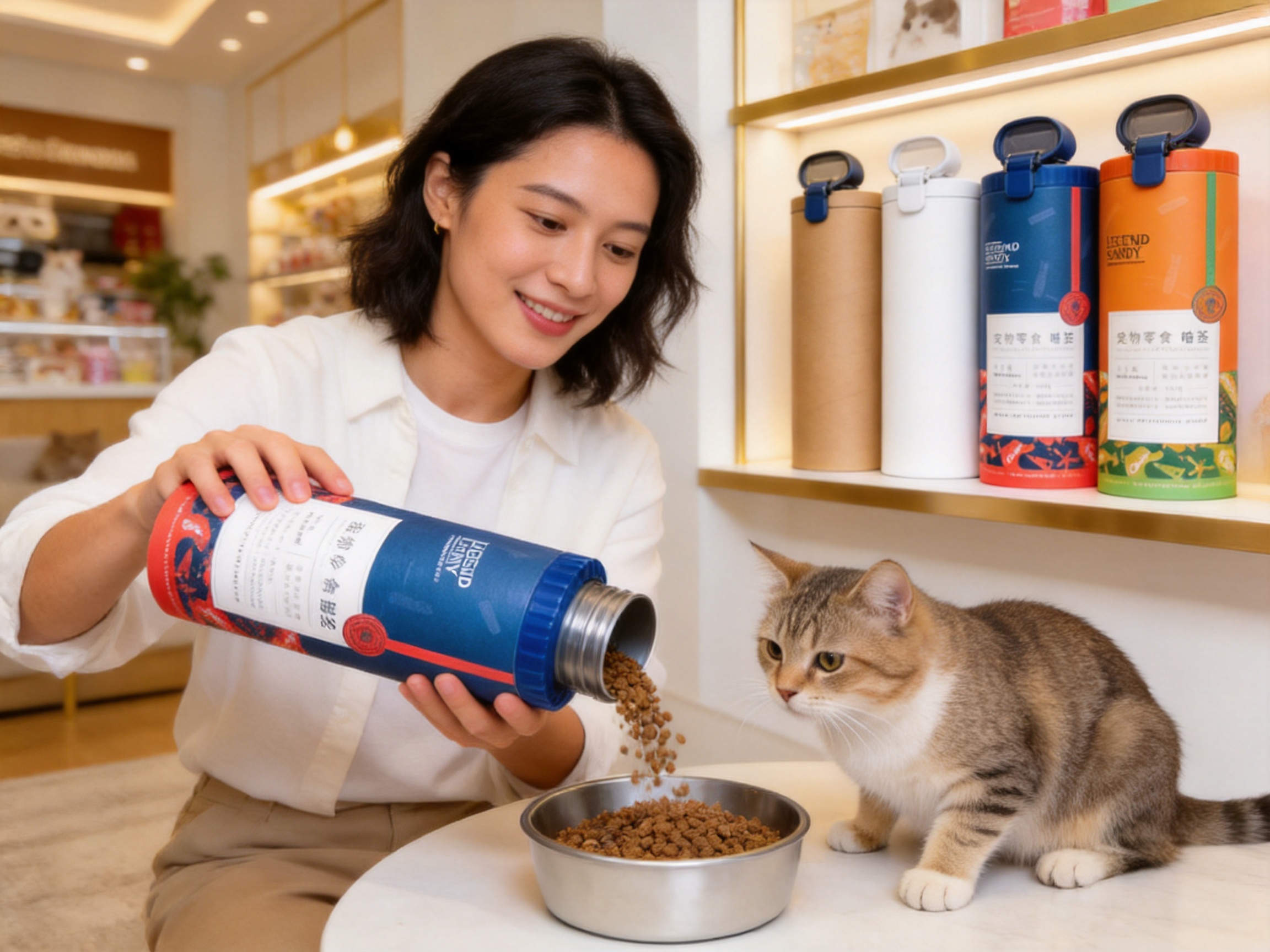
Pet food packaging is no longer limited to protecting a product during transportation. Modern pet owners also expect packaging to be convenient, attractive, responsible, and easy to use. For cat food brands, the package must preserve freshness, communicate product quality, support accurate feeding, and create a memorable experience at the point of sale. The Unique Design Paper Tube Pet Cat Food Packaging with Shaker addresses these requirements through a practical cylindrical structure, a built-in dispensing concept, customizable printed graphics, and the use of paper-based materials.
This packaging solution is designed for dry cat food, treats, nutritional toppers, and other small-particle pet food products. Its format combines the visual appeal of a premium paper tube with the functional value of a shaker. Instead of relying only on a conventional bag, pouch, or plastic jar, the package provides a rigid and organized container that can stand upright on a shelf, fit naturally into a pantry, and support controlled dispensing during feeding.
The product is manufactured by Hangzhou Qunle Packaging Co., Ltd., a company with more than 20 years of experience in composite cans and paper cans. Its capabilities include paper tube construction, custom printing, rolled-edge finishing, material selection, and packaging development for food and consumer products. This experience is especially relevant for pet food brands that require consistent dimensions, reliable assembly, and attractive packaging at commercial volumes.
Content
- 1 Product Overview
- 2 Key Product Specifications
- 3 Why Paper Tube Packaging Is Suitable for Cat Food
- 4 Functional Value of the Integrated Shaker
- 5 Advantages Over Conventional Competitor Formats
- 6 Material Choices and Sustainability Considerations
- 7 Construction: One-Piece Tube with Rolled Edges
- 8 Printing and Surface Finishing
- 9 Manufacturing Expertise and Factory Capabilities
- 10 Production Process for the Paper Tube
- 11 Quality Control Priorities
- 12 Branding and Retail Presentation Opportunities
- 13 Customization Possibilities
- 14 Applications Beyond Standard Dry Cat Food
- 15 Logistics and Commercial Considerations
- 16 Development Recommendations for Buyers
- 17 How the Product Supports Premium Positioning
- 18 Consumer Experience and Everyday Convenience
- 19 Environmental Communication and Responsible Claims
- 20 Advantages of Working with an Experienced Manufacturer
- 21 Recommended Quality and Performance Tests
- 22 Q&A
- 22.1 What type of product is this paper tube designed for?
- 22.2 What are the approximate dimensions?
- 22.3 Does the package include a shaker?
- 22.4 What materials are available?
- 22.5 Can the logo and artwork be customized?
- 22.6 Is the package suitable for sustainable branding?
- 22.7 What is the minimum order quantity?
- 22.8 Can the package be used for products other than cat food?
- 22.9 Why choose a cylindrical tube instead of a bag?
- 22.10 What should buyers provide when requesting a quotation?
- 22.11 Should the package be tested with the actual cat food?
- 22.12 What makes the manufacturer suitable for this product?
- 23 Conclusion
- 24 References
- 25 Product: Unique Design Paper Tube Pet Cat Food Packaging with Shaker
Product Overview
The Unique Design Paper Tube Pet Cat Food Packaging with Shaker is a cylindrical, one-piece paper tube package with rolled edges. It has an internal diameter of approximately 73 millimeters and a height of approximately 200 millimeters. The stated material combination is paper and plastic, allowing the package to combine the renewable and printable qualities of paper with functional components that support closure, dispensing, or product protection.
The tube is available in white kraft paper, kraft paper, or white paper constructions, depending on the desired appearance and performance requirements. The outer surface can be customized with CMYK printing and finished with a matte coating. A matte finish reduces excessive glare and can give the package a softer, more refined appearance. It also provides a suitable surface for lifestyle photography, illustrated graphics, ingredient communication, feeding instructions, and brand storytelling.
The cylindrical shape is one of the product’s central design advantages. A round package is visually different from the rectangular cartons and flexible pouches frequently used in the pet food market. The shape can help a product stand out on a retail shelf while creating a distinctive silhouette for online product photography. It also offers a comfortable grip, making the package easy to hold while shaking or dispensing food.
The shaker feature adds a practical function that is particularly relevant to dry cat food, treats, meal toppers, supplements, and flavor enhancers. A suitable shaker opening can help users distribute a measured quantity over a bowl instead of opening a large bag and pouring directly. This can make feeding more controlled and may reduce unnecessary handling of the remaining contents.
As a custom-order product, the package can be developed according to a buyer’s preferred artwork, logo, color palette, structural details, and product positioning. The stated minimum order quantity is 5,000 units, making the format suitable for established brands, regional launches, specialty pet food producers, subscription boxes, and promotional product programs.
Key Product Specifications
| Specification | Product Information | Commercial Benefit |
|---|---|---|
| Product type | Paper tube pet cat food packaging with shaker | Combines storage, presentation, and controlled dispensing |
| Industrial use | Recycled pet food packaging | Supports sustainability-focused product positioning |
| Construction | One-piece paper tube with rolled edges | Creates a rigid, clean, and finished package structure |
| Material options | White kraft paper, kraft paper, or white paper | Allows visual and material customization |
| Material combination | Paper and plastic | Balances paper presentation with functional components |
| Shape | Cylindrical | Improves shelf differentiation and handling comfort |
| Approximate size | Internal diameter 73 mm by height 200 mm | Offers a tall, compact format for dry products |
| Printing | CMYK printing | Supports colorful graphics and detailed artwork |
| Surface treatment | Matte finish | Produces a premium, low-glare appearance |
| Customization | Custom logo and custom order accepted | Enables brand-specific packaging programs |
| Minimum order quantity | 5,000 units | Suitable for commercial production and market launches |
| Manufacturing source | Factory-direct production | Supports direct communication and production coordination |
Why Paper Tube Packaging Is Suitable for Cat Food
Dry cat food packaging must protect the contents from external conditions while remaining convenient for households. Although many products are sold in flexible bags, bags may collapse after opening, become difficult to reseal, or require consumers to use a separate scoop. A rigid paper tube creates a more organized storage format. Its upright profile can fit efficiently on shelves, kitchen counters, pantry racks, and pet supply displays.
The tube structure also gives the package a stronger physical presence than a thin flexible pouch. This does not automatically replace the need for an appropriate inner barrier or closure system, but it can provide a stable outer body that protects the package from ordinary handling and improves its presentation. For brands that want their products to appear more premium or specialized, a rigid paper container can communicate greater design investment.
Paper is also highly suitable for printed communication. The outer surface can display feeding guidance, ingredient highlights, product benefits, flavor information, age recommendations, and storage instructions. The large cylindrical area provides a continuous visual field that can be divided into front, side, and rear information zones. A designer can use the front for the product name and cat imagery, the side for nutritional messages, and the rear for instructions and regulatory information.
In addition, paper packaging aligns with the growing interest in renewable and recyclable-looking materials. Many consumers associate kraft and paper surfaces with responsible product development. While the actual environmental performance depends on the full material structure, coatings, closures, labels, and local recycling systems, the paper tube provides a visible foundation for a more sustainability-oriented packaging strategy.
Functional Value of the Integrated Shaker
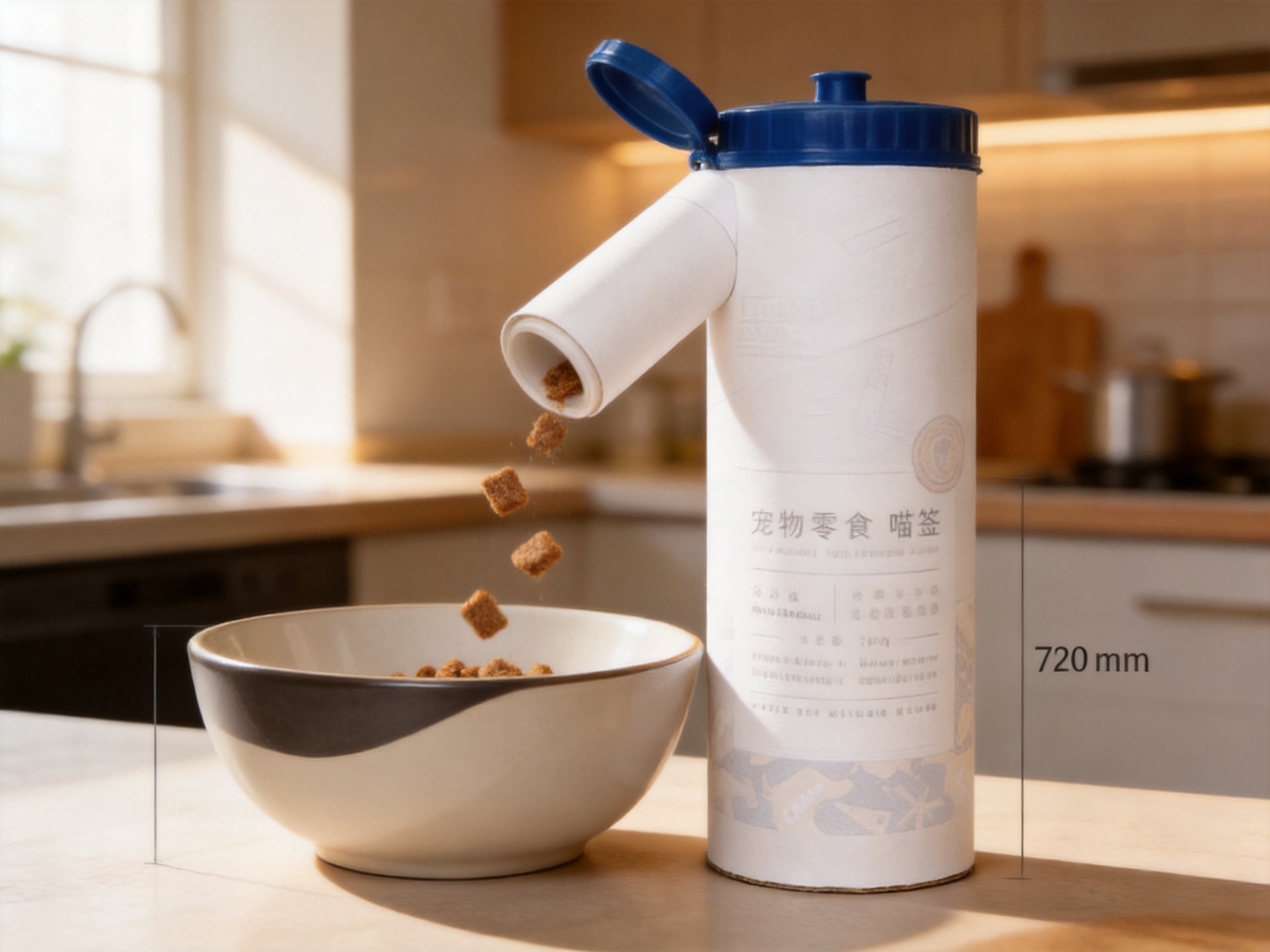
The shaker is a central differentiating element of this packaging concept. In ordinary pet food packaging, users commonly open a bag or container, estimate a portion, and pour the food into a bowl. This process can lead to over-pouring, spillage, or repeated contact between hands and the product. A shaker-style dispensing system offers another method: the user can shake a controlled amount directly into the bowl or onto a meal.
This format is particularly useful for small treats, crunchy toppers, powdered supplements, dried meal enhancers, and small dry food pieces. It can be positioned as a convenience benefit for households that feed cats multiple times per day or combine a primary food with a topper. The package may also be suitable for products intended to improve palatability, support feeding routines, or add texture to a standard meal.
The shaker can support portion awareness. It cannot replace professional feeding guidance or a calibrated measuring tool, and the actual dosage depends on the product formulation and opening design. However, a dispensing opening can help users avoid handling a large container every time they prepare a meal. For products with clear use instructions, the shaker can become a simple part of the daily feeding ritual.
From a marketing perspective, the shaker gives the package a story that is easy to demonstrate. A product image or short video can show a user shaking the container over a bowl. This creates an understandable use case for online listings, retail displays, social media campaigns, and product demonstrations. Compared with packaging that only stores the product, the shaker gives the consumer a visible reason to choose the format.
The opening and closure should be selected according to the particle size, flow characteristics, moisture sensitivity, and intended shelf life of the contents. During product development, the manufacturer and brand owner can evaluate the size of the dispensing holes, closure tightness, compatibility with the inner package, and resistance to accidental opening. These considerations help ensure that the functional feature supports the product rather than becoming a source of leakage or waste.
Advantages Over Conventional Competitor Formats
Compared with Flexible Pet Food Bags
Flexible bags remain popular because they are lightweight and economical. However, they can lose their shape after opening and may require a separate clip or resealable feature. The paper tube offers a rigid body that remains upright and visually consistent throughout use. It is easier to place on a shelf, easier to photograph, and more distinctive in a crowded pet food category.
The cylindrical body also provides a natural grip for shaking. A soft bag may be difficult to control when the user wants to pour a small quantity. The tube’s form allows the user to hold the package with one hand and direct the shaker toward the bowl. This is a practical difference that can influence repeat use and consumer satisfaction.
Compared with Plastic Jars
Plastic jars can provide rigidity, but they often create a more conventional appearance and may use a larger proportion of plastic in the visible package. The paper tube offers a paper-forward exterior with extensive printing space. It can provide a warmer, more tactile appearance than a clear or opaque plastic container, particularly when made with kraft or white kraft paper.
A paper tube may also help brands express natural, artisanal, premium, or environmentally conscious positioning. The visual effect depends on the graphics and finishing, but the combination of paper texture and matte treatment can create a more sophisticated shelf presence than a basic molded container.
Compared with Paperboard Cartons
Folding cartons are efficient for many products, but they are generally less rigid and may require an inner pouch or separate container for loose food. The one-piece paper tube creates a stronger three-dimensional body and a distinctive round profile. It can be used as the primary visible container while supporting an appropriate internal structure for the product.
The tube also avoids the flat, rectangular appearance common to many carton-based products. This can be helpful for limited editions, premium lines, subscription products, and cat food brands seeking a recognizable signature package.
Compared with Simple Containers Without Dispensing Features
A conventional container stores the product but does not necessarily improve the feeding process. The shaker adds an interactive feature that helps connect packaging with daily use. This can increase the perceived value of the package and provide a clear product benefit that consumers can understand quickly.
In competitive markets, functional differentiation is valuable because visual decoration alone may not be enough. A well-designed shaker gives the package both a visual distinction and a practical purpose. It supports a stronger product proposition: an attractive container that also helps dispense the food.
Material Choices and Sustainability Considerations
The product is described as recycled pet food packaging and includes recycled materials and eco-friendly features. The use of paper-based construction can reduce the visual dependence on plastic and provide a renewable-material component. White kraft paper, natural kraft paper, and white paper offer different appearances and can be selected according to the brand’s positioning.
Natural kraft paper can emphasize an earthy and responsible image. Its brown tone works well with simple ink palettes, botanical illustrations, line drawings, and natural color systems. White kraft paper can provide a clean appearance while retaining a paper-based identity. White paper is suitable for bright CMYK graphics, highly detailed images, and strong color reproduction.
Packaging sustainability should be assessed as a complete system rather than by one material alone. The paper tube may include plastic components, coatings, closures, or inner layers that influence recyclability and disposal. Brands should confirm the final structure, local recycling guidance, food-contact requirements, and labeling obligations in every target market. A responsible packaging program should communicate environmental benefits accurately and avoid unsupported claims.
Using the right amount of material is also important. The package should be strong enough for production, filling, distribution, retail handling, and household use, but it should not be unnecessarily over-engineered. Tube dimensions, wall thickness, closure style, and inner protection can be reviewed during development to balance performance, appearance, and material efficiency.
The paper tube can contribute to a broader sustainability strategy when combined with responsible sourcing, efficient production, optimized shipping, and clear end-of-life instructions. For brands, this creates an opportunity to discuss not only the package material but also the company’s broader approach to waste reduction and product design.
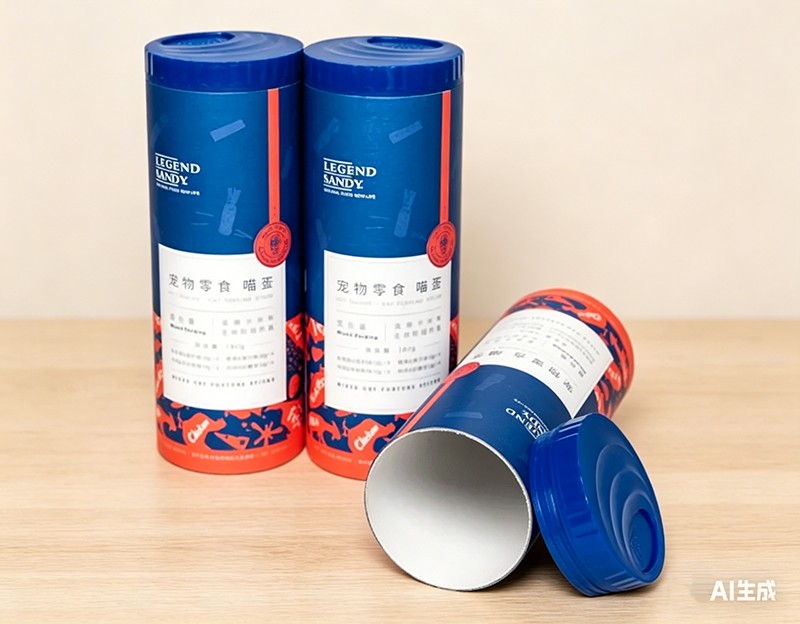
Unique Design Paper Tube Pet Cat Food Packaging with Shaker
Construction: One-Piece Tube with Rolled Edges
The stated construction is a one-piece paper tube with rolled edges. Rolled edges are important because they provide a clean and finished appearance at the opening and base of the package. They can also reduce exposed sharp paper edges and make the container more comfortable to handle. In a premium package, small structural details such as edge finishing can have a noticeable effect on perceived quality.
A one-piece tube creates a unified cylindrical body rather than a package assembled from multiple visible panels. This supports a cleaner visual design and allows artwork to wrap continuously around the container. It also helps maintain a consistent shape during display. The final structural performance depends on paper selection, winding or forming methods, adhesive systems, dimensional accuracy, and quality control.
For cat food applications, the tube should be evaluated under the actual conditions of use. Testing may include compression, drop resistance, edge integrity, closure performance, storage stability, and compatibility with the filling process. If the package includes an inner liner or barrier, the liner should be assessed for odor transfer, seal performance, moisture resistance, and food-contact suitability.
Printing and Surface Finishing
CMYK printing allows brands to reproduce a broad range of colors and detailed artwork. A pet food package can use realistic cat photography, illustrated characters, ingredient imagery, nutritional icons, or bold typographic layouts. The cylindrical surface offers enough space for a complete visual system, but artwork must be prepared carefully so that key information does not fall across seams, curves, or closure areas.
Designers should consider viewing distance and shelf orientation. The primary product name, food type, flavor, and key benefit should remain readable when the tube is placed among other products. Secondary panels can contain feeding instructions, ingredients, storage information, company details, and disposal guidance. A repeated pattern or continuous illustration can make good use of the curved surface and reinforce recognition.
The matte finish specified for this product reduces reflected light and can make text easier to view under bright retail lighting. It may also give the paper tube a smoother and more premium touch. Matte surfaces are often associated with understated quality, natural products, and modern minimalist design. Brands may combine a matte base with selected contrasting elements in the artwork to create hierarchy.
Before mass production, printed samples should be reviewed for color accuracy, registration, text clarity, barcode readability, and artwork alignment. Colors can appear different depending on the selected paper surface. Natural kraft paper, for example, may produce a warmer and less saturated appearance than white paper. A professional proofing process helps the buyer select the correct substrate and ink treatment before approving production.
Manufacturing Expertise and Factory Capabilities
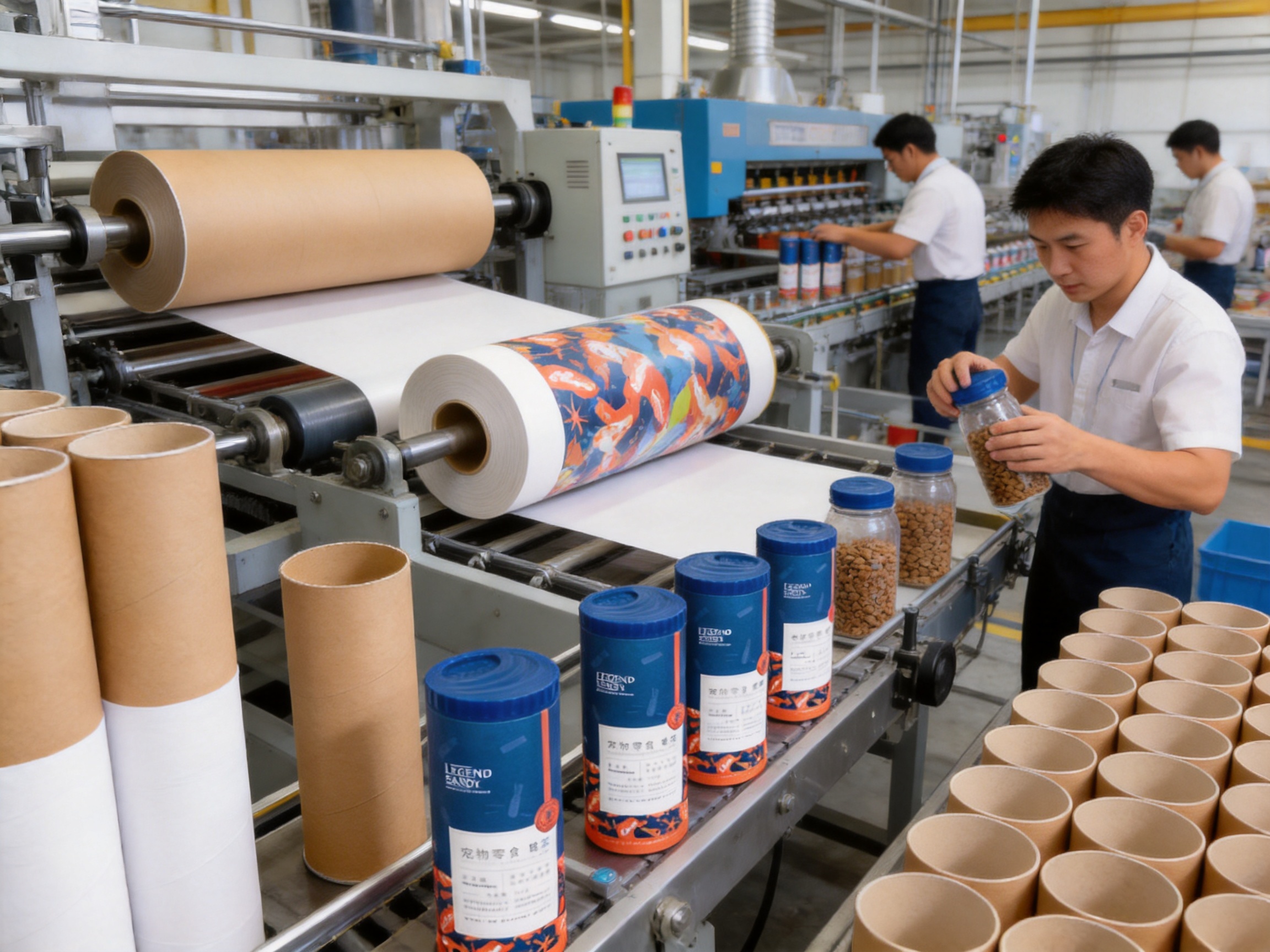
Hangzhou Qunle Packaging Co., Ltd. has been engaged in the composite can and paper can industry for more than 20 years. This long operating history provides relevant experience in paper container construction, production organization, material selection, and packaging customization. For buyers, industry experience can reduce the risks associated with developing a new package format, especially when the product includes both a rigid tube and a dispensing component.
The company is identified as a member of the international Composite Can and Tube Institute, known as CCTI, in China’s packaging container industry. Membership in an industry organization can support technical awareness, professional exchange, and familiarity with established packaging practices. It also reflects the company’s focus on composite cans and tubes rather than treating paper packaging as a secondary product category.
The company introduced a high-speed composite can production line from Europe in 2015. High-speed equipment can support more consistent output and improve production efficiency when properly managed. It may also help the factory handle larger commercial orders with greater process stability. For a product with a minimum order quantity of 5,000 units, reliable production planning is important for meeting delivery schedules and maintaining consistent appearance across the batch.
Qunle Packaging has obtained more than 10 patented technologies and has experience serving food, daily chemical, fast-moving consumer goods, and other packaging sectors. This cross-category experience can be valuable because pet food packaging often requires a combination of food-oriented protection, attractive graphics, practical dispensing, and retail durability.
The company also reports that it was the first enterprise in China to pass the QS certificate for producing food packaging containers. Buyers should confirm the validity and applicability of all certifications for their specific product, market, and material structure. Nevertheless, experience with regulated food packaging indicates that the manufacturer is familiar with the importance of hygiene, material control, production documentation, and quality assurance.
Factory-direct production can simplify communication between the buyer and the manufacturer. Instead of coordinating through several intermediaries, a brand can discuss dimensions, artwork, closures, prototypes, production timing, and inspection requirements directly with the factory team. Direct communication is particularly useful when adjusting the shaker mechanism or optimizing the package for a specific cat food formulation.
Production Process for the Paper Tube
Material Selection
The process begins with selecting paper and any functional components required for the package. The choice depends on the desired appearance, wall strength, printing performance, barrier needs, and filling conditions. White kraft paper, kraft paper, and white paper each create a different balance of natural appearance, graphic reproduction, and surface uniformity.
For pet food, the production team must also consider the product’s sensitivity to moisture, oxygen, aroma loss, and contamination. The outer paper tube may be combined with a suitable inner structure or liner when required. The final material specification should be confirmed through technical review and product testing.
Paper Preparation and Forming
Paper layers are prepared and formed into a cylindrical body using controlled production equipment. The forming process must maintain the specified internal diameter and overall height. Consistent dimensions are important because the shaker, lid, liner, and filling equipment must fit correctly.
During forming, attention is given to alignment, adhesive application, layer tension, and tube roundness. Variations in these areas can affect the appearance and performance of the finished package. A well-controlled process helps ensure that tubes stand upright and maintain their shape during transport and display.
Edge Rolling
The edges of the tube are rolled to create a smoother and more finished structure. Edge rolling can improve comfort during handling and contribute to a premium appearance. It also provides a more suitable interface for closures and other components.
Quality checks may examine edge uniformity, visible fiber exposure, deformation, and the fit between the rolled edge and the closure. These details are particularly important for a package designed to be opened and used repeatedly in the home.
Printing and Finishing
After the tube body is prepared, the package receives the approved CMYK artwork. The printing stage requires accurate registration and careful handling of the cylindrical surface. The matte finish is then applied or integrated according to the selected production process.
Inspection at this stage may include color comparison, print adhesion, surface defects, smudging, scratches, and text readability. The production team should also verify that the printing does not interfere with the fit of the lid, shaker, or any label area.
Component Assembly
The paper tube is combined with the required plastic component or dispensing mechanism. Assembly must be controlled so that the shaker is correctly positioned and securely attached. The opening should provide the intended product flow while the closure should help protect the contents between uses.
Assembly inspection may include checking the attachment strength, opening alignment, closure fit, rotation or snap function, and overall appearance. If the product is filled automatically, the package should also be tested on the intended filling line or with representative equipment.
Final Inspection and Packing
Finished units are inspected before being packed for shipment. Inspection criteria can include dimensions, print quality, tube roundness, edge finish, component fit, surface cleanliness, and carton quantity. The buyer may request a formal quality standard, approved reference sample, or third-party inspection procedure.
Appropriate shipping cartons and internal protection help prevent crushing, scuffing, and deformation during transportation. Because the package has a tall cylindrical shape, pallet arrangement and carton orientation should be considered during logistics planning. Efficient packing can reduce damage and improve shipping utilization.
Quality Control Priorities
Quality control should begin with incoming materials rather than waiting until the finished package is assembled. Paper basis weight, moisture content, surface condition, color, and dimensional stability may influence the final result. Plastic parts should also be checked for molding quality, fit, odor, cleanliness, and consistency.
Dimensional control is essential for a package with a shaker. The internal diameter must correspond to the intended components, and the height must remain consistent so that the product fits correctly. Small dimensional deviations can affect closure performance, filling capacity, and the package’s appearance on the shelf.
Print inspection should include color consistency, image sharpness, registration, barcode scanning, and resistance to ordinary handling. A matte surface may conceal some reflections but can still show scuffs or abrasion if it is not handled properly. Packaging intended for premium retail should be inspected under lighting conditions similar to those used in stores.
Functional testing should reflect real consumer use. The package may be opened, closed, shaken, transported, stored, and handled repeatedly. Testing can evaluate whether the dispensing holes remain clear, whether the closure stays secure, and whether the tube continues to stand upright after normal use.
For food-related products, the manufacturer and buyer should confirm the applicable food-contact requirements in the destination market. The product’s inner barrier, inks, coatings, adhesives, plastic parts, and filling environment may all be relevant. Documentation should be maintained so that the packaging specification can be traced from raw materials through finished goods.
Branding and Retail Presentation Opportunities
The cylindrical format is well suited to premium visual storytelling. A cat food brand can use a large front panel to display the product name, flavor, life-stage information, and a clear cat image. The remaining circumference can communicate ingredients, feeding habits, sourcing information, preparation suggestions, and brand values.
The package can support multiple product varieties through a consistent structural system. For example, kitten, adult, senior, indoor, sensitive, and treat products can share the same tube dimensions while using different colors or illustrations. This creates a recognizable family appearance and simplifies shelf organization.
A matte paper tube also works well for limited editions and seasonal releases. Holiday graphics, adoption campaigns, charitable collaborations, or special flavors can be presented in a format that feels more collectible than a standard flexible bag. After the contents are used, some consumers may continue using the tube for small pet accessories, toys, craft materials, or household storage, provided it is suitable and clean for that purpose.
For online retail, the tube’s shape creates strong product photography opportunities. Images can show the package standing beside a cat bowl, being held in one hand, or dispensing food through the shaker. The package can be photographed from multiple angles to show both the artwork and the functional component. This can make the product listing easier to understand than a flat image of a conventional bag.
Retailers may also appreciate the package’s upright form. It can be placed on shelves, counters, display tables, or promotional stands. The exact merchandising result depends on dimensions and store requirements, but the tube provides a different visual rhythm from rectangular cartons and flexible bags.
Customization Possibilities
The product accepts custom orders and custom logos. Customization can begin with the paper selection. A brand focused on natural positioning may choose kraft paper, while a brand requiring bright photographic artwork may prefer white paper. White kraft paper can provide an intermediate appearance with a clean base and a paper-oriented identity.
Artwork can be customized for different flavors, recipes, nutritional systems, and market segments. CMYK printing allows the use of detailed images and multi-color designs. The matte finish can remain consistent across a product family so that different variants appear coordinated.
Structural customization may include adjustments to the tube height, internal diameter, closure style, dispensing opening, label placement, and filling method. Any change should be evaluated through prototyping because the relationship between the paper tube and shaker determines the package’s usability.
Brands can also request samples before approving mass production. A sample allows the buyer to check the physical size, grip, artwork scale, opening experience, dispensing behavior, and shelf appearance. It is useful to test the package with the actual product, since different food shapes and particle sizes can flow differently through the shaker.
Applications Beyond Standard Dry Cat Food
Although the product is specifically positioned for cat food packaging, its structure may also be considered for related pet care products. Dry cat treats, crunchy toppers, powdered supplements, dental treats, and small-particle nutritional products may be suitable when the package’s protective and dispensing requirements are met.
The same format may be adapted for dog treats, small animal feed, bird treats, or other dry pet care products. Each application requires its own review of particle size, portion, storage conditions, labeling, and dispensing behavior. A package that performs well with small dry cat food pieces may require a different shaker opening for powder or larger treats.
The tall tube format may also support gift sets and promotional programs. A brand could place a paper tube in a pet wellness box, new-adoption kit, subscription service, or seasonal care package. The rigid format helps the package maintain its appearance when included with other products.
Logistics and Commercial Considerations
The stated minimum order quantity is 5,000 units. This level can support a meaningful market launch while remaining accessible to many specialty brands and regional businesses. It may also allow a company to test a new packaging format without committing immediately to extremely large volumes.
Before placing an order, buyers should confirm the final unit dimensions, packed carton dimensions, gross weight, pallet configuration, production lead time, sample approval process, and shipping terms. The cylindrical shape may require careful carton design to prevent movement and protect the rolled edges during transport.
Factory-direct supply can help buyers coordinate forecasts and repeat orders. Once the artwork, material, dimensions, and component structure are approved, future production can follow a controlled specification. Maintaining an approved golden sample or reference unit can support consistency between batches.
Brands should also consider the relationship between packaging volume and product fill weight. A tube measuring approximately 73 millimeters in internal diameter and 200 millimeters in height may hold different quantities depending on food density, piece size, headspace, liner design, and shaker structure. Actual capacity must therefore be confirmed through filling trials rather than estimated from dimensions alone.
Cost evaluation should include the complete package system: paper tube, printing, matte finish, plastic shaker component, closure, assembly, inner barrier if needed, cartons, inspection, and shipping. Although a premium tube may have a higher unit cost than a basic bag, its added shelf presence and dispensing function may create greater perceived value and support a higher retail position.
Development Recommendations for Buyers
The first step is to define the product being packed. Buyers should provide the food type, particle dimensions, bulk density, moisture sensitivity, target fill weight, shelf-life objective, and intended market. This information helps the manufacturer recommend the appropriate tube structure and shaker configuration.
The next step is to establish the consumer use pattern. Will the user dispense a small topper once per day, shake treats several times, or use the package as the primary container for repeated feeding? The answer affects the closure, opening size, internal barrier, and durability requirements.
Artwork should be prepared only after the physical dimensions and printable areas are confirmed. Designers should request a dieline or technical drawing and keep mandatory information away from seams, curves, and component interfaces. A physical mock-up can reveal issues that are not obvious on a flat computer screen.
Sample testing should include filling the tube with the actual product, closing it, shaking it, storing it under expected conditions, and opening it repeatedly. The buyer should check whether the food flows smoothly, whether the package remains clean, and whether the cap or shaker is easy to operate.
Before mass production, the buyer and factory should approve a complete specification. This should identify the paper type, material thickness, printing method, matte finish, dimensions, shaker details, closure, tolerance range, packing method, inspection criteria, and approved artwork version. A clear specification reduces misunderstandings and supports repeat production.
How the Product Supports Premium Positioning
Premium packaging is not defined only by expensive materials. It is created through the combination of structure, appearance, function, consistency, and user experience. This paper tube supports premium positioning because it has a rigid shape, a refined matte surface, custom graphics, and an integrated dispensing feature.
The package can help a brand move beyond a commodity presentation. A standard bag may communicate quantity and basic product information, while a well-designed tube can communicate a complete feeding experience. The consumer sees a package that is designed for storage, handling, display, and daily use.
The shaker also creates a sense of purpose. When a functional feature is easy to understand, consumers may perceive the package as more thoughtfully engineered. This can be especially useful for products positioned around convenience, wellness, meal enhancement, or controlled feeding.
Consistency is equally important. If every tube in a product family has clean edges, accurate printing, a reliable closure, and a consistent matte surface, the brand benefits from a more professional appearance. Qunle Packaging’s experience in composite cans and paper packaging provides a foundation for managing this consistency at factory scale.
Consumer Experience and Everyday Convenience
Pet owners often prepare meals in busy kitchens or while managing several daily routines. A package that is easy to hold and dispense can make feeding less complicated. The cylindrical shape supports a natural grip, while the shaker allows users to direct the product into a bowl with greater control than a wide-open bag.
The upright tube can also make storage more orderly. It can stand beside other containers without collapsing, and its narrow footprint may fit into spaces where a large flexible bag is inconvenient. A clear product label helps users identify the correct food quickly, particularly in homes with several pet products.
Repeated use places demands on the package. The closure should be practical, the shaker should remain functional, and the paper body should resist ordinary surface wear. During development, brands should test the container under realistic household conditions rather than assessing it only as a new, unused package.
The package may also help create a recognizable routine for cats and their owners. The sound and motion of shaking can become associated with feeding or treat time. This is a consumer-experience opportunity, although the product’s primary responsibility remains safe, suitable storage and convenient dispensing.
Environmental Communication and Responsible Claims
Because the product uses paper-based construction and is described as recycled and eco-friendly, it may appeal to brands seeking a more responsible packaging image. However, environmental communication should be precise. A package containing paper and plastic may have a different end-of-life pathway from a package made entirely of one material.
Brands should determine whether the final package is recyclable in the target market, whether components must be separated, and what percentage of recycled material is present. Claims should be supported by supplier documentation and relevant testing. If the package is designed to reduce plastic compared with a previous format, the basis of comparison should be clearly defined.
Clear disposal instructions can help consumers make better decisions. The label may explain whether the paper body, cap, shaker, or liner should be handled separately. Local rules vary, so a brand selling internationally may need market-specific wording.
Responsible design also means considering durability. If the package protects the product effectively and remains useful throughout its intended life, it may reduce the likelihood of premature disposal or product waste. Packaging sustainability therefore includes both material choices and functional performance.
Advantages of Working with an Experienced Manufacturer
An experienced paper tube manufacturer can contribute more than production capacity. It can help translate a concept into a package that is manufacturable, printable, fillable, and suitable for distribution. This support is important when a design includes a non-standard feature such as a shaker.
Qunle Packaging’s background covers composite cans, paper cans, food packaging, daily chemical products, and fast-moving consumer goods. This broad application experience can help the company understand different requirements for appearance, strength, hygiene, and consumer use.
The company’s reported partnerships with established food, beverage, tea, coffee, and consumer brands indicate experience with commercial packaging programs. While each project must be evaluated independently, exposure to demanding customers can encourage disciplined processes for artwork approval, production scheduling, quality control, and delivery coordination.
The company’s patented technologies and European high-speed production line further support its position as a specialized manufacturer. For buyers, the most important benefit is the ability to combine technical development with scalable production. A package should not only look attractive as a prototype; it should remain consistent when produced in thousands of units.
Recommended Quality and Performance Tests
Several tests can be considered during product development. Dimensional measurement confirms the internal diameter, height, wall thickness, and component fit. Compression testing evaluates whether the tube can withstand stacking and ordinary handling. Drop testing helps identify weaknesses in the body, edges, or closure.
Dispensing tests should use the actual cat food or treat product. The testing team can record the flow rate, number of particles released per shake, risk of clogging, and ease of cleaning. If the package is intended for powders or supplements, additional tests may be necessary because fine particles behave differently from larger dry food pieces.
Storage testing can examine the package under expected temperature and humidity conditions. It may also evaluate odor retention, surface appearance, closure performance, and product stability over time. The precise testing program should be determined by the product formulation, packaging structure, and regulatory requirements.
Artwork and surface tests can assess ink adhesion, rub resistance, color consistency, matte appearance, and barcode readability. These checks are particularly valuable for products that will be shipped through e-commerce channels, where packages may experience repeated handling before reaching the consumer.
Q&A
What type of product is this paper tube designed for?
It is designed primarily for dry cat food, cat treats, toppers, and related pet care products that can be dispensed through a shaker-style opening. The final suitability depends on the product’s particle size, density, moisture sensitivity, and storage requirements.
What are the approximate dimensions?
The stated size is an internal diameter of approximately 73 millimeters and a height of approximately 200 millimeters. Final dimensions and capacity should be confirmed through technical drawings and filling tests.
Does the package include a shaker?
Yes. The product is described as paper tube pet cat food packaging with shaker. The exact shaker opening, closure style, and dispensing performance should be confirmed during the sampling and specification stage.
What materials are available?
The listed paper options are white kraft paper, kraft paper, and white paper. The product material is described as paper plus plastic, indicating that paper forms the primary tube structure while plastic may be used for the shaker or closure components.
Can the logo and artwork be customized?
Yes. Custom logos and custom orders are accepted. CMYK printing supports colorful and detailed artwork, while the matte finish provides a low-glare surface for the finished design.
Is the package suitable for sustainable branding?
It can support a paper-forward and recycled-material packaging strategy. However, the complete environmental profile depends on the paper source, plastic components, coatings, inner barrier, local recycling systems, and disposal instructions. Brands should verify claims before publishing them.
What is the minimum order quantity?
The stated minimum order quantity is 5,000 units. Buyers should confirm whether the MOQ changes according to paper type, printing requirements, shaker design, or other customization choices.
Can the package be used for products other than cat food?
Potentially. It may be considered for dry treats, toppers, nutritional products, and other pet care items. Each new application should be tested for flow behavior, barrier performance, labeling, and consumer safety.
Why choose a cylindrical tube instead of a bag?
The tube provides a rigid upright structure, a distinctive shelf profile, a comfortable grip, and compatibility with a shaker-style dispensing experience. It can also offer a larger premium printing surface and a more organized storage format.
What should buyers provide when requesting a quotation?
Buyers should provide the product type, target fill weight, particle size, dimensions, artwork requirements, paper preference, closure expectations, destination market, estimated order quantity, and desired delivery schedule. Product samples or technical information can improve the accuracy of the manufacturer’s recommendation.
Should the package be tested with the actual cat food?
Yes. Actual product testing is strongly recommended because different food shapes, densities, and moisture levels can affect filling, storage, and dispensing. A shaker that works well with one product may require adjustment for another.
What makes the manufacturer suitable for this product?
Hangzhou Qunle Packaging Co., Ltd. has more than 20 years of experience in composite cans and paper cans, operates specialized production capabilities, reports more than 10 patented technologies, and has experience serving food and consumer product sectors. These strengths are relevant to custom paper tube development and commercial-scale manufacturing.
Conclusion
The Unique Design Paper Tube Pet Cat Food Packaging with Shaker combines a rigid paper-based container with a practical dispensing function. Its cylindrical form differentiates it from common bags, cartons, and plastic jars, while its shaker supports controlled and convenient feeding. Custom CMYK printing, a matte finish, rolled edges, and multiple paper options allow brands to create a package that reflects their desired market position.
The product is especially suitable for dry cat food, treats, meal toppers, and other pet care products that benefit from controlled dispensing. Its approximate 73-millimeter internal diameter and 200-millimeter height create a compact, upright format, while the stated minimum order quantity of 5,000 units supports commercial launches and customized product programs.
Its potential advantages are strengthened by the manufacturer’s long experience in composite cans and paper packaging. Specialized equipment, factory-direct production, food packaging experience, patented technologies, and familiarity with large-scale commercial programs can help buyers move from concept to reliable production.
For the strongest result, brands should treat the package as a complete system. Material selection, inner protection, shaker performance, closure fit, artwork, filling compatibility, environmental claims, quality standards, and shipping conditions should all be reviewed before mass production. With appropriate testing and customization, this paper tube format can provide a distinctive combination of product protection, convenience, visual appeal, and responsible packaging communication for the modern pet care market.
References
1. Product specification information supplied for the Unique Design Paper Tube Pet Cat Food Packaging with Shaker.
2. Company information supplied for Hangzhou Qunle Packaging Co., Ltd., including manufacturing history, product sectors, equipment, certifications, and patented technologies.
3. General packaging development principles for dry food containers, dispensing systems, paper tube construction, printing, and quality control.
4. General guidance on sustainable packaging assessment, recycled materials, composite structures, recycling communication, and end-of-life considerations.
5. General considerations for pet food packaging usability, storage, portion handling, retail presentation, and consumer product testing.
