 English
 Español
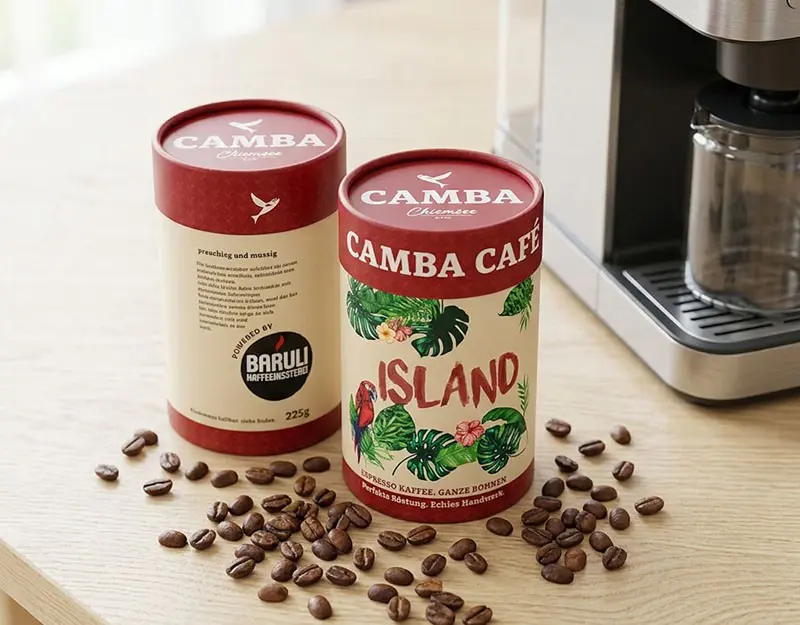
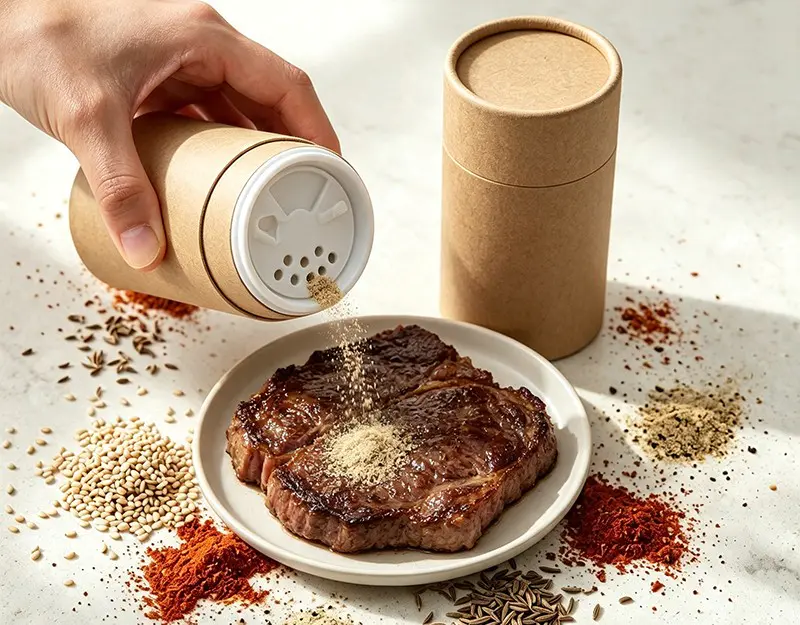
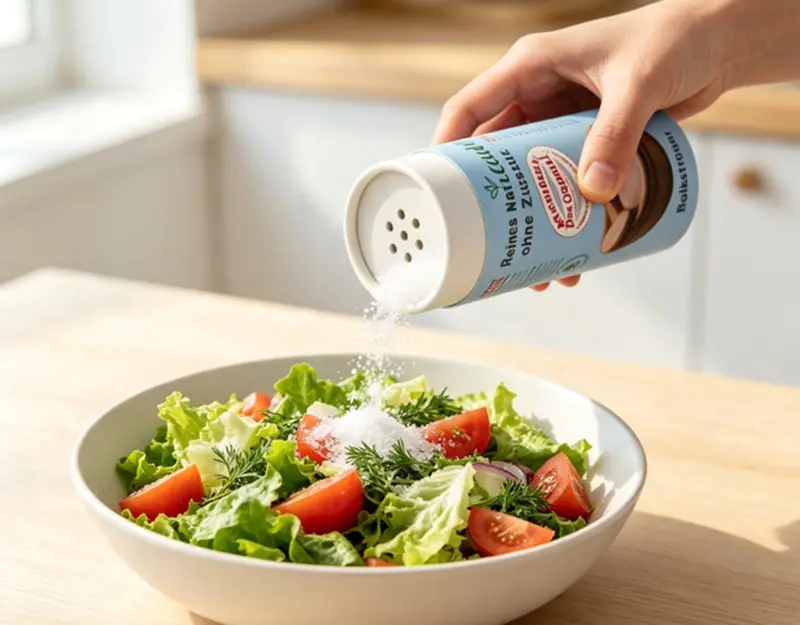
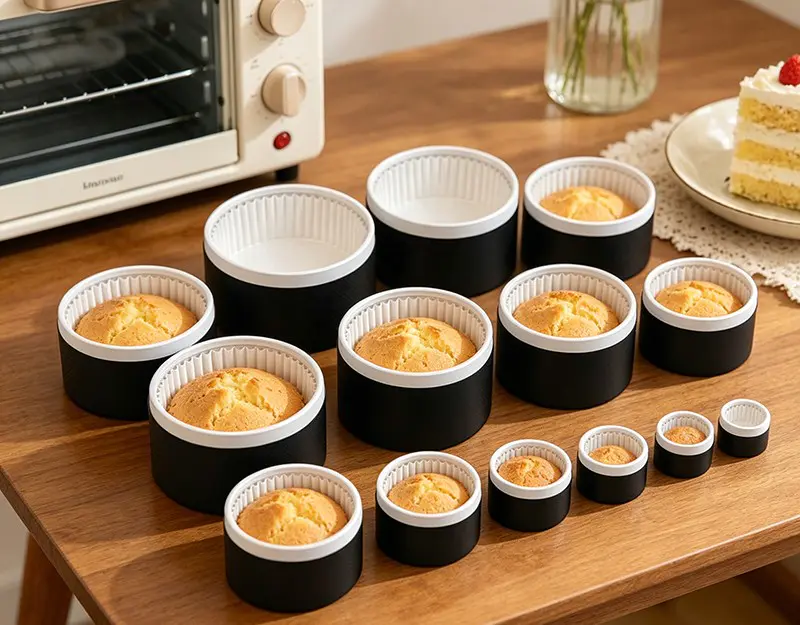
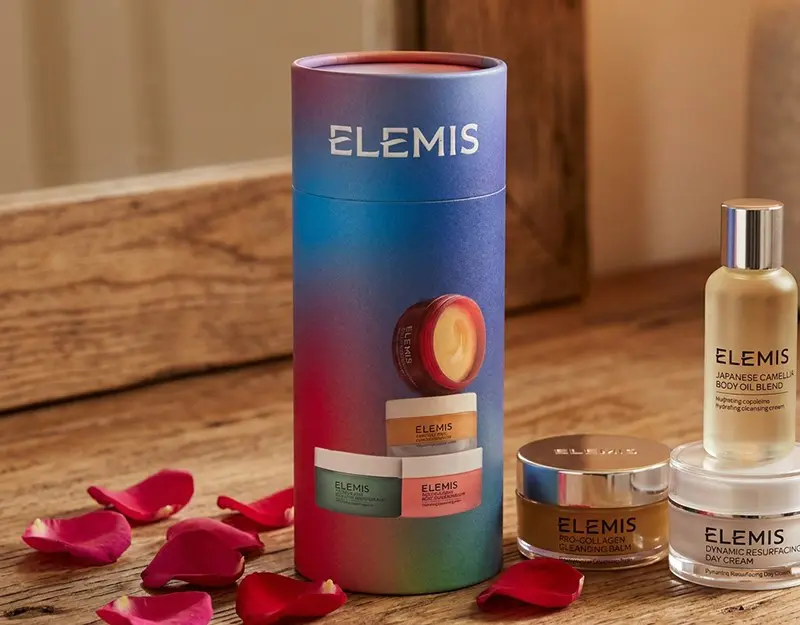
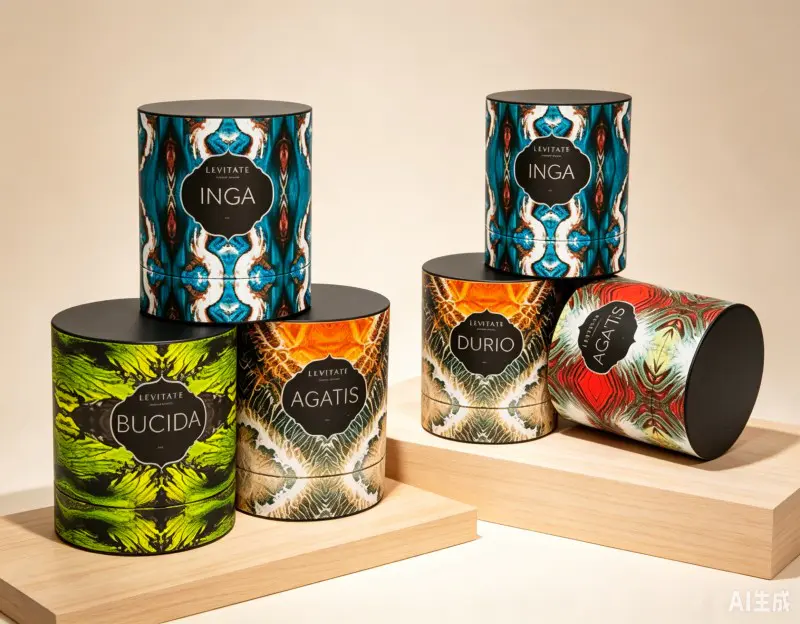
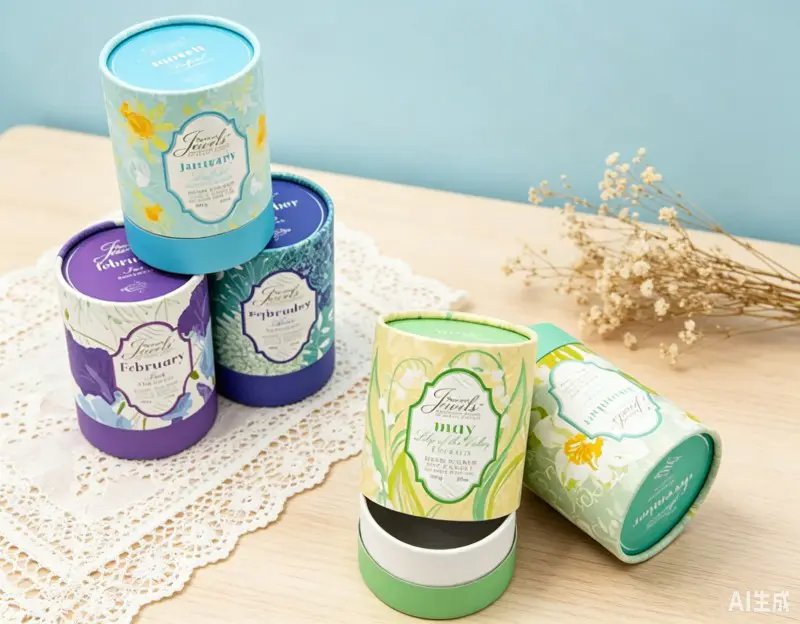
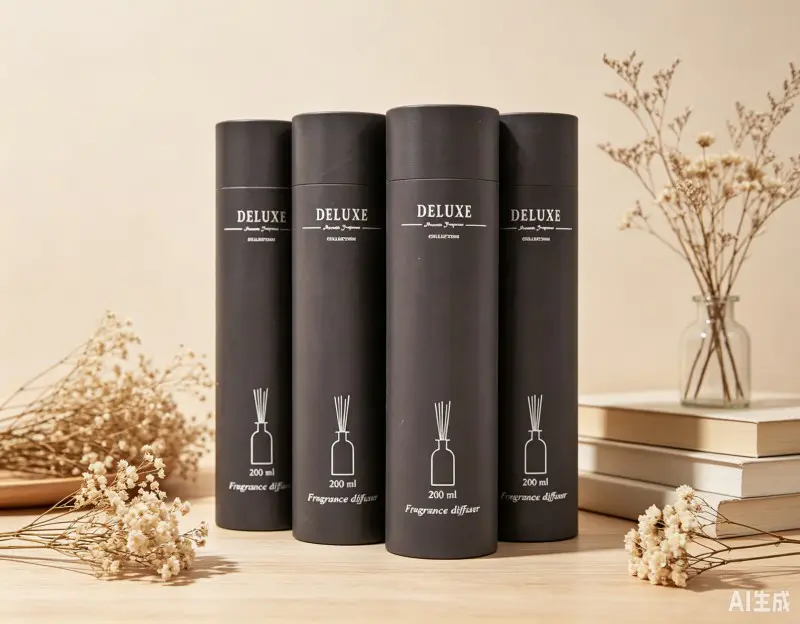
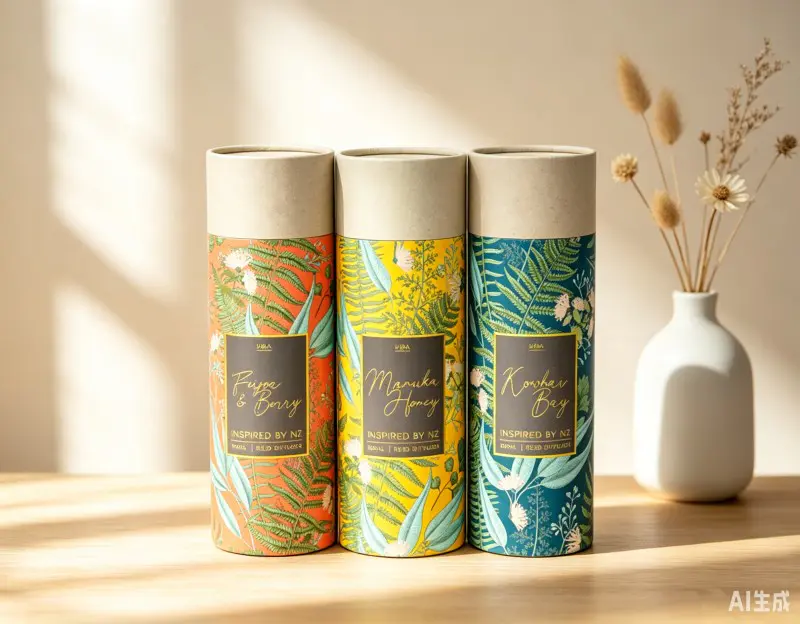
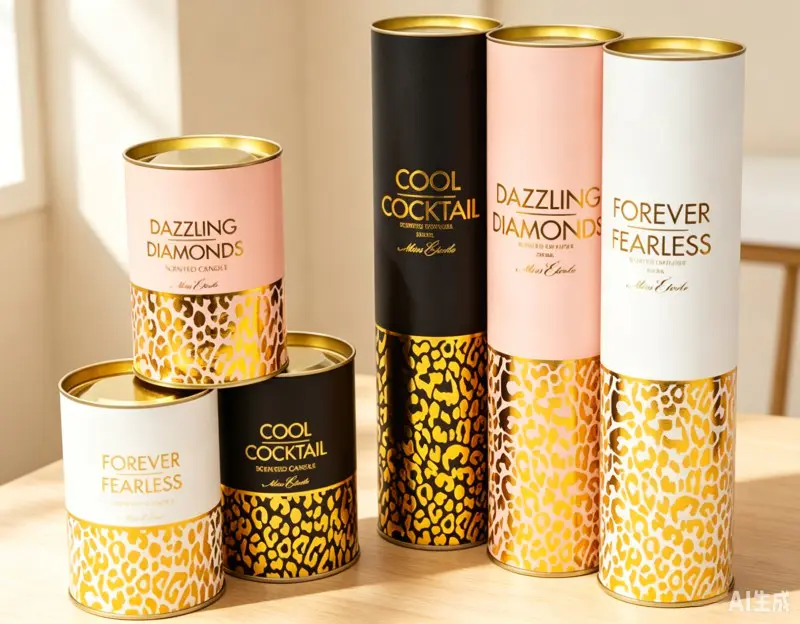
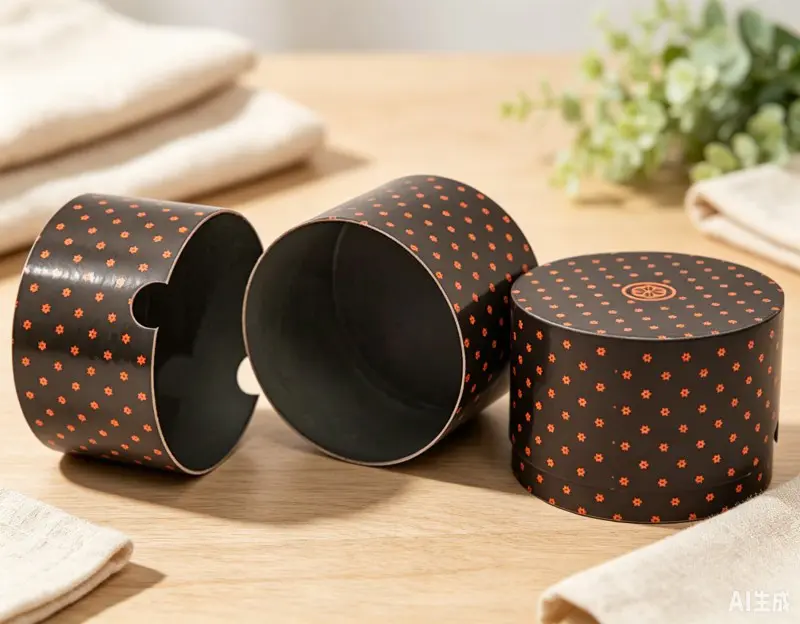
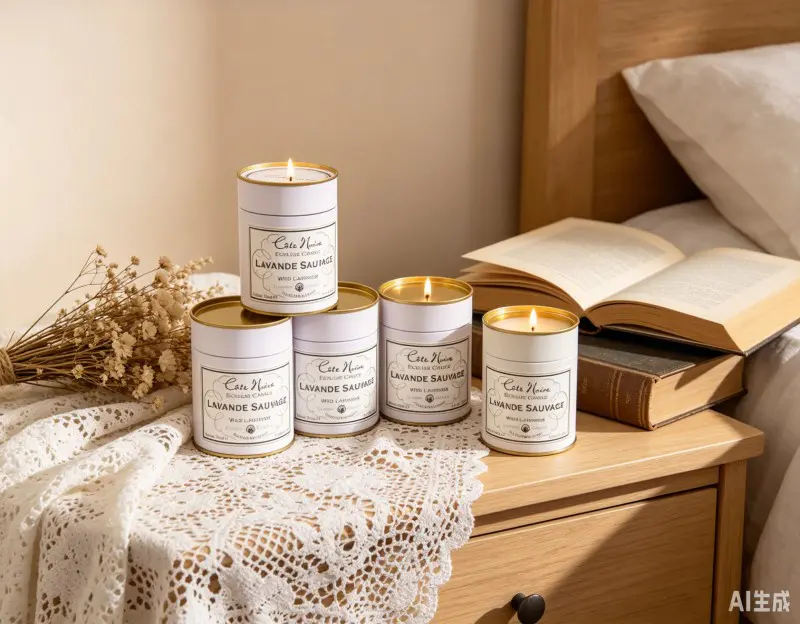

As one of the top China cardboard tube packaging manufacturers and paper tube packaging suppliers, we devote all of our efforts to research and launch more high quality packaging products to global market.
Content
- 1 What Is a Paper Tube with Window?
- 2 Why Brands Choose Windowed Paper Tube Packaging
- 3 Industries That Use Paper Tubes with Windows Most
- 4 Window Shape, Size, and Placement Options
- 5 Material Choices for the Tube Body and the Window Film
- 6 Design Tips to Make Your Windowed Paper Tube Stand Out
- 7 What to Ask Your Supplier Before Ordering
What Is a Paper Tube with Window?
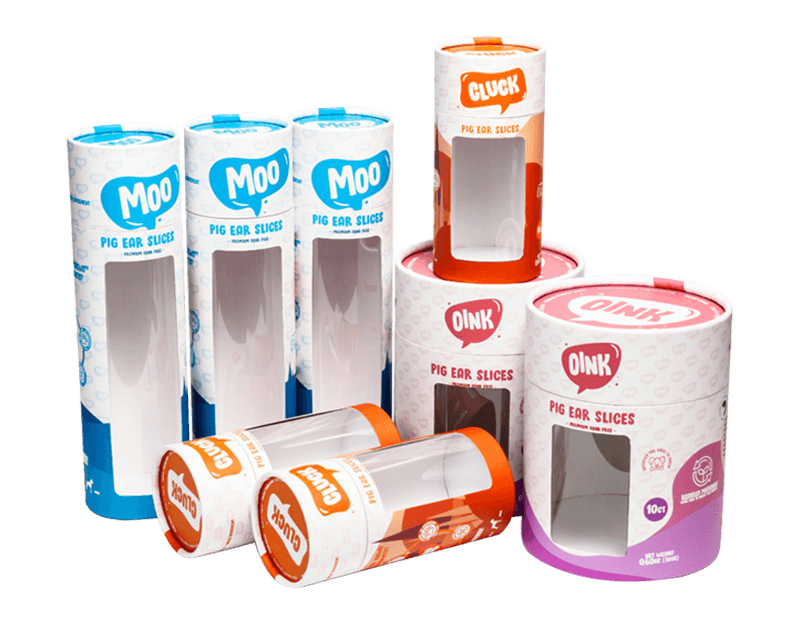
A paper tube with window is a cylindrical paperboard container that features a cut-out section covered by a transparent film — typically PET, PVC, or biodegradable PLA — allowing consumers to see the product inside without opening the packaging. Unlike a standard paper tube, this style adds a visual dimension that bridges the gap between protective packaging and open display.
These containers are manufactured from wound layers of kraft paper, recycled board, or premium coated stock, giving them structural strength while keeping the overall package lightweight. The window itself is die-cut into the tube body before or after winding, then sealed from the inside with a clear film that is either glued or heat-bonded in place. The result is a package that holds its shape, protects its contents, and lets the product do its own selling.
The term covers a wide range of formats — windowed paper tube, paper canister with window, round paper tube with window, and paper tube packaging with window are all common variations you'll encounter in the industry. The underlying idea is the same: structure plus visibility plus sustainability.
Why Brands Choose Windowed Paper Tube Packaging
The decision to switch to a paper tube with window usually comes down to three overlapping pressures: consumer expectations, sustainability goals, and the need to stand out on a crowded shelf. Each of these deserves a closer look.
Shoppers Want to See Before They Buy
Study after study on retail behavior shows that product visibility increases purchase confidence. When a buyer can see the actual color, texture, or quantity of what they're getting — whether it's a hand-poured candle, a stack of cookies, or a set of bath salts — they're more likely to complete the purchase. A windowed paper tube delivers that reassurance without requiring the buyer to open the box or rely solely on printed photography, which consumers increasingly distrust.
Paper Beats Plastic on the Sustainability Scorecard
Brands moving away from fully plastic containers find paper tube packaging with window to be a practical middle ground. The bulk of the structure is paper — renewable, recyclable, and compostable in many municipal systems. The window film, while still plastic in most cases, makes up only a small fraction of the total material weight. Brands using PLA window film can claim a fully compostable package, which resonates strongly with environmentally aware consumers and supports regulatory compliance in markets tightening restrictions on single-use plastics.
The Shape Itself Is a Differentiator
Cylindrical packaging is inherently premium-feeling. It doesn't collapse, it rolls neatly on a shelf, and it photographs well. Add a window and a thoughtful label, and a kraft paper tube with window can make a relatively modest product look like a luxury item. This is particularly valuable for small brands competing against larger players who dominate flat-carton shelf space.
Industries That Use Paper Tubes with Windows Most
Windowed paper tube packaging crosses industry boundaries more than most packaging formats. Below are the sectors where it is most widely adopted and why each one benefits from this specific format.
| Industry | Typical Products | Why the Window Matters |
| Food & Confectionery | Cookies, chocolates, teas, spices | Shows freshness, color, and fill level |
| Cosmetics & Beauty | Lip balms, solid perfumes, skincare sets | Highlights product color and finish |
| Candles & Home Fragrance | Pillar candles, wax melts | Displays candle color and texture |
| Gifts & Stationery | Pencils, pens, small gift sets | Adds a premium unboxing preview |
| Health & Wellness | Supplement tablets, bath salts, herbal blends | Builds trust through product transparency |
Window Shape, Size, and Placement Options
One of the most underrated design decisions in paper tube packaging with window is exactly how and where the window is cut. This isn't just an aesthetic choice — it directly affects structural integrity, film bonding, and the visual weight of the finished package.
Common Window Shapes
- Rectangle or oval: The most widely used formats. Easy to die-cut cleanly, they offer a broad viewing area and suit most product types.
- Arch or half-moon: Popular in cosmetic and candle packaging for a softer, more elegant look.
- Custom die-cut shapes: Stars, hearts, brand logos, or product silhouettes — these require more tooling investment but create instant brand recognition.
- Full-length strip: A narrow vertical or horizontal band running most of the tube's length, used when showing continuity of the product (e.g., a row of stacked cookies) is the priority.
Placement Considerations
The window should be positioned on the face of the tube that will be visible when the product is shelved or displayed. For retail, this usually means the front panel. For e-commerce or gift use, a centered window that reads well from multiple angles is more effective. Structurally, avoid placing windows too close to the top or bottom edges, as this can weaken the tube wall near the cap or base seal.
Material Choices for the Tube Body and the Window Film
The performance of a round paper tube with window depends on selecting the right materials for both the outer shell and the transparent insert. These two components have different functional requirements and should be chosen with both end use and sustainability targets in mind.
Tube Body Materials
- Natural kraft paper: The most common base. Brown, earthy-toned, and associated with eco-friendly branding. Takes printing well with the right coating.
- White coated board: Ideal for brands that want a clean, clinical, or luxury appearance. CMYK printing results are sharper on white stock.
- Recycled gray board: The most sustainable option from a material sourcing standpoint. Typically used as an inner layer, with a printed wrap on the outside.
- Specialty papers: Textured finishes, metallic foil laminates, or seed paper wraps for limited-edition or high-end applications.
Window Film Options
- PET (polyethylene terephthalate): Crystal clear, rigid enough to hold shape, widely available and cost-effective. Recyclable in many regions but not compostable.
- PVC: Cheaper than PET and very clear, but increasingly restricted due to environmental concerns. Best avoided if sustainability is a brand priority.
- PLA (polylactic acid): Plant-derived, compostable under industrial conditions, and increasingly available in food-safe grades. The premium eco-conscious choice for a paper tube with window.
- Frosted or tinted films: For brands that want to hint at the product rather than fully reveal it — a popular choice in cosmetics and premium spirits packaging.
Design Tips to Make Your Windowed Paper Tube Stand Out
Having a window is a starting point, not a finish line. The way you design around it determines whether the window enhances your packaging or simply creates a structural weak point with no visual payoff. These practical tips apply whether you're working with a packaging designer or briefing a manufacturer directly.
- Frame the window intentionally. Use the printed area around the cut-out as a graphic frame — a contrasting color border, a pattern that draws the eye inward, or a label that positions the product story right next to the view.
- Align the product's best angle with the window. If the product has a particular face, color gradient, or texture that photographs well, pack it so that feature faces the window directly.
- Keep the interior clean. The inside of the tube is now part of the packaging design. Use tissue paper, a colored inner liner, or a simple band to ensure the product looks intentional through the window, not carelessly tossed in.
- Test under retail lighting. Window film can reflect light differently under LED spotlights versus natural light. Always prototype and test the finished tube under conditions similar to where it will be sold.
- Balance window size with structural needs. Larger windows look more dramatic but require thicker tube walls to compensate for the removed material. Work with your manufacturer to find the sweet spot for your wall thickness and tube diameter.
What to Ask Your Supplier Before Ordering
Not all manufacturers who produce cylindrical packaging with window have the same capabilities. Before committing to a production run, get clear answers to the following questions to avoid surprises at the sampling or delivery stage.
- What is the minimum order quantity for a custom die-cut window shape versus a standard rectangle?
- Which window film materials do you stock, and is food-safe PLA available?
- How is the film bonded — glued or heat-sealed — and what is the delamination risk under humidity or temperature changes?
- Can you provide samples of previous windowed paper tube projects in a similar diameter to mine?
- What printing methods are available on the outer wrap, and are there limitations near the window edge?
- Is the finished tube recyclable as a unit, or does the consumer need to separate the film before disposal?
A supplier who can answer these questions clearly and with specifics — not vague assurances — is almost always a more reliable production partner than one who glosses over the technical details. Getting these answers before sampling saves significant time and prototyping cost down the line.
