 English
 Español

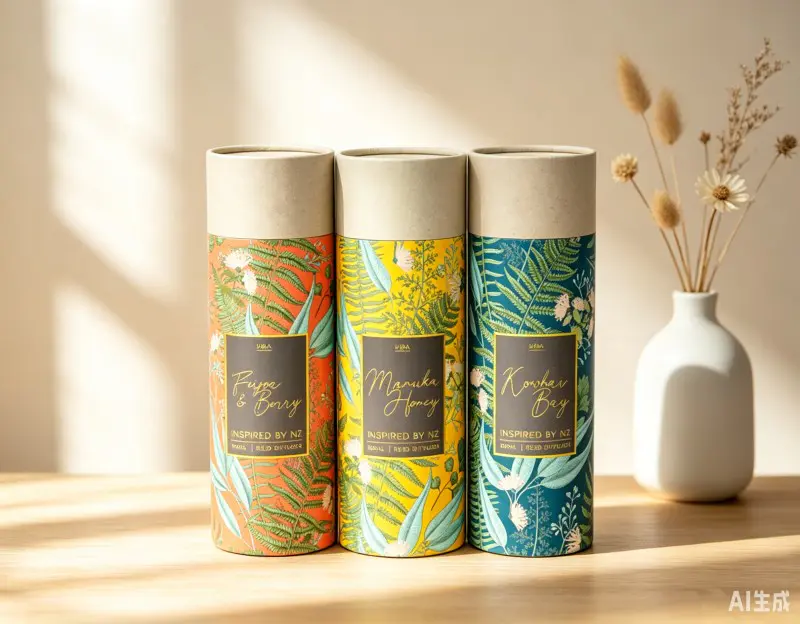
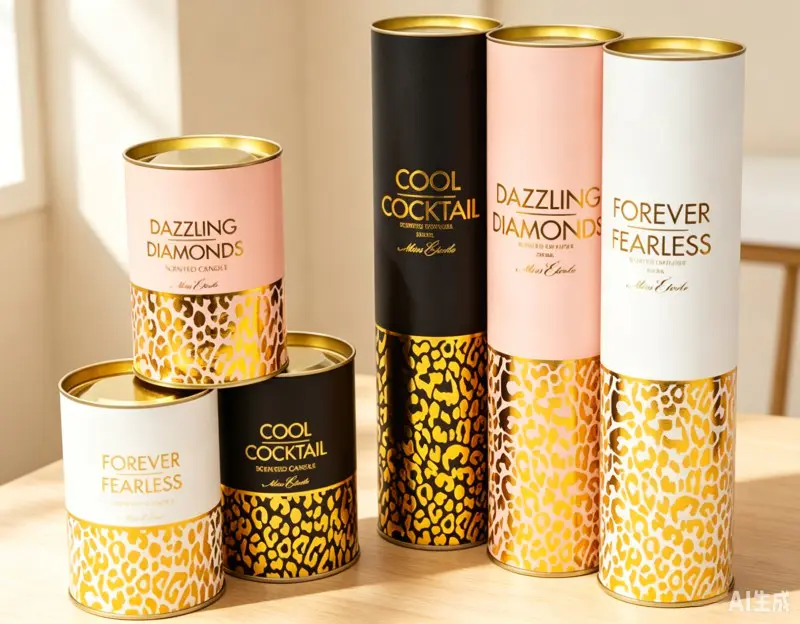
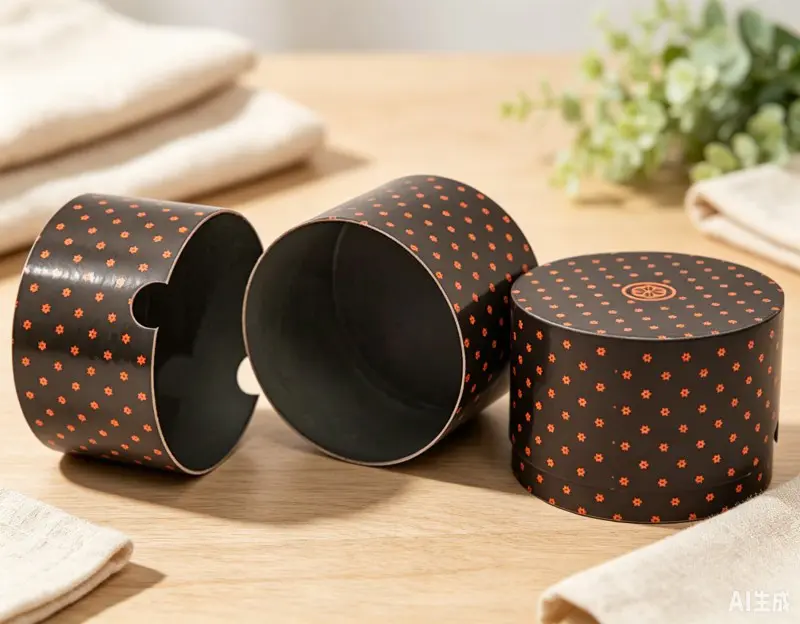
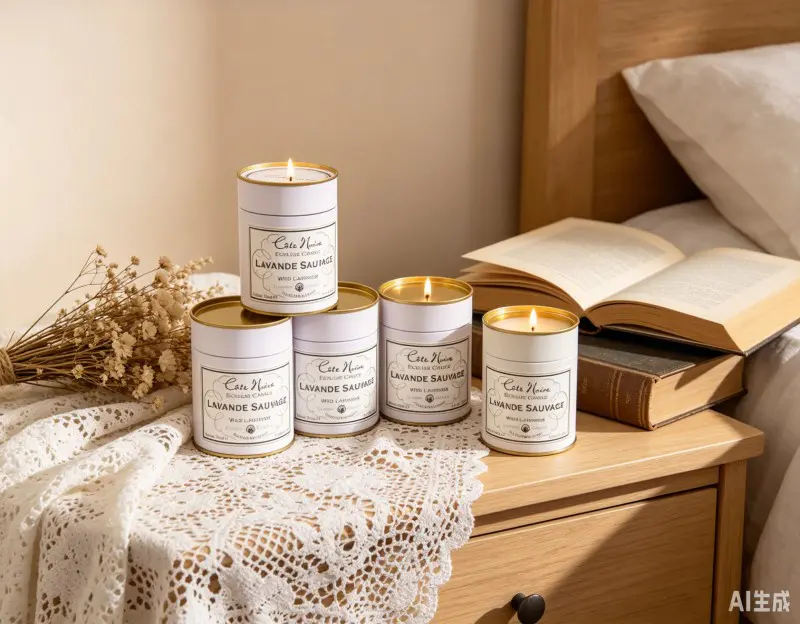

As one of the top China cardboard tube packaging manufacturers and paper tube packaging suppliers, we devote all of our efforts to research and launch more high quality packaging products to global market.
Content
The Structural Advantages of Cylindrical Cardboard Packaging
Cardboard tube packaging, often referred to as paper tubes or spiral-wound shells, offers a unique combination of structural integrity and lightweight design. Unlike traditional square folding cartons, the cylindrical shape naturally distributes pressure evenly across the surface, making it exceptionally resistant to crushing during transit. This structural "arch" effect ensures that delicate items—ranging from glass cosmetic bottles to high-end electronics—remain protected without the need for excessive plastic void fillers or bubble wrap.
Beyond durability, these tubes are highly customizable in terms of wall thickness. By increasing the number of paper layers during the winding process, manufacturers can create a rigid, heavy-duty container that mimics the strength of plastic or metal while remaining 100% biodegradable. This versatility allows brands to tailor the packaging specifically to the weight and fragility of their product, optimizing shipping costs and reducing material waste.
Sustainable Material Composition and Eco-Friendly Benefits
In an era of heightened environmental consciousness, cardboard tube packaging stands out as a premier "green" solution. Most industrial tubes are constructed from post-consumer recycled paper and joined using water-based, non-toxic adhesives. This ensures that the entire lifecycle of the packaging—from production to disposal—minimizes the carbon footprint. Unlike multi-layer laminated pouches, cardboard tubes are easily processed by standard municipal recycling facilities.
Key Environmental Impacts
- Reduction in single-use plastic consumption by replacing poly-bags and plastic canisters.
- Biodegradability ensures that even if the packaging enters a landfill, it decomposes naturally within months.
- Lower energy requirements for manufacturing compared to glass or aluminum alternatives.
Comparative Analysis of Packaging Formats
Choosing the right packaging format depends on the specific needs of the product. The following table compares cardboard tubes against traditional square boxes and plastic containers to highlight why many premium brands are making the switch to cylindrical formats.
| Feature | Cardboard Tube | Folding Carton | Plastic Canister |
| Crush Resistance | High | Medium | High |
| Sustainability | Excellent | Good | Poor |
| Unboxing Experience | Premium/Luxurious | Standard | Functional |
| Space Efficiency | Moderate | High (Flat-pack) | Moderate |
Customization and Branding Opportunities
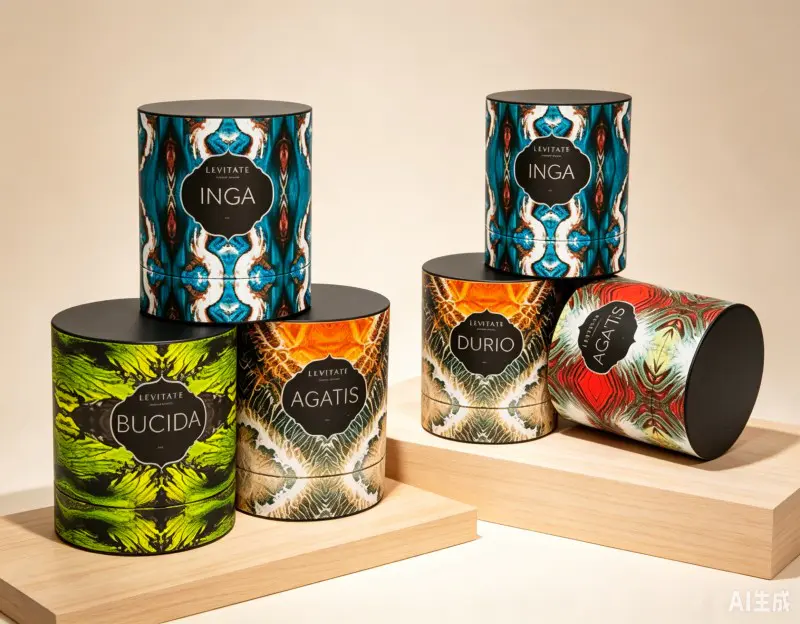
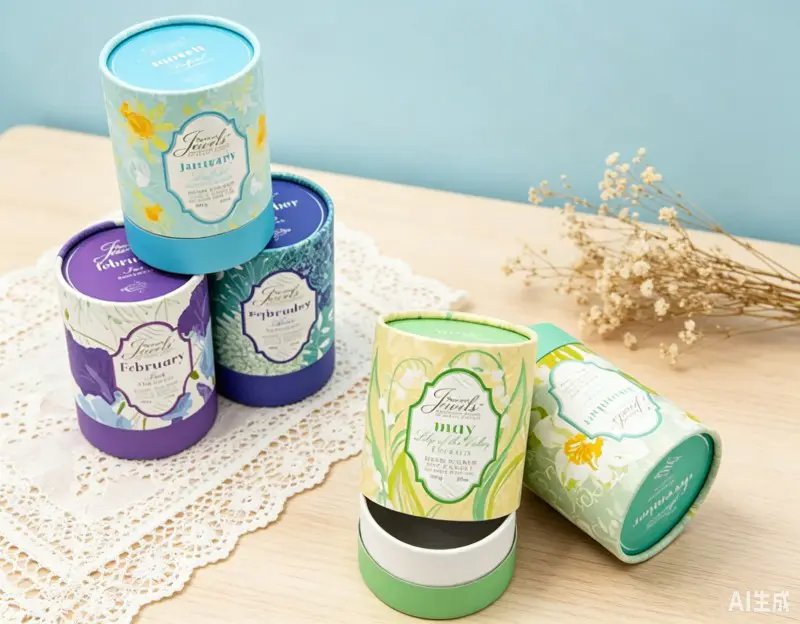
The aesthetic appeal of cardboard tube packaging is a significant driver for luxury and artisanal brands. Because the outer layer can be wrapped in a variety of specialty papers—including textured, metallic, or matte finishes—the branding possibilities are virtually limitless. Techniques such as foil stamping, spot UV coating, and embossing are commonly used to elevate the perceived value of the product inside. This tactile experience creates a "premium feel" that square boxes often struggle to replicate.
Functional Design Options
- Telescopic Lids: Two-piece tubes where the top slides over the bottom for a seamless look.
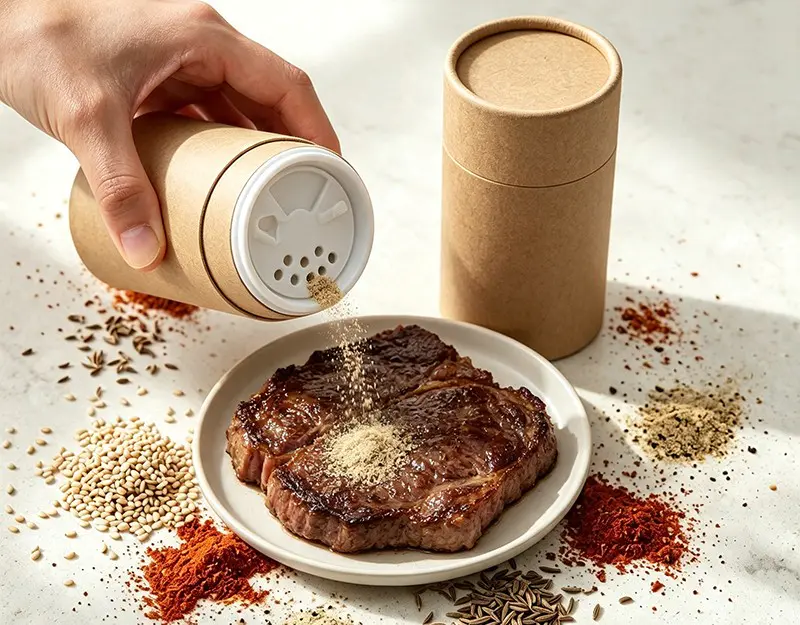
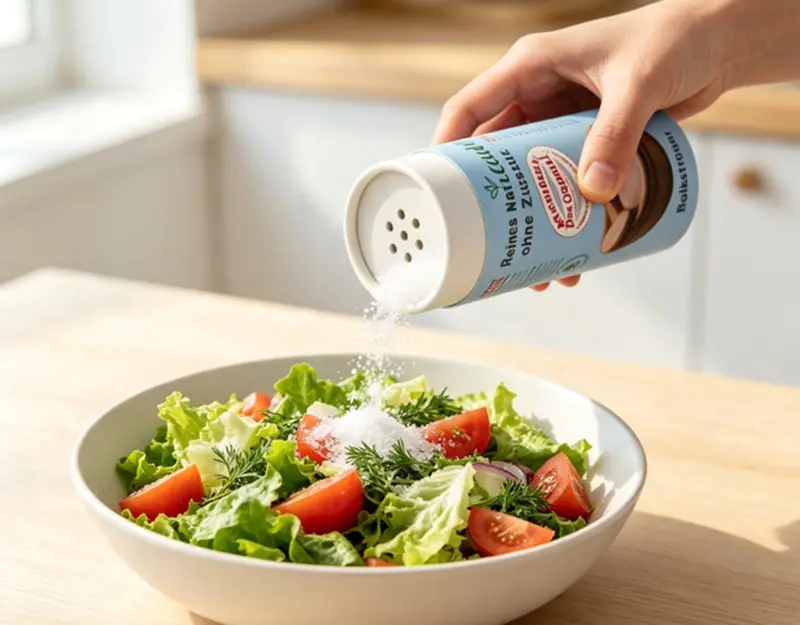
- Shaker Tops: Integrated perforated inserts for spices, powders, or dry cosmetics.
- Rolled Edges: Smooth, finished rims that provide a high-end, polished appearance.
- Biodegradable Linings: Oil-resistant coatings for skincare creams or food items.
Practical Applications Across Diverse Industries
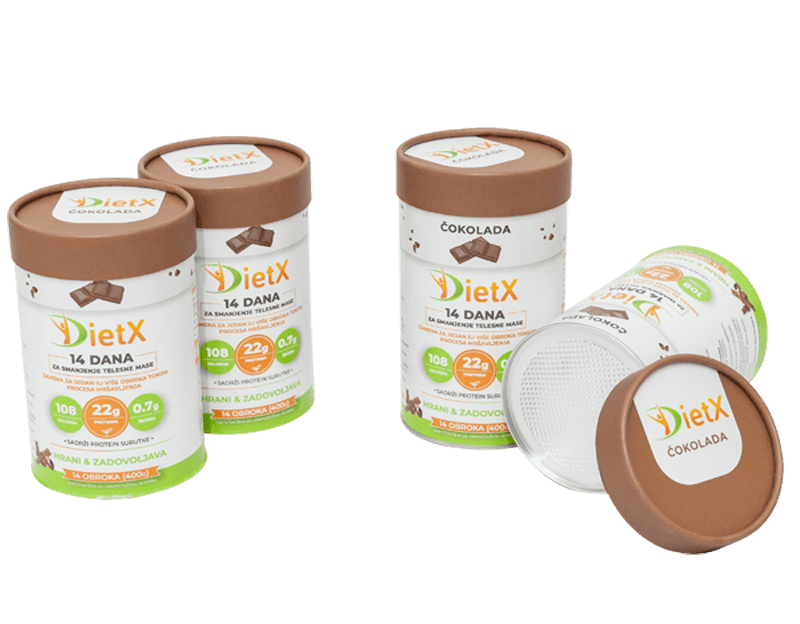
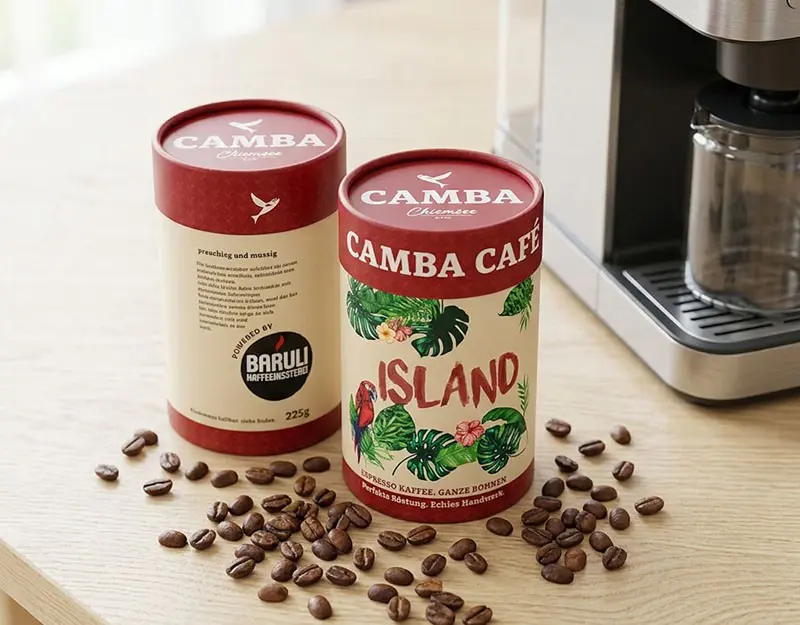
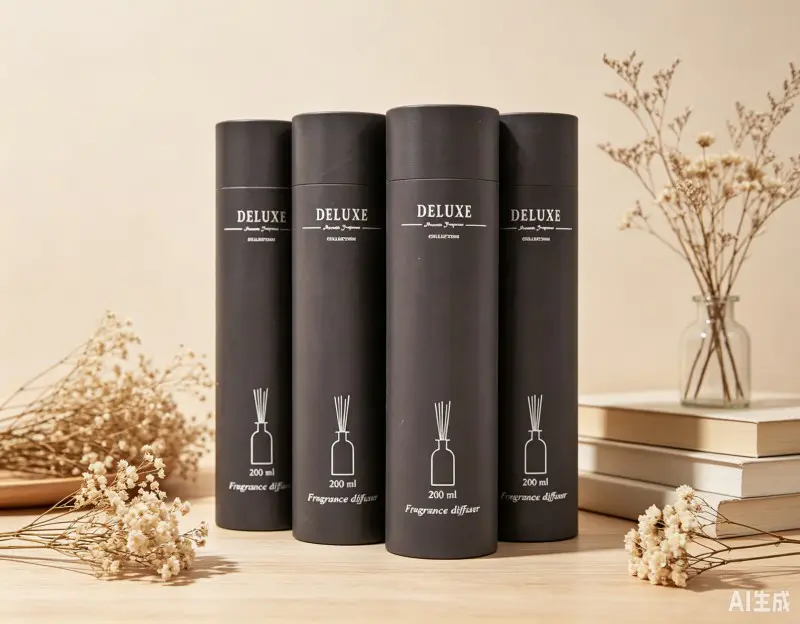
While historically used for mailing posters or storing blueprints, cardboard tubes have migrated into almost every consumer sector. In the beauty industry, they are used for lip balms, deodorants, and perfume bottles. In the food and beverage sector, they house loose-leaf teas, coffee beans, and premium spirits. The ability to add food-grade foil linings makes them an excellent barrier against moisture and oxygen, preserving the freshness of the contents while maintaining a rustic, organic shelf presence.
Furthermore, the "reusability" factor of cardboard tubes adds a secondary value to the consumer. Many customers repurpose these sturdy tubes for household storage, stationery holders, or craft projects, extending the brand's visibility in the customer's home long after the initial purchase. This secondary life reinforces brand loyalty and aligns the company with the circular economy movement.
