 English
 Español
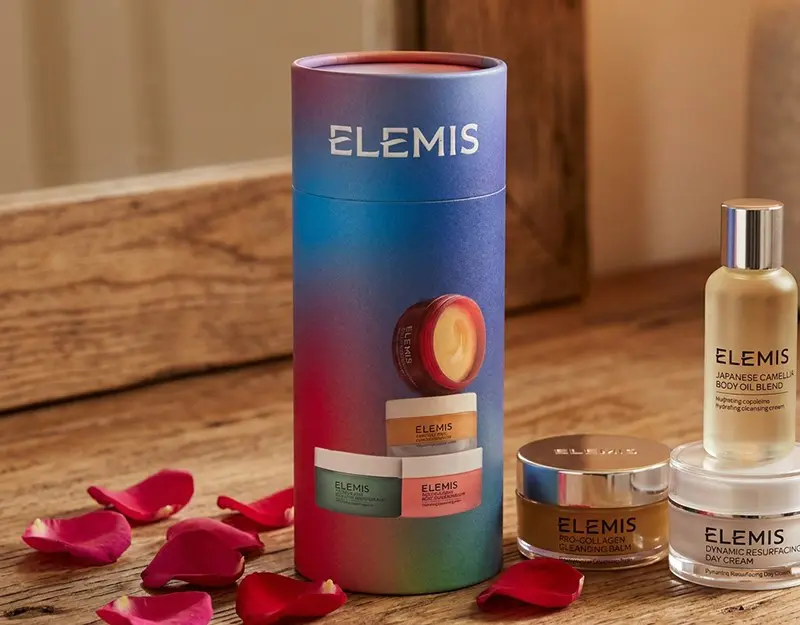
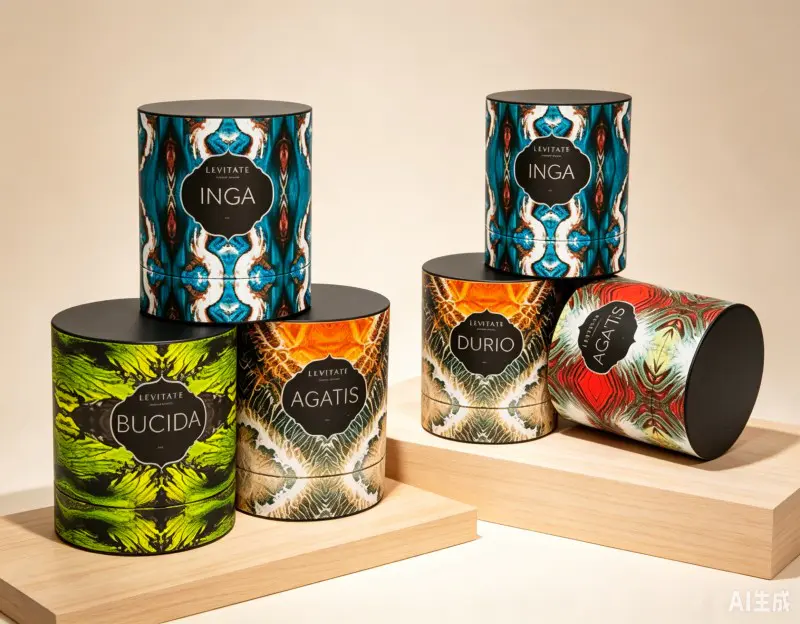
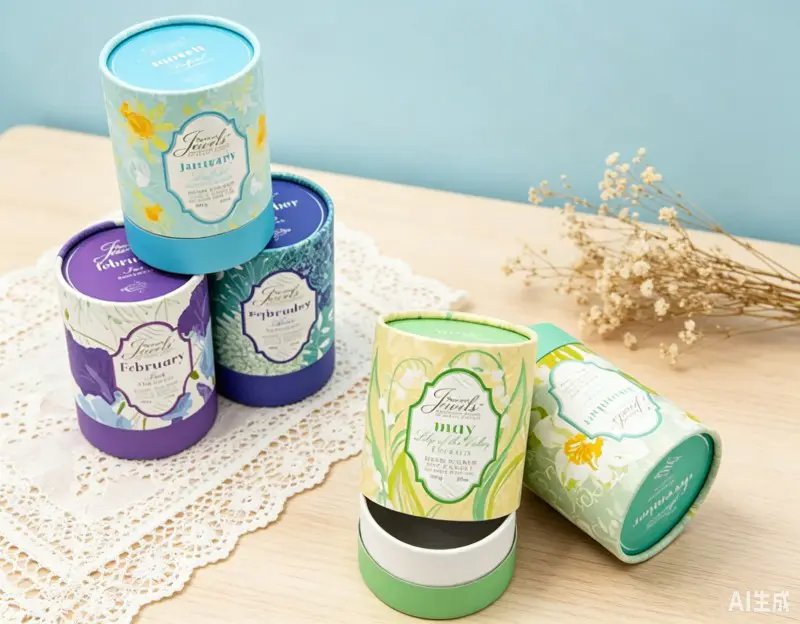
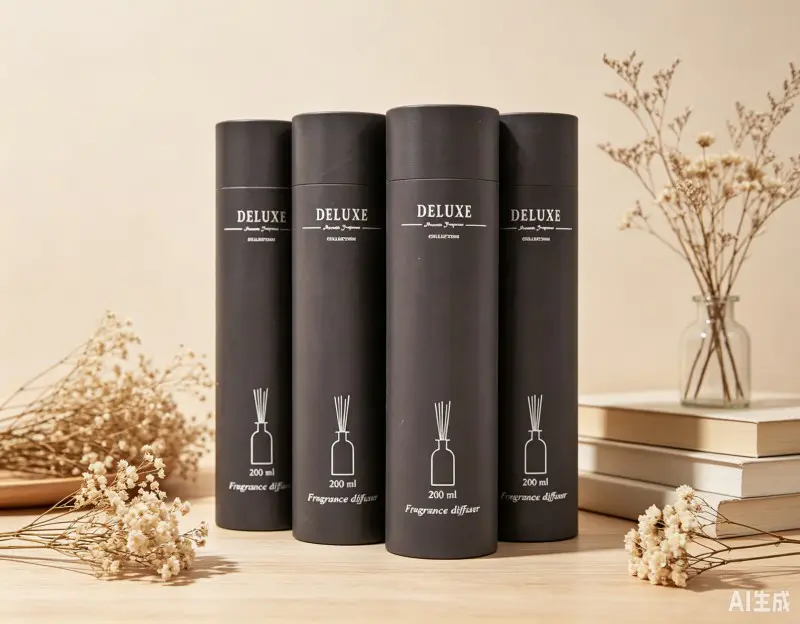

As one of the top China cardboard tube packaging manufacturers and paper tube packaging suppliers, we devote all of our efforts to research and launch more high quality packaging products to global market.
Content
The Critical Role of Oxygen and Moisture Barriers
The primary enemy of any high-quality protein supplement is environmental exposure. When a protein powder container fails to provide an airtight seal, oxygen begins to oxidize the fats and amino acids within the formula. This process, known as oxidative rancidity, doesn't just ruin the flavor; it can actually degrade the nutritional profile of the powder. Furthermore, moisture ingress is a significant concern. If humidity enters the container, it leads to clumping and provides a breeding ground for bacteria and mold. A superior container utilizes induction-sealed liners and high-density materials to ensure the powder remains as potent on the last scoop as it was on the first.
Material Safety and Chemical Leaching
Not all plastics are created equal, and the material of your protein tub matters for your long-term health. Many low-grade containers can leach chemicals like Bisphenol A (BPA) or phthalates into the powder, especially if the container is stored in a warm environment like a car or a garage gym. These chemicals are known endocrine disruptors that can interfere with hormonal balance—the very thing many athletes are trying to optimize. Choosing containers made from BPA-free, food-grade HDPE (High-Density Polyethylene) or PET (Polyethylene Terephthalate) is essential for maintaining the purity of the supplement.
Comparison of Common Container Materials
| Material Type | Barrier Quality | Safety Profile |
| HDPE Plastic | High | BPA-Free / Very Safe |
| PET Plastic | Medium-High | Recyclable / Safe |
| Flexible Pouches | Variable | Convenient / Eco-friendly |
UV Protection and Nutrient Preservation
Light sensitivity is often overlooked in supplement storage. Many vitamins and certain amino acids added to protein blends are photosensitive, meaning they break down when exposed to ultraviolet (UV) light. Transparent or clear containers may look aesthetically pleasing on a shelf, but they allow light to penetrate and weaken the product's efficacy over time. Opaque or dark-tinted containers act as a shield, preserving the molecular integrity of the ingredients. This is particularly important for "all-in-one" protein powders that contain added phytonutrients or delicate digestive enzymes.
Practicality and User Experience Design
The physical design of the container impacts how effectively you can use the product without waste or contamination. A well-designed protein container should prioritize accessibility and hygiene through several key features:
- Wide-mouth openings that allow for easy scooping without getting powder on your knuckles.
- Integrated scoop clips that prevent the scoop from burying itself at the bottom of the tub.
- Threaded lids with deep grooves to ensure a cross-thread-free, tight seal every time.
- Ergonomic grips or ribbing on the lid for easy opening, even with sweaty hands post-workout.
Sustainability and Post-Consumer Use
As the supplement industry grows, the environmental impact of large plastic tubs has become a major talking point. Why your container matters also extends to what happens after the powder is gone. Forward-thinking brands are moving toward containers made from PCR (Post-Consumer Recycled) plastics or designing tubs that are easily repurposed for household storage. A sturdy, high-quality container can be cleaned and used to store other bulk goods, reducing the overall plastic footprint. When choosing a brand, looking for "Resin Identification Codes" (the little triangle symbol) on the bottom helps you identify how easily the container can be processed by your local recycling facility.
