 English
 Español

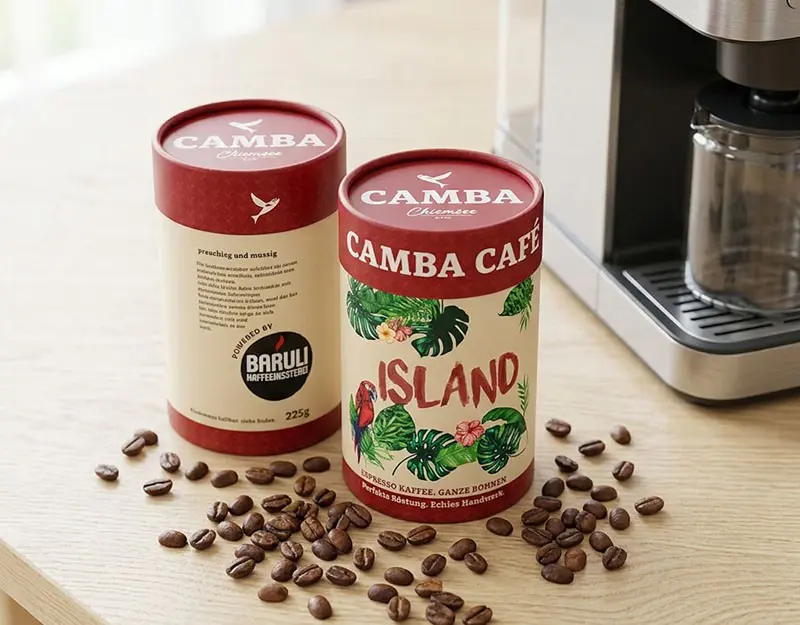
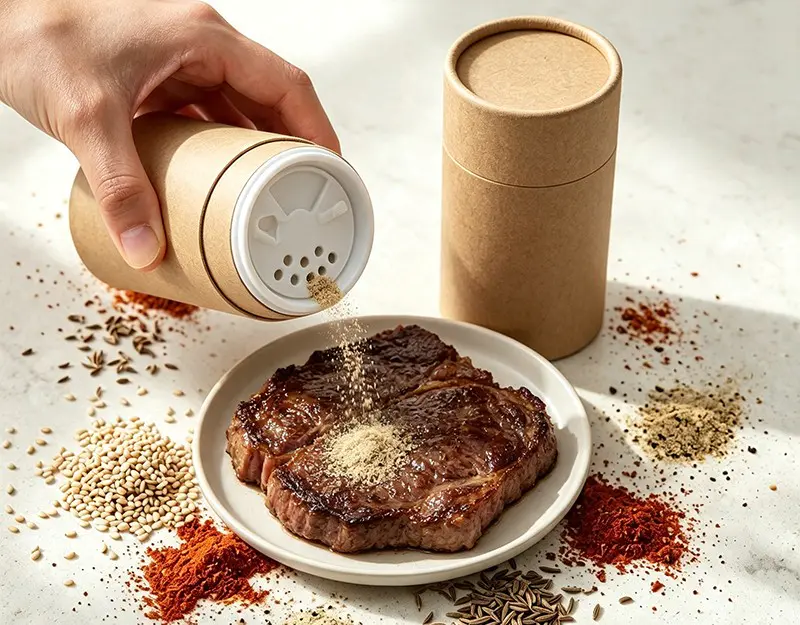
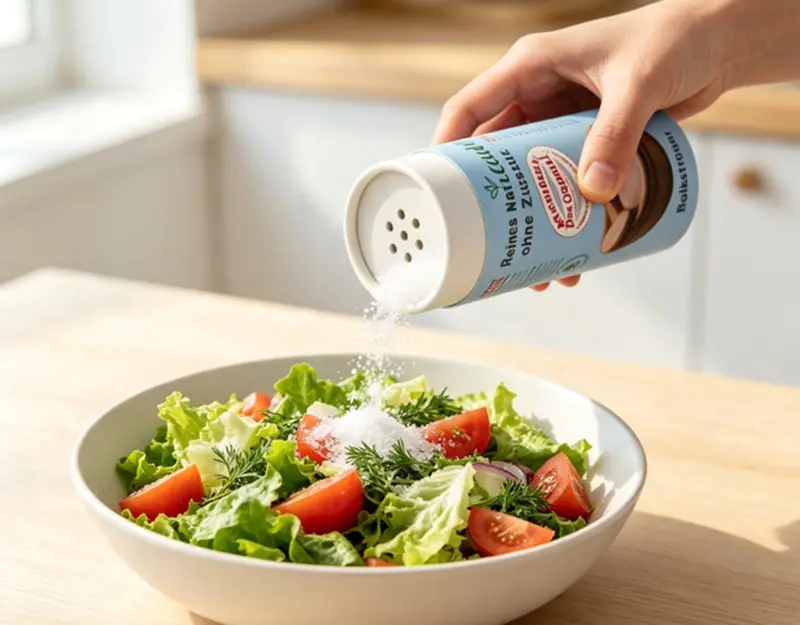
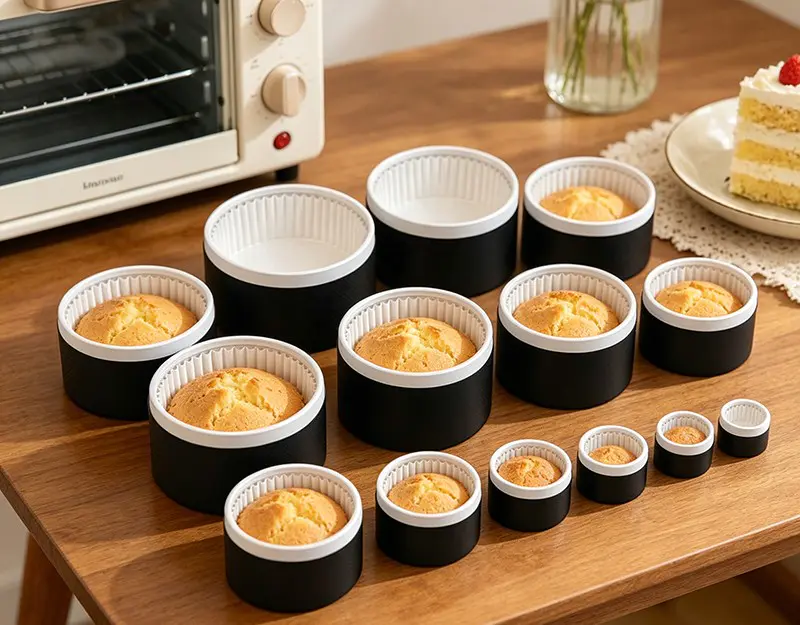
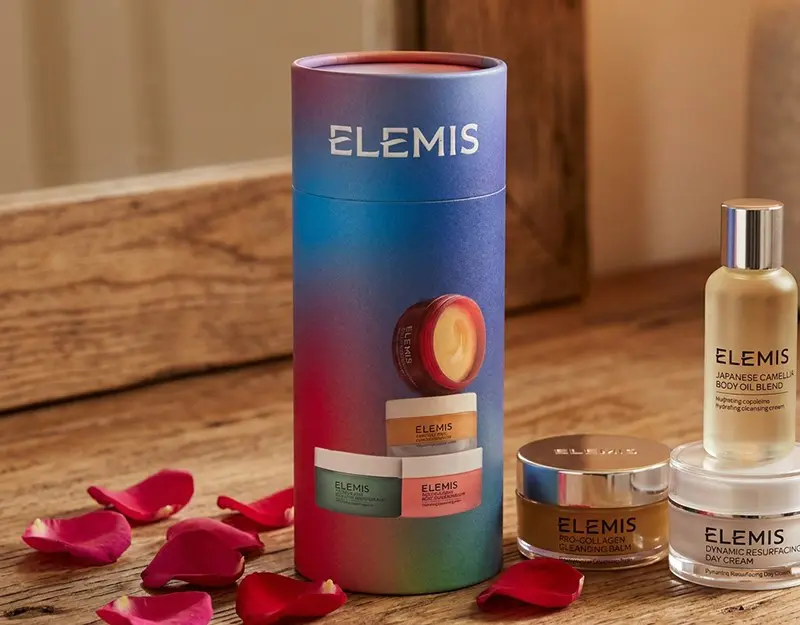
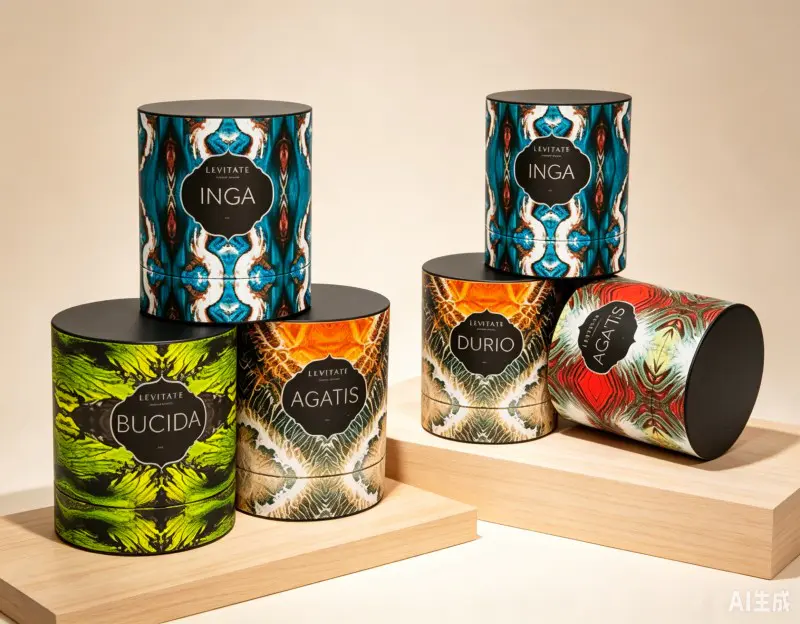
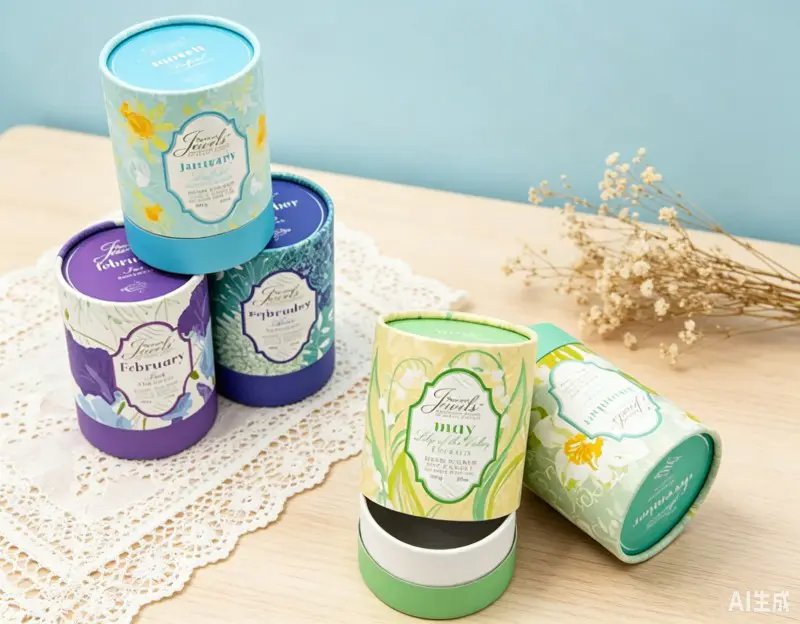
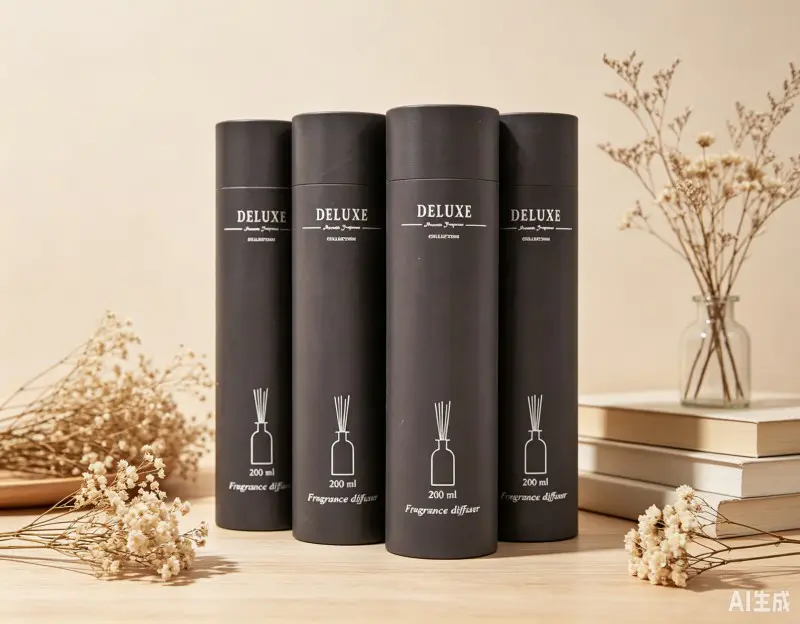
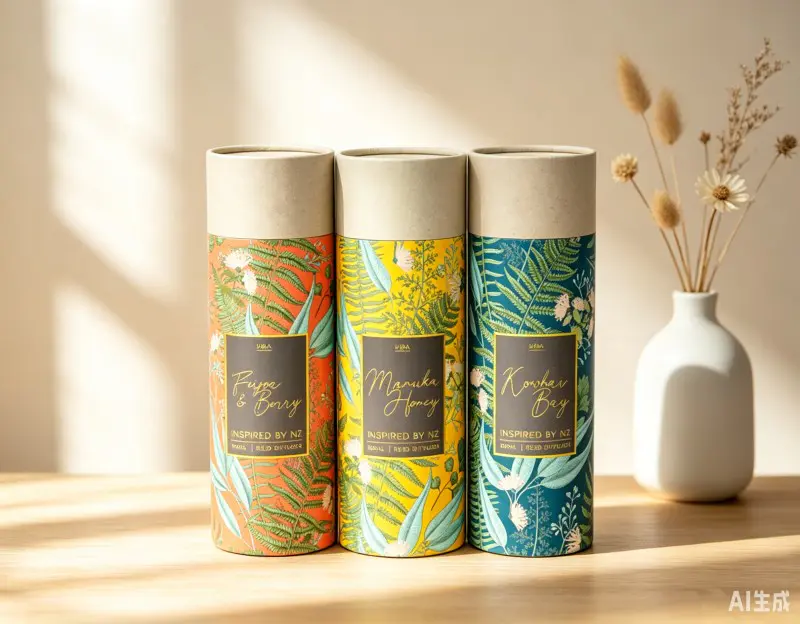
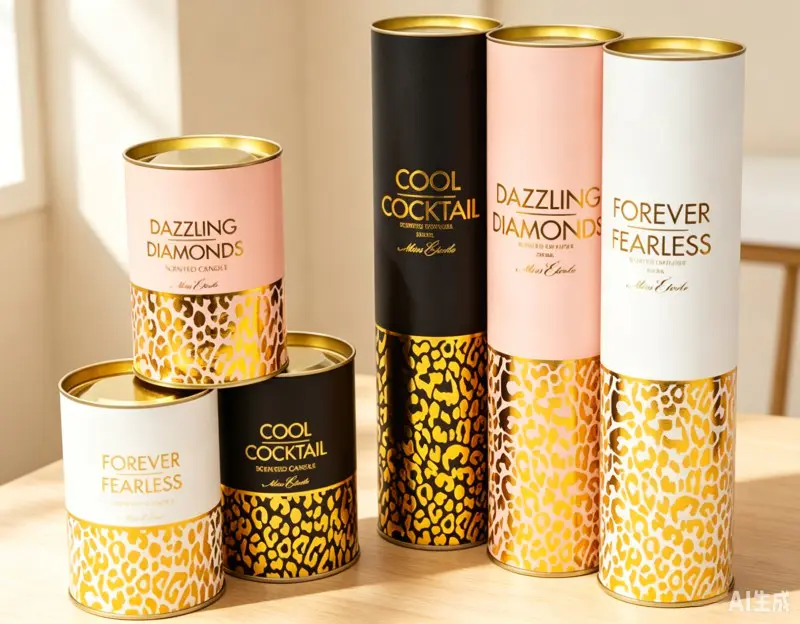
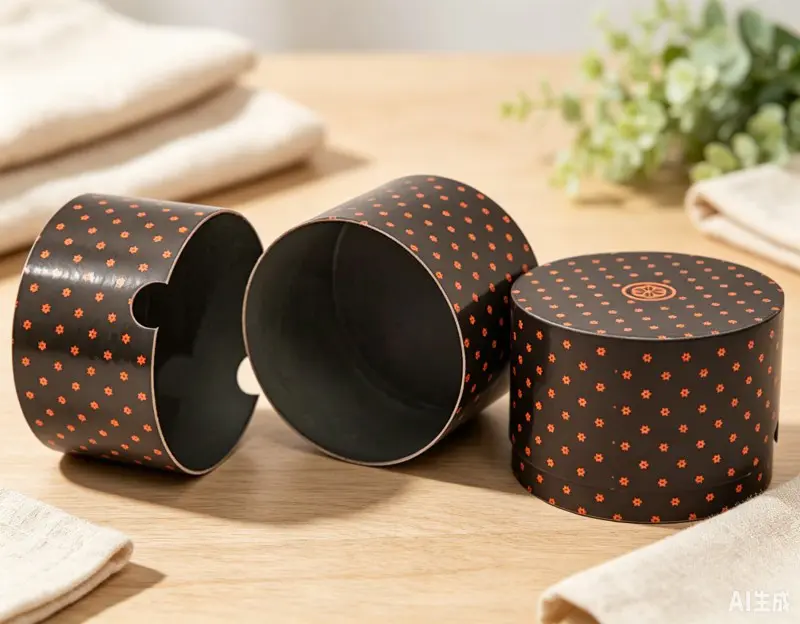
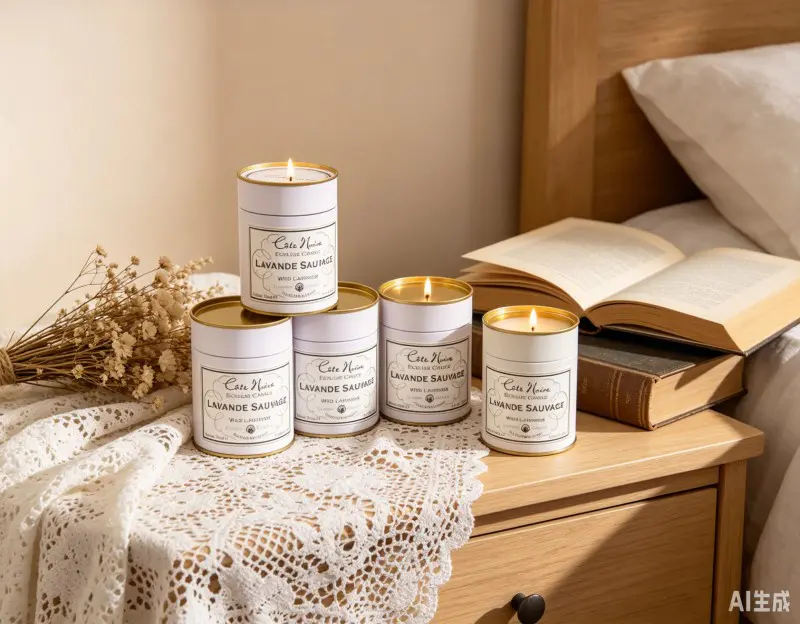

As one of the top China cardboard tube packaging manufacturers and paper tube packaging suppliers, we devote all of our efforts to research and launch more high quality packaging products to global market.
In modern gift packaging, the first impression is often formed before the product is touched. A package must protect, present, communicate quality, and support the values of the buyer and brand. The (99-101)*280MM Cylinder Baby Cardboard Tube Window is designed for exactly that purpose: it combines the structural strength of a rigid paper tube with a transparent display window that allows the customer to see the product inside. This format is especially suitable for baby gift packaging, premium craft items, keepsakes, textiles, accessories, and other products that benefit from both protection and visual display.
This windowed cylinder tube is part of the Tube with Window category and is built with kraft paper and all-paper structural materials. It supports customized branding, CMYK printing, matte lamination, stamping, UV coating, and other finishing options. Its cylindrical shape gives it a distinctive retail presence, while its window helps build trust by revealing the actual product inside. For gift packaging, this balance between concealment and visibility is one of its most important advantages.
Compared with many ordinary folding cartons or plain paper cans, this packaging format creates a more premium tactile experience. The round shape feels substantial in the hand, the rigid wall helps protect delicate products, and the window transforms the package from a simple container into a display unit. For brands seeking eco-conscious packaging with stronger shelf impact, the cylinder baby cardboard tube with window provides a practical and attractive solution.
(99-101)*280MM Cylinder Baby Cardboard Tube Window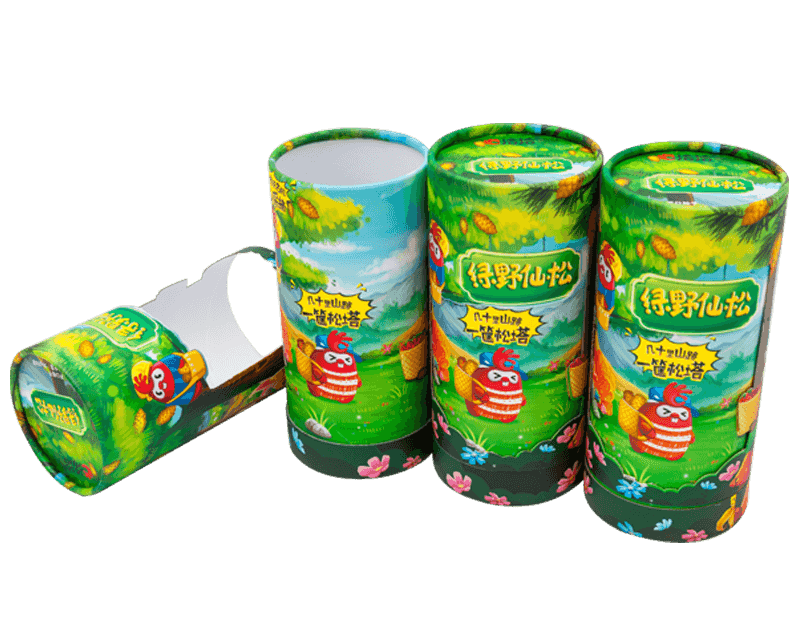
Content
- 1 Product Overview
- 2 Key Specifications
- 3 Why a Windowed Paper Tube Works for Baby Gift Packaging
- 4 Advantages Over Conventional Competitor Packaging
- 5 Material Advantages of Kraft Paper
- 6 Printing and Finishing Options
- 7 The Role of the Window
- 8 Advanced Manufacturing Process
- 9 Manufacturing Strengths Behind Reliable Paper Tube Packaging
- 10 Customization Possibilities
- 11 Applications Beyond Baby Gifts
- 12 Consumer Experience and Retail Performance
- 13 Environmental Value and Market Expectations
- 14 Quality Control Considerations
- 15 How This Tube Supports Brand Positioning
- 16 Comparison with Other Packaging Formats
- 17 Wholesale and Supply Advantages
- 18 Design Recommendations for Best Results
- 19 Practical Considerations for Packaging Development
- 20 Q&A Section
- 20.1 Q1: What is the main purpose of the (99-101)*280MM Cylinder Baby Cardboard Tube Window?
- 20.2 Q2: Why is a cylinder tube better than a standard rectangular gift box?
- 20.3 Q3: Can the tube be customized with a logo and special design?
- 20.4 Q4: What materials are used in this packaging?
- 20.5 Q5: Is the window useful for retail sales?
- 20.6 Q6: What finishing options are available?
- 20.7 Q7: Is this packaging environmentally friendly?
- 20.8 Q8: What quality factors should be checked before mass production?
- 20.9 Q9: Can this tube be used for categories other than baby gifts?
- 20.10 Q10: Why is manufacturer experience important for this product?
- 21 Conclusion
- 22 References
- 23 Product: (99-101)*280MM Cylinder Baby Cardboard Tube Window
Product Overview
The (99-101)*280MM Cylinder Baby Cardboard Tube Window is a customized paper packaging solution intended for gift packaging applications. Its inner diameter is approximately 99 to 101 millimeters, and its height is 280 millimeters. This size makes it suitable for slender, medium-height gift items, including baby care gift sets, rolled textiles, soft toys, candles, craft products, souvenir items, and premium promotional gifts.
The product uses kraft paper as a primary paper type and can be manufactured with recycled, eco-friendly materials. Its cylindrical body is designed to offer good compression resistance and presentation value. The integrated window enables product visibility while preserving the premium appearance of a closed gift package. The tube can be produced with customer logos, custom colors, decorative finishes, and surface treatments that match different market positioning needs.
The industrial use is gift packaging paper box with window. While it is often described as a paper box, its tube structure gives it advantages beyond a standard rectangular carton. The round profile reduces sharp corner damage, improves grip comfort, and can be displayed vertically or horizontally. For baby gift packaging in particular, the soft round appearance also communicates warmth, safety, and care.
Key Specifications
| Item | Specification | Packaging Value |
|---|---|---|
| Product Type | Cylinder cardboard tube with window | Combines rigid protection with product visibility |
| Category | Tube with Window | Designed for display-oriented retail packaging |
| Size | ID 99-101 mm x 280 mm | Suitable for medium-height gifts and rolled items |
| Paper Type | Kraft paper | Natural, strong, and suitable for eco-focused presentation |
| Material Structure | All paper | Supports recyclable and environmentally responsible packaging goals |
| Printing | CMYK printing | Allows colorful customized artwork and branding |
| Surface Options | Matte lamination, stamping, UV coating | Enhances premium appearance and tactile quality |
| Shape | Cylinder shape | Distinctive shelf presence and comfortable handling |
| Custom Order | Accepted | Supports logo, color, size, window, and finish customization |
| Feature | Recycled materials, eco-friendly | Meets growing demand for sustainable packaging |
Why a Windowed Paper Tube Works for Baby Gift Packaging
Baby gift packaging requires a careful balance of emotion, quality, safety perception, and practicality. Parents, relatives, and gift buyers often look for products that feel gentle, thoughtful, and trustworthy. A rigid paper tube with a window supports these expectations because it looks refined while allowing the contents to be inspected without opening the package.
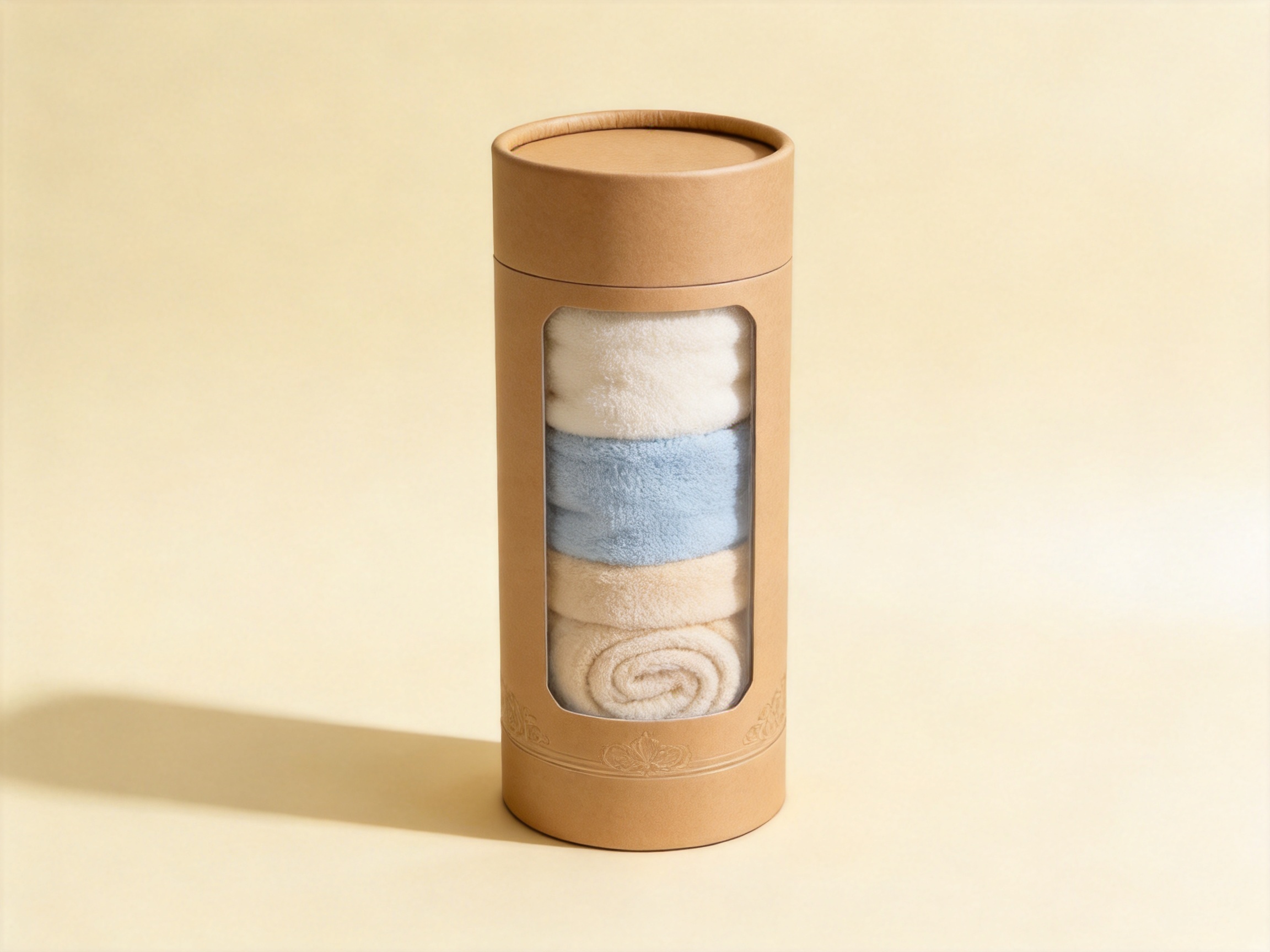
The transparent window is especially useful for baby-related gifts because shoppers often want to confirm color, texture, size, and style before purchasing. For example, if the package contains a baby blanket, clothing roll, toy, towel, or commemorative item, the window offers immediate visual confirmation. This can reduce uncertainty and improve purchase confidence at the shelf.
At the same time, the cylindrical body protects the product from direct handling. In retail environments, customers may repeatedly touch and inspect items. A well-made windowed tube limits direct product contact while still showing what is inside. This helps maintain cleanliness, presentation quality, and perceived product value.
The tube format also supports gifting behavior. A cylindrical package feels more special than a basic box. It can stand upright like a display column, be decorated with ribbon, or be paired with decorative labels. For gift sets, the tube may become part of the customer experience rather than merely a shipping or storage container.
Advantages Over Conventional Competitor Packaging
Stronger Visual Differentiation
Many competing packages in the gift sector rely on square cartons, plastic clamshells, or soft pouches. While these formats may be functional, they often lack distinction. The cylinder shape immediately stands out on a retail shelf. When paired with a display window, it creates a vertical showcase effect that draws attention without requiring excessive graphics.
The tube can be printed in soft baby colors, premium minimalist designs, natural kraft styles, or vibrant promotional artwork. Matte lamination can add a gentle touch, stamping can highlight the logo, and UV coating can emphasize selected design details. These finishing options help the package compete not only through shape but through texture, shine, and visual hierarchy.
Better Protection Than Light Folding Cartons
A folding carton can collapse or deform under pressure, especially if it is thin or loosely packed. The spiral-wound or composite paper tube structure is naturally resistant to compression because force is distributed around the cylinder. This makes the tube suitable for products that need to remain neat and presentable during storage, shipping, and retail display.
For baby gift products, maintaining a clean and undamaged presentation is important. A dented or crushed package can reduce perceived quality even if the product inside remains usable. The rigid cylindrical wall helps minimize this risk, giving the product a more secure outer shell compared with many flat cartons or thin paper sleeves.
More Eco-Friendly Appeal Than Plastic Containers
Plastic packaging remains common in display packaging because it offers visibility. However, consumers and retailers increasingly prefer paper-based alternatives. A windowed cardboard tube offers a more sustainable impression while still providing product visibility. The use of kraft paper, recycled material options, and all-paper body construction supports responsible packaging strategies.
Although the window itself may use a transparent film depending on the final design, the dominant structure is paper-based. This can significantly reduce plastic use compared with fully plastic containers. For brands that want to communicate naturalness, softness, care, and environmental awareness, paper tube packaging is often a stronger match than rigid plastic packaging.
Enhanced Premium Feel Compared with Basic Paper Cans
Plain paper cans are useful, but a windowed version adds interactive value. The window creates a framed view of the product, turning the package into a display tool. In premium baby gifts, this can be especially persuasive because buyers want emotional reassurance. They can see the softness of the fabric, the color of the item, or the arrangement of the contents before purchase.
The customized window can be shaped and positioned to match the design concept. A vertical window may show the length of a product, while a smaller decorative window may reveal only a selected detail. This design flexibility helps brands create packaging that feels intentional rather than generic.
Material Advantages of Kraft Paper
Kraft paper is valued in packaging because it provides strength, flexibility, and a natural appearance. Its fibers generally create good tear resistance and stiffness, making it suitable for cylindrical tube construction. When used in a rigid tube, kraft paper contributes to a durable structure that can hold its form while remaining lightweight.
The natural brown appearance of kraft paper can be used directly for an eco-friendly style, or it can be covered with printed artwork for a polished retail look. This flexibility allows the same packaging platform to serve different brand positions. A natural baby care brand might choose unbleached kraft textures and soft printing, while a premium gift brand might choose full-color CMYK printing with metallic stamping.
Kraft paper also supports the environmental story of the package. Customers increasingly recognize kraft packaging as more natural and recyclable than many plastic-based alternatives. For baby-related gifts, this perception can be powerful because buyers often associate natural materials with care, safety, and responsibility.
Printing and Finishing Options
CMYK Printing for Custom Branding
CMYK printing allows full-color artwork to be applied to the surface of the tube. This is important for gift packaging because the package must communicate identity quickly. Brand colors, product illustrations, baby-themed graphics, pattern designs, usage information, and decorative elements can all be integrated into the printed surface.
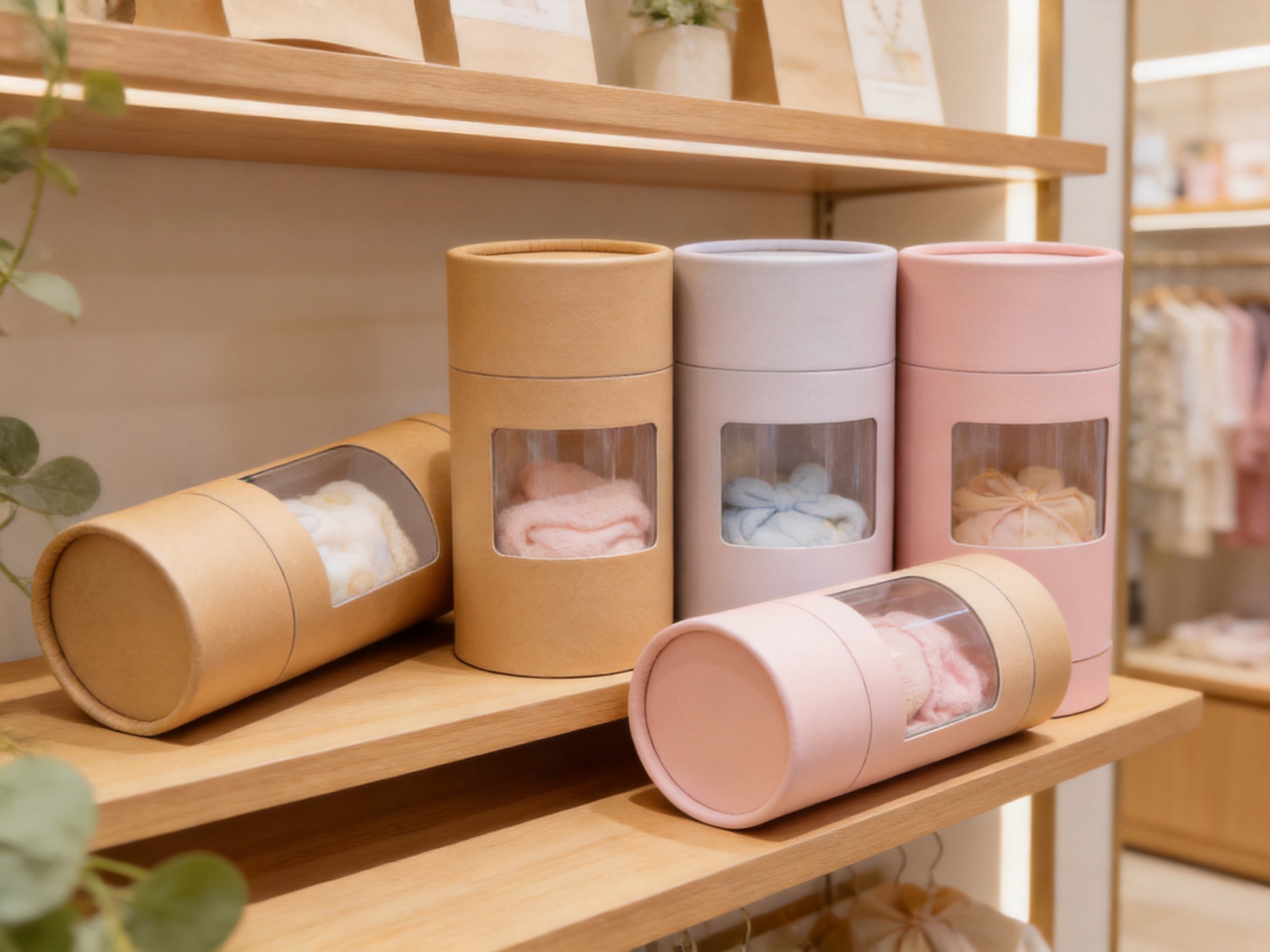
For baby gift packaging, designers often use gentle palettes such as cream, pastel blue, soft pink, warm beige, mint, lavender, or natural kraft brown. However, the tube can also support bold seasonal or promotional graphics. The cylindrical surface creates a continuous design area, allowing patterns or visual stories to wrap around the package.
Matte Lamination for a Soft Premium Touch
Matte lamination reduces glare and creates a smooth, refined surface. In baby gift packaging, this finish is particularly suitable because it feels gentle and elegant. It can make colors appear softer and more sophisticated, helping the tube communicate quality without excessive shine.
Matte lamination also improves surface durability by helping protect printed graphics from scuffing during handling. In retail settings, packaging may be picked up many times before purchase. A laminated surface can help maintain a fresh appearance for longer.
Stamping for Highlighted Details
Stamping can be used to emphasize a logo, decorative motif, product name, or gift message. Metallic foil stamping is often associated with premium packaging because it catches light and adds contrast. For baby gifts, gold, silver, rose gold, pearl, or soft metallic finishes can create a refined decorative effect.
Stamping works well on cylindrical packaging when applied with proper control and alignment. It can turn a simple paper tube into a high-end gift container. This helps the package compete with luxury boxes while maintaining a lighter and more eco-conscious paper-based structure.
UV Coating for Selective Emphasis
UV coating can be used to create glossy highlights on selected design areas. A brand may apply spot UV to a logo, pattern, window border, or illustration. This creates a contrast between matte and gloss surfaces, making the package more visually engaging.
For a windowed tube, UV coating can also help frame the window area or draw attention to the product view. When used carefully, it adds sophistication without overwhelming the gentle appearance often preferred for baby gift packaging.
The Role of the Window
The window is one of the most important features of this package. It turns the tube from a closed container into a display package. In many categories, customers are more likely to purchase when they can see the product. This is especially true for gifts, where visual appeal directly influences buying decisions.
The window can be designed to reveal a specific portion of the product. For example, if the product is a rolled baby blanket, the window may show the fabric texture and color. If the package contains a craft item, the window may display the decorative detail. If it holds a gift set, the window can reveal part of the arrangement while leaving enough mystery to preserve the gift experience.
A well-designed window must also maintain structure. The opening should be positioned so that the tube remains strong. Advanced manufacturing control is important because poorly cut windows can weaken the package, create rough edges, or make the film placement uneven. Precision die-cutting and controlled assembly help ensure that the window is clean, attractive, and reliable.
Advanced Manufacturing Process
The production of a high-quality paper tube with window requires more than simply rolling paper into a cylinder. It involves material selection, paper winding, adhesive control, cutting, printing, surface treatment, window formation, assembly, inspection, and packing. Each stage influences the final appearance and performance of the packaging.
Material Selection and Preparation
The process begins with selecting suitable paperboard and kraft paper materials. The paper must provide adequate stiffness, smoothness, printability, and compatibility with the tube-forming process. For eco-friendly packaging, recycled material options can be incorporated while still meeting structural requirements.
Material preparation also involves controlling moisture content and flatness. Paper that is too dry may crack, while paper that is too moist may deform or affect dimensional stability. Experienced manufacturers manage these variables carefully to produce consistent tube quality.
Tube Forming and Cylinder Construction
The cylindrical body is typically formed by winding paper layers around a mandrel. The layers are bonded to create a rigid wall. The wall thickness can be adjusted according to the required strength and application. For a 99-101 mm inner diameter tube, dimensional consistency is important because the product must fit properly and the closure components must align.
Advanced tube-forming equipment helps maintain roundness, wall uniformity, and production efficiency. A high-speed composite can production line, such as those introduced from Europe by leading manufacturers, improves consistency and supports large-scale production. Stable machinery reduces variation from one batch to another, which is critical for brands that need repeatable packaging quality.
Precision Cutting to Length
After the tube body is formed, it is cut to the required height of 280 mm. Clean cutting is essential because rough edges can affect appearance and closure fit. A premium gift package should have neat edges, accurate height, and minimal burrs.
Dimensional accuracy also supports efficient product packing. If the tube is too short, the product may not fit; if it is too tall, it may move excessively inside. Maintaining the specified size helps protect the product and improves the final presentation.
Printing and Surface Decoration
Depending on the production method, printing may be applied to paper before tube forming or to labels that are later wrapped around the tube. CMYK printing allows detailed artwork, while finishing processes such as matte lamination, stamping, and UV coating add premium effects.
Color consistency is a key manufacturing challenge. Professional production teams use controlled printing processes to keep brand colors stable across batches. This is especially important for retail brands because inconsistent packaging colors can weaken shelf identity.
Window Cutting and Film Placement
The window must be accurately cut and finished. The cutting tool must create smooth edges without tearing the paper surface. If a transparent film is applied, it must be positioned neatly and bonded securely. The film should be clear enough to display the product while remaining durable during handling.
Window placement requires careful engineering. If the window is too large or too close to structural stress points, the tube may lose strength. If it is too small, it may not provide enough visibility. A strong manufacturer can help adjust window size, shape, and position to achieve both visual and structural performance.
Assembly and Quality Inspection
Final assembly may include attaching end caps, inserting liners, applying labels, and checking the finished tube. Quality inspection should verify dimensions, printing accuracy, lamination quality, stamping alignment, window clarity, adhesion, roundness, and overall cleanliness.
For gift packaging, visual inspection is especially important. A small scratch, crooked window, or color defect can reduce the perceived value of the product. Experienced quality control teams help ensure that each package meets commercial standards before shipment.
Manufacturing Strengths Behind Reliable Paper Tube Packaging
A packaging product is only as reliable as the manufacturer behind it. Hangzhou Qunle Packaging Co., Ltd. has been engaged in the composite can and paper can industry for over 20 years. This long experience is valuable because paper tube packaging involves many technical details that are learned through continuous production practice.
The company is the only member of the international Composite Can and Tube Institute in China’s packaging container industry. Membership in such an industry organization reflects professional involvement in composite can and tube technology. It also indicates awareness of international industry standards, technical development, and packaging trends.
The company’s packaging business covers food, daily chemical products, fast-moving consumer goods, and other fields. This broad experience supports the production of different tube structures, including gift packaging, food packaging, cosmetic packaging, coffee and tea packaging, nutrition and supplement packaging, candle packaging, pet care packaging, and paper canister solutions. Knowledge from these categories can be applied to windowed gift tubes, improving material selection, sealing concepts, printing quality, and structural design.
The company was the first enterprise in China to pass the QS certificate for producing food packaging containers. While the featured cylinder baby cardboard tube with window is positioned for gift packaging, food packaging experience is still a valuable strength. Food packaging production often requires stricter process control, cleanliness, material management, and quality discipline. These manufacturing habits can support higher reliability across all product categories.
In 2015, the company introduced a high-speed composite can production line from Europe. This investment strengthened its production capability and helped maintain a leading role in the composite can and paper can industry. Advanced equipment supports better speed, consistency, and scalability. For customers placing wholesale or repeat orders, this means improved delivery stability and more consistent packaging quality.
The company has also obtained more than 10 patented technologies. Patents demonstrate investment in research and product improvement. In a competitive packaging market, patented technologies can support better structures, improved production methods, enhanced sealing, or more refined user experiences. This innovation capability is relevant for custom windowed tubes because each brand may need unique details.
Customization Possibilities
Customization is one of the strongest advantages of this tube. The product is available for custom orders, meaning clients can adapt size, graphics, logo, surface finish, window style, and structural details. For baby gift packaging, customization is not only aesthetic; it is part of brand storytelling.
A brand can choose a soft natural kraft appearance to emphasize eco-friendly values. Another brand can use full-color printing with illustrations of clouds, animals, stars, or baby-themed patterns. A premium gift line may choose matte lamination with gold stamping and a carefully shaped window. A craft-oriented brand may prefer a simple label and visible paper texture.
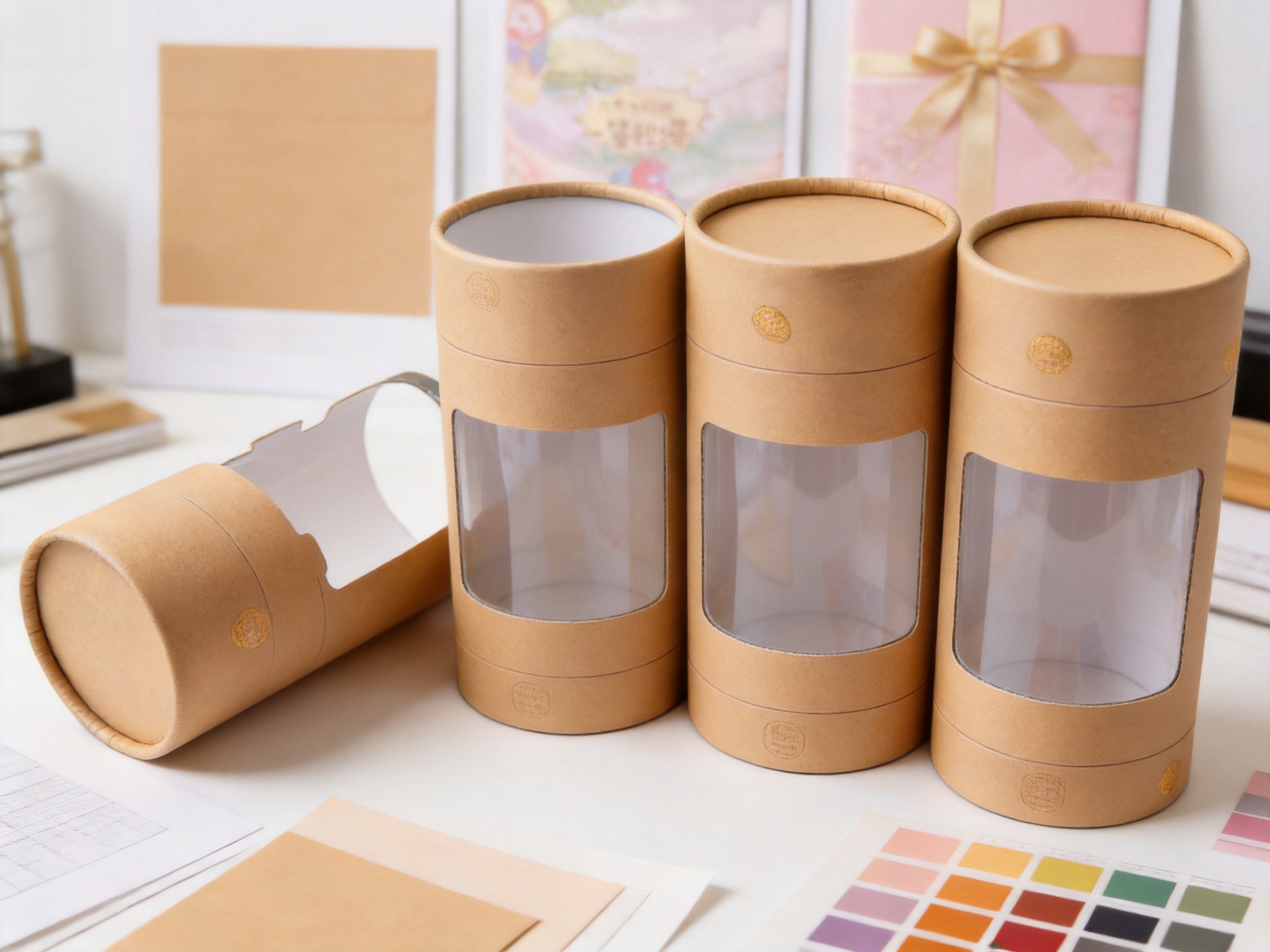
The logo can be printed or stamped according to brand requirements. The window can be vertical, horizontal, oval, rectangular, arched, or custom-shaped, depending on production feasibility and structural needs. The tube length and diameter can also be adjusted for other product sizes, making this format suitable for a wider packaging family.
Custom inserts can be considered to hold products in place. For delicate gift sets, internal paper supports may help prevent movement and improve presentation through the window. Tissue paper, paper dividers, or molded paper components can be used to enhance the unboxing experience while keeping the package paper-based.
Applications Beyond Baby Gifts
Although this product is described as a cylinder baby gift packaging paper box with window, the same structure can serve many categories. The 99-101 mm diameter and 280 mm height make it suitable for products that are cylindrical, rolled, bundled, or vertically arranged.
For gifts and crafts, the tube can hold handmade products, stationery sets, art supplies, decorative items, or souvenirs. The window lets customers view color and craftsmanship. For candles and fragrances, a windowed tube can reveal the candle color or label while protecting the product. For cosmetics and skincare, it can present bottles, brushes, body care sets, or limited-edition items.
In the chocolate and confectionery sector, windowed paper tubes can display wrapped sweets or seasonal gift assortments, provided the materials and structure are specified for the required food contact conditions. For snacks and nuts, similar paper canister formats may be adapted with appropriate liners and closures. For coffee and teas, windowed tubes can show inner sachets or gift assortments, though oxygen and aroma protection requirements should be evaluated carefully.
For pet care, a windowed tube may present small toys, grooming accessories, treats in inner packs, or gift bundles. For coin banks, a tube with a slot and window can become a playful product. For promotional packaging, the cylinder shape provides a memorable branded object that can be reused or displayed.
Consumer Experience and Retail Performance
Good packaging guides the customer from attention to trust and then to purchase. The windowed cylinder tube supports each step. First, the round vertical shape catches attention because it differs from common square boxes. Second, the window builds trust because the customer can see the product. Third, the printed design and finishing effects communicate brand value. Finally, the rigid tube makes the item feel gift-ready.
In retail environments, packages must perform under lighting, handling, and shelf constraints. A matte laminated surface can reduce glare, while UV details or stamping can create highlights. The window should remain clear and clean so that the product view is not distorted. The tube should stand steadily and resist deformation.
For online sales, packaging also matters. A rigid paper tube can improve the unboxing experience and help the product photograph well. When customers receive a gift item in a premium tube, they may be more likely to perceive the product as carefully prepared. This can support positive reviews, repeat purchasing, and social media sharing.
Environmental Value and Market Expectations
Sustainability has become a central packaging concern. Consumers are increasingly aware of excessive plastic, difficult-to-recycle composites, and wasteful over-packaging. Paper tube packaging can support a more responsible image, especially when made with recycled materials and designed for efficient material use.
The featured tube uses kraft paper and all-paper structural materials. This supports eco-friendly communication and aligns with consumer preference for natural packaging. The package can be designed to minimize unnecessary plastic while still offering product visibility through the window. Brands can also communicate recycling instructions clearly on the printed surface.
For baby gift products, environmental responsibility can be especially meaningful. Many buyers want products associated with care for the next generation. Packaging that looks natural and uses responsible materials can strengthen that emotional connection. It can also help retailers meet sustainability goals and reduce reliance on plastic-heavy packaging formats.
However, sustainable packaging must still perform. If a package fails during shipping or looks damaged on the shelf, it may lead to waste. The advantage of a rigid paper tube is that it can combine environmental appeal with protective strength. This is where experienced manufacturing and quality control become essential.
Quality Control Considerations
Premium packaging requires consistent quality. Important inspection points for the cylinder baby cardboard tube with window include diameter tolerance, height accuracy, wall strength, edge cleanliness, print registration, color consistency, lamination adhesion, stamping alignment, UV coating quality, window cut accuracy, window film adhesion, and final appearance.
The specified inner diameter range of 99 to 101 mm indicates the need for dimensional control. Consistent diameter ensures that lids, inserts, and product placement remain stable. For brands using automated or semi-automated packing processes, dimensional stability can reduce packing errors and improve production efficiency.
Window quality is also critical. The window should be free from glue marks, wrinkles, scratches, or cloudy areas. Its edges should look smooth and intentional. A poorly finished window can make the entire package feel low quality, even if the rest of the tube is well made.
Surface finish quality affects customer perception. Matte lamination should be smooth and evenly applied. Stamping should be sharp and properly positioned. UV coating should be clean without unwanted spreading. These details separate premium packaging from ordinary packaging.
How This Tube Supports Brand Positioning
Packaging is a silent salesperson. It communicates whether a product is natural, premium, playful, safe, traditional, modern, luxurious, or affordable. The windowed cylinder tube gives brands multiple ways to control this message.
A natural baby gift brand can use kraft paper texture, minimal printing, and a simple window to communicate purity and simplicity. A premium gift brand can use soft-touch matte lamination, foil stamping, and a carefully arranged window view. A playful children’s product brand can use colorful CMYK graphics and a fun window shape. A boutique craft brand can combine handmade visual elements with a clean cylindrical structure.
The ability to customize logo and surface treatment helps strengthen brand memory. Customers may keep the tube after opening because it is sturdy and attractive. Reusable packaging extends brand exposure beyond the first purchase and contributes to perceived value.
Comparison with Other Packaging Formats
| Packaging Format | Strengths | Limitations Compared with Windowed Paper Tube |
|---|---|---|
| Folding carton | Cost-effective, lightweight, easy to print | Less rigid, common appearance, weaker premium feel |
| Plastic clamshell | High visibility, moisture resistance | Less eco-friendly image, may feel less premium for gifts |
| Soft pouch | Flexible, lightweight, easy to ship | Limited structure, weaker display effect, less gift-ready |
| Plain paper tube | Rigid, paper-based, attractive shape | No product visibility unless opened |
| Windowed cylinder paper tube | Rigid, visible, customizable, premium, eco-conscious | Requires precise manufacturing for window quality and structural balance |
This comparison shows why the windowed cylinder paper tube is valuable for gift-oriented products. It does not merely hold the product; it presents it. It combines the shelf visibility of transparent packaging with the tactile and environmental appeal of paper packaging.
Wholesale and Supply Advantages
For brands ordering packaging at scale, supplier capability matters as much as design. Reliable wholesale paper tube production requires stable raw material sourcing, experienced engineering, advanced equipment, efficient production planning, and thorough inspection. A manufacturer with more than 20 years of experience in composite cans and paper tubes can help customers reduce development risks.
Hangzhou Qunle Packaging Co., Ltd. has built long-term partnerships with well-known companies and brands in food, beverage, tea, coffee, confectionery, and consumer goods sectors. Such partnerships suggest the ability to meet demanding requirements for quality, communication, and repeat production. For a brand developing baby gift packaging, this experience can provide confidence that the supplier understands both appearance and function.
Advanced production lines also support order scalability. When a design moves from trial production to larger retail distribution, the packaging supplier must maintain consistent quality across higher volumes. High-speed equipment and trained operators help ensure that the tube remains stable in size, color, and structure from batch to batch.
Design Recommendations for Best Results
To achieve the best result with the (99-101)*280MM Cylinder Baby Cardboard Tube Window, brands should begin with the product itself. The item’s size, shape, color, texture, and desired display angle should guide the window design. The window should reveal the most attractive part of the product while protecting it from excessive exposure.
Artwork should consider the cylindrical surface. Important text and logos should be placed where they are easy to see when the tube stands on the shelf. Because the design wraps around the package, the front display area should be clearly defined. The window, logo, and product name should work together as a visual group.
For baby gift packaging, it is often best to avoid overly crowded graphics. Soft colors, clean typography, and gentle patterns usually communicate care and quality. If stamping or UV coating is used, it should highlight key elements rather than cover too much of the surface. Premium packaging is often strongest when details are refined and deliberate.
Interior presentation should also be considered. The window reveals part of the product, so the product must be positioned neatly inside. Inserts, tissue paper, bands, or internal supports may be needed. A beautiful exterior can lose impact if the product appears loose or misaligned behind the window.
Practical Considerations for Packaging Development
Before placing a full order, brands should confirm product dimensions, desired fit, window size, artwork files, material preferences, finish options, closure style, packing method, and shipping requirements. Sampling is strongly recommended for customized tubes because it allows the brand to evaluate fit, appearance, strength, and retail presentation.
The specified ID of 99-101 mm gives a practical reference, but the product’s actual outer dimensions should be measured carefully. If the product is soft, such as a rolled blanket, the packaging may need internal control to prevent expansion or movement. If the product is rigid, clearance must be sufficient for easy insertion and removal.
The height of 280 mm should also be evaluated against the product and any decorative elements inside. A little extra space may be useful for tissue or inserts, but too much empty space can make the product feel undersized. Good packaging creates a sense of fit and intention.
Shipping conditions should be reviewed. If the packaged product will be shipped individually through e-commerce channels, additional outer protection may be needed. If the tubes are shipped in master cartons to retail stores, carton packing arrangement should prevent scuffing and deformation.
Q&A Section
Q1: What is the main purpose of the (99-101)*280MM Cylinder Baby Cardboard Tube Window?
A1: The main purpose is to provide premium gift packaging with product visibility. The rigid paper tube protects the item, while the window allows customers to see the product inside. This is especially useful for baby gifts, craft items, textiles, and other products where appearance influences purchase decisions.
Q2: Why is a cylinder tube better than a standard rectangular gift box?
A2: A cylinder tube offers stronger visual differentiation, comfortable handling, and good compression resistance. It stands out on shelves because most packaging is rectangular. The round form also creates a softer, more gift-like appearance, which is suitable for baby-related products.
Q3: Can the tube be customized with a logo and special design?
A3: Yes. Custom orders are accepted. The tube can be customized with customer logos, CMYK printing, color themes, window shapes, matte lamination, stamping, UV coating, and other design details. This allows the package to match different brand identities and retail strategies.
Q4: What materials are used in this packaging?
A4: The product uses kraft paper and all-paper structural materials. It can include recycled and eco-friendly material options. The paper-based structure supports a more sustainable image compared with many plastic-heavy packaging formats.
Q5: Is the window useful for retail sales?
A5: Yes. The window helps customers see the product before purchase, increasing confidence and reducing uncertainty. It can show color, texture, size, or product arrangement. This is particularly important for gift packaging, where visual appeal is a major buying factor.
Q6: What finishing options are available?
A6: Available printing and finishing options include CMYK printing, matte lamination, stamping, and UV coating. These finishes can improve the package’s appearance, protect the printed surface, and create a premium tactile experience.
Q7: Is this packaging environmentally friendly?
A7: The tube is paper-based and can use recycled materials, making it suitable for eco-conscious packaging strategies. Its kraft paper structure provides a natural appearance and helps reduce reliance on fully plastic containers. Final recyclability may depend on the exact window material and local recycling systems.
Q8: What quality factors should be checked before mass production?
A8: Important quality factors include tube diameter, height, roundness, wall strength, print color, lamination quality, stamping alignment, window clarity, edge smoothness, adhesive quality, and product fit. Sampling before mass production is recommended.
Q9: Can this tube be used for categories other than baby gifts?
A9: Yes. It can be adapted for gifts and crafts, candles, cosmetics, skincare, confectionery, pet care accessories, promotional gifts, and other products that benefit from a rigid cylindrical display package.
Q10: Why is manufacturer experience important for this product?
A10: A windowed paper tube requires accurate forming, cutting, printing, finishing, and assembly. Experienced manufacturers with advanced equipment can better control dimensions, window quality, surface finish, and batch consistency. This reduces risks and improves the final retail result.
Conclusion
The (99-101)*280MM Cylinder Baby Cardboard Tube Window is a strong packaging solution for brands that want to combine protection, visibility, customization, and eco-conscious appeal. Its rigid kraft paper cylinder provides structural support, while the window creates a direct visual connection between the customer and the product. For baby gift packaging, this combination is particularly valuable because it communicates care, quality, and trust.
Compared with ordinary folding cartons, plastic clamshells, soft pouches, and plain paper tubes, the windowed cylinder format offers a more balanced solution. It is distinctive on the shelf, attractive in the hand, and flexible in design. It can be printed and finished in many ways, from natural kraft simplicity to high-end stamped luxury.
The manufacturing strengths behind the product are equally important. With long experience in composite cans and paper tube packaging, advanced production equipment, patented technologies, and a broad packaging background, a capable manufacturer can deliver stable quality and support customized development. For brands seeking wholesale paper tube packaging that looks premium and performs reliably, this windowed cylinder tube is a practical and competitive choice.
As packaging expectations continue to evolve, brands need solutions that do more than contain products. They need packaging that tells a story, supports sustainability goals, protects presentation quality, and helps customers make confident buying decisions. The cylinder baby cardboard tube with window meets these needs by combining classic paper tube strength with modern display functionality.
References
1. Soroka, W. Fundamentals of Packaging Technology. Institute of Packaging Professionals.
2. Hanlon, J. F., Kelsey, R. J., and Forcinio, H. E. Handbook of Package Engineering. CRC Press.
3. Robertson, G. L. Food Packaging: Principles and Practice. CRC Press.
4. Yam, K. L. The Wiley Encyclopedia of Packaging Technology. Wiley.
5. Kirwan, M. J. Paper and Paperboard Packaging Technology. Blackwell Publishing.
6. Twede, D. and Selke, S. Cartons, Crates and Corrugated Board: Handbook of Paper and Wood Packaging Technology. DEStech Publications.
