 English
 Español


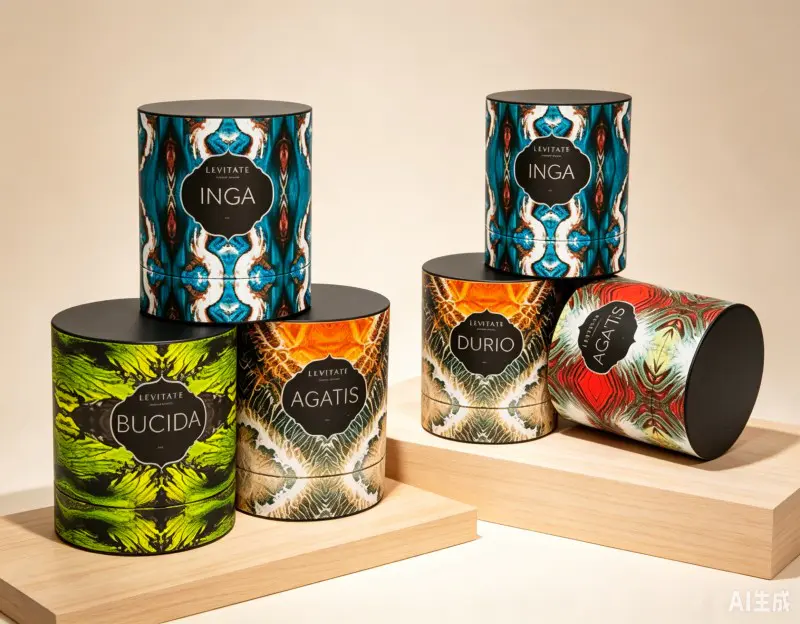
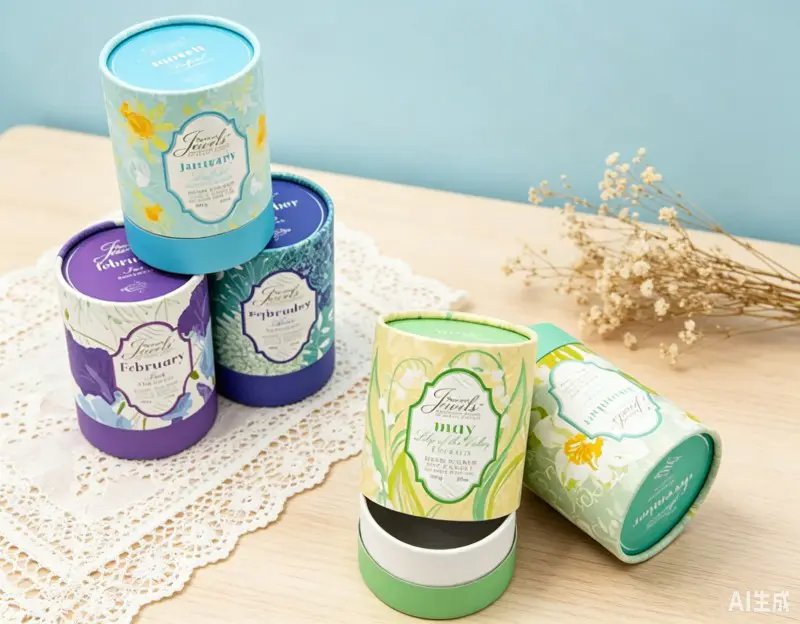
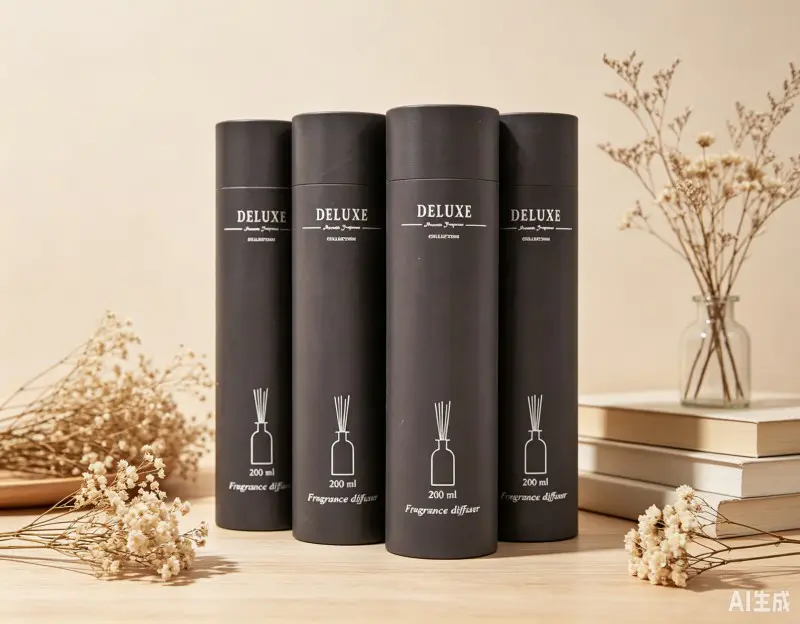
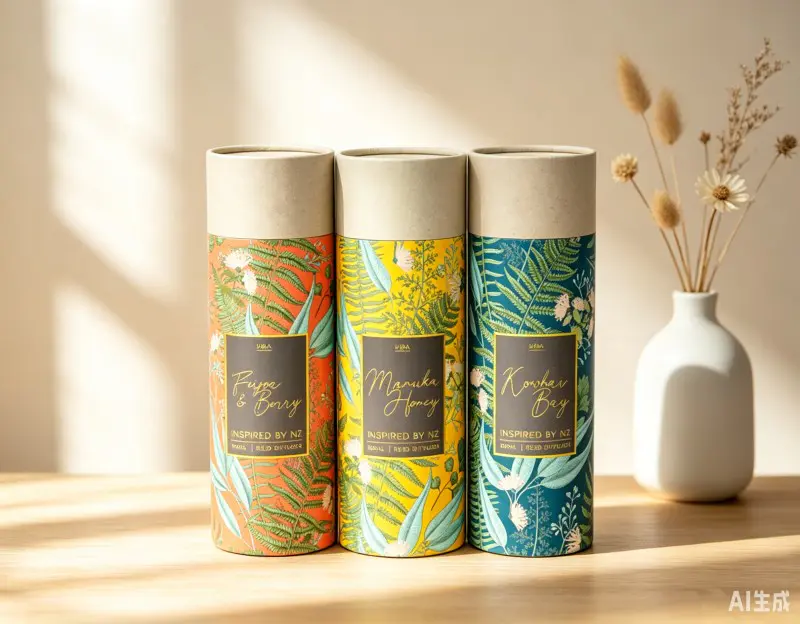
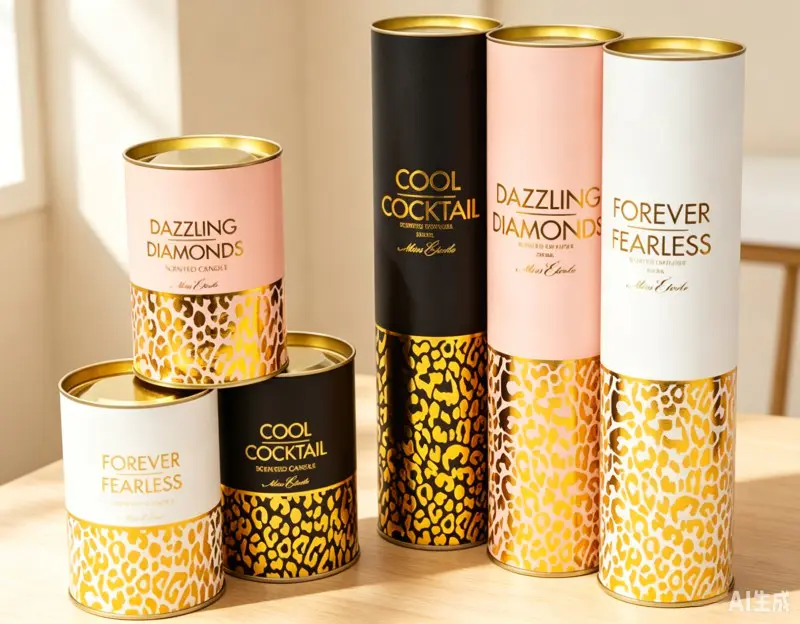
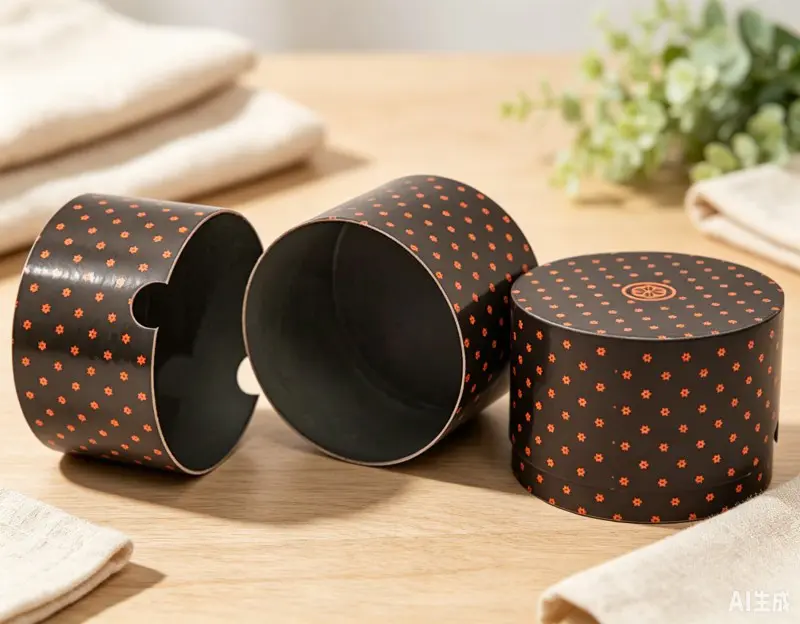
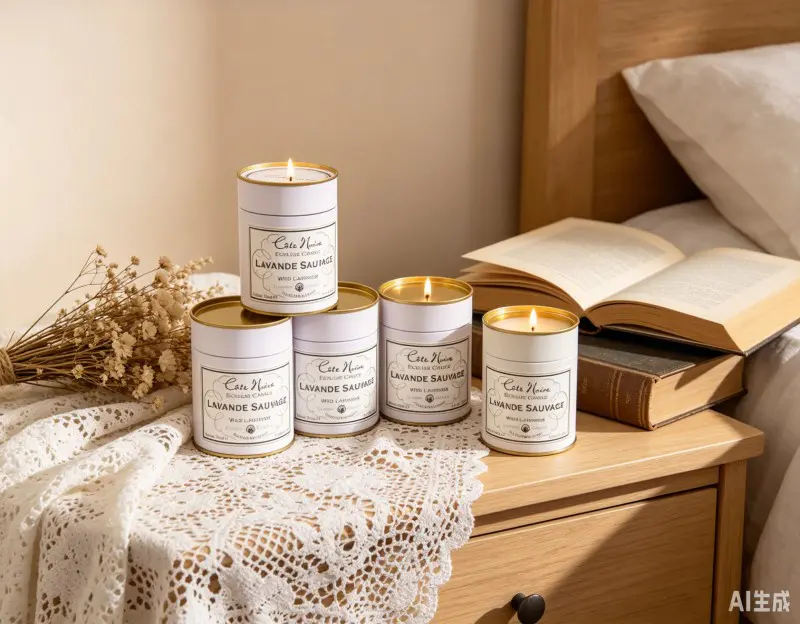

As one of the top China cardboard tube packaging manufacturers and paper tube packaging suppliers, we devote all of our efforts to research and launch more high quality packaging products to global market.
A wine bottle tube is one of those packaging solutions that looks simple but does a surprisingly large number of jobs well. It protects the bottle during transit, elevates the presentation for gifting, reinforces a brand identity on retail shelves, and in premium versions, becomes a keepsake the recipient actually keeps. Whether you're a consumer trying to figure out what to put a gift bottle in, a retailer looking for a cost-effective branded solution, or a winery thinking through packaging strategy, this guide covers everything worth knowing about wine bottle tube packaging from materials and sizing to custom printing and practical use cases.
Content
- 1 What Is a Wine Bottle Tube and Why Does It Exist?
- 2 Materials Used in Wine Bottle Tubes and What They Mean for Performance
- 3 Standard Sizes and Fit: Getting the Dimensions Right
- 4 Cap and Closure Styles for Wine Tube Containers
- 5
- 6 Custom Wine Bottle Tubes: Printing, Branding, and Minimum Orders
- 7 Wine Bottle Tubes for Gifting: Practical Tips for Getting It Right
- 8 Using Wine Tube Packaging for Shipping: What You Need to Know
- 9 Sustainability Considerations for Wine Bottle Tube Packaging
What Is a Wine Bottle Tube and Why Does It Exist?
A wine bottle tube — also called a wine tube container, cylindrical wine box, or wine gift tube — is a rigid or semi-rigid cylindrical container designed to hold a standard wine bottle upright or at an angle. The tube encases the bottle along its full length, providing protection from impact, light exposure, and temperature fluctuation during handling and transport, while simultaneously serving as a presentation layer that communicates value before the bottle is even seen.
The form factor exists for a specific reason: wine bottles are awkward to gift-wrap, fragile enough to need protection during shipping, and visually unimpressive in a plain cardboard shipper. A wine bottle tube solves all three problems in a single object. The cylindrical shape naturally accommodates the bottle's contours, the rigid construction absorbs impacts, and the exterior surface area provides a full 360-degree canvas for branding, labeling, or decorative treatment.
Wine bottle tube packaging spans a wide range from inexpensive kraft paper tubes used for retail gifting all the way to luxury metal or solid wood cylinders used for ultra-premium releases and corporate gifts. The right choice depends on the value of the wine inside, the use context, and whether the tube is intended for a one-time presentation or repeated handling.
Materials Used in Wine Bottle Tubes and What They Mean for Performance
The material of a wine tube container determines its weight, durability, printability, moisture resistance, and the unboxing experience it delivers. Each material family has a distinct performance profile and price point.
Cardboard and Kraft Paper Tubes
The most common and cost-effective wine bottle tube material is spiral-wound or parallel-wound cardboard, typically with a kraft paper or coated paper outer surface. These tubes are made by winding strips of paperboard around a mandrel at a slight angle (spiral wound) or straight (parallel wound), building up wall thickness in layers until the desired rigidity is achieved. Wall thickness typically ranges from 2mm to 6mm, with thicker walls providing better impact resistance and a more premium feel.
Cardboard wine tubes accept printing directly on their outer surface through offset lithography, flexographic printing, or screen printing, making them the most practical option for branded and custom wine bottle tubes at scale. They can be finished with gloss or matte lamination, foil stamping, embossing, or soft-touch coating. The main limitation is moisture sensitivity — standard cardboard tubes will deform and weaken if exposed to significant humidity or water, which matters for wine stored in chilled environments or shipped with ice packs.
Metal Wine Bottle Tubes
Aluminum and tin-plate metal tubes occupy the premium tier of wine tube packaging. They are significantly heavier and more rigid than cardboard equivalents, provide complete light and moisture protection, and communicate luxury through both appearance and tactile weight. Metal wine bottle tubes are most commonly used for single-bottle premium gift packaging, wine club shipments, and corporate gifting where the packaging itself is part of the gift.
Printing on metal wine tubes is typically achieved through lithographic printing onto the metal sheet before forming, or through applied paper or film labels after forming. Full-wrap printed metal tubes have a high-end retail appearance that is difficult to replicate with other materials. The primary drawback is cost — metal wine tubes are 3 to 5 times more expensive per unit than equivalent cardboard tubes — and they are not recyclable in standard household streams without separation of any lining materials.
Wood and Bamboo Wine Tube Containers
Solid wood wine bottle tubes — typically turned or CNC-machined from pine, oak, bamboo, or MDF — represent the highest-end segment of wine tube packaging. They are used almost exclusively for ultra-premium single bottles, wine collector gifts, and winery direct-to-consumer flagships where the packaging is expected to be retained long-term. The natural grain of wood provides a tactile and visual warmth that no synthetic material replicates, and the substantial weight communicates value immediately.
Wood wine tubes are typically finished with laser engraving, branded metal plaques, or hand-applied natural oil finishes. They close with friction-fit caps, sliding sleeves, or hinged mechanisms. The practical limitations are significant: cost per unit is high, weight adds substantially to shipping costs, and production lead times are longer than for paper or metal alternatives. They are not a scalable everyday packaging solution but are unmatched for special releases and high-value gift applications.
Plastic and Acrylic Wine Tubes
Clear or frosted PVC, PET, and acrylic wine bottle tubes allow the actual wine bottle — its label, capsule, and glass color — to be visible through the packaging. This is a strong merchandising advantage in retail settings where the bottle's own label design carries brand equity. Plastic wine tubes are moisture-resistant, lightweight, and available with caps in matching or contrasting colors. They are less common in gifting contexts because the see-through format reduces the reveal element of unboxing, but they are effective for retail display and for wines with particularly striking bottle designs.
Standard Sizes and Fit: Getting the Dimensions Right
Wine bottle tubes need to fit the bottle — not too tight that inserting or removing the bottle is difficult, and not so loose that the bottle rattles and risks internal damage. Understanding how wine bottle dimensions map to tube specifications prevents the most common purchasing mistake in this category.
| Bottle Type | Typical Bottle Diameter | Recommended Tube Inner Diameter | Typical Tube Length |
| Standard Bordeaux (750ml) | 88–92mm | 95–100mm | 320–340mm |
| Standard Burgundy (750ml) | 95–100mm | 105–110mm | 330–350mm |
| Champagne / Sparkling (750ml) | 105–110mm | 112–118mm | 340–360mm |
| Magnum (1.5L) | 105–115mm | 120–125mm | 420–450mm |
| Half Bottle (375ml) | 72–80mm | 82–88mm | 240–260mm |
The recommended inner diameter gives 5–10mm of clearance around the widest point of the bottle body. Most wine bottles taper toward the neck, so the fit is naturally snug at the shoulder and loose at the top — a foam or cardboard insert at the base and a cap or foam pad at the top keep the bottle centered and prevent movement. Always measure the widest point of the specific bottle you're packaging, not just the nominal bottle type, as glass mold variations between producers can add 3–5mm to stated dimensions.
Cap and Closure Styles for Wine Tube Containers
The cap or closure mechanism of a wine bottle tube affects both functionality and the unboxing experience. Different closure types suit different use cases and price points.
- Friction-fit cap: The simplest and most common closure for cardboard wine tubes. A separate cap disc fits snugly into the open end of the tube and is held by friction. Easy to manufacture, low cost, and functional for most gifting and retail applications. The drawback is that friction-fit caps can loosen with repeated insertion and removal, reducing the quality feel over time.
- Slip-on lid (telescoping cap): A cap that slides over the outside of the tube body rather than inside it, similar to a hatbox closure. This provides a more secure fit and a cleaner external appearance because the cap overlap hides the raw tube edge. Common in mid-to-premium cardboard and metal wine tubes.
- Screw cap: A threaded closure used primarily on metal and high-end plastic wine tubes. Provides a very secure seal and a mechanical engagement that communicates quality. More expensive to manufacture but delivers a noticeably premium opening experience.
- Hinged lid: Found on wood and some metal wine tube containers. The lid is permanently attached via a hinge and swings open rather than being removed entirely. Eliminates the risk of losing the cap and creates a more ceremonial opening gesture — well-suited to premium gift and collector packaging.
- Wax seal: Some premium cardboard and metal wine tubes incorporate a decorative wax seal over the cap joint, either as a tamper-evident feature or purely as a presentation element. Wax seals communicate handcrafted quality and are particularly effective for small-batch winery direct-to-consumer packaging.
Custom Wine Bottle Tubes: Printing, Branding, and Minimum Orders
For wineries, retailers, and corporate gift buyers, custom-branded wine tube packaging is one of the most effective ways to extend brand presence beyond the bottle label. A custom wine bottle tube carries brand colors, messaging, and imagery through the entire gifting journey — from point of purchase through delivery to the moment the recipient opens it.
Printing Methods and Their Visual Results
The dominant printing method for custom cardboard wine tubes is offset lithography on flat sheet stock before tube forming. This produces the sharpest color reproduction and the most consistent results across large print runs, but requires printing plates that add to setup costs. Screen printing is applied directly to the formed tube and is better suited to simple designs with limited spot colors — it is the standard for basic custom wine tube printing at lower MOQs. Digital printing on formed tubes is increasingly available and eliminates plate costs entirely, making it viable for very short runs (50–200 units), though color gamut is slightly narrower than offset.
Finishing options that significantly elevate the perceived quality of a custom wine tube include UV spot gloss (applying a high-gloss varnish to specific design elements while the background remains matte), foil stamping in gold, silver, or custom metallic colors, embossing or debossing of logos or text, and soft-touch lamination — a tactile matte finish that feels slightly velvety and is strongly associated with premium packaging.
Minimum Order Quantities and Lead Times
Custom wine bottle tube production has minimum order requirements that reflect the setup costs of tooling, plate-making, and production line changeovers. Typical MOQs by material and production method are:
- Digital printed cardboard tubes: 50–200 units minimum. Lead time 7–14 business days from approved artwork. Best for small wineries, event-specific runs, and corporate gifts with short lead times.
- Offset printed cardboard tubes (stock tube with applied label): 500–1,000 units minimum. Lead time 15–25 business days. Most cost-effective format for mid-volume branded wine tube production.
- Fully custom offset printed cardboard tube (custom tooling): 1,000–3,000 units minimum. Lead time 25–35 business days. Required for non-standard diameters, lengths, or complex structural features.
- Custom metal wine tubes: 500–1,000 units minimum. Lead time 30–45 business days including tooling. Significantly higher unit cost than cardboard but often justified for flagship SKUs.
- Custom wood or bamboo wine tubes: 100–300 units minimum depending on complexity. Lead time 30–60 business days. Unit cost is high; best reserved for limited releases and ultra-premium gift tiers.
Wine Bottle Tubes for Gifting: Practical Tips for Getting It Right
For consumers buying a wine tube for a single gifting occasion, the choices are simpler but still worth thinking through. A well-chosen wine gift tube turns a bottle of wine into a considered, beautifully presented gift — a poorly chosen one can look like an afterthought or, worse, arrive with the bottle damaged.
- Match the tube quality to the wine value: A $12 everyday bottle doesn't need a metal tube, but a $60 gift bottle looks undersold in a basic kraft paper tube. As a rough guide, spend 5–10% of the bottle's value on the tube packaging for a balanced presentation.
- Add interior padding for protection: Even if you're not shipping the bottle, a padded base insert and a foam or tissue top pad keep the bottle from clinking against the tube walls during transport by hand. Most quality wine tube retailers sell these inserts separately or include them with the tube.
- Check the bottle type before buying the tube: Champagne and sparkling wine bottles are noticeably wider at the body than standard still wine bottles. A tube sized for a Bordeaux bottle will not accept a Champagne bottle without force, which risks damaging both the tube and the foil capsule. Always confirm bottle type before purchasing a tube.
- Consider a two-bottle tube for hosts and celebrations: Double wine tubes — sized to hold two standard 750ml bottles side by side — are available and make a stronger gift impression than a single bottle while remaining manageable in size. They are particularly effective as housewarming, wedding, or anniversary gifts.
- Personalize the exterior for special occasions: Many online retailers offer short-run personalized wine tubes with name printing, occasion messaging, or custom label application at low minimums. For milestone birthdays, weddings, or corporate events, a personalized wine tube container elevates the gift from generic to memorable at relatively low additional cost.
Using Wine Tube Packaging for Shipping: What You Need to Know
Shipping wine bottles is subject to both carrier regulations and the practical challenge of protecting a fragile, heavy glass container from the impacts of standard courier handling. A wine bottle tube improves on a plain bottle in a box, but it needs to be correctly specified and packed to genuinely protect during transit.
For shipping purposes, the wine tube itself should be treated as the inner packaging — it should then be placed inside an outer cardboard shipper box with at least 50mm of additional cushioning (foam, air pillows, or molded pulp) on all sides. A wine tube alone, placed in a courier bag or thin box with minimal void fill, provides inadequate protection against the drops and compressions of standard parcel handling.
Key specifications for a wine bottle tube intended for shipping use include:
- Minimum wall thickness of 4mm for cardboard tubes used in shipping applications. Thinner walls flex under lateral compression and transfer impact force directly to the bottle.
- A secure cap closure that will not open under inversion or vibration during transit. Friction-fit caps on standard retail tubes frequently open during shipping — use tape or a cap lock mechanism for any tube that will be shipped.
- Internal base and top inserts that center the bottle within the tube and prevent the bottle's base from impacting the tube's bottom cap under a drop impact. Molded pulp inserts cut to the bottle profile are the most effective solution for high-value shipping.
- Moisture-resistant treatment if the outer shipper may be exposed to rain or humidity during delivery. Standard kraft paper tubes will soften and lose structural integrity when wet. Water-resistant coatings or plastic-lined inner walls address this for direct-to-consumer wine shipping.
Sustainability Considerations for Wine Bottle Tube Packaging
As sustainability becomes a more prominent factor in purchasing decisions — both for consumers and for wineries managing their brand image — the environmental profile of wine tube packaging is worth understanding clearly rather than relying on general claims.
Cardboard wine tubes are generally the most sustainable option in the category. Spiral-wound paperboard tubes are made primarily from recycled fiber content, are widely recyclable in standard household streams, and are biodegradable. The key variable
