 English
 Español


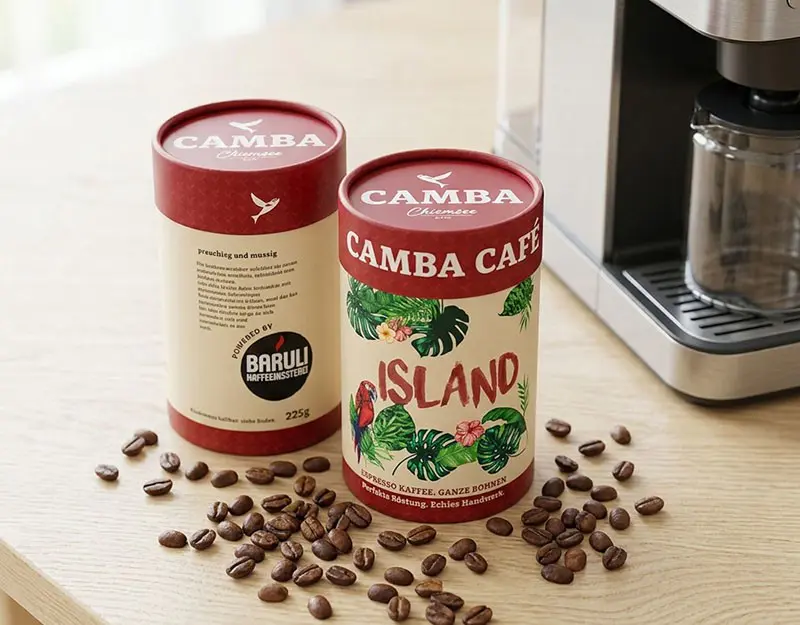
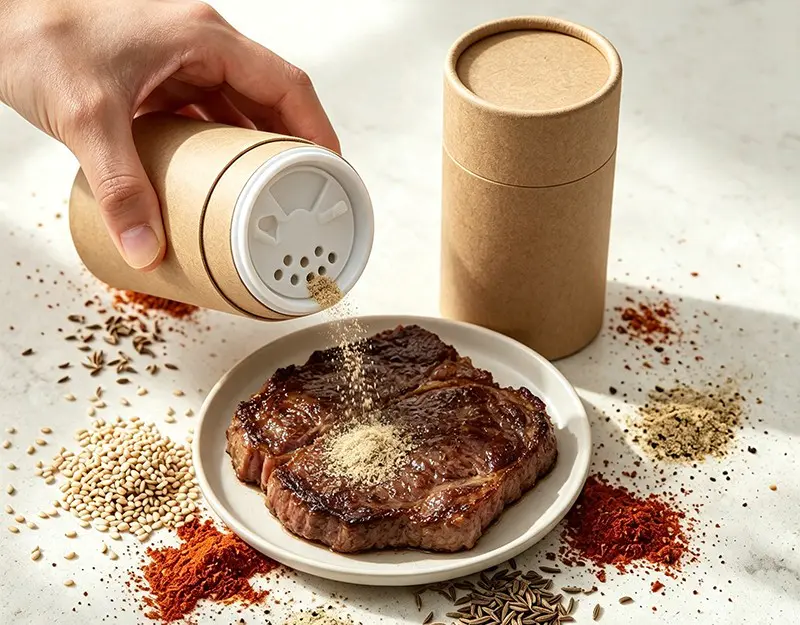
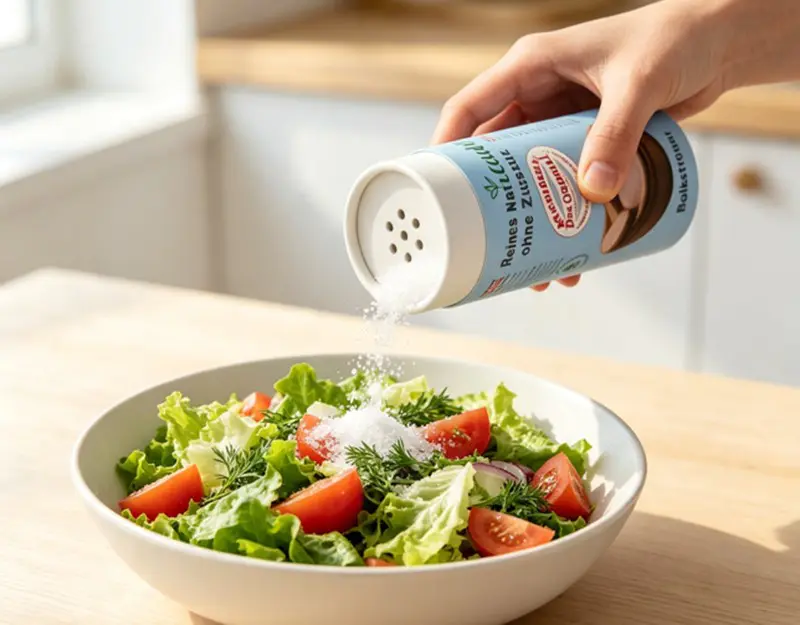
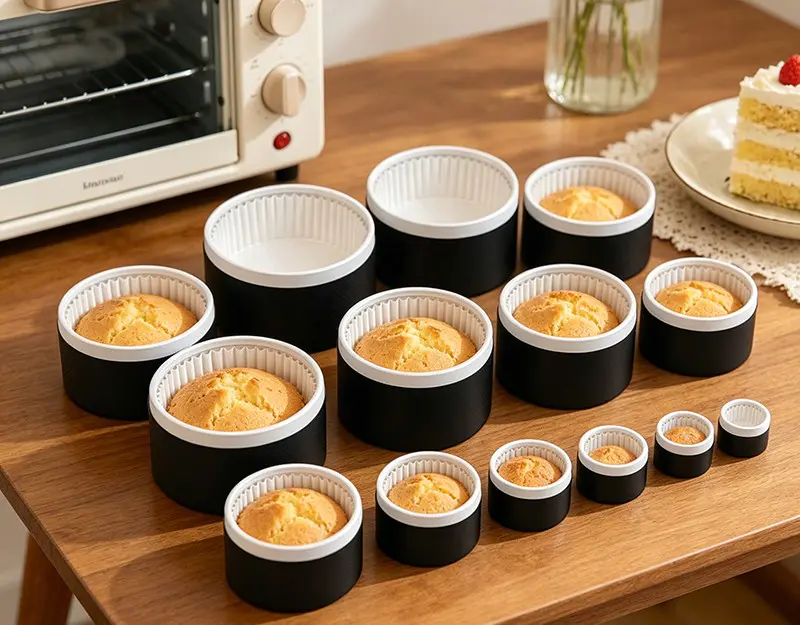
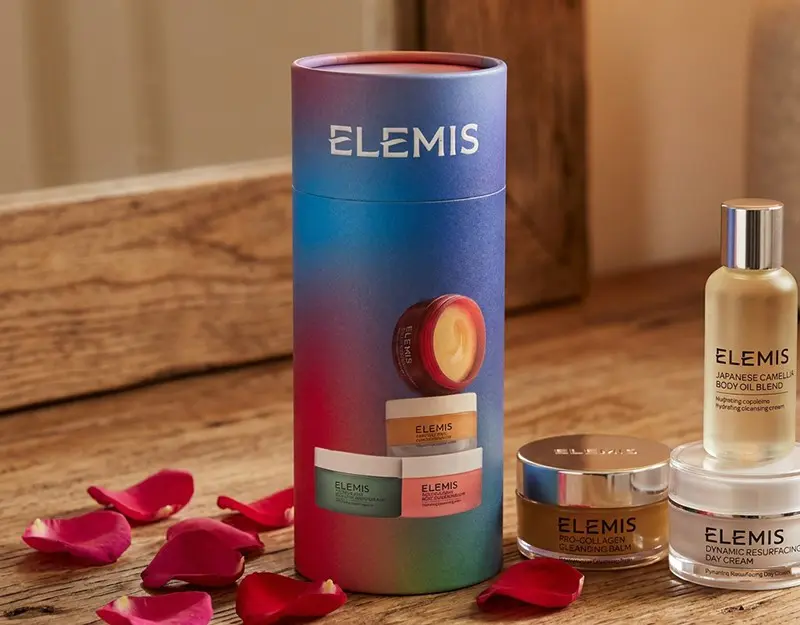
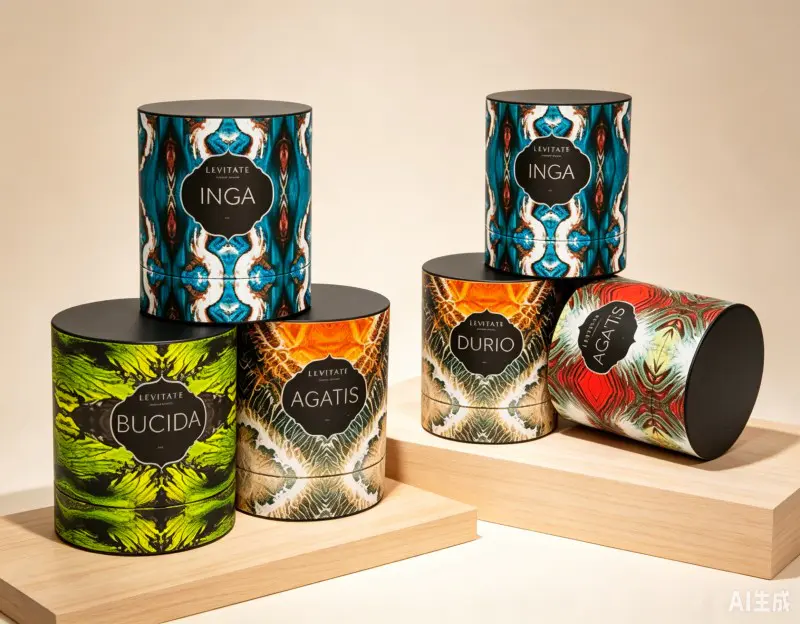
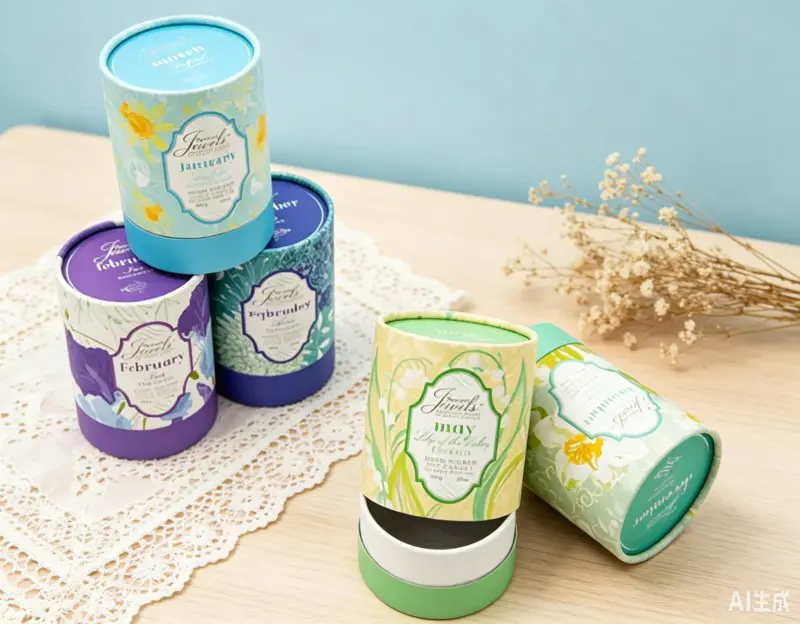
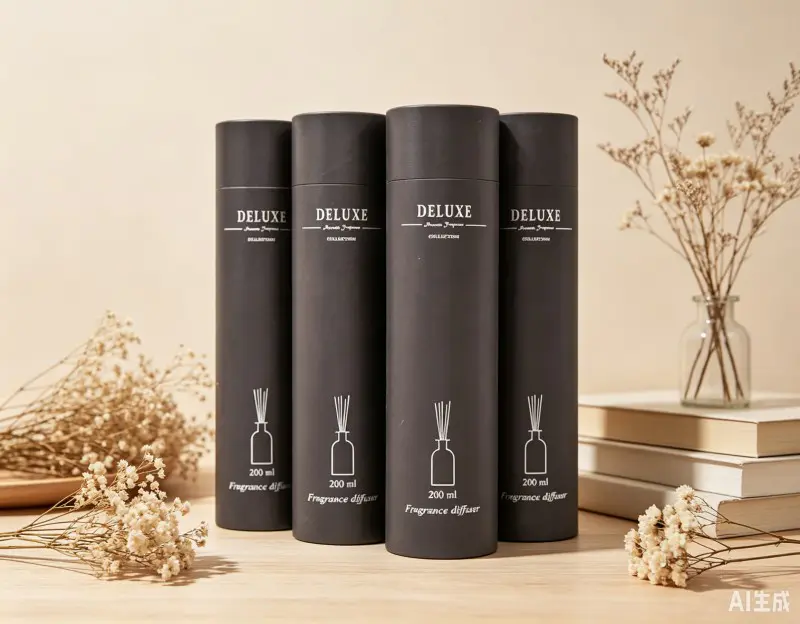
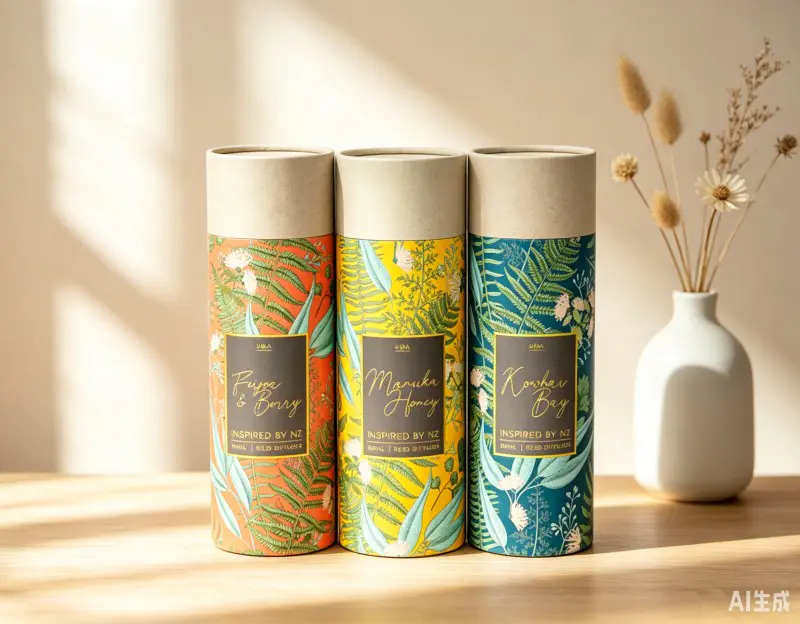
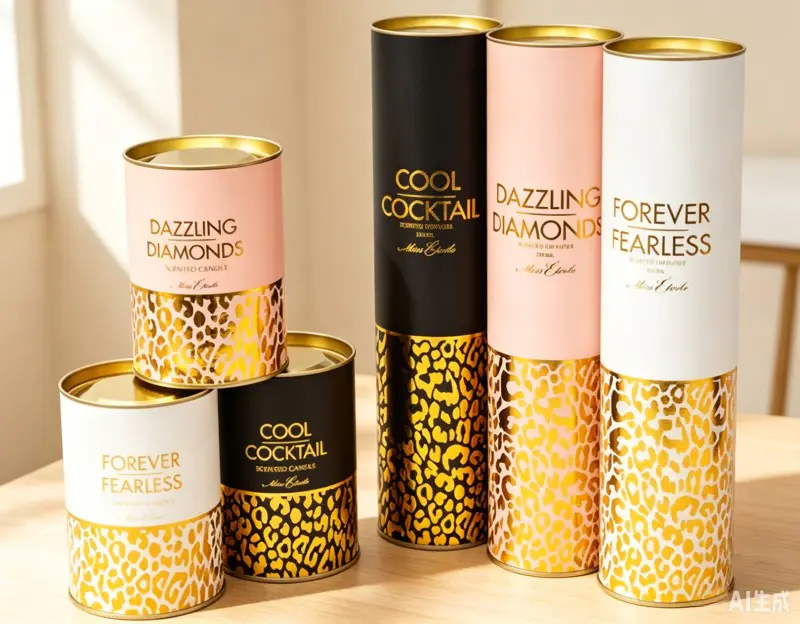
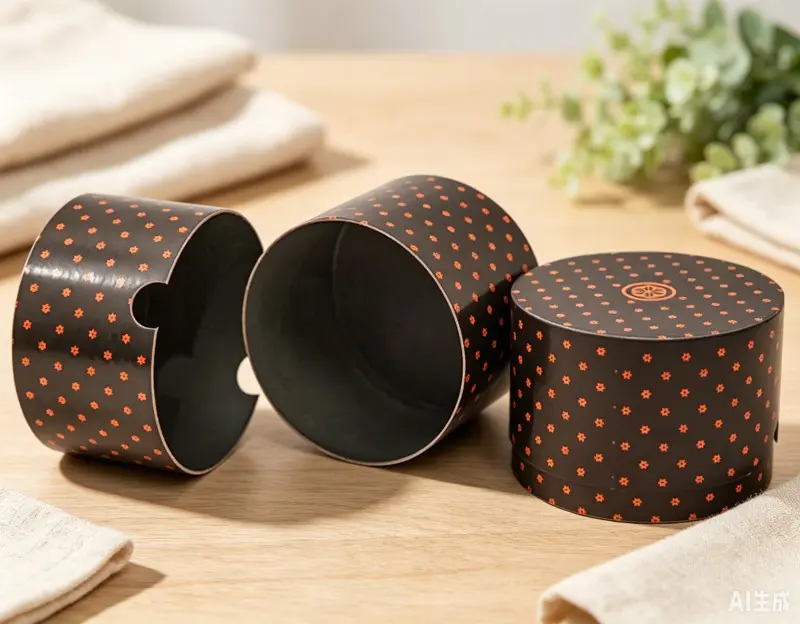
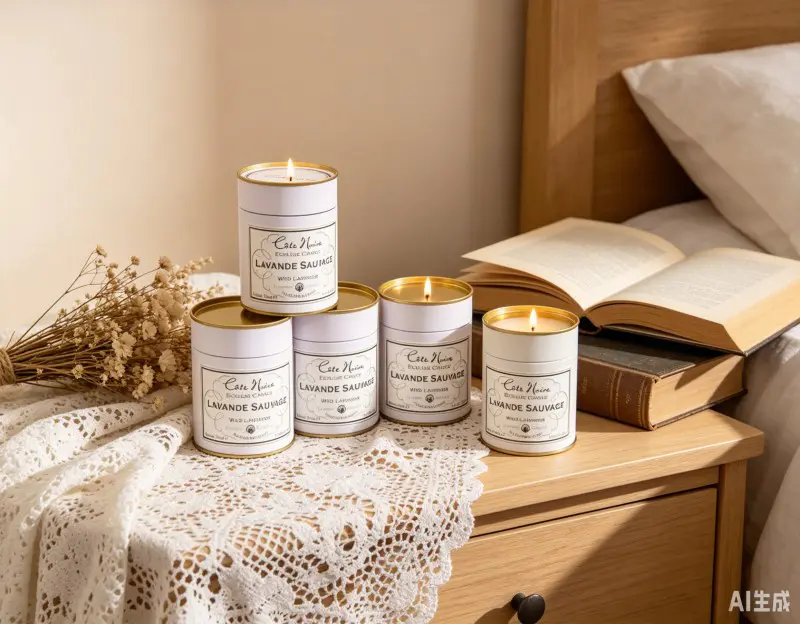

As one of the top China cardboard tube packaging manufacturers and paper tube packaging suppliers, we devote all of our efforts to research and launch more high quality packaging products to global market.
Content
- 1 Introduction: Packaging Designed for Sensitive Nutrition Products
- 2 Product Overview
- 3 Why Protein Powder Requires High-Performance Packaging
- 4 Composite Construction and Barrier Performance
- 5 Advantages Compared with Common Alternative Packaging
- 6 Sustainability Considerations
- 7 Premium Customization for Nutrition and Supplement Brands
- 8 Advanced Manufacturing Strengths
- 9 Manufacturing Process from Design to Delivery
- 10 Application Beyond Protein Powder
- 11 Ordering and Product Development Recommendations
- 12 How the Packaging Supports Brand Value
- 13 Q&A: Common Questions About the Composite Paper Can
- 13.1 Q1: What product is this can designed for?
- 13.2 Q2: What is the material structure?
- 13.3 Q3: Is the container airtight?
- 13.4 Q4: Can the dimensions be customized?
- 13.5 Q5: What printing options are available?
- 13.6 Q6: Which artwork file formats are accepted?
- 13.7 Q7: Is a sample available?
- 13.8 Q8: What is the minimum order quantity?
- 13.9 Q9: How long does production take?
- 13.10 Q10: Can the cans be used for products other than protein powder?
- 13.11 Q11: Is the packaging recyclable?
- 13.12 Q12: What shipping methods are offered?
- 13.13 Q13: What quality credentials are associated with the manufacturer?
- 13.14 Q14: Why should a brand choose a composite can instead of a flexible pouch?
- 13.15 Q15: What information should be supplied for a quotation?
- 14 Conclusion
- 15 References
- 16 Product: Airtight Moisture Resistant Recyclable Aluminum Foil Composite Paper Can for Protein Powder
Introduction: Packaging Designed for Sensitive Nutrition Products
Protein powder packaging must protect the product from moisture, oxygen, light, odors, contamination, and physical damage throughout its entire supply chain. Unlike many dry foods, protein powder can quickly lose its quality when exposed to humidity. It may clump, develop an undesirable texture, lose its freshness, or become difficult for consumers to measure and use. For this reason, the container is not simply an outer shell. It is an important part of product preservation, brand presentation, transportation efficiency, and consumer satisfaction.
The airtight moisture-resistant recyclable aluminum foil composite paper can is designed to meet these demanding requirements. Combining a paper-based structural body with an aluminum foil barrier layer, the container offers a balanced solution for protein powder manufacturers, nutrition brands, supplement companies, contract packers, and retailers seeking dependable and customizable packaging.
This type of composite can brings together several advantages that are often difficult to achieve in a single packaging format. It provides the rigid, premium appearance associated with paper canisters, the protective performance associated with aluminum foil barriers, and the customization flexibility required by modern food and supplement brands. Compared with ordinary paper tubes, it offers stronger resistance against moisture and oxygen. Compared with many plastic containers, it provides a more paper-forward appearance and can support sustainability-oriented packaging strategies.
Manufactured by an experienced paper tube and composite can producer in Zhejiang, China, the product can be customized in size, color, printing, structure, and design. Its stated applications include powder products, particularly protein powder and other nutrition and supplement products. With factory production, custom ordering, international shipping options, and established quality systems, the can is suitable for both emerging brands and large-scale commercial programs.

Airtight Moisture Resistant Recyclable Aluminum Foil Composite Paper Can for Protein Powder
Product Overview
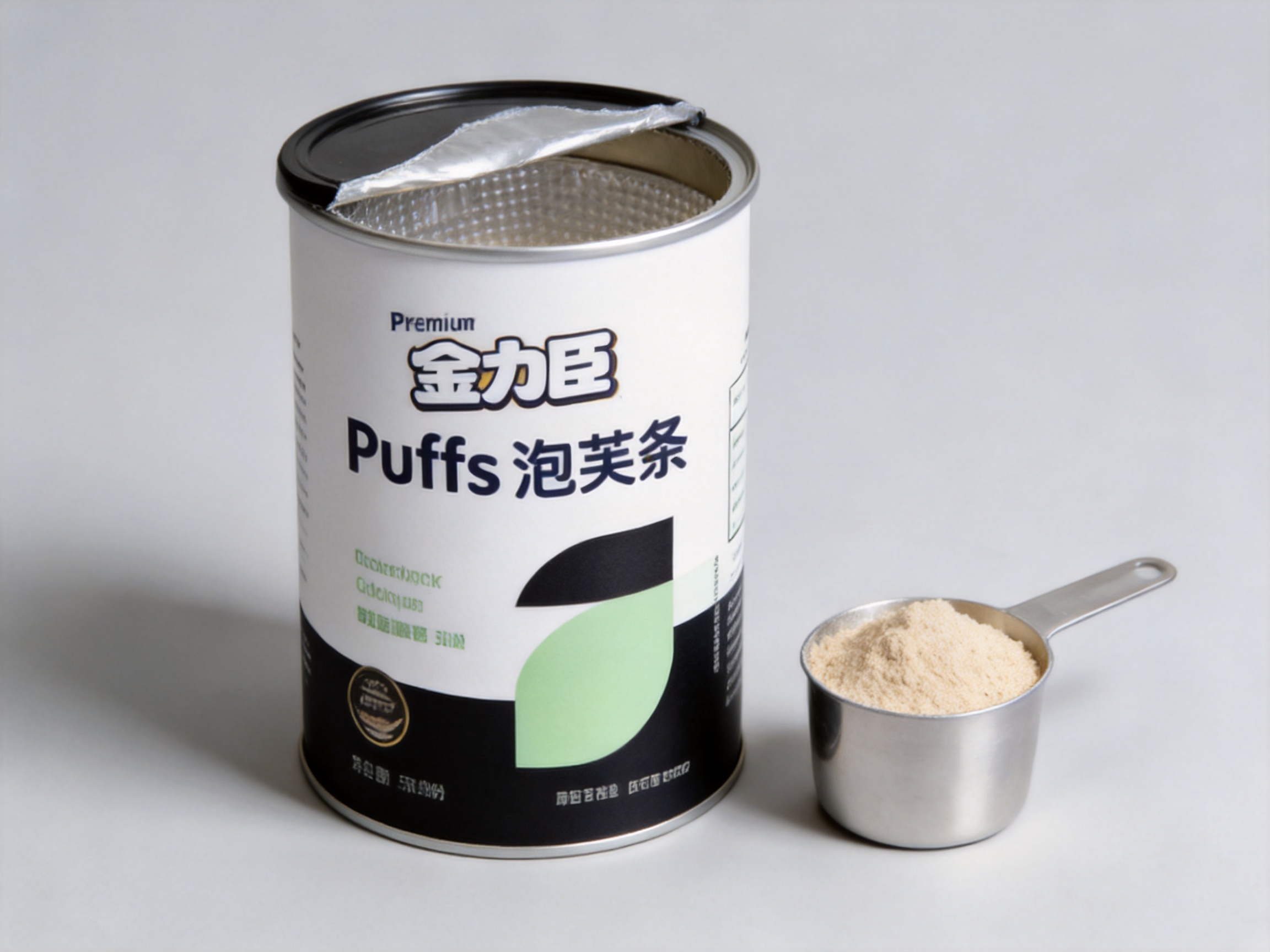
The product is an airtight moisture-resistant recyclable aluminum foil composite paper can for protein powder. Its primary material structure is paper combined with aluminum foil. The paper component provides shape, rigidity, printability, and a natural visual character, while the aluminum foil layer contributes to the barrier system that protects the contents from external environmental factors.
The can is manufactured for industrial food use and can be adapted for powder products. Dimensions are customizable, allowing the packaging to be matched to the net weight, density, serving size, filling method, and shelf-display requirements of a particular protein powder formula. Custom dimensions can also help brands optimize pallet loading, shipping cartons, warehouse storage, and retail presentation.
Printing can be produced in CMYK or Pantone colors. This enables brands to use detailed product graphics, ingredient-related visual elements, nutritional positioning, flavor differentiation, usage instructions, and regulatory information. Stamping and varnishing are available as printing and surface-handling options. These treatments can create a more distinctive appearance while improving the visual contrast of logos, product names, or decorative elements.
The product supports custom orders and is offered with samples for evaluation. The stated minimum order quantity is 20,000 pieces, making the packaging particularly appropriate for established product launches, private-label programs, promotional campaigns, and regular production schedules.
| Product Attribute | Details |
|---|---|
| Primary application | Protein powder and other nutrition or supplement powders |
| Material structure | Paper combined with aluminum foil |
| Barrier objective | Protection against moisture, oxygen, light, and external contamination |
| Customization | Custom size, color, printing, and design |
| Printing options | CMYK and Pantone color printing |
| Surface treatments | Stamping and varnishing |
| Design file formats | PDF, AI, and PSD |
| Sample availability | Available for evaluation before production |
| Minimum order quantity | 20,000 pieces |
| Shipping methods | Sea, air, and express delivery |
| Indicative lead time | Approximately 25–35 working days |
Why Protein Powder Requires High-Performance Packaging
Protein powder is a dry product, but it is not immune to environmental conditions. Many protein formulations contain milk proteins, plant proteins, flavoring systems, sweeteners, minerals, vitamins, or other functional ingredients. These components can react differently when exposed to humidity, oxygen, heat, or light. Even when a formula remains safe, poor packaging may negatively affect its appearance, flowability, aroma, and user experience.
Moisture is one of the most significant concerns. When powder absorbs moisture, particles may stick together and form lumps. A product that was originally smooth and easy to scoop can become compacted or difficult to dissolve. Moisture can also increase the risk of quality deterioration after repeated opening and closing by consumers.
Oxygen management is another important consideration. Oxidation may affect flavor, color, aroma, and the stability of certain ingredients. While the precise barrier requirement depends on the formula and filling process, a composite structure incorporating aluminum foil can provide a stronger protective layer than an unlined paper tube.
Light exposure can also influence sensitive ingredients. Some vitamins, botanical components, flavors, and color systems may benefit from reduced exposure to light. The foil component can support a more protective package environment than transparent or thinly coated alternatives.
Protein powder containers must also withstand handling. They may be moved through filling facilities, distribution centers, retail warehouses, delivery networks, and consumers’ homes. A rigid composite paper can helps resist crushing and maintains a stable cylindrical form during transportation and storage. This is a practical advantage over flexible pouches, which may be more vulnerable to puncture, deformation, and poor shelf presentation.
Composite Construction and Barrier Performance
The product uses a paper and aluminum foil composite structure. Each material contributes a different function to the finished container. Paper serves as the main structural and printable substrate, while aluminum foil acts as a high-performance barrier layer. The combination is engineered to create a packaging body that is more protective than conventional unlined paper packaging.
The paper body provides stiffness and a familiar tactile experience. It allows the container to stand upright and present a clean cylindrical profile on a shelf. Paper also offers a broad surface for graphics and brand communication. A well-designed paper exterior can communicate naturalness, quality, craftsmanship, and sustainability-oriented values.
Aluminum foil contributes to the package’s resistance against moisture and external gases. It can also help limit light transmission. This is especially useful for powder products that require improved environmental protection during storage and distribution. The foil is integrated into the composite structure rather than used merely as a decorative surface, enabling it to function as part of the container’s protective system.
The word “composite” is important because the packaging performance comes from the interaction of multiple layers. A paper can without a suitable barrier may absorb moisture or permit greater environmental exchange. A foil layer without a robust supporting structure may be difficult to handle or print. The composite format seeks to combine structural reliability, barrier protection, and commercial appearance in one package.
Exact shelf life and barrier results depend on the complete package design, closure system, filling conditions, product formulation, storage environment, and applicable testing. Brands should conduct compatibility, sealing, transport, and shelf-life evaluations before commercial release. Nevertheless, the paper-aluminum foil structure provides a strong starting point for developing packaging for moisture-sensitive dry powders.
Airtight Protection for Repeated Consumer Use
Protein powder is often used over a period of several weeks or months. The package is opened repeatedly, and its contents may be exposed to humid kitchens, gyms, warehouses, and changing temperatures. For this reason, the initial barrier performance is only one part of the packaging system. The closure, lid fit, inner seal, and user opening experience also influence ongoing protection.
An airtight composite can is intended to help reduce unwanted air and moisture exchange after filling and during normal use. A suitable closure can support resealing between servings, while an inner seal may provide evidence of first opening and an additional protective layer. The final configuration should be selected according to the product’s sensitivity, filling equipment, distribution conditions, and regulatory requirements.
For brands, an airtight format can also support a more reassuring consumer experience. Customers are more likely to trust a container that looks clean, stable, and purpose-built for protecting nutritional products. Clear opening instructions and a dependable closure can further reduce confusion and improve daily usability.
Advantages Compared with Common Alternative Packaging
Compared with Standard Paper Tubes
Standard paper tubes can provide a strong visual identity and an attractive surface for printing, but their protective performance depends heavily on the inner structure and sealing system. A basic paper tube may not provide enough resistance against humidity or oxygen for sensitive protein powders. The aluminum foil composite design addresses this limitation by adding a dedicated barrier layer.
This does not mean that every conventional paper tube is unsuitable for powders. Many paper tubes use different liners, coatings, or laminated structures. However, the aluminum foil composite format gives manufacturers a clearly defined barrier component and allows them to select a more protective structure for products with demanding storage requirements.
Compared with Plastic Jars
Plastic jars are widely used for protein powder because they are lightweight, stackable, and familiar to consumers. However, some brands are seeking alternatives that reduce dependence on conventional rigid plastic packaging or create a more natural and premium shelf appearance. A paper-based composite can may support these objectives while maintaining the strength required for transportation and storage.
The paper exterior provides a different tactile and visual experience from plastic. It can be decorated with high-quality graphics and surface finishes that create a more distinctive identity. For brands that want to communicate environmental responsibility, ingredient quality, craft positioning, or modern natural nutrition, a paper can may be more aligned with the desired brand story.
Plastic containers can also be oversized relative to their contents, creating unused internal space. A custom-sized paper can may allow brands to improve the relationship between container dimensions and powder volume. The right size can help reduce unnecessary shipping volume and produce a more efficient shelf profile, although the final choice must always account for filling equipment and product settling.
Compared with Flexible Pouches
Flexible pouches often provide efficient material use and low shipping weight, but they can be less rigid and less convenient for some consumers. A pouch may require a separate scoop, can be difficult to stand upright after opening, and may not deliver the same premium shelf presence as a rigid container.
The composite paper can offers a stable body that is easier to display and handle. Its wide opening can be designed for convenient scooping, and the cylindrical format can create a consistent appearance across a product range. It may also be easier for consumers to store on a kitchen shelf or in a cupboard than a partially filled flexible bag.
Packaging selection should be based on a complete life-cycle and performance assessment rather than a single material preference. Nevertheless, for brands that prioritize rigidity, reclosability, shelf presentation, and moisture protection together, the composite can offers a compelling alternative.
Compared with Metal Containers
Metal containers can provide strength and barrier protection, but they may be heavier, more expensive to shape, or less suitable for brands seeking a paper-forward appearance. The paper-aluminum foil composite can uses aluminum as an integrated barrier layer while relying on paper for much of the visible structure and decoration.
This construction can help balance performance and presentation. It provides a protective internal layer without making the package appear entirely metallic. For nutrition and supplement brands, this may create a warmer and more approachable appearance than a fully metal container.
Sustainability Considerations
The product is described as recyclable, and its paper-based construction can support brands pursuing more responsible packaging strategies. Paper is a widely recognized packaging material with established collection and recycling systems in many markets. The use of paper as a major structural component may also help reduce the visual and material dependence on conventional plastic jars.
However, composite packaging requires responsible communication. Recyclability may depend on the exact layer construction, local recycling infrastructure, separation technology, collection rules, and the acceptance criteria of regional facilities. A package containing paper and aluminum foil may not be processed identically in every market. Brands should verify local requirements and use accurate recycling instructions for each destination.
Responsible packaging design includes more than material selection. It also involves reducing unnecessary package volume, choosing an appropriate container size, optimizing shipping efficiency, minimizing production waste, and designing the package for practical consumer use. A durable can that protects its contents and reduces product waste can offer an important sustainability benefit because spoiled or damaged nutrition products represent wasted ingredients, energy, labor, and transportation resources.
The supplier’s paper tube and composite can experience also supports continued development of paper-based packaging formats. Its stated commitment to researching and launching higher-quality packaging products reflects the broader movement toward packaging that combines performance with more considered material choices.
Premium Customization for Nutrition and Supplement Brands
Protein powder packaging must perform a practical function, but it also serves as a major brand communication platform. The can’s broad cylindrical surface offers space for product identification, flavor communication, nutritional claims, preparation instructions, serving information, warnings, barcode placement, and marketing graphics.
CMYK printing is suitable for detailed photographic graphics, gradients, complex illustrations, and multi-color designs. Pantone color printing can help brands maintain closer consistency with approved brand colors across packaging programs. The ability to use either printing approach gives product developers more flexibility when creating a visual system for different flavors or product lines.
Stamping can be used to add emphasis to selected design elements. A logo, product name, seal, or premium claim may be highlighted through a specialized stamped effect. Varnishing can provide a protective or decorative finish and can be used to create contrast between matte and glossy areas, subject to the selected production specification.
Customization also extends beyond the exterior artwork. A brand may request different can diameters, heights, lid configurations, inner structures, color treatments, and design arrangements. Custom sizing is particularly valuable for protein powder because formulas vary significantly in density. The same net weight may occupy different volumes depending on whether the product is whey-based, plant-based, meal-replacement, collagen-based, or blended with additional ingredients.
Design files can be supplied in PDF, AI, or PSD formats. Before production, artwork should be checked for bleed, safe areas, color requirements, barcode readability, text size, regulatory information, and alignment around the cylindrical body. A physical sample or digital proof can help identify design issues before mass production begins.
Packaging Architecture for Product Families
A standardized can shape can help a nutrition company build a cohesive product family. For example, a brand may use a taller can for large protein powder formats, a smaller version for trial packs, and a medium size for specialty formulas. Consistent proportions and design placement make products easier to recognize while allowing each flavor or function to have its own color system.
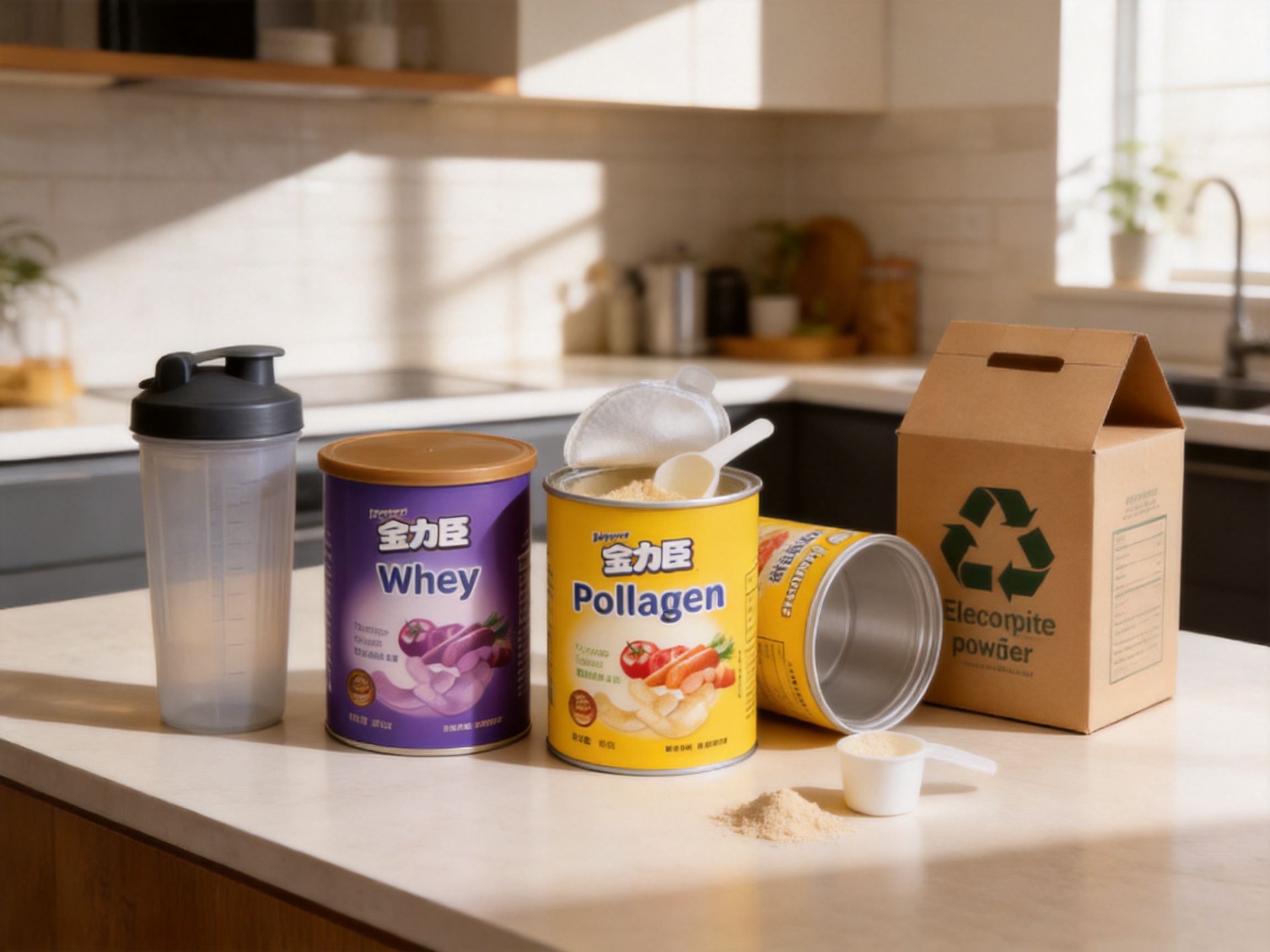
The same platform can be adapted for whey protein, plant protein, recovery formulas, meal replacements, pre-workout powders, electrolyte blends, collagen powder, and other dry nutrition products. Each application should be reviewed for barrier requirements, fill weight, closure performance, and regulatory suitability, but the flexible manufacturing concept can simplify packaging development across multiple product categories.

Advanced Manufacturing Strengths
The supplier has been engaged in the composite can and paper can industry for more than 20 years. Long-term experience is valuable in packaging production because success depends on the coordination of material selection, winding or forming, adhesive or lamination control, printing, finishing, cutting, sealing, inspection, and packing.
According to the provided company information, the manufacturer is a member of the international Composite Can and Tube Institute and is identified as the only member of that organization in China’s packaging container industry. Industry participation can provide access to technical discussions, market developments, production knowledge, and professional standards related to composite cans and tubes.
The company introduced a high-speed composite can production line from Europe in 2015. High-speed production equipment can improve manufacturing consistency and support larger order volumes when properly operated and maintained. It can also contribute to more stable forming, accurate dimensions, repeatable production speeds, and improved coordination between manufacturing stages.
Modern production equipment is only effective when supported by trained personnel and suitable quality controls. The manufacturer’s experience in food packaging containers provides an important foundation for understanding the requirements of products that may come into contact with food or nutrition powders. The stated history of being the first enterprise in China to pass the QS certificate for producing food packaging containers further reflects its early involvement in regulated food-packaging production.
The company has obtained more than 10 patented technologies, according to the supplied information. Patented technologies may relate to structural design, manufacturing methods, sealing approaches, material combinations, or production improvements. For customers, this indicates a focus on technical development rather than reliance solely on standard commodity packaging.
Quality and Compliance Support
The product information identifies SGS and ISO among the company’s certificates or quality credentials. These references can provide customers with an additional basis for supplier evaluation, although buyers should request current certificates, applicable scopes, test reports, and product-specific documentation before placing a commercial order.
For protein powder packaging, quality evaluation may include dimensional inspection, appearance inspection, print color consistency, surface finish, closure fit, seal integrity, moisture resistance, odor assessment, compression strength, and transportation testing. Depending on the market and application, food-contact documentation and migration testing may also be required.
A professional packaging supplier should be able to discuss the intended product, filling line, storage environment, expected shelf life, transport route, and market regulations. These details help determine whether the selected material structure and closure configuration are appropriate. Product testing should be treated as a collaborative development stage rather than an afterthought.
Manufacturing Process from Design to Delivery
1. Application Review and Technical Specification
The process begins with an understanding of the product and its commercial objectives. The customer provides information about the powder type, net weight, density, fill method, closure preference, target market, artwork, expected shelf life, and transportation conditions. The supplier can then recommend a suitable can diameter, height, paper and foil structure, and finishing approach.
For protein powder, special attention should be given to the product’s sensitivity to moisture, the frequency of consumer opening, the required headspace, the filling speed, and the method used to apply the inner seal or lid. These factors influence the final package performance.
2. Structural and Artwork Development
After the basic specification is confirmed, structural drawings and artwork layouts are prepared. The design team checks the printable area, seam or overlap zone, top and bottom clearances, color separations, trimming tolerances, and the placement of mandatory information.
The cylindrical format requires artwork to be prepared carefully. Text and logos must remain visually balanced when wrapped around the body, and important information should not be placed too close to a seam or curved edge. Technical artwork preparation reduces the risk of distortion, poor alignment, or unreadable content during mass production.
3. Material Preparation
Paper and aluminum foil materials are selected according to the required structure and appearance. The paper must provide suitable stiffness and printability, while the foil layer must contribute the required barrier performance. Material preparation may include roll inspection, width control, surface assessment, and confirmation of the correct specifications.
Material consistency is important because variations in thickness, surface quality, or moisture content can affect forming and printing. A controlled material preparation stage helps support a more stable manufacturing process.
4. Printing and Surface Treatment
Artwork is printed using the specified CMYK or Pantone color system. Printing controls may include registration, ink coverage, color density, drying, and surface cleanliness. Where requested, stamping or varnishing is applied to produce the desired decorative or protective effect.
High-quality printing is particularly important for nutrition products because consumers often compare several brands on the shelf. Clear text, strong contrast, accurate flavor colors, and a clean finish help the product communicate quality before the package is opened.
5. Composite Can Forming
The printed material and barrier components are formed into the cylindrical can body through controlled production operations. The paper structure must be shaped accurately so that the container remains round, stable, and dimensionally consistent. The composite layers must remain properly integrated to preserve the intended barrier function.
High-speed composite can equipment can support efficient production for large orders, but equipment speed must be balanced with inspection and process stability. Correct tension, alignment, bonding, and forming conditions are necessary to reduce defects such as wrinkles, delamination, uneven edges, or dimensional variation.
6. Sealing, Finishing, and Inspection
The can body is completed with the selected base, lid, inner seal, or closure components. Finishing operations may include edge treatment, trimming, cleaning, and final assembly. Each can should meet the agreed requirements for appearance, dimensions, closure compatibility, and structural integrity.
Inspection may occur at multiple stages rather than only at the end. In-process checks help identify problems early and reduce the risk of producing a large quantity of defective packaging. Final inspection can include visual review, measurement, sampling, packing checks, and documentation.
7. Packing and International Shipping
Finished cans are packed to protect printed surfaces and cylindrical bodies during handling. The customer can select sea, air, or express shipping according to order size, urgency, and destination. Sea freight is often suitable for larger production orders, while air or express shipping may be useful for samples or time-sensitive replenishment.
The stated production lead time is approximately 25–35 working days. Actual timing may vary according to artwork approval, material availability, order quantity, production scheduling, inspection requirements, and shipping arrangements. Early confirmation of specifications and prompt approval of proofs can help maintain the planned schedule.
Application Beyond Protein Powder
Although the featured product is designed for protein powder, the underlying composite can format may be applicable to a wider range of dry nutrition and supplement products. Potential uses include plant-based protein, collagen powder, meal-replacement mixes, superfood powders, fiber supplements, greens powders, electrolyte powders, and selected powdered functional foods.
Every product should be assessed individually. Formulas with high sensitivity to moisture or oxygen may require more stringent barrier testing. Products containing oils, volatile flavors, acidic components, or highly hygroscopic ingredients may require additional compatibility review. The supplier can work with the customer to determine whether the proposed material structure is appropriate.
The same company also produces packaging for food, daily chemical products, fast-moving consumer goods, and other categories. This broad experience can be useful for brands that plan to extend from nutrition into coffee, tea, snacks, confectionery, spices, cosmetics, candles, or gift products. A supplier with several application areas may help customers develop a consistent packaging family across different product lines.
Ordering and Product Development Recommendations
Before ordering, buyers should prepare a clear product brief. The brief should identify the powder type, fill weight, target dimensions, closure style, barrier expectations, print colors, surface finish, quantity, delivery destination, and intended retail market. Providing this information at the beginning can shorten the quotation and development process.
Customers should request a sample before approving mass production. A sample allows the brand team to evaluate the appearance, dimensions, tactile quality, opening experience, closure fit, label or artwork placement, and compatibility with the filling process. If necessary, multiple sample rounds can be used to refine the design.
Testing should include realistic conditions. A package may perform differently in a dry laboratory environment than in a humid warehouse or a warm delivery vehicle. Brands should consider storage temperature, humidity, transportation duration, stacking pressure, repeated opening, and expected consumer use.
The minimum order quantity of 20,000 pieces should be considered during product planning. This quantity can be suitable for a commercial launch, but smaller brands may need to coordinate a phased launch, combine compatible sizes, or plan inventory carefully. The supplier should confirm whether the MOQ changes according to size, printing method, material structure, or special finishing requirements.
Artwork should be finalized only after the structural design is confirmed. Changing the diameter or height after artwork approval may require a new layout and proof. Brands should also verify all nutritional and regulatory text independently because packaging suppliers generally manufacture according to customer-provided information.
How the Packaging Supports Brand Value
Packaging has a direct effect on how consumers perceive a nutrition product. A stable, clean, well-printed can suggests care and reliability. The rigid cylindrical format can also create a more organized appearance in the home, gym, office, or retail environment.
The aluminum foil composite structure adds a technical dimension to the package story. It communicates that the container has been designed not only for visual appeal but also for product protection. When supported by accurate technical claims and suitable testing, this can help a brand explain why its packaging is appropriate for a sensitive powder.
Customization allows different positioning strategies. A minimalist matte design may support a premium wellness product. Bright Pantone colors can distinguish flavors in a sports nutrition range. A natural paper appearance may suit plant-based or clean-label products. Stamping can highlight a certification mark, product line, or logo, while varnishing can create selective contrast.
In a crowded supplement market, these details matter. Consumers often encounter similar formulas with comparable ingredient claims. Packaging can make the product easier to identify, remember, and recommend. A well-designed container may also encourage consumers to keep it for storage or reuse, extending its functional life beyond the initial purchase.
Q&A: Common Questions About the Composite Paper Can
Q1: What product is this can designed for?
The featured can is designed primarily for protein powder and other dry nutrition or supplement powders. It may also be considered for selected food powders and functional dry products after reviewing their barrier and compatibility requirements.
Q2: What is the material structure?
The stated structure is paper combined with aluminum foil. Paper provides the main body and printable surface, while aluminum foil contributes to moisture, oxygen, and light barrier performance.
Q3: Is the container airtight?
The product is described as airtight. Actual airtight performance depends on the complete configuration, including the can body, lid, inner seal, closure fit, and production conditions. Customers should request appropriate testing for their specific design and product.
Q4: Can the dimensions be customized?
Yes. Size is customizable. Dimensions can be developed according to powder density, net weight, serving size, filling equipment, shipping requirements, and retail presentation.
Q5: What printing options are available?
CMYK and Pantone color printing are available. Stamping and varnishing can also be used as surface or decorative treatments, subject to the selected specification and production feasibility.
Q6: Which artwork file formats are accepted?
The provided information lists PDF, AI, and PSD design formats. Artwork should be prepared according to the supplier’s dieline and technical requirements.
Q7: Is a sample available?
Yes. Samples are available. A sample should be evaluated for appearance, size, closure fit, opening experience, and compatibility with the intended filling and sealing process before mass production.
Q8: What is the minimum order quantity?
The stated minimum order quantity is 20,000 pieces. The final MOQ should be confirmed with the supplier because special structures, sizes, finishes, or production requirements may affect ordering conditions.
Q9: How long does production take?
The indicative lead time is approximately 25–35 working days. The actual schedule depends on design approval, material preparation, order quantity, production capacity, inspection, and shipping arrangements.
Q10: Can the cans be used for products other than protein powder?
Potentially, yes. The format may be suitable for other dry nutrition products, food powders, and selected consumer products. Each application requires an assessment of moisture sensitivity, oxygen sensitivity, product compatibility, filling method, and regulatory requirements.
Q11: Is the packaging recyclable?
The product is described as recyclable. Because composite packaging recovery varies by region, brands should verify local recycling requirements and communicate disposal guidance accurately for each target market.
Q12: What shipping methods are offered?
Sea, air, and express shipping are listed as available options. The best method depends on order volume, destination, delivery deadline, and transportation budget.
Q13: What quality credentials are associated with the manufacturer?
The supplied information identifies SGS and ISO and describes a history of food-packaging production. Buyers should request current certificates, scopes, product-specific reports, and other documentation relevant to their market before final approval.
Q14: Why should a brand choose a composite can instead of a flexible pouch?
A composite can can provide a rigid shape, stable shelf presentation, convenient storage, and a premium tactile experience. It may also offer a more structured resealable format. A pouch may be lighter and more compact, so the best choice depends on the brand’s priorities, product sensitivity, shipping model, and consumer use case.
Q15: What information should be supplied for a quotation?
Customers should provide the desired size, fill weight, powder type, material preference, closure requirements, printing method, colors, surface finish, quantity, delivery destination, and artwork status. Product and storage conditions are also useful for selecting an appropriate barrier structure.
Conclusion
The airtight moisture-resistant recyclable aluminum foil composite paper can offers a practical packaging solution for protein powder and related nutrition products. Its paper-based body creates a rigid, printable, premium-looking container, while the aluminum foil layer strengthens protection against environmental factors that can affect sensitive powders.
Compared with basic paper tubes, flexible pouches, and some conventional plastic containers, the composite can provides a useful combination of barrier protection, structural stability, design flexibility, and shelf appeal. Its recyclable positioning and paper-forward appearance also meet the growing interest in packaging strategies that balance product performance with more responsible material choices.
The manufacturing foundation is equally important. More than 20 years of composite can experience, participation in the international Composite Can and Tube Institute, European high-speed production equipment, food-packaging experience, patented technologies, and stated SGS and ISO credentials provide a strong basis for customized production. These capabilities support the complete process from structural development and printing to forming, finishing, inspection, and international delivery.
For brands developing protein powder packaging, the most effective approach is to treat the container as part of the product system. Barrier requirements, closure design, filling conditions, artwork, storage, transportation, and local recycling rules should all be evaluated together. With suitable testing and careful specification, the aluminum foil composite paper can can help protect product quality while giving nutrition brands a distinctive and professional package for the global market.
References
1. Manufacturer-provided product specification for the airtight moisture-resistant recyclable aluminum foil composite paper can for protein powder.
2. Manufacturer-provided company information concerning composite can production, paper tube packaging, food-packaging experience, and industrial applications.
3. General packaging engineering principles for moisture-sensitive dry foods and nutrition powders.
4. General guidance on paper-based composite packaging, barrier structures, package testing, and transportation protection.
5. General principles of food-contact packaging quality management, artwork control, and supplier qualification.
