 English
 Español
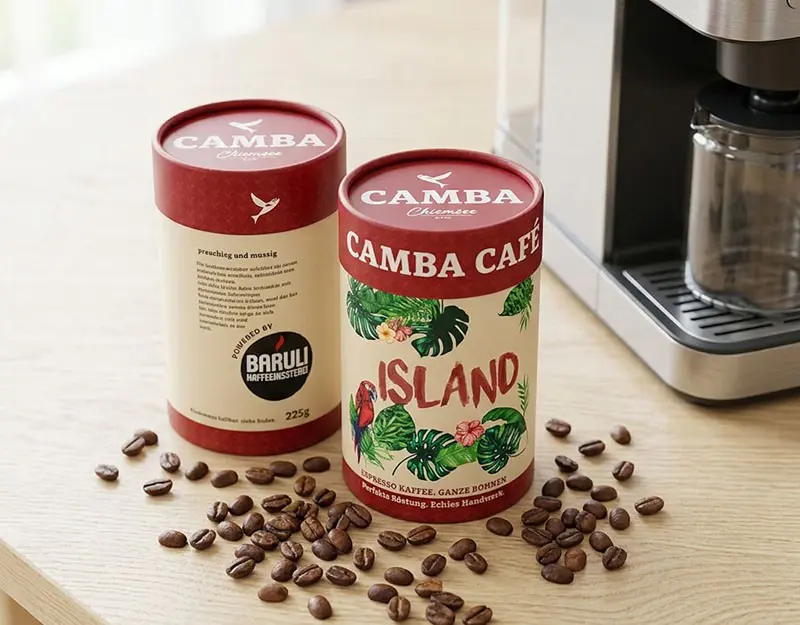
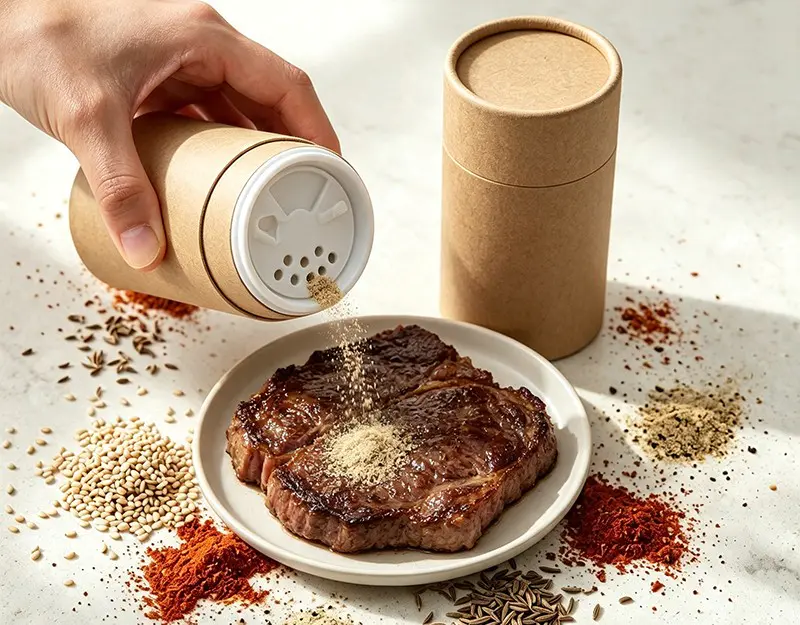


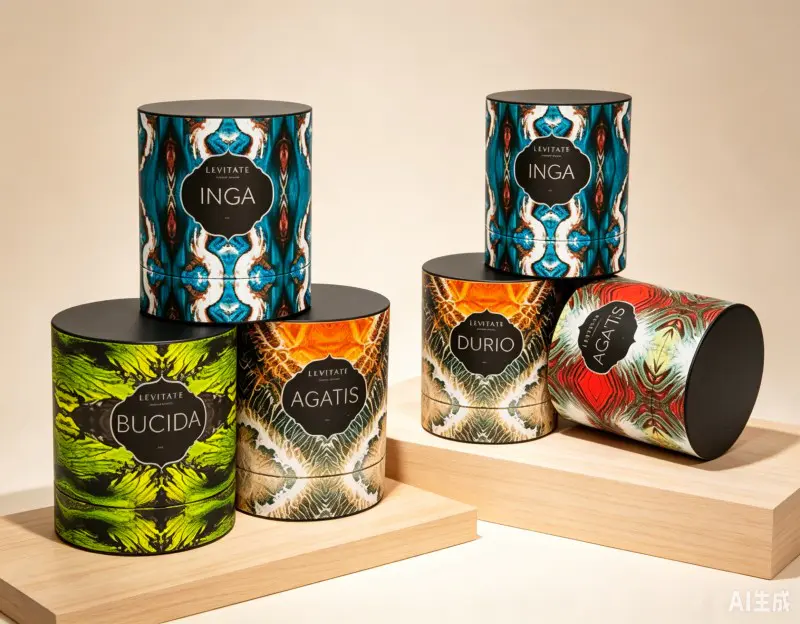
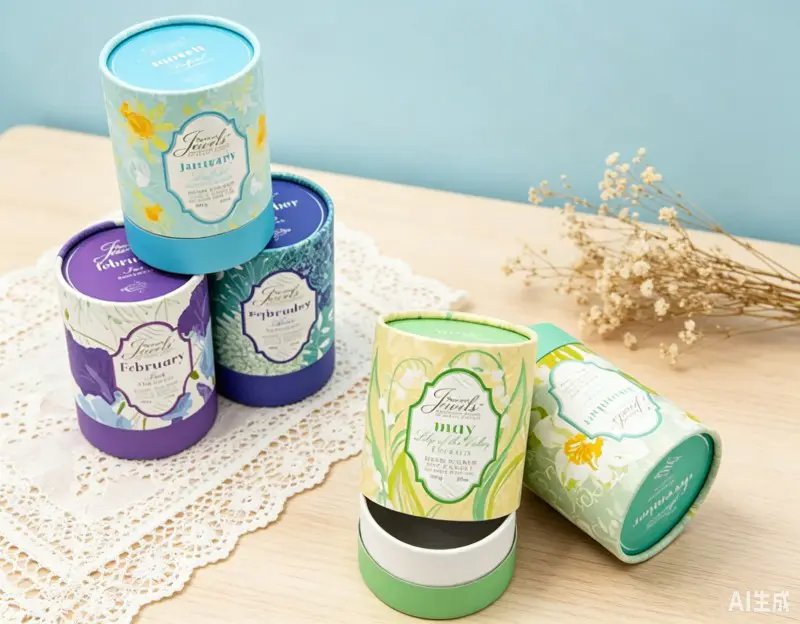
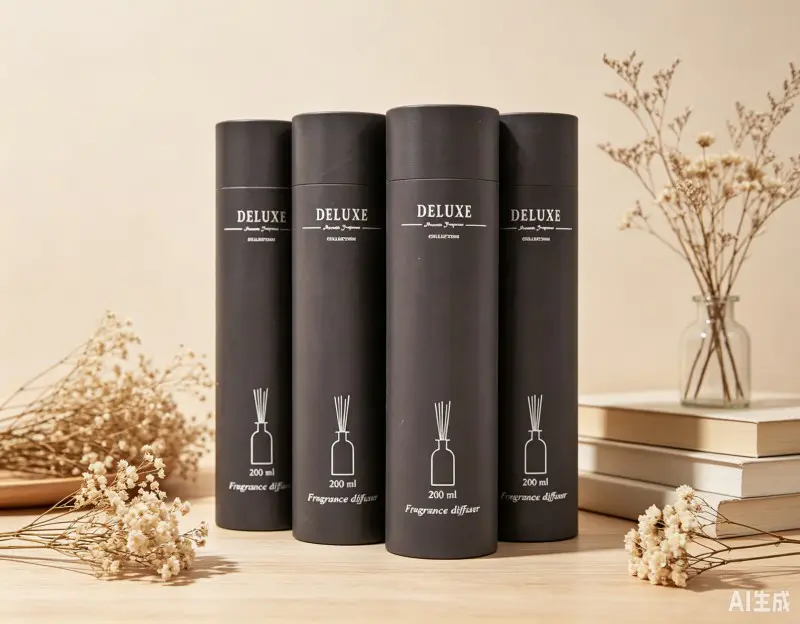
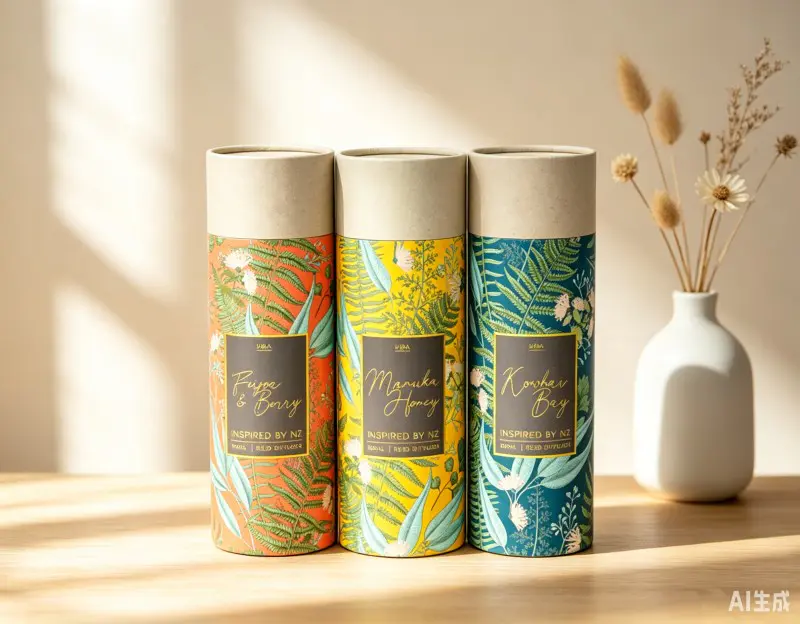
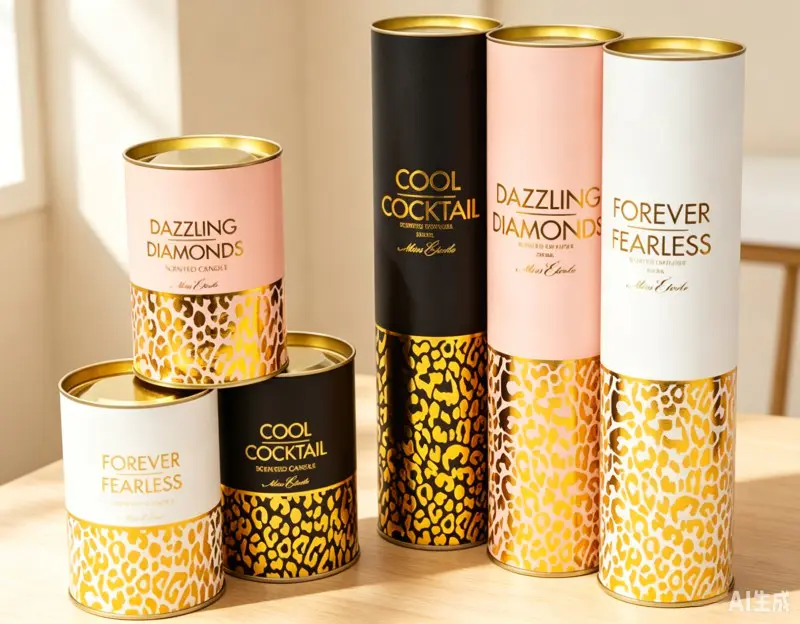

As one of the top China cardboard tube packaging manufacturers and paper tube packaging suppliers, we devote all of our efforts to research and launch more high quality packaging products to global market.
A luxury coffee brand chose a matte black cardboard tube for its 250g beans. The prototype looked excellent in the office. In production, the capping station jammed because the tube's inner diameter varied by 0.3mm between batches. The color was never the problem. The specification underneath it was.
That situation happens more often than it should with black cardboard tube packaging. Black is a finish that attracts attention, but it cannot compensate for the wrong wall structure, an incompatible liner, or a closure selected for looks rather than function. This guide covers the details that truly matter when you are buying a black tube for coffee, cosmetics, supplements, wine, or any product that needs a cylindrical container.
Content
What "Black" Means in Cardboard Tube Packaging
Black is not a single material. In practice, a black cardboard tube is built using one of three approaches.
- Coated black board: The base board receives a black coating. This delivers a deep, consistent color and a smooth printing surface. It is the most common route for cosmetics and premium packaging.
- Black kraft liner: The tube has an inner liner made from black dyed kraft paper. Black liners are often specified for food products where the liner sits directly against the contents.
- Printed black underlay: A white or recycled board is printed with a solid black base. This is usually the lowest-cost option, but it can show scuff marks along the edge after handling.
The method affects print quality, scuff resistance, food-contact compliance, and cost. It also changes how the tube feels. Coated black board feels firm and dry. A printed black board can feel slightly papery if it is left unvarnished.
| Black finish method | How it is produced | Typical applications |
|---|---|---|
| Coated black board | Black coating applied to the base board | Cosmetics, wine, spirits, premium gifts |
| Black kraft liner | Black dyed kraft paper used as the inner liner | Tea, coffee, and dry foods needing food-safe contact |
| Printed black underlay | White or recycled board printed in solid black | High-volume packaging and cost-sensitive orders |
Recycled board can be harder to dye to a true, even black. If your brand needs a consistent black across multiple production runs, ask your supplier whether the black is achieved through a coating or through the board itself. A coated board is more predictable for color matching.
Why Black Tubes Work for Specific Categories
Black is often chosen for brand reasons, but it also delivers practical benefits.
Light protection is a real advantage. Coffee beans, loose-leaf tea, and botanical powders lose quality when exposed to UV. A black tube reduces light transmission, which helps delay flavor and nutrient loss. Color alone is not a light barrier, though. Wall thickness and liner type do more of the work.
Brand shelf presence matters just as much. For wine, spirits, cosmetics, and candle brands, a black tube creates a coordinated shelf block. White foil and gold embossing read clearly against the black surface.
Print contrast also works in your favor. White, silver, and rose-gold inks pop on black. Text and logos stay legible, and any added foil or embossing stands out.
There is one trade-off to remember. Black absorbs heat. If your product is heat-sensitive, verify the transport and storage environment rather than assuming the tube solves the issue.
For cosmetics and skincare, the tube needs to match the tactile experience of the product inside. A 30ml black tube is a common format for creams, balms, and solid skincare products where the packaging is part of the application ritual.
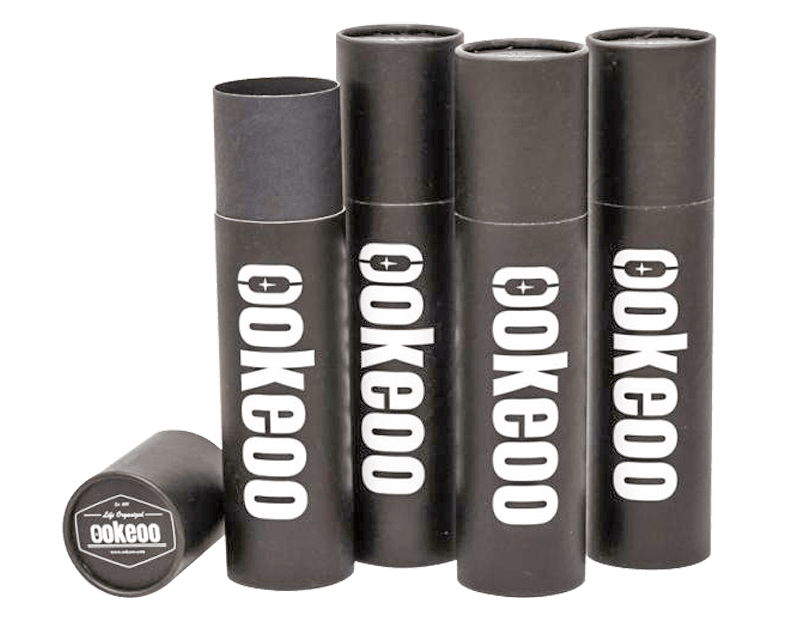 30ml Black Paper Tube for Cosmetics with Amber and White OptionsThis 30ml black paper tube suits creams and balms, with rolled edges and a matte finish. Its recycled kraft or coated paper construction offers a tactile, eco-friendly packaging option for skincare products.View Product →
Materials, Wall Structure, and Liners
A black cardboard tube is usually a spiral or convolute laminate. The wall consists of three parts.
- Outer wrap: The decorative layer that carries the black color and print. It can be paper, film, or a metallic laminate.
- Body layers: Kraft or recycled board layers that provide crush resistance and wall strength. A standard tube for solid goods might use a 1.5mm to 2mm wall. Heavier or fragile contents often need a 2.5mm wall for better drop resistance.
- Liner: The layer that contacts the product. It can be kraft paper, a food-grade barrier, or a foil layer for moisture and oxygen protection.
The body layer is also where you can decide on recyclability. Tubes with a paper body and a recycled-content liner are easier to process in existing paper recycling streams. Tubes with a metallic layer are still recyclable in many regions, but they require sorting. If your market has strict recycling rules, confirm the acceptance criteria with your waste management partner.
The specification that matters most for your filling line is the inner diameter. A variation of 0.2mm can cause a jam or a loose cap. Always confirm inner diameter, wall thickness, and total height with the manufacturer, and request a dimension report before mass production. Reading about cardboard tube types and specifications can help you set realistic tolerances with your supplier.
Closures and Functional Details
Closure choice affects shelf life, opening experience, and how the tube works with your filling equipment. Common options include:
- Rolled edge with metal lid: Strong and airtight. A good fit for coffee, protein powder, and other dry goods.
- Paper cap: Lightweight and recyclable. Works well for dry items that do not need a full seal.
- Peelable aluminum foil: Common for powder supplements and ground coffee. The user tears off the foil and the tube stays open.
- Sifter top: Used for salt, spices, and bath powders. A plastic or paper sifter adds convenience for everyday use.
- Window: A window cut into the black tube lets the consumer see the product without opening the package.
Each closure interacts with the black outer wrap differently. A metal lid can scuff the black coating during capping if the tube edge is not finished properly. If you use a metal lid, ask the manufacturer about edge treatment and packaging protection to avoid surface damage in transit.
Windows deserve special attention. A window cut into a black tube works well for cookies, dried fruits, and teas where visual appeal drives the purchase. The window itself must be sealed properly to avoid moisture ingress.
There is a trade-off between sealability and recyclability. A metal lid provides a stronger barrier and is itself recyclable, but it must be removed before the paper tube is recycled. Paper caps are simpler but offer less protection against moisture. For product categories where shelf life is the top priority, metal lids or foil seals are the safer choice.
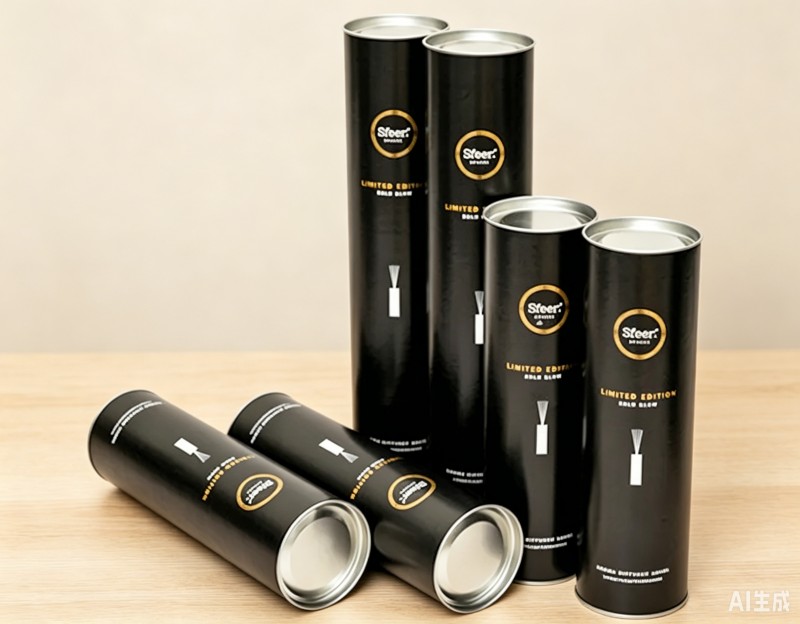
Custom Printing and Finishing Options
Black tubes accept most finishing techniques, but each one changes cost and durability.
- Matte: Soft and non-reflective with a premium feel. Matte surfaces can show handling marks more easily than gloss.
- Gloss: Bright and reflective. A good match for bold, vibrant packaging designs.
- Soft-touch: Velvet-like texture often used in cosmetics, fragrance, and gift packaging.
- Embossing and debossing: Creates raised or recessed patterns on the black surface. Adds a tactile premium layer that helps the tube stand out.
- Foil stamping: Gold, silver, or rose-gold foil is a classic pairing with black. It increases cost but dramatically improves shelf appeal.
Print methods include offset printing, flexo, and digital proofing. For shorter production runs, digital proofs are useful for verifying color accuracy before the full batch is produced.
If you are packaging a fragrance or a gift item, a custom-printed tube can carry your brand from the first impression to the final unboxing.
How to Specify Black Cardboard Tubes for Your Order
To get an accurate quote, provide these details to your packaging supplier:
- Inner diameter and height
- Contents and filled weight
- Wall structure or preferred thickness
- Closure type
- Print method and finish
- Target order quantity
- Delivery deadline
If your product is edible or applied to the skin, ask for food-grade or food-contact-compliant materials. Tea, coffee, supplements, and dry foods all need a liner and adhesive that meet the relevant standards.
Cost is not simply a function of the black finish. A thicker wall, a more expensive liner, and a metal closure add cost in distinct ways. Ask for a breakdown of the quote so you can see where the money goes. This helps you adjust the specification to match your budget without compromising the product.
Also confirm which quality checks your supplier uses. Burst strength, print adhesion, diameter tolerance, and cap fit are the four areas that cause most problems on a filling line. Request a pre-production sample and run it through your own equipment before approving the mass batch. For a deeper view of the same theme, the article on how cardboard tube packaging improves product protection and branding is a practical read.
Black cardboard tube packaging works best when the specification matches the product, not just the brand. Test the tube with your actual contents. Confirm the closure fits after filling. Make sure the print survives shipping. These checks take less time than a rejected batch, and they protect the product before it reaches your customer.
