 English
 Español

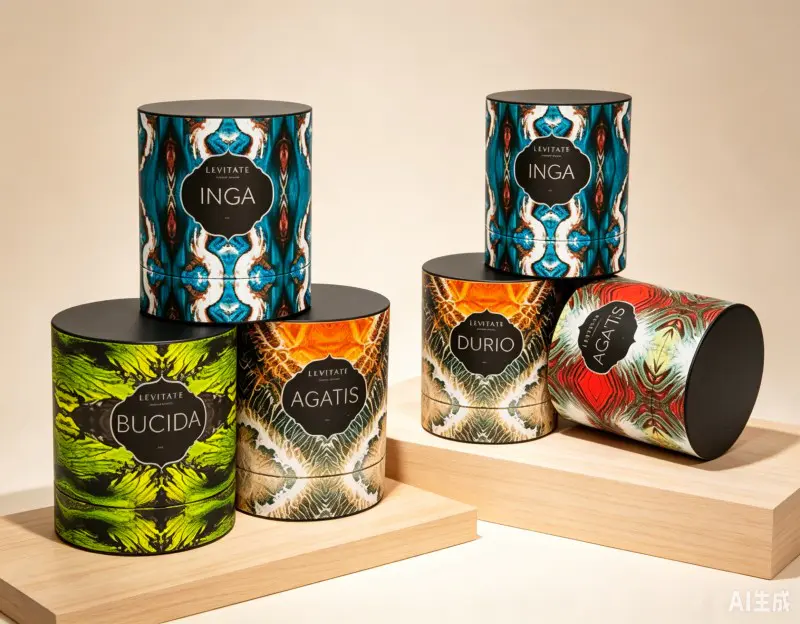
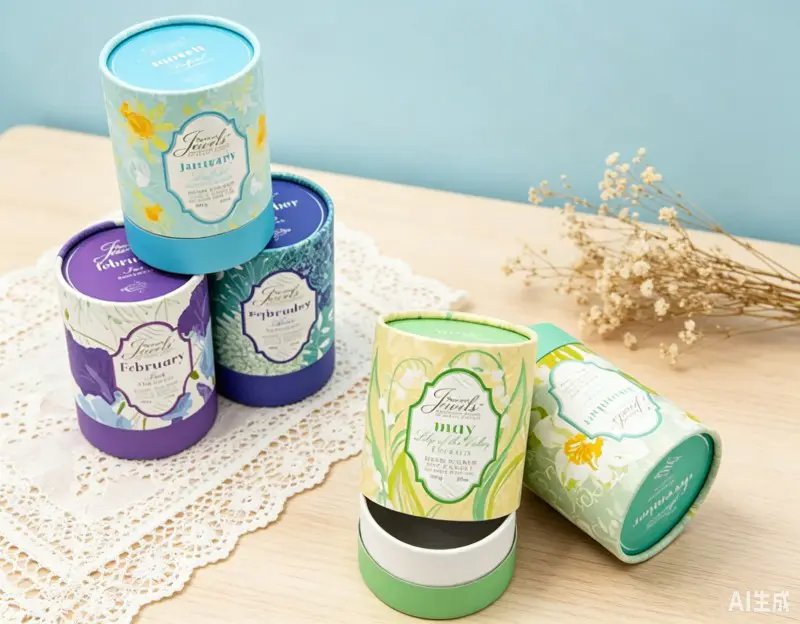
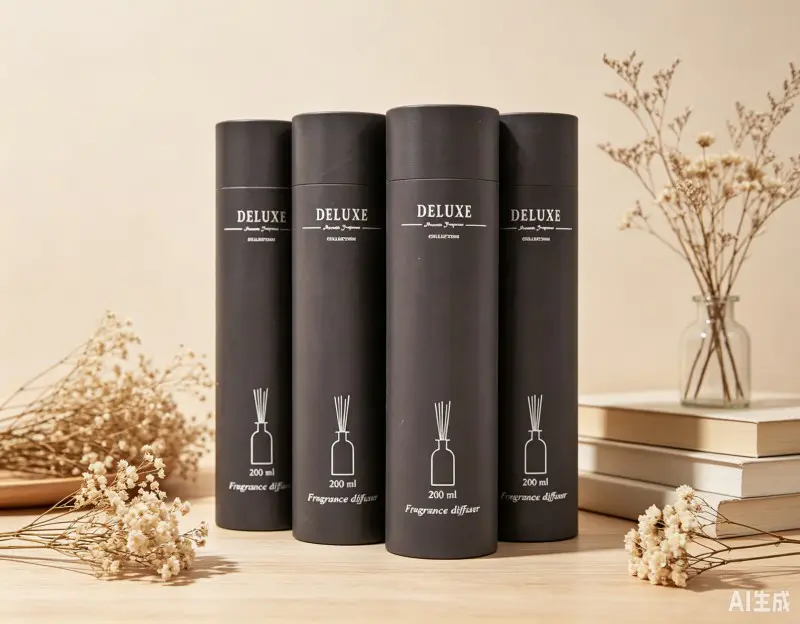
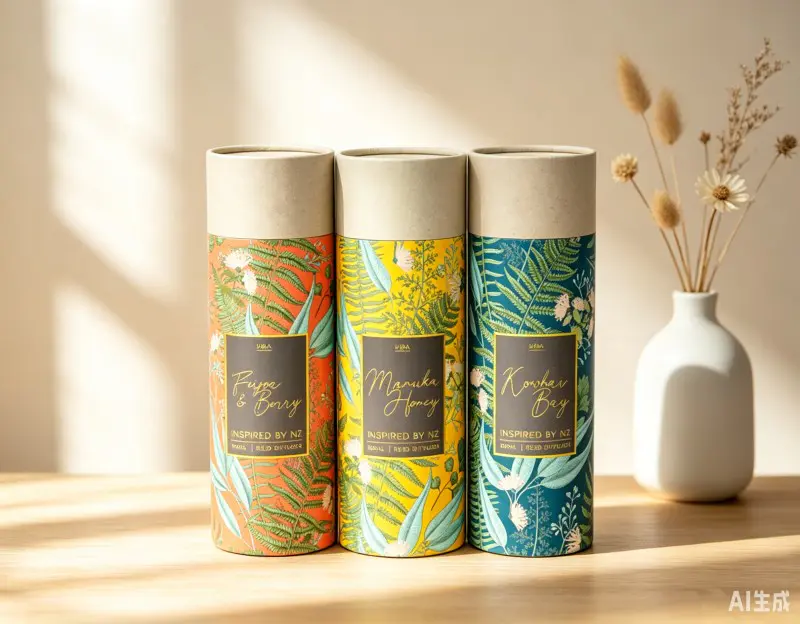

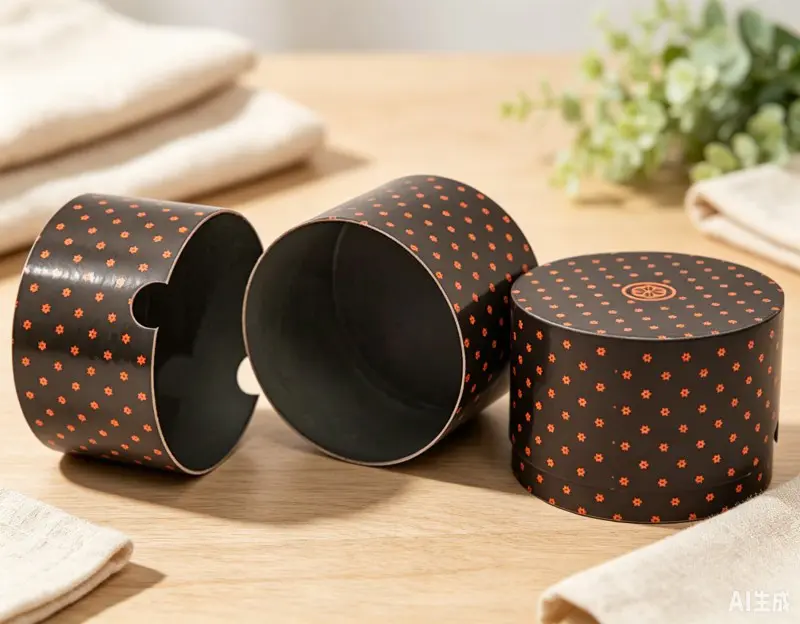


As one of the top China cardboard tube packaging manufacturers and paper tube packaging suppliers, we devote all of our efforts to research and launch more high quality packaging products to global market.
A specialty coffee roaster comparing packaging quotes has a clear choice in front of it: a kraft stand-up pouch at $0.38 per unit, or a cardboard canister with a foil liner, metal bottom, and one-way valve at $0.72. The roaster picks the canister — not because the unit cost is rationalized away, but because a national retailer has offered front-of-shelf placement, and the cylindrical format sells more units per facing than a flat pouch can.
The conclusion up front: a cardboard canister is the right format for dry, shelf-stable products that need crush resistance, a full 360-degree print surface, and a recyclable paper-dominant structure. Coffee, loose-leaf tea, protein powder, spices, snacks, pet treats, and body-care powders all fit this profile. The trade-offs are equally real: a canister costs more per unit than a pouch, and its round shape adds shipping cube. When barrier performance and shelf presence matter, a properly specified canister performs like a rigid container with a markedly lighter environmental footprint.
Content
What a cardboard canister actually is
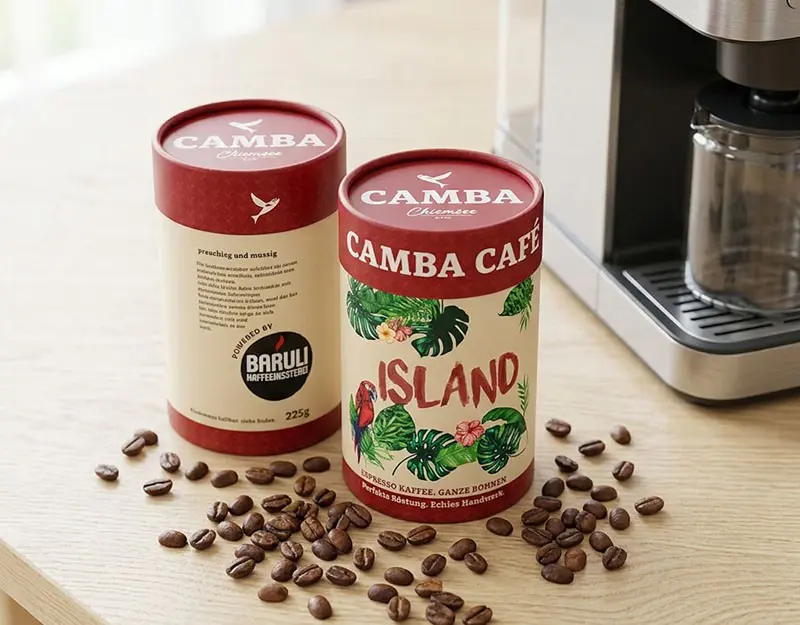
A cardboard canister is a rigid cylindrical container with a paperboard body and separate end closures. Industry buyers also call it a composite can or paper canister, because the wall contains several layers: an outer printed label ply, one or more structural plies of recycled paperboard, and an inner barrier liner such as aluminum foil, PET film, or greaseproof paper.
Manufacturers form the body by spiral winding — strips of paper wrapped diagonally around a steel mandrel — or by convolute winding, where a single sheet is wrapped around the mandrel and adhered. Spiral winding dominates high-volume food canister production because it is fast, waste-efficient, and yields a consistent wall thickness. A typical inner-diameter tolerance is ±0.3mm, which is why lid fit must be verified across the production batch, not just on the pre-production sample.
Most canisters are a 3-piece assembly: body, permanently attached bottom (tinplate or paper), and a top closure that can be peelable, resealable, hinged, or fitted with a sifter. The closure type drives shelf life more than the body itself, because the paperboard wall is only a moisture barrier when it has an effective liner.
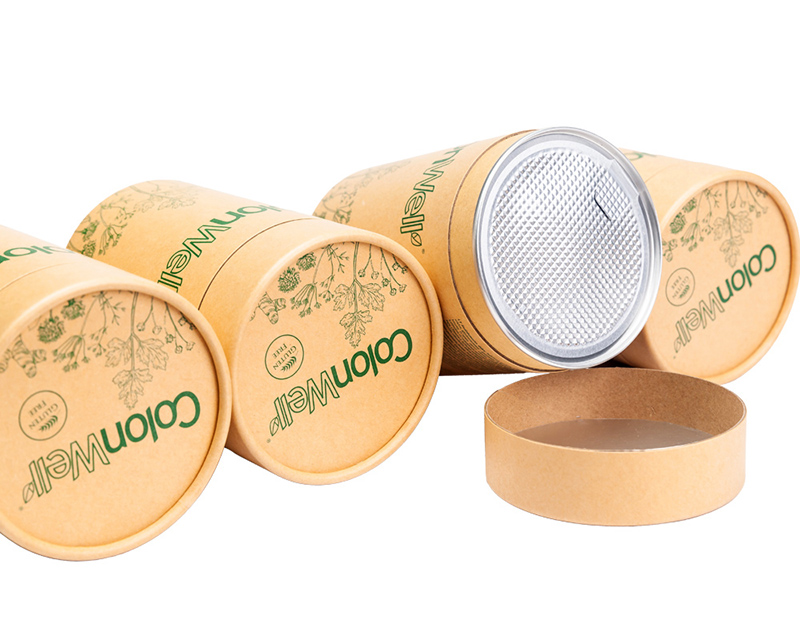 Custom Airtight Round Composite Paper Canister for 400g Collagen PowderThis 3-piece canister with peelable foil seal and tinplate bottom offers strong moisture protection, preventing clumping for supplements like collagen. Its recycled paper body also makes it a sustainable packaging choice.View Product →
When evaluating suppliers, ask for the 3-piece construction details up front: number of plies, paperboard basis weight, and liner specification. These three variables decide most of the unit cost and most of the field performance.
When a cardboard canister makes sense
The decision rule is simple. Choose a canister when the product needs crush protection and shelf presence that a pouch cannot deliver, and when you want to avoid the weight and material perception of metal or rigid plastic. Choose a pouch when unit price dominates every other criterion and your channel tolerates flexible packaging.
Buyers repeatedly choose canisters for four reasons:
- Barrier performance with a foil liner: a canister with aluminum foil liner and metal ends transmits far less oxygen and moisture than a standard poly film pouch — the key for roasted coffee, protein powders, and loose-leaf tea.
- A 360-degree print surface: the entire circumference carries brand copy, with print and embossing available on top and bottom ends.
- Crush resistance and stackability: rigid walls survive warehouse stacking and transit better than bags, and a paperboard body does not dent like thin metal.
- Recyclable paper content: the paperboard body is widely recyclable; some recycling programs ask consumers to separate metal ends, so verify the claim for your market.
The honest counterpoint: a canister costs more per unit than a flat pouch, and the cylindrical void adds shipping cube. If your channel is mostly e-commerce, model the freight impact before committing to a format change.
Closure systems are the biggest specification decision
The closure determines how fresh the product stays, how the consumer opens and reseals the package, and a large share of tooling cost. Use this comparison as a starting point, then test the full assembly with your product under realistic distribution conditions.
| Closure type | Best used for | Barrier quality | Consumer experience | Relative cost |
|---|---|---|---|---|
| Peelable aluminum foil inner seal | Protein powder, supplements | Hermetic one-time seal | Easy open, no reclose | Medium |
| Tinplate slip lid | Coffee, tea, premium gifts | High with gasket or liner | Reusable, premium feel | High |
| Plastic snap lid | Snacks, pet treats, cookies | Medium | Lightweight, reclosable | Low |
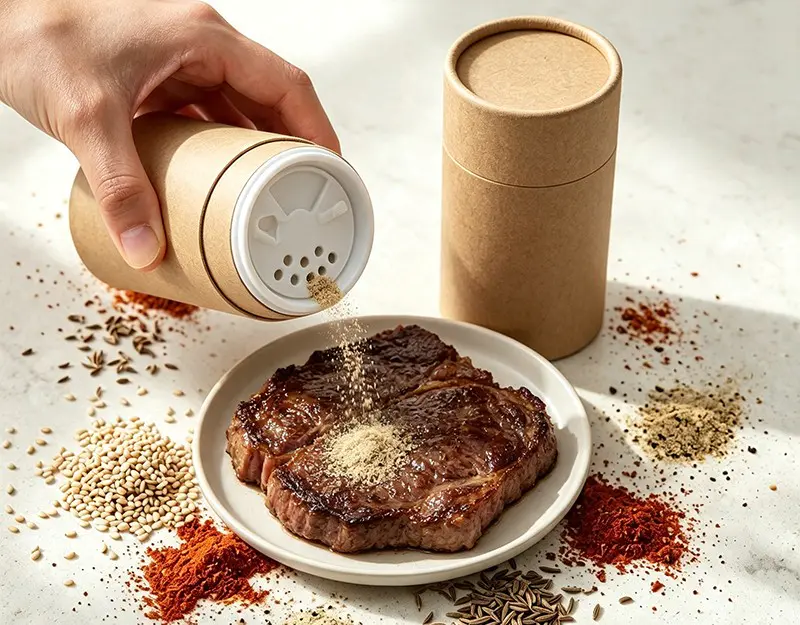
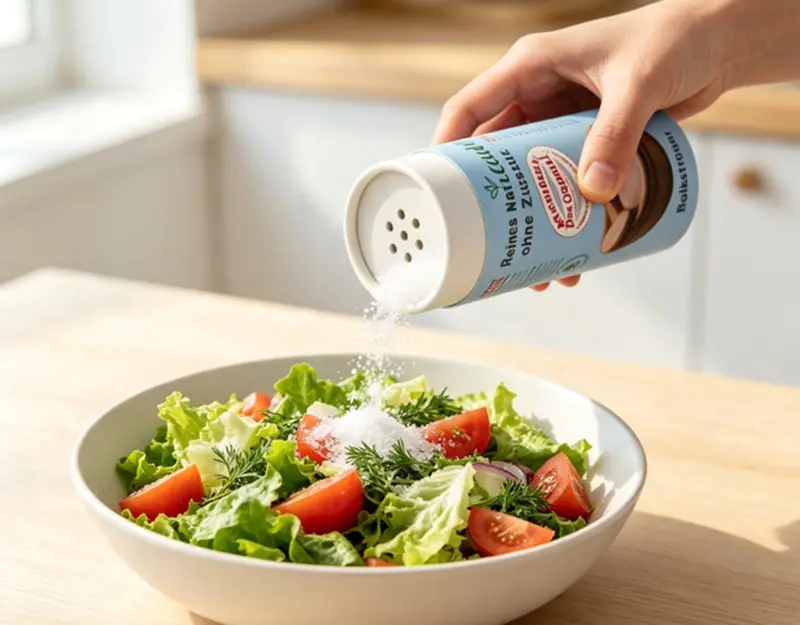
| Sifter shaker top | Spices, salts, seasonings | Low–medium, pairs with foil seal | Controlled dispensing | Medium |
| One-way degassing valve | Freshly roasted whole-bean coffee | High; releases CO2 without oxygen ingress | Keeps beans fresh | High |
| Embedded pull-tab lid | Ready-to-eat snacks, pet food | Medium–high | Full-rim easy opening | Medium |
Two practical notes. A coffee canister with a valve and a protein powder canister with a peelable foil seal solve different problems — CO2 release versus moisture clumping — so do not accept a supplier recommendation for one closure to serve both. And lid fit changes with humidity: paperboard absorbs moisture, which makes the canister swell and the lid either bind or loosen. A factory that has produced thousands of canisters designs for this; a general box factory may not.
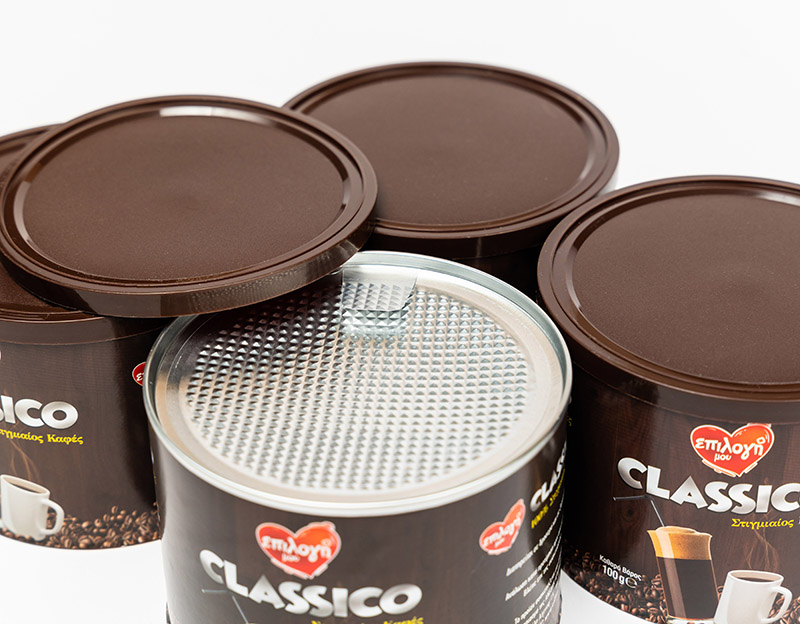 OEM Airtight Coffee Canister with One-Way Degassing Valve and PFAS-Free ConstructionDesigned for freshly roasted coffee, this paper canister releases CO2 while keeping oxygen and moisture out, preserving aroma and extending shelf life. The PFAS-free, recyclable build suits eco-conscious coffee brands.View Product →
What to specify by product category
Each product family places different demands on barrier, dispensing, and resealability. The table below shows the combinations that work best in commercial practice.
| Product | Recommended structure | Why it works |
|---|---|---|
| Whole-bean coffee | Foil liner, metal bottom, one-way valve | CO2 escapes while oxygen stays out |
| Ground coffee | Foil liner, metal bottom, tinplate slip lid | Oxygen barrier plus resealability |
| Loose-leaf tea | Foil liner, metal or plastic lid, optional window | Light and moisture protection |
| Protein / supplements | Peelable foil inner seal, metal bottom, plastic lid | Moisture barrier prevents clumping |
| Spices and salts | Sifter top with foil inner seal | Controlled dosing and tamper evidence |
| Snacks and cookies | Paper bottom, plastic snap lid, optional window | Crush resistance without high barrier cost |
| Pet treats | Paper bottom, plastic snap lid | Low cost, easy reclose |
| Bath salts / body powders | Sifter top, moisture-resistant liner | Dispensing plus bathroom humidity resistance |
Size standardization matters for pricing as much as material choice. The 250g coffee canister and the 500g–1kg supplement canister are produced so often that tooling costs are lower and lead times shorter than for non-standard diameters. Staying close to those sizes will usually improve your price.
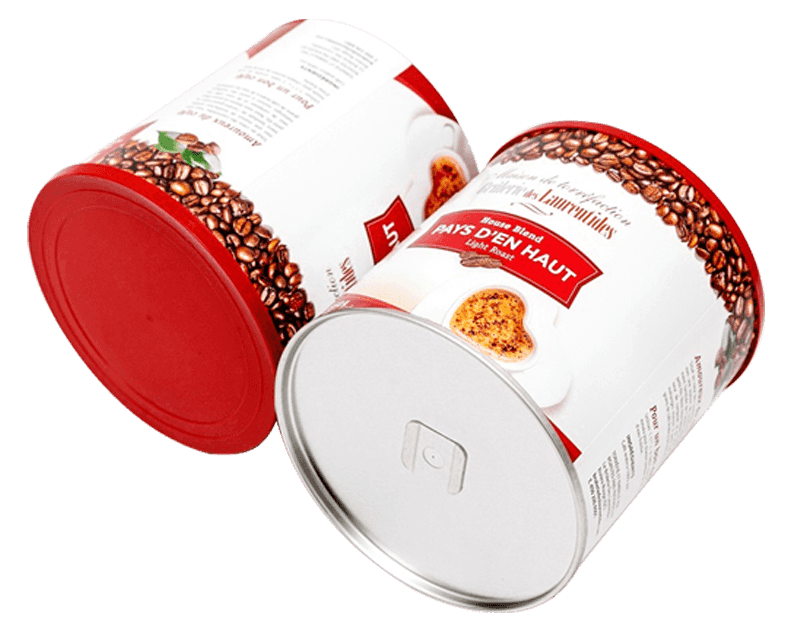 Food-Grade Airtight Paper Tube Coffee Canister with One-Way ValveThis customizable paper canister combines an airtight seal with a degassing valve, ideal for coffee beans or ground coffee. Its food-grade materials and standard sizes support cost-effective ordering for frequent production runs.View Product →
For a deeper look at how airtight canister construction preserves freshness, read our walkthrough of airtight paper canister packaging and how it works.
Sourcing: verify these points before production
The pre-production sample is not the production standard unless your specification sheet locks it down. Three issues account for most canister quality failures: dimensional drift, liner substitution, and lid-fit inconsistency. Address them in writing.
- Dimensional tolerances: ask for the inside-diameter tolerance (typically ±0.3mm for spiral-wound bodies) and wall thickness (usually 1.0–2.5mm by diameter), and verify measurements on the production batch.
- Liner material: require a written liner specification — for example, 12-micron aluminum foil laminated to LDPE — plus food-contact compliance documents for your market, whether QS, FDA 21 CFR, or EU 1935/2004.
- Print and decoration: ask whether the supplier runs flexographic or gravure printing, whether embossing is available, and how many Pantone colors are guaranteed per pass. Batch-to-batch color drift is a common retail rejection cause.
- Humidity resistance: specify a humidity-resistance requirement if you ship to damp markets. A canister held at 70% relative humidity can change diameter enough to alter lid fit by the time it reaches the shelf.
- MOQ and lead time: custom printed canisters with metal ends normally need 2–4 weeks for tooling plus production time. Ask about current line load rather than a generic lead-time estimate.
Before approving mass production, run three internal checks. Fill a production sample with your actual product and hold it for two weeks at 30°C and 70% relative humidity to measure moisture gain. Drop-test packaged canisters from chest height onto concrete to confirm the bottom crimp holds. Open and close the lid ten times, because a lid that loosens after five openings will generate consumer complaints.
If you are still deciding between formats, our buyer's guide to paper tube packaging types, uses, and selection criteria covers the broader family of cylindrical paper packaging.
The bottom line
A cardboard canister is a mature, proven packaging format, not a novelty. With a foil liner, a correctly matched closure, and a consistent body construction, it can deliver shelf life close to rigid metal packaging while keeping the material bill dominated by recyclable paperboard. That combination is why roasters, supplement brands, spice producers, and pet food companies keep adopting it.
The lesson from more than two decades of composite-can manufacturing is simple: the format is only as good as its specification. Match the closure to the product's real barrier needs, verify dimensional tolerances and food-contact compliance, and test under realistic conditions. Do that, and a cardboard canister is far more than a tube with two lids — it is a durable, shelf-saleable package that your product and your retail customers will both appreciate.
