 English
 Español


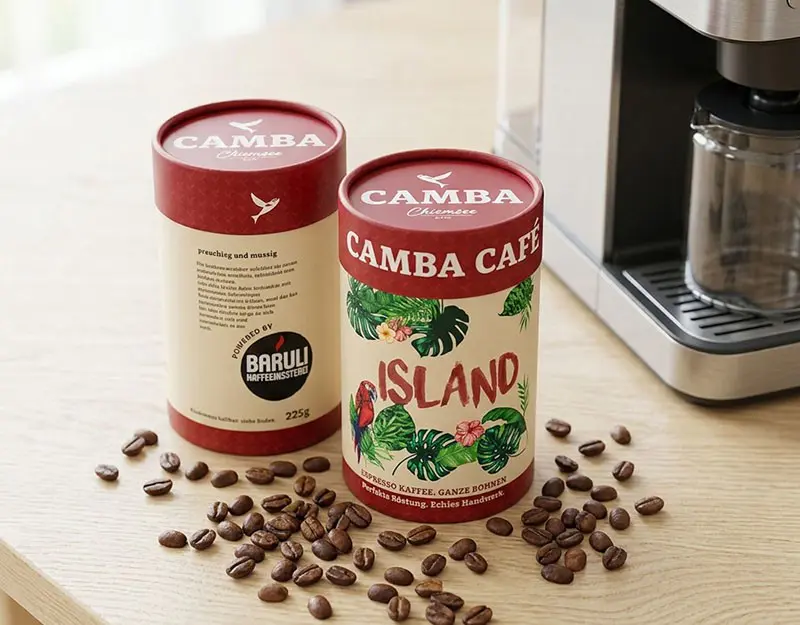
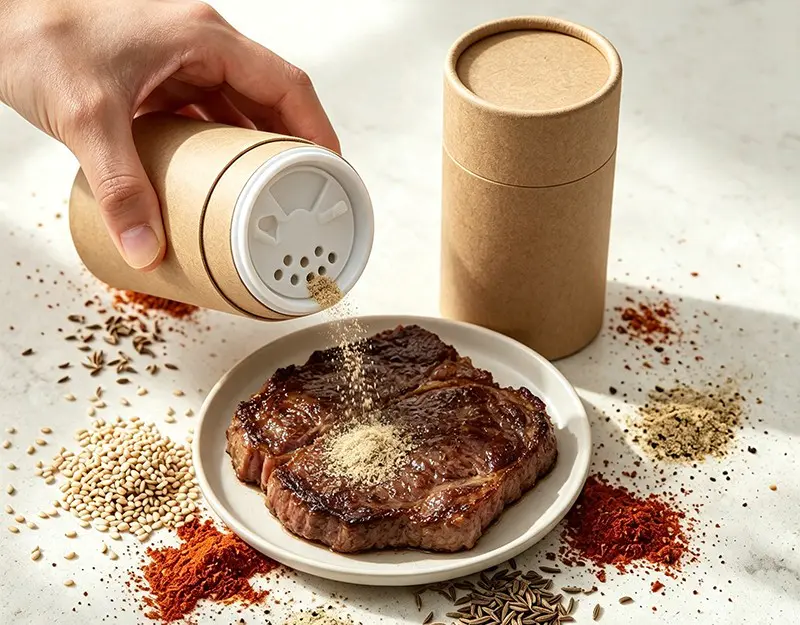

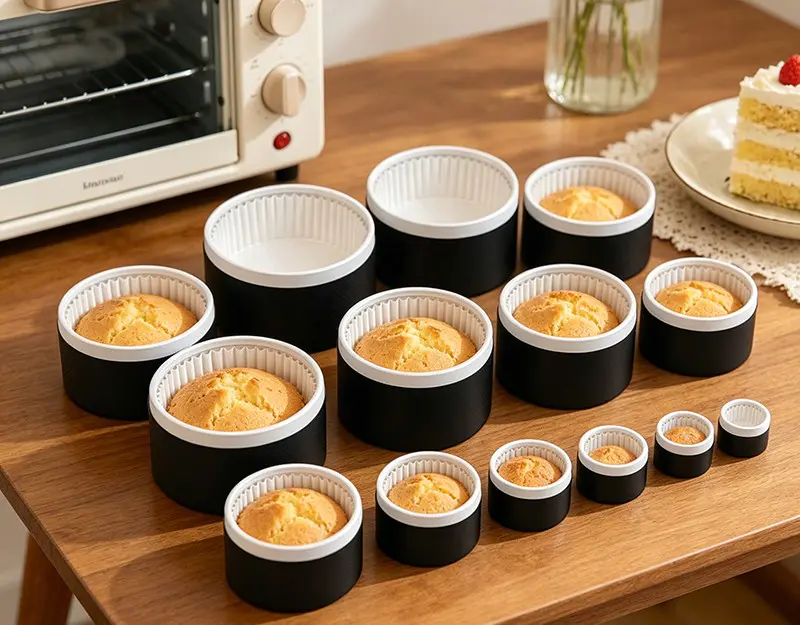

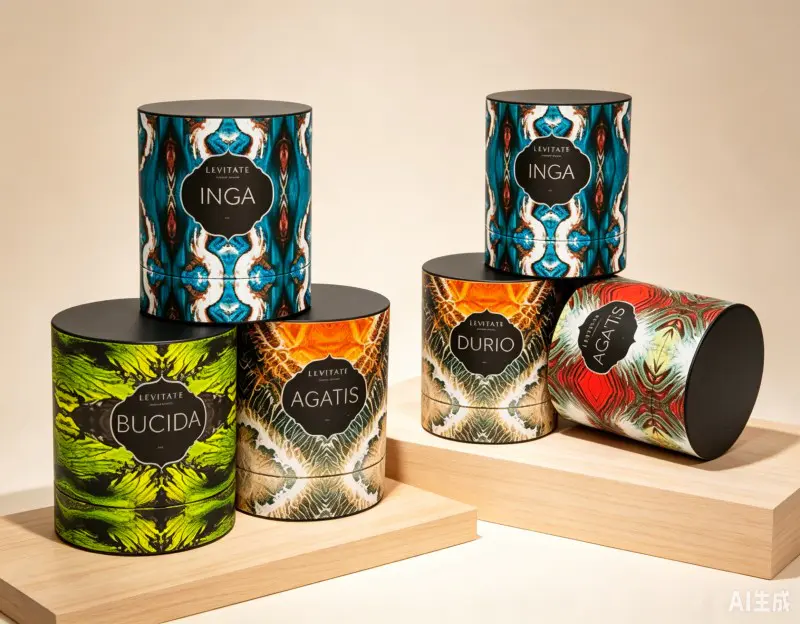
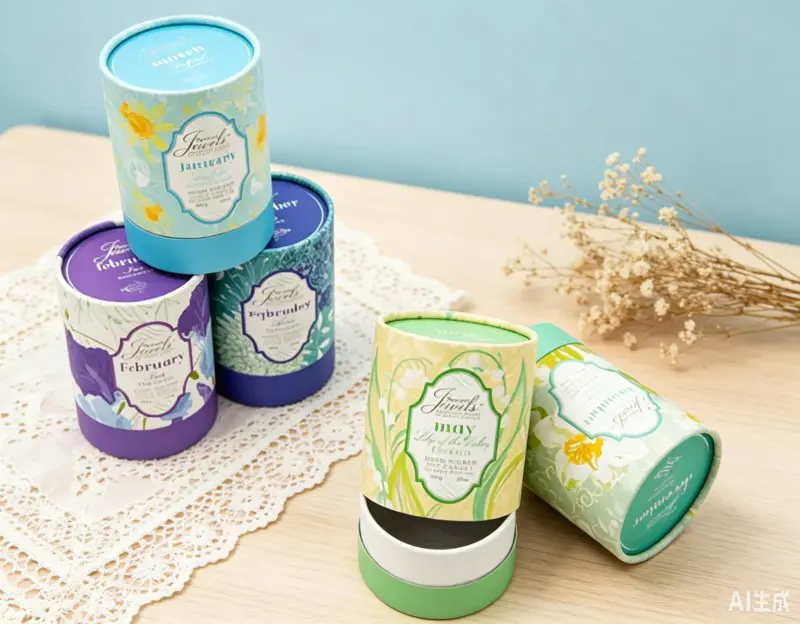
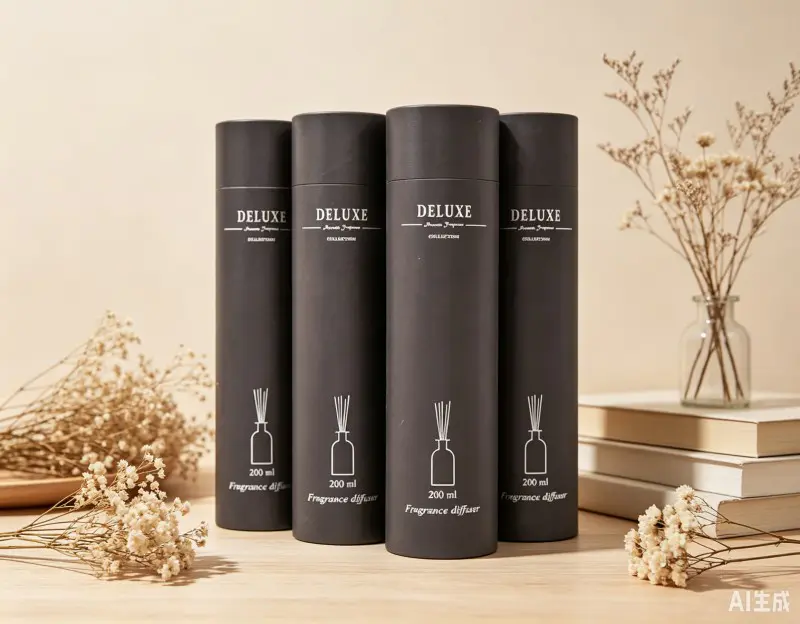
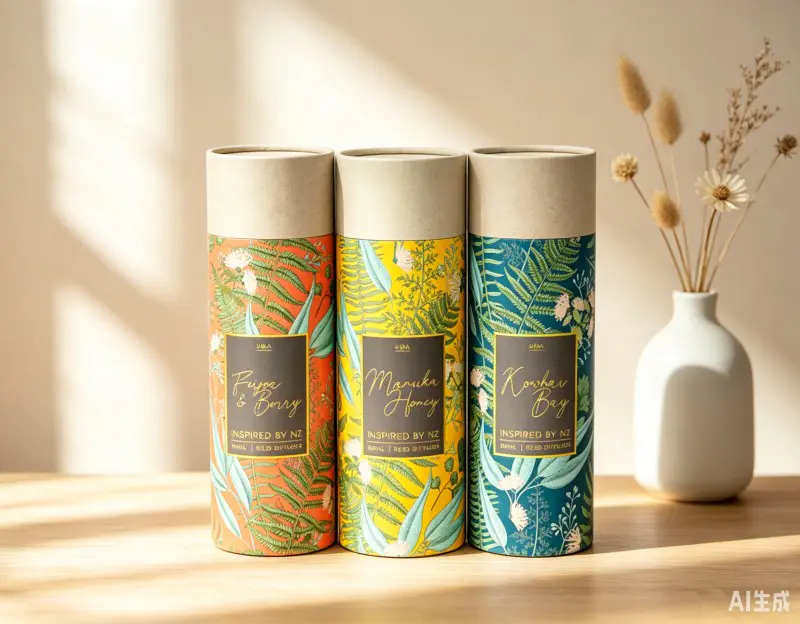
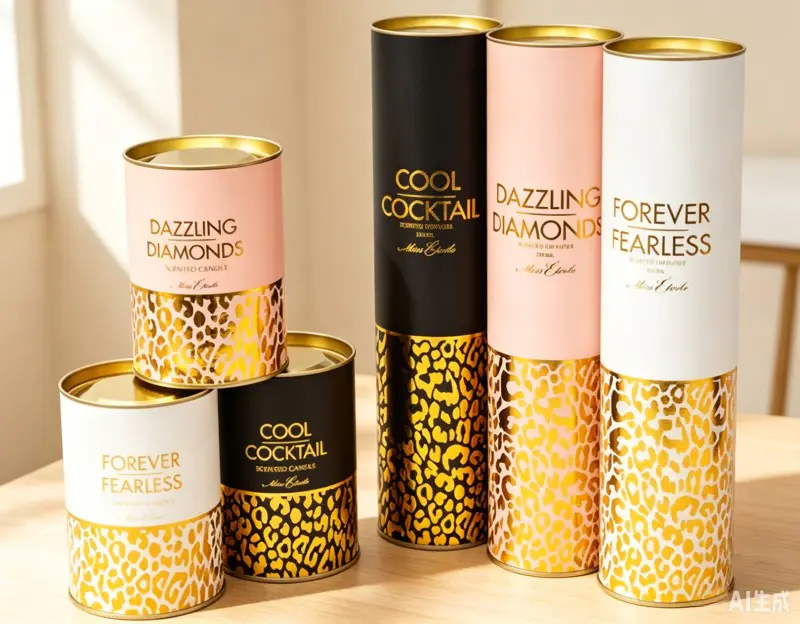
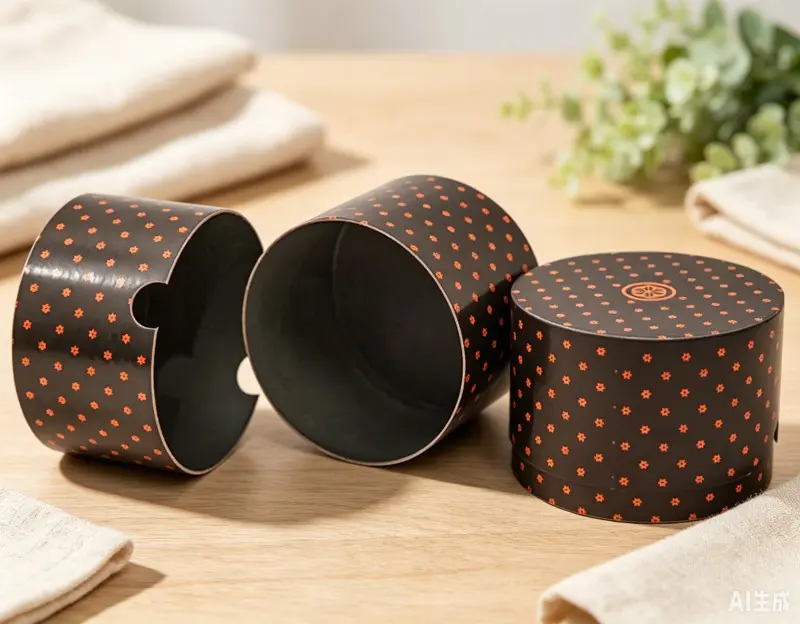
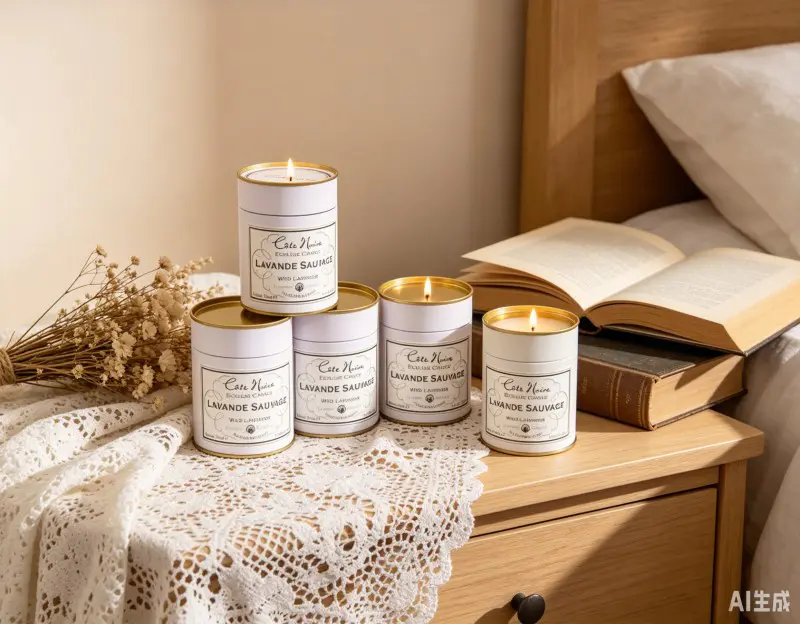

As one of the top China cardboard tube packaging manufacturers and paper tube packaging suppliers, we devote all of our efforts to research and launch more high quality packaging products to global market.
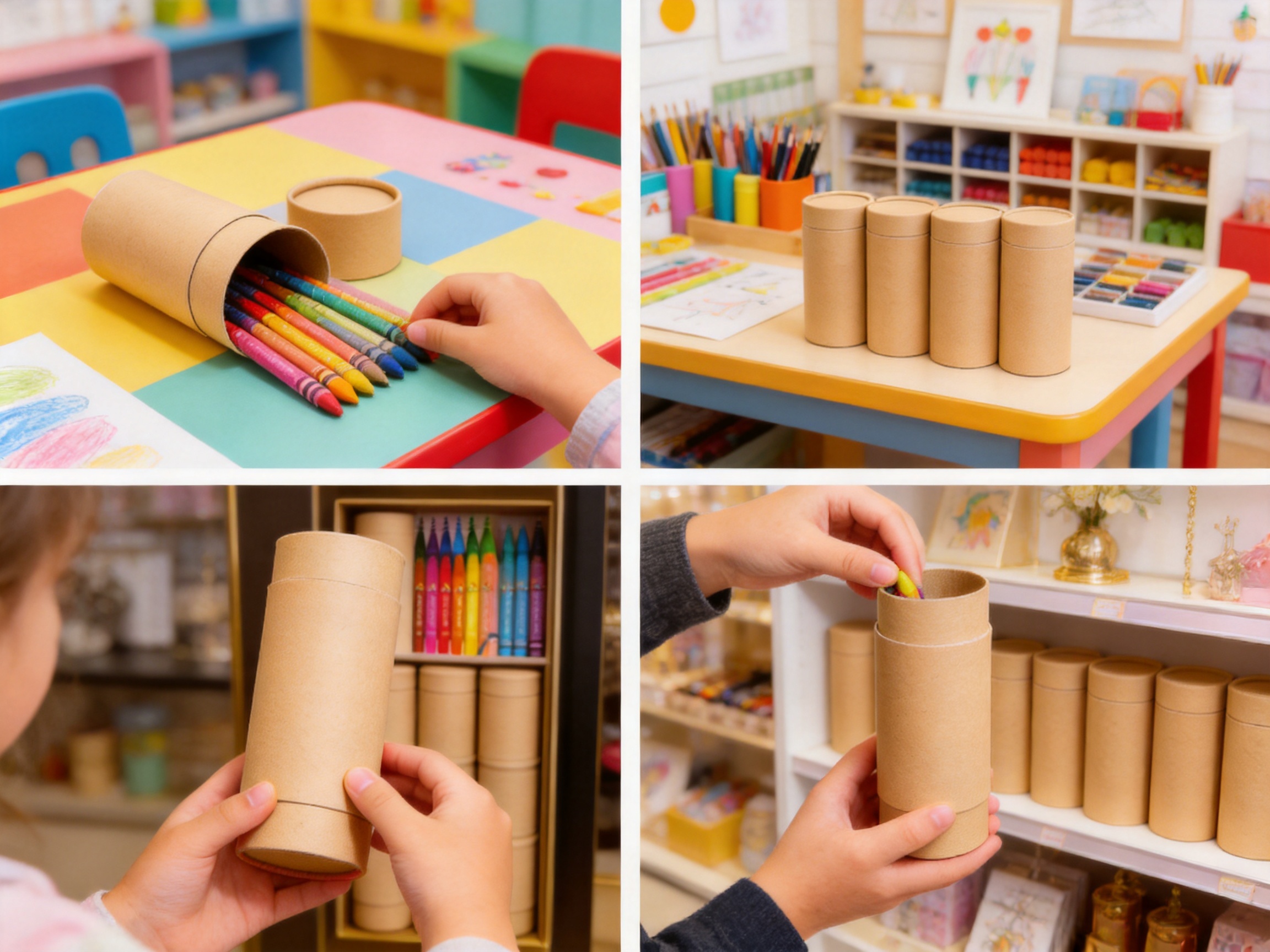
Blank crayon boxes are more than simple containers for coloring materials. They are practical retail packages, creative gift items, educational product holders, and reusable storage solutions. A well-designed crayon package protects the contents, supports attractive branding, improves shelf presentation, and gives customers a convenient way to organize and transport crayons. The blank crayon boxes described in this article combine a cylindrical paper tube structure with customized printing, a white paper lining, rolled edges, and eco-conscious material choices.
This product is designed for brands, manufacturers, educational suppliers, gift companies, art-material producers, and retailers that need a distinctive alternative to conventional folding cartons or plastic containers. Its two-piece paper tube construction provides a rigid body and a secure top, while the cylinder shape offers a comfortable hand feel and efficient use of internal space. With CMYK printing, matte lamination, custom logos, and flexible design options, the packaging can be developed for both private-label products and branded crayon collections.
The packaging is manufactured by Hangzhou Qunle Packaging Co., Ltd., a Chinese producer with more than 20 years of experience in composite cans and paper can manufacturing. The company’s background in paper-based containers supports the production of reliable packaging for food, daily chemical products, fast-moving consumer goods, gifts, and other industries. This experience is especially valuable for crayon packaging, where structural consistency, clean finishing, dimensional accuracy, and visual quality all influence the final customer experience.
Content
- 1 Understanding the Blank Crayon Box Concept
- 2 Key Product Specifications
- 3 Structural Advantages of the Two-Piece Paper Tube
- 4 Material Selection and Eco-Conscious Positioning
- 5 Printing and Surface Finishing
- 6 Advantages Compared with Conventional Crayon Packaging
- 7 Manufacturing Capabilities and Process Strengths
- 8 Company Experience and Industry Strengths
- 9 Customization Opportunities for Crayon Brands
- 10 Design Recommendations for Effective Packaging
- 11 Ordering and Development Process
- 12 Applications Beyond Standard Crayon Sets
- 13 Commercial Benefits for Brands and Retailers
- 14 How to Compare Suppliers
- 15 Frequently Asked Questions
- 15.1 What are blank crayon boxes?
- 15.2 What is the structure of the crayon packaging?
- 15.3 What size is available?
- 15.4 Can the packaging carry a custom logo?
- 15.5 What printing method is specified?
- 15.6 What surface treatment is available?
- 15.7 Is the package made from paper?
- 15.8 Is the packaging environmentally friendly?
- 15.9 What is the minimum order quantity?
- 15.10 Can the packaging be used for products other than crayons?
- 15.11 Why choose a paper tube instead of a folding carton?
- 15.12 Why is sampling important?
- 16 Conclusion
- 17 References
- 18 Product: Blank Crayon Boxes Crayon Packaging
Understanding the Blank Crayon Box Concept
A blank crayon box is a paper package supplied with a neutral or customizable exterior that can be printed according to the buyer’s design requirements. The term “blank” does not mean the package must remain unprinted. Instead, it commonly refers to a ready-to-customize package format that can be adapted with artwork, logos, product information, educational graphics, seasonal themes, or retail branding.
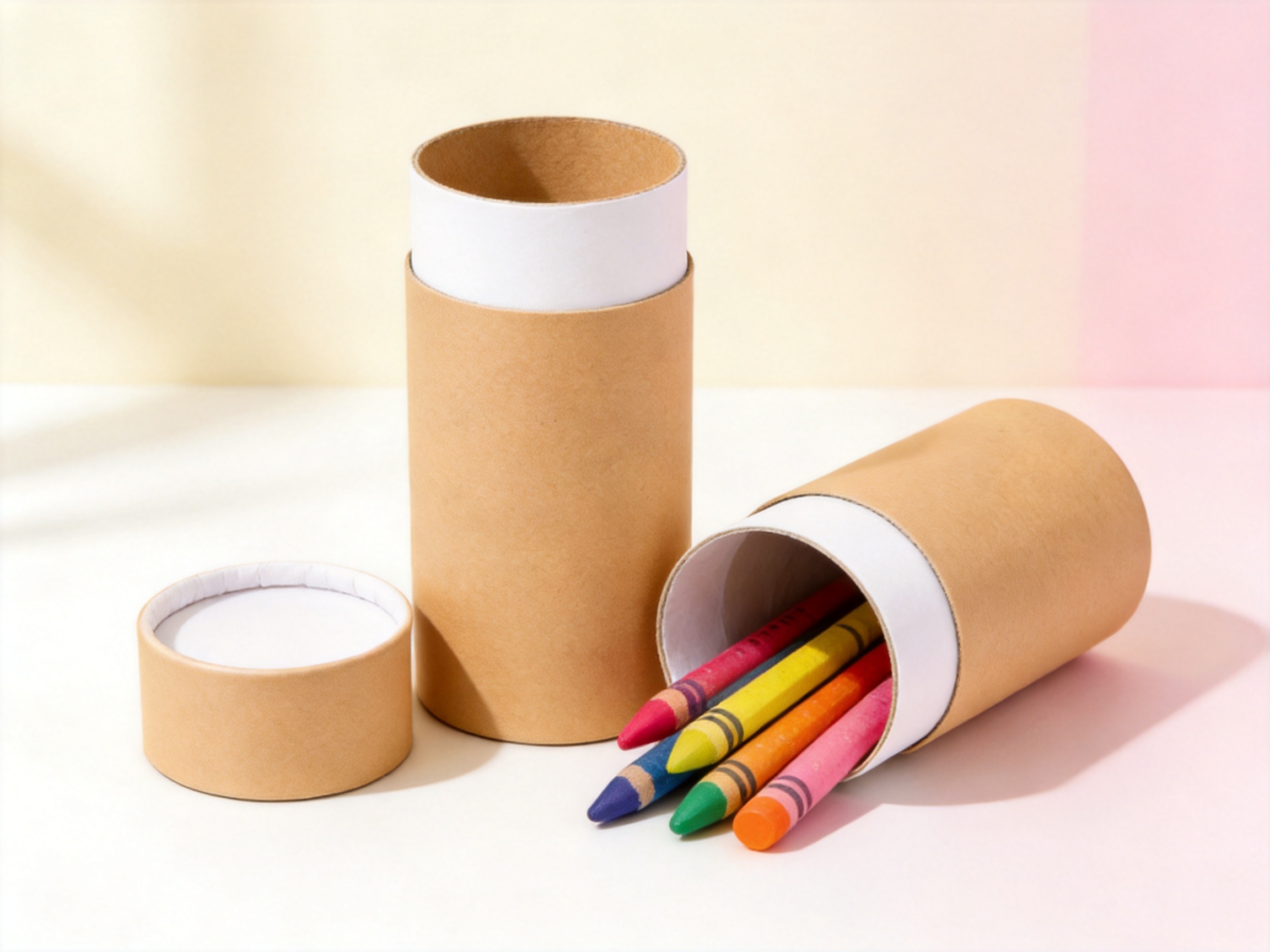
The product is built as a two-piece paper tube with rolled edges. The cylindrical body forms the main storage chamber, while the separate top or cover gives the package a finished appearance and helps keep the contents inside. This structure is different from a thin folding carton because it offers greater rigidity and a more substantial feel in the hand. It is also different from many plastic crayon cases because it is primarily made from paper-based materials and can support a more natural, premium, and environmentally responsible brand message.
The listed internal diameter range is approximately 73.8 to 76.5 millimeters, with a height of 125 millimeters. This format is suitable for cylindrical arrangements of crayons and can also be adapted for related creative products when the internal dimensions are confirmed during sampling. The final dimensions can be evaluated against the number, length, and arrangement of crayons, as well as any insert, sleeve, or protective component required by the product.
Because the packaging is produced for custom orders, buyers can discuss artwork, logo placement, surface treatment, labeling, internal organization, and other design factors before mass production. This makes the package suitable for small brand launches, retail programs, promotional products, craft kits, school supplies, and gift collections.
Key Product Specifications
| Specification | Product Information | Packaging Benefit |
|---|---|---|
| Product type | Blank crayon boxes and crayon packaging | Suitable for custom branding and private-label development |
| Construction | Two-piece paper tube with rolled edges | Provides a rigid body and a finished, comfortable rim |
| Material | Paper, coated paper, kraft paper tube core | Supports a paper-based, recyclable-oriented packaging concept |
| Lining | White paper lining | Creates a cleaner interior and a more finished appearance |
| Shape | Cylindrical | Offers a distinctive presentation and efficient vertical storage |
| Approximate size | Internal diameter 73.8–76.5 mm; height 125 mm | Designed for compact crayon sets and similar creative products |
| Printing | CMYK printing | Allows colorful artwork, illustrations, logos, and product information |
| Surface treatment | Matte lamination | Reduces glare and provides a smooth, refined surface |
| Branding | Custom logo accepted | Helps strengthen recognition and retail identity |
| Order type | Custom orders accepted | Supports tailored packaging programs |
| Minimum order quantity | 5,000 pieces | Appropriate for commercial launches and ongoing retail supply |
Structural Advantages of the Two-Piece Paper Tube
Rigid cylindrical protection
The paper tube body provides a stronger structure than many lightweight folding cartons. Crayons can be vulnerable to pressure, impact, and disorganization during transportation. A rigid cylindrical container helps create a protective outer shell around the contents. Although the exact level of protection depends on wall thickness, closure fit, material specification, and packing conditions, the tube format generally offers a more substantial barrier than a thin paperboard sleeve.
The rounded structure also distributes external pressure around the package. Instead of relying on a few flat panels and folded corners, the cylindrical wall creates a continuous form. This can reduce the likelihood of sharp corner damage and contribute to a more durable appearance during handling, stocking, and display.
Secure two-piece construction
The separate top and body create a straightforward opening and closing experience. Customers can remove the cover to access the crayons and replace it after use. This recloseable format is valuable for children, parents, teachers, artists, and gift recipients because the packaging can continue to function as storage after the product is opened.
A well-fitted cover also helps prevent crayons from spilling inside bags, drawers, or storage bins. For product developers, the two-piece design provides opportunities to create contrast between the lid and body, place a logo prominently on the top, or use the upper section as a visual focal point.
Rolled edges for a finished appearance
Rolled edges add refinement to the tube opening and help soften the exposed paper edge. This detail can improve the tactile experience when the lid is removed and replaced. It also creates a more finished appearance compared with an unprocessed cut edge. For gift-oriented or premium creative products, edge treatment can make a meaningful difference in how customers perceive quality.
Rolled edges may also help maintain dimensional consistency at the opening when produced with suitable tooling and process controls. The actual performance depends on material thickness, paper construction, forming accuracy, and quality inspection, but the feature is an important part of the product’s structural and visual design.
Efficient use of vertical space
The cylindrical format uses vertical space effectively. Crayons can be arranged upright or in a compact bundle, allowing a relatively small footprint on shelves, counters, classroom tables, and craft-storage areas. The package can stand independently when the base is properly formed, making it suitable for point-of-sale displays and gift arrangements.
Its vertical profile also gives designers a larger continuous surface for artwork. Instead of dividing a design across multiple carton panels, a cylindrical label or printed wrap can create a flowing visual presentation around the package. Illustrations, color bands, educational messages, and themed graphics can continue around the circumference.

Blank Crayon Boxes Crayon Packaging
Material Selection and Eco-Conscious Positioning
The product uses paper-based materials, including coated paper and a kraft paper tube core. This construction supports brands that want to reduce dependence on conventional plastic packaging or introduce more fiber-based materials into their product range. The listed product features include recycled materials and an eco-friendly positioning, making the packaging relevant to companies that consider material sourcing and end-of-life communication important parts of their brand strategy.
Paper-based packaging can provide several marketing advantages. It has a familiar natural appearance, accepts high-quality printing, and can communicate a handmade, educational, artistic, or environmentally aware identity. These qualities are particularly compatible with crayons, coloring kits, children’s craft products, and creative gifts.
Environmental performance should always be evaluated according to the complete package specification. Buyers should confirm the precise paper grades, recycled content, coatings, adhesives, ink systems, and local recycling requirements before making specific environmental claims. Matte lamination may affect recycling options depending on its composition and local collection systems. Responsible packaging communication should therefore use accurate, supportable language rather than broad claims that cannot be verified in the intended market.
Even with these considerations, paper tube packaging can provide a strong foundation for a lower-plastic packaging strategy. The use of a paper tube core, paper lining, and coated paper outer layer allows buyers to explore a structure that combines practical performance with a paper-forward visual identity. The material can also be presented as reusable storage, which may extend the useful life of the package beyond the first opening.
Printing and Surface Finishing
CMYK printing for colorful product presentation
Crayon packaging depends heavily on color. The package should communicate creativity, imagination, and playfulness before the customer opens it. CMYK printing supports the reproduction of colorful graphics, gradients, illustrations, photographs, product icons, and branded visual systems. It is suitable for packaging designs that require multiple colors rather than a simple one-color mark.
Designers can use the full exterior surface for a coordinated composition. A children’s crayon set might use bright illustrations and friendly characters, while an artist-focused product might use restrained typography and color swatches. A school-supply brand could include educational information, age guidance, counting graphics, or a simple color chart. A gift company could develop seasonal designs for holidays, birthdays, or classroom celebrations.
Before mass production, artwork should be checked for resolution, bleed, color mode, dieline alignment, text size, and the effect of wrapping artwork around a curved surface. Important information should not be placed too close to the seam, edge, or lid interface. Small text should be reviewed at the expected viewing distance, especially when the tube has a relatively compact diameter.
Matte lamination for a refined tactile effect
Matte lamination creates a low-glare surface that can give the package a softer and more sophisticated appearance. This is useful under retail lighting, where strong reflections can make printed information difficult to read. A matte surface can also make illustrations appear more subtle and premium, helping the packaging stand apart from glossy cartons and plastic containers.
From a handling perspective, matte lamination can provide a smooth touch and may help protect the printed exterior from light scuffing. It does not make paper packaging indestructible, and performance depends on the selected film, adhesive, paper surface, and production conditions. Nevertheless, it is a valuable finishing option for brands that want a balance between attractive presentation and everyday usability.
Custom logo integration
A custom logo can be positioned on the body, lid, or both components. Repeating the logo around the tube may improve recognition from different shelf angles, while a single centered mark can create a cleaner premium look. The top of the lid is another important branding location because it remains visible when the packages are stacked or displayed vertically.
Logo size, contrast, and placement should be considered alongside the overall design. A mark that is too small may disappear on a curved surface, while a design with insufficient contrast may lose clarity after lamination. The manufacturer’s pre-production review can help confirm whether the artwork is suitable for the selected tube diameter and printing method.
Advantages Compared with Conventional Crayon Packaging
More durable than lightweight folding cartons
Folding cartons are widely used for crayons because they are economical, printable, and easy to stack. However, they can lose their shape when compressed, exposed to moisture, or repeatedly opened and closed. A paper tube offers a more rigid alternative with a stronger three-dimensional form. This can improve perceived quality and provide better long-term storage after purchase.
The cylindrical tube is especially useful when the product is intended to be reused. A folding carton may be discarded after opening or become difficult to close once the contents have been removed. A two-piece tube can remain functional as a container, helping customers keep crayons together and reducing the chance that individual pieces will be lost.
More distinctive than basic plastic containers
Plastic tubs and cases can offer impact resistance, but they may look generic and can conflict with a brand’s sustainability objectives. Paper tube packaging provides a warmer tactile impression and more space for printed storytelling. It can make an ordinary crayon set feel like a gift, a creative collection, or a carefully designed educational product.
The paper exterior is also compatible with natural, handmade, artistic, and premium brand identities. For a company seeking to differentiate itself in a crowded stationery or gift market, the package shape itself becomes part of the product experience rather than merely a protective shell.
Better shelf presence than flat packages
A vertical cylinder can stand out among rectangular boxes. Its unusual silhouette may attract attention in gift shops, art-supply stores, bookstores, school-supply aisles, and online product photography. The shape creates a clear visual signature that can be repeated across a product family, such as crayons, colored pencils, chalk, markers, craft tools, or small gift accessories.
Retailers can display the tubes upright in groups, arrange them by color theme, or place them in small countertop presentations. The package can also be photographed from several angles without requiring complicated staging. These advantages are useful for both physical retail and e-commerce marketing, where distinctive product shapes can improve visual memorability.
Stronger brand storytelling opportunities
A paper tube can communicate more than product specifications. Its material, texture, shape, and opening experience can support a brand story centered on creativity, responsible design, quality, or reusability. The printed surface can include artwork instructions, activity suggestions, brand history, educational content, or a message about responsible material choices.
When packaging is thoughtfully designed, customers may keep it for storing crayons, beads, craft tools, buttons, small toys, or other household items. This extended use can increase the perceived value of the original product and encourage positive engagement with the brand.
Manufacturing Capabilities and Process Strengths
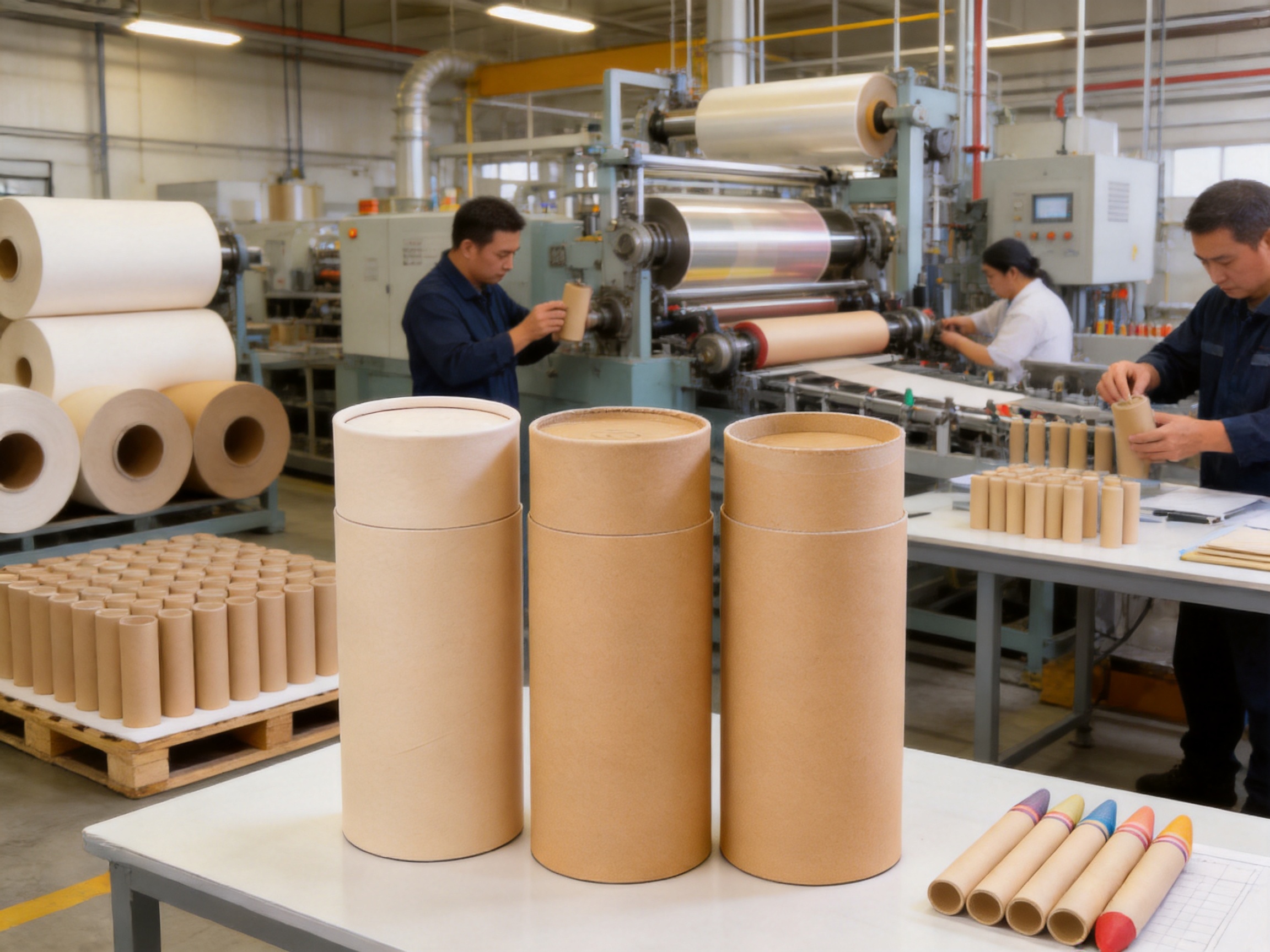
The manufacturer’s more than two decades of experience in composite cans and paper cans provides an important foundation for producing paper tube packaging. Composite container manufacturing requires control over paper materials, forming, bonding, dimensional tolerances, finishing, and quality inspection. These capabilities are directly relevant to the production of cylindrical crayon boxes.
Material preparation and tube forming
Production begins with the selection and preparation of paper materials. The coated outer paper must be suitable for printing and finishing, while the kraft paper tube core must provide sufficient rigidity for the intended package. Material properties such as thickness, stiffness, moisture content, surface smoothness, and bonding compatibility can influence the final result.
The paper layers are formed into a cylindrical body using controlled winding and bonding processes. Accurate alignment is important because uneven seams, inconsistent tension, or irregular adhesive application can affect the tube’s roundness and the fit of the lid. Experienced production teams use process standards to maintain consistency across large quantities.
The manufacturer’s investment in a high-speed composite can production line from Europe in 2015 demonstrates a focus on industrial-scale production capability. High-speed equipment can support stable output, repeatable forming, and improved production efficiency when properly operated and maintained. Automation or semi-automation can also reduce variation caused by manual handling.
Edge rolling and component assembly
After the tube body is formed, the edges are processed to create the specified rolled-edge finish. The rolling operation must be coordinated with the material structure and dimensions so that the edge is smooth, stable, and compatible with the lid. The two-piece components are then checked for fit, appearance, and functional opening and closing.
Proper assembly is particularly important for reusable packaging. A lid that is too loose may fall off during transportation, while a lid that is too tight may frustrate customers or damage the tube edge during repeated use. Sampling and dimensional checks help manufacturers identify the correct balance between security and usability.
Printing and post-printing handling
CMYK printing is applied according to the approved artwork and production specification. The printed paper must be handled carefully to prevent scratches, smears, registration problems, or color inconsistency. Post-printing matte lamination is then applied to protect and refine the exterior surface.
Color management is an important part of branded packaging production. Buyers should approve a physical sample or color standard before mass production because the appearance of ink can change according to paper whiteness, coating, lamination, lighting, and viewing conditions. A production sample can also reveal how artwork follows the tube’s curve and whether the logo is correctly positioned.
Quality inspection
Quality control for blank crayon boxes may include checks for tube diameter, height, wall condition, lid fit, edge smoothness, print clarity, lamination quality, color consistency, surface cleanliness, and overall appearance. Inspection standards should be established before production so that the manufacturer and buyer share the same expectations.
For commercial projects, quality control can be supported by approved samples, written specifications, production checkpoints, and packaging tests. Buyers may also request information about carton packing, stacking orientation, shipment protection, and storage conditions. These steps help reduce the risk of damage before the products reach the final customer.
Company Experience and Industry Strengths
Hangzhou Qunle Packaging Co., Ltd. has been engaged in the composite can and paper can industry for more than 20 years. Its packaging business serves food, daily chemical products, fast-moving consumer goods, and other product categories. This broad industry exposure can benefit crayon packaging buyers because it indicates experience with different material requirements, design expectations, production volumes, and quality standards.
The company is described as a member of the international Composite Can and Tube Institute, making it part of a professional network associated with composite can and tube packaging. It was also the first enterprise in China to pass the QS certificate for producing food packaging containers, according to the supplied company information. While crayon packaging has its own product considerations, experience with regulated packaging categories can reflect attention to process management, material control, and production discipline.
The company has developed long-term partnerships with recognized businesses and brands in food, beverage, tea, coffee, confectionery, nutrition, and consumer goods. These relationships suggest familiarity with commercial packaging programs in which consistent quality, reliable delivery, accurate artwork, and responsive communication are essential. The company also reports more than ten patented technologies and continued investment in product research and development.
For a buyer seeking custom crayon packaging, the major advantage is the combination of specialized paper tube knowledge and factory-direct production. Direct communication with the manufacturer can simplify discussions about dimensions, printing, finishing, samples, packaging quantities, and production schedules. It may also help reduce unnecessary layers between the product developer and the production team.
Customization Opportunities for Crayon Brands
Educational and classroom collections
Educational suppliers can use the tube for color-learning kits, preschool supplies, classroom activity sets, and teacher resources. The packaging may include color names, counting information, simple learning prompts, or age-appropriate illustrations. A sturdy reclosable format is helpful in classroom environments because it supports repeated use and organized storage.
For school programs, the exterior can be designed with a clear product name, recommended age range, safety information, and usage instructions. Buyers should confirm all required labeling regulations in the target market, especially when the product is intended for children.
Premium art and creative collections
Artist-oriented crayon sets can use matte lamination and restrained graphics to create a sophisticated presentation. The tube can display a curated color palette, collection name, artist statement, or information about the materials. A simple design with strong typography may appeal to adult hobbyists, illustrators, art students, and gift buyers.
The tube can also support limited editions. Seasonal artwork, collaboration designs, festival themes, and special color collections can be produced using the same structural format while changing the printed exterior.
Gift and promotional packaging
Crayons are common components in children’s gifts, party favors, museum-shop products, holiday sets, and creative subscription boxes. A printed paper tube can elevate the product from a basic supply item to a ready-to-give package. The compact size is suitable for gift bundles and promotional programs where the package needs to be attractive without taking up excessive space.
Companies can add a custom logo and coordinated visual elements to support events, product launches, educational campaigns, or corporate gifts. The minimum order quantity of 5,000 pieces is appropriate for organizations planning a substantial promotion or retail launch.
Private-label and retail programs
Retailers and distributors can develop exclusive crayon lines under their own labels. The same tube format can be adapted to different colors, themes, and price levels. A retailer might create a basic range with simple graphics, a premium range with enhanced artwork, and a seasonal range with limited-edition designs.
Private-label buyers should prepare a complete product brief covering tube dimensions, crayon quantity, internal arrangement, artwork, regulatory text, barcode requirements, shipping cartons, and target sales channels. Early specification reduces revisions and helps the factory provide an accurate quotation and production plan.
Design Recommendations for Effective Packaging
The most effective crayon tube designs balance visual appeal, usability, protection, and production practicality. Designers should avoid treating the curved surface as if it were a flat carton. The artwork should be developed on the manufacturer’s template, with attention to the body seam, lid position, top and bottom edges, and the direction in which the package will be viewed.
Color selection should support clear communication. Very bright colors can express energy and creativity, while softer palettes may suggest natural materials, calm learning, or premium quality. High contrast between text and background improves readability. If the package uses many illustrations, a clear brand mark and product name should still remain visible.
The lid and body should be considered as one visual system. A contrasting lid can make the opening mechanism obvious, while a matching design can create a seamless appearance. Repeated patterns may hide minor alignment differences, whereas large continuous images require more precise registration. The manufacturer can advise on the practical limits of each design approach.
Interior presentation also matters. The white paper lining creates a cleaner internal appearance and may provide a neutral background around the crayons. Buyers should determine whether the crayons require a paper insert, divider, tray, or other component to prevent movement. The selected internal solution should be tested for fit and ease of removal.
Ordering and Development Process
Step one: define the product requirements
The buyer should first confirm the crayon dimensions, quantity, arrangement, package size, preferred material, color requirements, closure style, and target market. If the exact crayon set is not yet available, representative samples or accurate measurements should be provided. This information allows the manufacturer to evaluate the internal diameter and height.
Step two: confirm the structure and finish
The buyer and manufacturer should agree on the two-piece construction, rolled-edge treatment, lining, paper grades, printing method, matte lamination, logo placement, and any additional components. The product information identifies coated paper, kraft paper tube core, white paper lining, CMYK printing, and matte lamination as the basic direction.
Step three: prepare and review artwork
Artwork should be supplied in a professional production format with correct dimensions, bleed, fonts, linked images, and color settings. The factory can review whether the design is suitable for the cylindrical package. A digital proof is useful for checking content, while a physical sample is more reliable for judging color, texture, lid fit, and overall appearance.
Step four: approve samples
Sampling is an important stage for identifying problems before mass production. The buyer should inspect the tube’s dimensions, edge finish, surface quality, opening force, print alignment, matte effect, and internal space. If the package will be displayed upright, stability should also be checked.
Step five: proceed to mass production
The listed minimum order quantity is 5,000 pieces. Once the sample, artwork, specifications, and commercial terms are approved, production can proceed according to the agreed schedule. The buyer should retain the approved sample and final artwork as reference standards for future orders.
Step six: inspect and prepare for shipment
Before shipment, the finished packages should be checked according to the agreed quality requirements. Proper inner packing and outer cartons are important because paper tubes can be affected by crushing, moisture, friction, and poor stacking. The shipping configuration should protect the printed surfaces and preserve the shape of the lids and bodies.
Applications Beyond Standard Crayon Sets
Although the product is specified for crayon packaging, the paper tube format can potentially support many related creative and gift applications when the dimensions and performance requirements are suitable. Examples may include colored pencils, chalk, markers, craft tools, small toys, art accessories, party favors, and compact educational kits.
The same structural concept may also be used for themed collections. A brand could package a coloring activity kit with crayons, stickers, a small drawing pad, and instructions, provided that the internal volume and protective requirements are confirmed. The cylinder can become a recognizable family packaging format across several creative products.
For non-crayon applications, buyers should verify compatibility with the lining, adhesives, surface treatment, product weight, and intended storage environment. Products containing liquids, oils, powders, or strong fragrances may require different barrier specifications and should not be assumed to be compatible without technical evaluation.
Commercial Benefits for Brands and Retailers
Custom paper tube packaging can increase perceived product value. A customer often judges a product before using it, and a well-finished package creates an expectation of quality. The combination of a rigid tube, rolled edges, matte surface, and custom artwork can make a standard crayon set appear more carefully curated.
The format also provides a useful balance between customization and production practicality. The cylindrical body is distinctive, but it is not so complex that it becomes unsuitable for commercial manufacturing. CMYK printing allows extensive design freedom, while the basic two-piece structure can be repeated across different product versions.
For retailers, the package can help create a recognizable shelf block. Multiple designs using the same shape and dimensions can be displayed together, making the brand easier to identify. For online sellers, the tube provides a strong hero image and can be shown open, closed, upright, or grouped with other creative products.
For sustainability-oriented companies, a paper-based package may support a broader effort to reduce plastic use and encourage reusable packaging. The final environmental claim should depend on verified material and disposal information, but the structure provides a practical starting point for a more fiber-focused product presentation.
How to Compare Suppliers
When comparing paper tube packaging suppliers, buyers should consider more than the quoted unit price. Important factors include experience with cylindrical structures, material consistency, printing quality, edge finishing, lid fit, sampling capability, production capacity, communication, quality control, and ability to handle repeat orders.
A supplier with experience in composite cans and paper cans may be better prepared to address issues such as tube roundness, winding tension, adhesive control, paper grain direction, and closure accuracy. These details can have a major influence on the finished package even when the design appears simple.
Buyers should also ask how the supplier manages artwork approvals, color standards, sample retention, production inspections, defective-product handling, and shipment packing. Clear answers at the beginning of a project can reduce delays and prevent misunderstandings later.
The manufacturer described here offers factory-direct production, custom logos, custom orders, a minimum order quantity of 5,000 pieces, and experience across several packaging categories. Its reported technical development, international production equipment, patented technologies, and long-term customer relationships provide useful indicators for companies seeking a capable paper tube partner.
Frequently Asked Questions
What are blank crayon boxes?
Blank crayon boxes are customizable paper packages designed to hold crayon sets. They may be supplied with a plain exterior or printed with a customer’s artwork, logo, product information, or themed graphics. The package described here uses a two-piece cylindrical paper tube construction.
What is the structure of the crayon packaging?
The structure consists of a paper tube body and a separate top or lid. The edges are rolled to provide a more finished appearance and a smoother tactile experience. The construction is designed to be rigid, recloseable, and suitable for repeated use.
What size is available?
The listed size is approximately an internal diameter of 73.8 to 76.5 millimeters and a height of 125 millimeters. Final suitability depends on the dimensions and quantity of the crayons. Buyers should provide product samples or exact measurements for confirmation.
Can the packaging carry a custom logo?
Yes. Custom logos are accepted. The logo may be positioned on the body, lid, or both components, depending on the artwork and desired branding effect. A production template should be used to confirm placement and scale.
What printing method is specified?
The product specification lists CMYK printing. This process supports colorful artwork, illustrations, logos, product information, and multi-color brand designs.
What surface treatment is available?
The listed post-printing treatment is matte lamination. It provides a smooth, low-glare appearance and can give the package a more refined tactile finish.
Is the package made from paper?
Yes. The listed materials include paper, coated paper, and a kraft paper tube core, with a white paper lining. Buyers should confirm the final material composition and recycling guidance for the specific production order.
Is the packaging environmentally friendly?
The product is described as using recycled materials and having an eco-friendly feature. Because environmental performance depends on the complete specification, buyers should confirm recycled content, coatings, adhesives, and local disposal conditions before making detailed environmental claims.
What is the minimum order quantity?
The listed minimum order quantity is 5,000 pieces. This quantity is suitable for commercial launches, private-label programs, promotional projects, and retail supply plans.
Can the packaging be used for products other than crayons?
The cylindrical paper tube may be adaptable to other compact creative, gift, or stationery products, provided that the product dimensions, weight, material compatibility, and protection requirements are evaluated. Non-crayon applications should be reviewed with the manufacturer before ordering.
Why choose a paper tube instead of a folding carton?
A paper tube offers a more rigid structure, a distinctive cylindrical presentation, a recloseable format, and a potentially longer useful life as storage. A folding carton may remain the best option for certain low-cost or flat-packed applications, but the tube is advantageous when durability, appearance, and reuse are priorities.
Why is sampling important?
Sampling allows buyers to evaluate the actual dimensions, lid fit, rolled edges, print appearance, matte finish, internal space, and overall usability before committing to mass production. It is especially important for curved packages because artwork and closure performance can differ from expectations based only on digital files.
Conclusion
Blank crayon boxes made from paper tubes offer a practical and visually distinctive solution for modern creative-product packaging. The two-piece cylinder provides rigidity, a secure recloseable format, efficient vertical storage, and a memorable retail appearance. Rolled edges improve the finished look, while the white paper lining creates a cleaner interior. CMYK printing, custom logos, and matte lamination provide the design flexibility needed for educational products, premium art collections, gifts, promotional kits, and private-label programs.
Compared with lightweight cartons, the paper tube can deliver a more substantial hand feel and better support continued storage after opening. Compared with basic plastic containers, it offers a warmer paper-based identity and stronger opportunities for printed storytelling. Its recycled-material and eco-friendly positioning can also support brands exploring alternatives to conventional plastic, provided that final environmental claims are based on verified specifications.
The manufacturer’s more than 20 years of experience in composite cans and paper cans, investment in high-speed European production equipment, reported patented technologies, factory-direct model, and broad packaging background provide a strong foundation for custom production. With a minimum order quantity of 5,000 pieces, the product is appropriate for brands and organizations that want commercially scalable packaging rather than a one-off craft solution.
For the best results, buyers should provide accurate product measurements, confirm the internal arrangement, approve a physical sample, review artwork carefully, establish quality standards, and evaluate the final material specification. When these steps are managed correctly, custom blank crayon boxes can protect the product, strengthen brand recognition, improve shelf appeal, and create a more engaging experience for children, parents, educators, artists, and gift buyers.
References
Composite Can and Tube Institute. Industry information concerning composite can structures, paper tubes, and cylindrical packaging applications.
International Organization for Standardization. General principles for packaging design, quality management, and material evaluation.
Packaging Manufacturers Association. Technical guidance on paperboard packaging, printing, lamination, and package performance.
Paper and packaging engineering literature. General methods for paper tube forming, edge rolling, adhesive bonding, and dimensional inspection.
Retail packaging design references. Best practices for shelf visibility, brand communication, structural packaging, and reusable consumer containers.
Manufacturer-provided product specifications for blank crayon boxes, including materials, dimensions, printing, surface treatment, construction, minimum order quantity, and customization options.
