 English
 Español


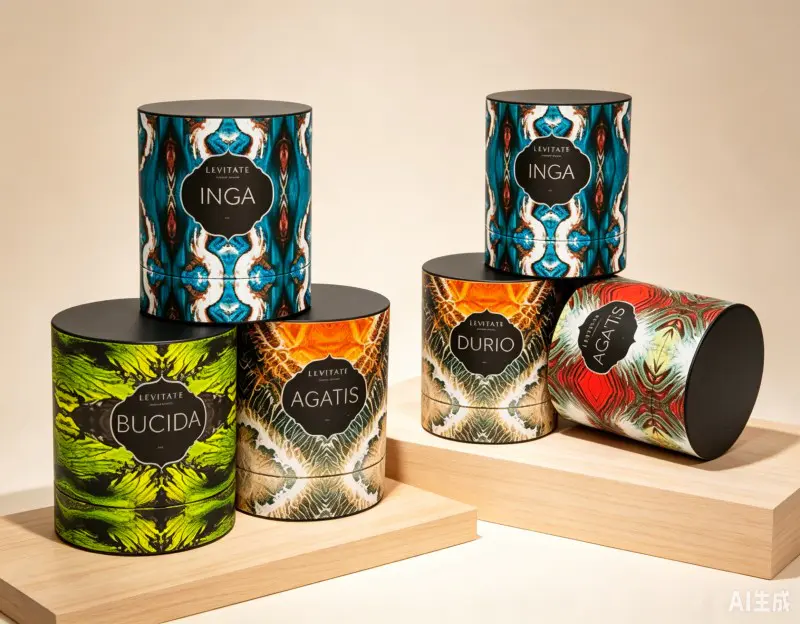
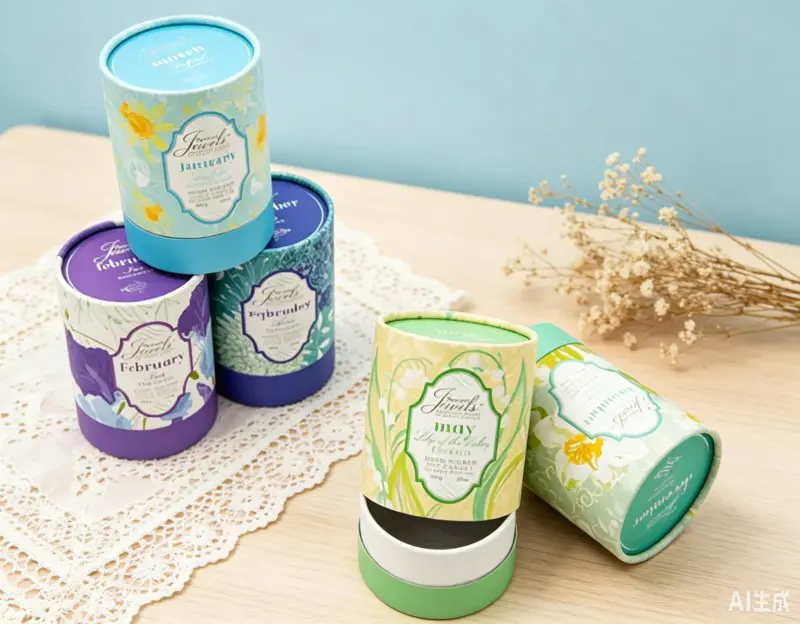
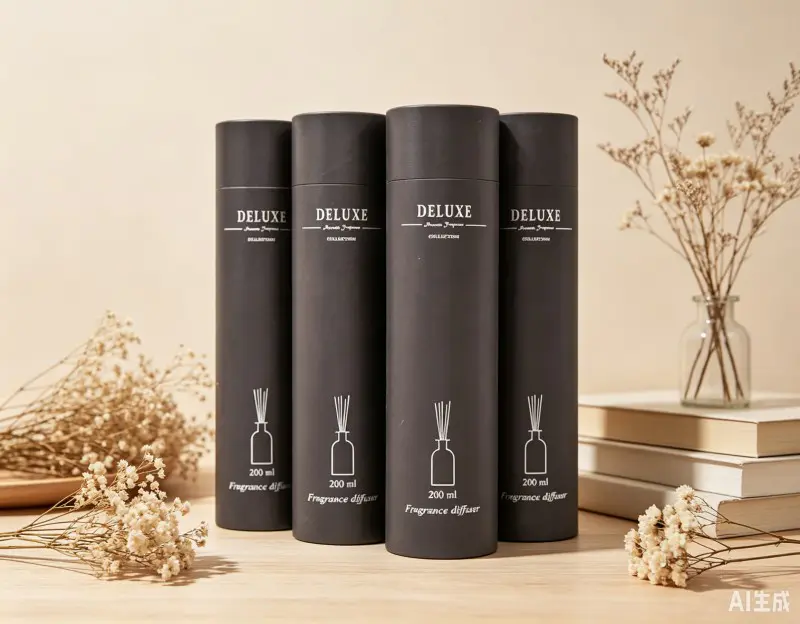
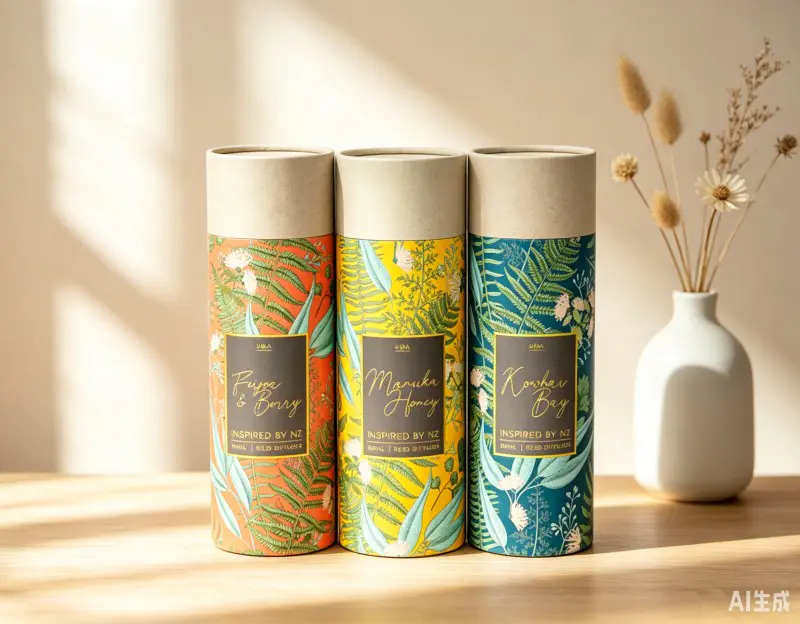
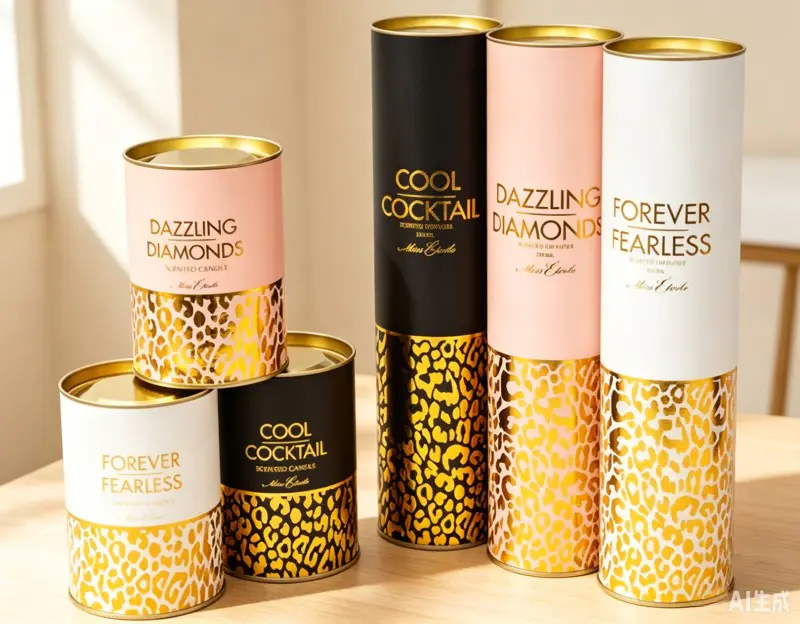
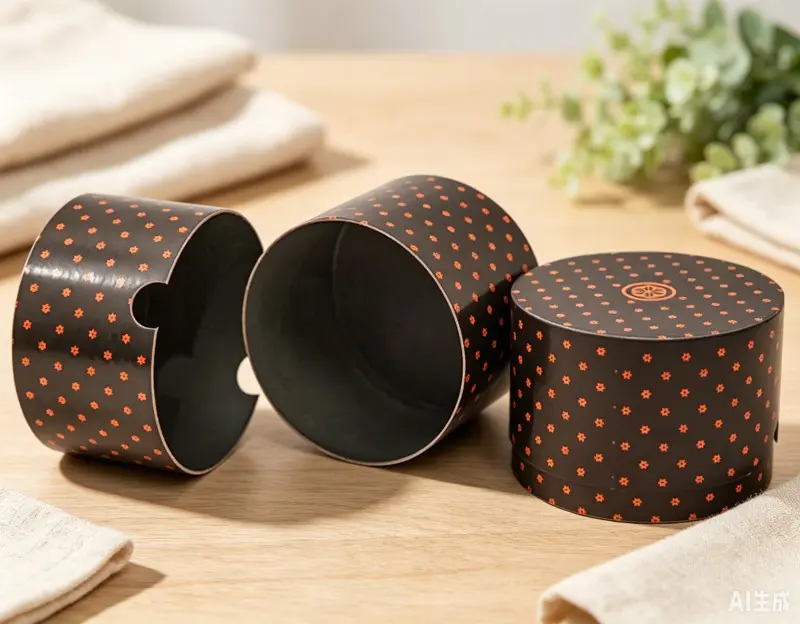
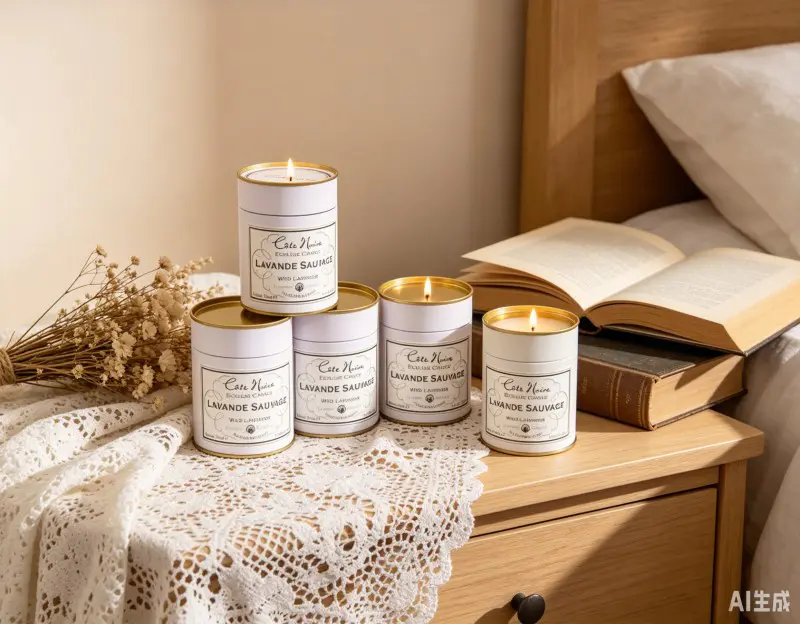

As one of the top China cardboard tube packaging manufacturers and paper tube packaging suppliers, we devote all of our efforts to research and launch more high quality packaging products to global market.
Eco friendly paper tube packaging looks simple from the outside: a cylinder, a lid, a printed label. In practice, it is a small engineering project. The paper has to hold its shape, the closure has to protect the product, and the finished pack has to survive transport before it earns a second life in recycling. After more than two decades in composite cans and paper tubes, we have learned that the most sustainable tube is rarely the one with the boldest green claim. It is the one that fits the product, the filling line, and the waste stream it will actually meet.
This guide is for brands that want a practical path through materials, barriers, closures, printing, and specification. No vague promises, just the questions worth asking before you commit to a custom paper tube.
Content
- 1 Why Paper Tubes Make Practical Sense
- 2 What “Eco Friendly” Should Mean in a Tube
- 3 Match the Tube to the Product
- 4 Closures and Liners Decide the Recycling Story
- 5 Custom Printing That Supports the Claim
- 6 A Simple Specification Checklist
- 7 Work With a Manufacturer Who Understands the Details
- 8 The Bottom Line
Why Paper Tubes Make Practical Sense
Paper is renewable, lightweight, and widely accepted in paper recycling streams when the construction is kept simple. A fiber-based tube can replace rigid plastic in categories where the pack needs structure, shelf presence, and a satisfying unboxing moment. It also tends to ship efficiently because the empty tube nests and the filled tube protects contents without bulky outer cartons.
The environmental case gets stronger when the tube is designed as a system: fiber body, paper lid, water-based ink, and a liner that can be separated if one is needed. The case gets weaker when a brand adds a plastic window, a mixed-material base, and a foil layer without explaining any of it. Paper is a good starting point, but the details decide the outcome.
What “Eco Friendly” Should Mean in a Tube
Fiber and recycled content
Kraft paper, recycled fiber, and certified pulp are all valid starting points. For food contact, the fiber grade and any barrier layer matter as much as the recycled percentage. A high recycled content is not automatically better if it forces a heavier plastic liner or a more complex adhesive system.
Barriers and shelf life
A bare paper tube works well for dry candles, tea accessories, gifts, and some textiles. Coffee, protein powders, spices, and other sensitive products usually need moisture or oxygen protection. That protection may come from a food-grade liner, an aluminum foil membrane, or a coated paper structure. The goal is to use the lightest barrier that reliably protects the product, then make that barrier easy to explain.
Print, adhesive, and end of life
Heavy lamination can make a tube look luxurious, but it can also complicate repulping. Water-based inks, low-migration adhesives, and direct print on paper are often better choices for a pack that is meant to be recycled. Ask for ink and adhesive declarations, not just a color proof.
| Construction | Typical use | Eco-design note |
|---|---|---|
| Kraft tube with paper lid | Candles, tea, gifts | Simple mono-material pack; easy to present as paper-based where facilities accept it. |
| Composite can with foil liner | Coffee, powders, supplements | Strong barrier; design the foil or membrane for separation where possible. |
| Tube with plastic window | Confectionery, gifts | Useful visibility, but the window can limit recycling; consider a paper-based window or removable insert. |
| Recycled fiber tube with water-based ink | Cosmetics, lifestyle goods | Lower virgin fiber demand; check print and adhesive compatibility with the chosen fiber. |
Match the Tube to the Product
Application drives construction. A candle tube and a coffee can may look similar on a shelf, but they solve different problems. Start with the product’s sensitivity, fill weight, opening experience, and expected shelf life.
Coffee and tea
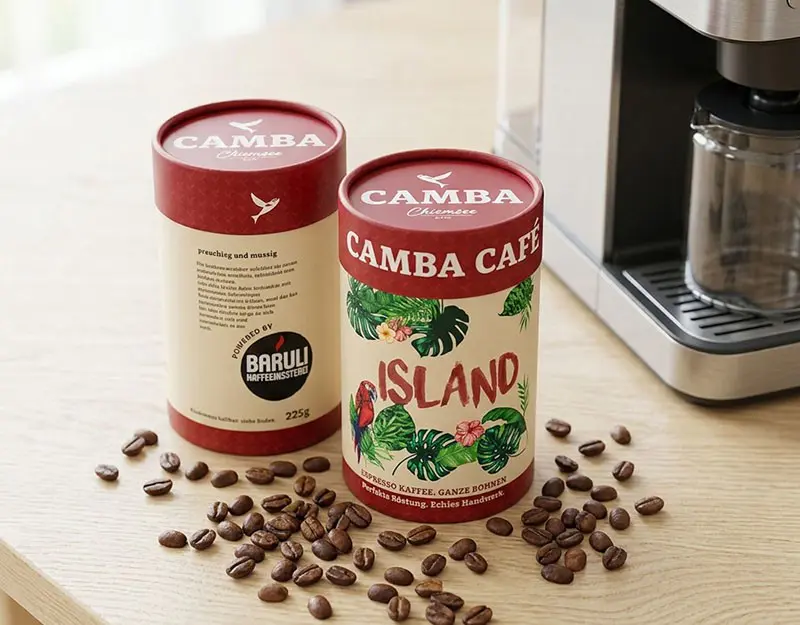
Coffee needs protection from oxygen and moisture, and whole beans benefit from a one-way valve that lets gas escape without letting air in. Tea is more about aroma retention and a clean open. A tight paper can with a food-grade liner and a well-fitted lid often does more for freshness than a thicker wall.
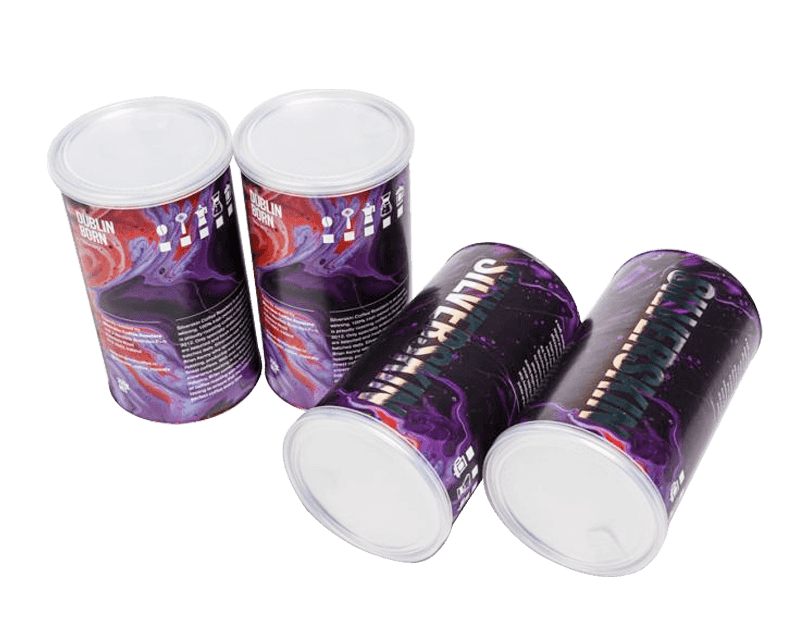 250g Airtight Coffee Bean Packaging Tube with ValveA 250g coffee bean tube with a one-way valve, foil lining, plastic cover, and tin bottom, suited to freshness-focused retail packaging.View Product →
Candles and home fragrance
Candle tubes need grease resistance, crush strength, and a shape that protects the glass or wax without unnecessary plastic. Kraft board, clean print, and a paper lid can give a natural look that suits the category. If the candle contains fragrance oils, check compatibility with the inner surface before printing the final design.
 Recycled Kraft Paper Tube for 50ml Perfume BottlesA cylindrical recycled Kraft paper tube sized for 50ml perfume bottles, with custom printing and finishing options for fragrance packaging.View Product →
Cosmetics and supplements
Powders and loose products often need a sifter, a foil seal, or an inner liner. Cosmetic paper tubes can be plastic-free, but the closure and liner still decide how the pack performs in real use. For supplements, food-grade materials and a reliable seal are non-negotiable; the sustainable story comes after that.
 Custom Printed Plastic-Free Paper Tube for SkincareA plastic-free white cardboard and Kraft paper tube for skincare packaging, customizable with CMYK print and matte varnish.View Product →
Other strong fits include pet treats, spices, cookies, wine gifts, and personal care sets. The common thread is a product that benefits from a round, protective pack and a brand that is willing to specify the closure and liner honestly.
Closures and Liners Decide the Recycling Story
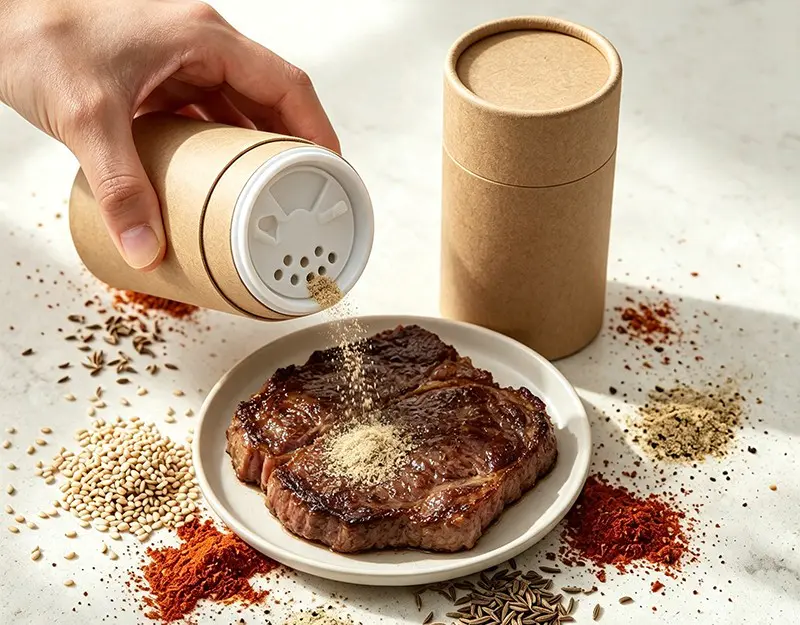
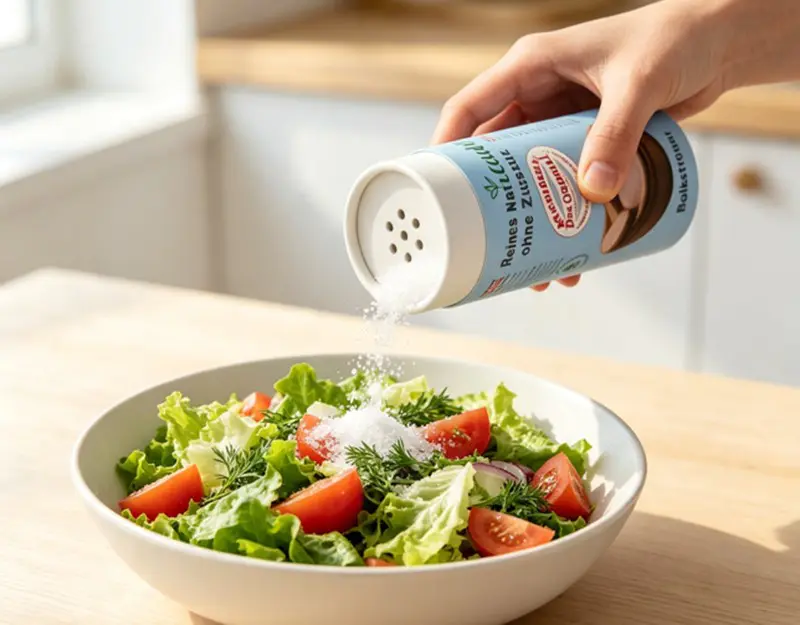
A paper tube is only as green as its weakest component. Paper lids and paper plugs keep the pack simple. Metal ends can add a premium feel and are often separable. Plastic shaker tops are functional, but they introduce another material that the consumer has to remove. Aluminum foil membranes protect freshness, yet they need clear disposal instructions.
If you need a high-barrier structure, do not hide it. Design for separation, explain the components, and avoid calling the whole pack “plastic-free” unless that is true in the form the customer receives. We cover barrier choices in more detail in our guide to eco-friendly packaging tubes.
Custom Printing That Supports the Claim
Print is where brand meets material. Kraft is not just a color; it is a fiber choice with its own texture and recycled-content story. Direct print on paper, water-based inks, embossing, and debossing can create a premium look without turning the tube into a mixed-material package. Foil stamping and heavy lamination have their place, but they can work against a recyclability message if they are not part of a deliberate design.
The practical approach is to ask three questions: What is the ink chemistry? What is the adhesive system? Will the print or coating affect repulping? A supplier who can answer those questions is more useful than one who simply offers the lowest price per tube.
A Simple Specification Checklist
Before you order, work through the pack from the inside out:
- Define the product form, fill weight, and target shelf life.
- Choose the lightest barrier that still protects the product.
- Select a closure that fits the opening experience and recycling story.
- Confirm the tube diameter, height, wall thickness, and filling tolerance.
- Review print method, ink, adhesive, and any special finish.
- Test filled samples in transport and in the hands of real users.
- Check recycling and certification claims with the relevant local system.
Work With a Manufacturer Who Understands the Details
A paper tube is only as good as the factory behind it. Our team has spent more than twenty years in composite cans and paper tubes, and we are the Chinese packaging container company in the Composite Can and Tube Institute (CCTI). That membership keeps us close to technical conversations about barriers, closures, and recyclability. Our food-grade production is backed by QS certification, and our European high-speed composite can line helps us hold consistency across repeat orders.
When a brand comes to us, we tend to ask about fill weight, humidity, shipping conditions, opening experience, and the claims they want to make. Those questions often change the specification before a single proof is printed. If you are comparing suppliers, ask for filled samples, not just empty tubes. A sample that works with your product is worth more than a catalog full of options.
The Bottom Line
Eco friendly paper tube packaging is an upgrade when the material, barrier, closure, and print are chosen as one system. It is not a magic wand, and paper is not automatically the right answer for every product. But when the tube fits the job, it can reduce plastic, support a premium brand experience, and give customers a pack they understand how to handle. That is a more honest kind of sustainable packaging, and it is the kind we prefer to build.
