 English
 Español

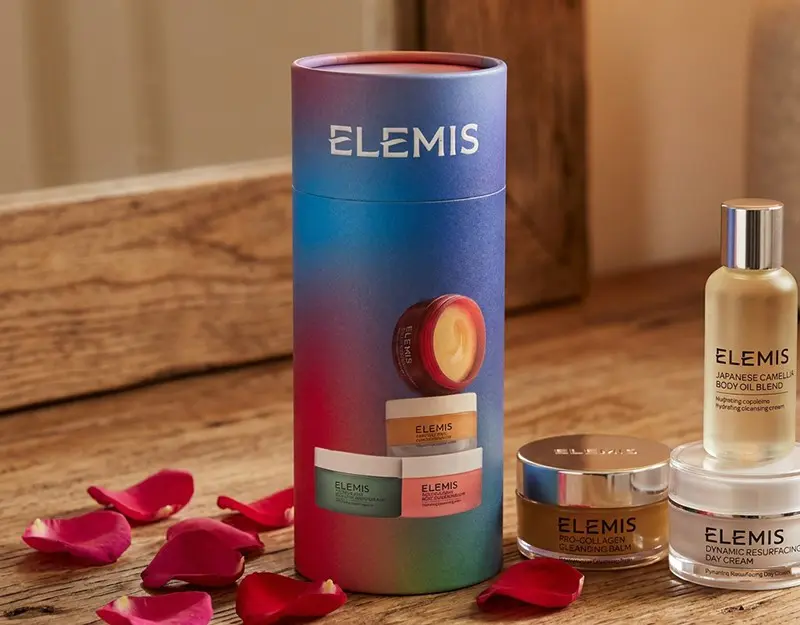
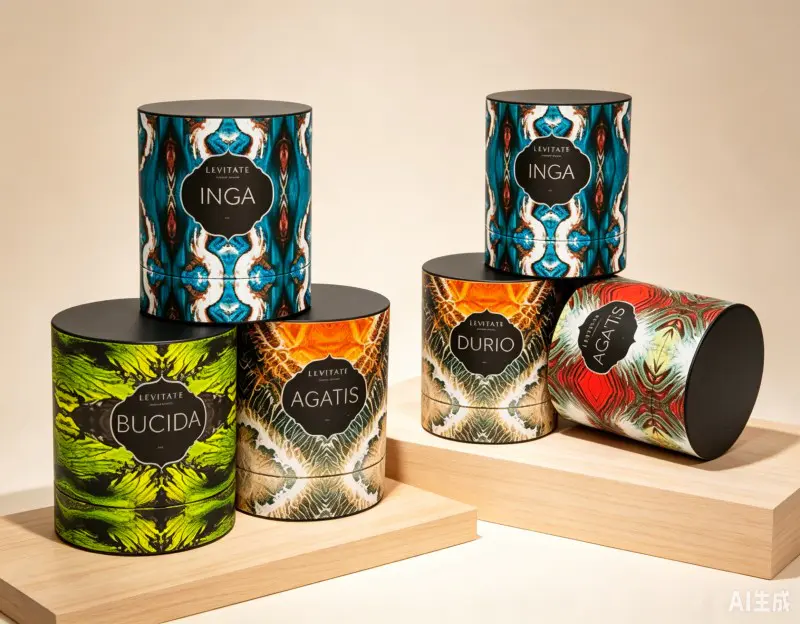
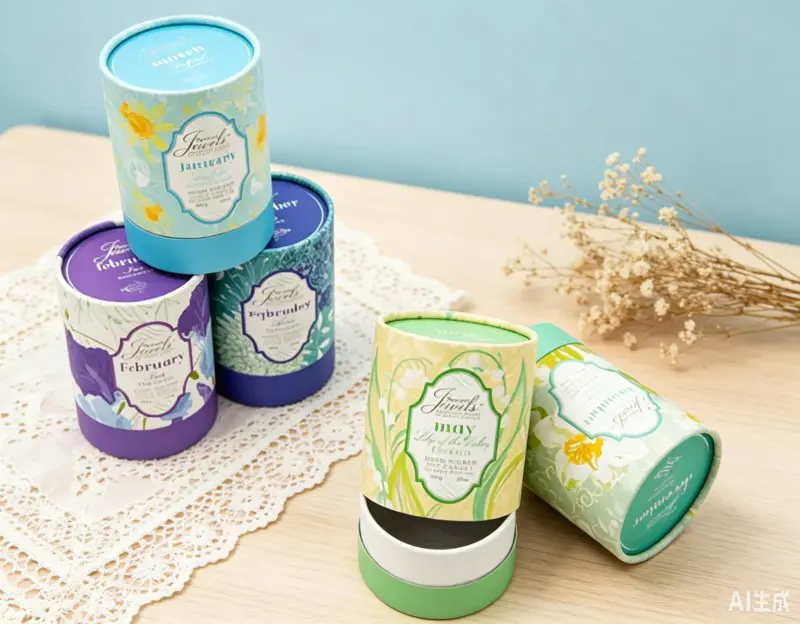
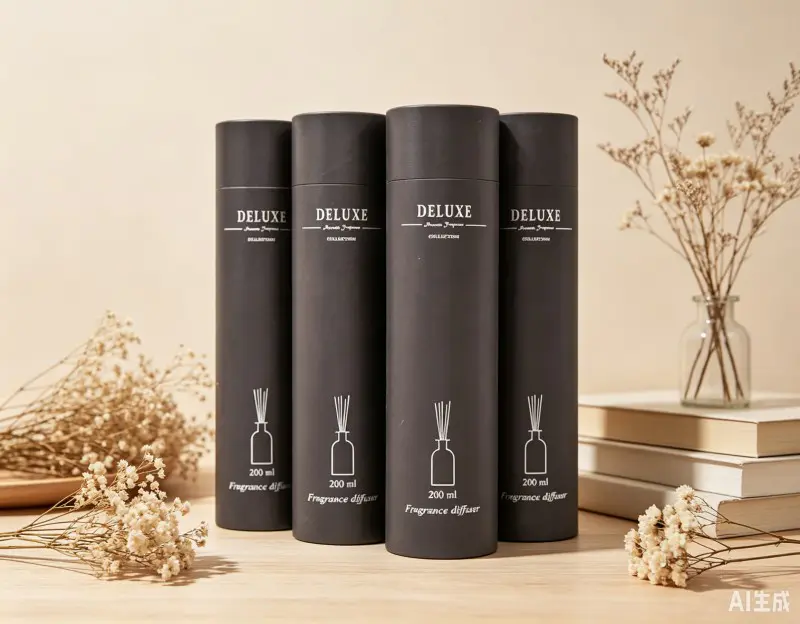
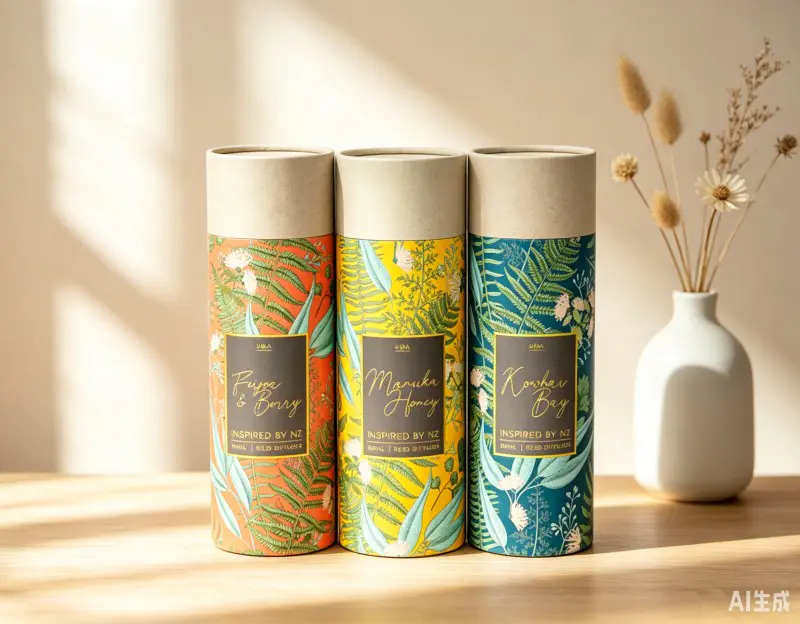
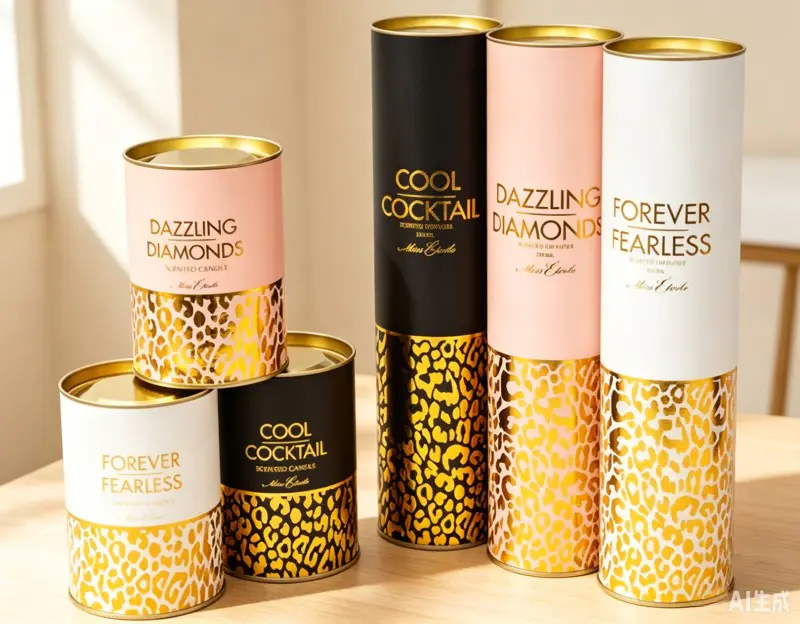
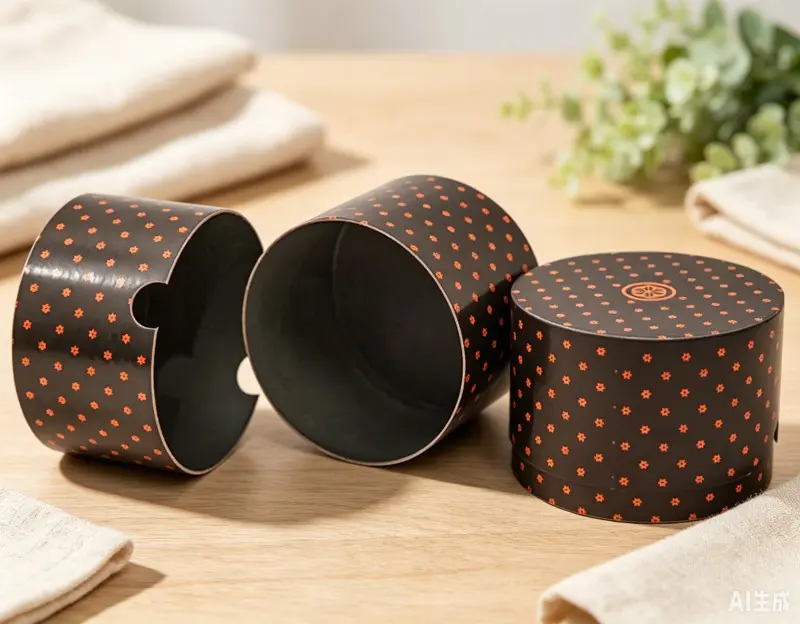
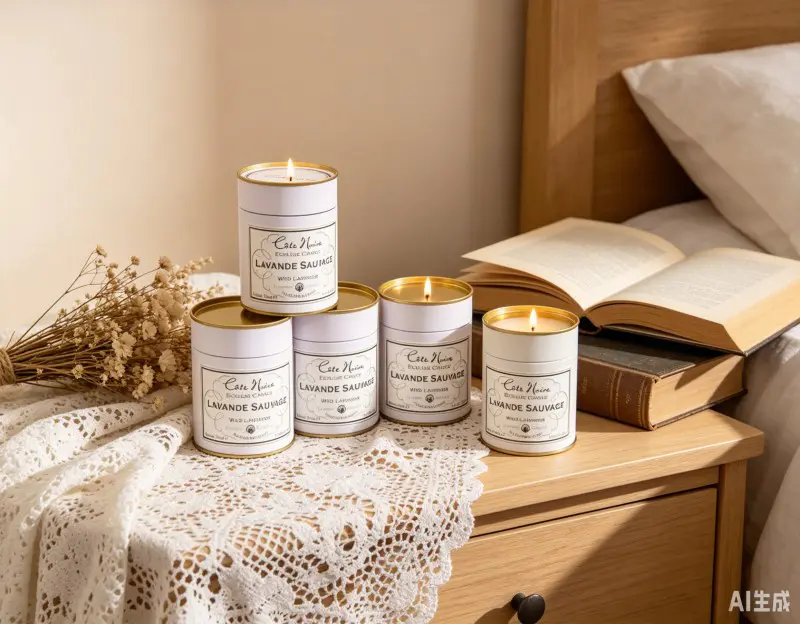

As one of the top China cardboard tube packaging manufacturers and paper tube packaging suppliers, we devote all of our efforts to research and launch more high quality packaging products to global market.
Eco friendly tube packaging looks simple: a printed cylinder, a lid, perhaps a window. In practice, it is a small engineering project. We have spent more than two decades winding paper tubes and testing closures, and we have learned where sustainability claims hold up and where they fall apart. No single tube is the greenest. The right choice depends on the fill, the shelf life and the end-of-life route. For the wider context, see our guide to eco friendly tube packaging.
Paper tubes are often a strong choice because the body is mostly paper, lightweight and rigid. But the body is only part of the story. Liners, coatings, inks, adhesives, lids and labels all change the environmental profile. Buyers who treat paper as a synonym for sustainable often meet problems at recycling or in shelf-life testing.
Content
What Eco Friendly Tube Packaging Actually Means
In everyday use, eco friendly means several things: less material, recycled or responsibly sourced fibre, recyclability, lower transport emissions or less plastic. These goals do not always align.
A recycled board tube with a water-based coating may recycle easily but offer limited moisture protection. A composite can with an aluminium foil liner may keep coffee fresh for months but be harder to recycle in a standard paper stream. Both can be reasonable. The mistake is choosing one without naming the priority.
Start with end of life
Ask where the package will be sold. A tube accepted in one kerbside paper stream may be treated as mixed material elsewhere. If the liner stays attached, the recycler sees a composite, not paper. Heavy foil stamping or lamination may also affect repulpability. These details matter more than a broad 100% recyclable line.
Material and Structure Options
The body is usually kraft paper, recycled board or food-grade board with a coated surface. Recycled content lowers demand for virgin fibre. FSC-certified virgin fibre can suit direct food contact or cases where strength and print quality matter. The bigger variable is often the inner liner.
| Structure | Recycling profile | Barrier | Typical use |
|---|---|---|---|
| Uncoated kraft tube | Easy in paper streams | Low moisture barrier | Dry tea, candles, gifts |
| Recycled board with water-based coating | Good where coating is accepted | Moderate | Snacks, dry powders, cosmetics |
| Composite can with aluminium foil or PE liner | Depends on liner separation | High oxygen and moisture barrier | Coffee, protein, spices |
| Paper tube with PLA liner | Needs industrial composting | Moderate to high | Brands with collection systems |
There is little point using a high-barrier composite for a product sold in weeks and kept dry, just as an unlined tube is a poor match for a moisture-sensitive powder. Match the barrier to real shelf life, not to a competitor's specification sheet.
Barrier, Shelf Life and the Recycling Trade-off
Food and supplement brands often need more protection than paper alone can give. Oxygen and moisture pass through paper quickly, so a liner or internal coating is used. Aluminium foil is an excellent barrier. PE and other plastic liners are common and cost less. Water-based barrier coatings and bio-based liners are improving, but performance varies by product and climate.
The practical question is not which liner is greenest, but what is the lightest barrier that still protects the product. Over-specifying barrier is a common hidden cost. If a powder has a twelve-month shelf life and ships into a humid market, a high-barrier can may be justified. If it moves quickly in a dry supply chain, a simpler coated tube may work.
 Airtight Paper Can for Powder SupplementsTwo-piece food-grade paper can for powdered supplements, with coated and kraft paper and moisture-resistant construction; useful when matching barrier to shelf life and recyclability evidence.View Product →
Regulation is pushing this conversation forward. The EU Packaging and Packaging Waste Regulation puts more weight on recyclability, recycled content and evidence. Document your structure now, not after a customer asks.
Design Choices That Reduce Impact
The most sustainable tube is often the one that uses less material from the start. A slightly smaller diameter, a thinner wall that still passes drop tests, or a shorter body can cut fibre use without hurting the unboxing experience. Right-sizing is unglamorous, but it often saves more material than switching to a premium recycled board.
Closures deserve the same scrutiny. Metal ends are robust and recyclable in many areas, but they add weight. Plastic plugs and shaker tops are practical for spices and powders, but they introduce a second material. Paper-based lids and plugs are improving, though they may not match the same sealing performance. Test before committing.
 Recycled Paper Tube Box for 50 ml Perfume BottlesKraft paper tube box sized for 50 ml perfume bottles, with custom CMYK printing and finish options; review closure fit and repulpability evidence before specifying.View Product →
Print and finish also matter. Water-based inks and minimal coverage are easier to justify than heavy foil stamping, spot UV or full-surface lamination. Premium finishes are not off the table, but the brand should know which finishes may affect repulpability and should ask for evidence. Windows are another decision point: a paper window or open cut-out may be more recyclable than a PVC window, but it changes visibility and protection.
Where Paper Tubes Make Sense
Paper tubes are no longer a niche format. They suit products that need a rigid, shelf-stable container and a large print area:
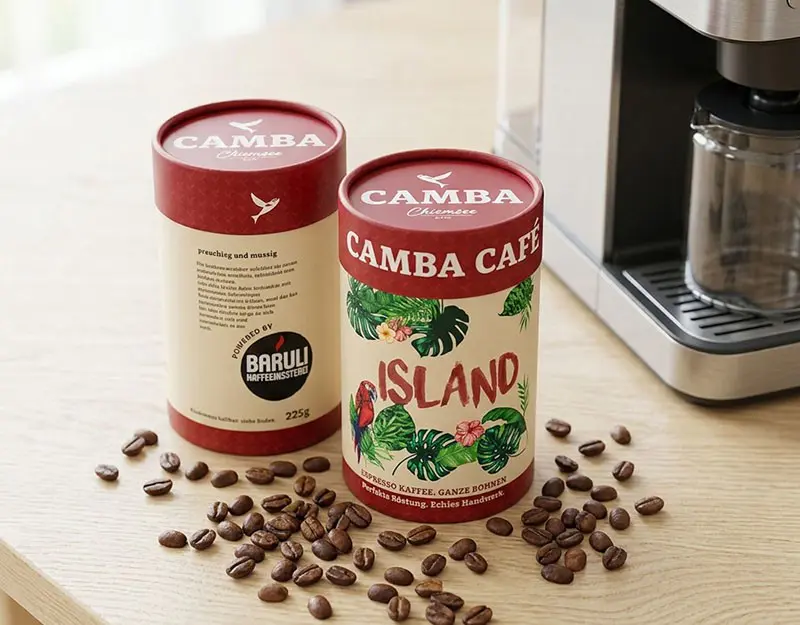
- Tea and coffee: whole leaf tea, ground coffee and beans, often with a valve or high-barrier liner.
- Nutrition and supplements: protein powders, greens, gummies and sports nutrition.
- Confectionery and snacks: chocolate, cookies, nuts and dried fruit.
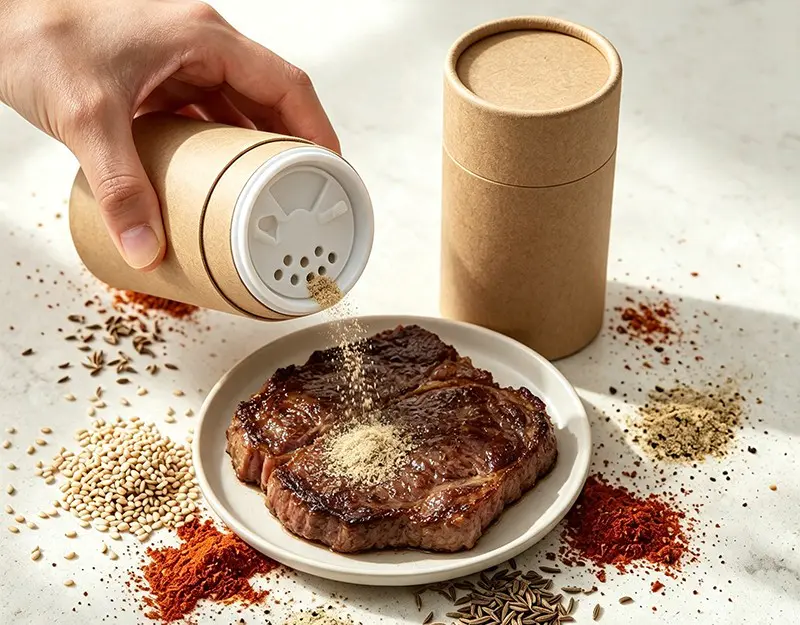
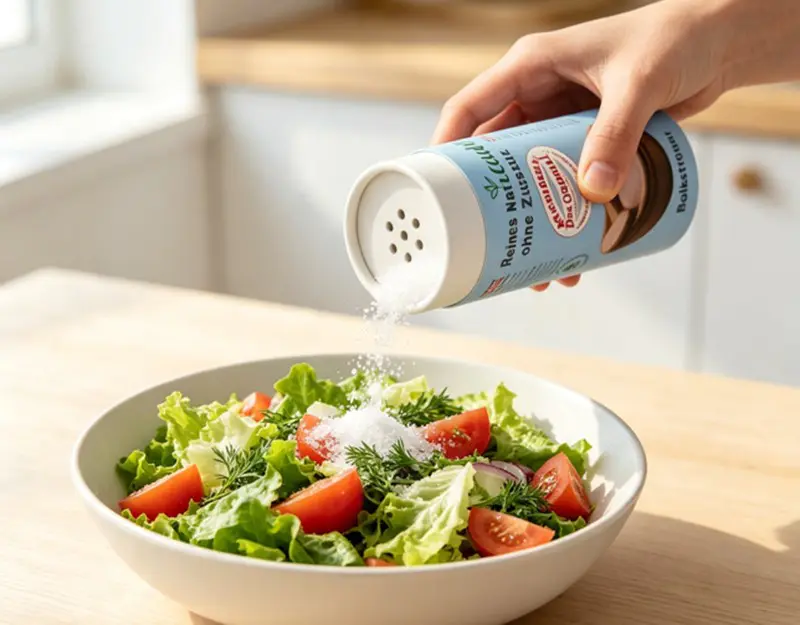
- Spices and seasonings: salt, pepper and blends, sometimes with a shaker top.
- Pet care: food, treats and supplements in resealable or shaker formats.
- Cosmetics and personal care: powders, bath salts, balms and solid formats.
- Candles and home fragrance: strong shelf presence with a paper body.
 Custom Printed Paper Tube for CBD PackagingCylindrical cardboard tube for CBD products with custom printing and silver foiling; check material and barrier requirements against the specific product and supply chain.View Product →
Each category has its own failure mode. Tea and coffee are sensitive to oxygen and moisture. Powders settle and create dust around the closure. Candles are heavy and need wall strength that matches the fill weight. Chocolate needs a food-safe liner and a supply chain that will not expose the tube to high heat. The format is flexible, but the specification should not be generic.
A Practical Sourcing Checklist
When you compare suppliers, ask for more than a price per unit. These questions separate a workable project from a costly lesson:
- What is the fibre source, and can you provide FSC or recycled-content documentation?
- Is the liner food-contact compliant, and are test reports available for the target market?
- What barrier performance was measured, and how was it tested for oxygen and moisture?
- Can the tube pass your drop, compression and transport tests with the actual fill weight?
- Which inks, adhesives and finishes are used, and do they affect repulpability?
- What are the MOQ, sampling lead time and production lead time?
- Can the supplier support packaging waste regulation and producer responsibility documentation?
As a paper tube manufacturer, we have learned that good projects start with an honest brief. We have been in the composite can and paper tube industry for over twenty years, are a member of the Composite Can and Tube Institute, and hold QS food packaging certification. Our line was introduced from Europe in 2015, and we have continued to invest in tooling and patents. That experience helps, but it does not replace a clear specification and a sample tested with your product.
Cost, MOQ and Honest Trade-offs
Sustainable materials are not automatically more expensive, but they often are at low volume. Recycled board, certified fibre, water-based coatings and specialised liners may carry a premium. Tooling, plate changes and minimum order quantities also shape the unit price.
There are ways to keep the budget sensible without greenwashing. Use a standard diameter where possible. Choose a stock closure instead of a custom mould. Reduce print colours or print area. Build one tube family so the same body diameter works across several SKUs. These choices lower cost and material use together.
Eco friendly tube packaging is not a single product you order from a catalogue and forget. It is a set of trade-offs between fibre, barrier, print, closure and end of life. Start with a clear brief: fill weight, shelf life, distribution, target market and recycling route. Then ask a supplier to propose two or three structures and sample them. If a supplier cannot explain why a liner is needed or what happens to the tube after use, keep asking questions. The right package should protect the product first and make a credible environmental claim second.
