 English
 Español

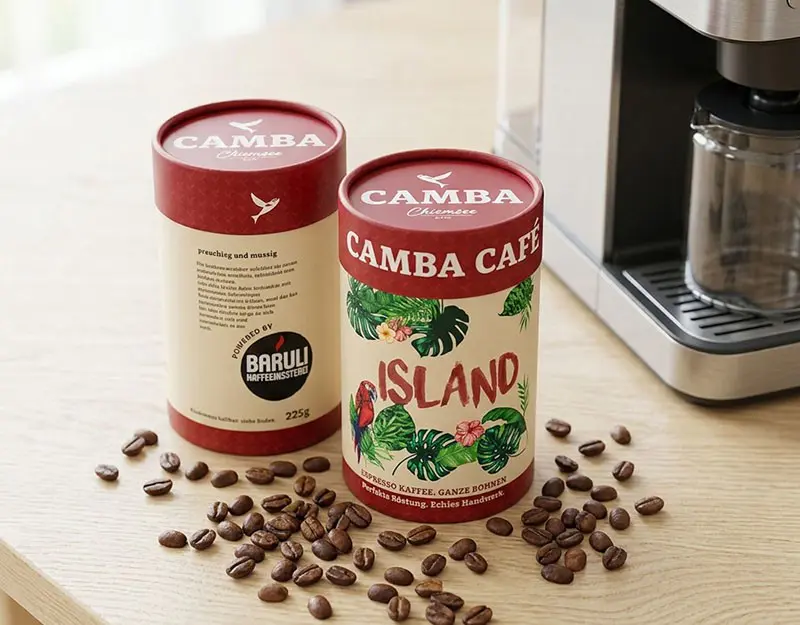
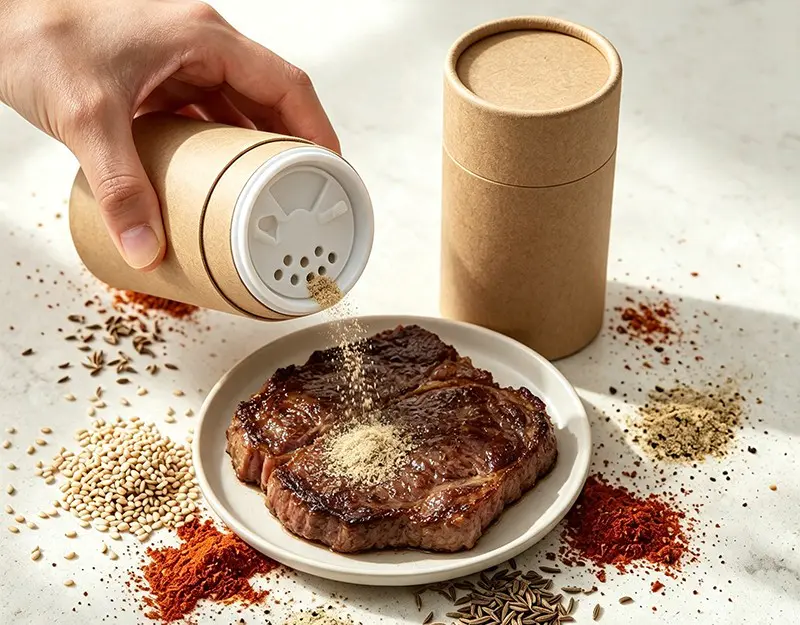
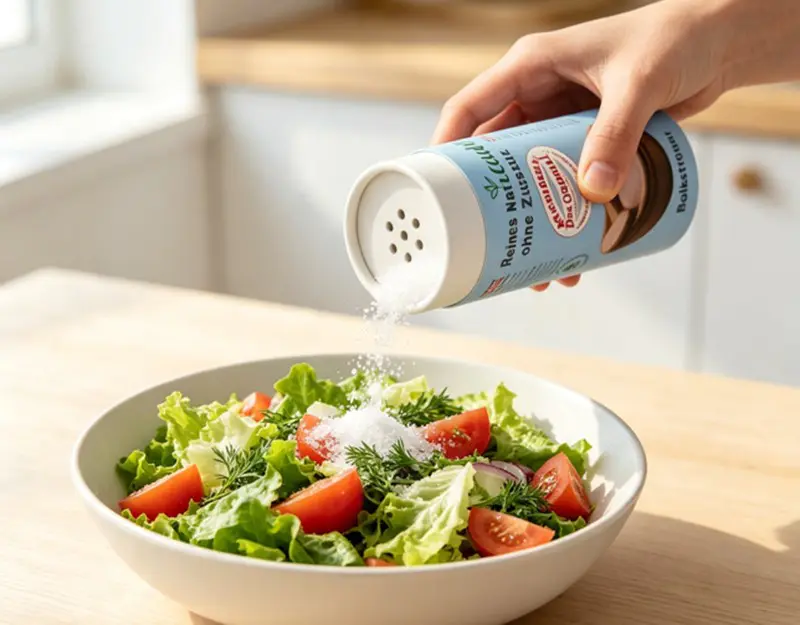
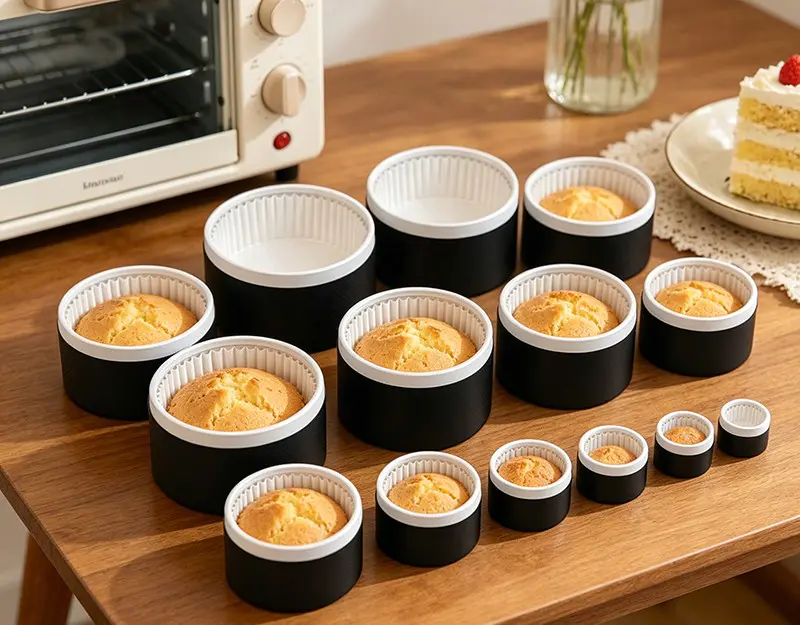

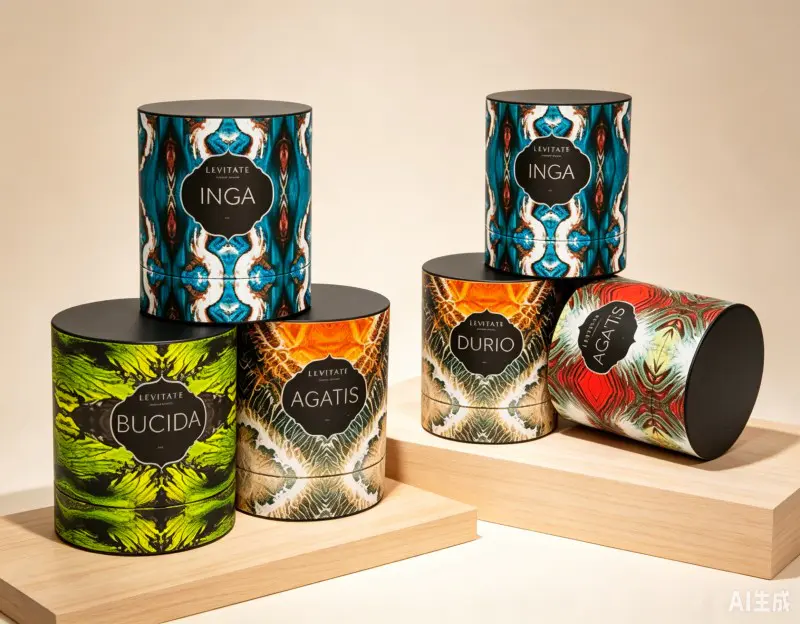
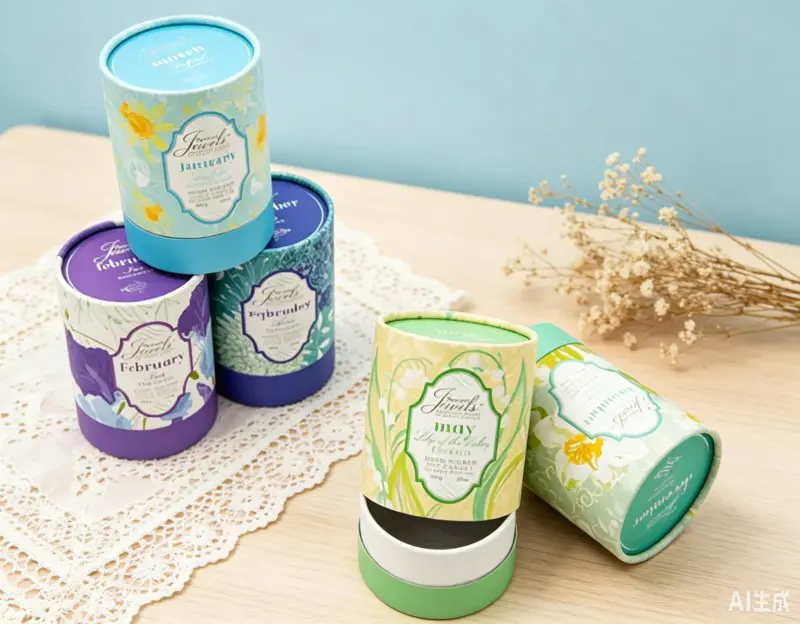
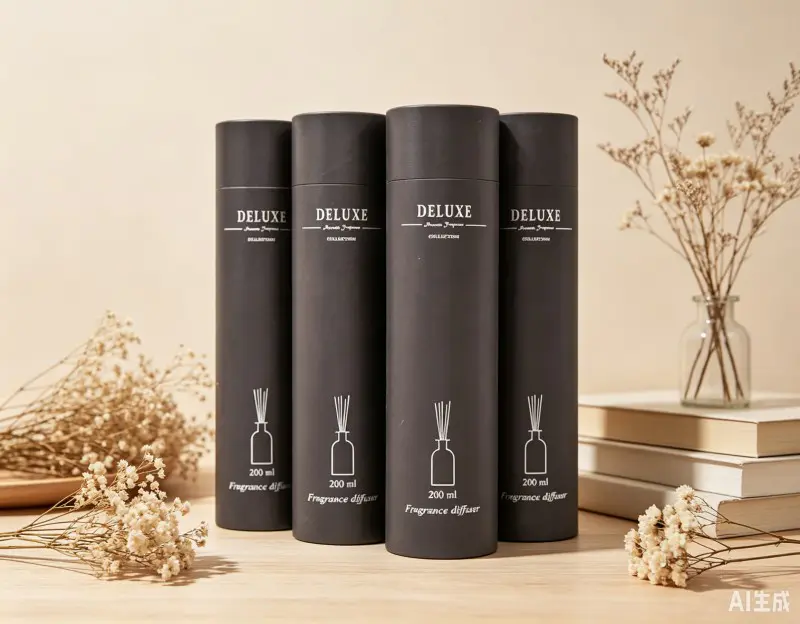
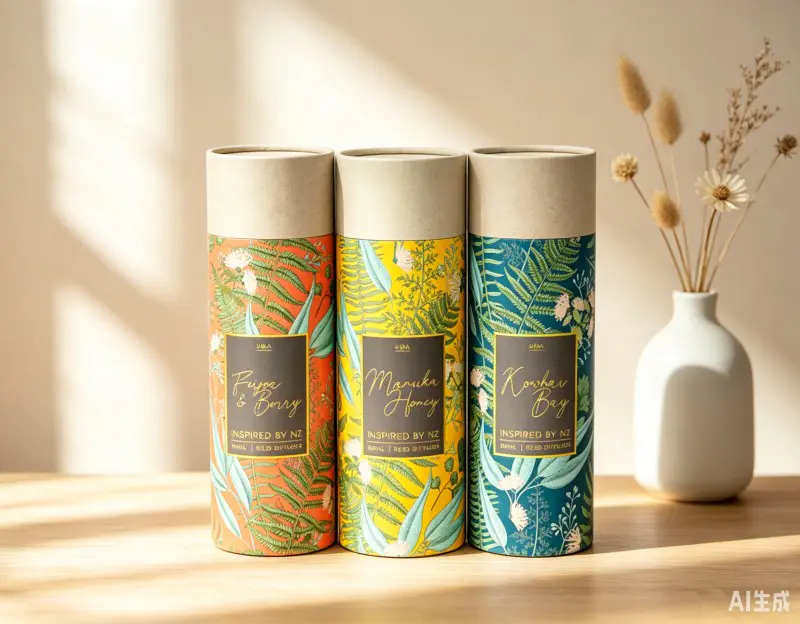
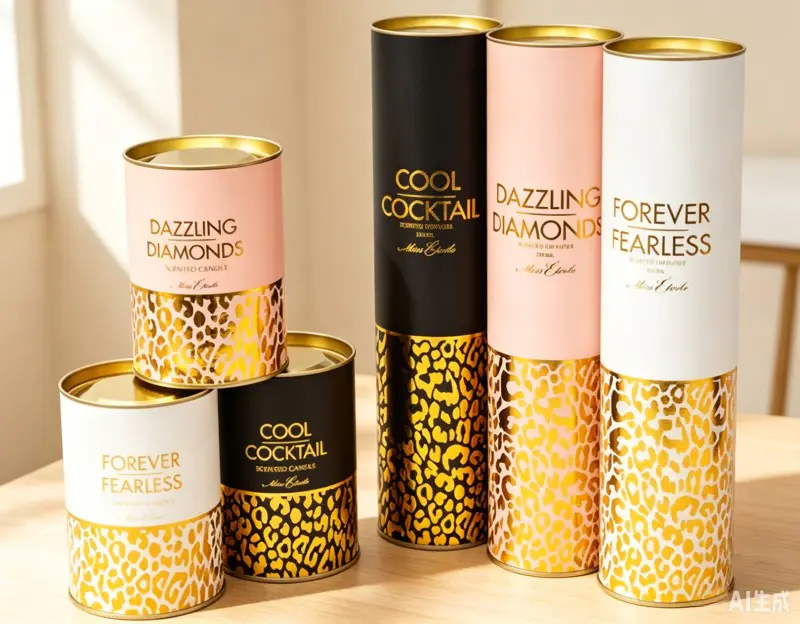
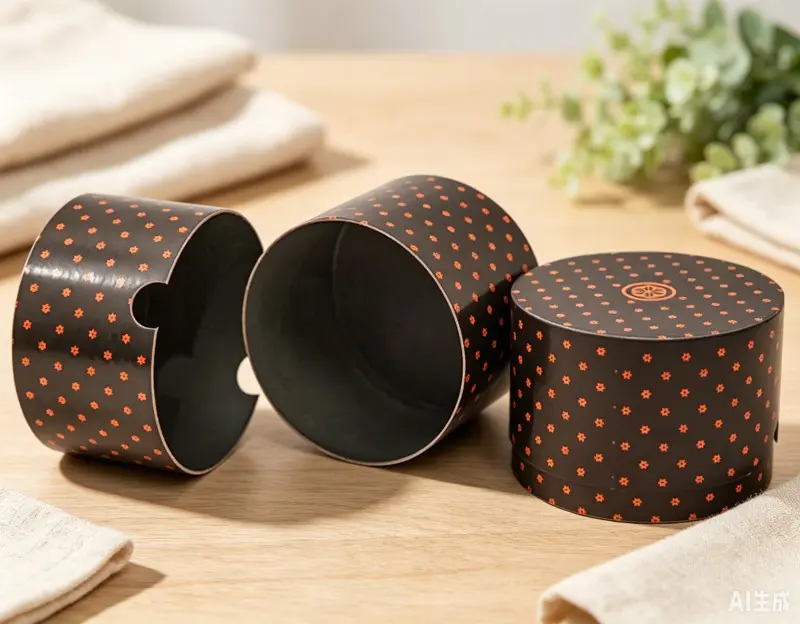
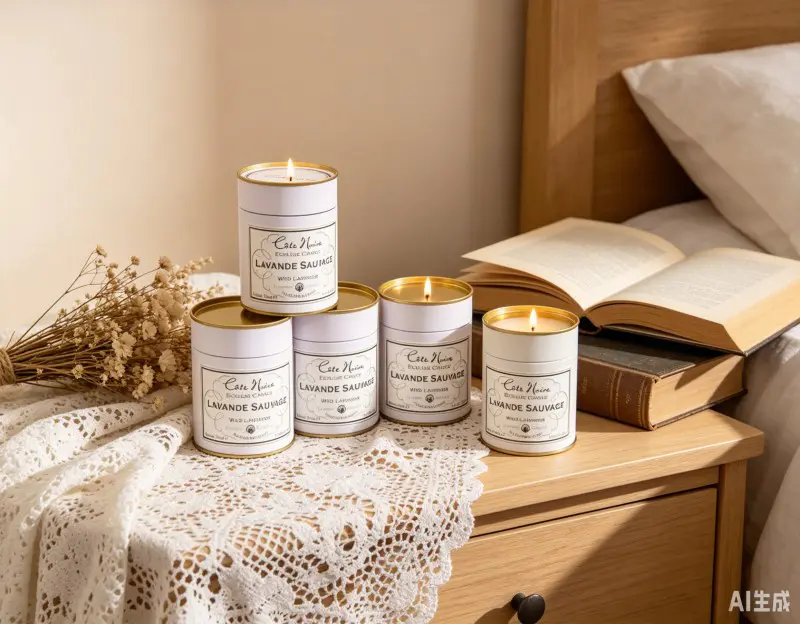

As one of the top China cardboard tube packaging manufacturers and paper tube packaging suppliers, we devote all of our efforts to research and launch more high quality packaging products to global market.
Food grade tube packaging looks simple: a round paper container, a lid, maybe a window. In practice, it is a carefully engineered food-contact system. The paperboard, liner, adhesive, ink, and closure all have to work together to protect flavor, control moisture, and meet the standards your market expects. We have spent more than two decades helping brands turn this familiar shape into packaging that performs on the shelf and in the pantry.
Content
- 1 What Food Grade Tube Packaging Really Means
- 2 Why Brands Choose Tubular Food Packaging
- 3 Materials and Construction That Matter
- 4 Closures and Seal Formats: Matching the Tube to the Food
- 5 Food Safety and Compliance Checks
- 6 Applications Across Food Categories
- 7 Custom Printing, Branding, and Sustainability
- 8 A Practical Sourcing Checklist
- 9 A Final Word on Getting Food Grade Tube Packaging Right
What Food Grade Tube Packaging Really Means
At its most basic, food grade tube packaging is a cylindrical paper-based container made from materials suitable for food contact. That does not mean every paper tube is food safe. A tube becomes food grade when the board, barrier liner, adhesives, inks, and closure are selected for the product and validated for the intended contact conditions. A kraft tube with decorative print may look the same as a food-grade canister on the outside, but the inner surface and migration profile are what separate them.
Food-grade status is also application-specific. Dry tea leaves, cocoa powder, protein powder, spices, and crispy snacks place different demands on moisture, oxygen, grease, and aroma. The useful question is not simply “Is this tube food grade?” but “Is this tube food grade for my product, fill weight, shelf life, and market?”
Why Brands Choose Tubular Food Packaging
Tubes offer a practical mix of protection and presence. A cylindrical canister uses shelf space efficiently, feels substantial in the hand, and gives a brand a generous printable surface. More importantly, a well-built food tube can hold a barrier liner, a sealed membrane, and a tight closure, so the pack can protect fragile aromas or keep powders dry. Paper-based structures also support sustainability goals when the liner, closure, and printing choices are considered together rather than added at the end.
Materials and Construction That Matter
The outer board gives the tube strength and print quality, but the inner structure does the protective work. Food-safe paperboard may be combined with a polyethylene, polypropylene, aluminum foil, metallized film, or water-based barrier layer depending on the product. Coffee beans may need an aroma barrier and a one-way valve. Protein powder needs moisture control and a reliable seal. Spices need a shaker insert that fits cleanly and does not trap powder around the rim.
Inks and adhesives deserve the same attention as the board. Printing should stay on the outside, and any adhesive near the food-contact surface must be suitable for the application. When we review a new project, we start with the food itself, then work back to the liner, closure, and print finish.
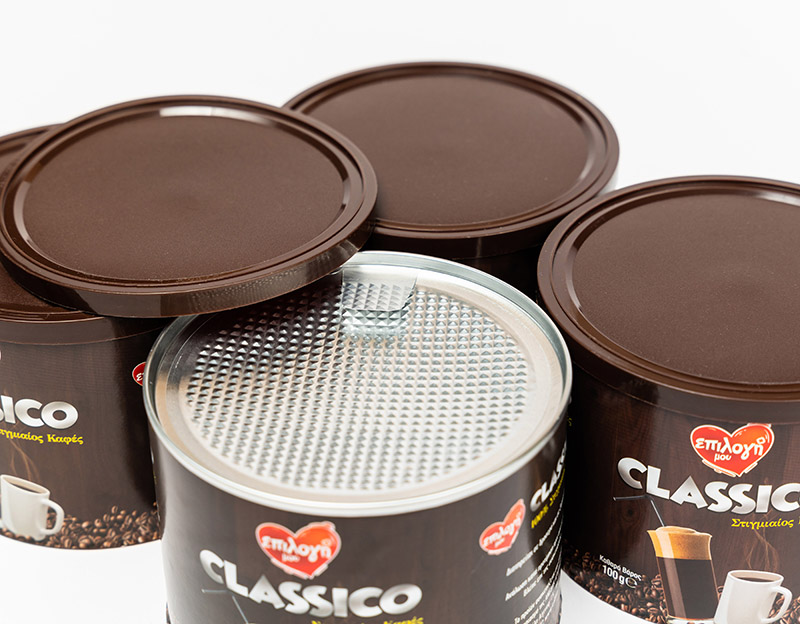 PFAS-Free Airtight Coffee Canister with Degassing ValveOEM paper canister for 100 g coffee, with a custom-color plastic cover and optional one-way valve to manage degassing while supporting airtight aroma retention.View Product →
Closures and Seal Formats: Matching the Tube to the Food
The closure often decides whether a tube succeeds. A beautiful canister with a weak seal will fail on shelf life, while an over-engineered seal can make opening difficult. The table below compares common formats; the final choice should follow fill weight, barrier needs, distribution conditions, and local regulations.
| Tube format | Typical closure | Best for | What to check |
|---|---|---|---|
| Sealed composite canister | Peelable foil membrane plus metal or plastic lid | Powders, coffee, cocoa, supplements | Seal integrity, oxygen and moisture barrier, tamper evidence |
| Airtight tube with valve | One-way degassing valve and lid | Fresh coffee beans | Valve placement, freshness retention, lid fit |
| Shaker tube | Plastic sifter insert and lid | Spices, seasoning, salt, some pet treats | Sifter fit, moisture control, powder leakage |
| Telescoping tube | Paper or metal plug with friction fit | Gummies, tea, confectionery, gifts | Dimensional tolerance, opening experience, closure security |
| Window tube | Paperboard tube with film window and lid | Tea, snacks, confectionery | Window material, seal quality, migration compliance |
Food Safety and Compliance Checks
Food safety is not a certificate on a wall. Ask for specification sheets, food-contact declarations, migration test reports, and lot traceability. For the EU market, check the food-contact framework and packaging and packaging waste rules; for the US market, confirm that every component is suitable for its intended use. If a supplier claims a food packaging qualification or industry membership, ask what it covers and how it is maintained.
Our own background is in composite cans and paper tubes, including food packaging production under QS and membership in the Composite Can and Tube Institute. That experience shapes the questions we ask before a project moves to print or production: what will be filled, how will it be stored, how long must it last, and what will the consumer do when the package is empty?
Applications Across Food Categories
Coffee and tea are natural fits because tubes protect aroma and create a premium shelf presence. A sealed tea tube can hold loose leaves, tea bags, or herbal blends while keeping the product upright and easy to merchandise. For coffee, the choice between a valve bag, an airtight canister, and a sealed composite can depends on roast level, degassing, and expected time on shelf.
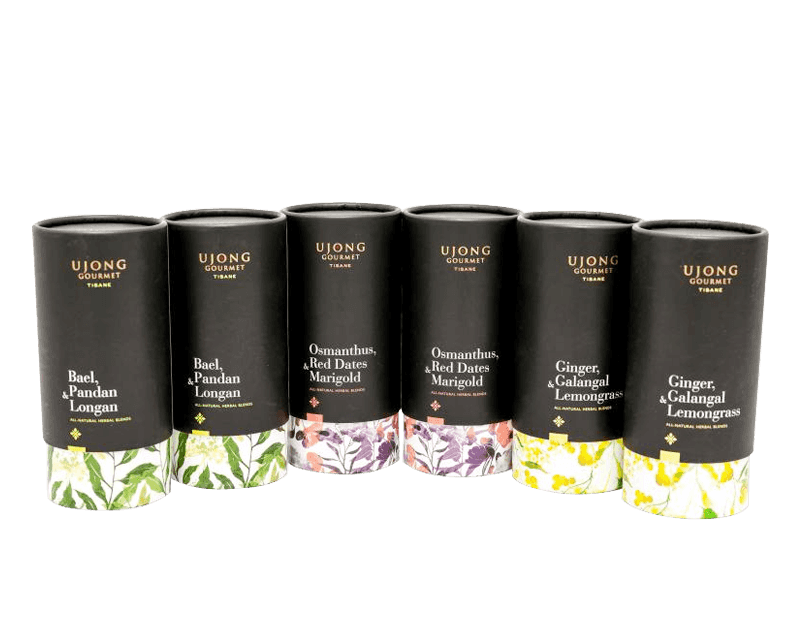 Food-Grade Cardboard Tea Tube with Custom PrintingTwo-piece tea paper tube with rolled edges, cup-base lining, coated or kraft paper options, and custom CMYK/Pantone printing for loose-leaf or tea bag packaging.View Product →
Nutrition and supplement brands use paper canisters for protein powders, green powders, and gummies. These products often need a strong moisture barrier, a clean opening experience, and a closure that survives repeated use. Spices and seasonings call for shaker tops, tight tolerances, and liners that resist fine dust. Snacks, cookies, chocolate, and dried fruit use tubes for structural protection and gift-ready presentation. Pet food and treats follow similar barrier logic, though the regulatory route is different.
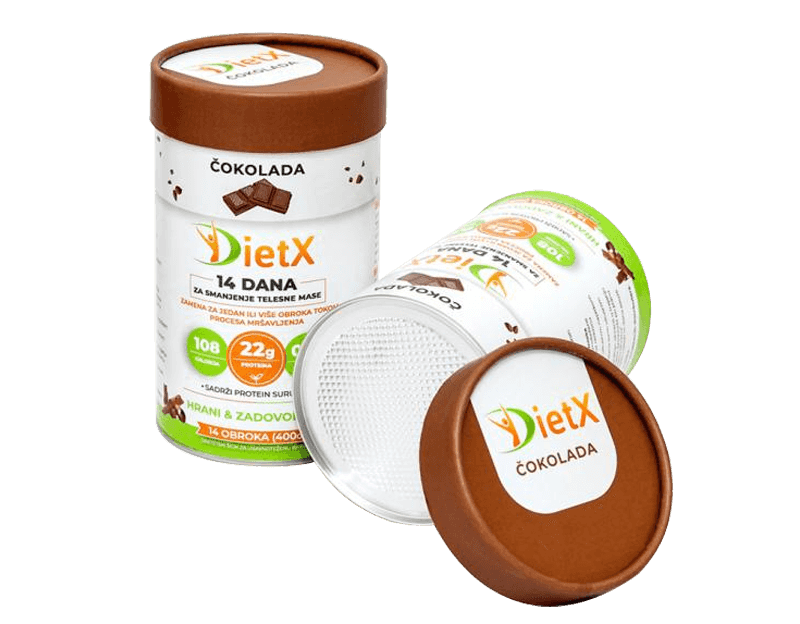 Airtight Composite Paper Can for Protein PowderTwo-piece cylindrical paper can with white paper lining and custom printing, suited to protein or collagen powder packaging for nutrition and supplement brands.View Product →
Custom Printing, Branding, and Sustainability
Custom printing can turn a plain tube into a shelf asset. Direct print, labels, foil, embossing, matte or gloss varnish, and window patches all have a place, provided the inks and finishes stay compatible with the food-contact structure. For sustainability, avoid blanket claims. A paper tube may be recyclable in one region and not another because of its liner or closure. Mono-material designs, water-based coatings, certified board, and right-sized dimensions usually do more than a vague “eco” label.
For a broader walkthrough of formats and food applications, see our guide to food tube packaging.
A Practical Sourcing Checklist
- Define the product, fill weight, shelf life, and distribution conditions before choosing a tube diameter.
- Ask for food-contact documentation for the board, liner, adhesive, ink, and closure, not just the finished tube.
- Test the barrier against moisture, oxygen, grease, and aroma where relevant.
- Confirm the closure works for the consumer, not only for the filling line.
- Review print placement and finishing so decoration never compromises the food-contact surface.
- Check recyclability claims against local collection and the actual material mix.
- Order production-representative samples and run a shelf-life or accelerated test before scaling up.
A Final Word on Getting Food Grade Tube Packaging Right
Good food grade tube packaging should feel effortless to the consumer and controlled behind the scenes. The package opens cleanly, protects the product, carries the brand well, and makes a defensible sustainability claim. That balance comes from early conversations about materials, seals, filling, and compliance, not from choosing a tube by diameter alone. If you get those details right, the round paper pack becomes more than a container; it becomes part of the product experience.
