 English
 Español
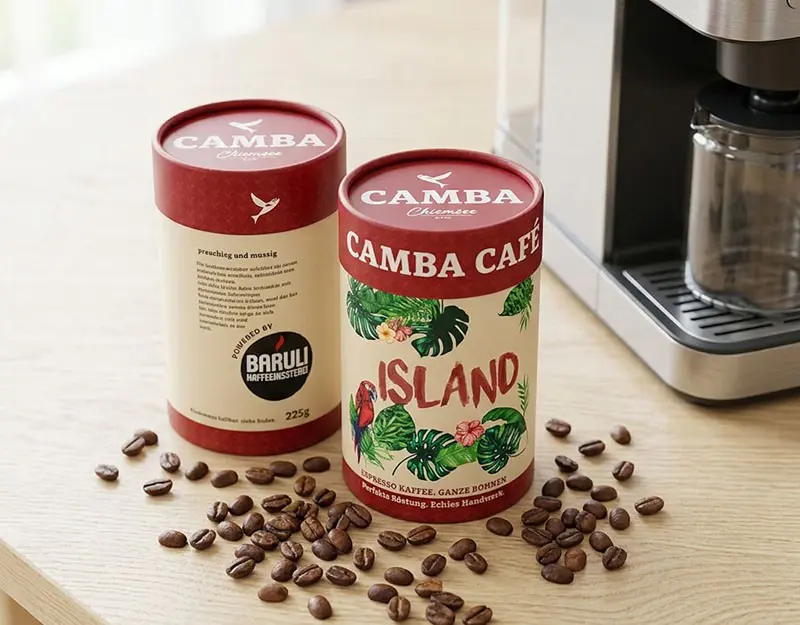



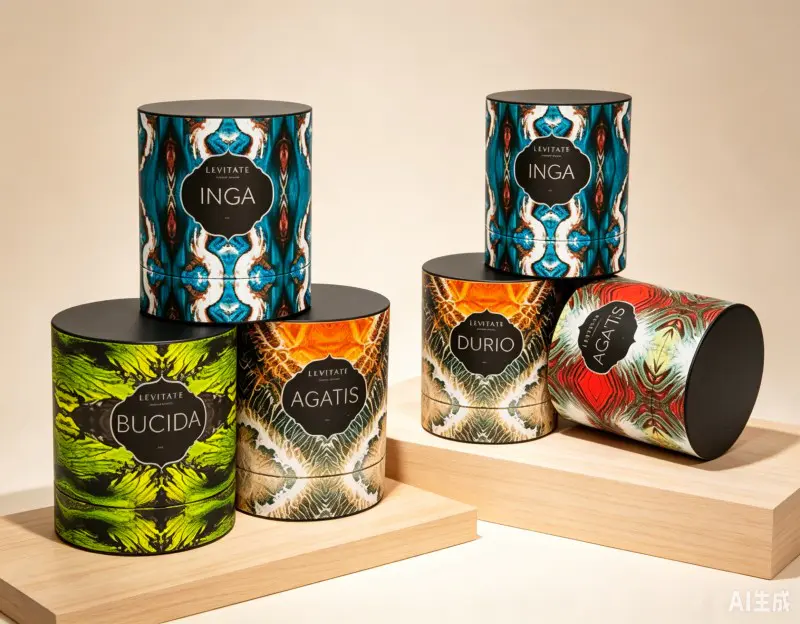
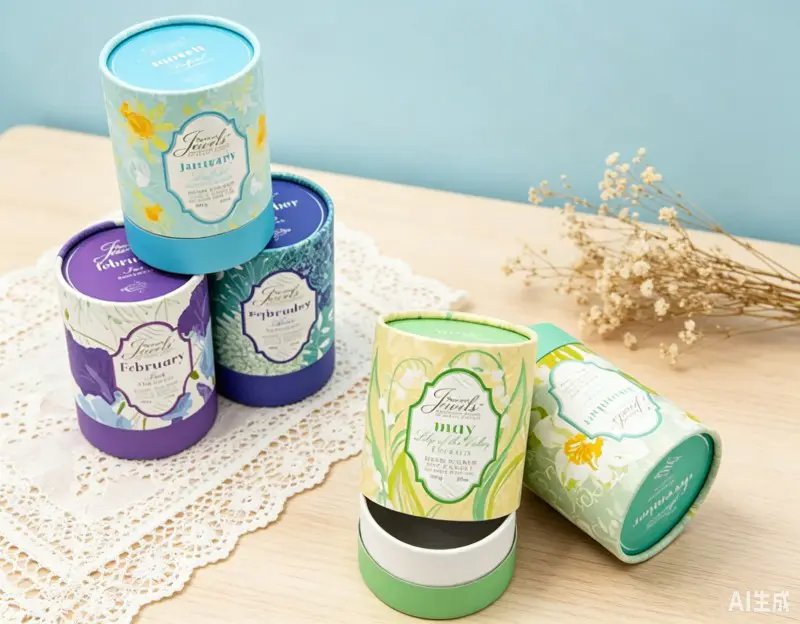
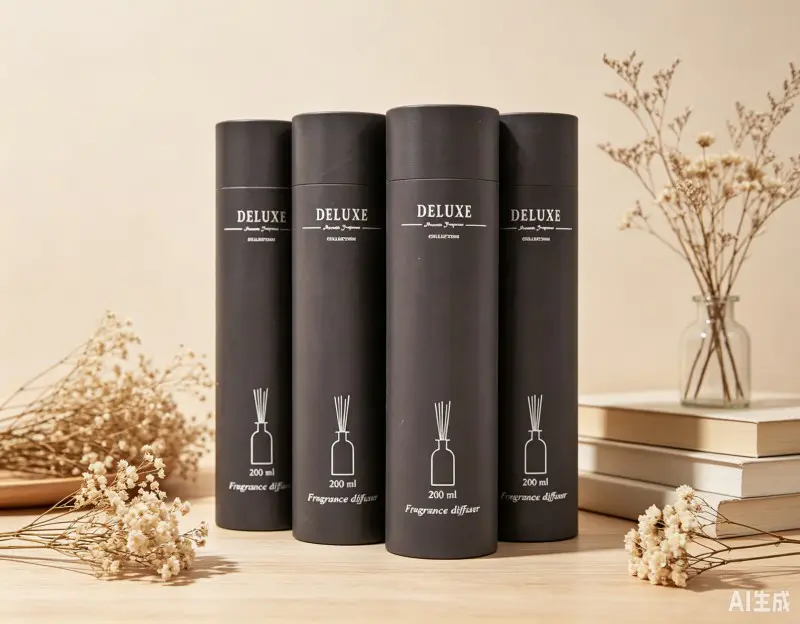
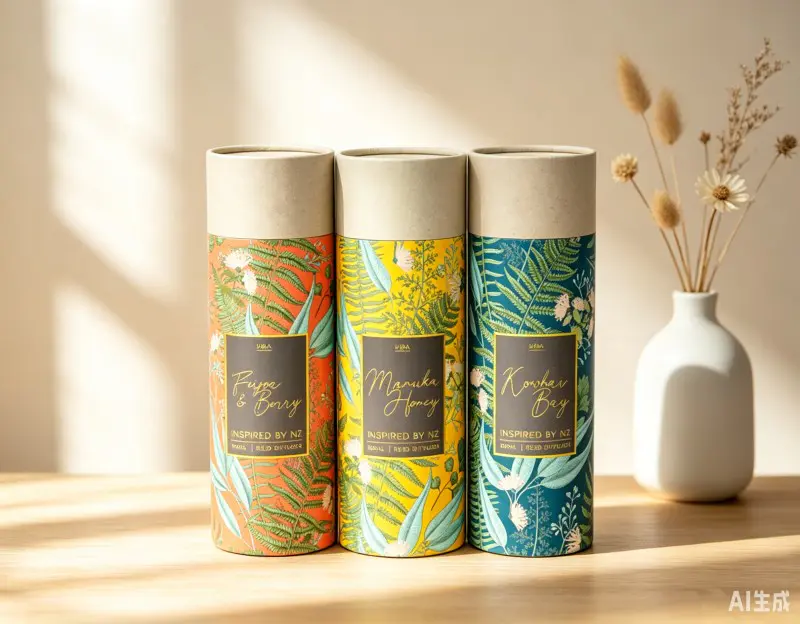

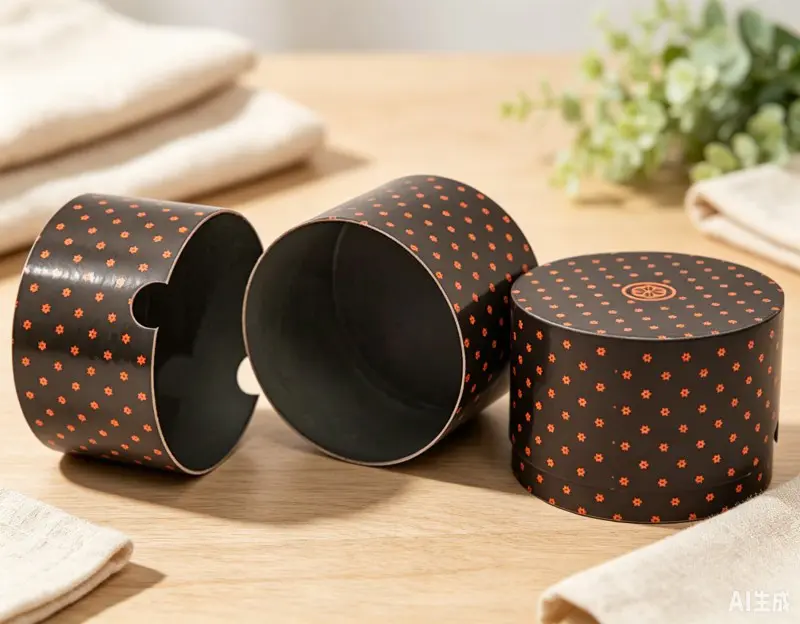


As one of the top China cardboard tube packaging manufacturers and paper tube packaging suppliers, we devote all of our efforts to research and launch more high quality packaging products to global market.
Cardboard cores are simple in appearance but critical in performance. They sit at the center of rolls of paper, film, tape, labels, textiles, and specialty materials, holding the wound product steady from production through storage and final conversion. For B2B buyers, specifying the right core is about far more than matching a diameter. It affects winding tension, roll stability, machine speed, shipping, and how reliably a finished roll performs.
Content
- 1 What Are Cardboard Cores?
- 2 How Cardboard Cores Are Made
- 3 Core Specifications That Matter
- 4 Common Types of Cardboard Cores
- 5 Where Cardboard Cores Are Used
- 6 Cardboard Cores vs. Cardboard Tubes
- 7 How to Choose the Right Cardboard Core
- 8 Quality, Sustainability, and Sourcing
- 9 FAQ About Cardboard Cores
- 10 Final Thoughts
What Are Cardboard Cores?
A cardboard core is a rigid cylindrical tube made from layers of paperboard that are wound and glued together. Its primary job is to support a wound material. The core becomes part of the roll structure, bearing radial compression, bending forces, and repeated handling. In everyday language, people may say paper core, cardboard tube, or paper tube, but in industrial buying, a core usually refers to the load-bearing center of a roll, while a tube may refer to a finished cylindrical container, spacer, or protective sleeve.
Most cores are made from recycled paperboard, kraft paper, or a blend of virgin and recycled fibers. The choice of material depends on strength requirements, moisture exposure, printing needs, and the sensitivity of the wound product. A lightweight core may be enough for labels, while a heavy-duty core may be required for paper mill rolls or industrial film.
How Cardboard Cores Are Made
Cardboard cores are typically produced by spiral winding or convolute winding. In spiral winding, multiple plies of paperboard are fed at an angle around a mandrel, bonded with adhesive, and cut to length. This method is efficient for long production runs and creates strong, dimensionally consistent cores. Convolute winding wraps paper plies parallel to the core axis, which can be useful for certain strength profiles or finishing requirements.
After winding, cores are dried, cured, precision cut, and sometimes sanded, coated, or printed. The quality of the adhesive, the tension of the paper plies, and the accuracy of the cutting equipment all influence final performance. A core that is slightly out of round or cut at an angle can cause vibration, poor winding, or equipment jams.
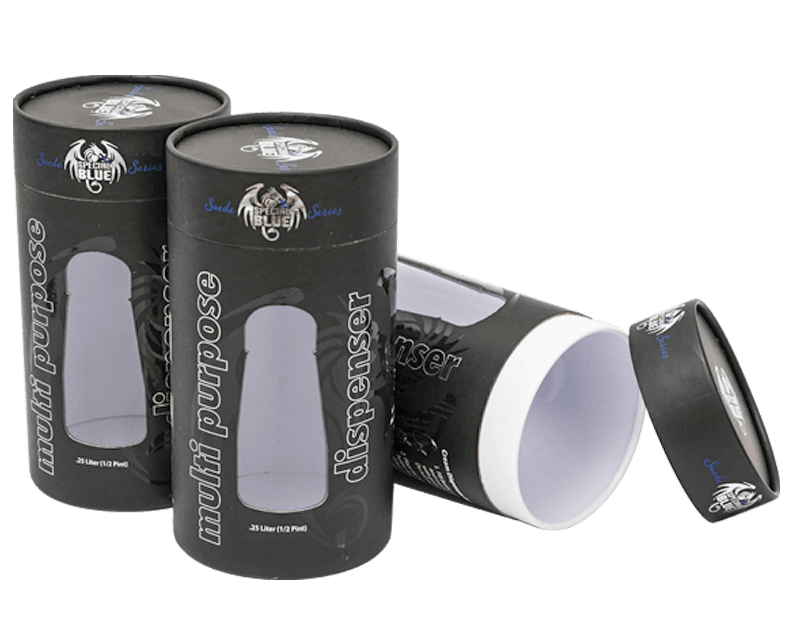 Custom Printed Kraft Paper Round Tube Packaging Box with Transparent PVC Window for Water Industrial Use: Paper Tube Packaging With Window Paper Type: Kraft Paper Printing Handling: Matt Lamination, Stamping Custom Order: Accept Feature: Recycled Materials,...View Product →
For brands that need finished cylindrical packaging rather than industrial cores, the same winding discipline can be adapted into retail-ready paper tubes and containers.
Core Specifications That Matter
When requesting quotes or comparing suppliers, buyers should work from a clear specification sheet. Small differences in inside diameter, wall thickness, or length can create major problems on high-speed machinery.
| Specification | Why It Matters | Typical Buying Consideration |
|---|---|---|
| Inside diameter, ID | Must fit the machine shaft, chuck, or unwind spindle | Measure equipment interface before ordering |
| Outside diameter, OD | Affects roll build, weight, and storage density | Confirm with winder settings and roll weight |
| Wall thickness | Determines crush strength and bending resistance | Balance strength against weight and cost |
| Length | Must match roll width and cutting tolerance | Specify tolerance for clean edges |
| Paper grade | Influences strength, moisture resistance, and recycling | Choose recycled, kraft, or specialty board |
| Surface finish | Helps release, printing, or handling | Consider coating or sanding when needed |
Common Types of Cardboard Cores
- Spiral wound cores: The most common type for paper, film, tape, and labels.
- Convolute cores: Wound parallel to the axis for specific strength or finishing needs.
- Recycled paperboard cores: A cost-effective and recyclable option for many industrial uses.
- Kraft paper cores: Known for strength and a natural appearance.
- Small ID cores: Used in compact rolls, narrow tapes, and precision equipment.
- Large diameter cores: Built for heavy rolls, wide webs, and high-load applications.
- Coated or moisture-resistant cores: Designed for humid storage or demanding environments.
- Printed or color-coded cores: Help with identification, branding, or inventory control.
Where Cardboard Cores Are Used
Cardboard cores serve industries that wind, roll, or spool materials. Common applications include paper mills, film and foil production, adhesive tape, labels, textiles, nonwovens, packaging converting, and specialty manufacturing. The core is often unseen by end consumers, but its performance is felt throughout the supply chain.
The same paper-based cylindrical engineering also supports food, beverage, cosmetic, and household product packaging. Airtight composite cans, paper tube containers, and round paper boxes use similar winding and sealing principles to protect powders, granules, teas, coffee, and other sensitive products.
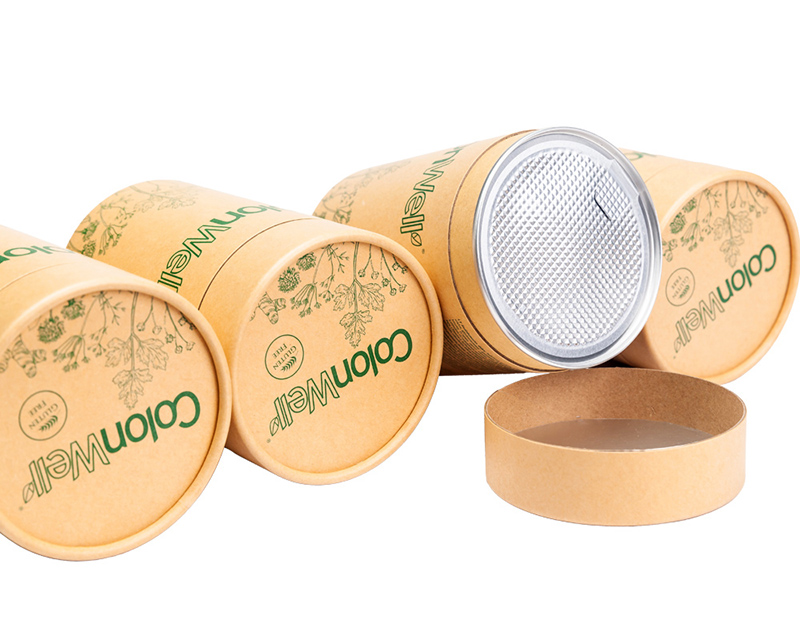 Custom Empty Airtight Round Composite Paper Canisters 450g Food Grade Collagen Powder SuppID99*155mm for 400g supplementsView Product →
Cardboard Cores vs. Cardboard Tubes
Cardboard cores and cardboard tubes are closely related, but the terms are not always interchangeable. A core is defined by its function: it supports a wound material. A tube is defined by its form: a hollow cylinder. Many cores are tubes, but not every tube is a core. A printed paper tube may be a finished package for tea, candles, or supplements, while a core may be an industrial component hidden inside a roll.
For buyers, this distinction matters because the performance requirements are different. A core must resist compression and fit machinery precisely. A packaging tube must protect contents, present branding well, and meet food-grade or retail standards. Some suppliers can produce both, but the specification and quality control criteria are not identical.
How to Choose the Right Cardboard Core
- Define the wound material and expected roll weight.
- Confirm the equipment interface, including shaft, chuck, and unwind system.
- Calculate the wall thickness and crush strength needed for storage and transport.
- Check length, end quality, and cutting tolerance against the roll width.
- Consider humidity, temperature, and storage conditions.
- Decide whether surface treatment, coating, or printing is required.
- Request samples and run trials before committing to a full order.
- Plan replenishment lead times, packaging, and freight requirements.
For a deeper look at tube types, specifications, and industrial uses, see our cardboard tube buying guide.
Quality, Sustainability, and Sourcing
Cardboard cores are naturally compatible with circular packaging goals because paperboard is recyclable and often made with recovered fiber. However, sustainability claims should be verified through material sourcing and end-of-life options. Buyers should ask about recycled content, adhesive type, coating chemistry, and whether the core can be recycled in local systems.
At Qunle Packaging, we have more than two decades of experience in composite cans and paper tubes. As a member of the Composite Can and Tube Institute and a manufacturer with food-grade qualifications, we bring production discipline to cylindrical paper products. Our European high-speed composite can line and patented technologies support consistent output for global B2B customers. You can learn more about our capabilities on our homepage.
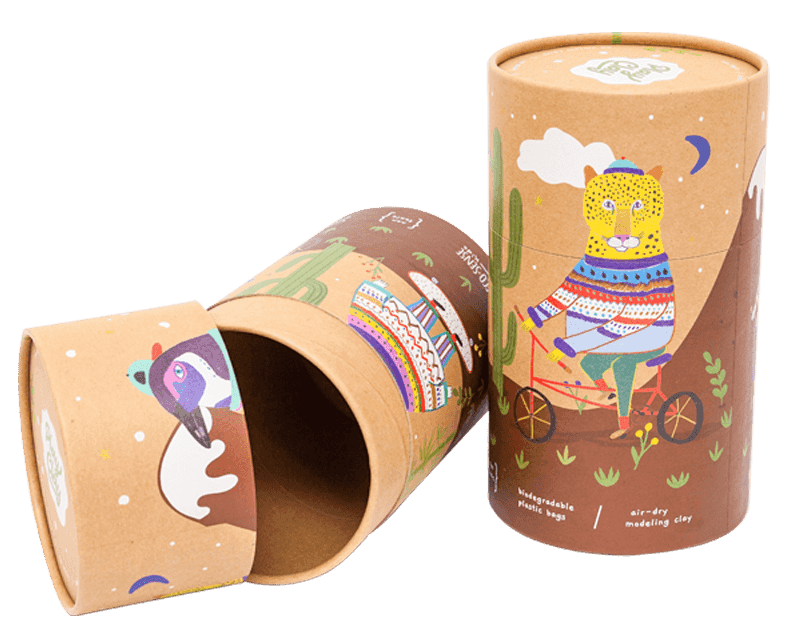 Custom UV Printed Recycled Kraft Paper Tube for Watercolor MarkersPlace of Origin:China Brand Name:OEM Model Number:OEM Paper Type:Kraft Paper Printing Handling:Embossing, Glossy Lamination, Stamping, UV Coating Custom Order:Accept F...View Product →
From industrial cores to custom paper tube packaging, the right supplier should understand both the structural demands of winding and the brand demands of finished packaging.
FAQ About Cardboard Cores
What is the difference between a cardboard core and a cardboard tube?
A cardboard core supports a wound material, while a cardboard tube is any hollow paper cylinder. A core is usually an internal component; a tube may be a finished package or structural part.
How is core wall thickness determined?
Wall thickness depends on roll weight, winding tension, storage time, humidity, and handling conditions. Heavier rolls and longer storage usually require thicker walls.
Are cardboard cores recyclable?
Most paperboard cores are recyclable, but coatings, adhesives, and contamination can affect acceptance. Check local recycling guidelines and supplier documentation.
Can cardboard cores be custom printed?
Yes. Cores can be printed or color-coded for identification, branding, or inventory control, although printing may not be necessary for hidden industrial applications.
Final Thoughts
Cardboard cores are small components with a large impact on production efficiency, product protection, and supply chain reliability. Whether you need a precise small ID core, a heavy-duty paper mill core, or a custom paper tube for retail packaging, the best results come from clear specifications, realistic testing, and a manufacturing partner who understands the material.
Review your current core dimensions, equipment interface, and storage conditions before your next order. A few minutes of specification work can prevent costly downtime and poor roll performance later.
