1. Key Advantages
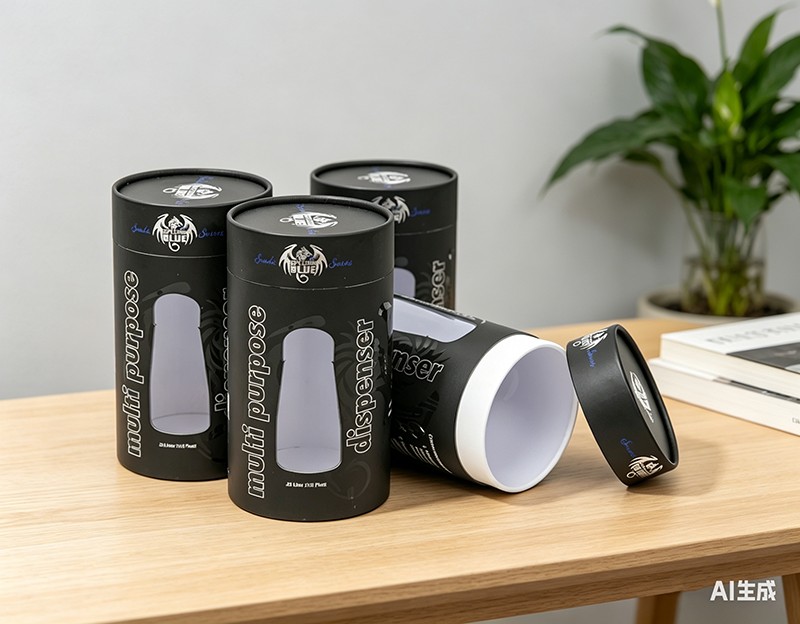
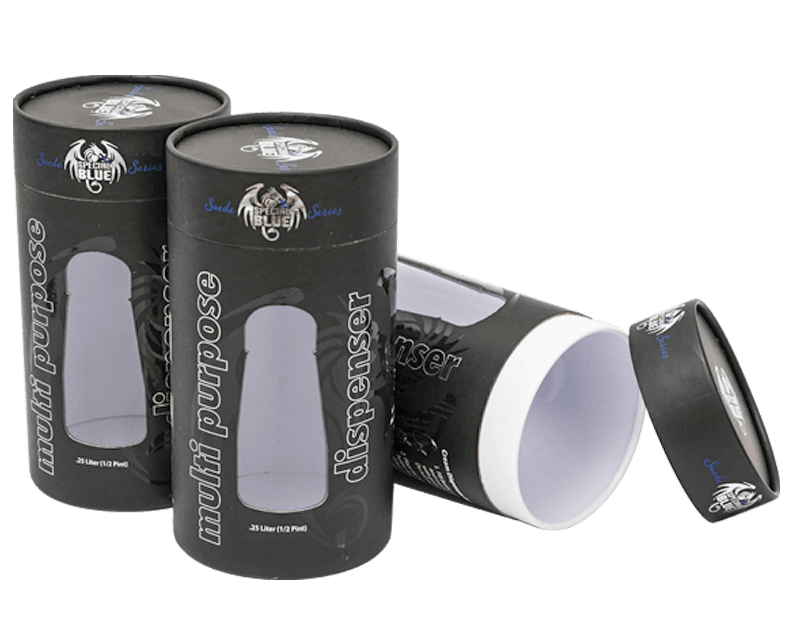
① Transparent Window Eliminates Purchase Hesitation: One of the most consistent findings in consumer packaged goods research is that consumers are significantly more likely to purchase a product when they can see it before buying. The transparent window in this paper tube directly addresses the trust barrier that opaque packaging creates. For food products — where color, freshness, and visual appeal are primary purchase triggers — a window showing the actual product inside is a measurable sales driver. For cosmetics and bath products, seeing the product's color, texture, or ingredients is equally powerful.
② Combines the Structural Strength of Paper Tubes with the Display Value of Clear Packaging: Traditional transparent display packaging (PVC or PET tubes, acrylic boxes, blister packs) lacks the printing surface, structural rigidity, and premium feel of paper-based packaging. Traditional opaque paper tubes lack the product visibility that drives conversion in a retail environment. The windowed paper tube is the best of both formats — the full brand storytelling surface and structural integrity of a paper cylinder, with the product visibility and consumer confidence of transparent packaging.
③ Dramatically Increases Conversion in Retail Environments: A/B testing by FMCG brands consistently shows that windowed packaging variants generate higher units-per-transaction than opaque equivalents in the same retail location. The window creates an implicit quality signal — the brand is sufficiently confident in the product's appearance to show it before purchase, which communicates freshness, quality control, and transparency (in both the literal and figurative sense).
2. Functions & Features
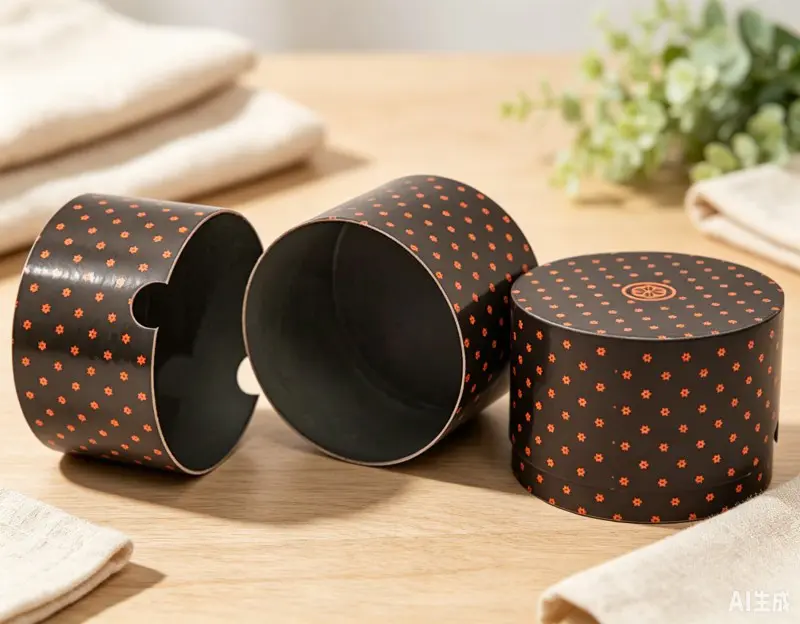
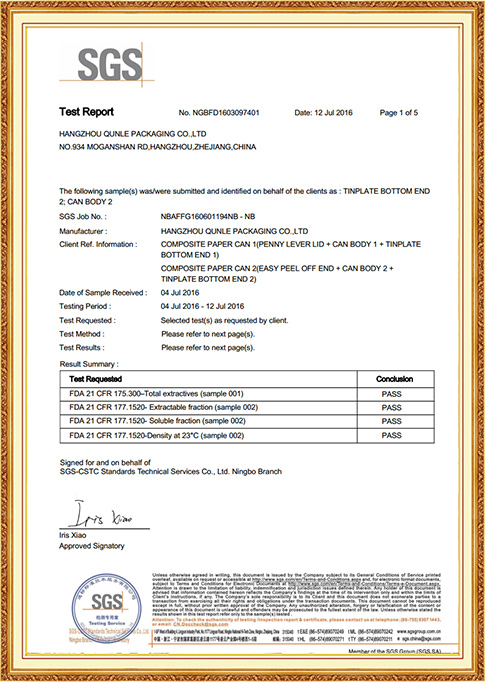
① PET/PVC Window Film Inset for Product Visibility: The window panel is a precision-cut clear film — typically PET for food applications (approved for food contact under FDA and EU regulations) or PVC for non-food applications — that is heat-sealed or adhesive-bonded into a die-cut aperture in the cylinder wall. The bond between the film and the paper is engineered to withstand the physical handling of retail and transit environments without delaminating or developing air gaps that would cloud the window.
② Customisable Window Shape, Size, and Position: The window can be positioned anywhere on the cylinder body — along the full length, as a shorter central panel, as a small oval or circular peephole at the top, or as an angled strip that creates an interesting visual effect. The shape is determined by the die-cut aperture and can be any geometric or organic form that serves the design intent. Window size can range from a small viewing aperture to a full-length strip that reveals almost the entire product.
③ Full Paper Cylinder Structural Integrity Maintained: Incorporating a window into a cylinder body inevitably removes paper from the wall, which could weaken the structure. The factory's engineering approach addresses this by adjusting the wall thickness specification and paper grammage to compensate for the removed material, maintaining the structural performance of the cylinder even with a significant window area.
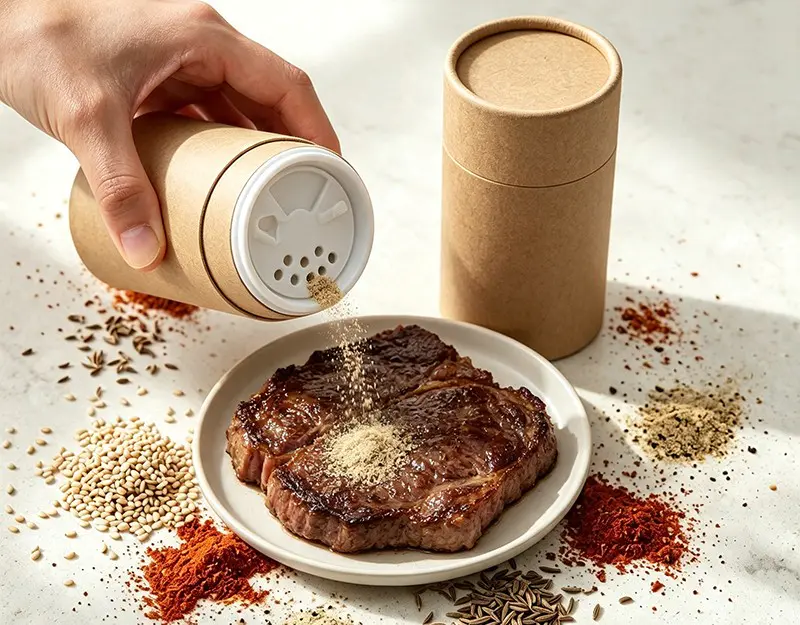
④ Lid and Base Full-Seal Closure System: The cylinder is fitted with solid paper end caps — a full-coverage base and a removal lid — that provide a complete seal at both ends. This ensures that even with a window in the cylinder wall, the interior environment is protected from dust, contamination, and moisture ingress through the closed ends. The combination of the sealed end caps and the window film creates an effective enclosure for both food and non-food products.
3. Applicable Products & Scenarios
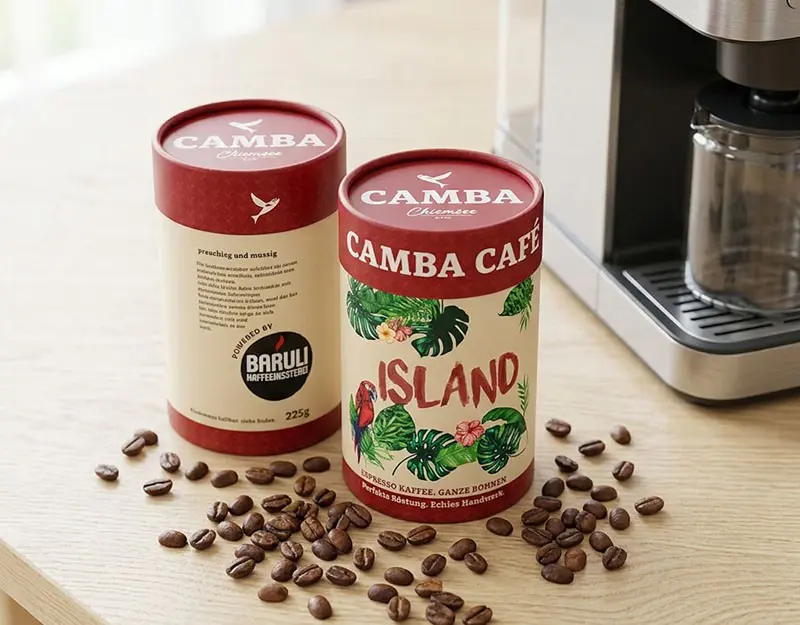
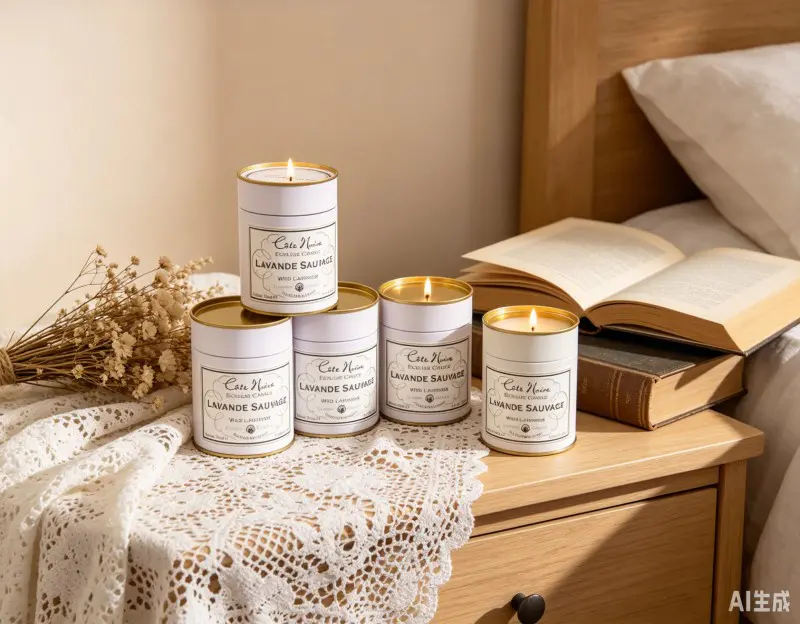
Primary Applications: Artisan candles (showing the candle's color and texture), premium confectionery and cookies (displaying the product's visual appeal), bath bombs and bath salts, specialty food items (artisan pasta, dried flowers, specialty grains), cosmetics and skincare samples, seasonal and holiday gift sets with visible contents.
Retail Channels: Specialty food and gift retailers, luxury department store food halls, artisan market stalls, e-commerce product pages (where the window photograph is a strong conversion driver), hotel amenity programs, subscription box services.