 English
 Español

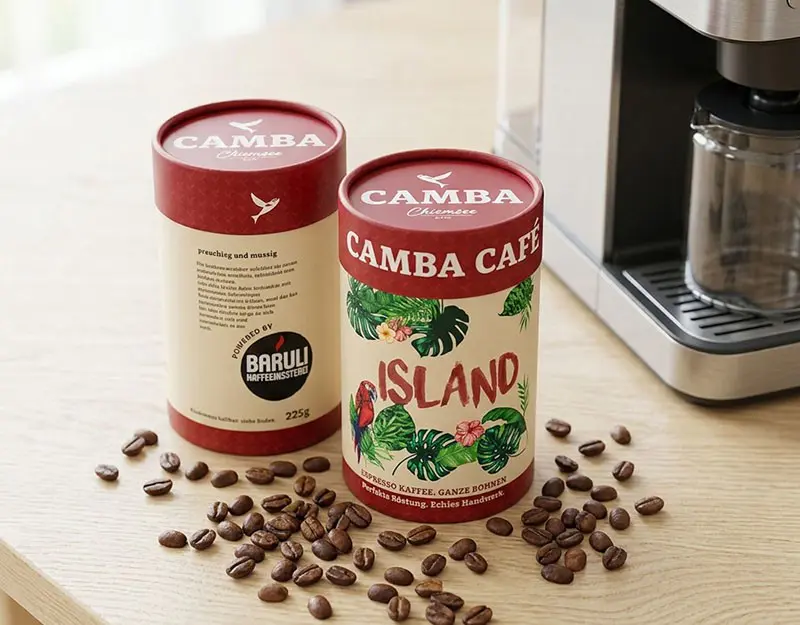

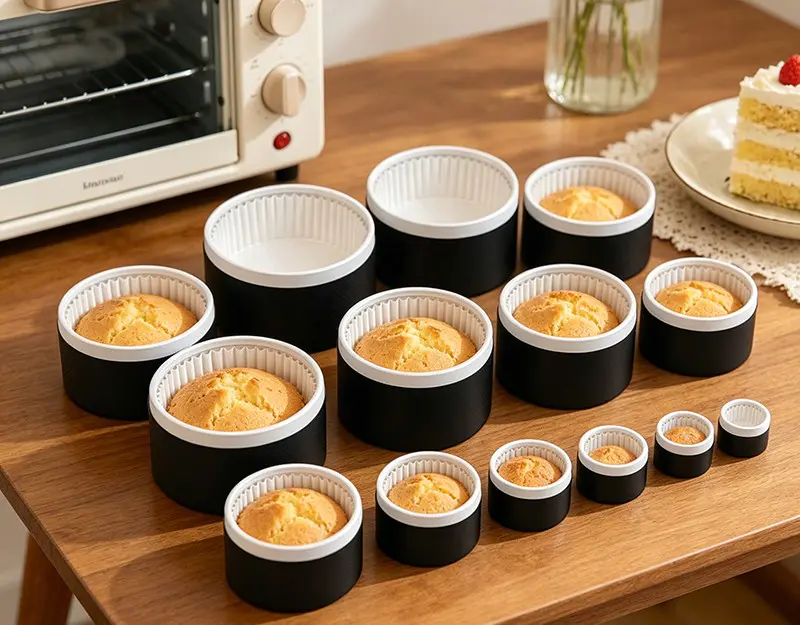

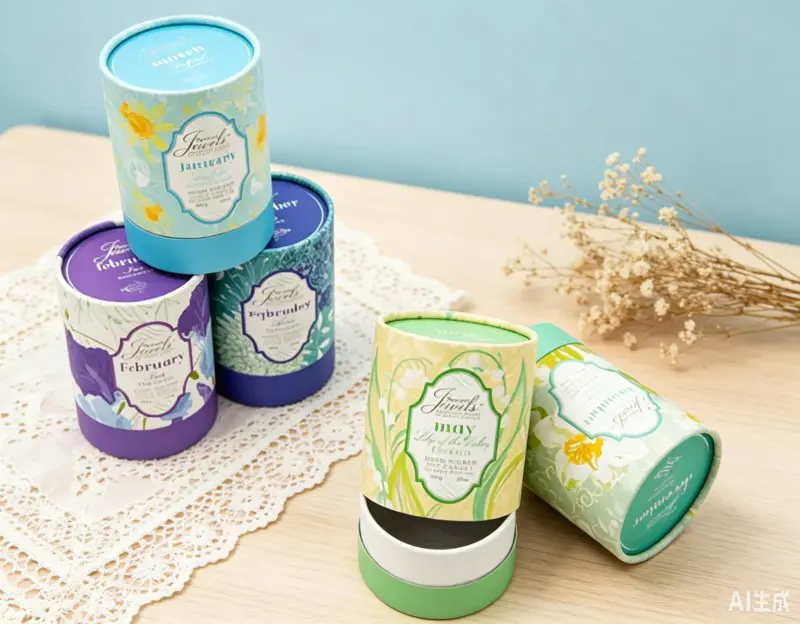
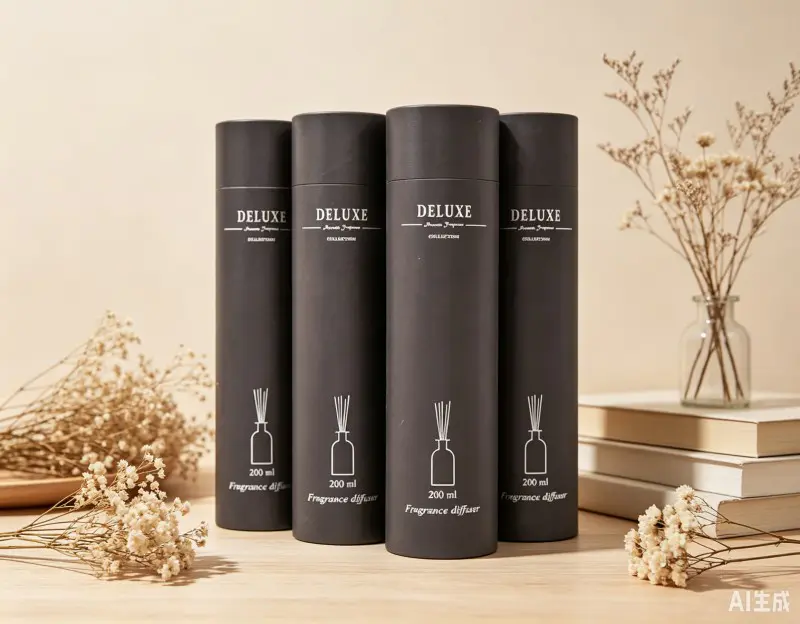
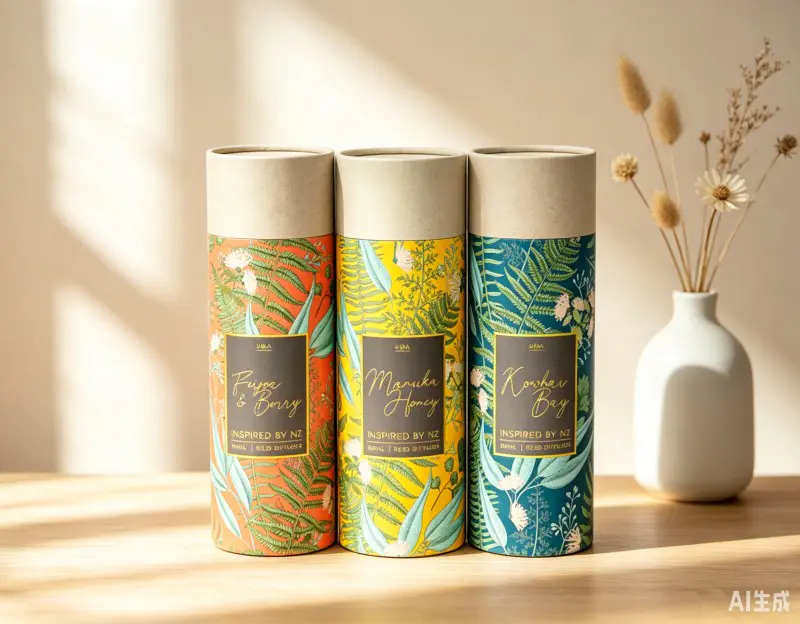
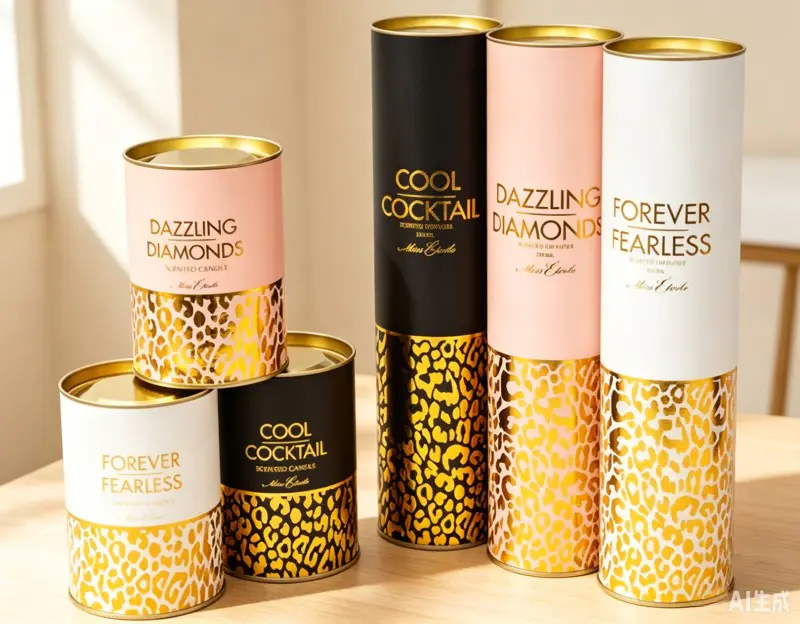
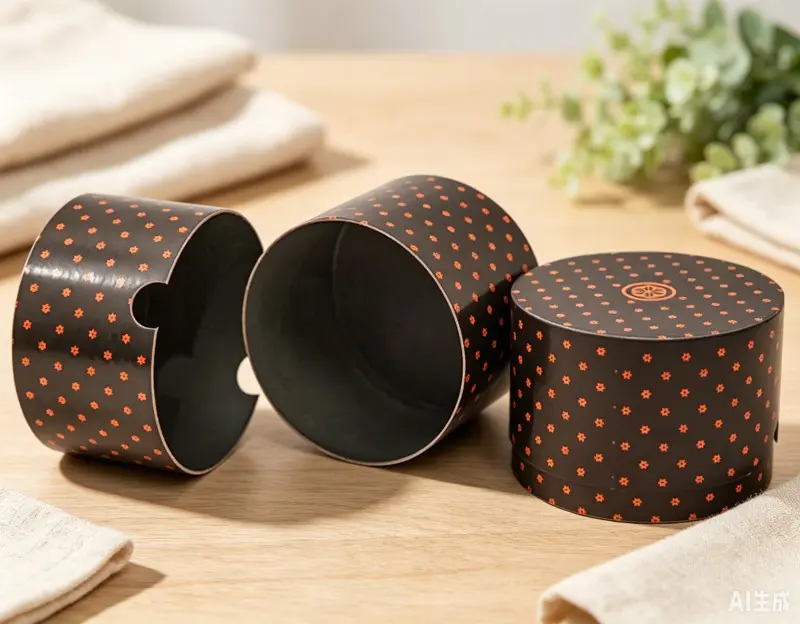


As one of the top China cardboard tube packaging manufacturers and paper tube packaging suppliers, we devote all of our efforts to research and launch more high quality packaging products to global market.
Custom tubes look simple from the outside — a cylinder, a lid, a printed wrap — and then turn out to involve a surprising number of decisions once you start specifying one. After more than two decades building composite cans and paper tubes in Hangzhou, we have learned that the hard part of a custom tube project is rarely the manufacturing itself. It is the conversation that happens before it: what the product needs, what the filling line can handle, and what the shelf is going to ask of the pack eighteen months later.
This guide walks through the way we actually scope custom tubes with brand owners, buyers and packaging engineers. No formulas to memorise, no jargon for its own sake — just the questions that come up again and again, and the answers that tend to hold up in production.
Content
- 1 What "Custom Tubes" Really Covers
- 2 The Variables You Will Be Asked to Confirm
- 3 Tube Structures and What They Protect
- 4 Materials, Barriers and Food-Grade Questions
- 5 Printing and Finishing That Survive the Shelf
- 6 How to Brief a Custom Tube Project
- 7 Mistakes We See Most Often
- 8 Cost, Minimums and Lead Time
What "Custom Tubes" Really Covers
When someone asks for a custom tube, they usually mean one of four different things, and it helps to separate them early because each one moves the project in a different direction.
- Structure: a plain single-wall tube, a spirally wound multi-ply body, a composite can with a foil liner, a telescopic two-piece set, or a tube with metal ends.
- Dimensions: diameter and length tuned to the fill weight, the headspace, and the machinery that will close the pack.
- Barrier: what sits between the product and the board — greaseproof paper, PE, aluminium foil, or a combination.
- Decoration: how the finished tube looks and feels, from a single-colour kraft print to soft-touch lamination with foil stamping.
Most buyers arrive with a strong opinion on the fourth and a vague idea about the first three. In our experience, it pays to work backwards: start with what the product needs to survive, then decide how it should look.
The Variables You Will Be Asked to Confirm
Every quotation we issue depends on the same handful of parameters. Knowing them before you brief a supplier saves weeks of back-and-forth.
| Specification | Common options | What it affects |
|---|---|---|
| Diameter and length | Usually 40–150 mm diameter, 60–300 mm length | Fill weight, pallet efficiency, closure tooling |
| Body construction | Single-wall, multi-ply spiral, composite can | Rigidity, crush resistance, cost per unit |
| Inner liner | Uncoated, PE, foil, greaseproof | Moisture and oxygen protection, food contact compliance |
| Closure | Paper lid, metal plug, metal bottom, peelable membrane, shaker top | Shelf life, tamper evidence, opening experience |
| Print method | Offset litho wrap, flexo, digital short runs | Colour accuracy, minimum order, artwork lead time |
Two of these — diameter and closure — are the ones that most often force a redesign after the first sample. It is worth locking them down before anyone starts on artwork.
Tube Structures and What They Protect
Single-wall and multi-ply spiral tubes
These are the workhorses. A single-wall tube suits lightweight, dry goods and short-life items; a multi-ply spiral-wound body gives a firmer hand-feel and better crush resistance, which matters as soon as tubes are stacked, shipped, or displayed standing upright on a crowded shelf. Tea, cookies, candles, socks, cosmetics and craft items all live comfortably in this category.
Composite cans and airtight paper canisters
Once a product is hygroscopic, fatty, or simply expected to stay crisp for months, the conversation shifts to composite cans: a wound body with an internal liner, sealed by metal ends or a membrane. These are the packs we build for protein powders, drinking chocolate, salt, spices and pet food, where the seal does as much brand work as the print.
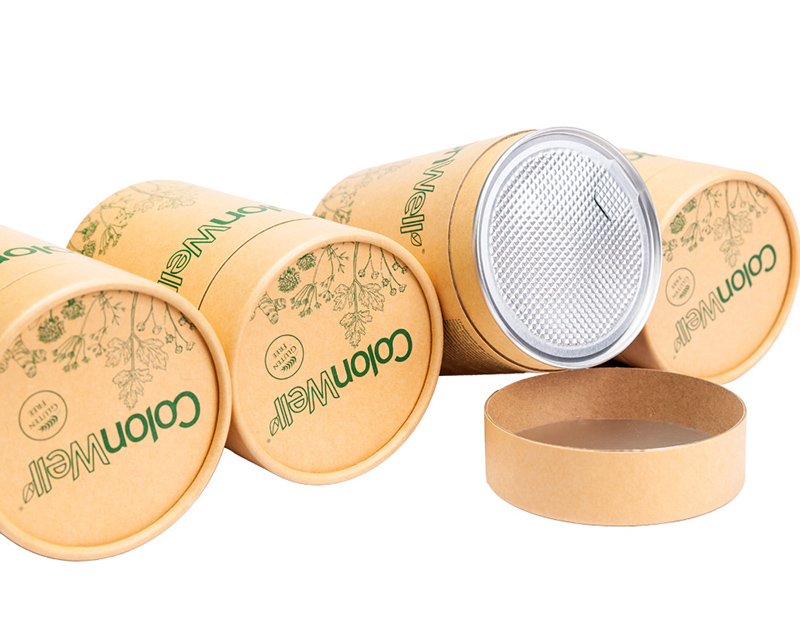 Airtight Composite Paper Canister for Collagen Powder SupplementsA three-piece composite paper canister with foil seal and tin bottom, suited to food-grade collagen powder where an airtight barrier helps prevent clumping.View Product →
Valve-equipped tubes for coffee
Roasted coffee is its own case. It releases carbon dioxide for days after roasting, and a sealed tube without an escape route will either bulge or force the gas back through the product. A one-way valve solves that while keeping oxygen out — and it is one of the few closures where the placement of the valve on the lid, not just its presence, influences how the pack behaves during filling.
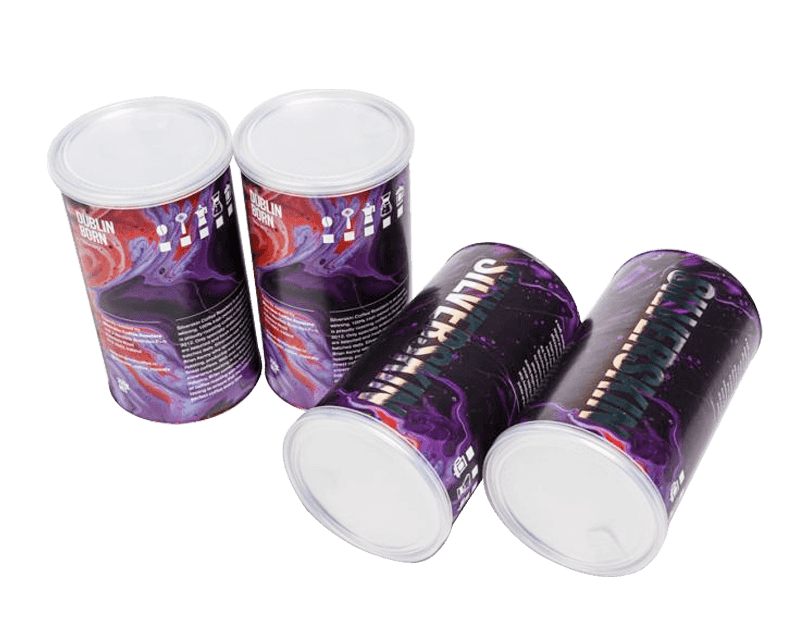 Airtight Coffee Bean Tube with One-Way ValveComposite paper canister for 250 g coffee beans, with foil peel-off end, plastic cover and valve to release roast gases while keeping oxygen out.View Product →
Window tubes
A window changes the psychology of the pack. It lets the product sell itself — the colour of the loose tea, the texture of the bath bomb, the pattern on the candle — while keeping the structural benefits of a rigid tube. Practically, we cut a window into the wrap and back it with a clear film, so the artwork has to be designed around the opening rather than adjusted afterwards.
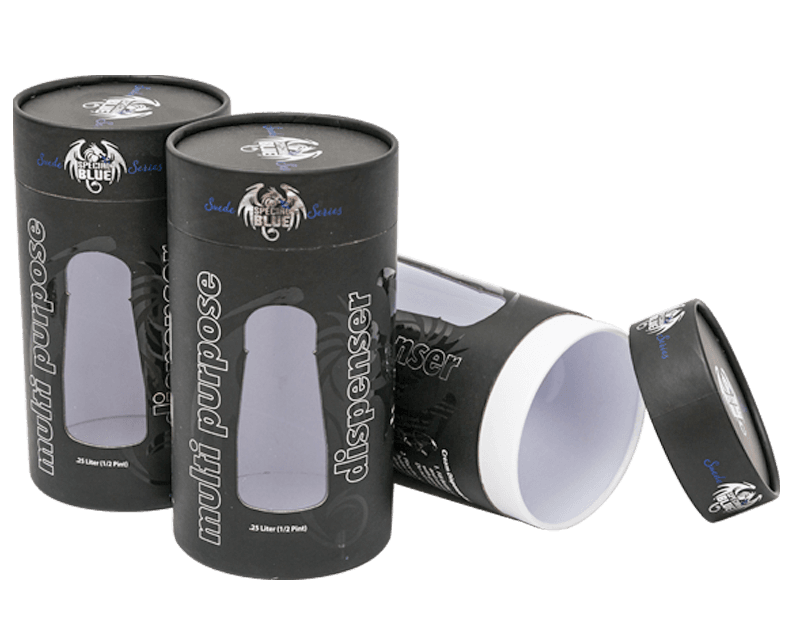 Custom Kraft Paper Tube with Clear PVC WindowCylindrical kraft paper packaging with a clear PVC window for water bottle packing, customizable with printing and a 71–73 mm inner diameter.View Product →
Metal ends, shaker tops and telescopic fits
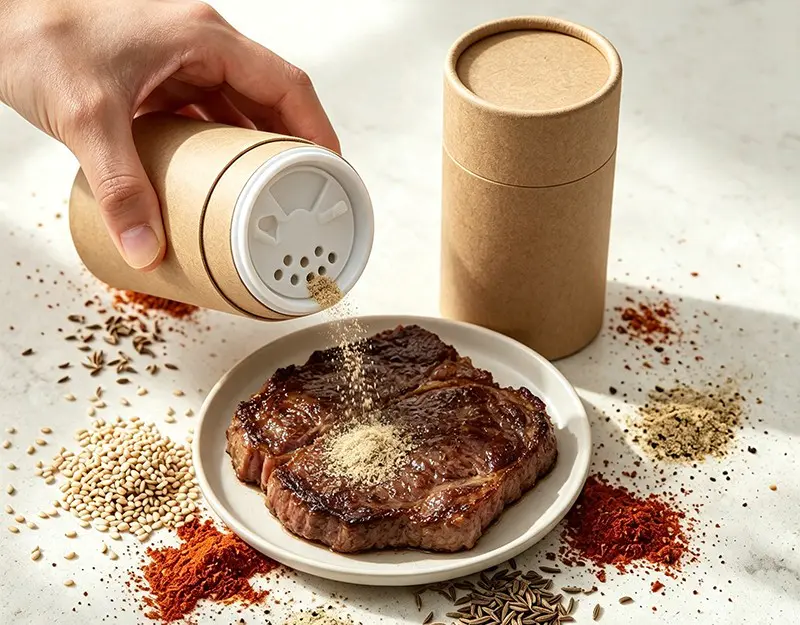
Small hardware decisions carry a lot of weight. A metal bottom gives a premium "tin-like" feel and a stable base. A plastic sifter turns a plain tube into a salt or spice shaker. A telescopic two-piece fit is often the cheapest way to get a satisfying lid action without additional tooling. Each one adds a component to plan for, and each one has a lead time of its own.
Materials, Barriers and Food-Grade Questions
Board choice is usually a compromise between appearance, strength and cost. Unbleached kraft gives a natural, tactile look that suits organic and artisan positioning; white-lined board takes colour more cleanly and is easier to match across reprints; coated board offers a smoother base for fine detail. None of them is automatically "better" — they simply suit different products.
The inner liner is where food safety is actually settled. For dry, low-fat goods, an uncoated food-grade board is often enough. For anything containing fats, essential oils or fine powders, a PE or foil liner prevents staining and migration while slowing moisture transfer. Where shelf life is measured in many months rather than weeks, foil plus a sealed metal end or membrane is the combination that does the work.
Ask any supplier for the food-contact documentation that applies to your market before you approve artwork, not after. Our own plant was the first in China to hold a QS certificate for food packaging containers, and we are a member of the Composite Can and Tube Institute — but paperwork only helps if the specification on it matches the pack you are actually buying. If your product is destined for the EU, it is also worth reading up on how composite paper cans line up with PPWR requirements before finalising the structure.
Printing and Finishing That Survive the Shelf
Tubes are printed as flat sheets and then wound, which means artwork has to be planned for a curved surface and a seam. Two rules save a lot of reprints. First, keep critical elements — logos, legal text, barcodes — away from the seam by a comfortable margin. Second, don't push ink coverage to the absolute edge of what the press can hold; heavy solids on kraft stock tend to show fibre texture, and that texture is either a feature you design for or a surprise you don't want.
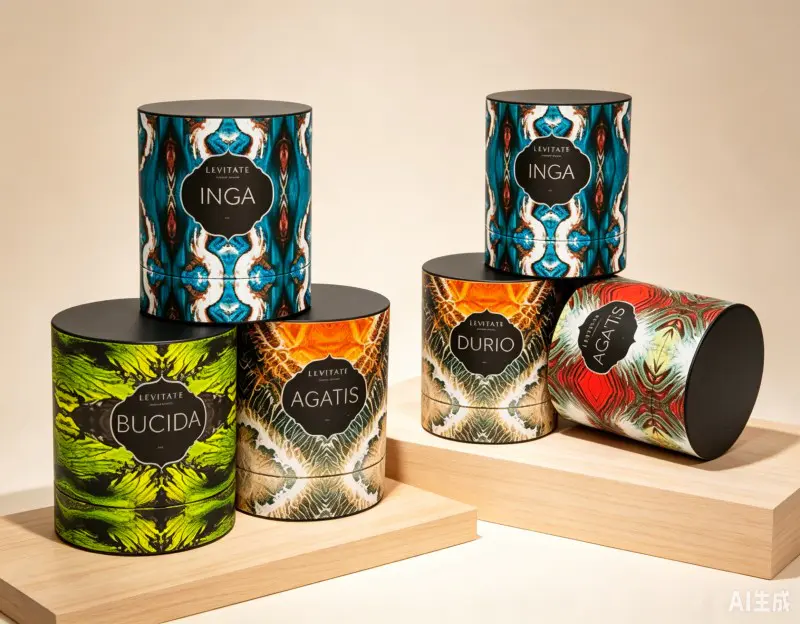
Finishing options are broader than most buyers expect: matte or gloss lamination, spot UV, hot foil, embossing, and soft-touch film that makes a paper tube feel almost like rubber. Each adds cost and lead time, so it is worth deciding which one carries the brand message rather than stacking four of them. If you are printing on natural kraft, our notes on custom printing on kraft paper tubes cover the colour and coverage quirks in more detail.
How to Brief a Custom Tube Project
A brief that answers these seven points will usually get you a usable quotation on the first pass instead of the third.
- Product and fill weight. What goes in, how much, and in what form — powder, solid, liquid-free.
- Required shelf life. This single number drives liner, closure and cost more than anything else.
- Target dimensions. If you already have a filling line, its constraints come first. Our guide to paper tube dimensions explains how diameter and wall thickness interact.
- Closure preference. Paper lid, metal plug, membrane, shaker — or "open to suggestions".
- Artwork status. Finished files, a rough concept, or nothing yet. All three are workable.
- Order quantity and reorder pattern. First run plus expected annual volume, so tooling can be planned sensibly.
- Destination market. Compliance requirements, labelling language, and any retailer-specific packaging rules.
Mistakes We See Most Often
- Specifying the tube before the filling line. A beautiful pack that the filling nozzle cannot reach is an expensive sample.
- Forgetting headspace. Powder settles; product needs room for a membrane seal and a lid that closes flush.
- Designing artwork on a flat template. The seam and the curve will surprise you.
- Underestimating shipping. Tubes are light but voluminous, and pallet configuration can change the true unit cost more than the print does.
- Treating the closure as an afterthought. It is the part the customer touches first and the part that decides whether the product stays fresh.
Cost, Minimums and Lead Time
Custom tubes are made on tooling, so the first order carries setup that later orders do not. Diameter changes usually mean new tooling; length changes are often cheaper. Print method matters too — offset litho rewards volume, while shorter runs are more economical with simpler print. Rather than quoting a single minimum, we prefer to show a buyer two or three configurations at different quantities so the trade-off between unit price and inventory risk is visible.
Lead time follows a similar logic. Artwork approval, proofing, printing, winding, closure assembly and packing each take their slot, and the projects that run smoothly are the ones where the specification was signed off before the artwork was started. Sampling first, then printing, almost always beats printing first and sampling afterwards.
If there is one habit worth borrowing from twenty years on the production floor, it is this: describe the product's worst day, not its best. The tube that survives a humid warehouse, a long sea freight and a customer who opens it slowly over three months is the tube that makes a brand look reliable. Everything else — the finish, the foil, the window — is craft layered on top of that. We are always happy to talk through a specification before you commit to artwork, even if it is still just a sketch and a fill weight on a notepad.
