 English
 Español

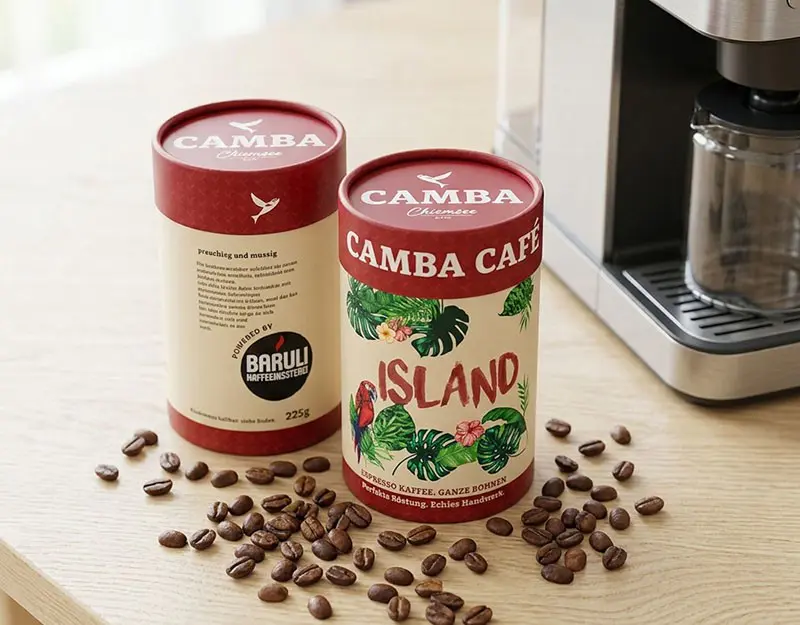
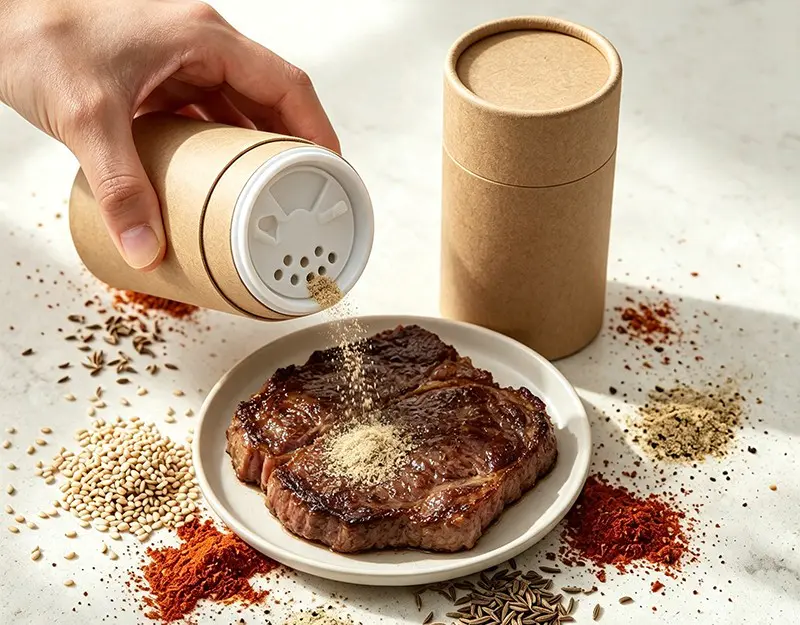
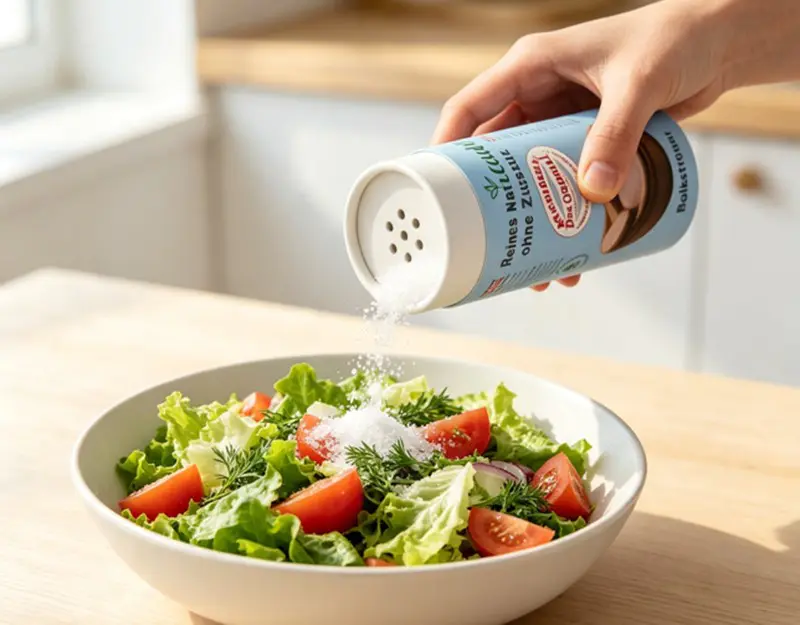
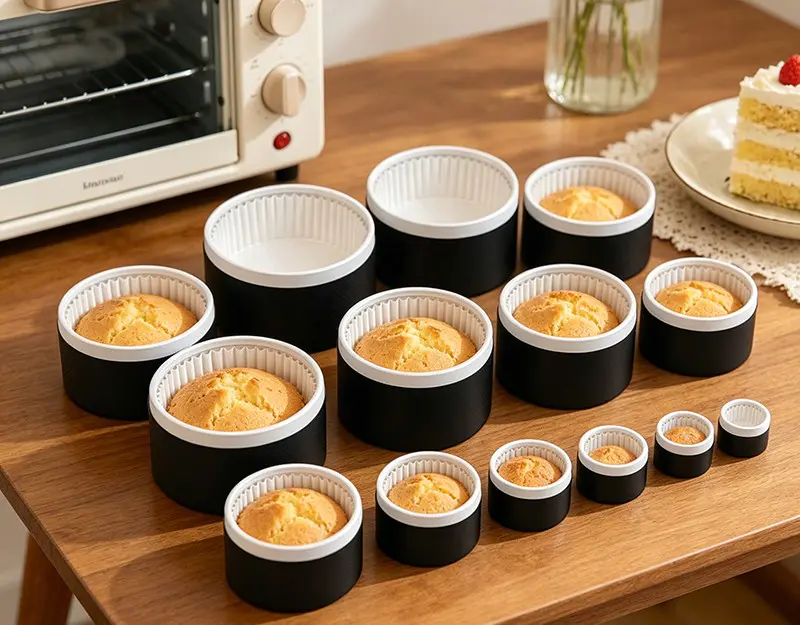

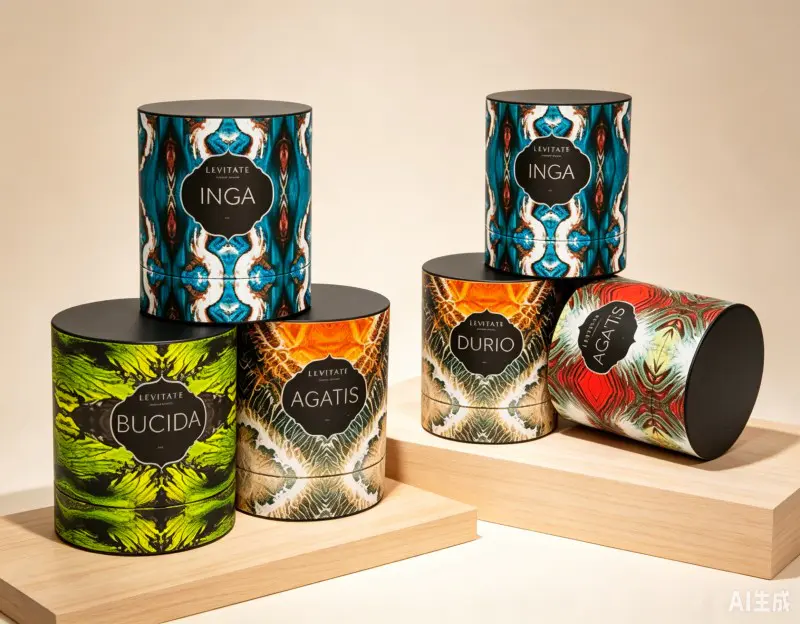
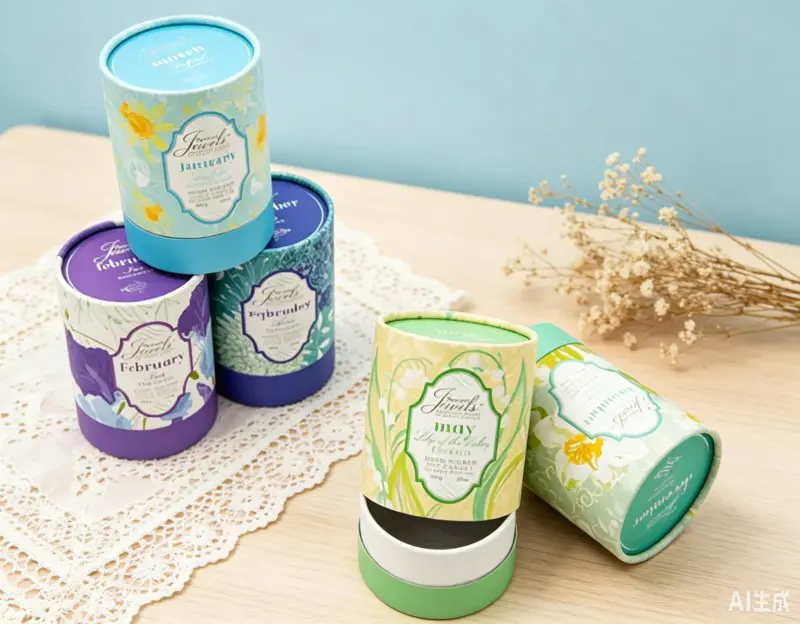
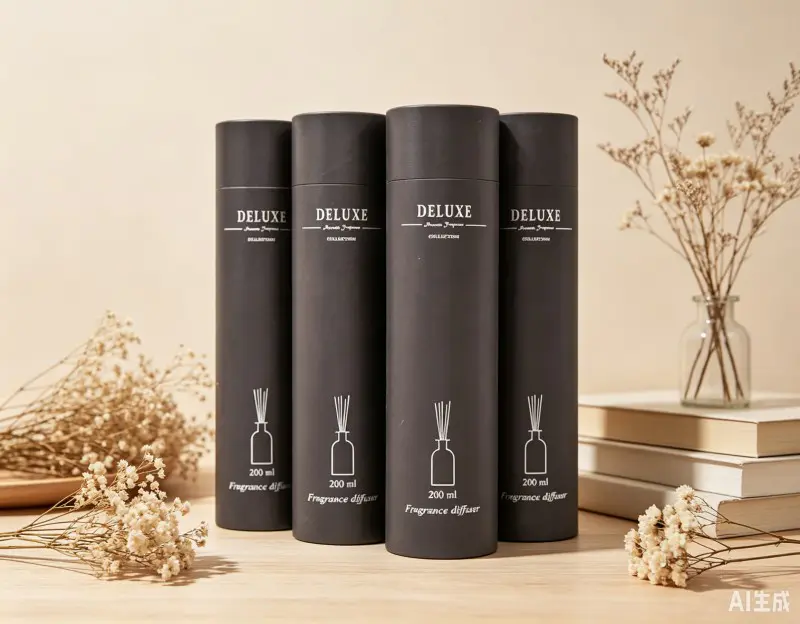
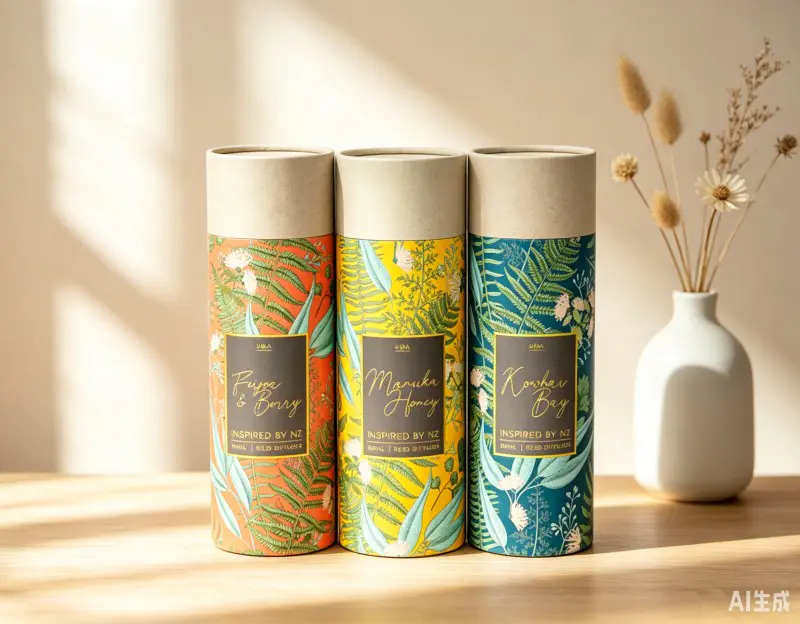
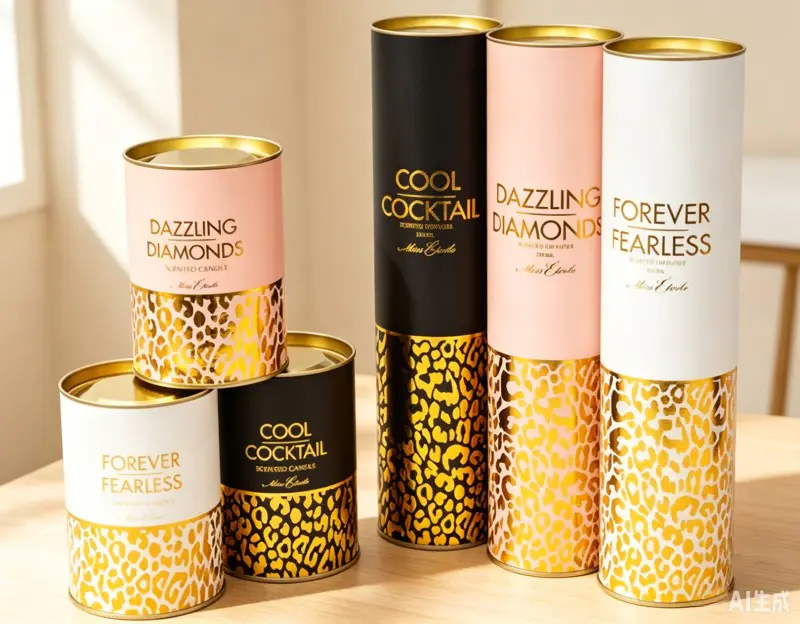
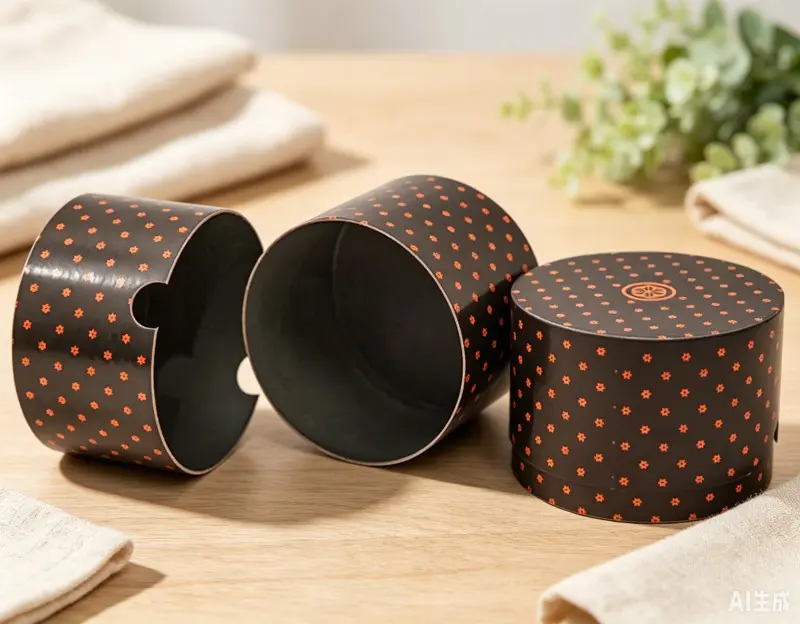
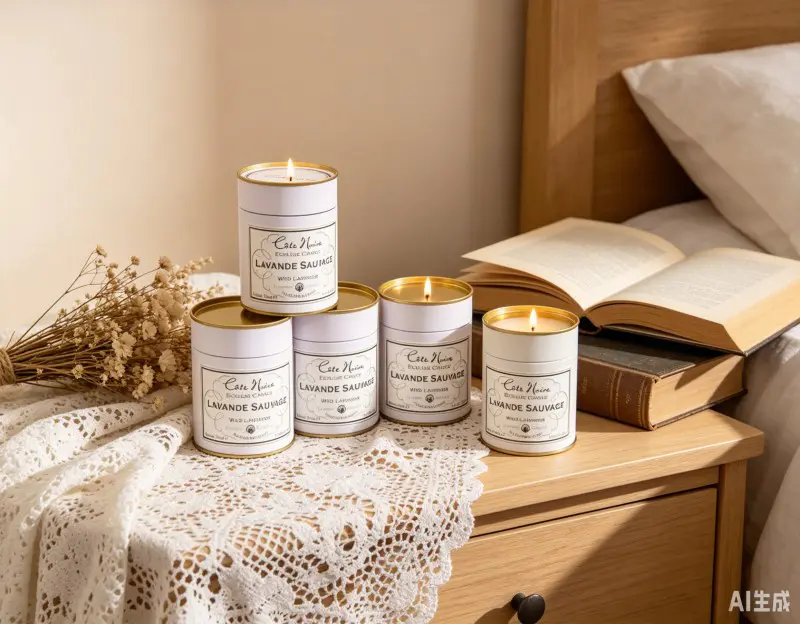

As one of the top China cardboard tube packaging manufacturers and paper tube packaging suppliers, we devote all of our efforts to research and launch more high quality packaging products to global market.
Walk into any specialty food shop and you will notice them: tall, round, paper-based containers holding loose-leaf tea, drinking chocolate, protein powder, salt flakes or handmade cookies. Food packaging tubes have moved from a niche format into the mainstream, and for good reason. They protect fragile or moisture-sensitive products, print beautifully, and give a brand a silhouette that stands apart from the flat cartons crowding the shelf.
We have spent more than two decades winding, lining and sealing these cylinders for food and beverage brands, so this guide comes from the production floor rather than the showroom. Below you will find how a food-grade tube is actually built, which styles suit which products, and what to check before you place a first order.
Content
- 1 Why Food Brands Are Turning to Paper Tubes
- 2 The Anatomy of a Food-Grade Paper Tube
- 3 Common Food Packaging Tube Styles
- 4 Getting Closures and Seals Right
- 5 Protecting Flavour, Freshness and Shelf Life
- 6 Customization: Printing, Size and Windows
- 7 Sustainability and Compliance
- 8 A Practical Sourcing Checklist
Why Food Brands Are Turning to Paper Tubes
A cylinder is an efficient shape. For a given volume it uses less material than a box, and because there are no corners, there is nowhere for powder to lodge or for a biscuit to crack. The rigid wall resists stacking pressure in a shipping carton, while the round footprint takes up less shelf width than a squared package of the same capacity.
There is also a branding argument. A tube offers a continuous printable surface, roughly 360 degrees of uninterrupted artwork, which makes it ideal for the kind of dense pattern work or metallic foil detail that gets lost on a folding carton. And from a material standpoint, the body is predominantly paperboard, which aligns with the direction many food retailers are pushing their suppliers toward.
Perhaps the most practical advantage is shelf life. A well-built composite canister with a foil membrane and a tight closure behaves much like a tin, but weighs and costs less. That combination of protection, presentation and material story is why coffee roasters, tea blenders and supplement brands keep coming back to the format.
The Anatomy of a Food-Grade Paper Tube
Every tube is a small engineering project, and the differences between a good one and a cheap one usually hide inside the wall. A typical food packaging tube has four layers of decision-making:
- Body plies: multiple layers of paperboard wound and glued to build stiffness and crush resistance.
- Food-contact liner: virgin food-grade paper, or a coated layer such as PE, PLA or aluminium foil, depending on how much moisture and grease the product releases.
- Outer wrap: the printed label that carries your artwork, in kraft, white coated or specialty stock.
- Ends and closures: tinplate or paper bottoms, metal plugs, plastic sifters, aluminium foil membranes or peelable lids.
Food safety is decided at the liner and the ink. Direct food contact requires virgin fibre, migration-compliant inks and adhesives, and a production environment that keeps lubricants and dust away from the interior. This is precisely why certification matters more here than in general packaging, and why we have held food packaging production licensing since our earliest years of operation.
Common Food Packaging Tube Styles
The same winding platform produces very different packages once you change the closure, the liner and the label. The table below summarises the formats we build most often and what each one does best.
| Tube Style | Typical Contents | Functional Strength |
|---|---|---|
| Airtight composite canister | Cocoa, protein powder, ground coffee, milk powder | Rigid wall with a sealed base and long shelf life |
| Foil membrane tube | Crisps, dried fruit, snack sticks, nuts | Easy-tear opening with visible tamper evidence |
| Shaker tube | Salt, pepper, spice blends, seasoning powders | Sifter insert for controlled dispensing |
| Kraft paper tube | Tea, granola, cookies, baking mixes | Natural unbleached look with a food-grade liner |
| Window tube | Confectionery, tea samplers, gift sets | Clear panel that shows the product itself |
| Telescopic two-piece tube | Gummies, candy, small baked goods | Sliding fit that can be reopened and reused |
If you are still mapping formats to your product range, our longer breakdown of food tube packaging for different product types goes into more detail on matching contents to construction.
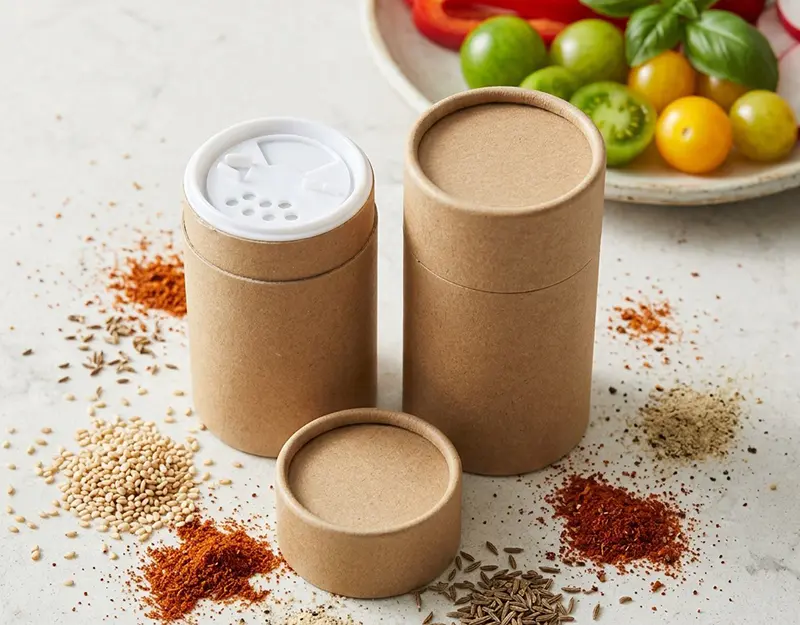 Custom Printed Paper Tube Shaker for 50G SpicesA kraft paper tube with foil liner and plastic sifter lid, sized for 50 g spices, offering custom printing for branded spice packaging.View Product →
Getting Closures and Seals Right
Ask any production manager where tube complaints originate and the answer is usually the seal, not the body. The closure has to do three jobs at once: keep oxygen and humidity out, open without a fight, and survive transport without popping.
Sealed bases
A tinplate bottom gives a canister the stability of a metal can. A peelable aluminium foil top, heat-sealed across the rim, provides an oxygen barrier and a visible freshness guarantee that a consumer breaks the first time. For products sold in bulk and decanted on site, a plain membrane plus a reusable plug often works better.
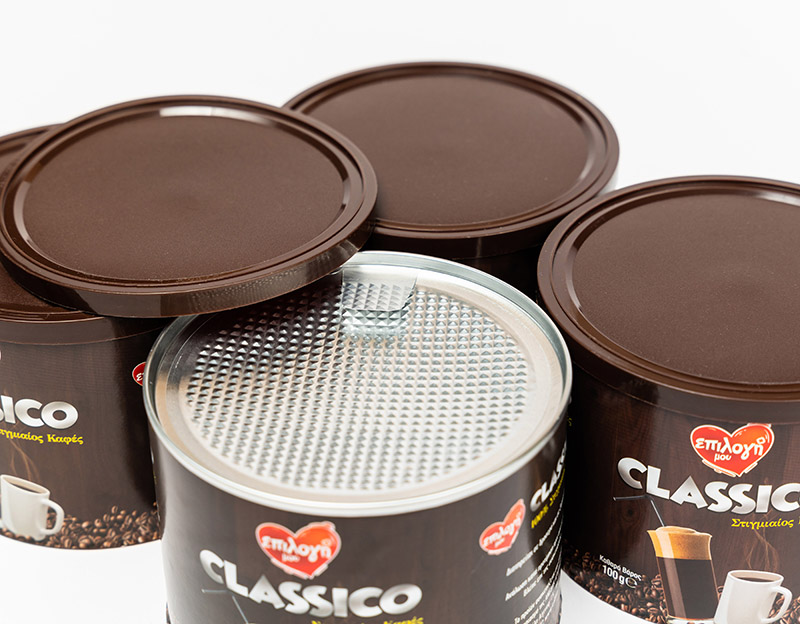 OEM PFAS-Free Airtight Coffee Canister with Degassing ValveA 100 g coffee canister with plastic cover and optional one-way valve to release CO2, positioned as PFAS-free OEM packaging for beans or powder.View Product →
Reusable closures
Metal plugs, tin lids, plastic shakers and shoulder-fit covers all change both the cost and the user experience. A friction plug is inexpensive and quiet; a threaded lid feels more premium but adds tooling. Test the opening force with real users before committing, because a closure that is too stiff will be cut open with a knife.
Protecting Flavour, Freshness and Shelf Life
Roasted coffee is the classic case. Beans release carbon dioxide for days after roasting, and if that gas cannot escape it pressurises the package; if oxygen gets in, the aromatics oxidise within weeks. A one-way degassing valve welded into the tube wall solves both problems at once, which is why valve tubes have become the default for whole-bean coffee packing lines.
The same logic applies to nutritional powders, which are hygroscopic and prone to caking. Double sealing, a desiccant sachet or a nitrogen flush can extend usable life considerably. It is worth running a simple accelerated shelf-life trial — a few weeks at elevated temperature and humidity — before locking a specification, because the difference between a coated liner and an uncoated one only shows up under stress.
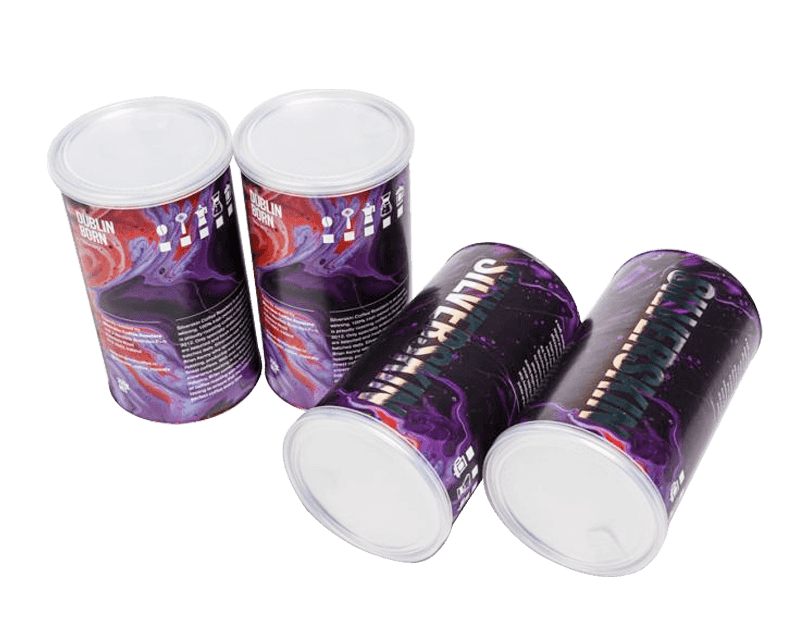 Airtight 250g Coffee Bean Packaging Tube with ValveA composite paper canister with foil lining, tin bottom, plastic cover and valve, sized for 250 g coffee beans and customizable with printing and logos.View Product →
Customization: Printing, Size and Windows
Most projects start with two questions: what diameter, and how tall. Diameter is driven by fill weight and by how the product sits inside; height by the label area you need and by shelf standardisation. Getting dimensions right at the sampling stage saves expensive tooling changes later.
On decoration, the usual routes are offset litho for fine photographic detail and flexographic printing for solid colour and cost efficiency at volume. Kraft stock with a single-colour print has become something of a signature look for artisan food brands, while soft-touch lamination, spot UV and hot foil stamping push a tube toward the gift end of the market. Custom logo printing, Pantone matching and matched inner liners are all standard requests, and a window variant is worth considering if the contents themselves are the best advertisement.
Sustainability and Compliance
Paper tubes are not automatically sustainable; the material mix decides that. A mono-material design with a paper liner and paper ends recycles in the standard paper stream, while a foil-lined canister with a tinplate base needs the consumer to separate components. Both can be legitimate — the point is to be honest about which one you are buying and to design for the collection system your market actually has.
In Europe, the Packaging and Packaging Waste Regulation is tightening requirements on recyclability, recycled content and the presence of problematic substances. Food packaging also sits under separate migration rules, so any change of liner or adhesive should be validated rather than assumed. Our notes on preparing a food paper tube for PPWR testing outline the practical steps, and as a member of the Composite Can and Tube Institute we follow the technical discussions shaping these standards.
A Practical Sourcing Checklist
When you approach a manufacturer, a short brief saves a long conversation. Bring the following to the first call:
- Product description, including fat content, moisture level and particle size.
- Target net weight and any filling equipment dimensions.
- Required shelf life and the storage conditions it will face.
- Preferred closure type and whether the pack must be resealable.
- Food-contact and certification requirements for your destination market.
- Artwork files, colour references and any special finishes.
- Annual volume, order frequency and pallet configuration.
With those seven points settled, a sample usually takes far less back-and-forth, and the quotation you receive will reflect a real specification rather than a guess.
Food packaging tubes reward a bit of planning. Decide early whether the priority is barrier performance, shelf presence or recyclability, because those goals pull the specification in slightly different directions. Get the liner, the seal and the closure aligned with the product inside, and the rest — the printing, the finish, the unboxing moment — becomes a design conversation rather than a technical risk. If you would like a second opinion on a specification, send us the details and we will tell you honestly what will work and what will not.
