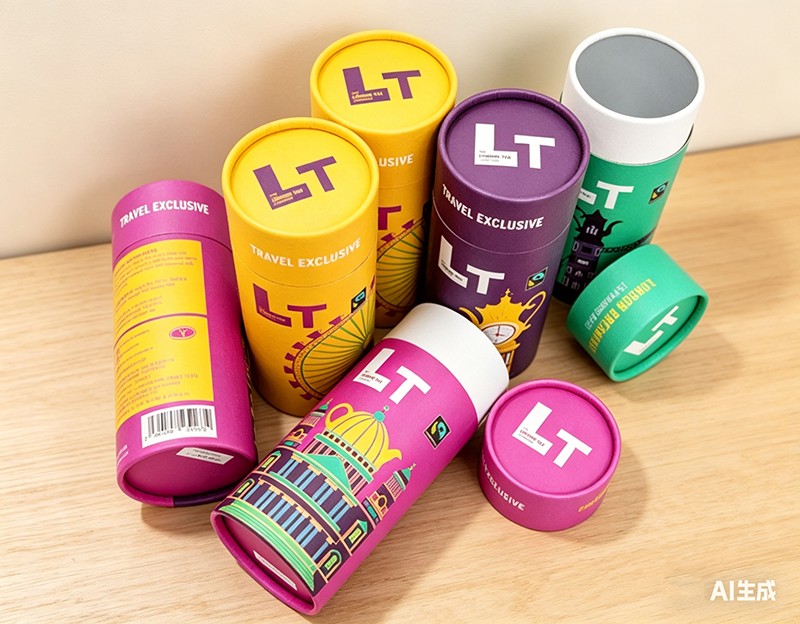
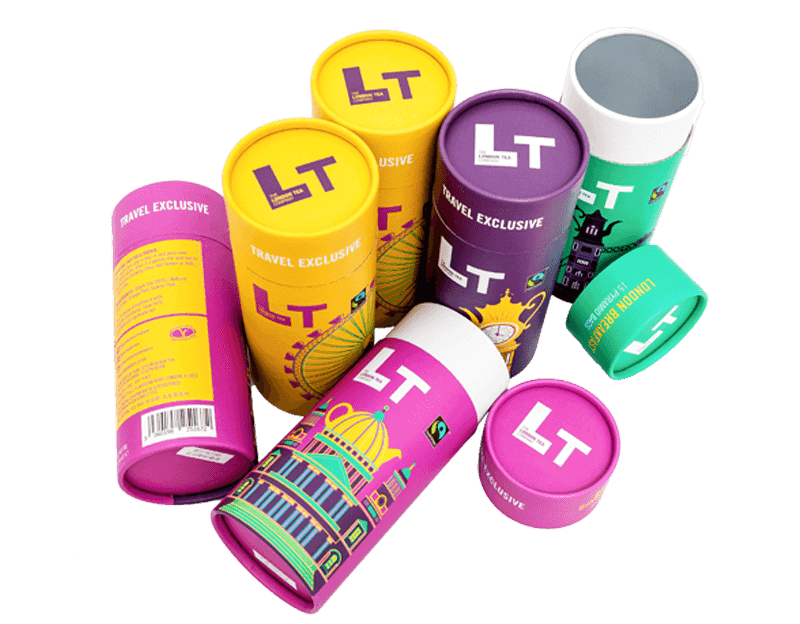
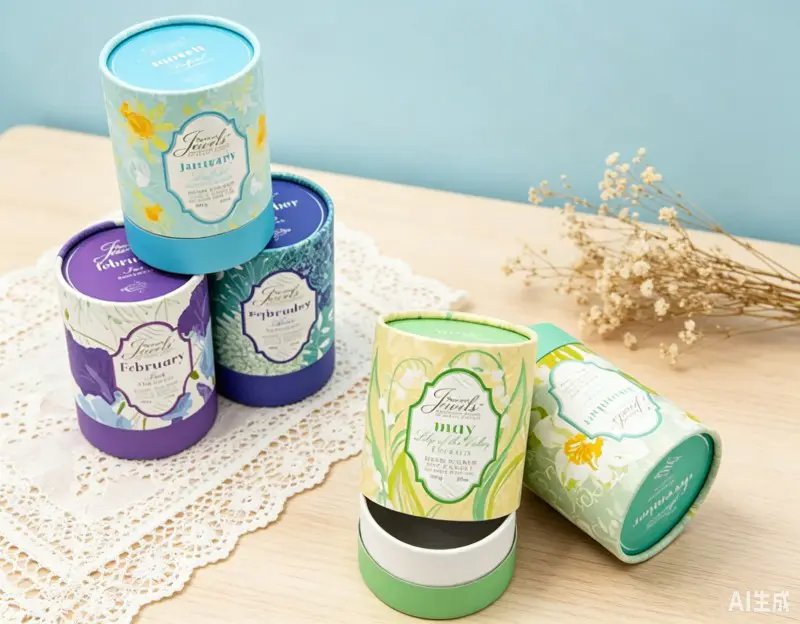
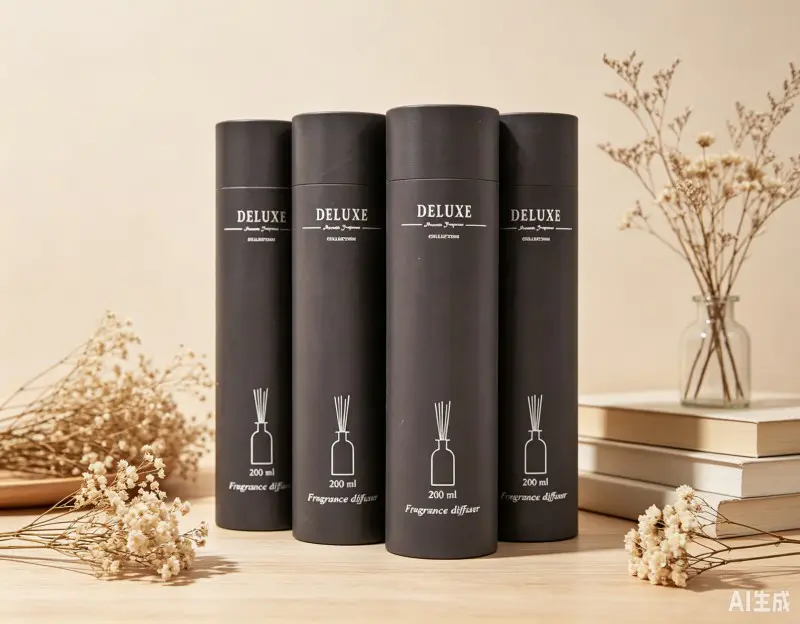
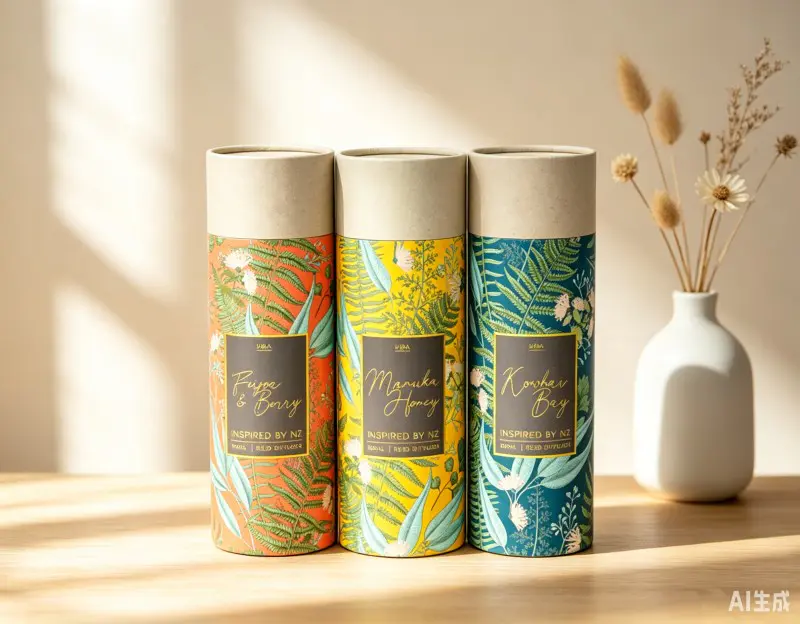
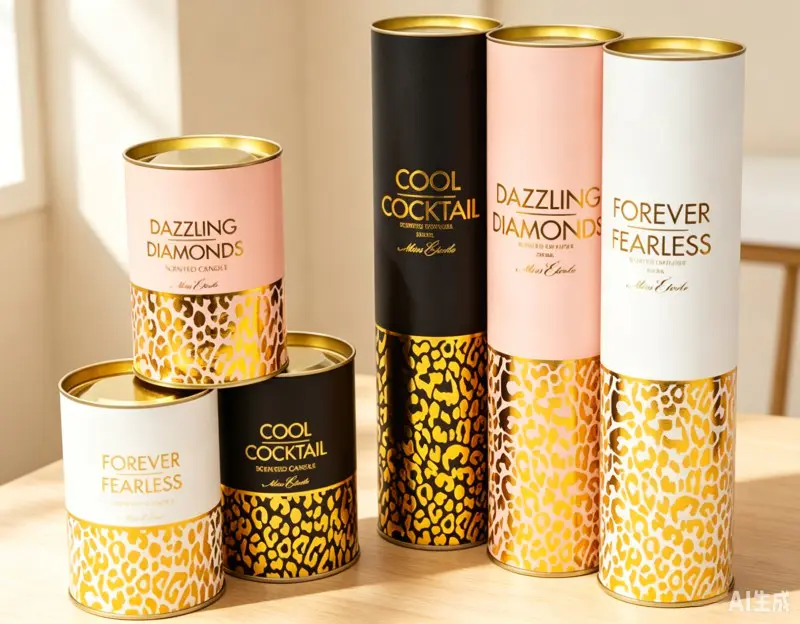
1. Key Advantages
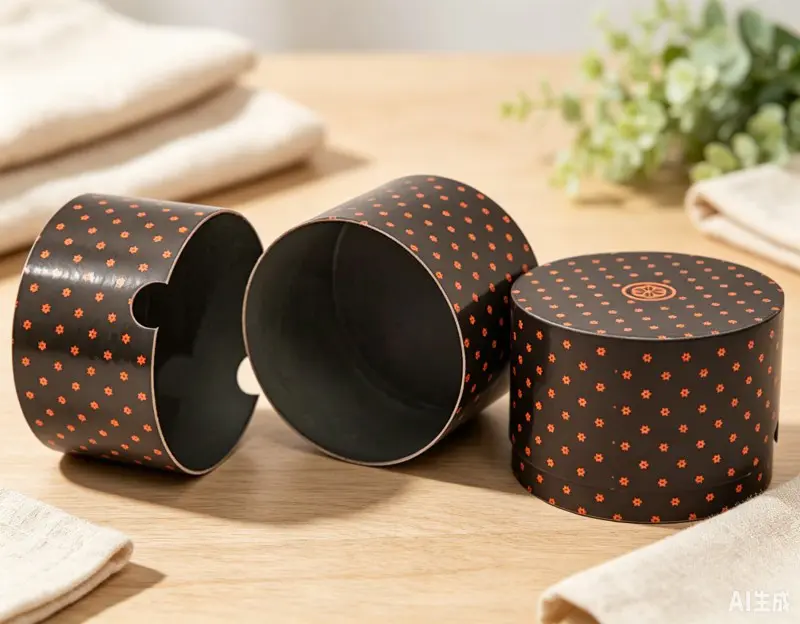
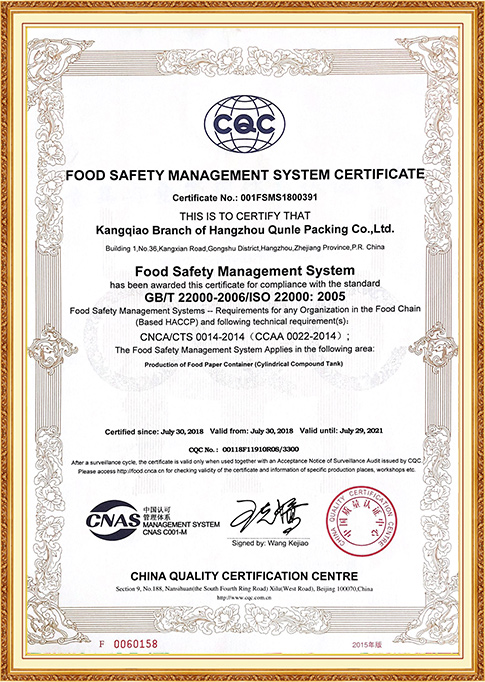
Engineered Specifically for Tea's Preservation Requirements: Tea is uniquely sensitive to four environmental factors that can rapidly degrade its quality: moisture, oxygen, light, and odor contamination. Unlike generic cardboard packaging, this tea-specific cardboard box is engineered to address all four threats simultaneously — with a moisture-barrier inner liner, an airtight friction-fit lid, a food-safe opaque wall that blocks UV light, and a neutral-odor inner surface that does not transfer any secondary flavors or scents to the tea.
2. Functions & Features
① Food-Safe Inner Liner for Moisture Exclusion: The interior wall of the cardboard tube is lined with a PE-coated paper or food-grade foil material that creates an effective moisture barrier. This liner prevents ambient humidity from penetrating the cardboard wall and reaching the tea, which would cause the tea to absorb moisture, lose crispness, and develop off-flavors. The liner is applied at the factory and is an integral part of the tube structure, not a loose insert that can shift during transit.
② UV-Opaque Wall Construction for Light Protection: All tea, and particularly green tea, is highly susceptible to degradation by ultraviolet light. The opaque cardboard wall of the cylinder blocks 100% of visible light and the damaging UV spectrum, ensuring the tea's chlorophyll content (which gives green tea its characteristic color and freshness) is preserved throughout the product's shelf life.
③ Tight-Fitting Lid for Airtight Storage Between Uses: The friction-fit cardboard lid is engineered to create a near-airtight seal when pressed onto the cylinder body. This is critical for loose leaf tea, which begins to oxidise and lose volatile aromatic compounds as soon as it is exposed to air. A tight lid that consumers can reseal between uses extends the effective shelf life of the tea and reduces consumer complaints about product quality.
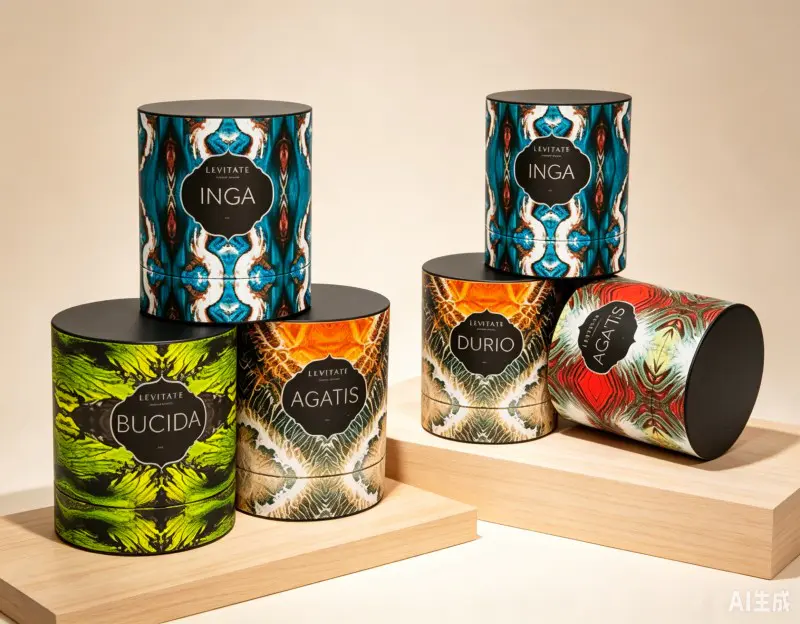
④ Stackable Design for Warehouse and Retail Efficiency: The flat-top lid of the cylinder allows boxes to be stacked vertically without stability issues, maximising the use of warehouse shelf space and retail display surfaces. For retailers stocking multiple tea varieties in the same cylinder format, a consistent footprint makes shelf organisation and stock rotation straightforward.
3. Customization Options
① Size Range from Single-Serve to Bulk Canister: The smallest format — a slim cylinder for 5–10 individual tea bags — is suitable for single-serve gift items or hotel amenity programs. The largest format — a wide-diameter canister for 250–500g of loose leaf tea — serves the bulk retail and hospitality channels. Any size within this range can be produced with appropriate tooling.
② Window Options to Display Tea Color: A transparent PET window in the cylinder wall allows consumers to see the color of the tea inside — a valuable purchasing cue, particularly for herbal teas where the dried ingredients (rose petals, chamomile flowers, hibiscus, etc.) are visually attractive. The window size and position can be specified in the design brief.
③ Divider Inserts for Assorted Tea Samplers: A cardboard inner divider system can create multiple compartments within a single cylinder, each holding a different variety of tea. This is the ideal format for gift sampler sets — a beautiful outer cylinder housing four or five individual tea varieties, each separated by a branded compartment divider. The sampler format is a premium gift proposition that commands a significantly higher retail price than individual variety packaging.
④ Bilingual and Multi-Market Labeling: For tea brands exporting to multiple markets, the print design can accommodate bilingual or multilingual labeling — English and Chinese, English and French, or a three-language combination — within a single print run. This eliminates the need for separate SKUs for different export markets and reduces inventory complexity.