1. Key Advantages
Designed for the Regulatory Complexity of the CBD Market: CBD oil packaging is subject to a complex and constantly evolving regulatory environment across different markets. In the USA, products must comply with FDA guidance on health claims and labelling. In the EU, Novel Food regulations apply. This packaging is designed with sufficient label area on the exterior cylinder surface to accommodate all required regulatory text — ingredient lists, dosage information, batch numbers, country of origin, and legal disclaimers — without crowding out brand design elements.
Professional Appearance That Builds Consumer Trust: The CBD market is still relatively new, and consumer trust is a significant purchase barrier, particularly for first-time buyers. A professionally designed paper tube cylinder — with clean typography, quality printing, and premium surface finish — signals that the brand is credible, established, and quality-focused. This is especially important at point of sale in pharmacies, health food stores, and premium wellness retailers where CBD products sit alongside established pharmaceutical and supplement brands.
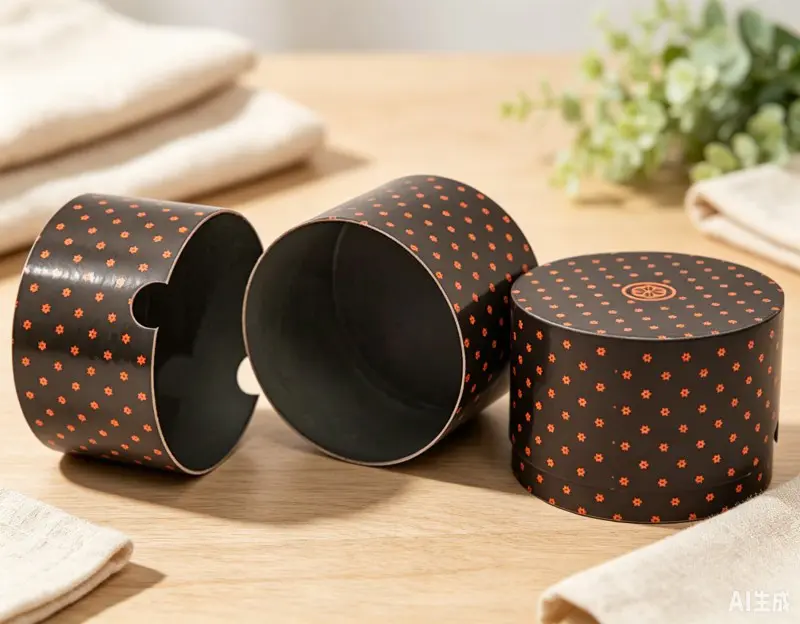
Physical Protection for Fragile Glass Dropper Bottles: CBD oil is most commonly sold in glass dropper bottles, which are fragile and susceptible to breakage during transit and retail handling. The paper cylinder provides a protective outer shell that cushions the glass bottle against impact. The snug interior fit prevents the bottle from shifting within the tube, eliminating the impact forces that cause most retail breakages.
2. Functions & Features
Snug-Fit Interior for Dropper Bottle Security: The cylinder's inner diameter is specified to match the shoulder width of the target CBD dropper bottle — typically 10ml, 30ml, 50ml, or 100ml formats. A precise fit means the bottle cannot rotate or tip within the tube, which is critical for preventing the dropper pipette from being damaged or contaminated during transit and retail display.
Thick-Wall Construction for Glass Protection: The multi-layer cardboard wall of the cylinder is engineered to absorb impact forces that would otherwise transmit directly to the glass bottle. In drop tests, a well-constructed paper cylinder reduces the peak force on the glass by distributing the impact energy across a larger area of the tube wall, significantly reducing breakage rates.
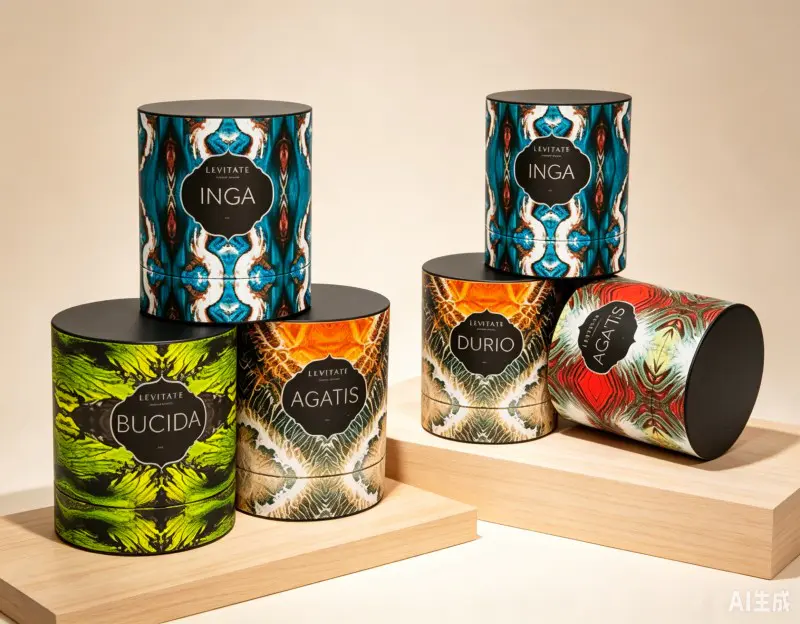
Compliant Label Space for Regulatory Text: The cylinder exterior provides a large, flat-wrap print surface that can accommodate all required regulatory labeling. Unlike rigid plastic bottles with pre-molded label panels, the paper cylinder's entire surface is available for custom printing, giving brands maximum flexibility to meet evolving regulatory requirements without requiring new packaging tooling.
QR Code Integration for Batch Traceability: Modern CBD brands are increasingly required to provide consumers with access to Certificates of Analysis (CoAs) from third-party laboratories confirming cannabinoid content and absence of contaminants. A QR code printed on the cylinder exterior can link directly to the specific CoA for the batch contained in that package, providing transparency and traceability without adding text to the already label-dense exterior.
3. Sustainability
Paper Replaces Plastic in a Category Still Dominated by Plastic: The CBD supplement market is predominantly packaged in plastic bottles and blister packs. By choosing a paper cylinder, CBD brands make a meaningful sustainability differentiation that is genuinely rare in the category — and which is increasingly valued by the health-conscious, environmentally aware consumer demographic that dominates CBD purchasing.
Alignment with Natural and Organic Brand Values: The CBD market's positioning around natural wellness, clean living, and body consciousness makes kraft paper packaging — with its earthy, natural aesthetic — particularly appropriate. The packaging material itself visually communicates the values of the brand: natural, unprocessed, and environmentally responsible.
Fully Recyclable End-of-Life: The paper cylinder is placed in standard paper recycling. The glass dropper bottle inside is separately placed in glass recycling. This two-stream recycling approach is far simpler and more widely accessible than the specialist recycling required for composite plastic packaging, and it encourages consumers to actually recycle both components.