1. Key Advantages
① Twist-Open End Closure for Fast Packing: The pillow box's two twisted end closures are a functional feature that serves both aesthetics and efficiency. In a retail or e-commerce packing environment, the product is placed into the open box and the ends are twisted shut in a single fluid motion — no tape, no glue, no folding complexity. This makes the pillow box one of the fastest packaging formats to assemble and seal, reducing per-unit packing time and labour cost at scale.
② Interior Product Containment Without Void Fill: The pillow box's interior dimensions are matched to the product size, meaning the product is held snugly by the box walls without the need for additional packing materials such as shredded paper, bubble wrap, or foam peanuts. This reduces material consumption, lowers the weight of the finished package, and eliminates the consumer experience of digging through void fill to find the product inside.
③ Die-Cut Window Option for Product Visibility: A die-cut window in the curved face of the pillow box, covered with a transparent PET film, allows the product inside to be seen without opening the box. This is particularly effective for jewelry, candy, small cosmetics, or artisan soap products where the product itself is visually attractive and serves as an additional sales trigger. The window can be any shape — oval, rectangular, heart-shaped, or custom-designed.
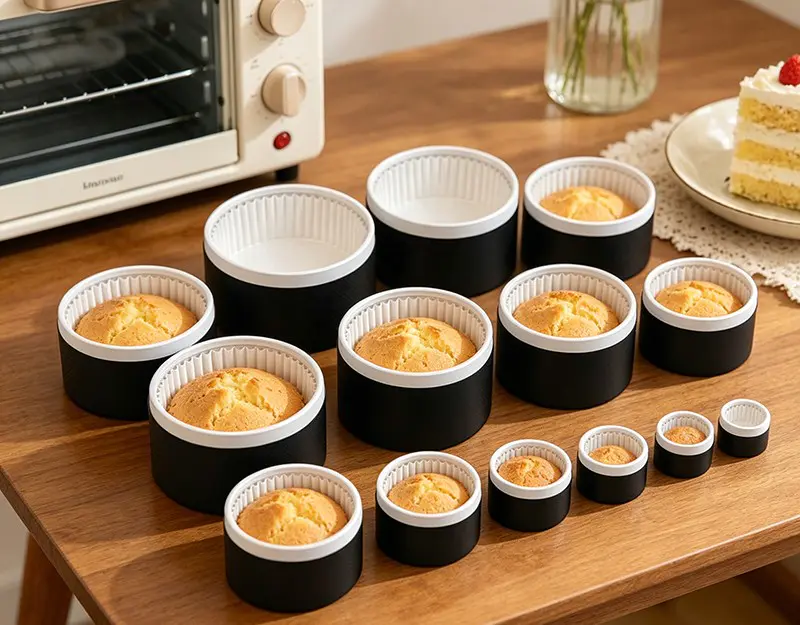
④ Scalable Sizes from Jewelry to Apparel: The pillow box format scales across a remarkably wide range of product sizes. The smallest format — a pillow box for a pair of earrings or a single chocolate truffle — is barely larger than a matchbox. The largest format — suitable for a folded scarf, a blouse, or a lingerie set — is substantial enough to make a dramatic gift presentation. A single packaging format across such a wide size range simplifies brand management and purchasing.
2. Functions & Features
① Size Scaling for Any Product Category: The die-cut tooling for each pillow box size is custom-made. Standard sizes for the most common applications (jewelry, candy, soap, lingerie) are available from existing tooling, reducing tooling investment.
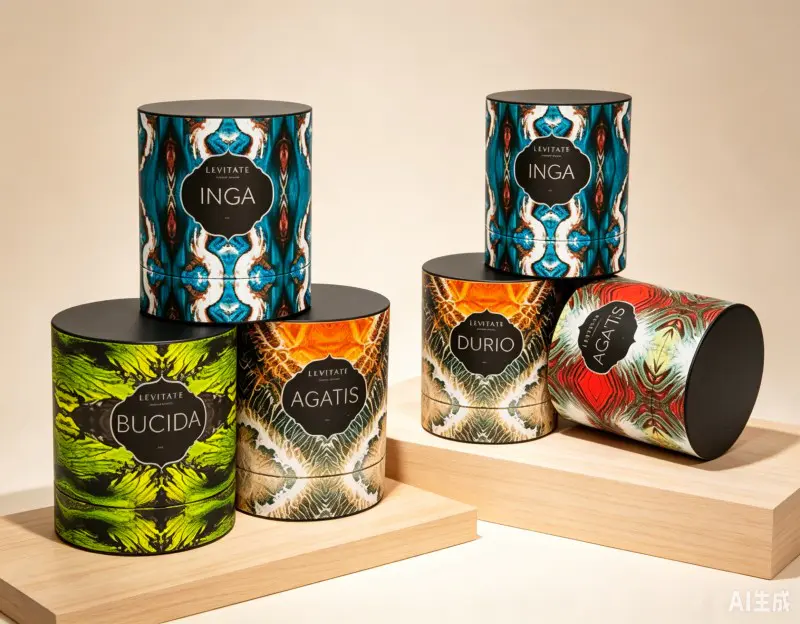
② Natural Kraft or Full-Color Exterior: The pillow box is equally attractive in its natural kraft paper form — brown, earthy, and tactile — or in a fully printed, full-color exterior with brand graphics. Natural kraft is particularly appropriate for artisan, organic, and handmade product brands. Full-color printing maximises brand impact for retail and e-commerce contexts where photography quality is critical.
③ Inner Lining and Insert Options: Tissue paper in brand colors, shredded crinkle paper, a foam insert for fragile items, or a small cardboard tray can be placed inside the pillow box before the product is added. These inner accessories elevate the unboxing experience and provide additional product protection without requiring complex secondary packaging.
④ Ribbon Slot or Label Window: A small cut in one face of the pillow box can serve as a slot for a ribbon or bow, adding an optional decorative element without pre-assembling the ribbon at the factory. A label window — a pre-defined area left un-printed for an applied label — allows the same printed pillow box to carry different product-specific information (flavor, size, variety) via an applied sticker, enabling a single printed run to serve multiple SKUs.
3. Sustainability
① Single-Material Paper Construction for Easy Recycling: The pillow box is made entirely from a single sheet of die-cut cardboard — no additional glue, tape, staples, or non-paper components are required in the base pillow box construction. This single-material design means the entire box is accepted in standard paper recycling without any disassembly, making the recycling process as simple as possible for the end consumer.
② Minimal Material Use Through Efficient Die-Cutting: The die-cut pattern for the pillow box is designed to minimise waste material — the flat blank is cut in a way that leaves very little scrap paper. This material efficiency reduces the raw material cost per unit and minimises the production waste generated in manufacturing.
③ No Void Fill Required: Because the pillow box is sized to fit the product without leaving significant empty space, the consumer-side waste from void fill materials (packing peanuts, crinkle paper, bubble wrap) is eliminated. This reduces the total packaging waste generated per product unit beyond just the primary box itself.